A rule could be a practical way to share one telephone, protect good clothes, or keep the household moving. These are recognition prompts for a 1970s childhood, with period context where it can be documented—not a claim that every family used the same words or rules.
1. Being home at the agreed time

For a child allowed out to play, the return time could be clearer than the afternoon's exact route. Some families used supper or darkness as the marker; others expected a particular clock time.
Individual recollections differ sharply about the freedom children had.
That difference matters. A remembered curfew belongs to a household, not to proof that all 1970s children wandered unsupervised until the streetlights appeared.
2. Telling someone where you were going
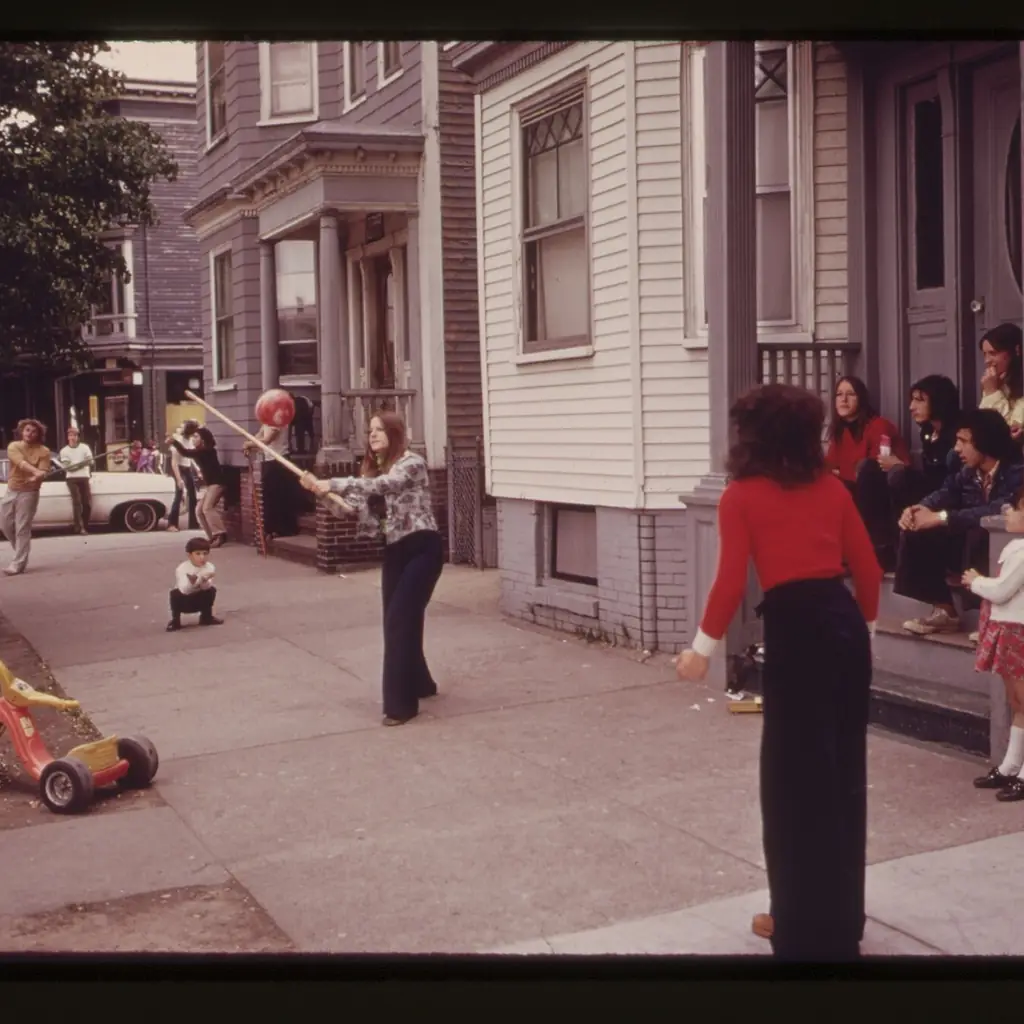
A parent's permission could come with a simple condition: name the destination before leaving. Going from one friend's house to another could therefore require another message.
Without a phone carried in a pocket, changing plans was a different practical problem.
The rule's purpose was knowing where to look, even in a family that otherwise gave its children considerable freedom. It should not be confused with one national standard of supervision.
3. Coming in when supper was ready
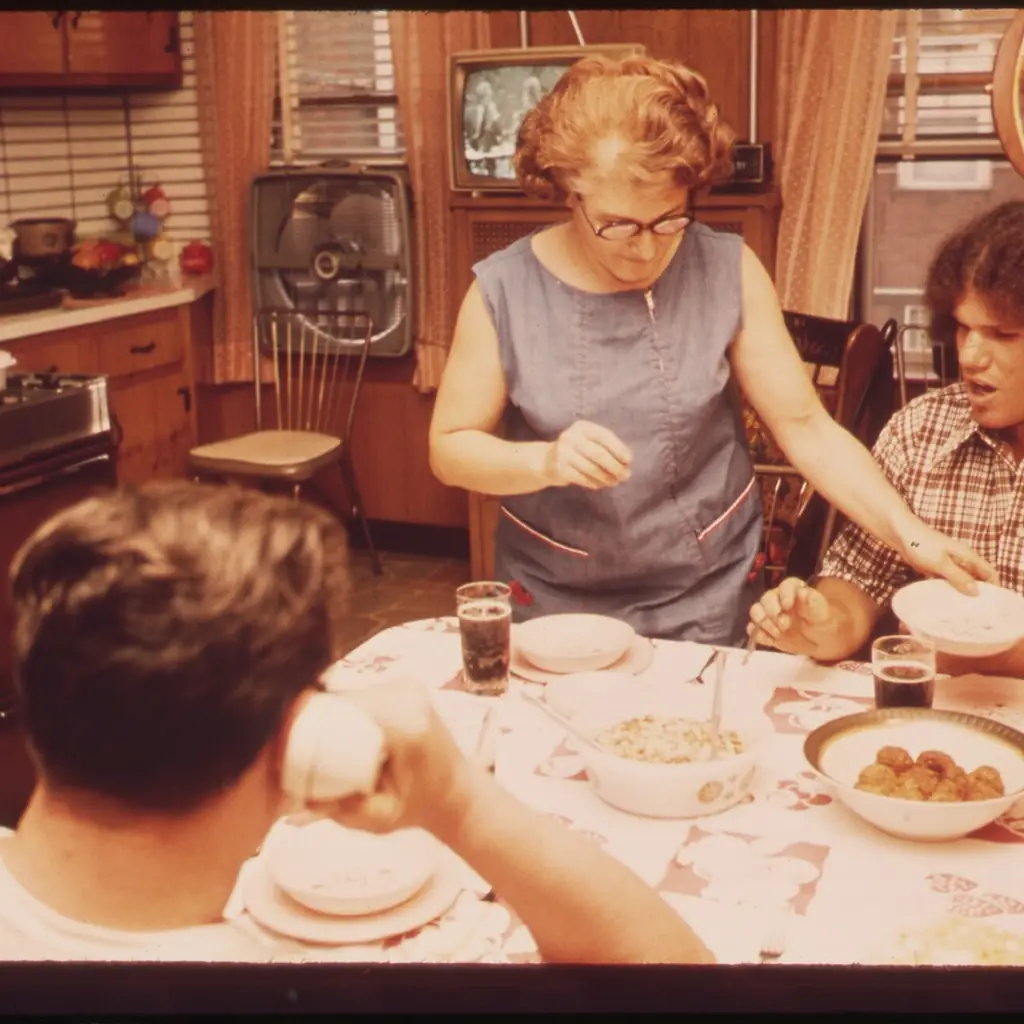
The meal supplied a fixed point in an afternoon that might otherwise feel open-ended. Someone had planned, cooked, and set out food with a serving time in mind.
The rule could therefore be about coordination as much as obedience.
It also depended on work schedules and family circumstances. Not every household had the same supper hour, and not every parent was home to call a child in.
4. Keeping the refrigerator door closed

Standing in front of an open refrigerator could bring a quick reminder to choose something and close it. The practical concern became especially visible during the energy-conscious 1970s.
Conservation advice in the 1973 Congressional Record specifically mentioned avoiding unnecessary or lengthy refrigerator openings.
That is stronger evidence for the period's concern than a modern claim that every parent used one identical familiar saying.
5. Closing the outside door promptly
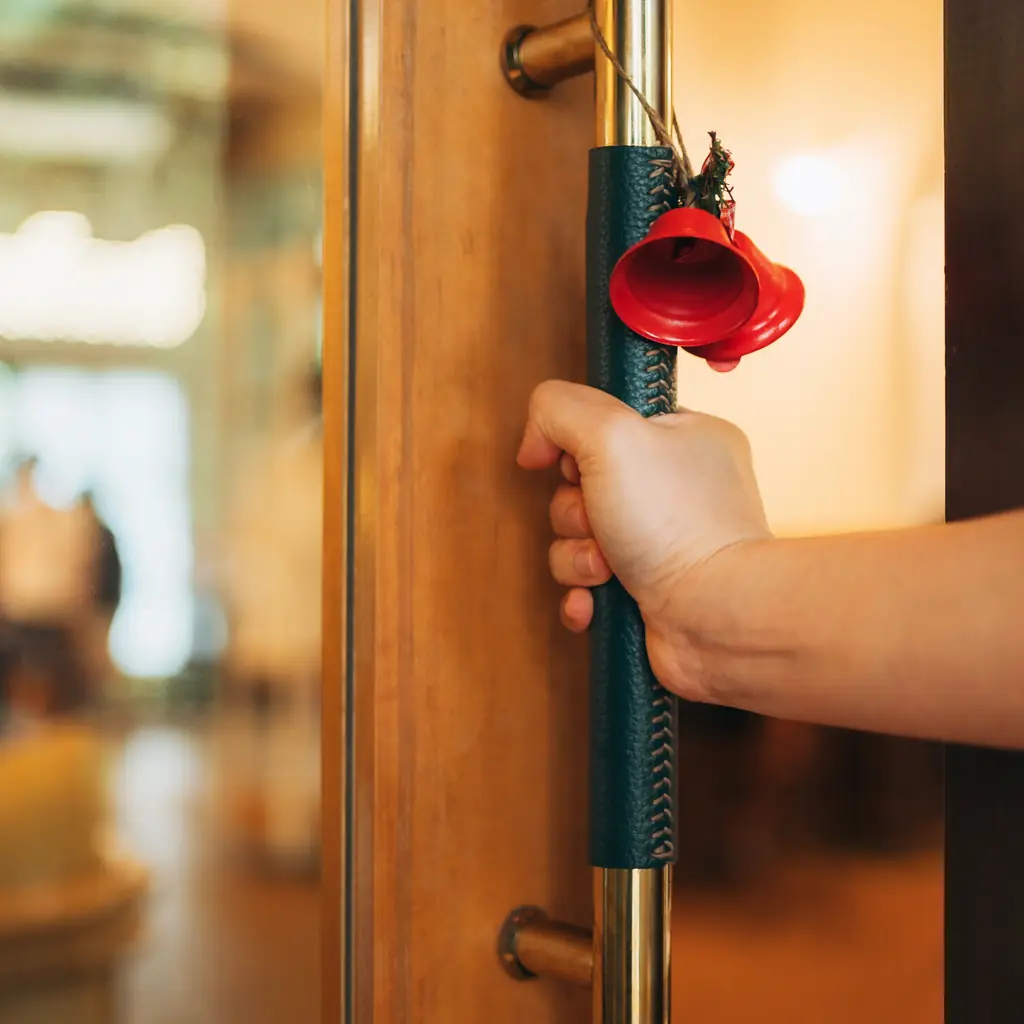
An open door let heated or cooled indoor air escape. A household reminder could follow anyone who stood in the doorway without deciding whether to come in or go out.
Period conservation advice also addressed closing doors quickly.
The concern was not new, but the energy crisis gave it a particularly visible setting in the 1970s. The everyday action connected a child's habit with a household bill.
6. Leaving the thermostat setting alone
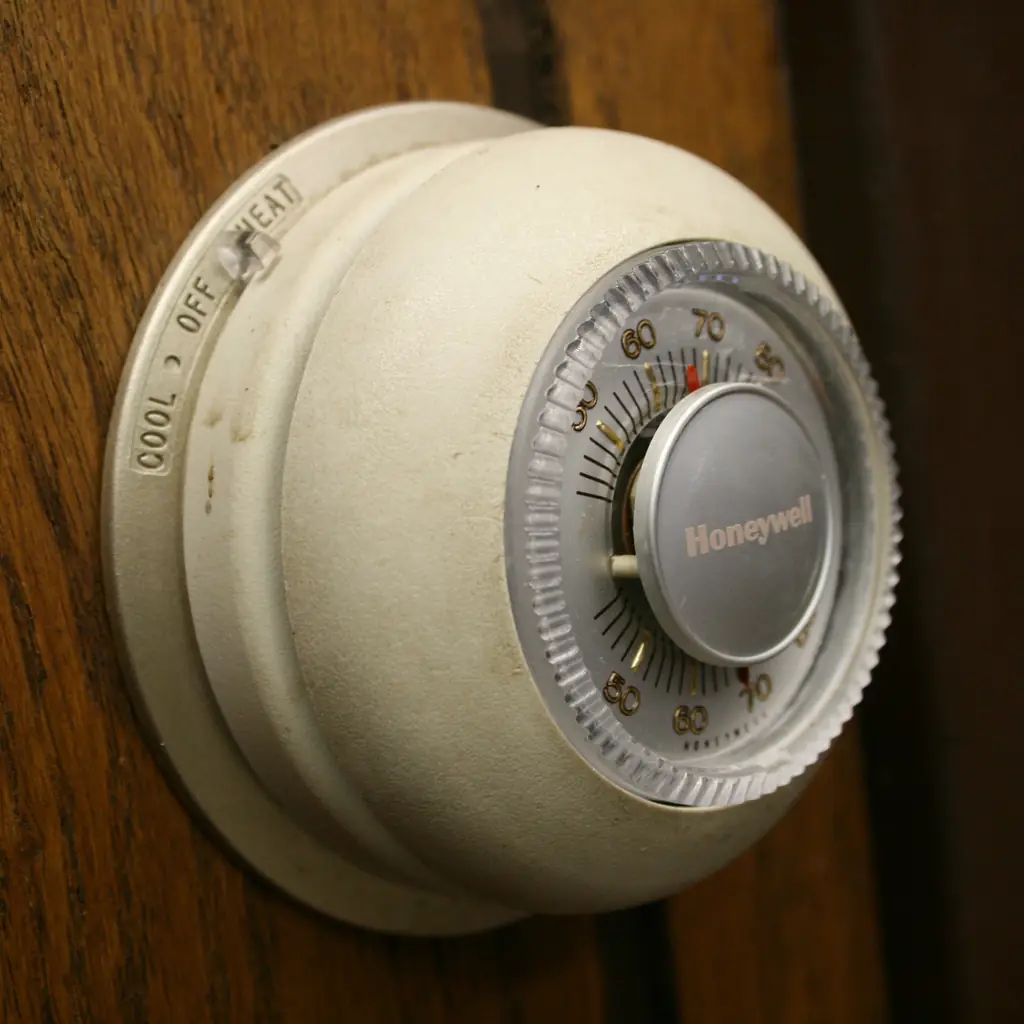
A child might want a warmer room without knowing what heating the house cost. In some homes, the thermostat was therefore treated as an adult decision.
The 1973 energy discussion included specific advice about lowering household heating settings.
Remembering that instruction does not make every old setting medically suitable for every person. It explains the financial and conservation context in which a parent might have guarded the dial.
7. Waiting for a cheaper long-distance rate
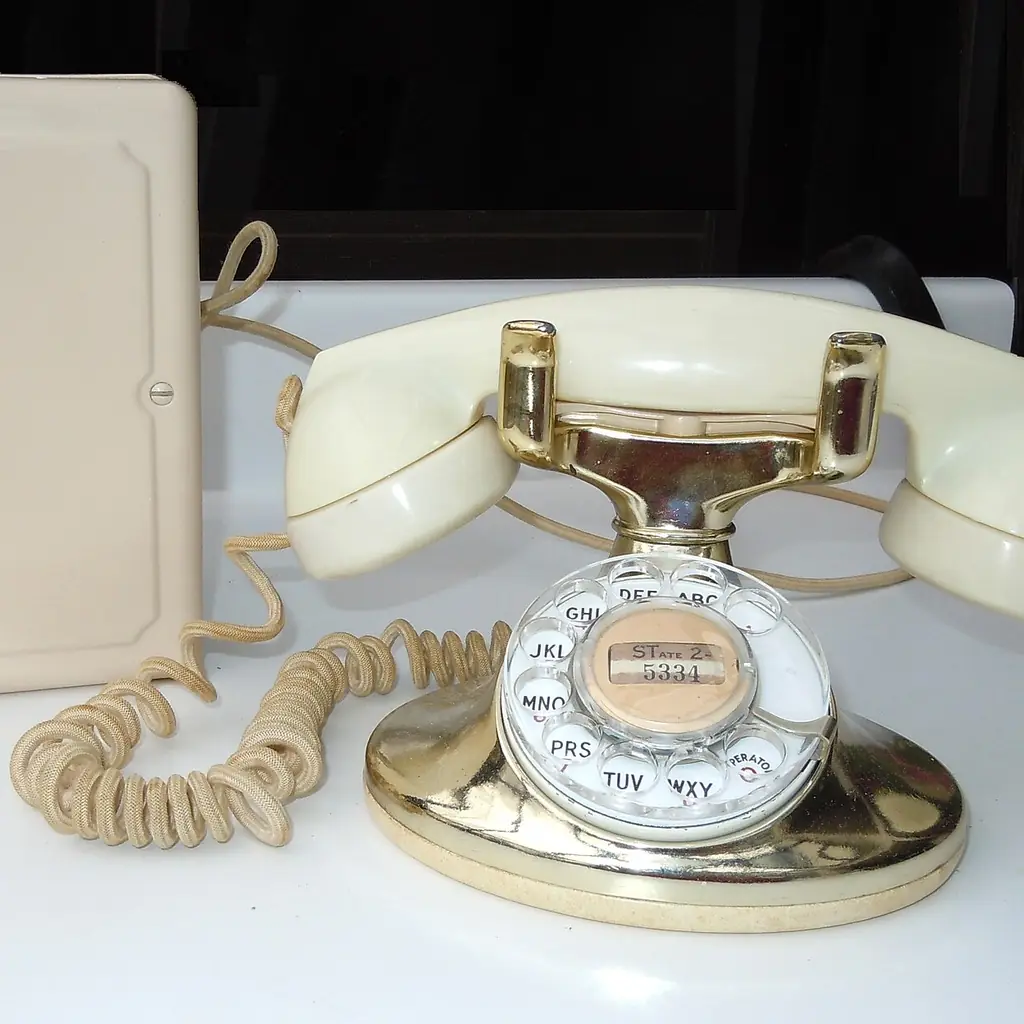
Calling relatives in another state could involve choosing the time as well as the number. A 1974 Bell advertisement distinguished direct-dial interstate day, evening, and night or weekend rates.
The exact price depended on the call, so the clock could matter to the bill.
Waiting to telephone fit the same practical household thinking behind making another meal from Sunday's roast.
8. Not keeping the family telephone busy
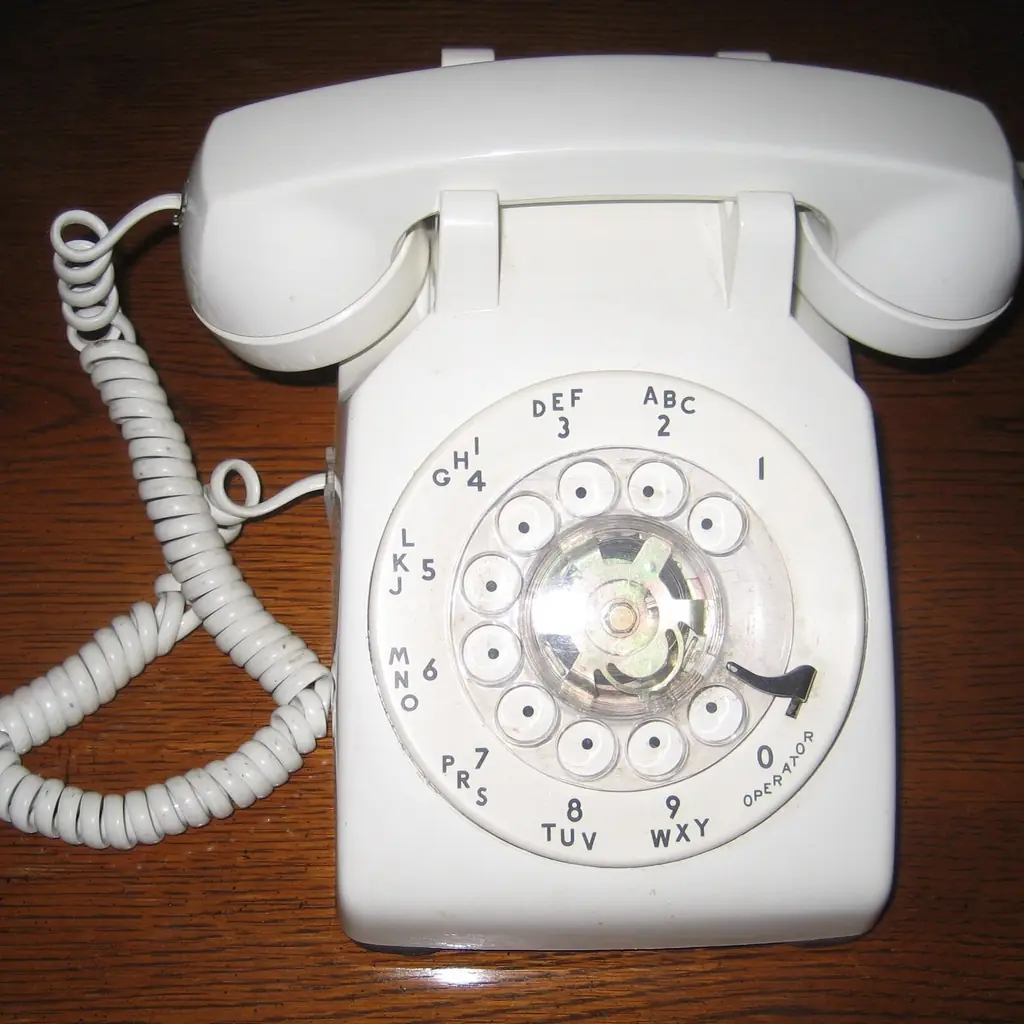
A shared household telephone could not serve two separate conversations on the same line at once. A long chat could prevent another person from making or receiving a call.
The reminder was about sharing a limited resource, not merely disapproving of conversation.
The practical situation differed among homes with one line, extensions, or another arrangement. A remembered phone rule needs that context rather than a blanket story about the whole decade.
9. Choosing television within the family’s rules
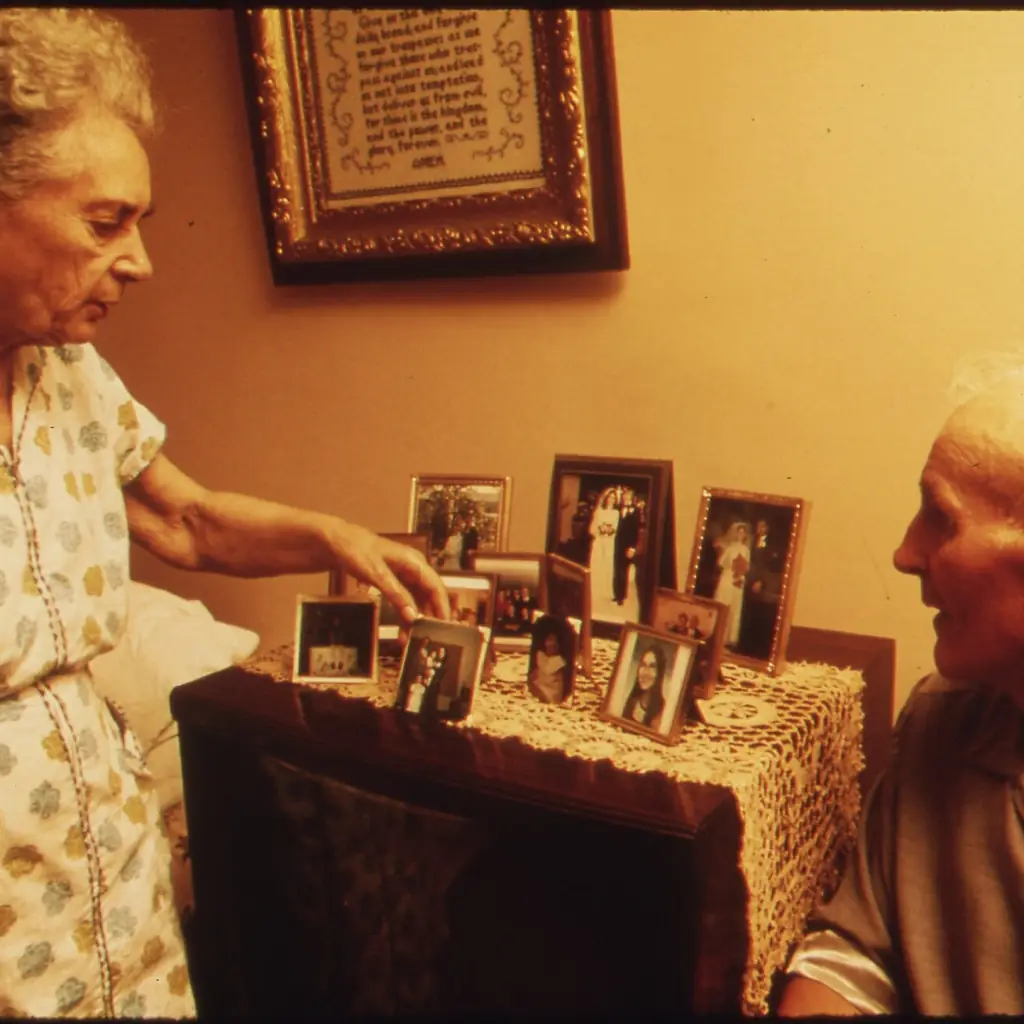
Some parents limited programs or viewing time; others imposed few formal restrictions. Contemporary research from the 1970s explicitly records that variation.
A rule about one child's viewing therefore cannot describe every family on the block.
Program choice mattered because television was both entertainment and a source of information. The discussion went beyond simply deciding who got the most comfortable chair in the room.
10. Finishing homework before a favorite program

A scheduled broadcast made the order of the evening visible. In a household that used this rule, finishing schoolwork could become the condition for watching a particular show.
Programs such as ZOOM belonged to a timetable rather than an on-demand menu. Missing the opening could mean missing something the child wanted to see.
The rule organized time much as older weekly household schedules organized larger jobs.
11. Changing into play clothes
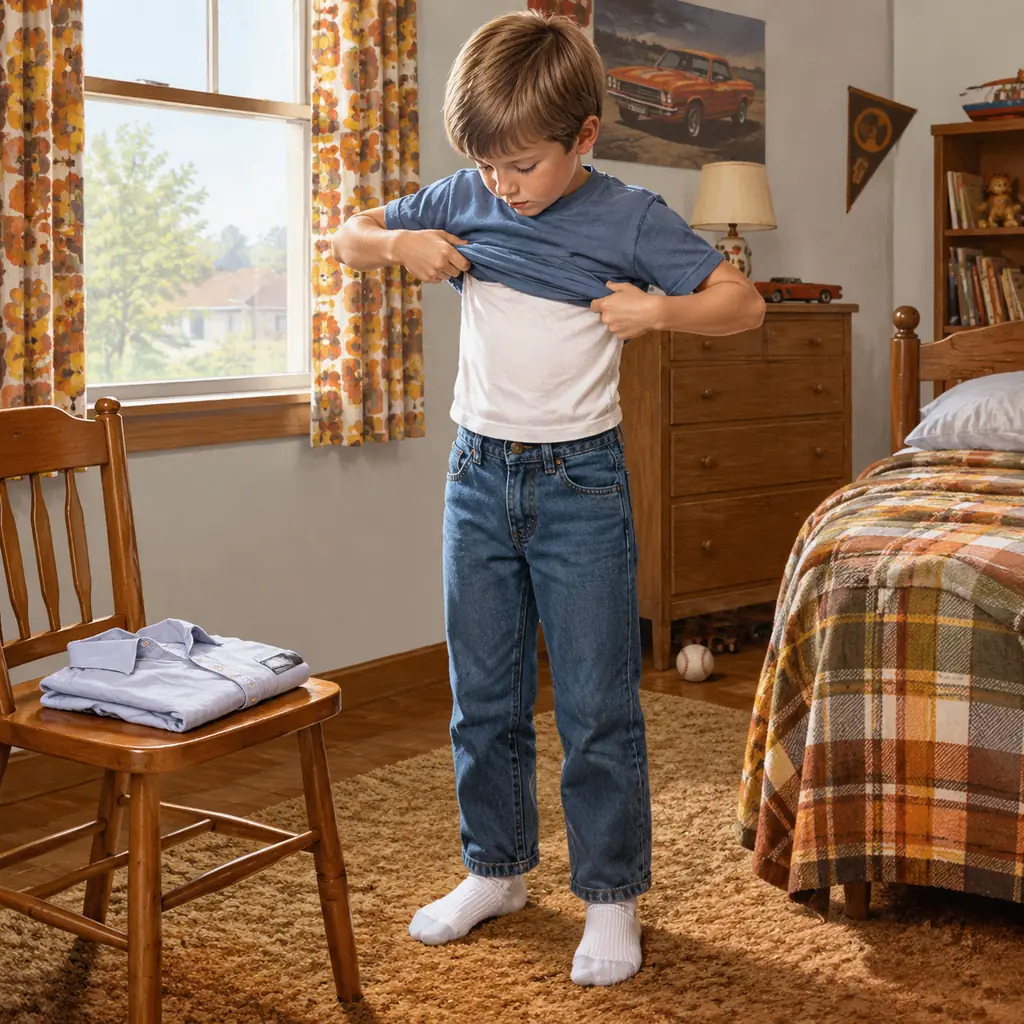
A different set of clothes could separate school or a special outing from running around outside. The point was to protect garments that had another job.
Museum collections document the distinction between children's casual clothing and more formal things, with styles changing across the decades.
The instruction could feel fussy to a child, but replacing and cleaning clothes required money and labor that the child did not always see.
12. Keeping good clothes for the occasion
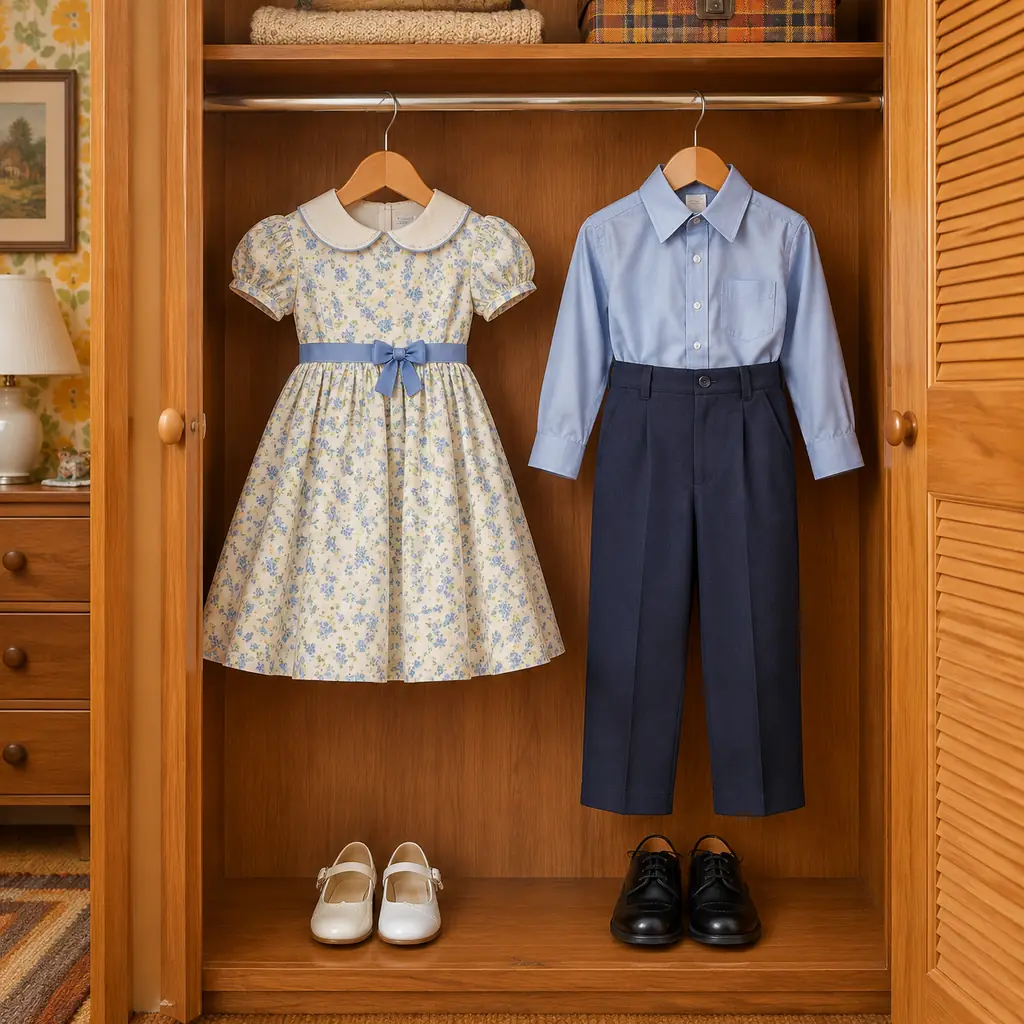
A garment saved for a family gathering might spend more time hanging up than being worn. The restriction helped explain why it could still look unfamiliar when it came out again.
Not every family owned a separate set of dress clothes, and expectations differed by place and occasion.
A holiday kitchen could have its own saved-for-company ingredients too, like those used in Christmas cookies and candies.
13. Doing an assigned household chore

Setting the table, helping with dishes, or another age-appropriate task could be part of the daily expectation. The assignment depended on family needs and the child's age.
Research from the period shows that household work was not divided evenly or identically across families.
The memory of a particular chore can be vivid without establishing that every child had the same responsibility—or that the distribution was necessarily fair.
14. Putting away what you had used
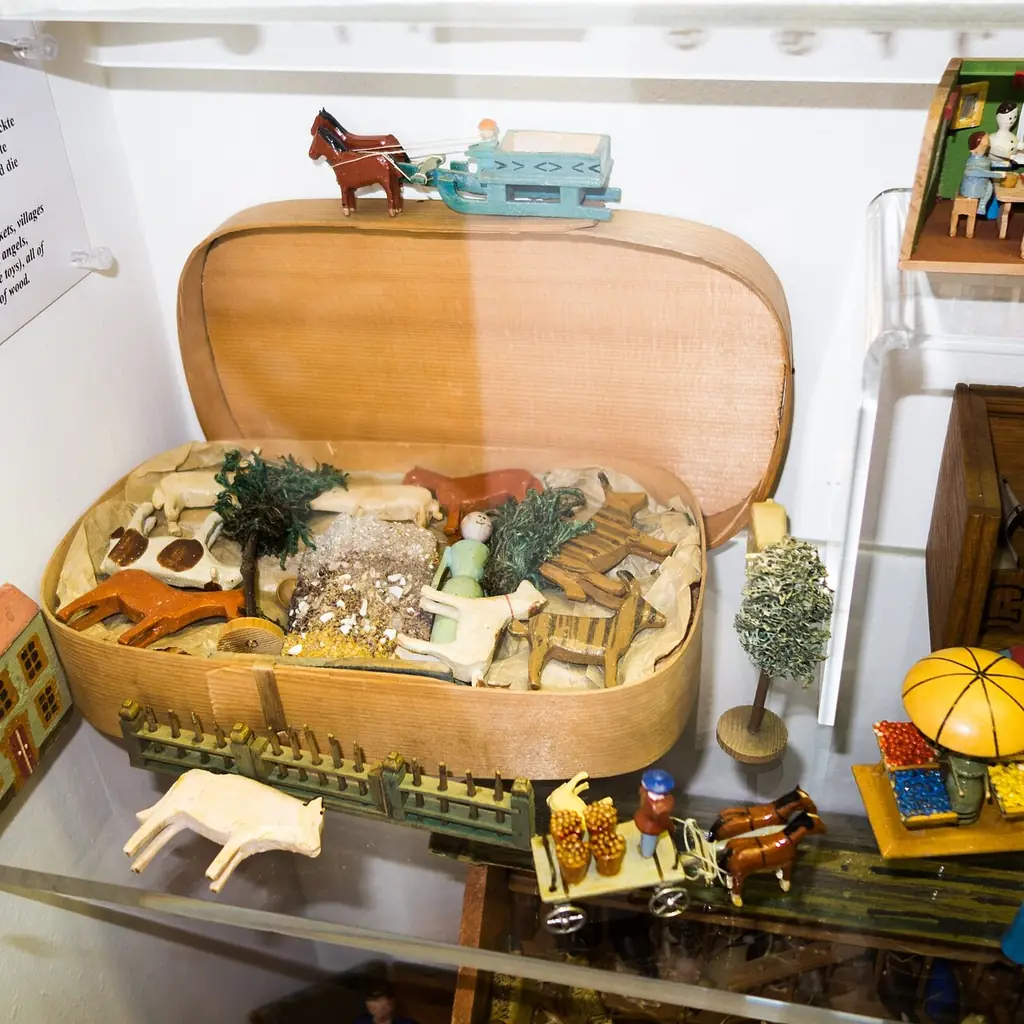
A toy or tool left in a shared room became someone else's obstacle. A reminder to return it to its place was partly a rule about the next person using the space.
The principle could apply to a board game as easily as to kitchen equipment.
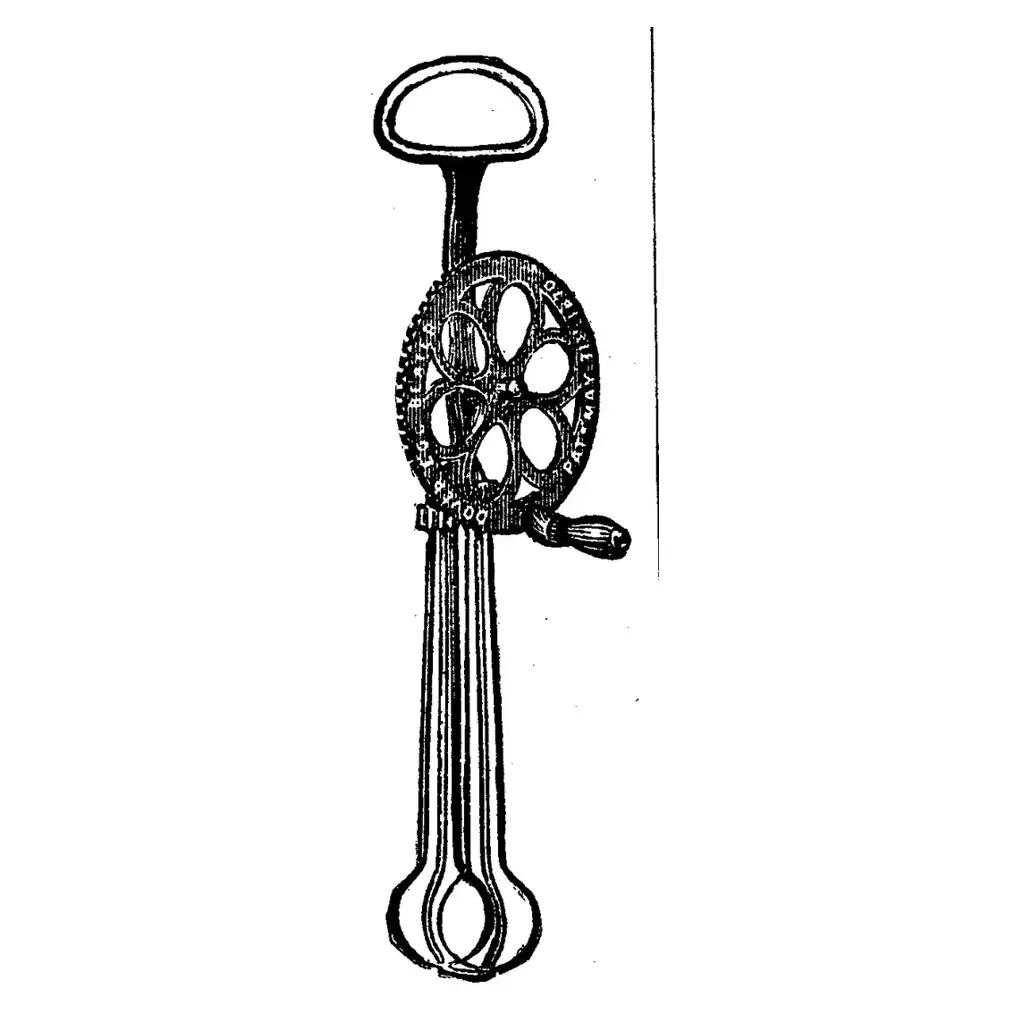
The many specific jobs of older household utensils help explain why their owners wanted each piece back where it belonged.
15. Helping get the table ready
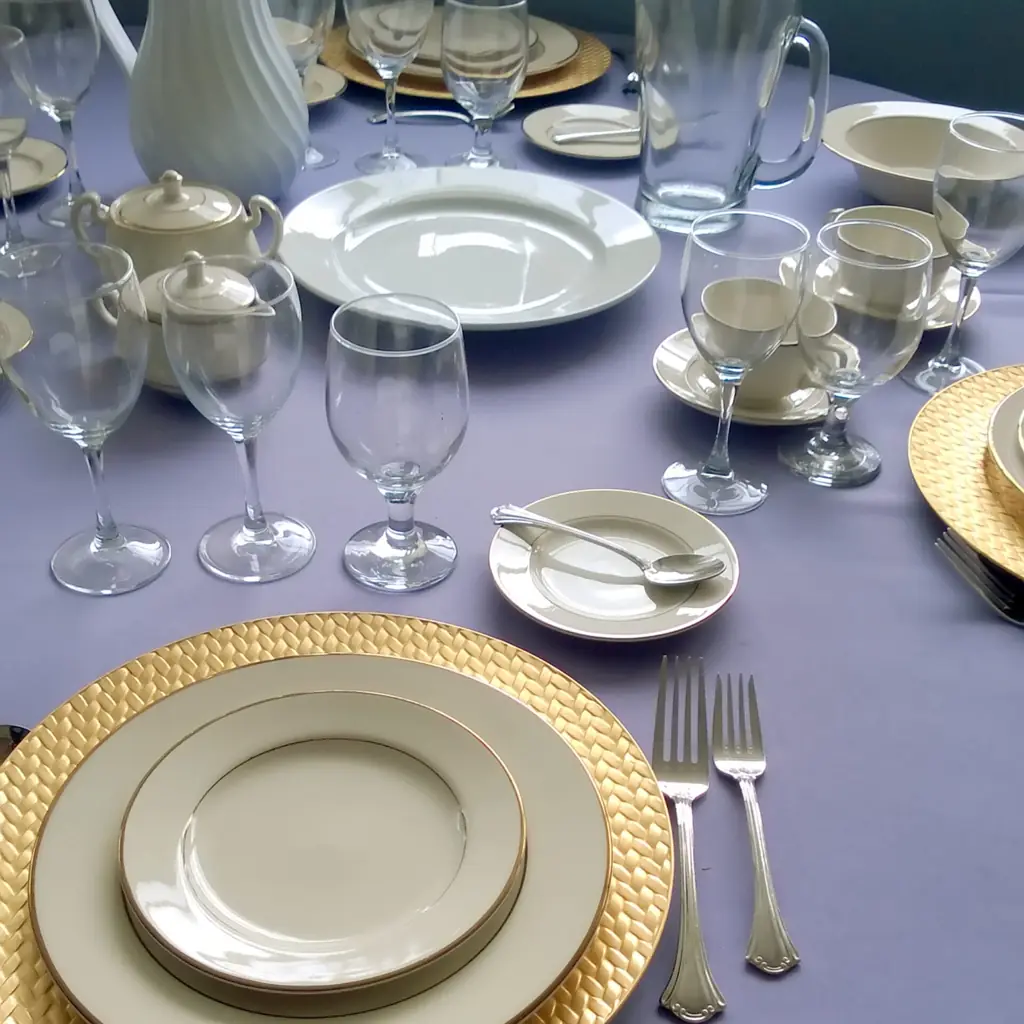
A child could contribute before the meal without doing the cooking. Plates, utensils, and suitable glasses all needed places.
The job also exposed differences between an everyday meal and a meal for visitors. The number of people changed what was required.
Those small preparations could become more noticeable when the household attempted the kind of spread remembered from a 1970s dinner party.
16. Clearing a place after eating
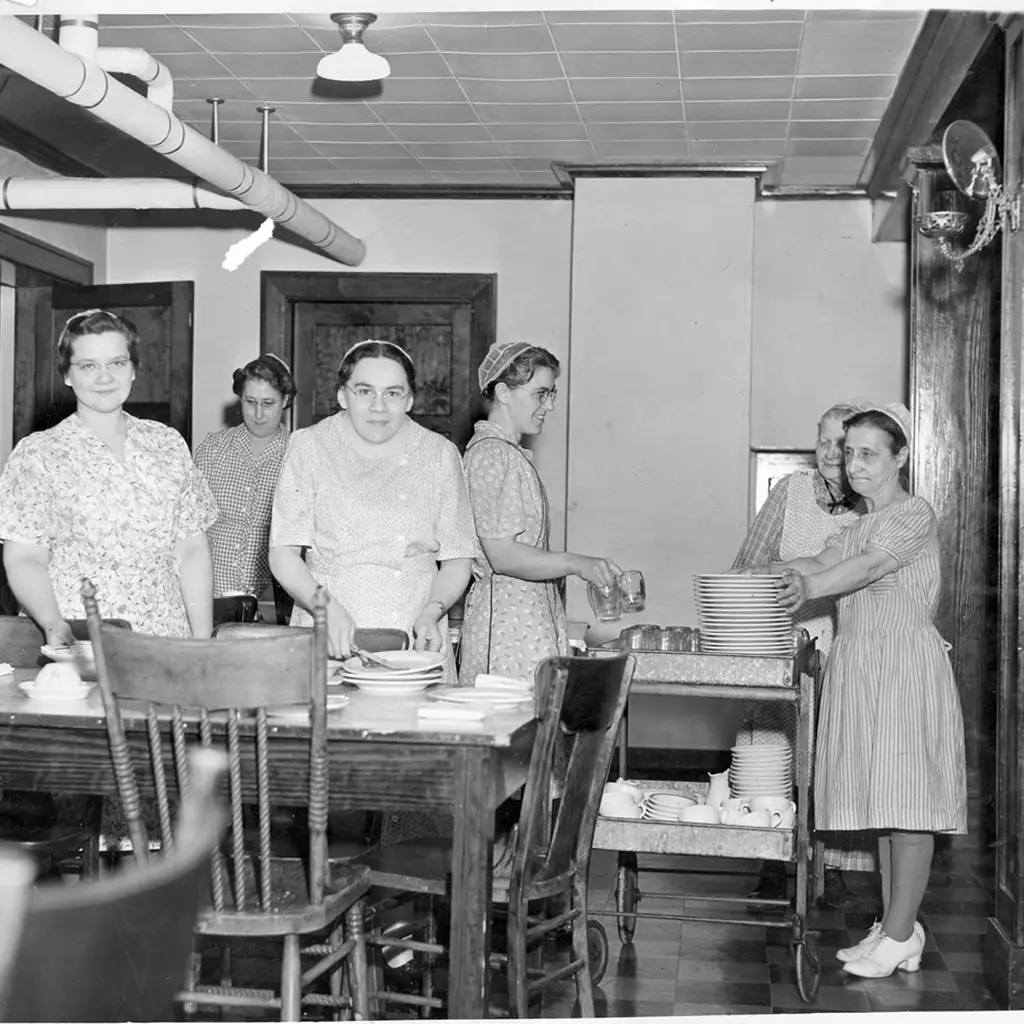
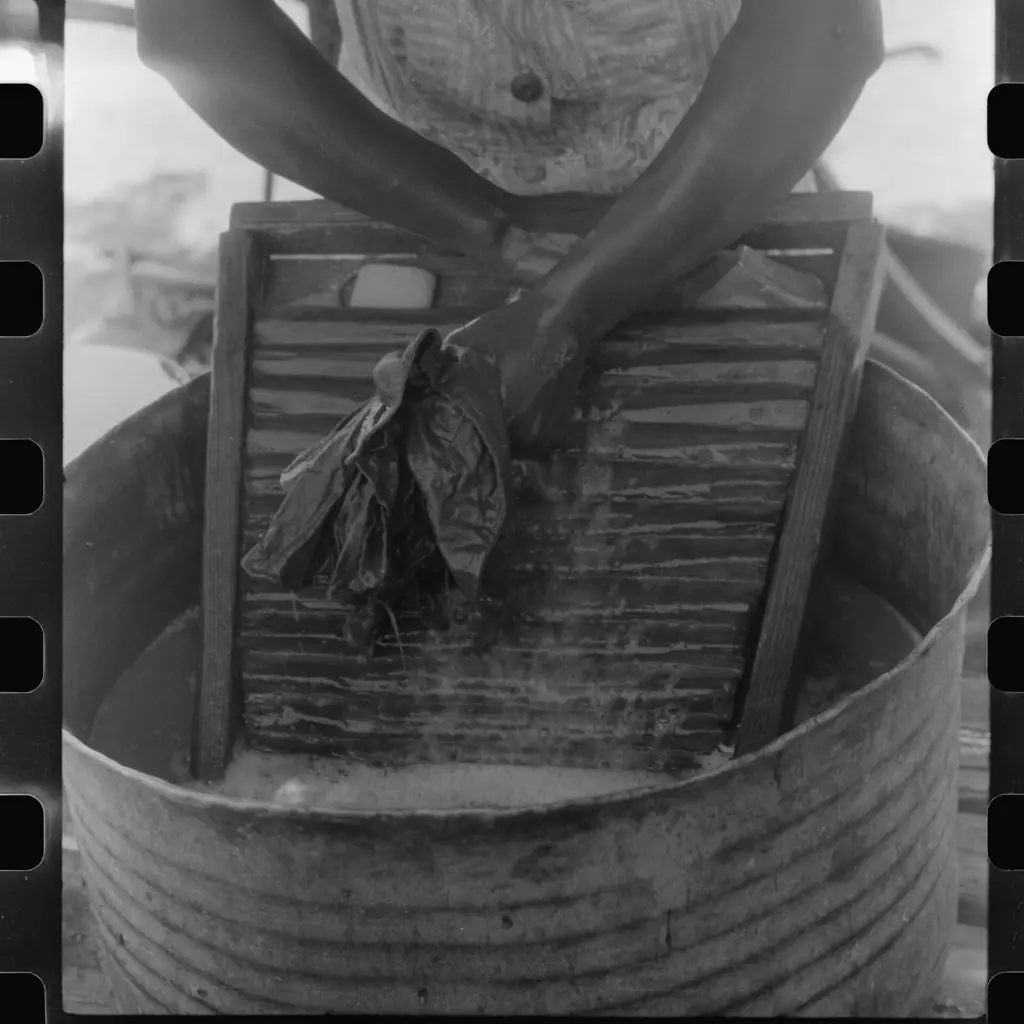
The end of a meal still left work behind. Carrying a plate to the appropriate place could be one small share of that larger task.
The rule differed from expecting a child to handle every dish or sharp utensil. Age and household arrangements mattered.
It connected eating with the washing, storing, and resetting that made the next meal possible, work that could otherwise remain invisible at the table.
17. Asking before opening something saved for guests
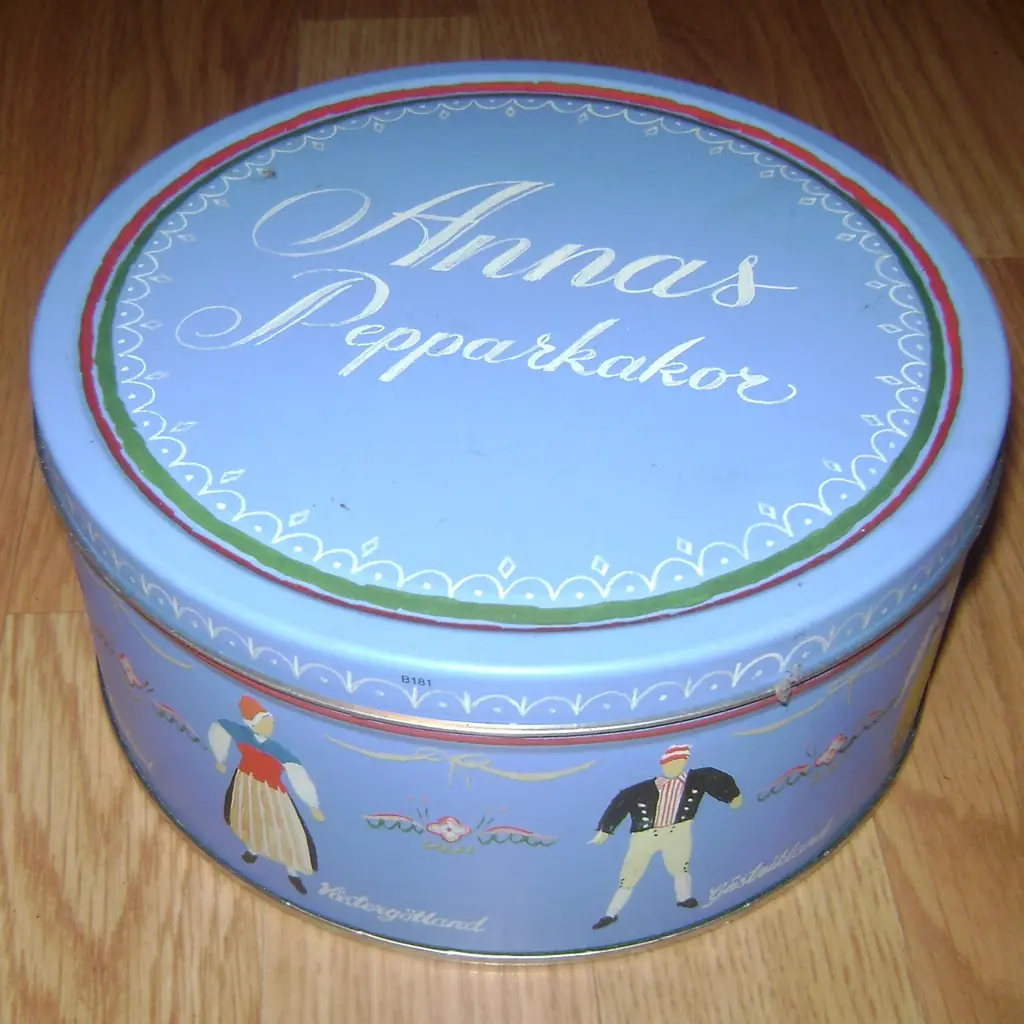
A box in the cupboard might already have a purpose, even when nobody was eating it yet. A household could save particular snacks or ingredients for an expected visit.
The instruction was about planning as much as appetite.
It helps explain why some of the most recognizable packages on Grandma's pantry shelf did not automatically belong to whoever happened to notice them first.
18. Checking before answering an unfamiliar caller
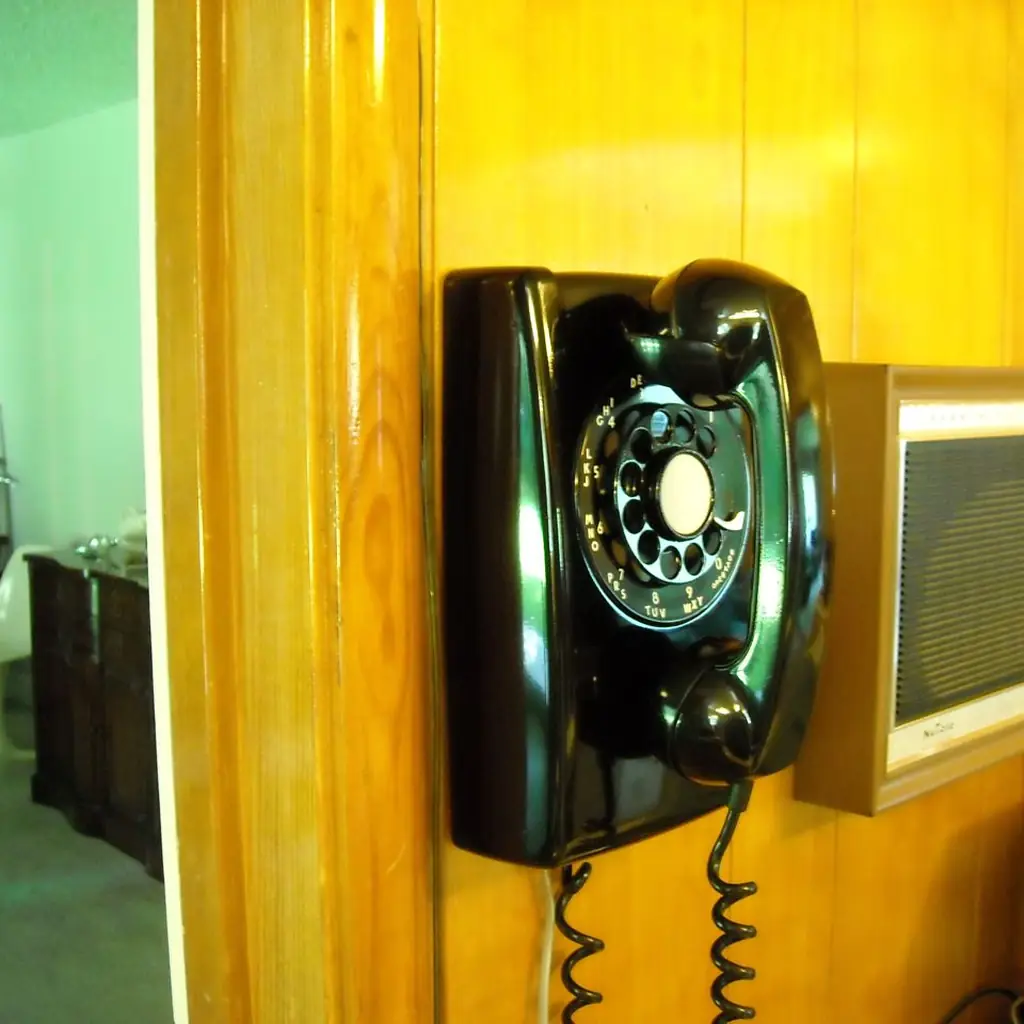
A child might hear the doorbell without knowing whether the visitor was expected. Family instructions about answering depended on age, who was home, and the neighborhood.
The rule should not be turned into a claim that earlier households trusted everyone who knocked.
The range of delivery people, sellers, and service workers at the front door gave families practical reasons to distinguish one caller from another.
19. Returning borrowed things in usable condition
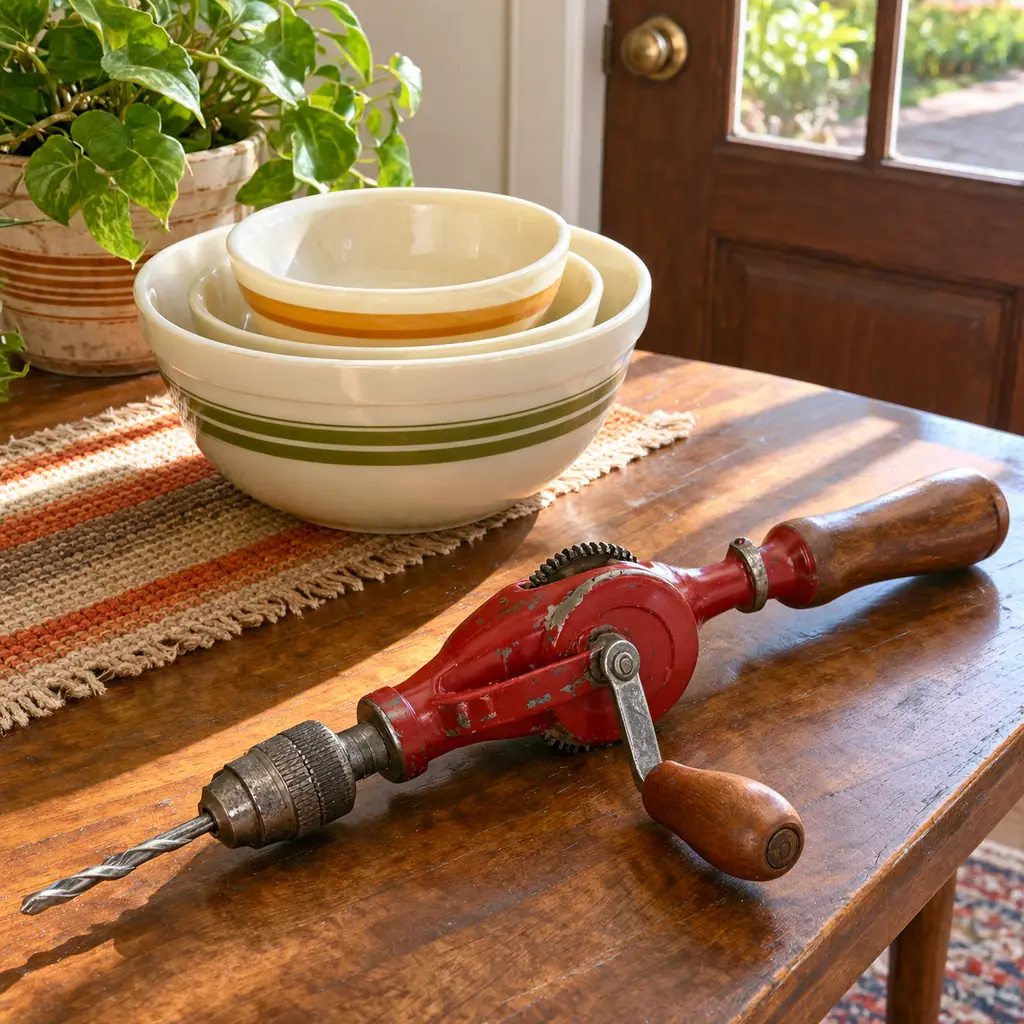
A borrowed pan, book, or other object needed to come back so its owner could use it again. The instruction connected a child's immediate convenience with someone else's property.
The same expectation could govern exchanges between neighbors and relatives.
A bowl of fruit from a backyard tree or berry bush might arrive in a container that was expected to find its way home after the food was finished.
20. Following the house’s bedtime
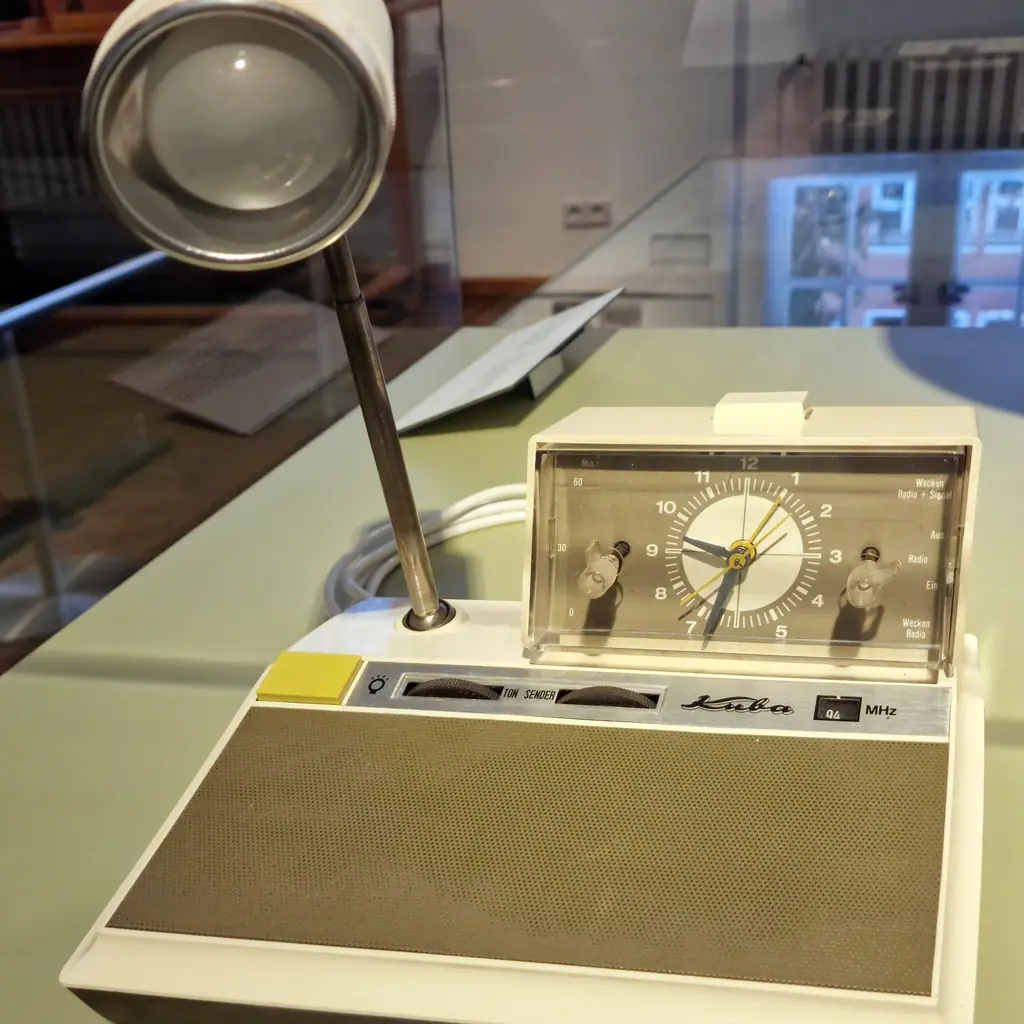
The evening had a stopping point even when a child wanted another program or another hour of play. The chosen time depended on age, school, work, and the particular household.
Contemporary television research shows why the screen could become part of a wider argument about time and parental authority.
The useful memory is the family's own arrangement. The 1970s did not supply one bedtime, one parenting style, or one childhood experience.
Sources and further reading
- First-person recollections: Growing Up in the 1970s
- Helen Kinne and Anna Cooley: Foods and Household Management, 1918
- Congressional Record, November 7, 1973: Household Energy Conservation
- The Journal Newspapers, November 21, 1974: Bell Telephone Rate Advertisement
- George Comstock: Television and Children: The Evolution of Research, 1979
- American Archive of Public Broadcasting: ZOOM, 1972–1978
- The Henry Ford: What We Wore—Kids
- Charles Thrall: Who Does What, 1978
- National Longitudinal Surveys: Family Attitudes
- U.S. Census Bureau: About the 1960 Census
Image credits
- Beautiful magnets on a vintage fridge (Unsplash).jpg by Squared.one squared_one; CC0. Cropped to a square, resized and converted to WebP. No subject details altered.
- Western Electric 202 Imperial telephone with 684A subset dated 1955.jpg by Kbrose; CC BY-SA 3.0. Cropped to a square, resized and converted to WebP. No subject details altered.
- Tapping pencil.jpg by Rennett Stowe from USA; CC BY 2.0. Cropped to a square, resized and converted to WebP. No subject details altered.
- CHILDREN PLAY BALL IN FRONT OF THEIR HOMES ON NEPTUNE ROAD LOGAN AIRPORT IS AT THE END OF THE STREET. MANY OF THE... - NARA - 549296.jpg by Michael Philip Manheim; Public domain. Cropped or fitted to a square, resized and converted to WebP. No subject details altered.
- THE ANTHONY BRUNOS AT DINNER IN THEIR WELL-KEPT HOME AT 39 NEPTUNE ROAD - NARA - 548439.jpg by Michael Philip Manheim; Public domain. Cropped or fitted to a square, resized and converted to WebP. No subject details altered.
- BellWesternElectricRotaryPhoneA.jpg by Infrogmation of New Orleans; CC BY-SA 3.0. Cropped or fitted to a square, resized and converted to WebP. No subject details altered.
- Photograph of the Living Room of Mr. and Mrs. August Vogel - NARA - 558314.jpg by Gary Truman; Public domain. Cropped or fitted to a square, resized and converted to WebP. No subject details altered.
- Antique wooden farm toys in original box (26453161080).jpg by Thomas Quine; CC BY 2.0. Cropped or fitted to a square, resized and converted to WebP. No subject details altered.
- Table setting at a party store.jpg by Joyful spherical creature; CC BY-SA 4.0. Cropped or fitted to a square, resized and converted to WebP. No subject details altered.
- Tins 010.JPG by Albertyanks Albert Jankowski; Public domain. Cropped or fitted to a square, resized and converted to WebP. No subject details altered.
- Honeywell round thermostat.jpg by Flickr user midnightcomm; CC BY 2.0. Cropped or fitted to a square, resized and converted to WebP. No subject details altered.
- WE554wallphone.jpg by User:Mcheath; Public domain. Cropped or fitted to a square, resized and converted to WebP. No subject details altered.
- 20260210 Radiowecker Kuba Sweet-clock R27 (1970) Deutsches Technikmuseum Berlin anagoria.jpg by anagoria; CC BY 3.0. Cropped or fitted to a square, resized and converted to WebP. No subject details altered.
- Table Clearing 1951 (6942860588).jpg by Mennonite Church USA Archives; No restrictions. Cropped or fitted to a square, resized and converted to WebP. No subject details altered.