An unfamiliar kitchen tool usually had a specific job rather than a mysterious one. These implements help explain the repetitive work behind older family meals, from sifting flour to making preserves.
1. The hand-cranked egg beater
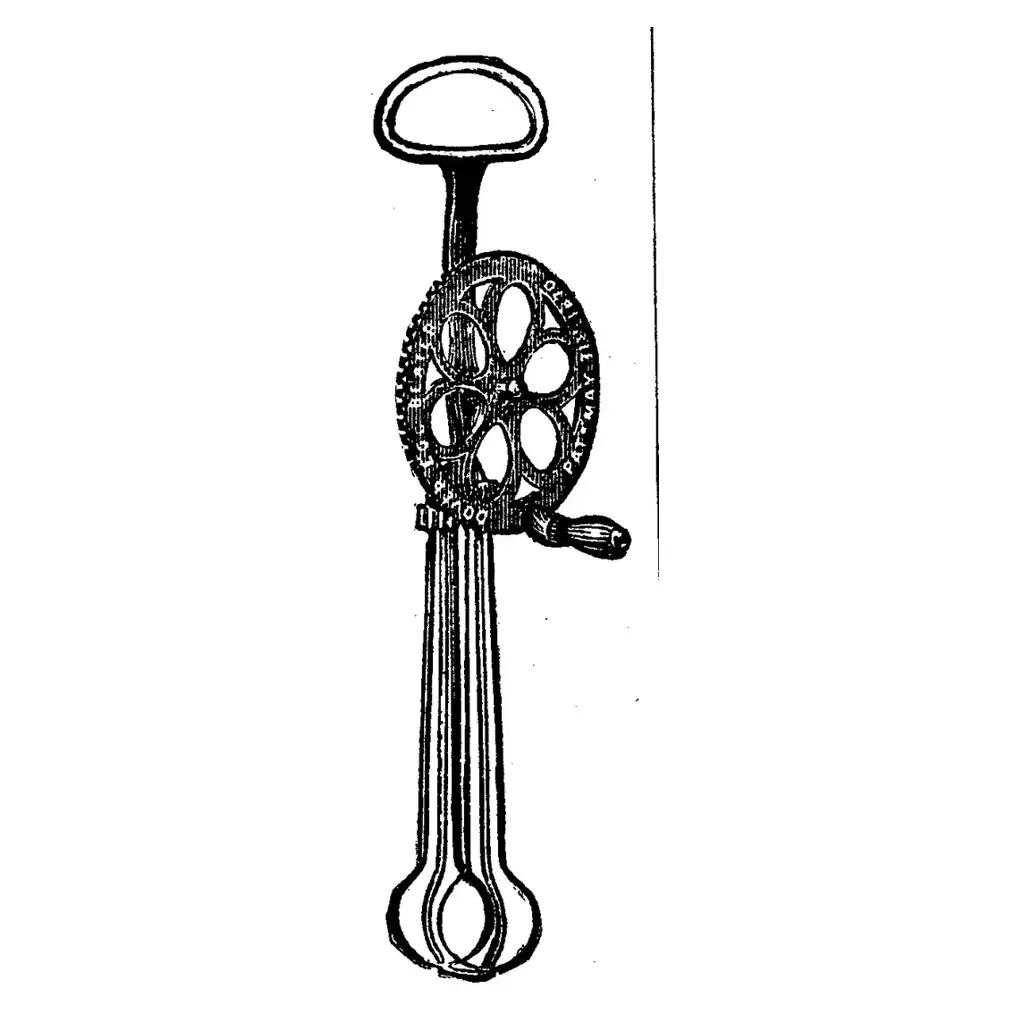
Turning the side crank drove a pair of beaters through eggs, cream, or another suitable mixture. Gears converted the turning motion into repeated mixing.
The tool saved some wrist work compared with beating everything by hand, but it still depended on the person holding it steady.
It was suited to lighter mixtures. A heavy bread dough was a different kind of job, not evidence that the beater was broken.
2. The flour sifter
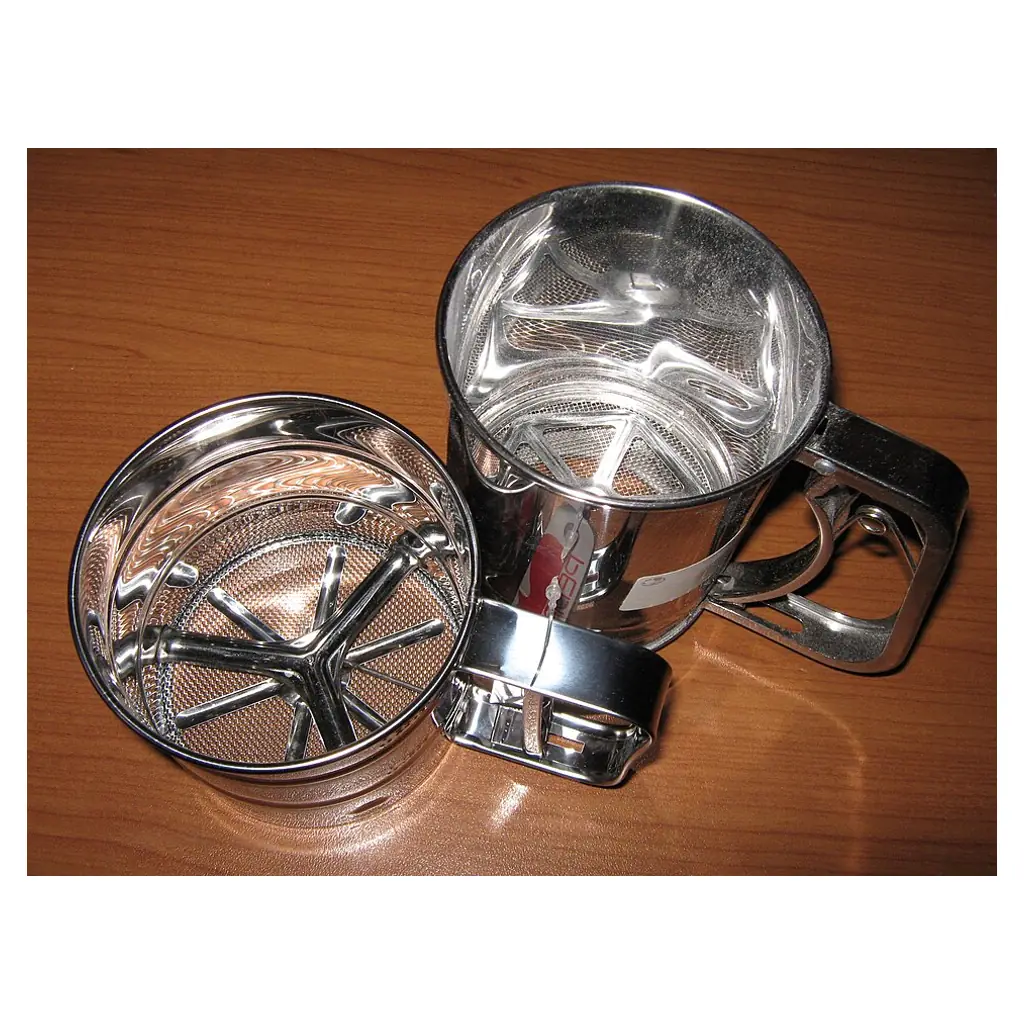
The sifter pushed flour through mesh, breaking up lumps and helping distribute it. Earlier versions also helped remove unwanted remnants from less thoroughly processed flour.
A crank or another moving part kept the flour traveling across the screen.
The tool's role changed as milling improved. A recipe might still call for sifting for measuring or texture, even when the flour no longer needed the same kind of cleaning.
3. The pie bird
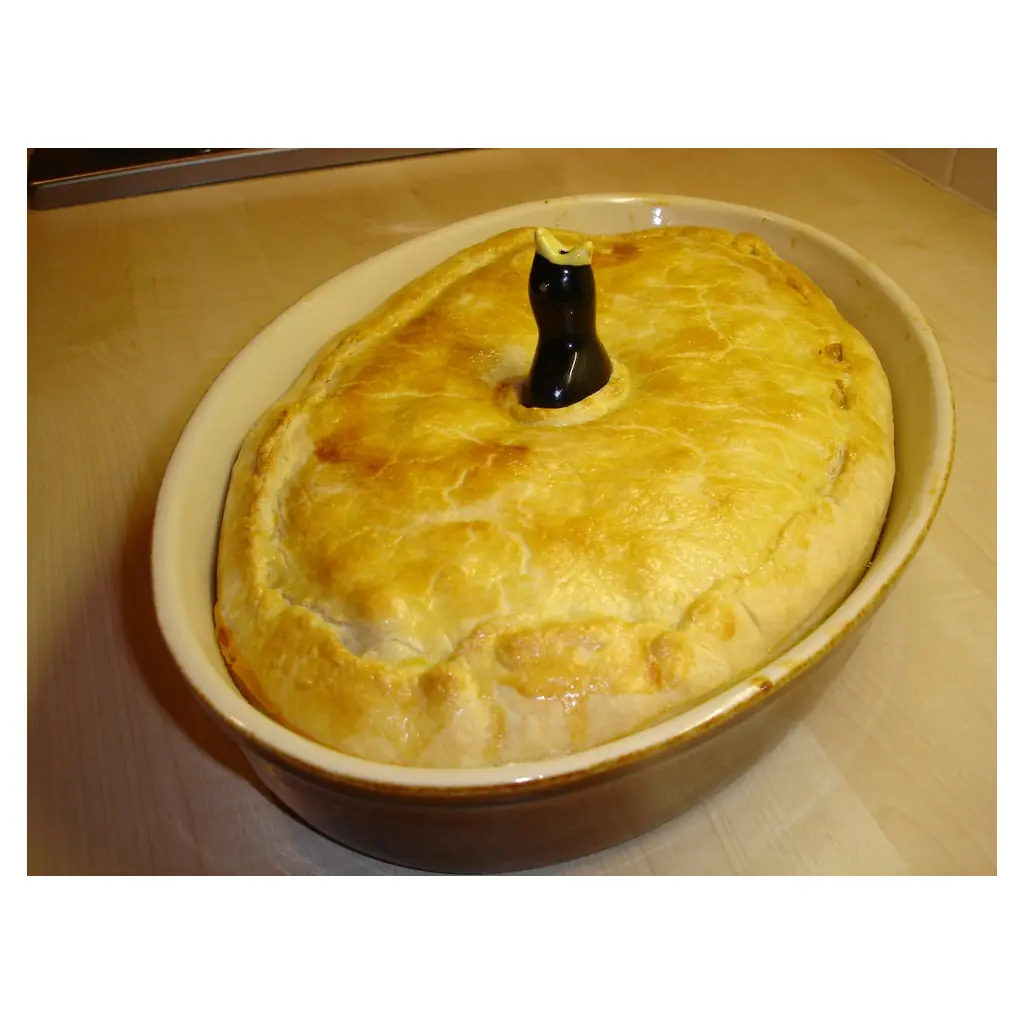
The little ceramic bird stood in the center of a covered pie with its opening exposed. Its hollow body gave steam a route out of the filling.
It was functional decoration rather than something to eat. The pastry had to fit around it without blocking the vent.
Other shapes could perform the same job. The important feature was the open channel, not whether the object looked like a blackbird.
4. The Foley-style food mill
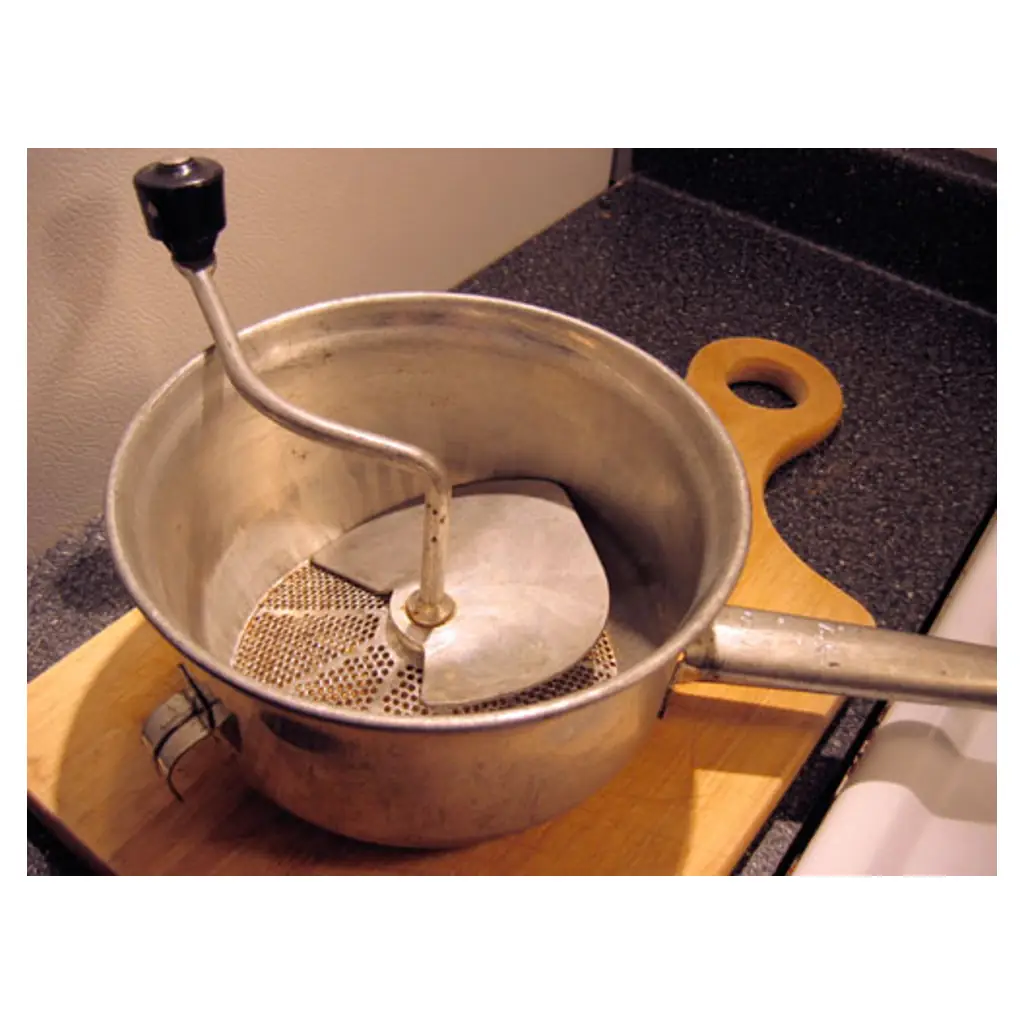
A turning blade pressed soft, cooked food against a perforated surface. The puree passed through while much of the skin, seeds, or tougher material stayed behind.
That made the mill useful for applesauce and tomato preparations. It was not simply a hand-powered blender.
Smithsonian's cookbook archive includes a 1948 Foley Food Mill booklet, documenting how the equipment was sold alongside ideas for using it.
5. The potato ricer
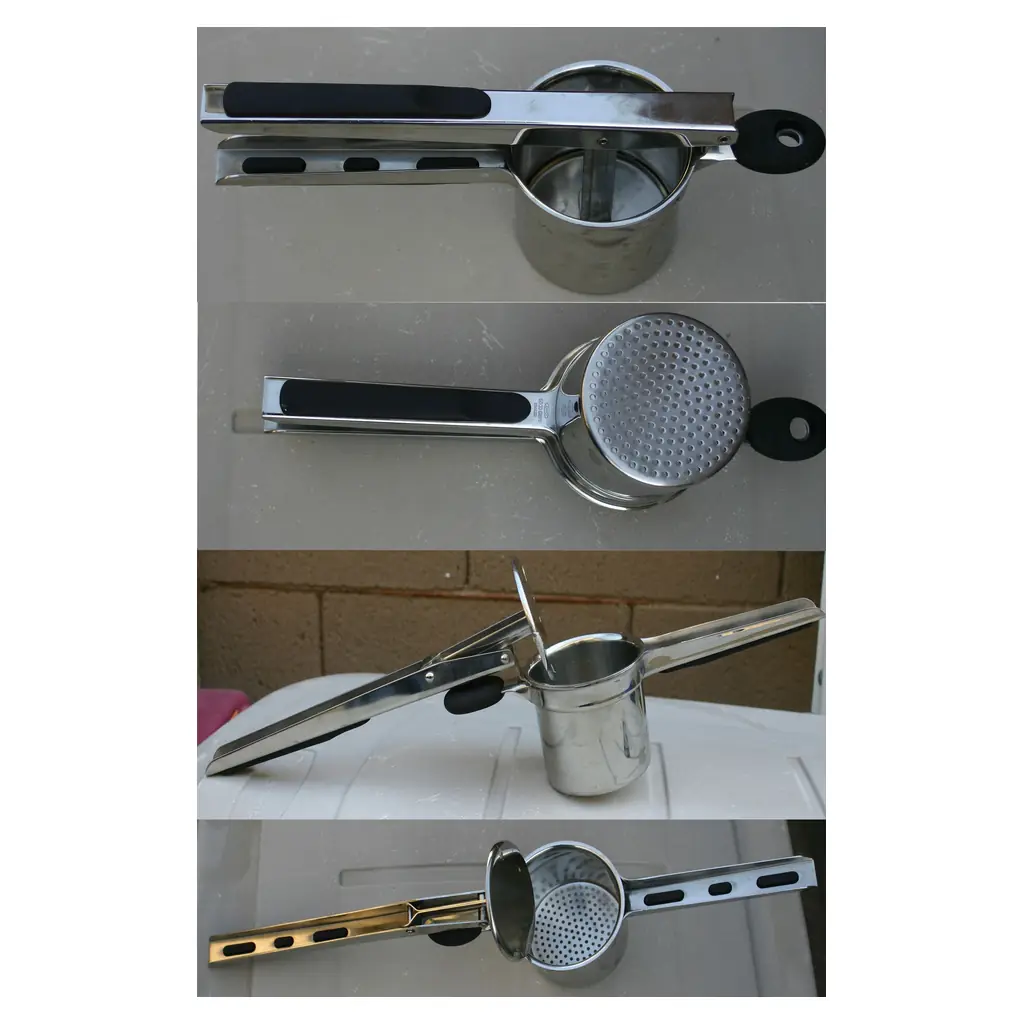
Cooked potato went into the perforated cup, and squeezing the handles forced it through small holes. The resulting strands were much finer than pieces made by a basic masher.
The potato needed to be cooked and soft enough for the tool. Raw potato was not the intended starting point.
The ricer offered control over texture, especially when a cook wanted smooth potatoes without repeatedly beating them.
6. The wire potato masher
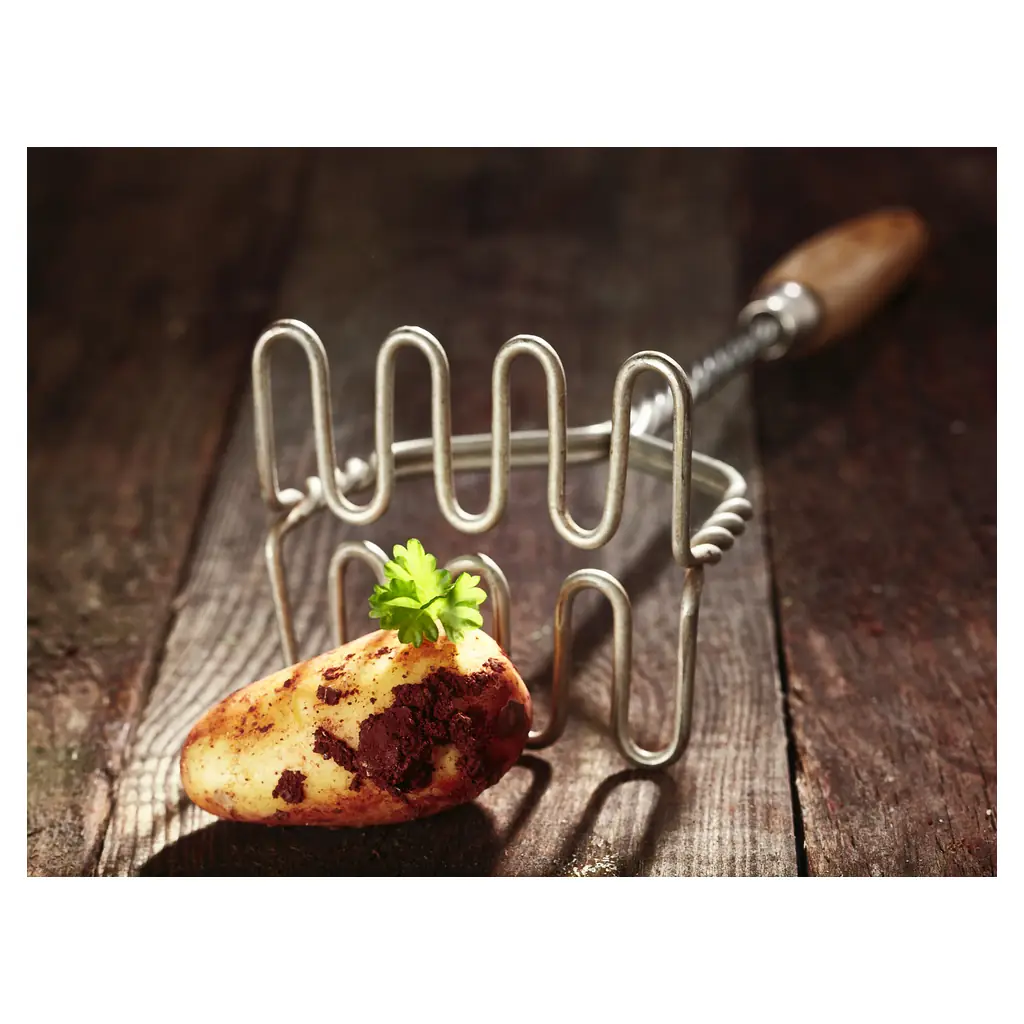
A bent wire head broke cooked potatoes into smaller pieces as it was pressed down. Its open shape let potato move through rather than trapping everything inside a closed bowl.
The result could remain more textured than riced potato. That suited cooks who preferred a few small pieces.
The motion was simple, and the tool did not need electricity or a complicated set of attachments.
7. The hand meat grinder
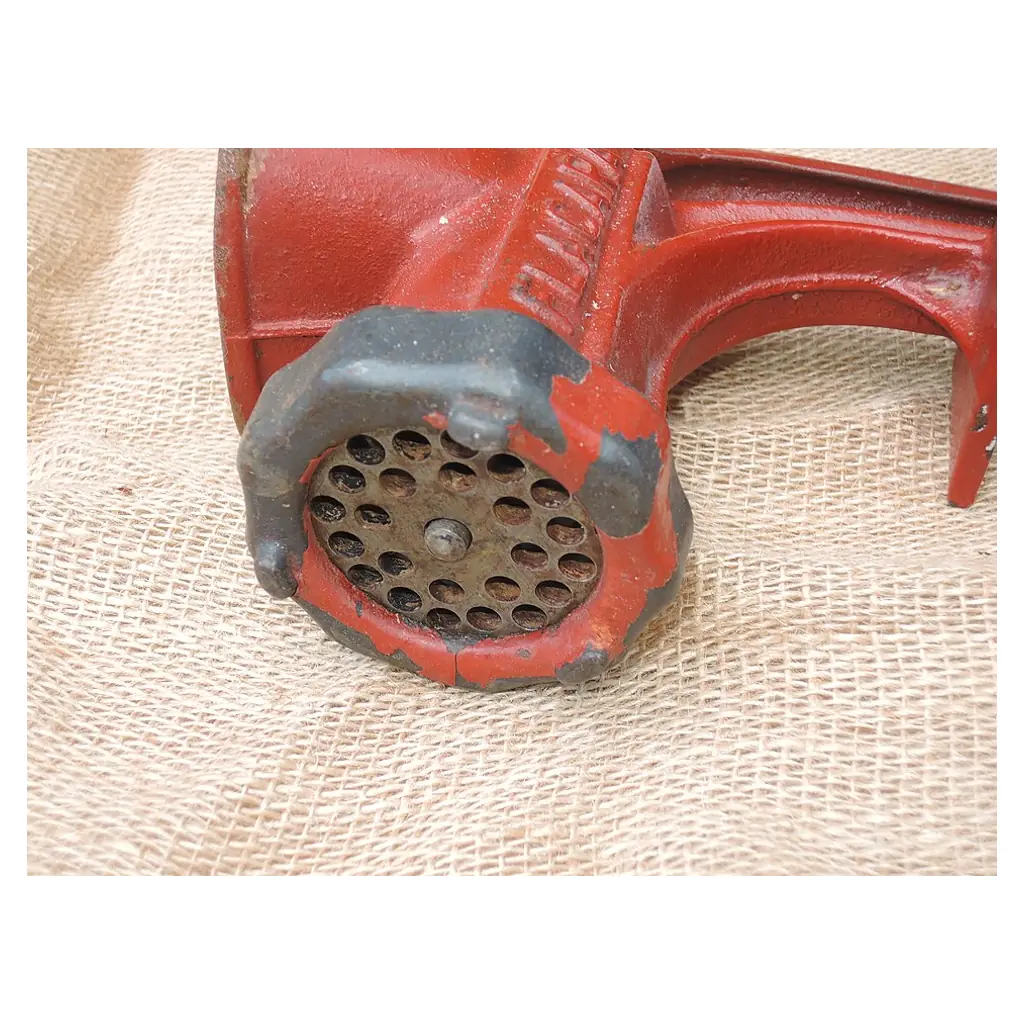
A screw inside the grinder moved food toward a cutting plate as the crank turned. A clamp helped hold the body steady at the edge of a work surface.
Different plates could affect the size of the finished pieces. Cleaning the mechanism required taking it apart.
The grinder's purpose becomes clearer among the chopped fillings and hashes in older leftover dinners.
8. The pastry blender
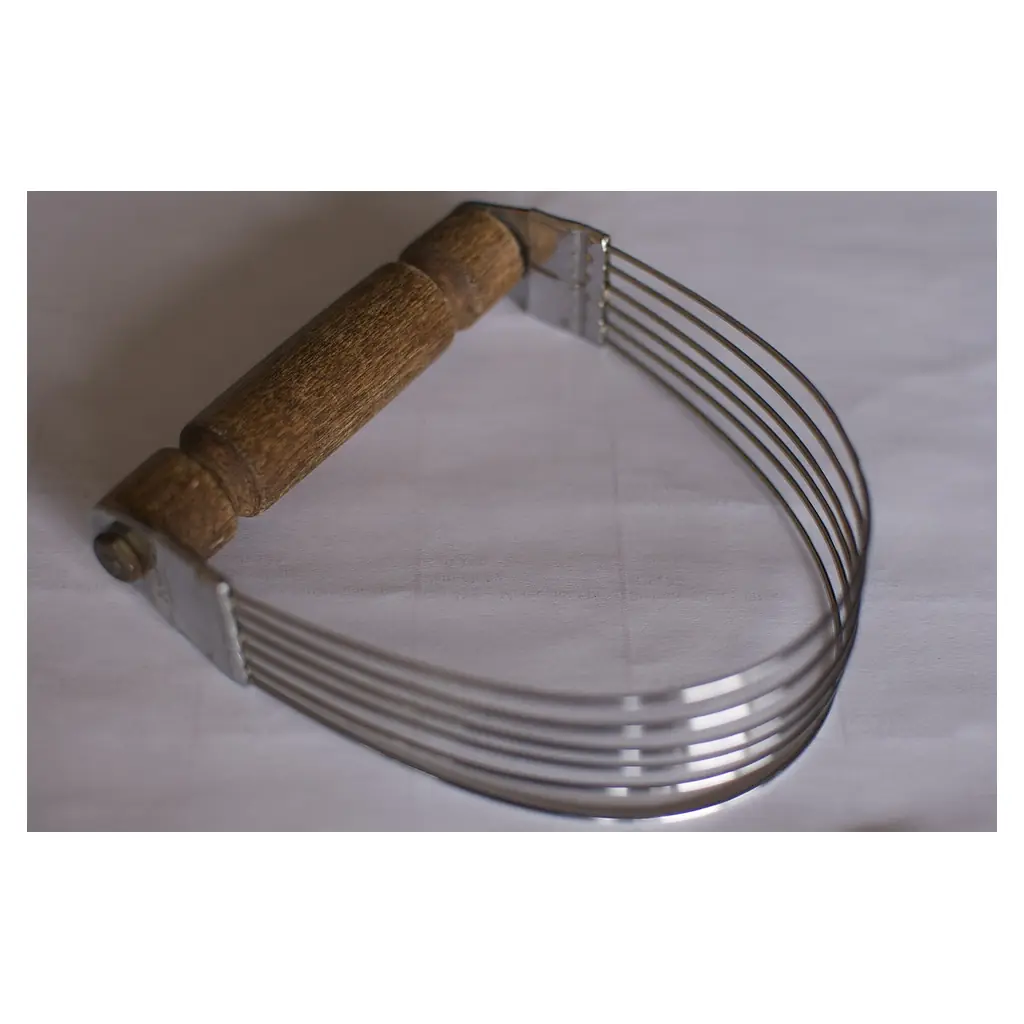
Curved wires or narrow blades helped cut fat into flour. The cook pressed the tool down through the mixture instead of warming every piece of fat with bare hands.
It was used before the dough became a finished, smooth ball.
That small difference in handling could affect pastry texture. The tool belonged to the same working area as a rolling pin, flour bag, and bowl of cold water.
9. The wooden rolling pin
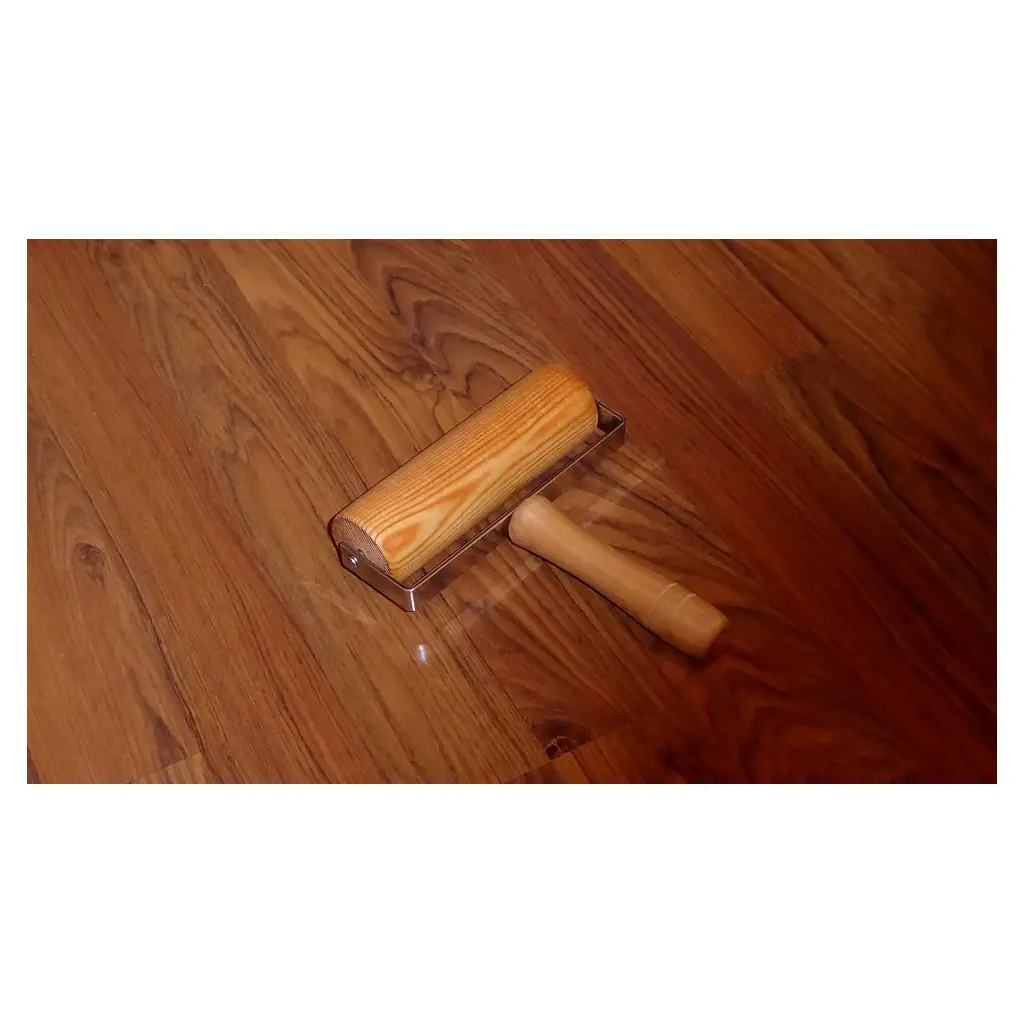
The rolling pin spread dough to an even thickness. Its plain shape concealed a job that needed judgment: pressing too hard in one place made uneven pastry or cookies.
A light coating of flour could reduce sticking, while too much added flour changed the dough.
A household brought it out for everyday pastry as well as the more elaborate shapes used in Christmas baking.
10. The biscuit cutter
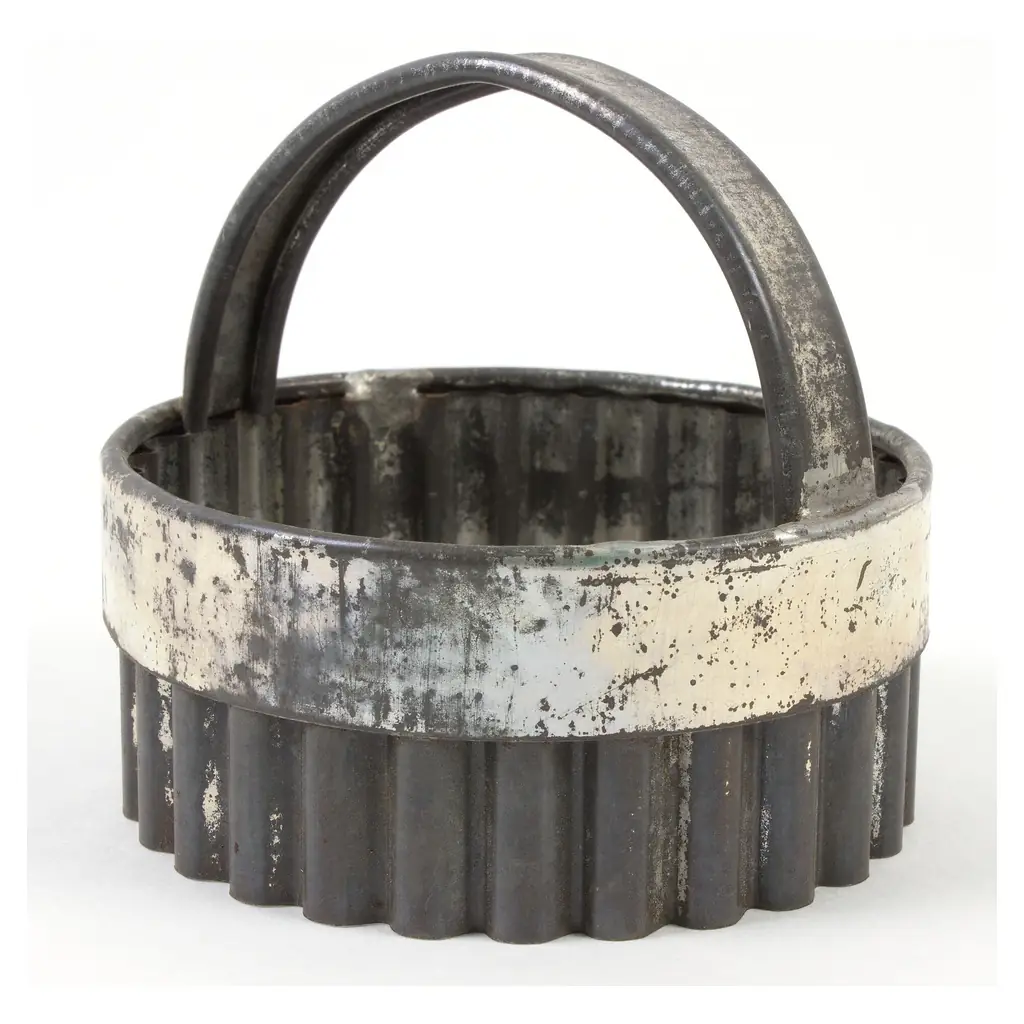
A round cutter separated biscuits from a sheet of dough more consistently than a knife cutting freehand. Its sharp lower edge did the work.
The size affected both the number of biscuits and how they baked. A drinking glass could leave a less clean edge.
The tool was small enough to disappear among the other drawer contents until a flour-covered baking day made its purpose obvious.
11. The pastry wheel
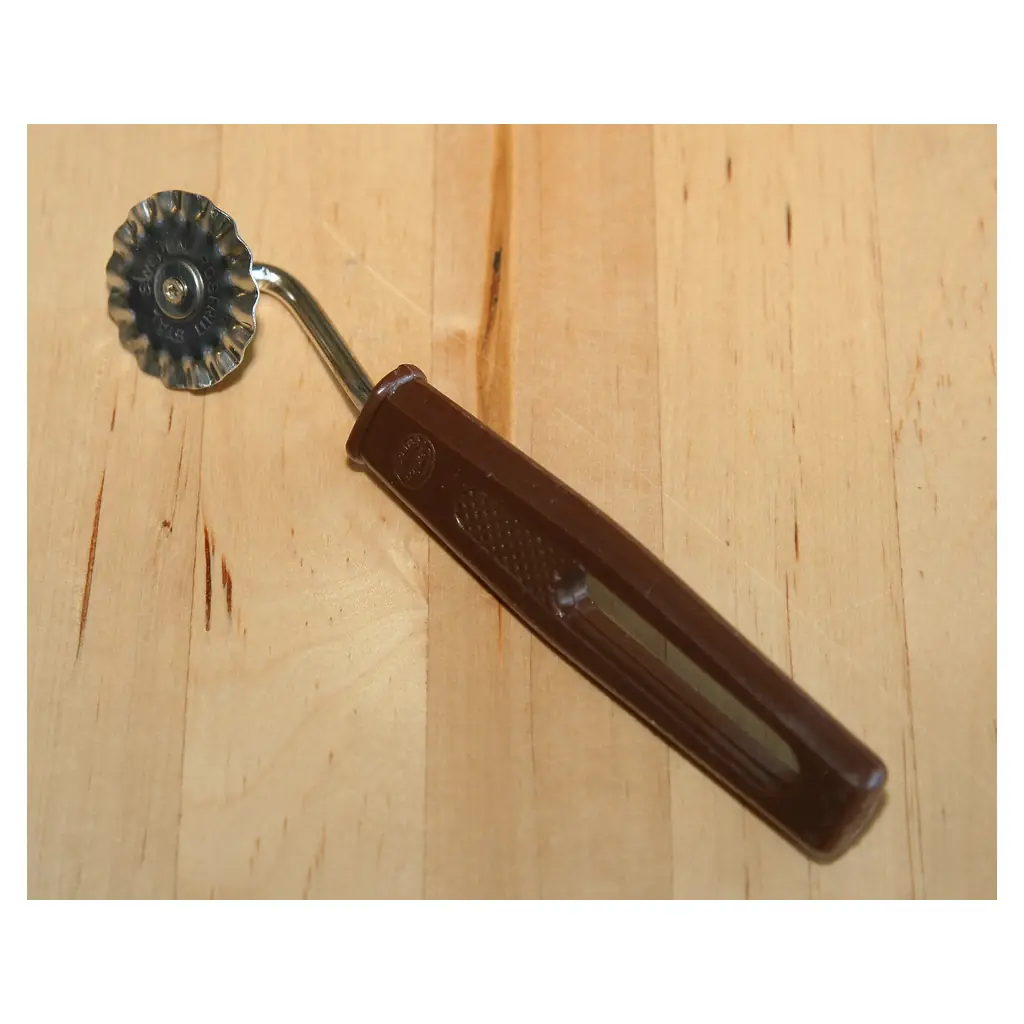
The small wheel cut dough while its handle kept fingers above the work surface. A fluted edge could leave a decorative line as it traveled.
It was useful for dividing pastry strips or trimming pieces to fit a dish.
Decoration and utility met in the same motion, much like the recognizable designs printed on the tins and boxes of baking supplies.
12. The cookie press
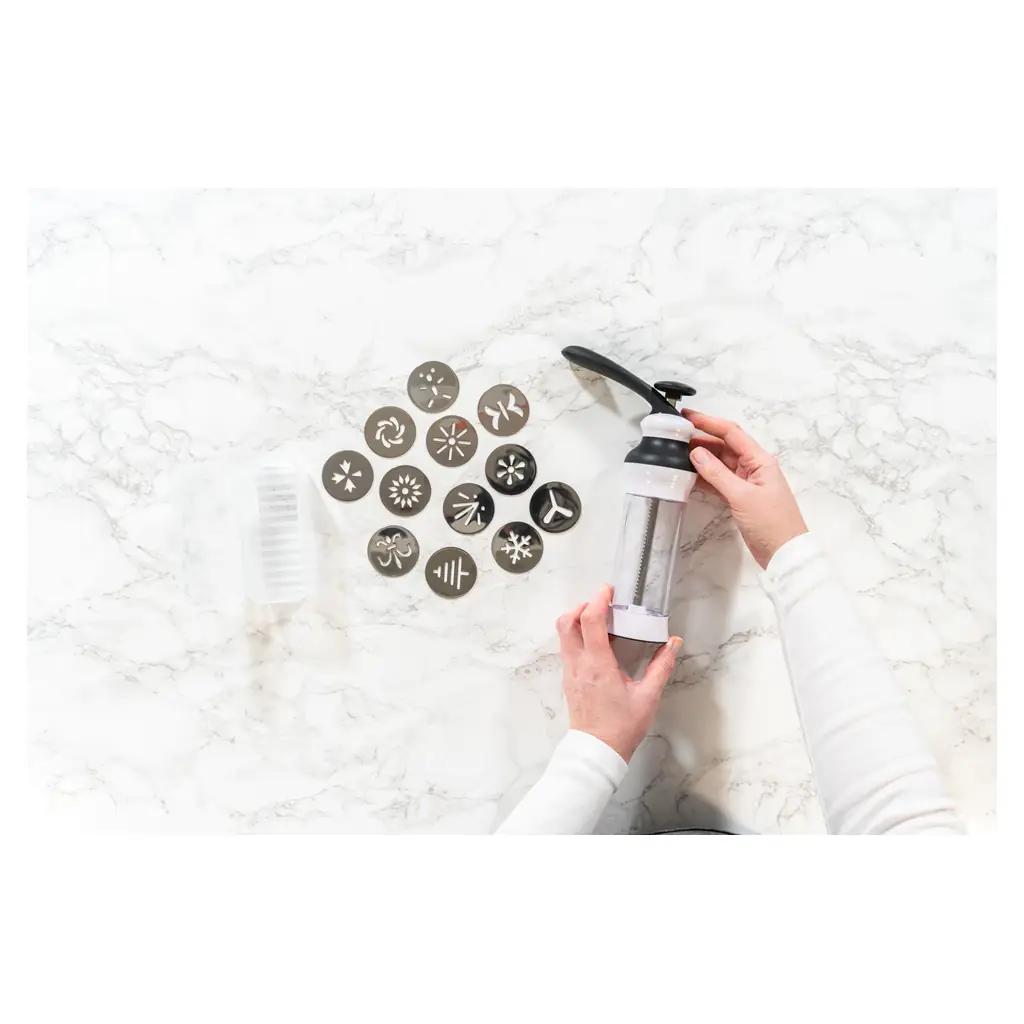
A barrel held soft dough while pressure forced it through a shaped disk. One disk could make many similar cookies without rolling and cutting each one separately.
Changing the disk changed the pattern. The dough still needed to suit the press.
A stiff mixture could be difficult to move, while a very soft one lost definition, so the mechanism could not compensate for every recipe.
13. The lemon reamer
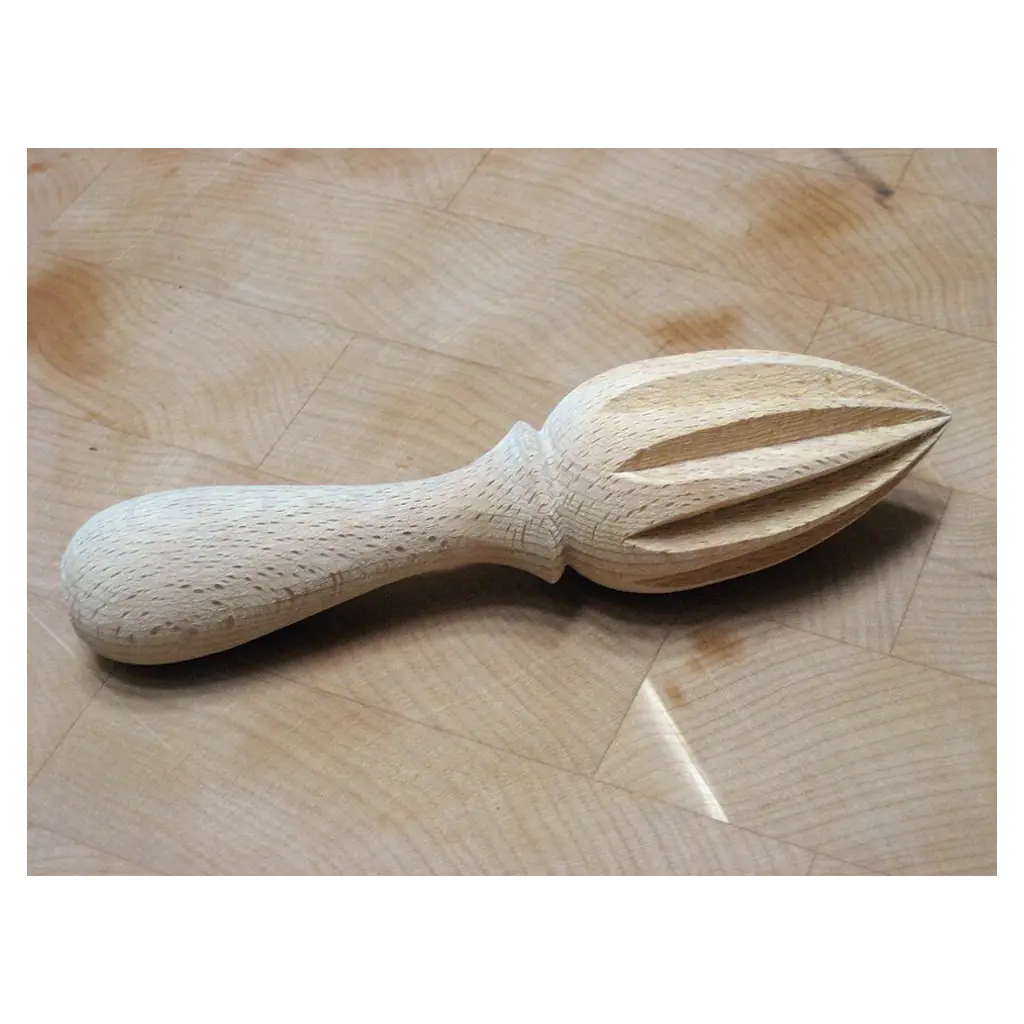
The ridged cone pressed into a cut lemon to release its juice. Turning the fruit against those ridges broke more of the interior than a simple hand squeeze.
Seeds and pulp might still need straining, depending on the design.
The reamer helped with a small repeated task that could appear in drinks, sauces, or desserts, including the sort of preparations saved for a dinner party.
14. The egg separator
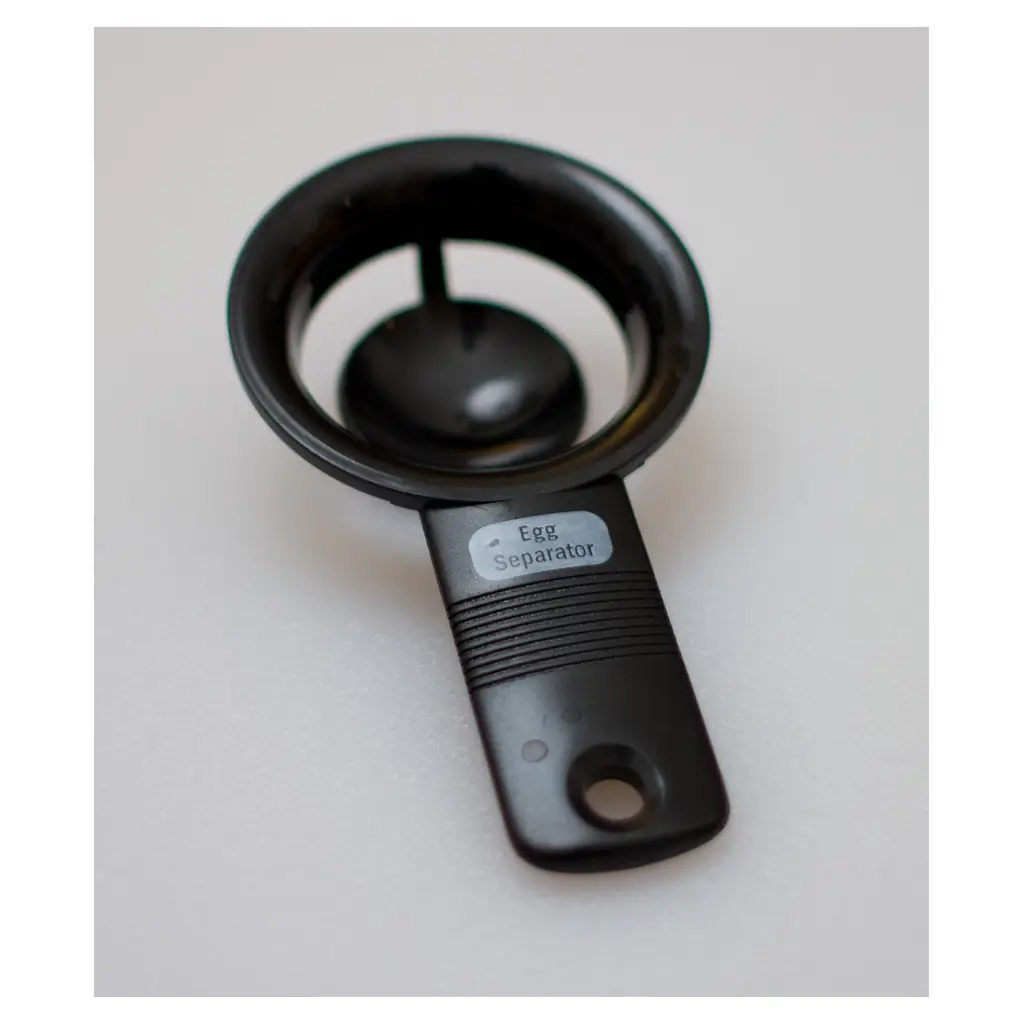
The separator held the yolk while letting much of the white drain away. Its shape could be a cup, spoon-like holder, or another small device designed around the same task.
An unbroken yolk was easier to separate cleanly. Even a little yolk could affect some beaten-white preparations.
The tool was helpful when one recipe used yolks and another used whites, rather than treating either part as automatically expendable.
15. The nutcracker
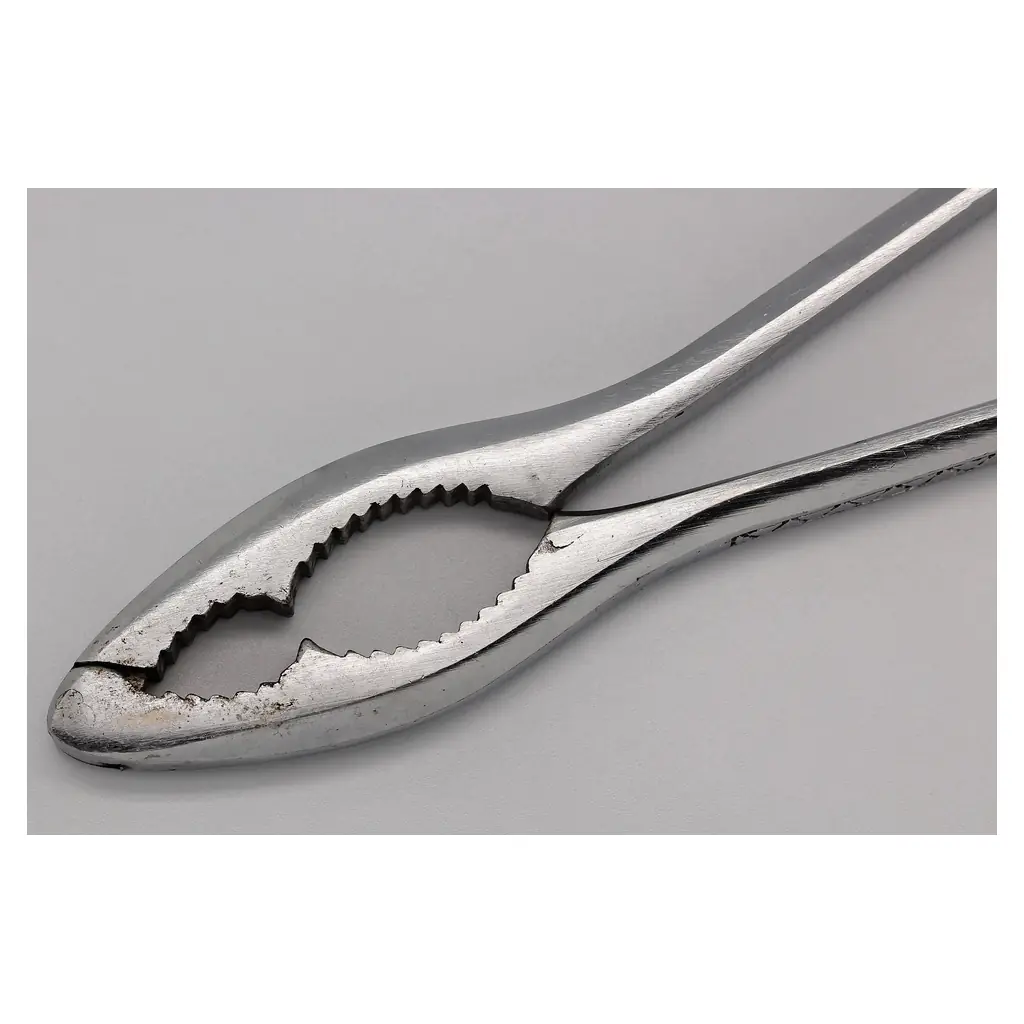
The hinged jaws applied pressure to a nutshell. Different nuts needed different positioning and force, especially if the cook hoped to keep the kernel in larger pieces.
A small pick helped remove the edible pieces afterward.
The pair could move from the kitchen drawer to a holiday table, where cracking nuts became part of the gathering instead of a job completed before everyone arrived.
16. The mortar and pestle
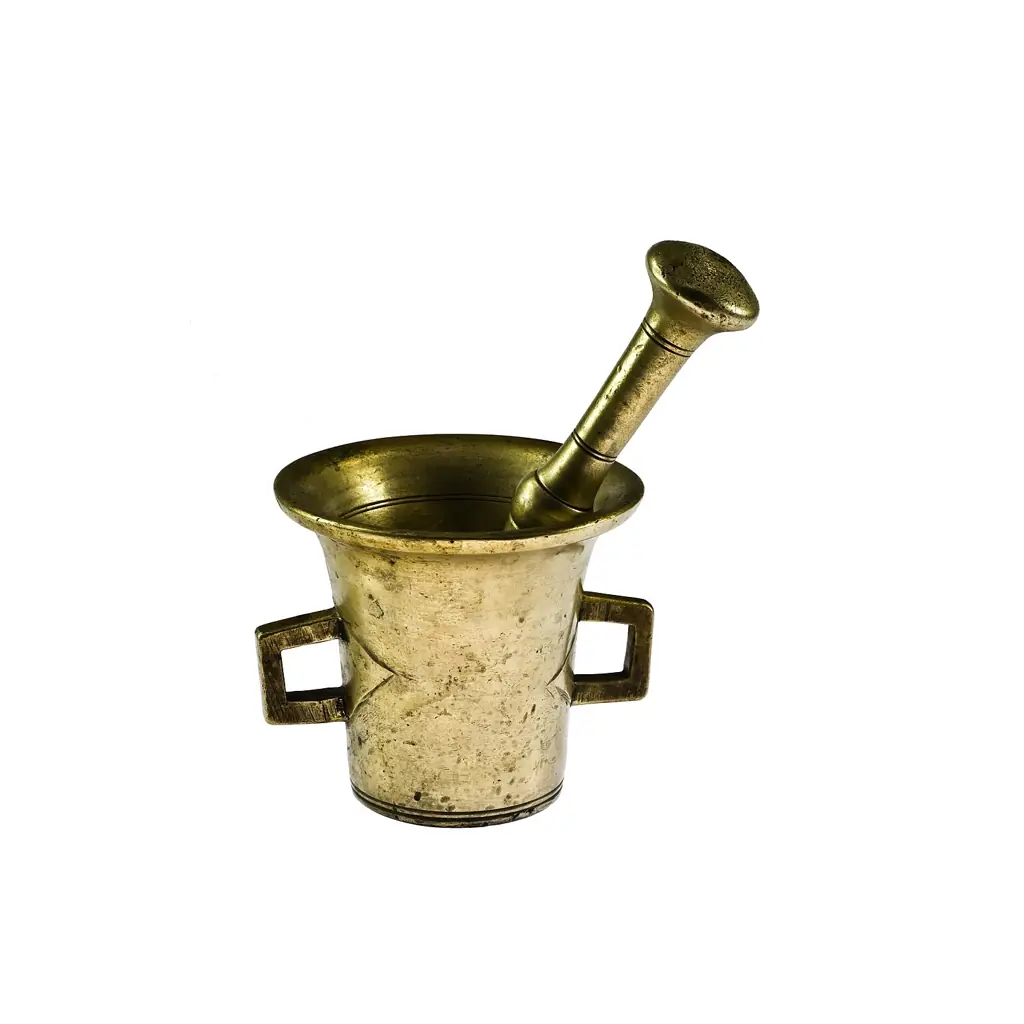
The heavy bowl and rounded tool ground or crushed ingredients by hand. The cook pressed and turned rather than chopped with a blade.
The texture depended on the amount of work and the ingredient. A rough crush was different from a fine powder.
It could help prepare spices used in the varied regional dishes passed through family kitchens, even where other appliances were available.
17. The apple corer
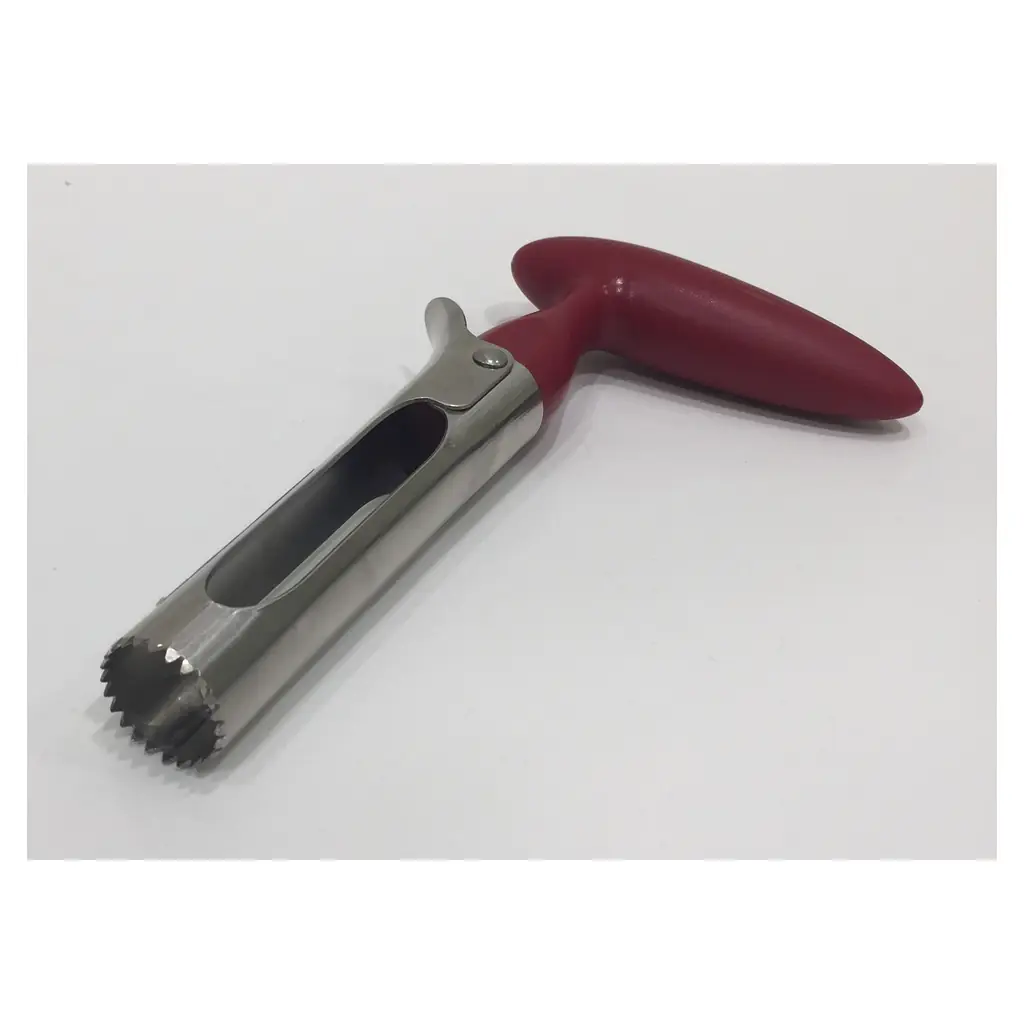
A tubular cutter removed the central core from an apple. The aim was to take out the seed-bearing center while leaving most of the fruit around it.
Alignment mattered. A crooked push could miss part of the core or remove more flesh than necessary.
The tool made repeated preparation easier when several apples were being baked or processed at the same time.
18. The cherry pitter
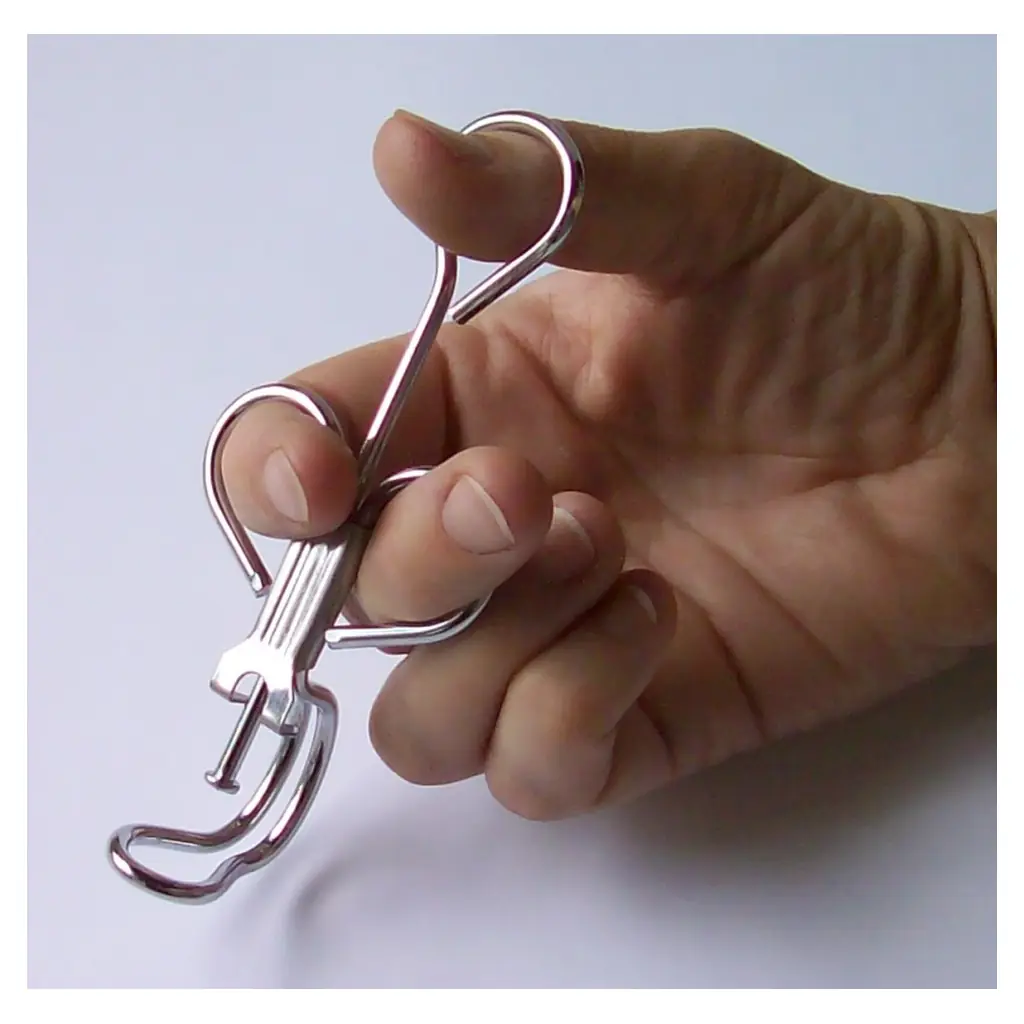
A small mechanism pushed the pit through the fruit so the cook did not have to cut every cherry in half. Designs differed, but the purpose stayed the same.
The finished fruit still needed checking because a missed pit could remain.
The pitter's busiest season followed the crop, not the household calendar, just as other tasks did around backyard fruit and berry harvests.
19. The funnel for filling jars
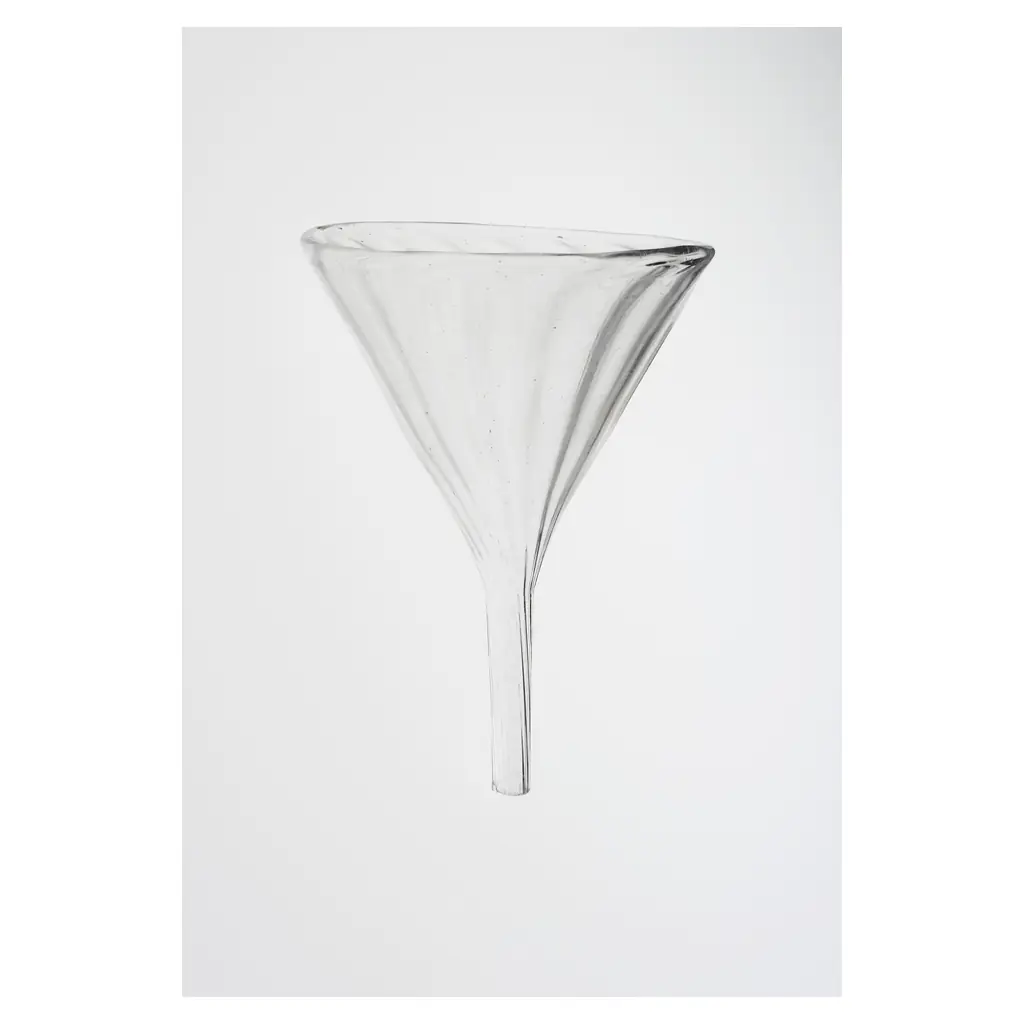
A broad-mouthed funnel guided prepared food into a jar and reduced spills around the opening. Its wide stem suited food pieces that would not pass through a narrow liquid funnel.
It helped with filling rather than making the food safe by itself.
The preservation method still needed to match the food. Modern canning should follow a current tested recipe, even when the funnel is an old family tool.
20. The jar lifter
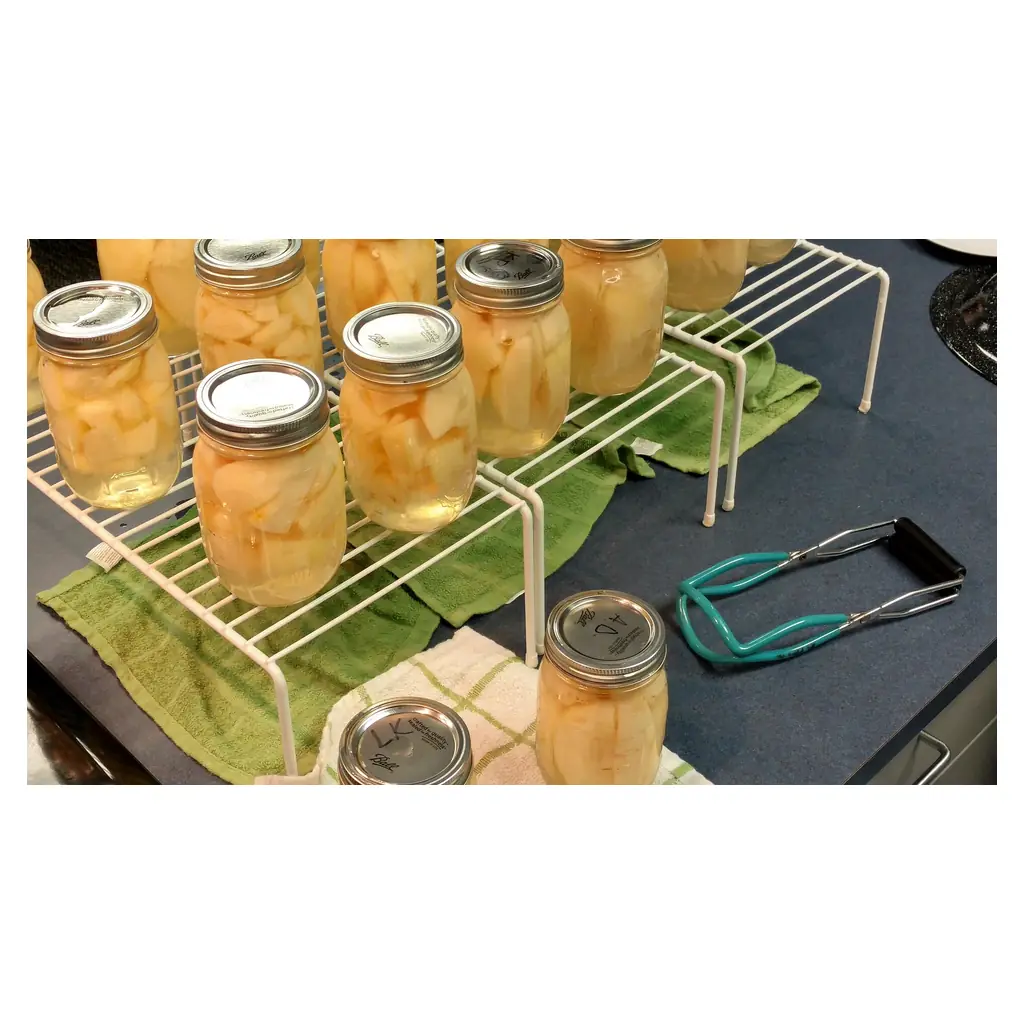
The lifter gripped a jar so it could be moved without putting bare hands around hot glass. The shaped jaws were intended for a stable hold.
It was a handling tool, not a substitute for the correct canning process.
Useful equipment helped organize the work in the same way as the dedicated laundry and baking jobs in an older household's weekly routine.
21. The mesh strainer
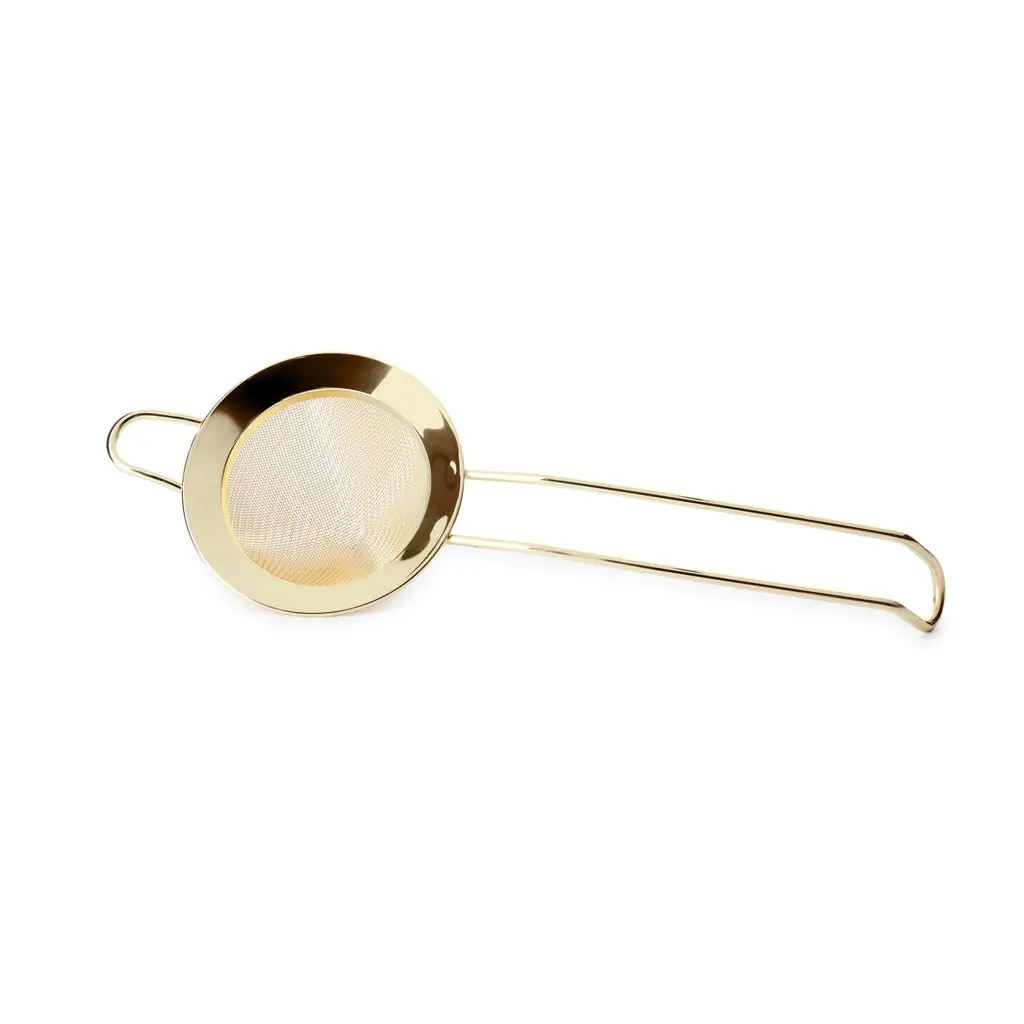
The strainer separated a liquid or fine mixture from larger solids. Mesh size determined what could pass through and what remained in the bowl.
A fine strainer suited a different job from a large-holed colander. Neither could replace the other for every task.
The handles and supporting rim mattered when a cook needed to pour with one hand while keeping the strainer steady with the other.
22. The colander
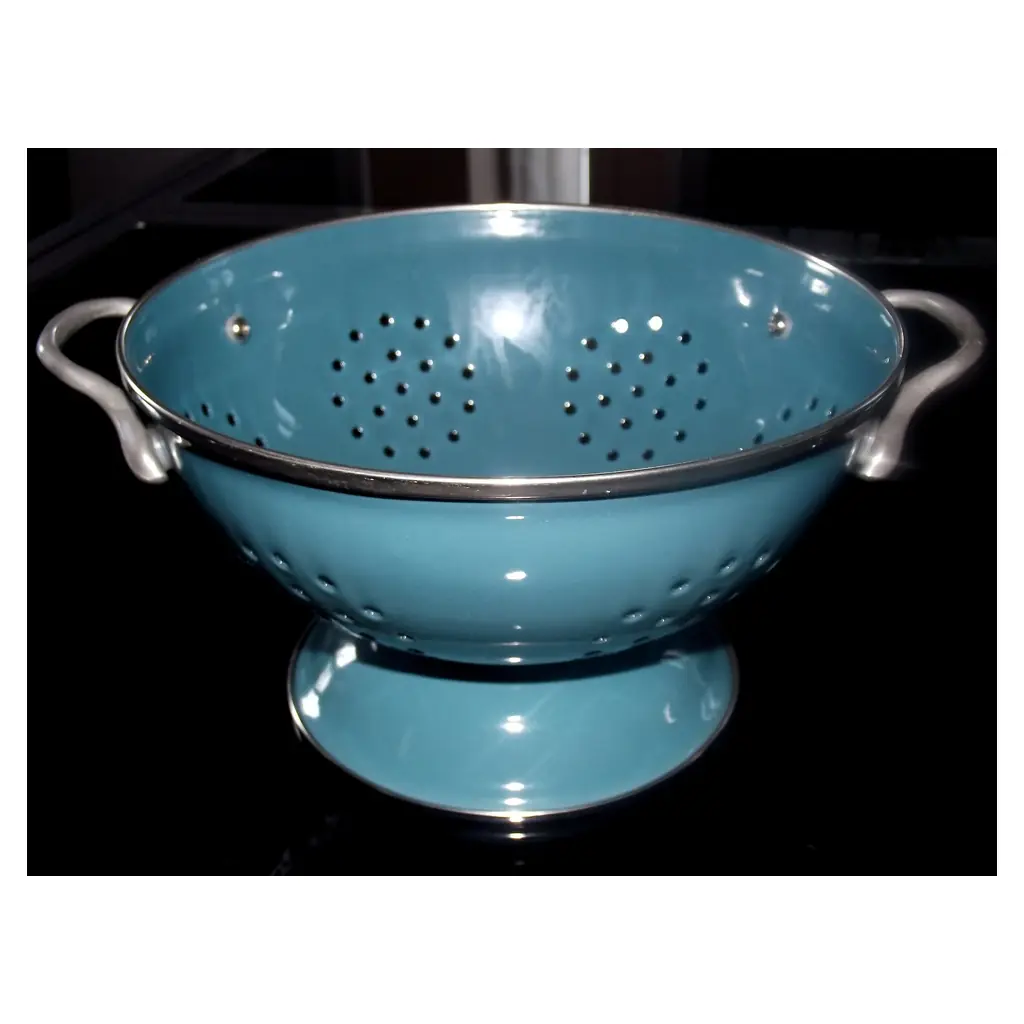
Larger holes let cooking water drain away from vegetables or another suitable food. The food stayed in the bowl while the liquid passed through.
It was better suited to draining than to producing a very smooth sauce. Small seeds or fine pulp could pass through the openings.
The familiar shape is a useful reminder that an old kitchen drawer held ordinary working objects as well as the occasional puzzle.
23. The skimmer
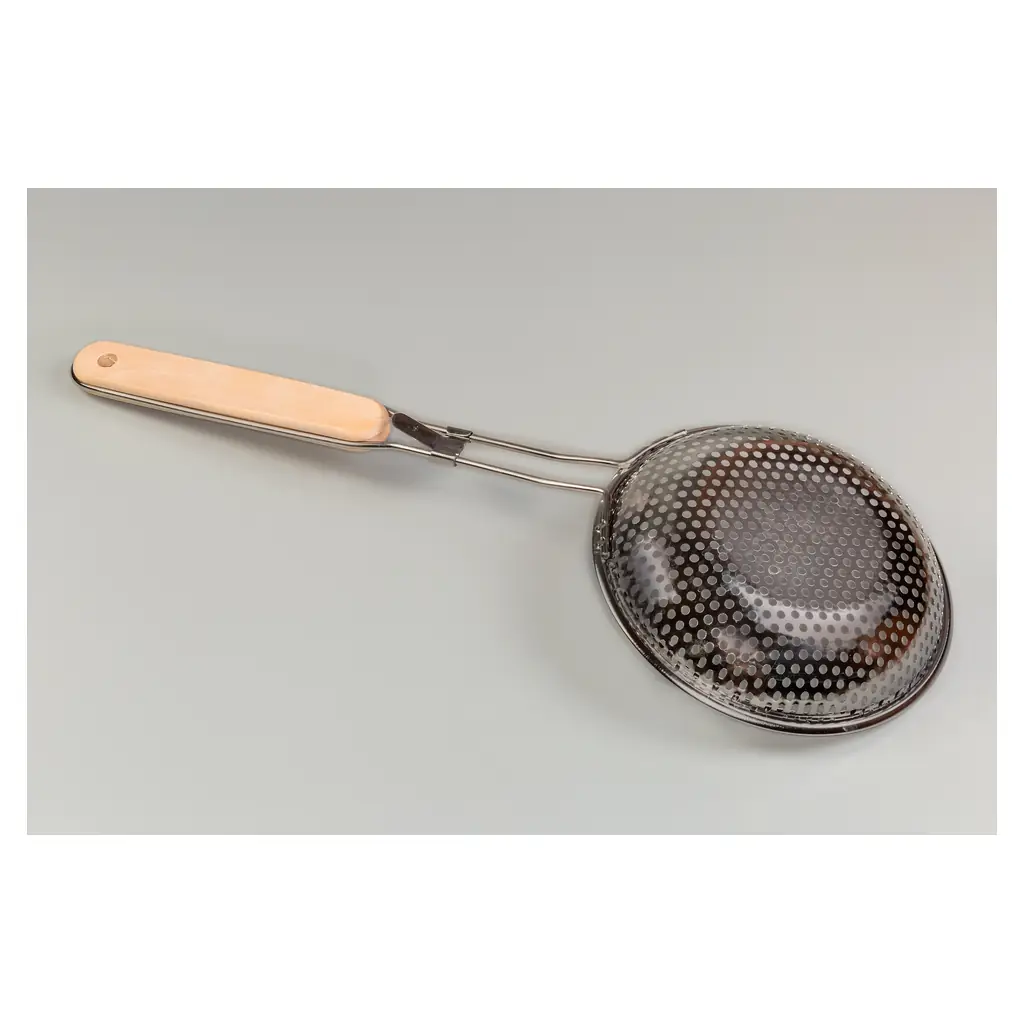
A perforated or mesh head lifted solids from a liquid while allowing much of the liquid to drain back. The long handle kept the cook's hand farther from the pot.
Its shape worked for a different task from scooping a serving of broth.
That distinction was useful around stockpots and boiling pans, where removing foam, small pieces, or cooked ingredients required more control than an ordinary spoon provided.
24. The meat fork
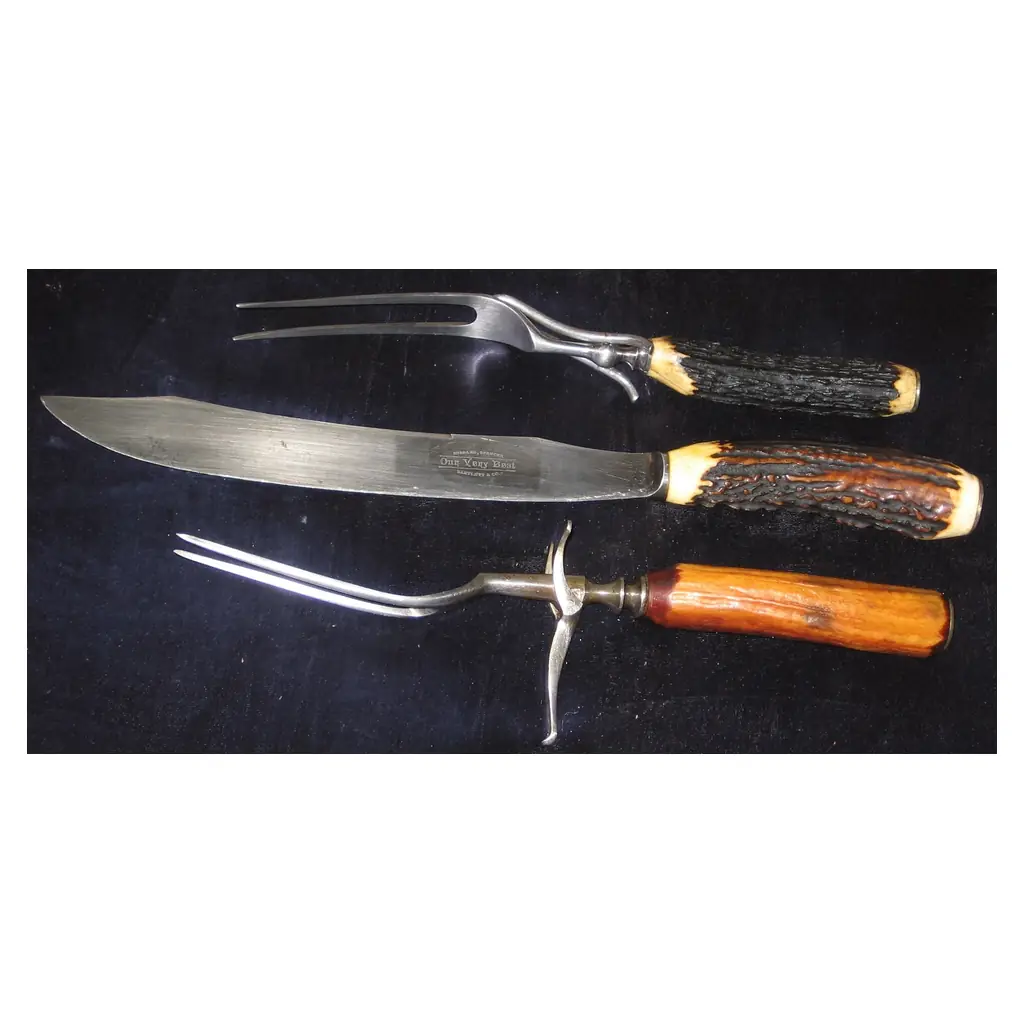
A long fork helped hold a roast steady during carving or move a substantial piece of food. Its tines offered a firm point of contact.
The tool was not meant to stir every dish or replace careful knife work.
On a family table, it could belong to a carving set brought out for a larger meal, then return to a drawer until the next occasion.
25. The tiny scoop for vegetable balls
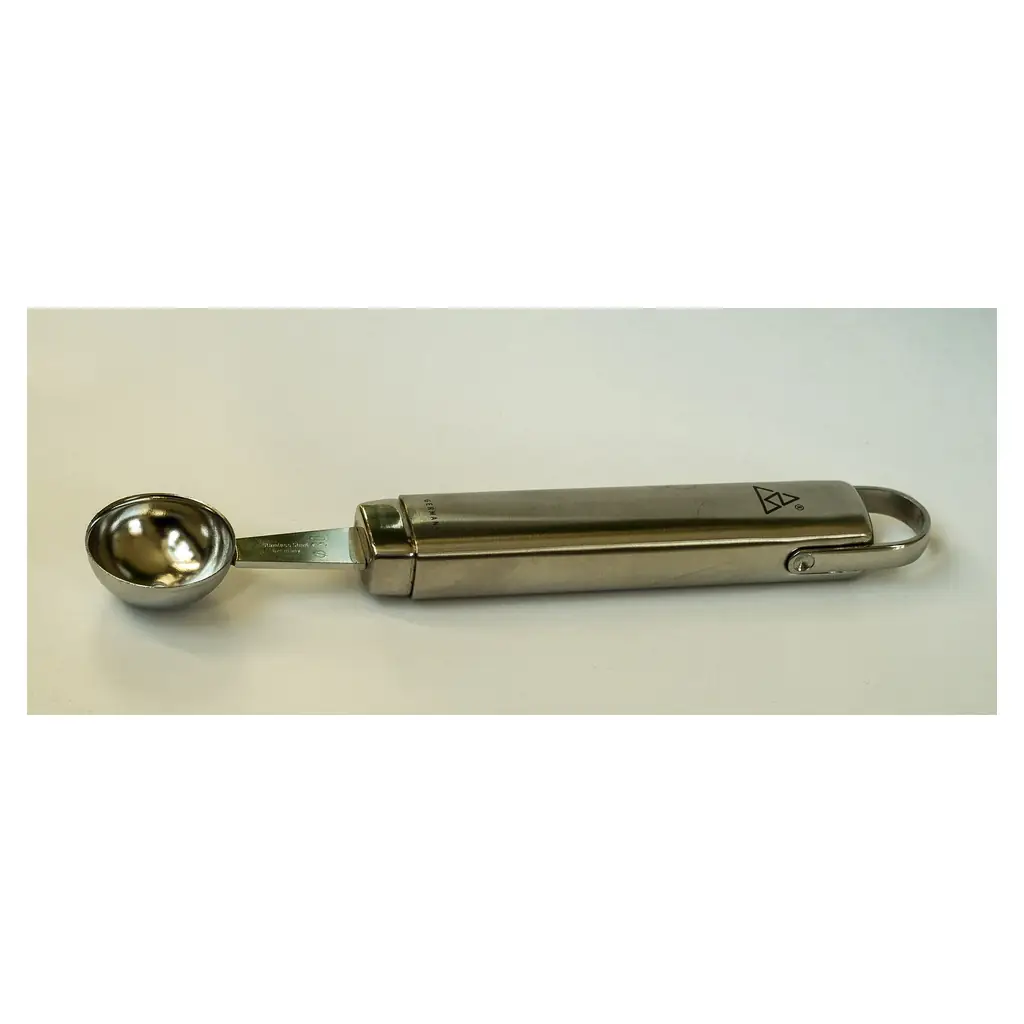
A small rounded scoop cut neat balls from an ingredient such as potato or fruit. The aim was a repeated shape rather than the minimum amount of preparation.
Older cookbooks used shaped vegetables as part of presentation, showing that decorative food was not a recent invention.
The scoop's small size can make it puzzling until one sees the carefully arranged dish it was intended to help create.
Sources and further reading
- Smithsonian: Rotary Egg Beater
- The Henry Ford: Flour Sifter, circa 1870
- Swans Down Cake Flour
- Le Creuset: Pie Bird
- OXO: Food Mill Use and Care
- Smithsonian Product Cookbooks Collection
- Helen Kinne and Anna Cooley: Foods and Household Management, 1918
- The Boston Cooking-School Cook Book, 1910 revised edition
- Betty Crocker: Spritz Cookies
Image credits
- Egg beater • p185 • Scammell's Cyclopedia.tif 20220421 0001.tif by Unknown authorUnknown author; Public domain. Scaled to fit a square canvas and converted to WebP.
- Сито механическое (кружка-сито) Sieve, Flour Sifter.JPG by Shliphmash; Public domain. Scaled to fit a square canvas and converted to WebP.
- Food Mill.jpg by Rickwakenyc at English Wikipedia; Public domain. Scaled to fit a square canvas and converted to WebP.
- Vintage meat grinder 005.jpg by Juhele_CZ; CC0. Scaled to fit a square canvas and converted to WebP.
- Lemon reamer.jpg by Wikidemon; Public domain. Scaled to fit a square canvas and converted to WebP.
- Mortar and pestle 02.jpg by Nikodem Nijaki; CC BY-SA 3.0. Scaled to fit a square canvas and converted to WebP.
- Chickenpie1.JPG by Thecopse; Public domain. Cropped or fitted to a square, resized and converted to WebP. No subject details altered.
- Potato-ricer.jpg by No machine-readable author provided. Wikibofh~commonswiki assumed (based on copyright claims).; Public domain. Cropped or fitted to a square, resized and converted to WebP. No subject details altered.
- Pastry Blender.jpg by Jhfortier at English Wikipedia; CC BY-SA 3.0. Cropped or fitted to a square, resized and converted to WebP. No subject details altered.
- Wooden rolling pin with a handle 01.jpg by Chenspec; CC BY-SA 4.0. Cropped or fitted to a square, resized and converted to WebP. No subject details altered.
- Cutter, pastry (set) (AM 2015.4.1-8).jpg by not researched; CC BY 4.0. Cropped or fitted to a square, resized and converted to WebP. No subject details altered.
- Degsporre.JPG by Dnor; Public domain. Cropped or fitted to a square, resized and converted to WebP. No subject details altered.
- Egg separator.jpg by Kimon Berlin; CC BY-SA 2.0. Cropped or fitted to a square, resized and converted to WebP. No subject details altered.
- Casse-noix inox 03.jpg by Coyau; CC BY-SA 3.0. Cropped or fitted to a square, resized and converted to WebP. No subject details altered.
- Apple Corer.jpg by MBatthish; CC BY-SA 4.0. Cropped or fitted to a square, resized and converted to WebP. No subject details altered.
- Cherry-pitter-2.jpg by Una Smith; CC BY-SA 3.0. Cropped or fitted to a square, resized and converted to WebP. No subject details altered.
- Funnel MET DP234124.jpg by ; CC0. Cropped or fitted to a square, resized and converted to WebP. No subject details altered.
- Canned pears and jar lifter.jpg by Nutrition, Food Safety & Health; CC0. Cropped or fitted to a square, resized and converted to WebP. No subject details altered.
- Blue colander.jpg by FAP; CC BY-SA 3.0. Cropped or fitted to a square, resized and converted to WebP. No subject details altered.
- Old carving knife and forks.JPG by David R. Ingham; CC BY-SA 3.0. Cropped or fitted to a square, resized and converted to WebP. No subject details altered.
- Kugelausstecher 30mm Durchmesser.jpg by Alice Wiegand; CC BY-SA 3.0. Cropped or fitted to a square, resized and converted to WebP. No subject details altered.