The doorbell once connected a household with more than unexpected visitors. These were some of the sellers, route workers, and service people a family might encounter in the 1960s, depending on its neighborhood and the services it used.
1. The milk delivery driver

A delivery route could bring milk and other dairy products close to the kitchen before a family made its own shopping trip. Empty bottles and the next order formed part of the exchange.
The service varied by dairy and neighborhood. It did not mean every American house received the same glass bottles on the same mornings.
Museum collections preserve the trucks behind that familiar household routine.
2. The Charles Chips driver
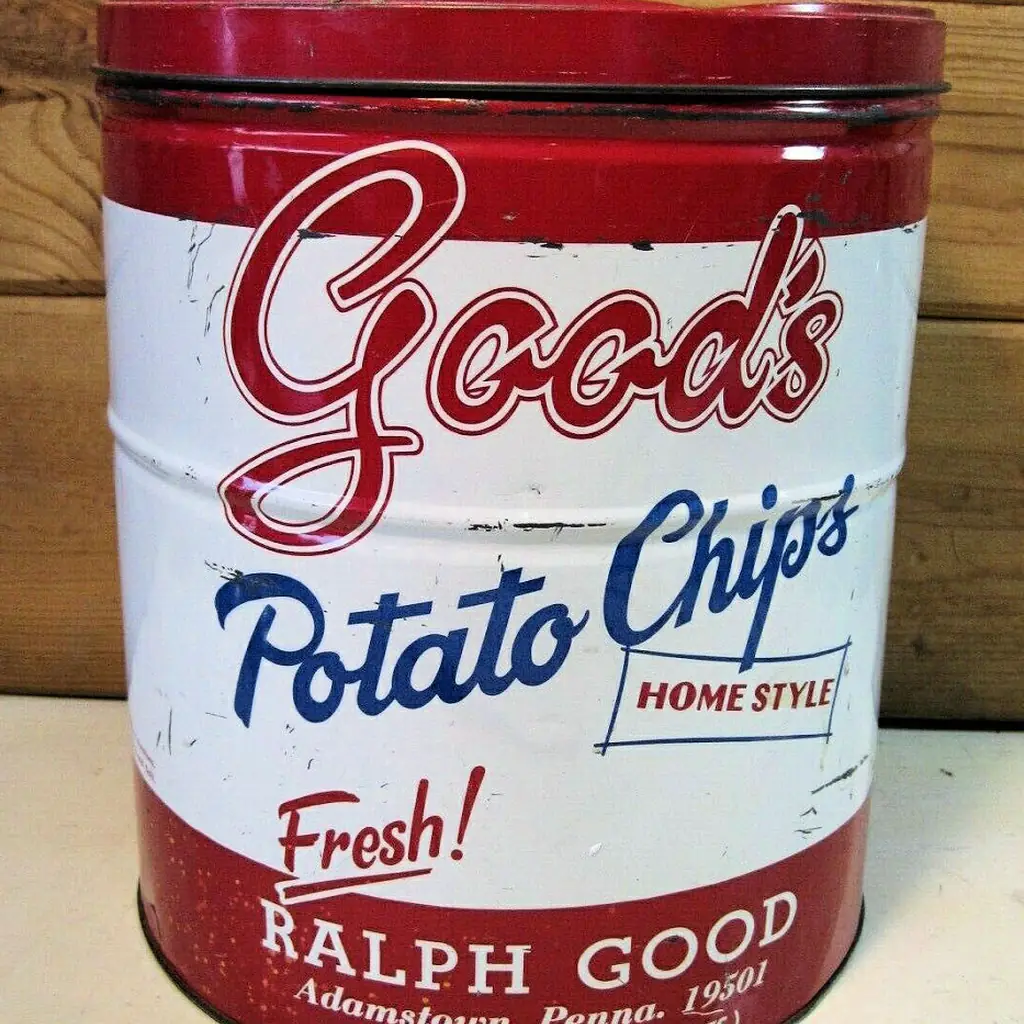
A large tin could mean the Charles Chips route had reached the house. Chips, pretzels, and cookies were among the foods associated with the delivery service.
The company's collected customer memories describe different schedules, from weekly visits to less frequent stops.
That variation matters. The tin is a recognizable object, but the person carrying it belonged to a local route rather than a universal American delivery day.
3. The Fuller Brush representative
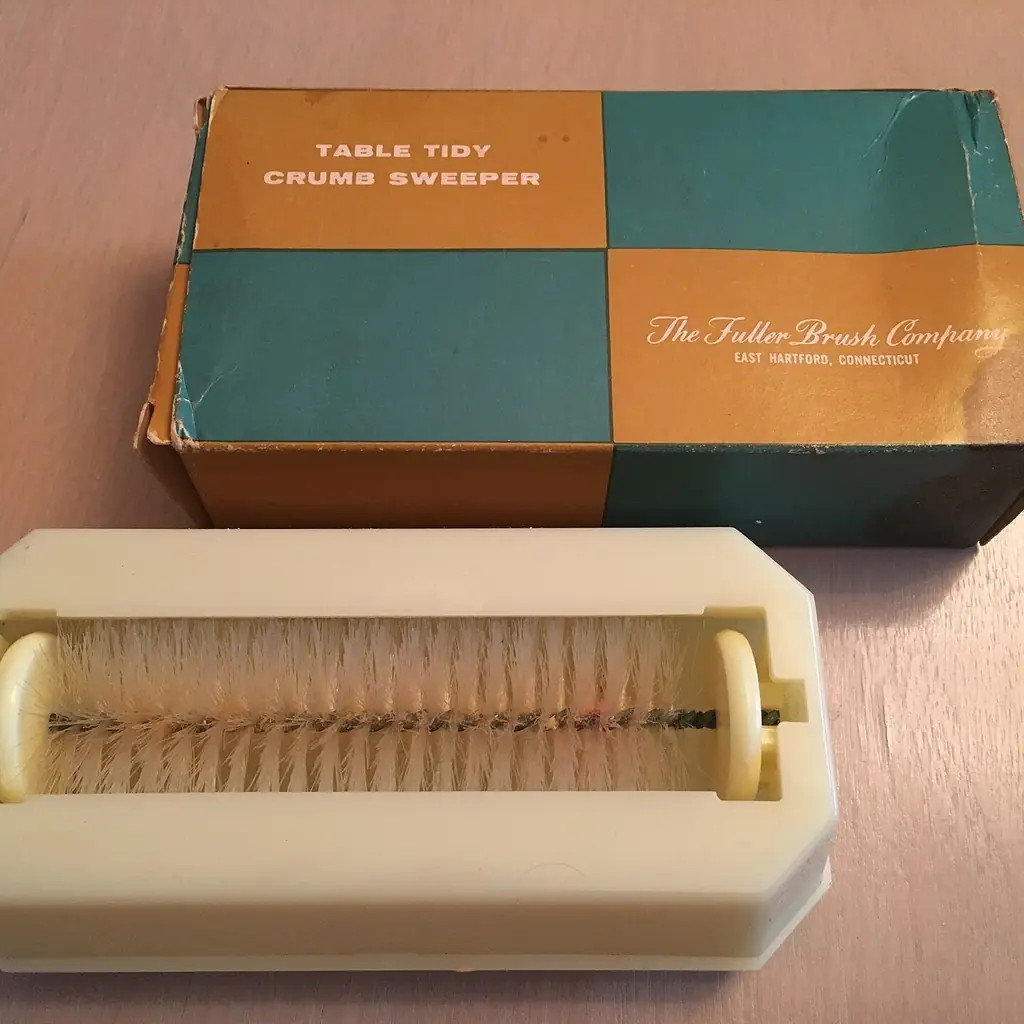
A case of samples gave the Fuller Brush representative something to demonstrate as well as describe. A brush's purpose was easier to explain when a customer could see it.
The company remained heavily identified with door-to-door selling throughout the 1960s and beyond.
The visit mixed shopping with a conversation about household work, making the seller memorable in ways a product sitting on a store shelf might not be.
4. The Avon representative

Cosmetics and toiletries arrived with catalogs, samples, and personal recommendations. Avon made the doorstep association especially recognizable through its television advertising.
The company's timeline dates its famous doorbell campaign from 1954 through 1967.
The representative could be someone already known in the neighborhood, although that was not true of every visit. Selling through personal contact created a different experience from selecting a jar alone in a store.
5. The Watkins representative
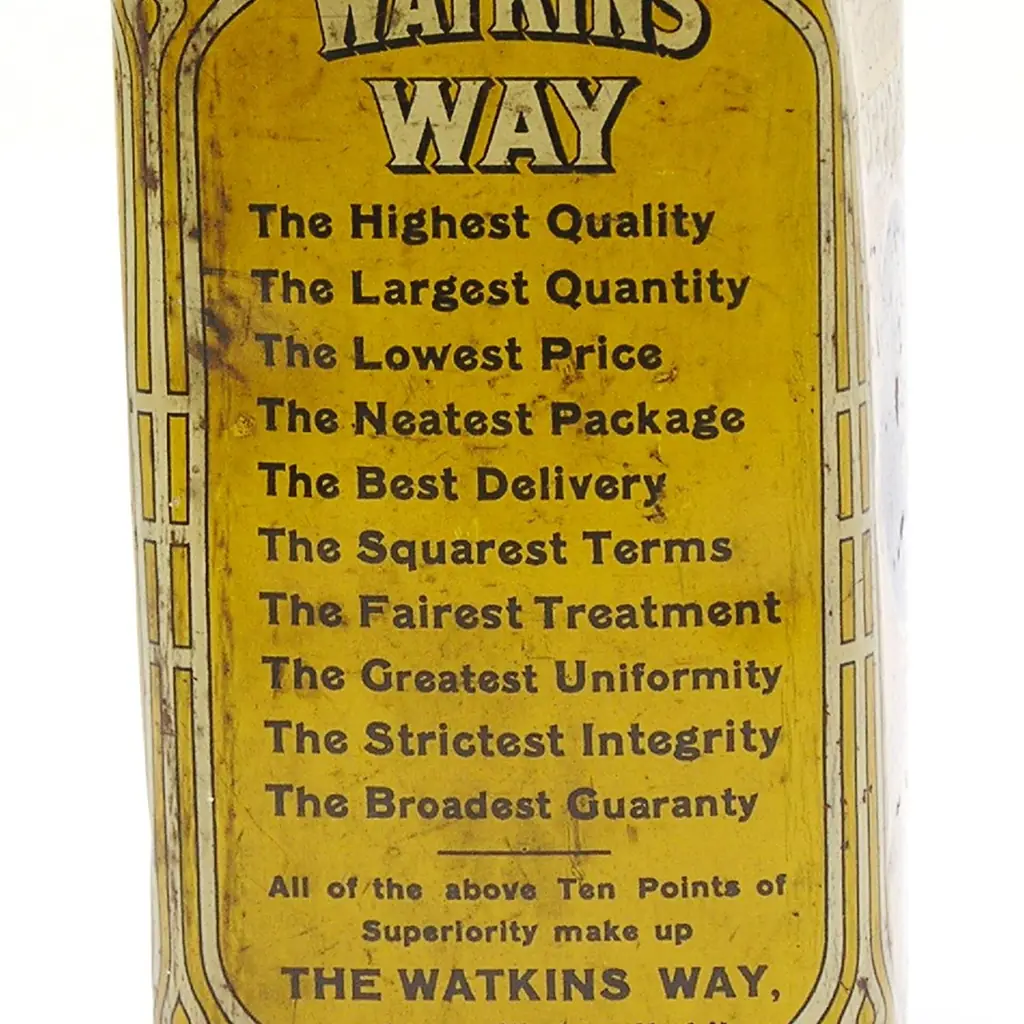
The Watkins seller carried a direct-sales business into homes rather than relying only on a shop counter. The company's history included products that reached households through route selling.
A library exhibition preserves the figure known as the Watkins Man. The familiar name belonged to a business model, not one individual visitor.
For a customer, the conversation could connect an ordinary purchase with a person expected to return.
6. The insurance premium collector
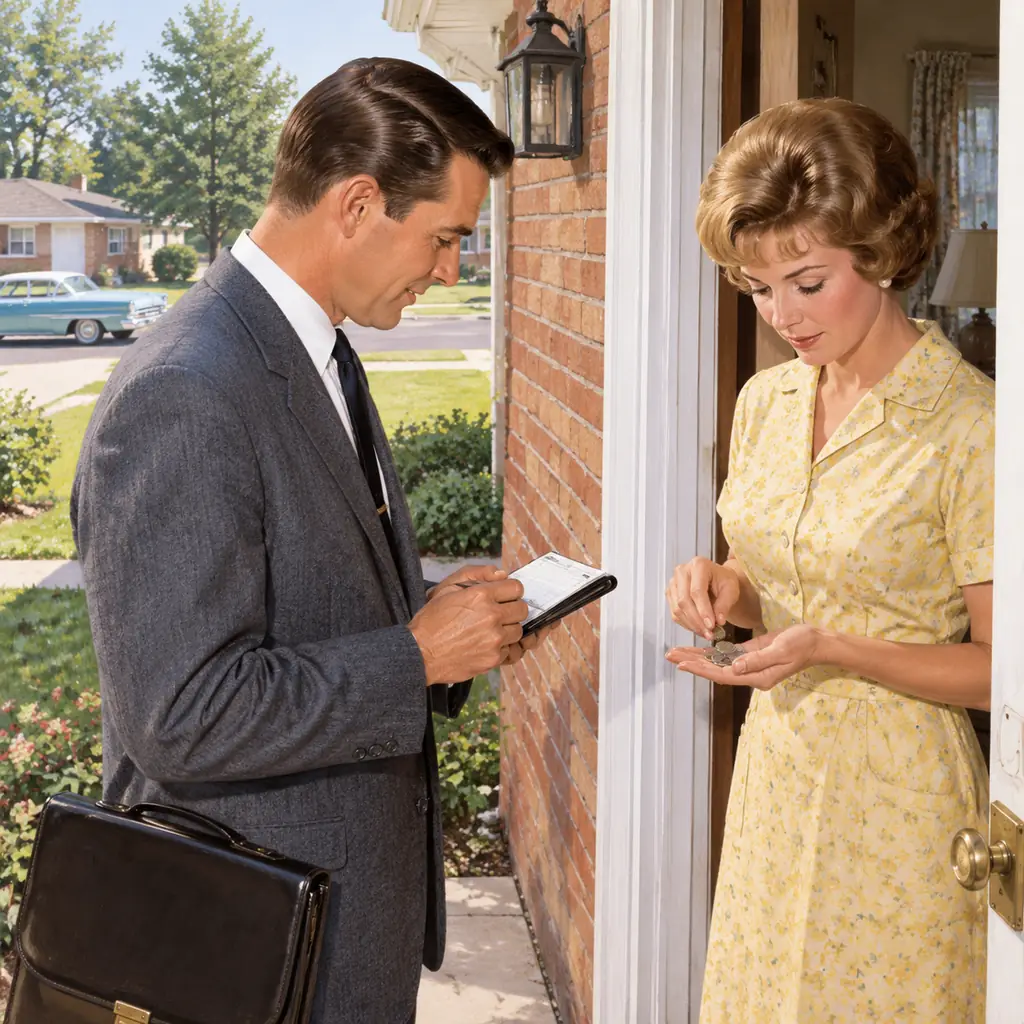
Some industrial life-insurance policies were paid through small premiums collected at home. An agent's regular round made the payment a face-to-face household transaction.
MetLife's history documents that collection system. It was different from assuming every insurance policy involved a weekly visit.
A record of the payment mattered as much as the conversation, since the visitor was handling money for an ongoing contract rather than delivering a one-time purchase.
7. The neighborhood newspaper carrier

The newspaper could arrive before the household had time to visit a newsstand. A local carrier's route made the daily paper part of the home's schedule.
Where carriers collected subscriptions in person, the doorstep was also a place to settle the bill.
That small transaction belonged beside the other routines and family rules about answering the door and handling household money.
8. The postal carrier
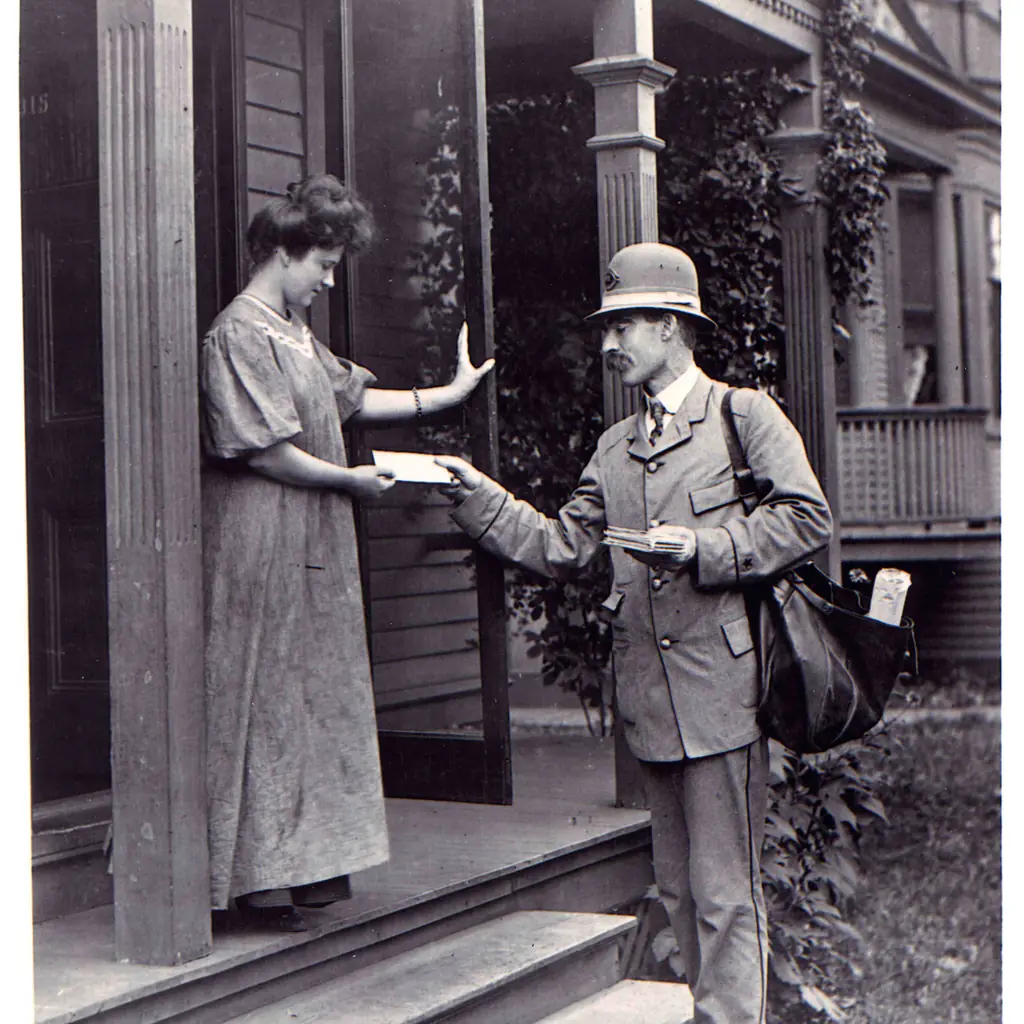
Letters, cards, and periodicals made the carrier's arrival worth noticing. The 1960s postal system was already using new transport and sorting methods, even when the final delivery remained familiar.
A carrier did not necessarily knock for every envelope. The door became relevant when an item needed attention or a household expected something particular.
The familiar route connected the home with people and institutions far beyond the neighborhood.
9. The census enumerator
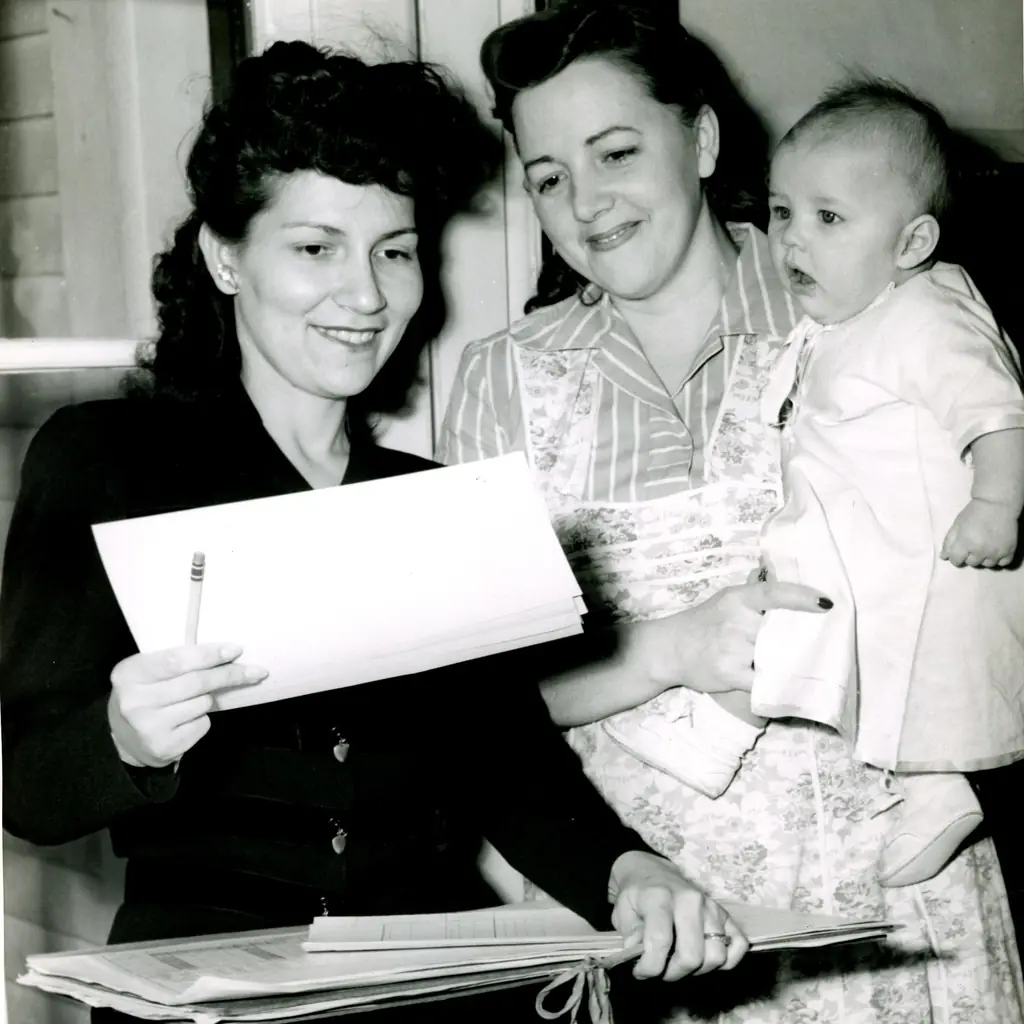
In 1960, households received a questionnaire through the mail and were asked to keep it for an enumerator to collect. The system combined self-completion with a personal visit.
Some households then received more detailed questions as part of a sample.
That makes the knock historically specific: it belonged to the work of counting the population, rather than another sales call at the family's door.
10. The telephone installer
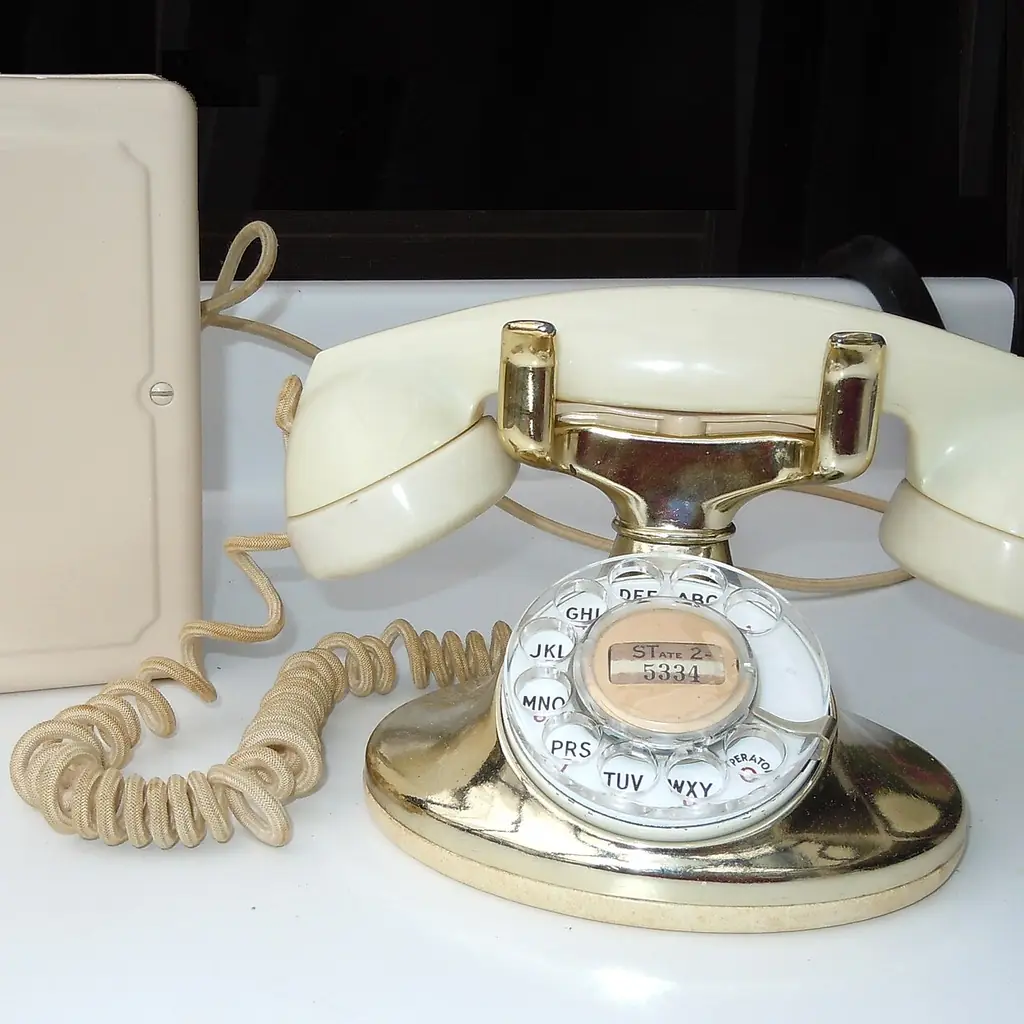
A telephone installation or service problem could bring a worker and a set of tools into the home. Wiring and equipment needed attention where the telephone was actually used.
The work differed from buying an ordinary object and carrying it home. The household's instrument connected to a larger physical network.
Its place in the room mattered, just as storage and work surfaces shaped the older equipment in a family kitchen.
11. The television repair worker
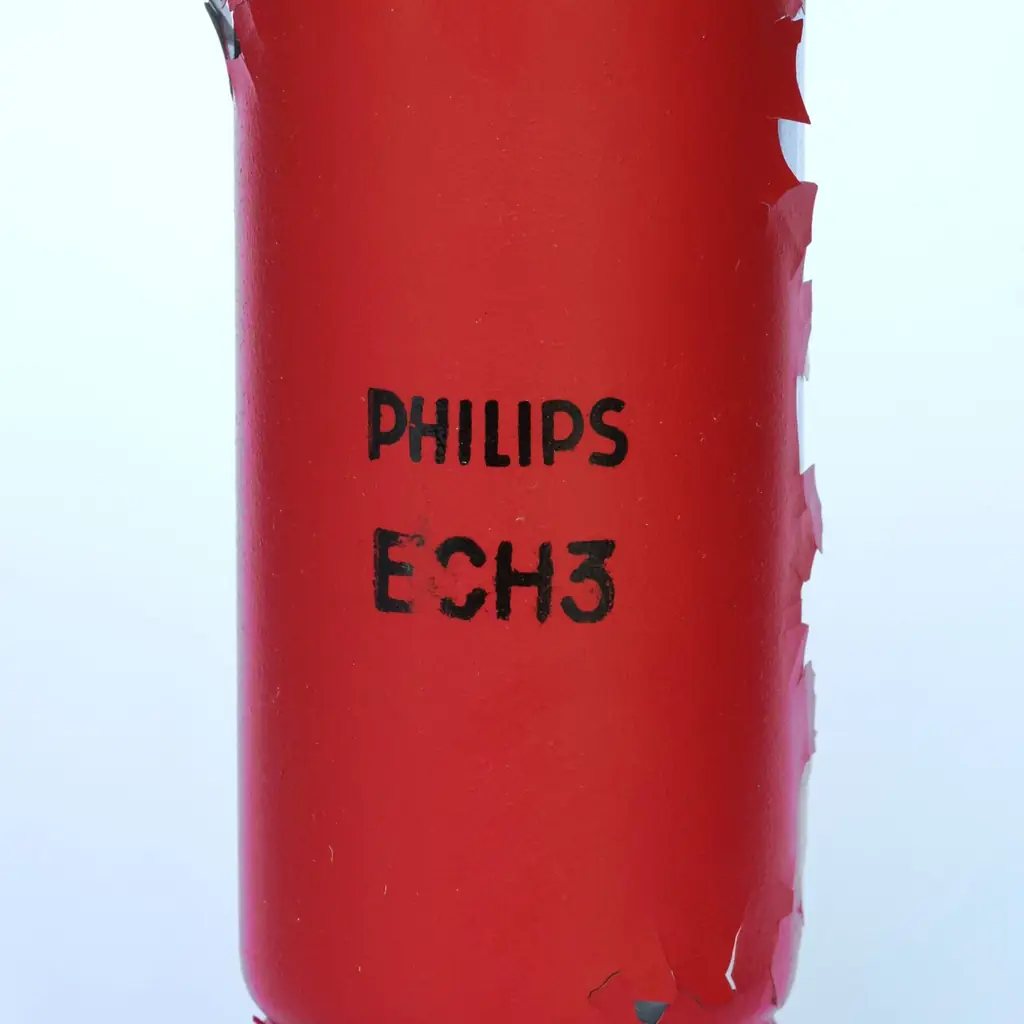
A television that stopped working could require a service visit rather than a quick replacement. The 1961 Occupational Outlook Handbook describes television and radio servicing as an established trade.
Diagnosis mattered because the fault was not always visible from the outside.
For the household, the visit could determine whether the family had its usual entertainment that evening. The worker's knowledge made an everyday box usable again.
12. The utility meter reader
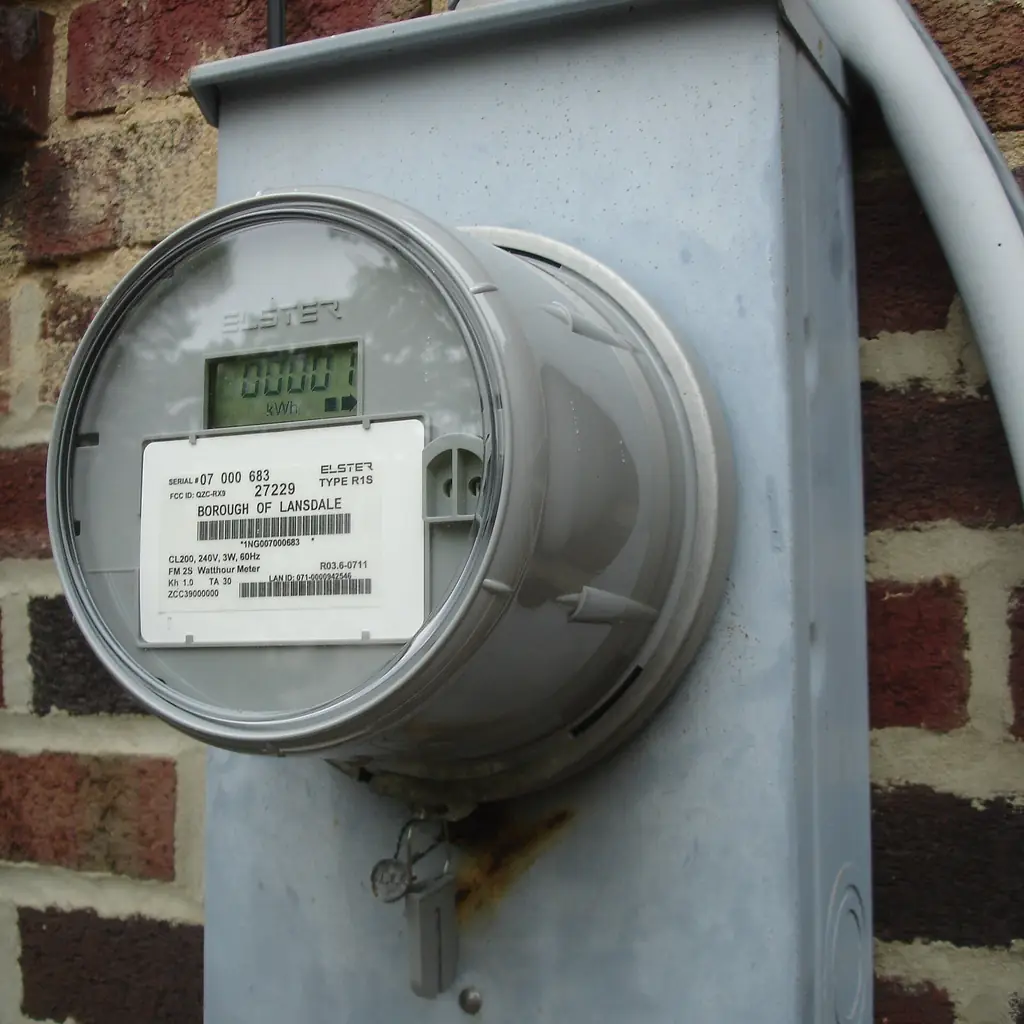
A meter reader recorded a customer's consumption so the utility could prepare its bill. Where the meter required access through the house or yard, the worker had a reason to call.
Not every meter required someone to answer the front door. Location determined the interaction.
The work is documented in the 1961 labor handbook, including the walking and stair climbing involved in completing a route.
13. The appliance service worker
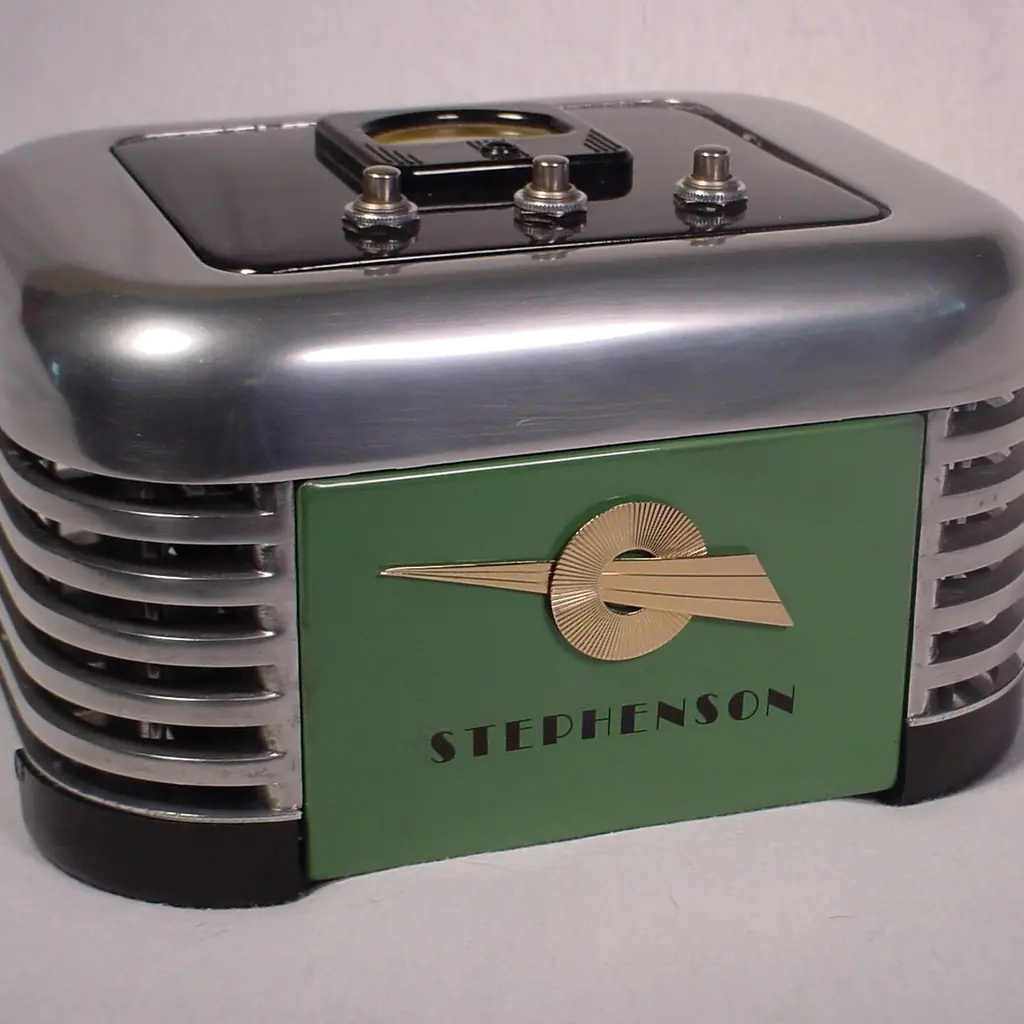
A broken washing machine or another large appliance was not always practical to carry to a repair shop. Service workers examined equipment in customers' homes as well as in workshops.
They needed to identify the fault before deciding which part or adjustment would help.
That disruption could rearrange the same laundry-and-cooking timetable described in an older household's weekly schedule.
14. The heating service worker
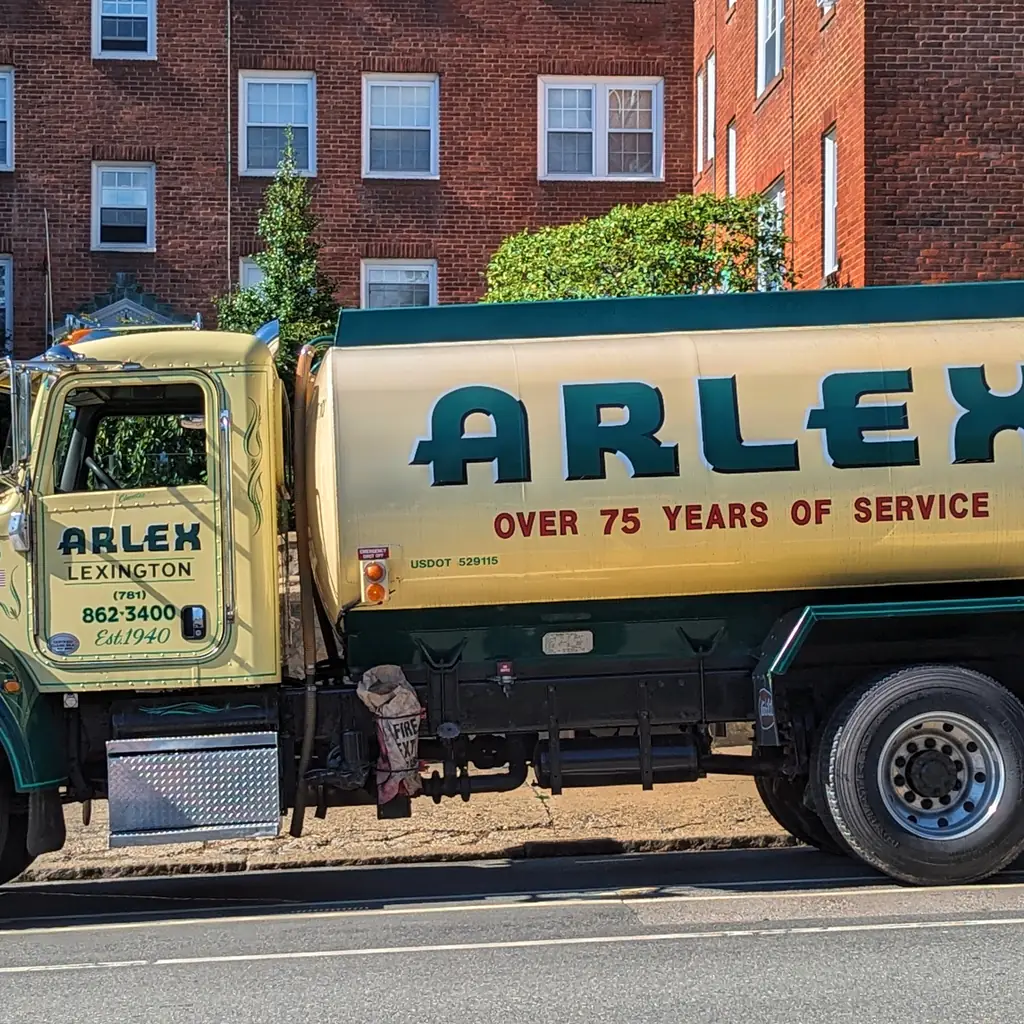
Heating equipment needed maintenance and occasional repairs at the place where it was installed. A cold-weather problem could make that visit feel especially urgent.
The system varied from home to home, so the worker's skills had to match the equipment. A furnace, burner, and boiler were not interchangeable names for one object.
The household depended on a service appointment for something much larger than a purchase in a sample case.
15. The plumber
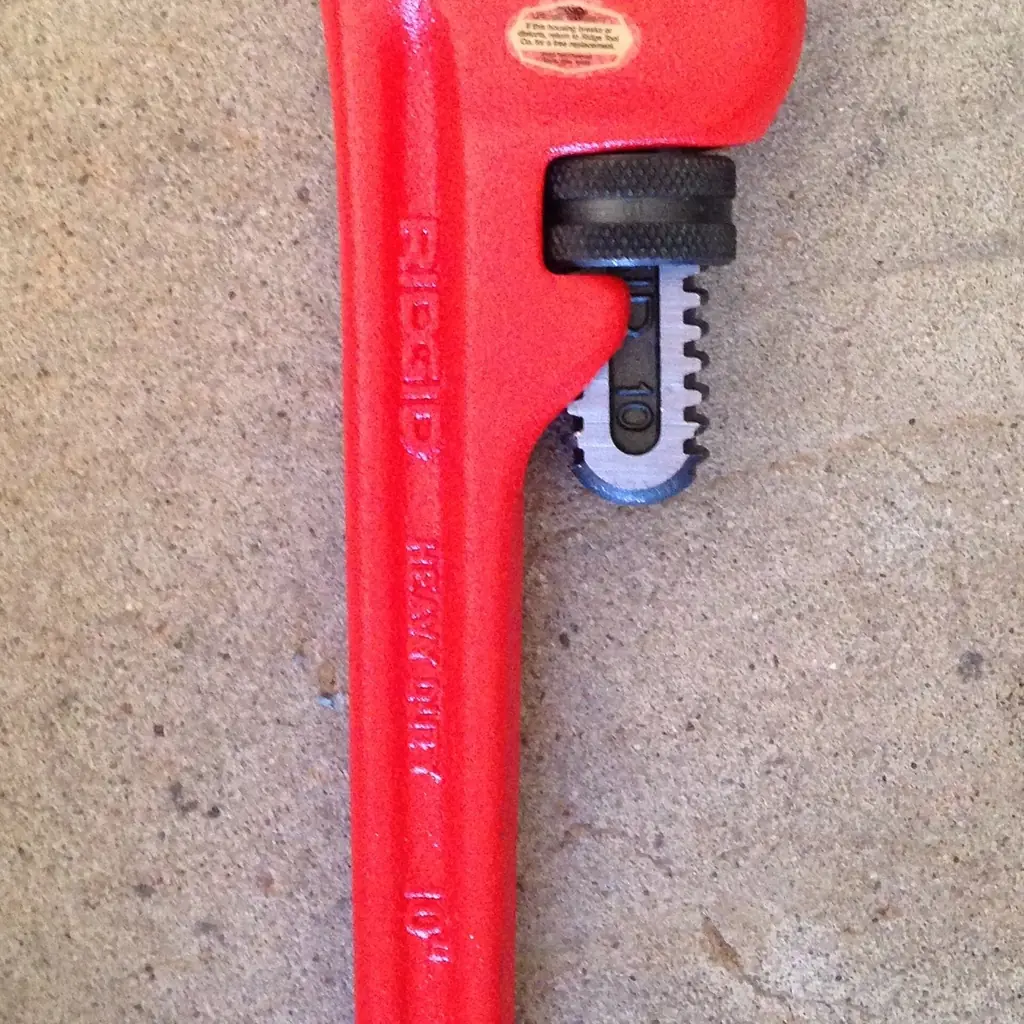
A blocked drain, leaking pipe, or failed fixture brought a practical repair job to the door. The plumber needed access to the problem inside the house, not simply a description from the porch.
An ordinary day could stop while the water or fixture was unavailable.
The effect was especially clear in a kitchen preparing several dishes for guests expected at dinner, when a working sink mattered immediately.
16. The laundry or dry-cleaning route worker
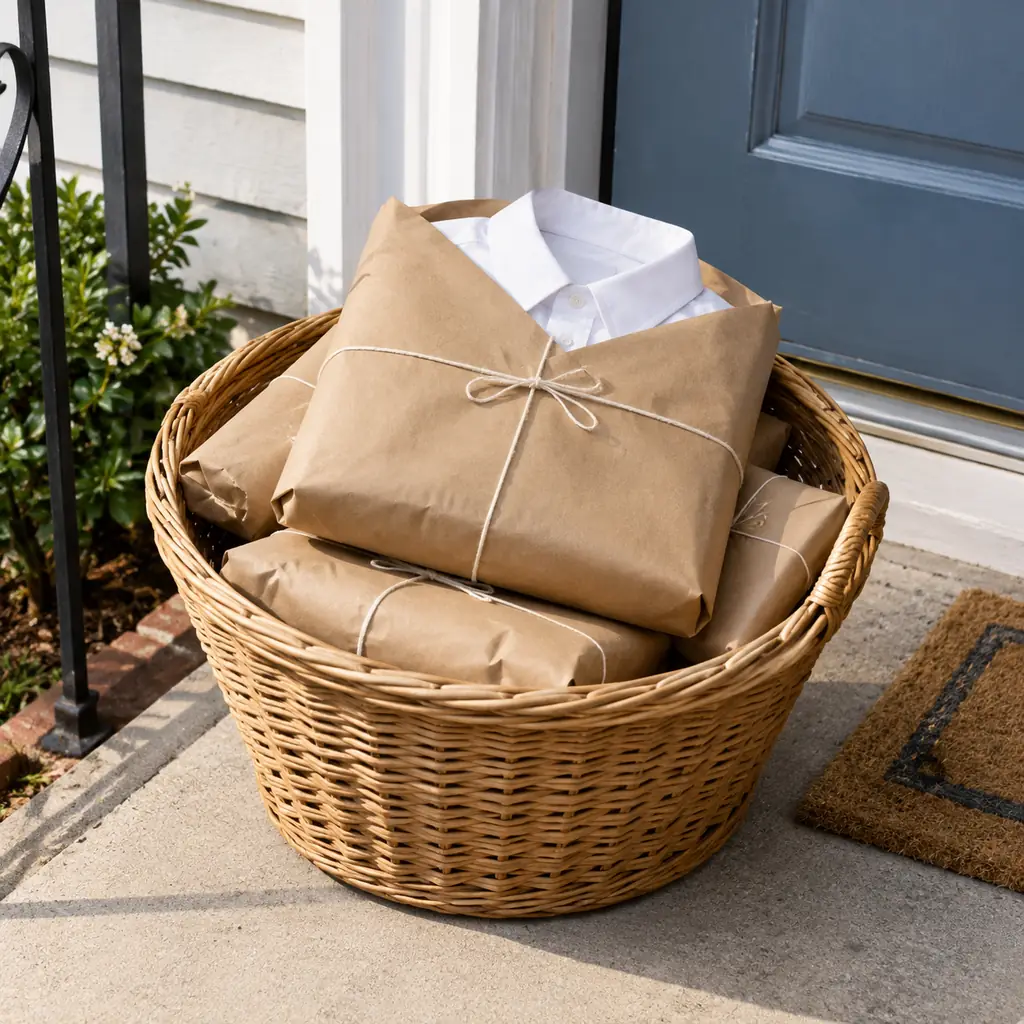
A route service could collect garments and return them after cleaning. The bundle moved between household and business rather than requiring every customer to visit the counter.
Different services handled different kinds of items. A dry-cleaned suit was not the same job as a family's washable bed linen.
The arrangement purchased time as well as cleaning, showing that household routines could include paid help outside the home.
17. The vacuum-cleaner demonstrator
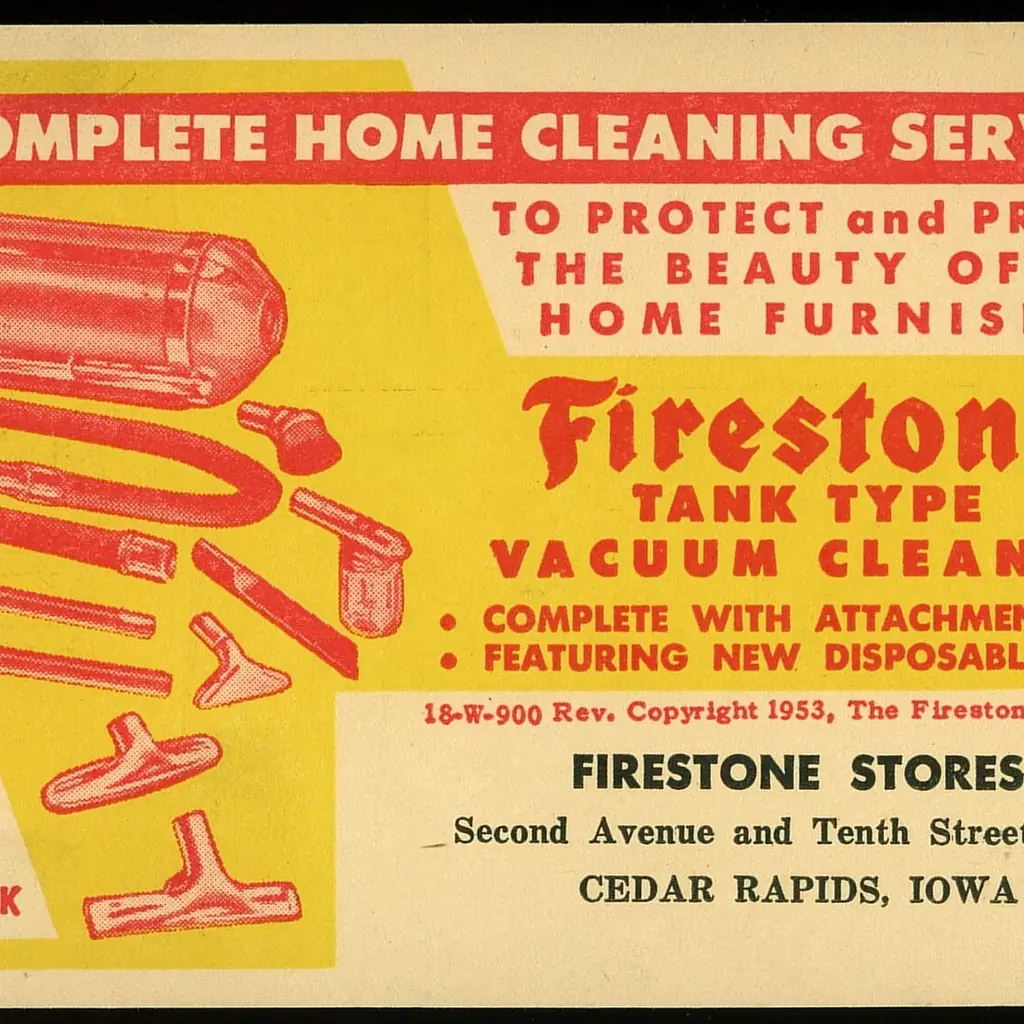
A demonstrator could show what a machine did on the customer's own floor. Kirby dates its direct-selling and in-home demonstration model to 1920.
The household supplied a setting where the result was easier to inspect than a spoken sales promise.
It was still a sales presentation. A person watching the demonstration had a purchasing decision to make, not an obligation to buy because the machine had crossed the threshold.
18. The encyclopedia salesperson
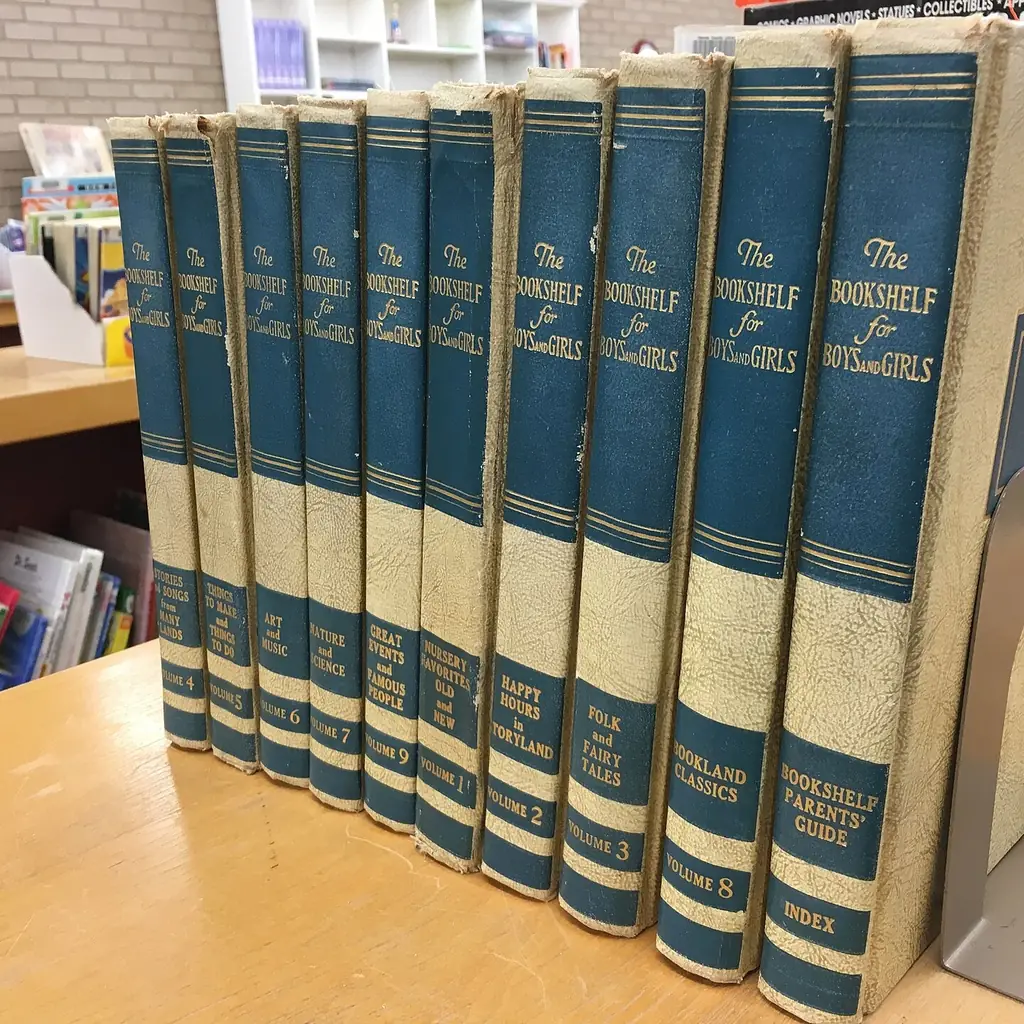
A sample volume could stand in for a much larger set of books. The presentation connected a household purchase with education, reference, and a place on the shelves.
Door-to-door encyclopedia selling is documented in official consumer-protection records. Some sales methods later drew regulatory attention.
The encounter belonged to the same material world as recognizable pantry packages, when the physical object often carried much of the sales argument.
19. The Girl Scout selling cookies

A cookie order could bring a familiar young neighbor to the door. Girl Scouts' own history records door-to-door selling long before the 1960s and describes the program's growth during that decade.
The assortment depended on the period and baker. Today's cookie names should not all be placed on an old order sheet.
The exchange combined a treat with support for a local troop rather than an ordinary store purchase. Parents still decided who answered the door.
20. The household survey interviewer

Not everyone asking questions wanted to sell the householder a product immediately. The 1961 labor handbook describes marketing researchers collecting household information through door-to-door surveys.
Questions could concern products already owned or opinions about a proposed purchase.
The survey turned ordinary domestic preferences into business information, including the cooking and shopping choices behind meals such as the next dinner made from leftovers.
Sources and further reading
- The Henry Ford: Twin Pines Farm Dairy Truck
- Charles Chips: About Us
- Fuller Brush: Company History
- Avon: Corporate Historical Timeline
- DPLA: The Watkins Man
- MetLife: Our History
- U.S. Bureau of Labor Statistics: Occupational Outlook Handbook, 1961, Part 1
- Smithsonian National Postal Museum: Transporting the Mail
- U.S. Census Bureau: About the 1960 Census
- U.S. Bureau of Labor Statistics: Occupational Outlook Handbook, 1961, Part 2
- The Kirby Company: About Us
- FTC: Encyclopaedia Britannica Proceedings
- Girl Scouts: Cookie History
Image credits
- Western Electric 202 Imperial telephone with 684A subset dated 1955.jpg by Kbrose; CC BY-SA 3.0. Cropped to a square, resized and converted to WebP. No subject details altered.
- DECOmputer.jpg by Intel Free Press; CC BY-SA 2.0. Cropped to a square, resized and converted to WebP. No subject details altered.
- Table tidy crumb sweeper from Fuller Brush Company.jpg by Jonathan Schilling; CC BY-SA 4.0. Cropped or fitted to a square, resized and converted to WebP. No subject details altered.
- WatkinsPepperTinBack.jpg by WatkinsInc; CC BY-SA 4.0. Cropped or fitted to a square, resized and converted to WebP. No subject details altered.
- Vacuum tube Philips ECH3 triode hexode IMG 7888.jpg by Alex P. Kok; CC BY-SA 4.0. Cropped or fitted to a square, resized and converted to WebP. No subject details altered.
- Elster Type R15 electricity meter.jpeg by Zuzu; CC BY-SA 3.0. Cropped or fitted to a square, resized and converted to WebP. No subject details altered.
- Ridgid 10" pipe wrench.jpg by J.C. Fields (Talk) (Uploads); CC BY-SA 3.0. Cropped or fitted to a square, resized and converted to WebP. No subject details altered.
- Firestone Vacuum Cleaner, 1953 - Advertising Postcard (4887977946).jpg by Steve Shook from Moscow, Idaho, USA; CC BY 2.0. Cropped or fitted to a square, resized and converted to WebP. No subject details altered.
- Vintage Encyclopedia Set (30505333536).jpg by Texas State Library and Archives Commission from Austin, TX, United States; CC BY 2.0. Cropped or fitted to a square, resized and converted to WebP. No subject details altered.
- 1965 - Goods Potato Chip Can - Allentown PA.jpg by Self Scanned; Public domain. Cropped or fitted to a square, resized and converted to WebP. No subject details altered.
- Selling girl scout cookies.JPG by Drmies; CC BY-SA 3.0. Cropped or fitted to a square, resized and converted to WebP. No subject details altered.
- Letter Carrier Delivering Mail.jpg by Smithsonian; CC0. Cropped or fitted to a square, resized and converted to WebP. No subject details altered.
- 1950 Census Enumeration (5020542240).jpg by US Census Bureau; Public domain. Cropped or fitted to a square, resized and converted to WebP. No subject details altered.
- Arlex heating oil delivery truck - Arlington, MA.jpg by Daderot; CC0. Cropped or fitted to a square, resized and converted to WebP. No subject details altered.
- Avon - The Beauty of it All, 1948.jpg by Internet Archive Book Images; No restrictions. Cropped or fitted to a square, resized and converted to WebP. No subject details altered.