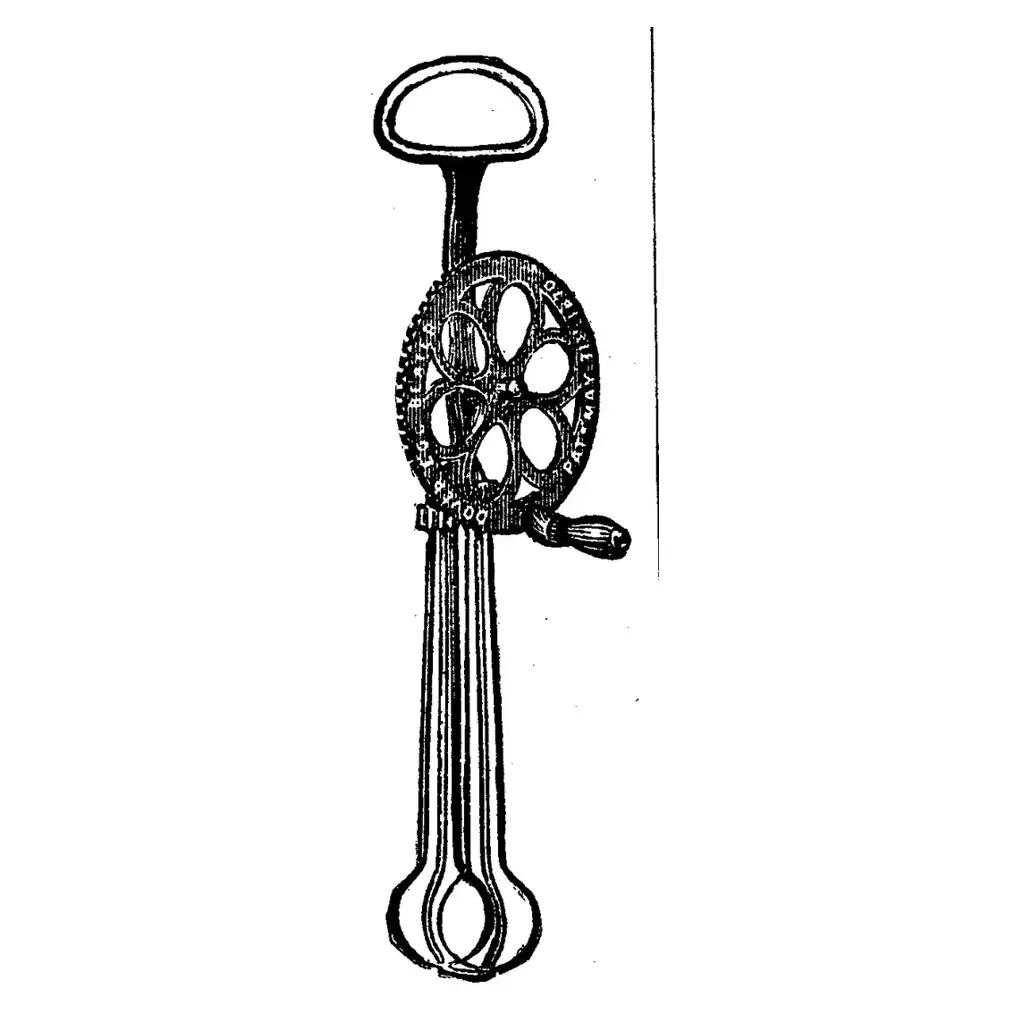
A weekly job for each day made heavy household work easier to organize. This reconstruction follows an older American schedule that could still shape a 1930s home, with different routines wherever work, weather, money, and equipment required them.
1. Monday began with sorting the wash
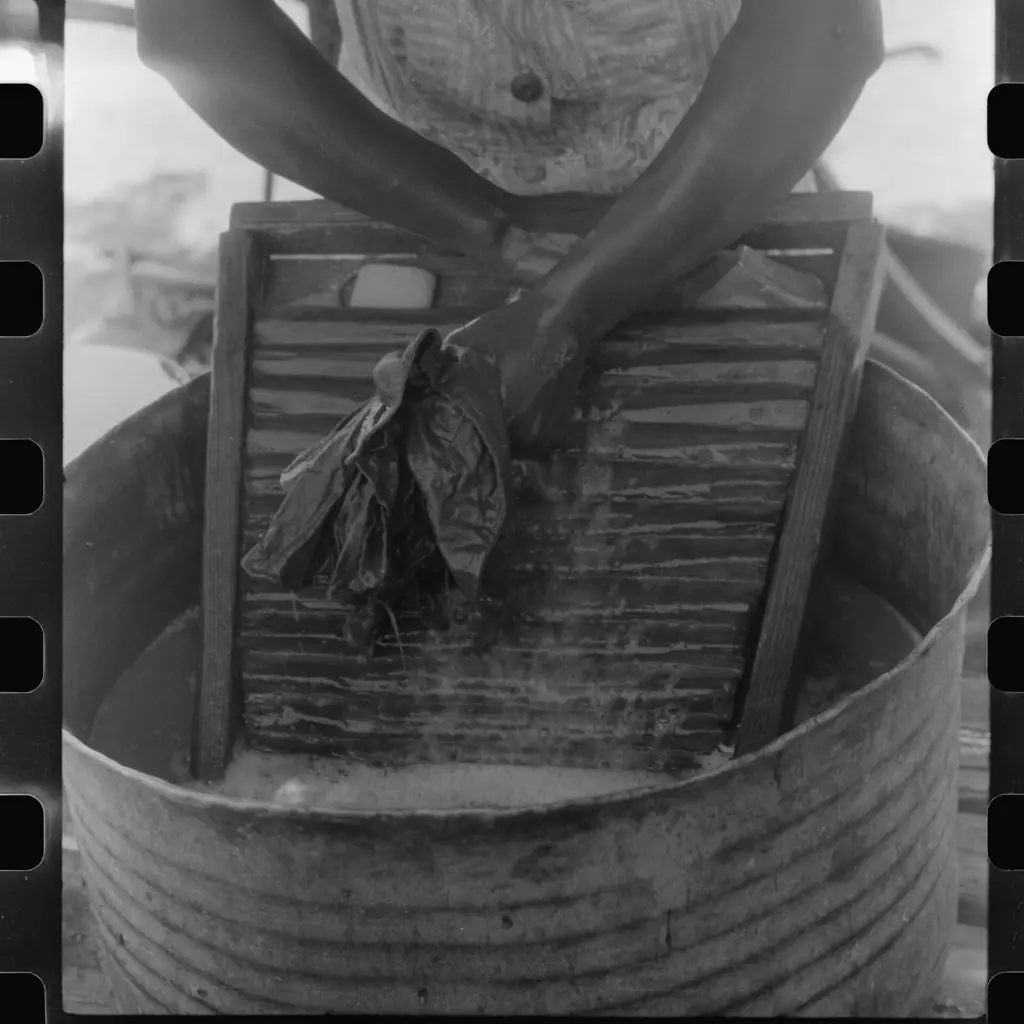
Laundry was easier to manage when whites, colored items, and heavily soiled pieces were separated before the water was ready. A careless mixed load could create another problem before the first one was solved.
Monday wash day was a custom, not a law. Earlier household guides openly debated whether Tuesday made more sense.
The best day depended on who did the work and when the household could spare the time.
2. Wash water had to be supplied and heated
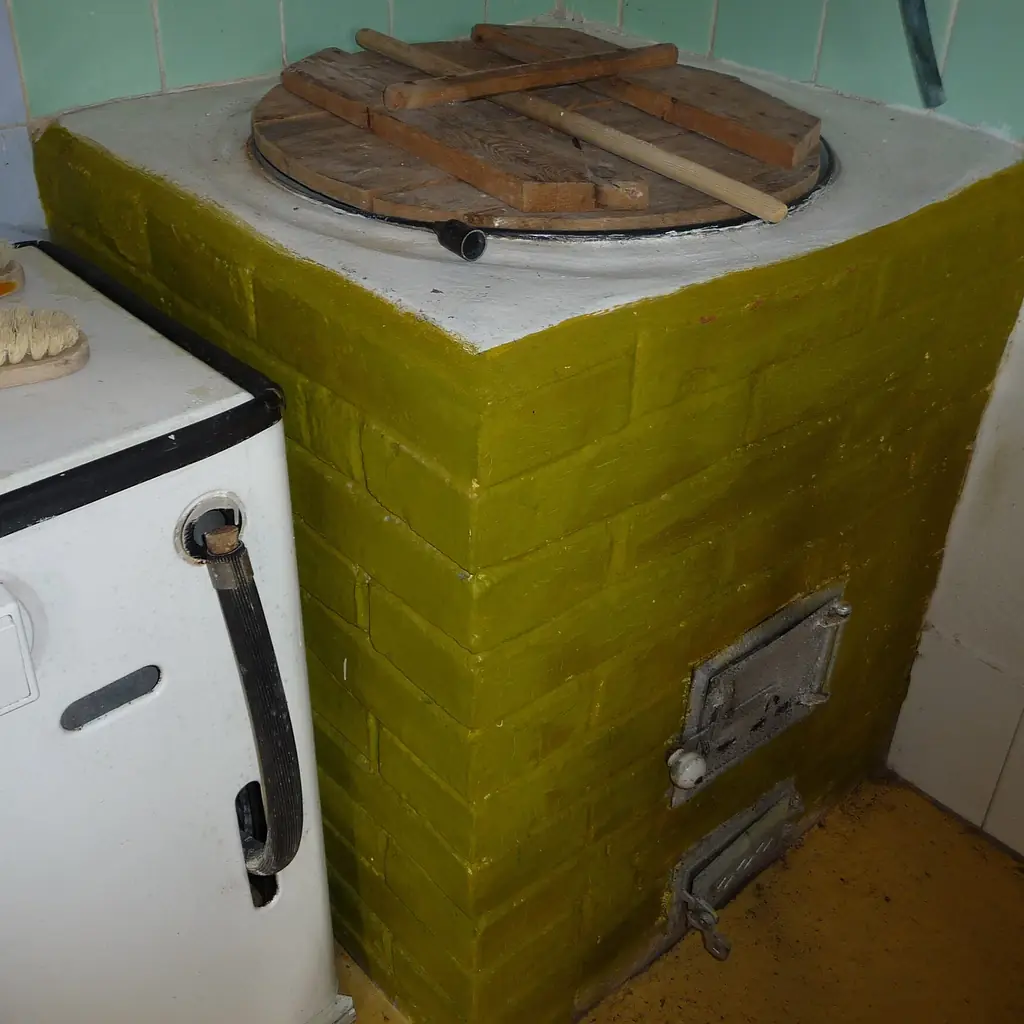
A home without convenient hot running water had work to do before the washing itself began. Water, tubs, soap, and a heat source all needed attention.
Some households owned powered washing machines; others relied on much simpler equipment. A 1930s photograph cannot stand for every family's setup.
The amount of carrying and heating explains why laundry could be grouped into one major job instead of scattered casually through the week.
3. The clothes still needed rinsing and wringing
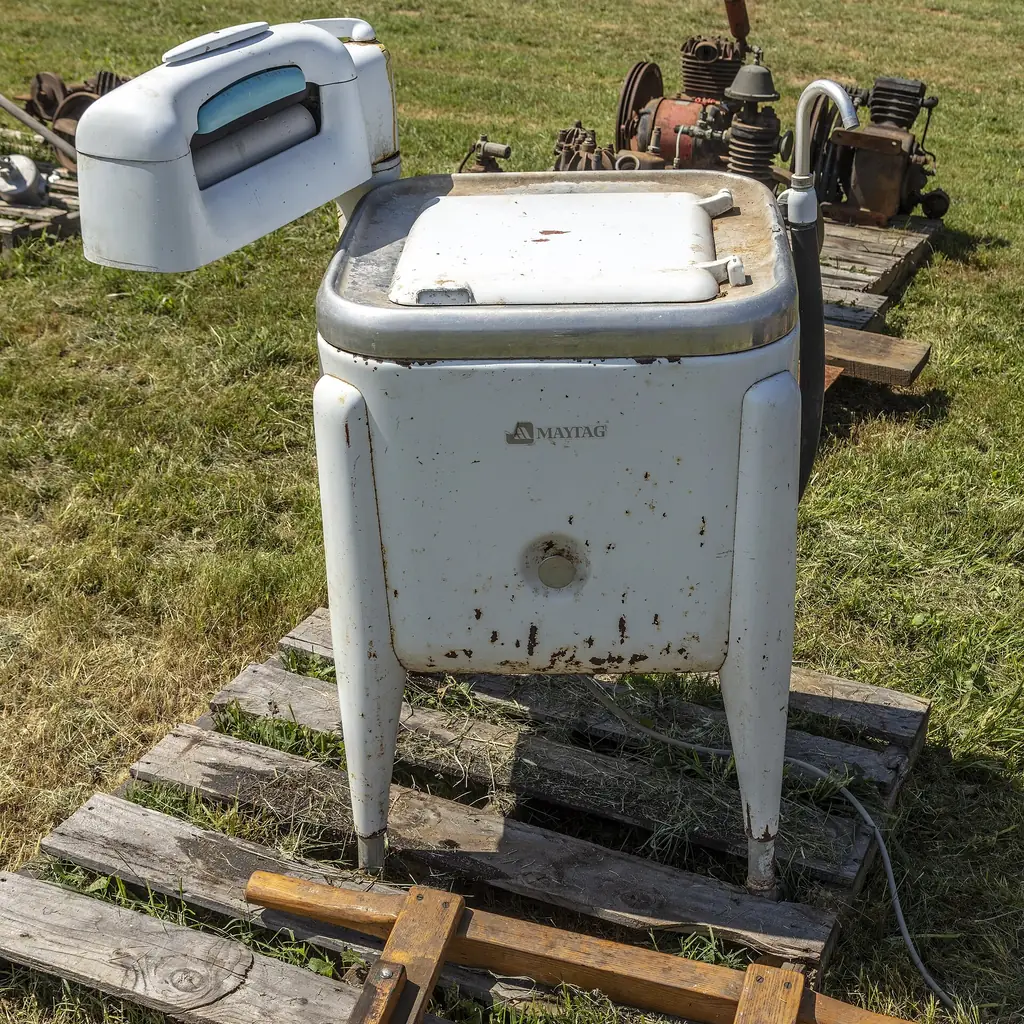
Getting the dirt out was only part of wash day. Soap had to be rinsed away, and excess water made wet clothing heavy to lift and hang.
A hand-cranked wringer helped remove that water, but it was machinery with real pinch hazards.
The repeated handling made the work tiring. A washing device could reduce one task while leaving the rinsing, lifting, and finishing still to be done.
4. The weather could rearrange the whole plan
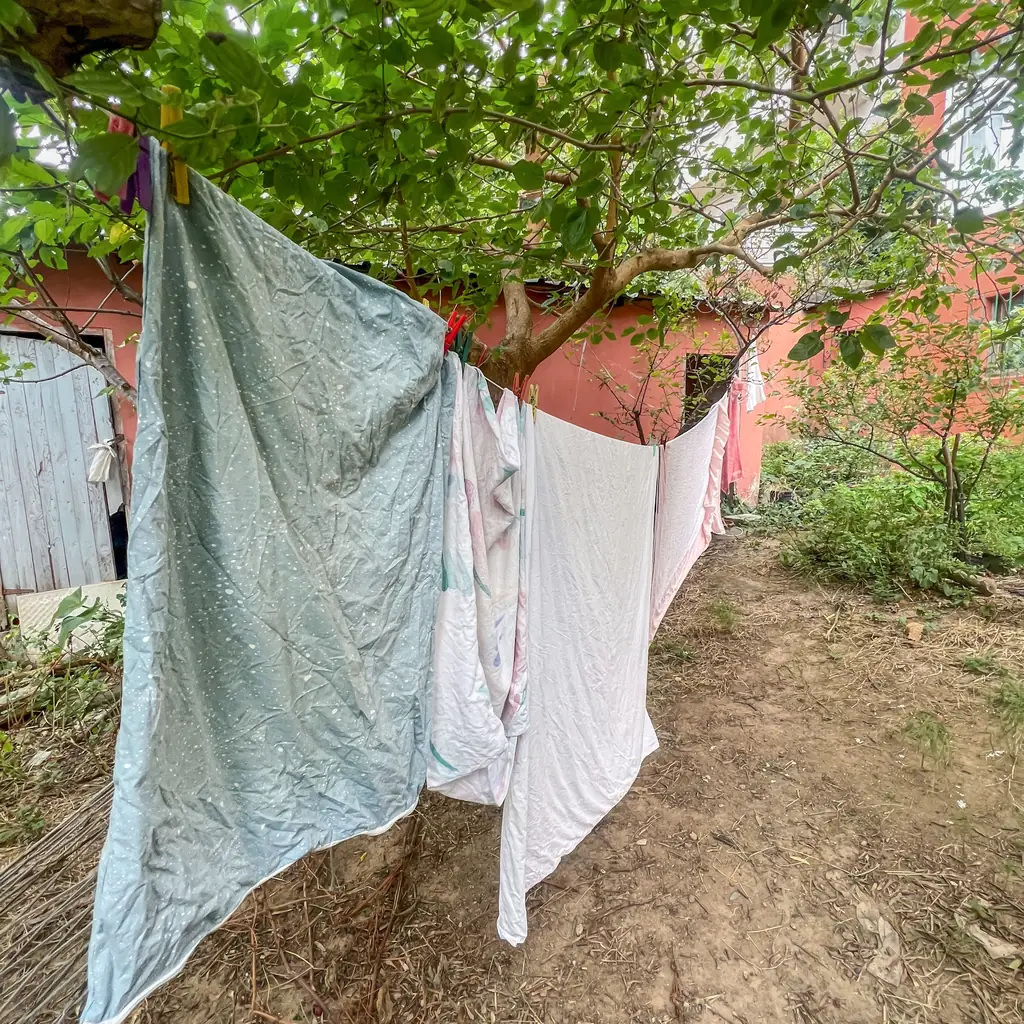
A line of laundry needed drying time as well as space. Rain could delay that stage and push the next day's ironing out of place.
Clothespins kept garments from sliding or blowing away, while careful hanging reduced later work.
The weekly schedule was therefore less rigid than the familiar rhyme suggests. Weather could make a neatly planned sequence impractical before midday.
5. A simple Monday meal reduced competing work
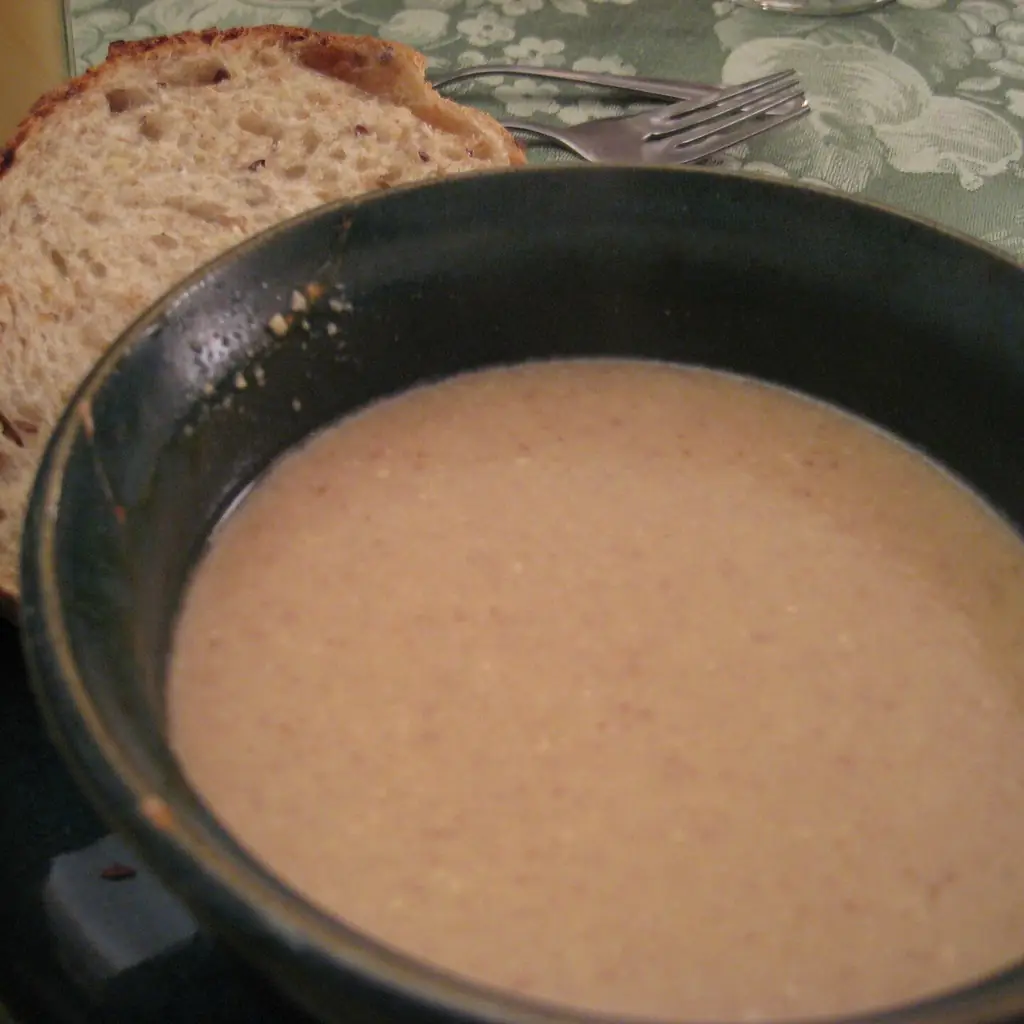
A demanding laundry day was a poor time to plan a meal needing constant attention. Household guides recommended arranging the cooking around the larger job.
Food prepared earlier could reduce the work, provided it was stored safely. Sunday meat might become hash or another dish.
The practical relationship is clear in the many dinners made from cooked meat, potatoes, and bread.
6. Tuesday was a logical day to iron
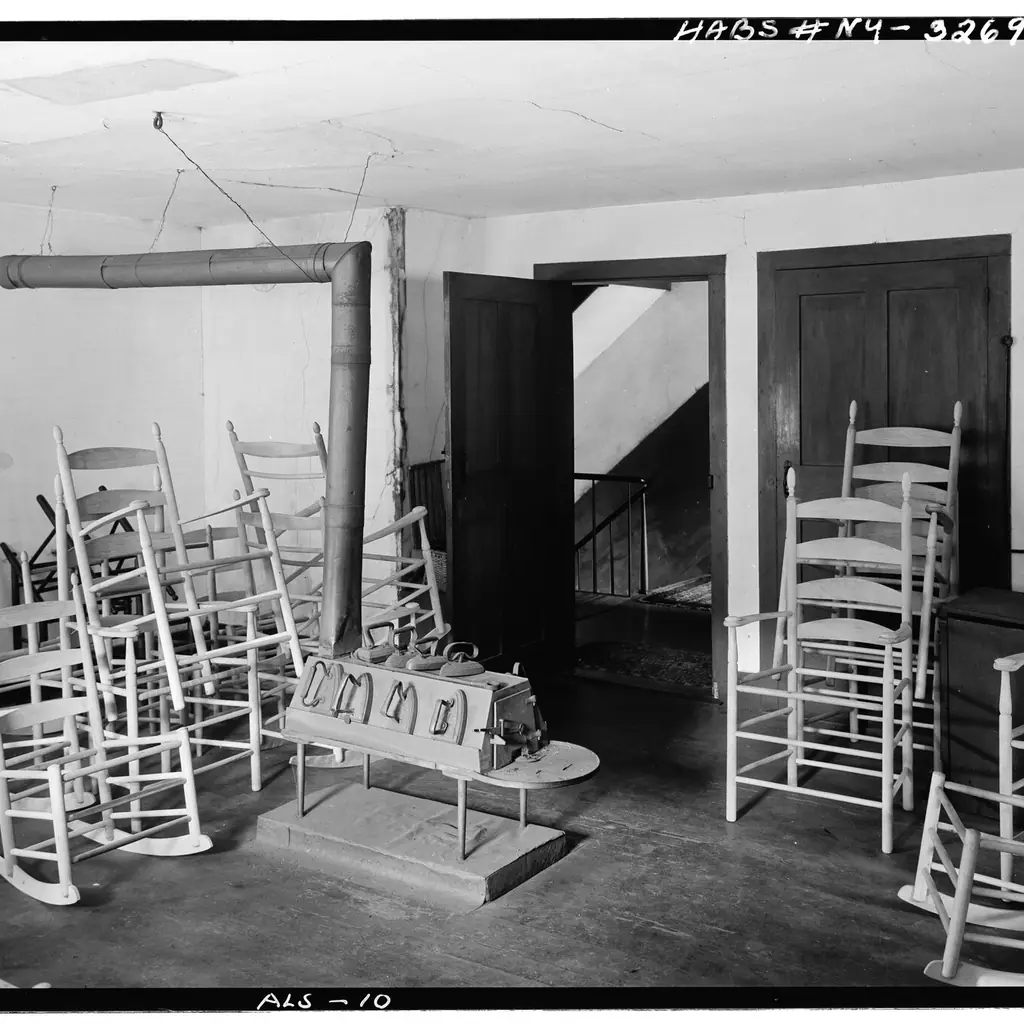
Once the clothes were dry, ironing could follow. That sequence explains the pairing of Monday wash day and Tuesday ironing more clearly than the names of the days themselves.
A household might finish laundry later and move the ironing accordingly. There was no advantage in following a schedule that the clothes could not keep.
Shirts, table linen, and other items also required different amounts of careful handling.
7. Some irons needed a place on the stove

A stove-heated iron required a supply of heat and somewhere safe to set it. Keeping one iron in use while another warmed could maintain the work.
Electric irons changed that arrangement where electricity was available. They did not remove the need for a suitable board and attention to the cloth.
The tools tell a more accurate story than imagining that every 1930s house had identical equipment.
8. Wednesday could become a mending day
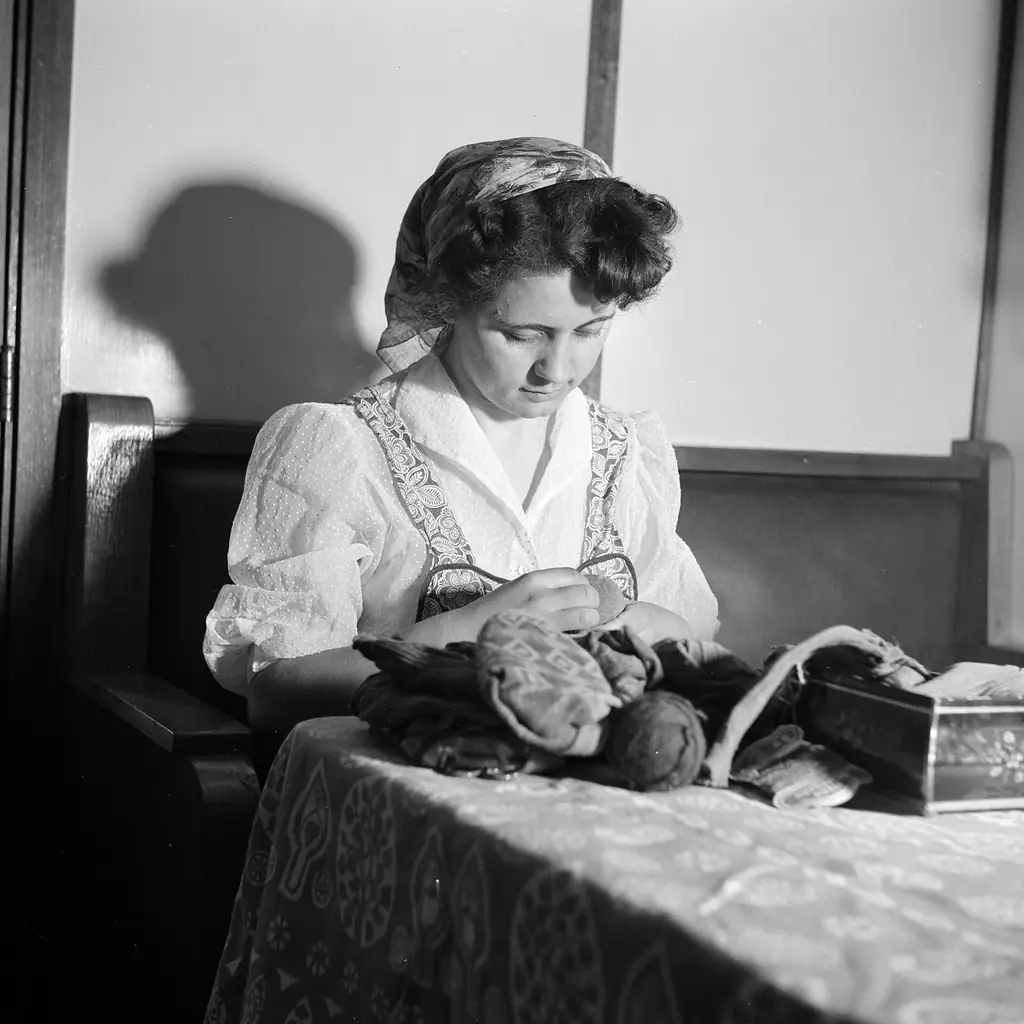
Sorting clean clothing exposed missing buttons, weak seams, and worn patches. A separate mending session stopped small jobs from disappearing back into the drawer.
Needles, thread, spare buttons, and suitable scraps made the work possible without another trip to the store.
That habit connected clothing care with the wider pantry-and-cupboard discipline visible in the familiar packages kept for everyday cooking.
9. The household linen needed checking too
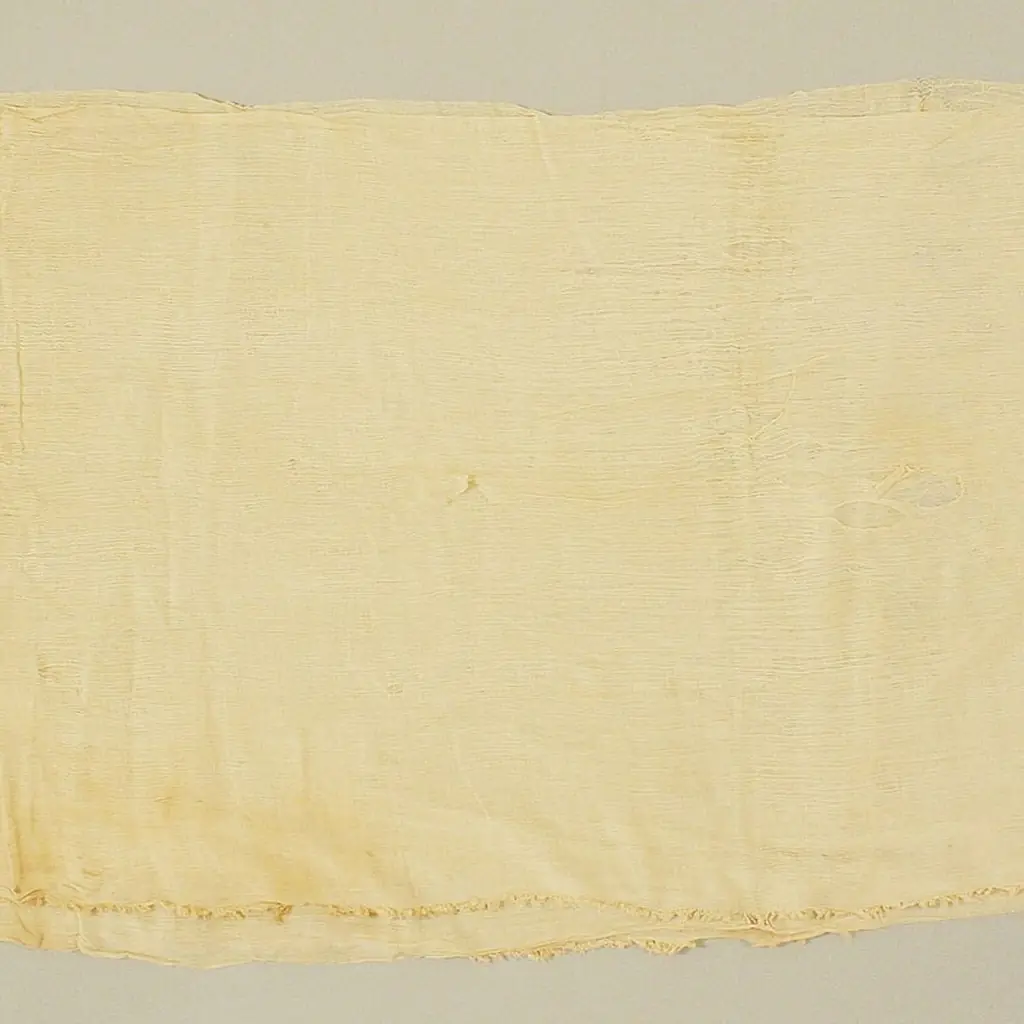
Tablecloths, towels, and sheets wore out as clothing did. Examining them after laundering made tears and thin areas easier to notice.
Not every worn item could be restored to its original job. Sound pieces might still serve a smaller purpose.
This was labor as well as thrift. A tidy pile of linen could hide hours of washing, drying, ironing, and repair.
10. Thursday offered space for room-by-room cleaning
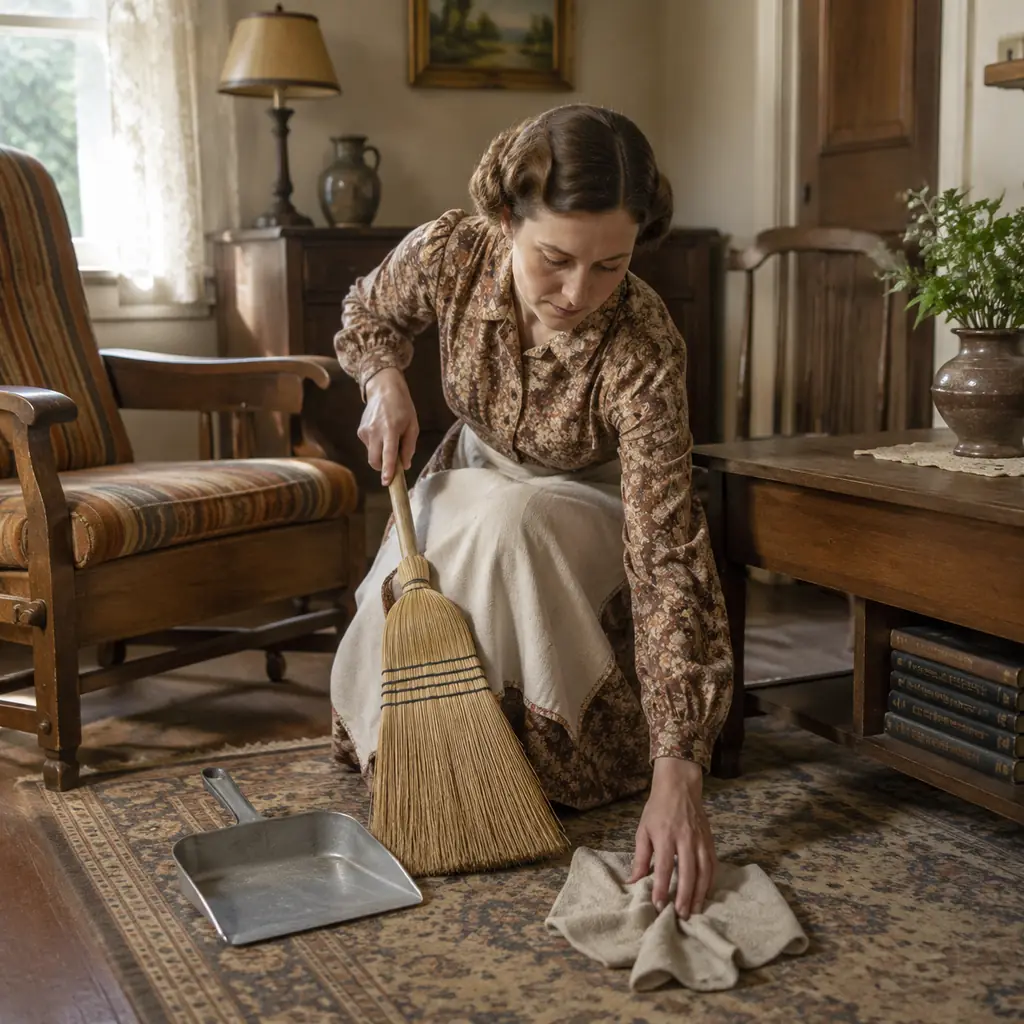
A room could be cleaned more thoroughly when its movable objects were handled in an orderly way. Dusting without a plan often meant shifting the same things twice.
Household manuals recommended working systematically rather than disturbing every room at once.
The particular cleaning day varied. The useful idea was to reserve time for the larger task while keeping the daily kitchen and sleeping areas usable.
11. Rugs and upholstery needed a different approach
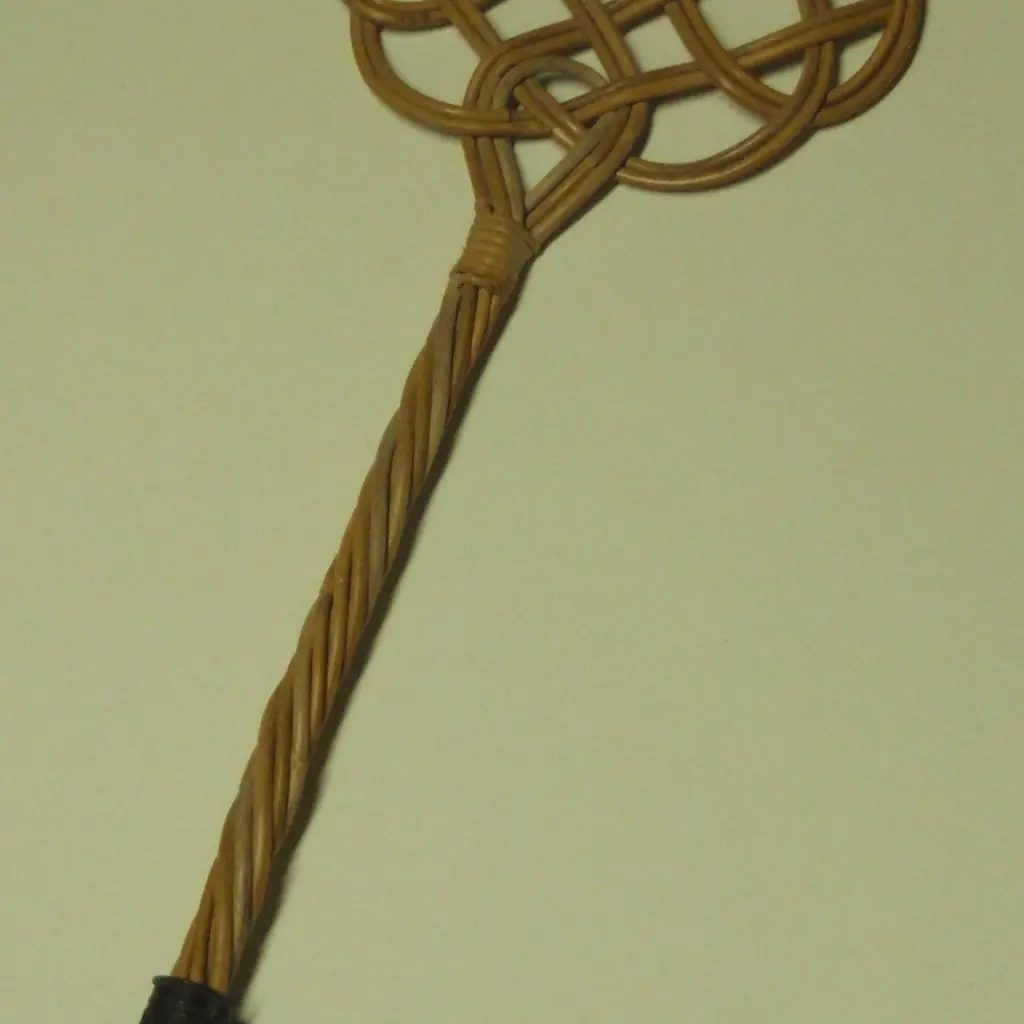
A rug did not clean itself when the floor around it was swept. Dust lodged in fibers, and upholstered furniture needed care suited to its material.
Vacuum cleaners were available in some homes, while brushes and other equipment remained useful elsewhere.
The variety recalls the purpose-built objects in Grandma's kitchen drawer: an unfamiliar tool often solved a specific recurring problem.
12. Friday could include checking supplies
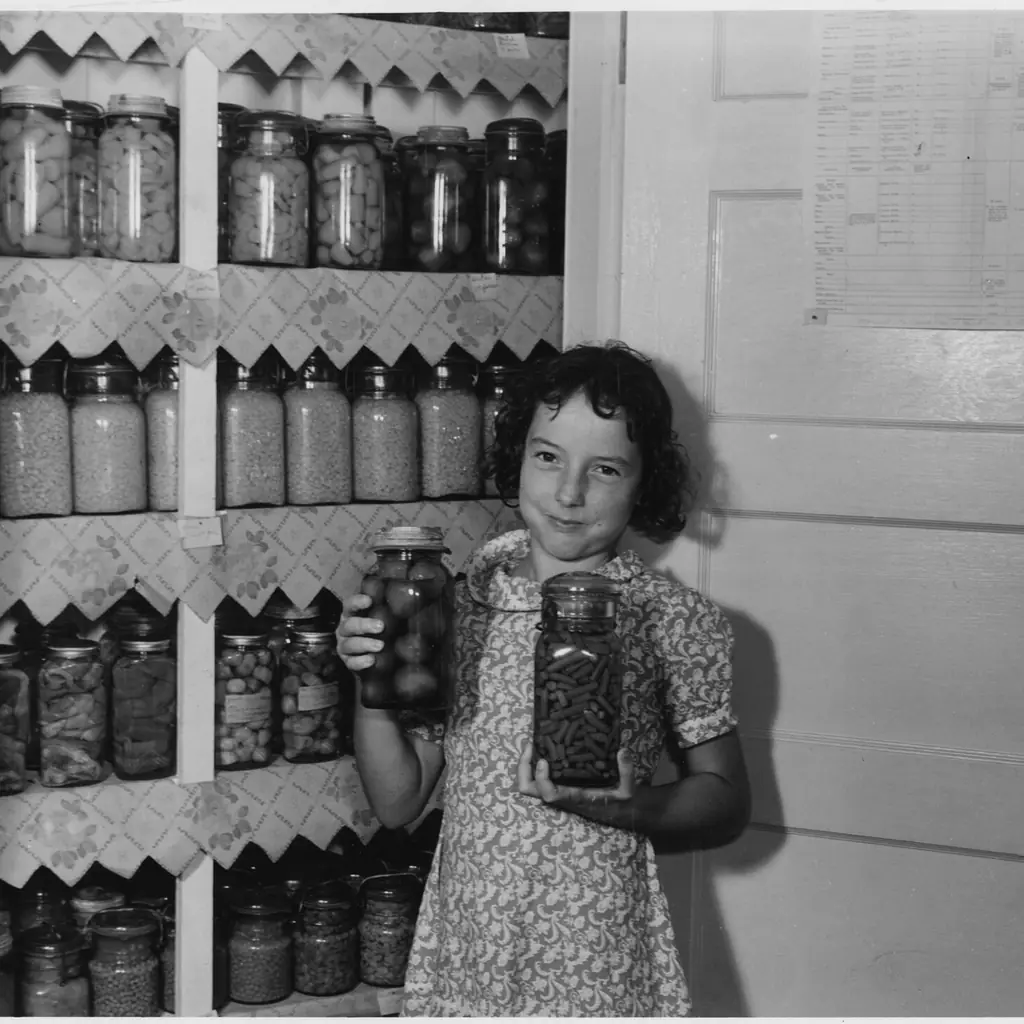
A cook planning the next several days needed to know what remained in the cupboard. Flour, fuel, soap, and other staples could run out at inconvenient moments.
A written list reduced the chance of buying one item twice while forgetting another.
The habit also helped connect purchases with available money. Household economy meant keeping track of needs, rather than simply buying the cheapest package on every shelf.
13. Shopping required a plan for carrying and storage
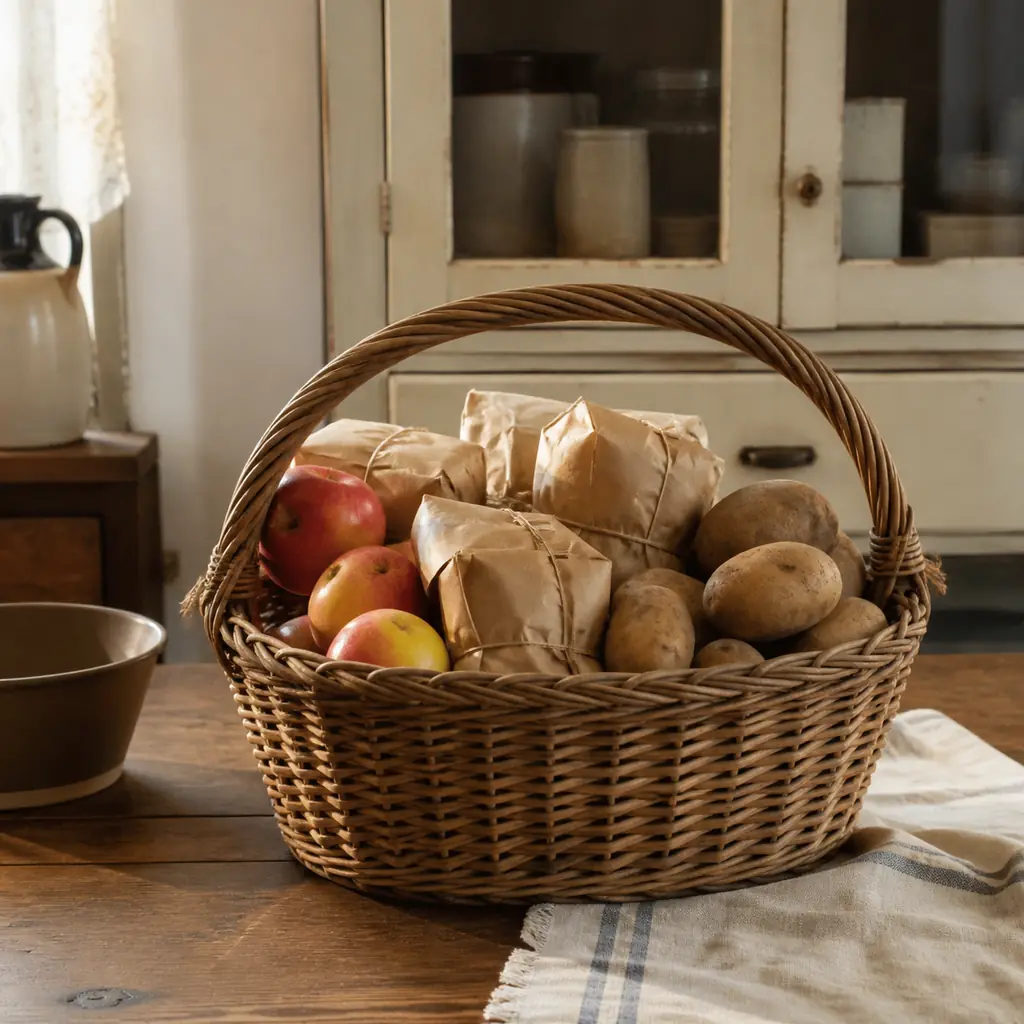
Food buying involved more than choosing a menu. The household needed a way to bring goods home and keep them in suitable conditions afterward.
Delivery services solved part of that problem for customers on a route. Other families carried purchases from shops or markets.
Those visits also explain the varied work of the people who once came to the front door.
14. Saturday could be the main baking day
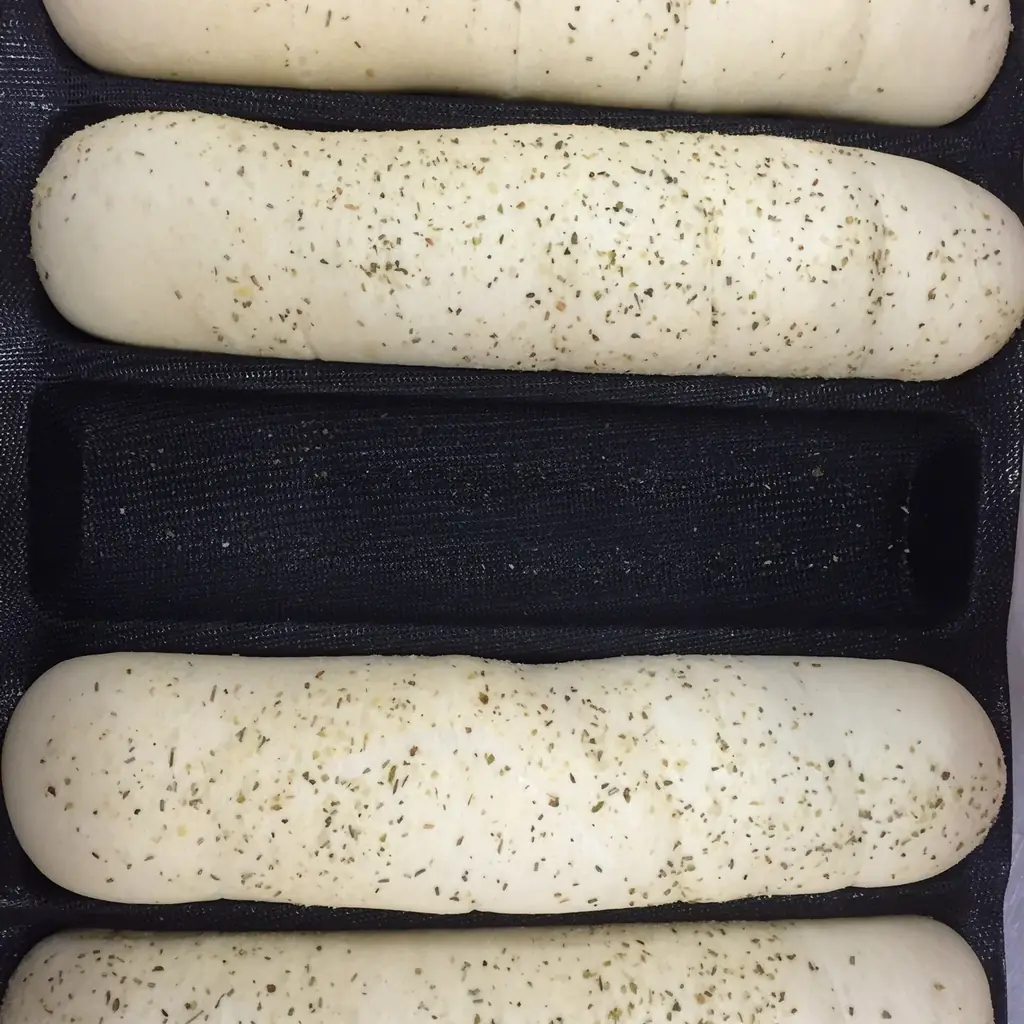
Grouping baking made sense when an oven required fuel and attention. Bread, pies, or other dishes could be planned around the heat already available.
The schedule was a choice, not proof that every family baked all its bread. Purchased bread and different work patterns existed alongside home baking.
A useful household plan fitted the equipment and people in the home instead of demanding one ideal arrangement.
15. A batch of baking supplied more than dessert
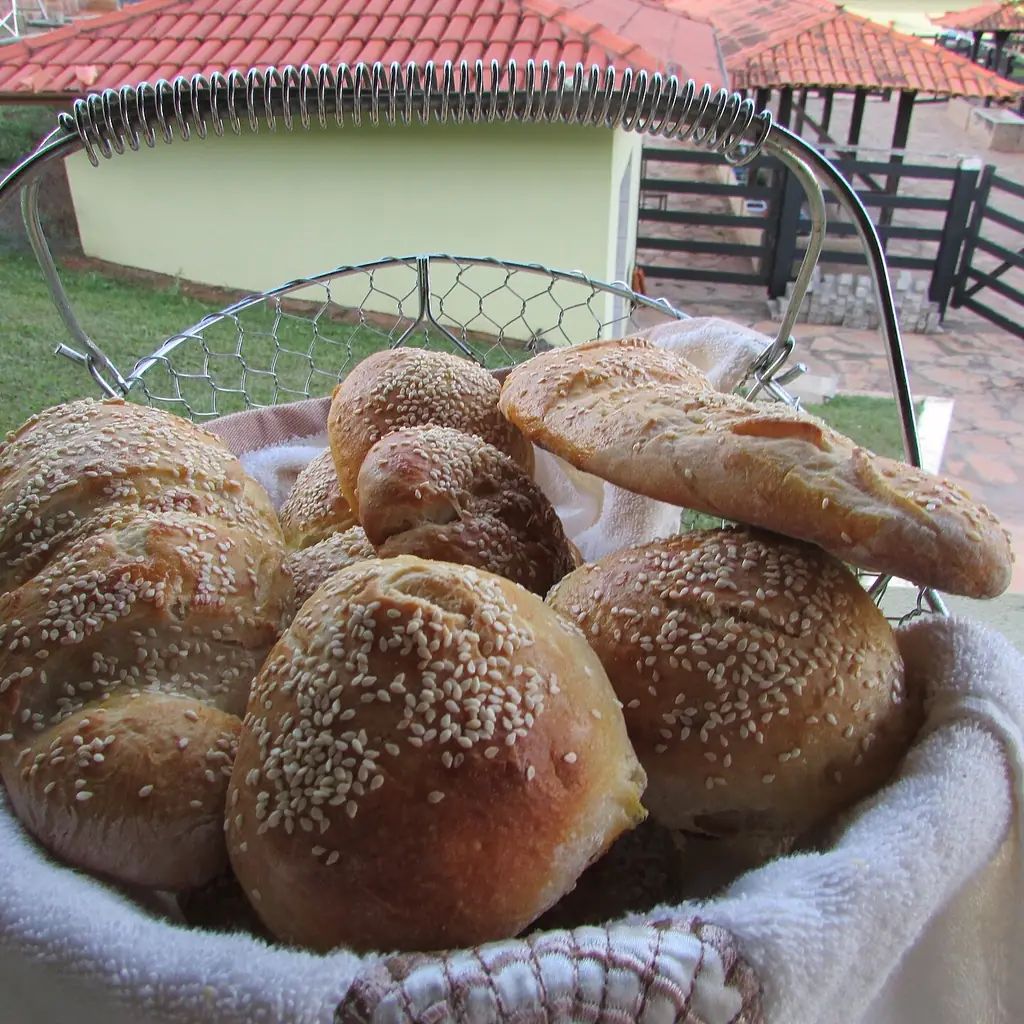
Bread and other baked foods could support meals beyond the day they were made. The household still needed to store them so their quality lasted.
Dry but sound bread could later take another form, while spoiled bread needed discarding.
The careful measuring behind ordinary baking also explains why Christmas cookies and candies could turn the same working kitchen into a much larger project.
16. Sunday meals needed preparation before serving
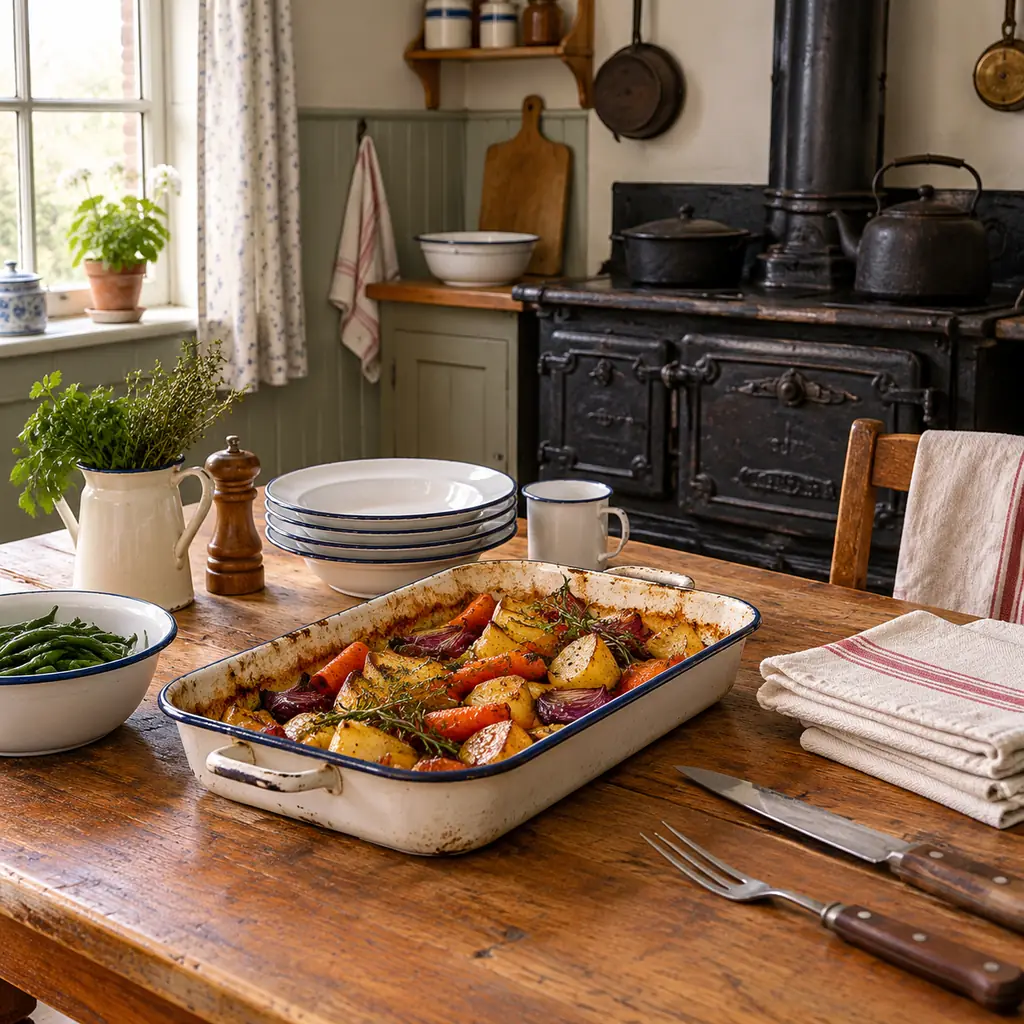
A special meal could involve more dishes and more people than a weekday dinner. Preparing what could be done in advance reduced the final rush.
The work still had to be done by someone. A day called a rest day did not guarantee rest for the cook or a paid domestic worker.
The National Archives records how unequal that domestic workload could be during the Depression.
17. The table was another household job
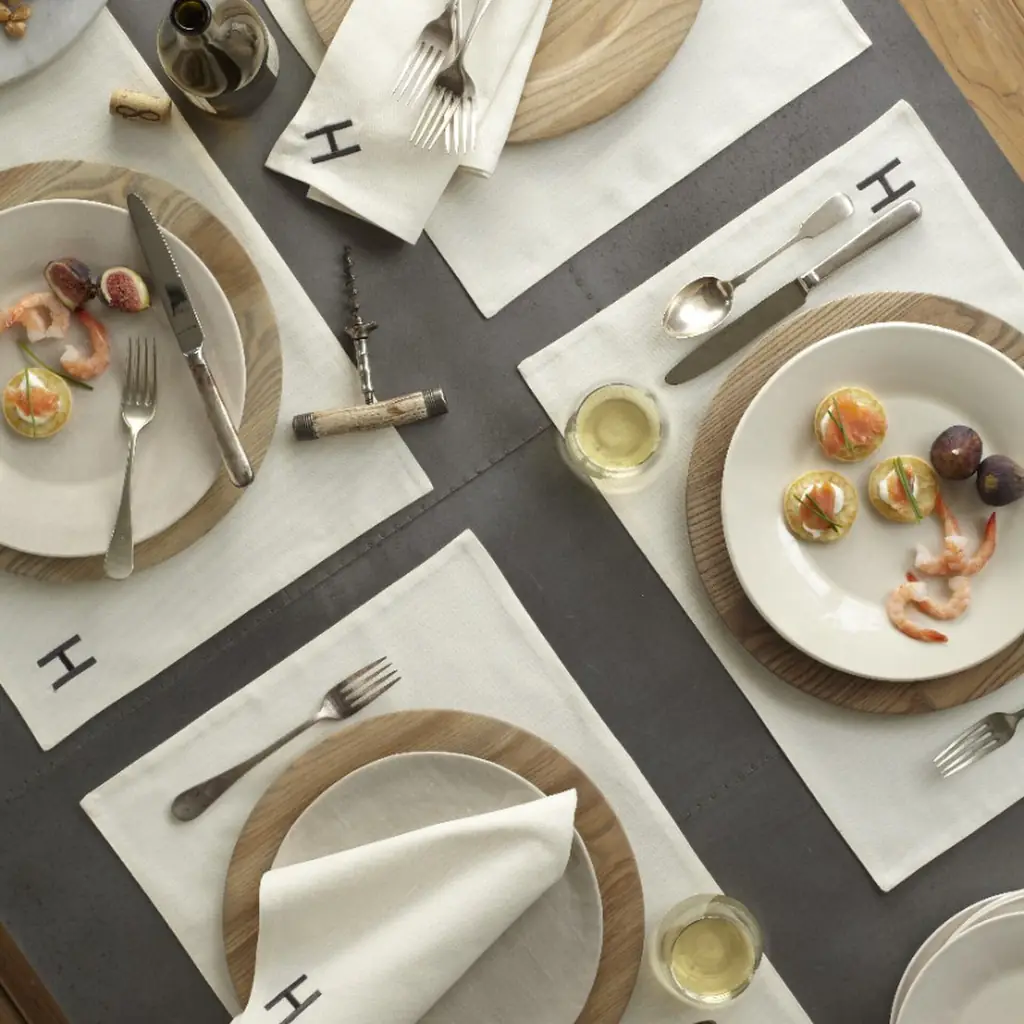
Clean cloth, usable dishes, and enough places required checking before people sat down. Serving a meal smoothly involved movement between the cooking and eating areas.
Families differed greatly in how formal they made the occasion. A manual's ideal table is evidence of advice, not proof of universal practice.
Those arrangements later took other forms in the dinner parties of the 1970s.
18. Daily dishwashing ignored the weekly labels
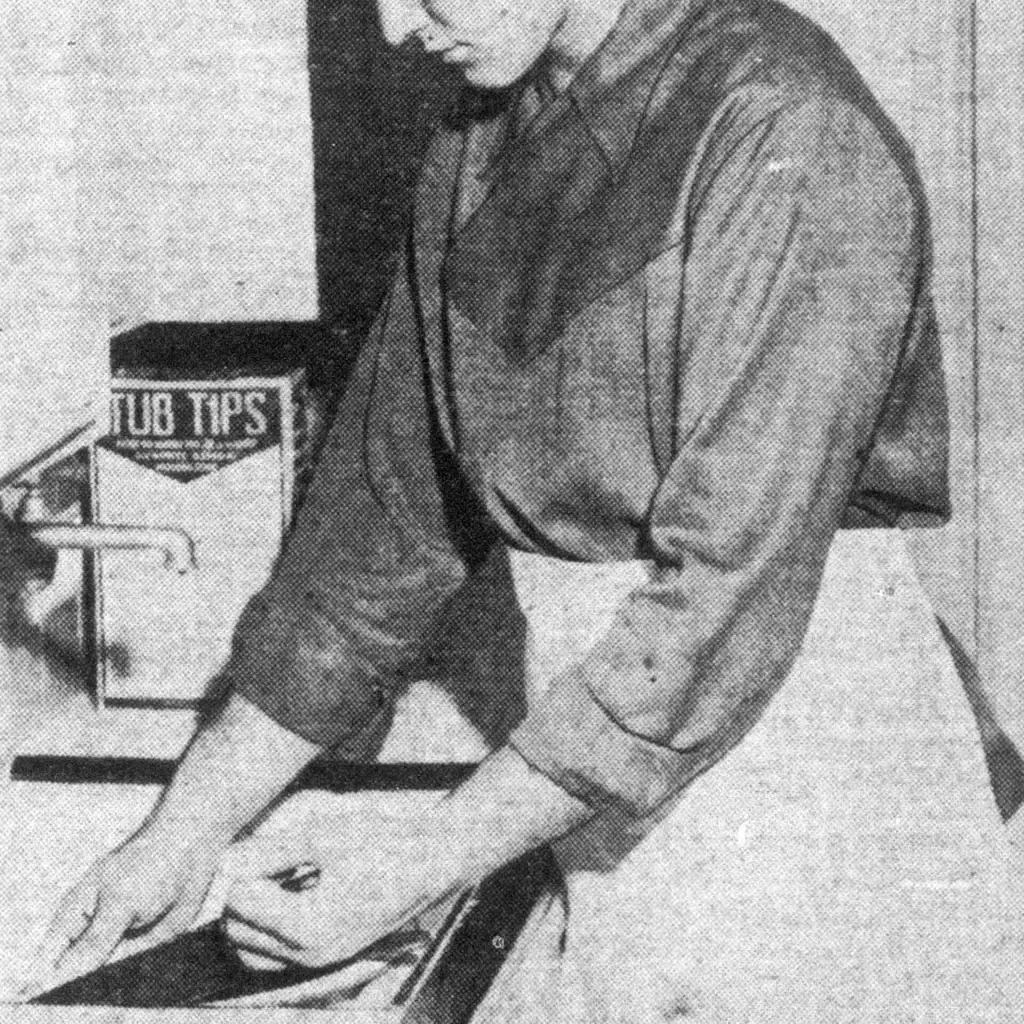
No arrangement of special jobs removed the ordinary dishes after meals. Pots, plates, and utensils needed cleaning even when laundry or mending already filled the day.
Hot water, clean rinsing water, and a place for drying all mattered.
The daily work is easy to miss in a simple list of Monday-to-Sunday tasks. The named job came on top of much that had to happen every day.
19. Food preservation followed the harvest
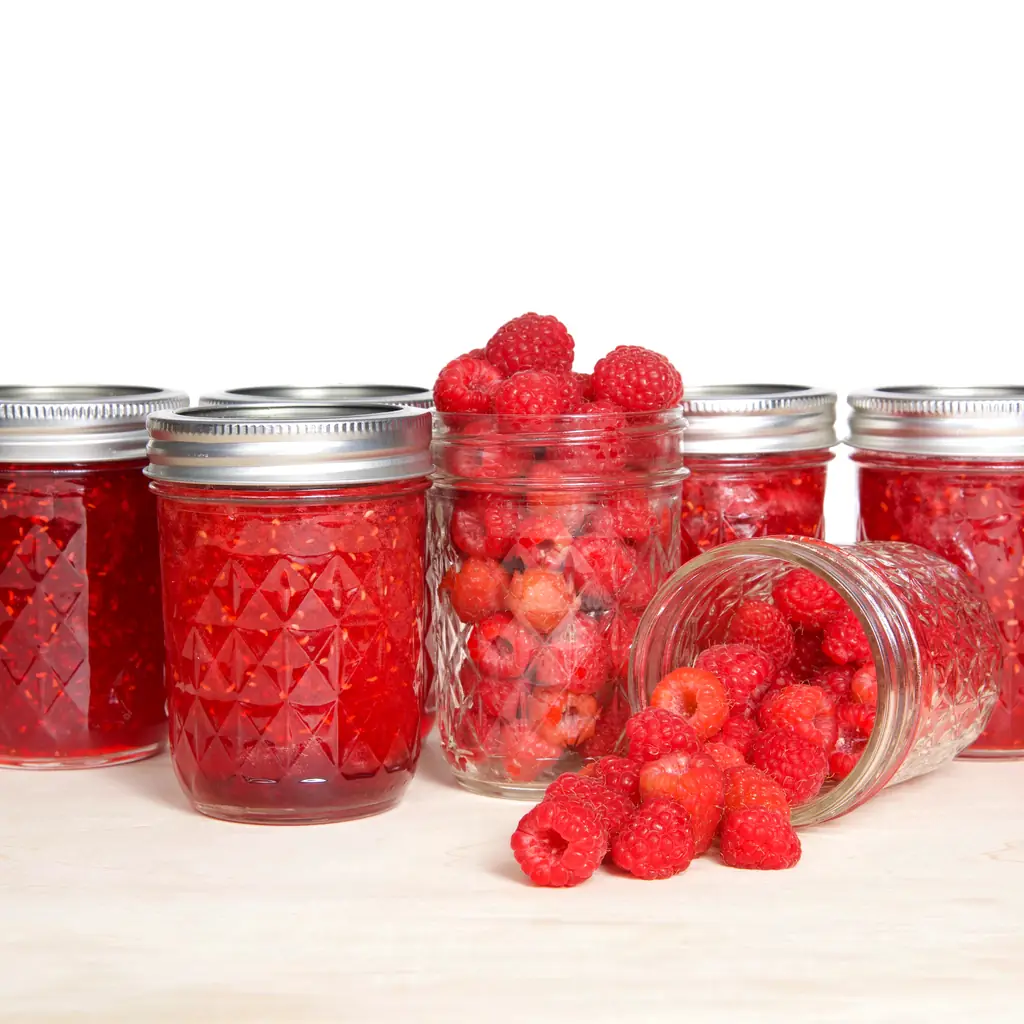
Fruit did not wait for a convenient day on the calendar. When a crop ripened, preserving could overtake the planned routine.
Cleaning containers, preparing fruit, and controlling heat made it a substantial task. Modern cooks should use current tested preservation methods rather than copy every old instruction.
The work began outside the kitchen, among the backyard trees and berry bushes that supplied it.
20. Household accounts helped explain next week
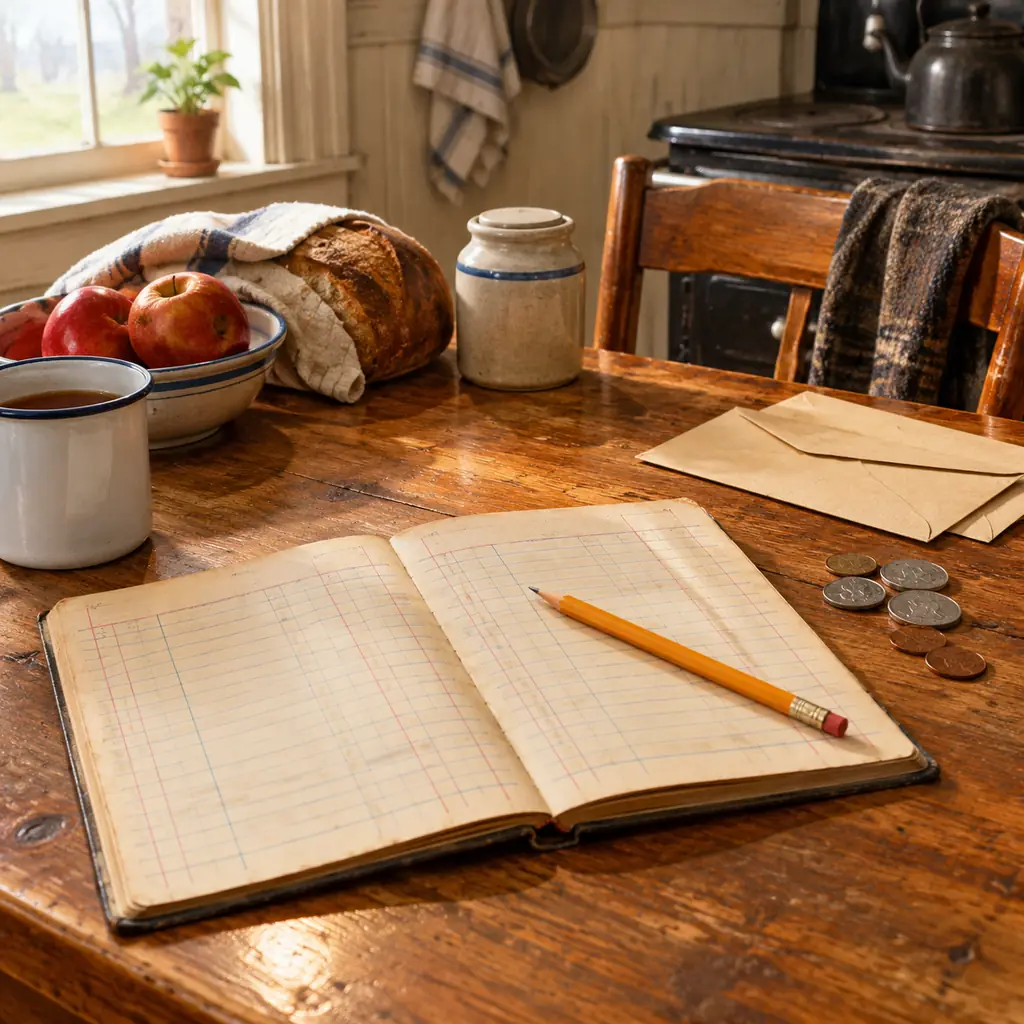
Keeping expenses together made it easier to see what food, fuel, and other needs were costing. A small notebook could do work that memory handled poorly.
A schedule helped with time; an account book helped with money. Neither created resources a household did not have.
The surviving advice is therefore best read as a set of tools, shaped by class, region, employment, and the unequal burden of domestic work.
Sources and further reading
- Helen Kinne and Anna Cooley: Foods and Household Management, 1918
- Elizabeth Hale Gilman: Housekeeping, 1911
- Library of Congress: Woman Washing Clothes, Mississippi, 1930–1940
- The Henry Ford: Keeping a Grip on Spring Cleaning
- The Complete Home, 1906
- The Boston Cooking-School Cook Book, 1910 revised edition
- National Archives: Black Domestics During the Depression
Image credits
- Tenant farmer's wife washing clothes, Greene County, Georgia LCCN2017749656.tif by Jack Delano; Public domain. Cropped to a square, resized and converted to WebP. No subject details altered.
- Antique sad iron.jpg by Lambtron; CC BY-SA 4.0. Cropped to a square, resized and converted to WebP. No subject details altered.
- Laundry copper (2).jpg by I would appreciate being notified if you use my work outside Wikimedia. Do not copy this image illegally by ignoring the terms of the license below, as it is not in the public domain. If you would like special permission to use, license, or purchase the image please contact me to negotiate terms. More of my work can be found in my personal gallery.; CC BY-SA 3.0. Cropped or fitted to a square, resized and converted to WebP. No subject details altered.
- Maytag wringer washing machine VA1.jpg by Acroterion; CC BY-SA 4.0. Cropped or fitted to a square, resized and converted to WebP. No subject details altered.
- Walnut soup with bread.jpg by infowidget; CC BY-SA 2.0. Cropped or fitted to a square, resized and converted to WebP. No subject details altered.
- Historic American Buildings Survey, William F. Winter, Jr., Photographer Summer 1930, IRONING ROOM, Gift of New York State Department of Education. - Shaker South Family HABS NY,11-NELEB.V,20-9.tif by ; Public domain. Cropped or fitted to a square, resized and converted to WebP. No subject details altered.
- Annie stopt sokken in een roef aan boord van de Damco 9, Bestanddeelnr 254-1437.jpg by Willem van de Poll; CC0. Cropped or fitted to a square, resized and converted to WebP. No subject details altered.
- Linen Sheet MET C.I.50.52 S1.jpg by ; CC0. Cropped or fitted to a square, resized and converted to WebP. No subject details altered.
- Carpet beater.jpg by Tenbergen (talk); CC BY-SA 3.0. Cropped or fitted to a square, resized and converted to WebP. No subject details altered.
- A girl holding two jars of canned goods - NARA - 196256.tif by Unknown authorUnknown author or not provided; Public domain. Cropped or fitted to a square, resized and converted to WebP. No subject details altered.
- Bread Dough.jpg by Krish Dulal; CC BY-SA 4.0. Cropped or fitted to a square, resized and converted to WebP. No subject details altered.
- Homemade Sourdough Bread and Rolls at the Fazenda (19517854768).jpg by Under the same moon...; CC BY 2.0. Cropped or fitted to a square, resized and converted to WebP. No subject details altered.
- Monogram napkins and place settings with plates and silverware on table crackers shrimp dates wine bottle glasses (18066278254).jpg by Personal Creations; CC BY 2.0. Cropped or fitted to a square, resized and converted to WebP. No subject details altered.
- Bill Sarni washing dishes 1943.jpg by Unknown; Public domain. Cropped or fitted to a square, resized and converted to WebP. No subject details altered.