Some pantry packages were familiar enough to recognize before anyone read the name. These tins, boxes, cans, and small bottles belonged to different generations of American kitchens, and many of the brands are still sold.
1. Postum
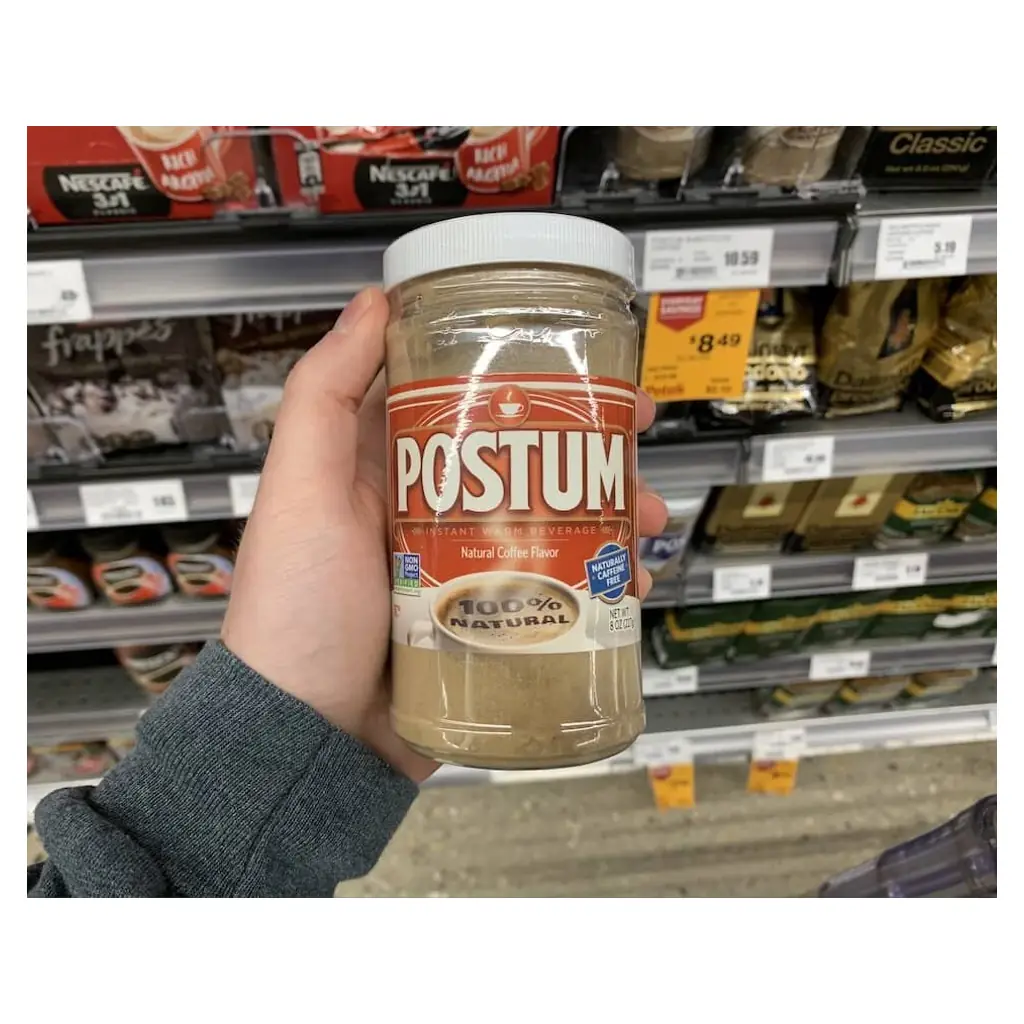
The Postum container held a roasted-grain drink rather than coffee. Its makers introduced the beverage in 1895, and the brand remains associated with a warm, caffeine-free cup.
Wheat and molasses explain the flavor better than the familiar comparison to coffee. It was its own drink, even when served in the same kind of cup.
A recognizable name on the shelf can preserve a family memory without making the old advertising's health promises reliable.
2. Quaker Oats
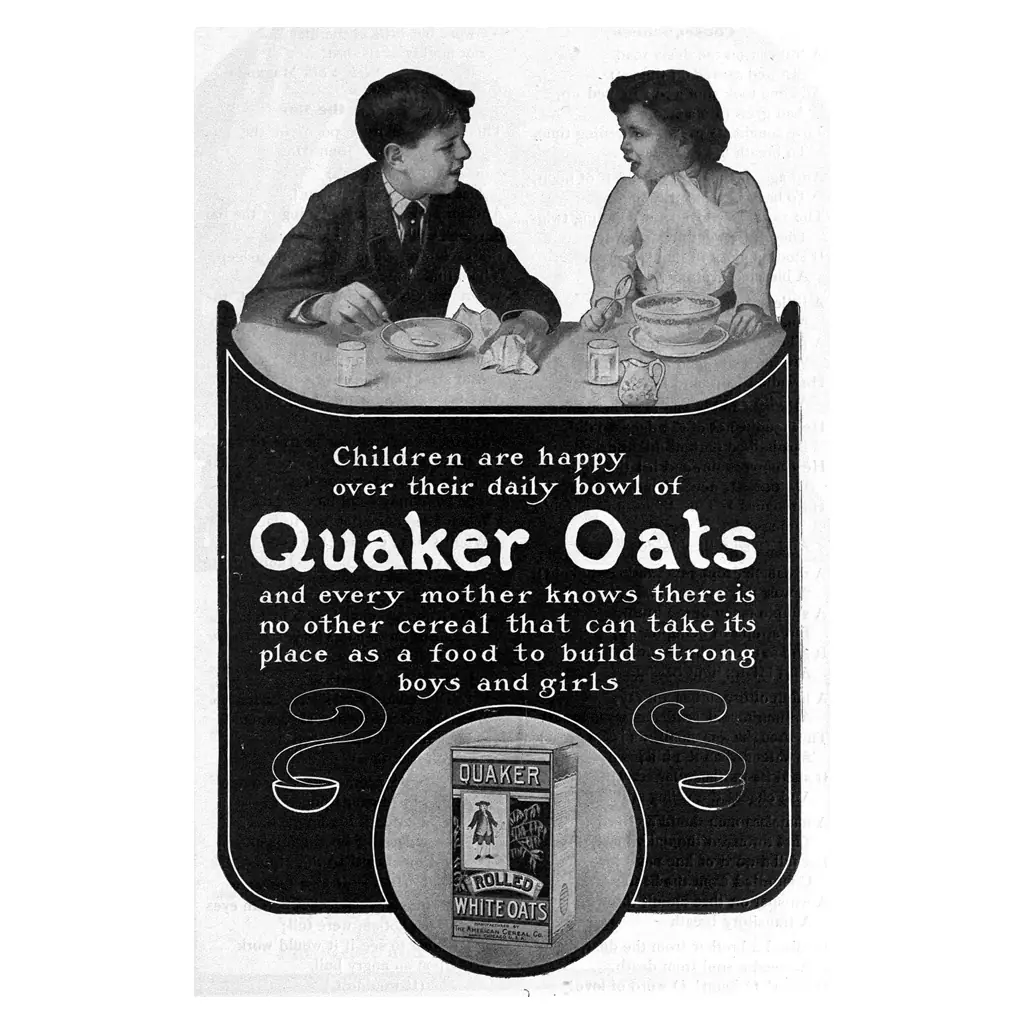
The round package was a useful landmark among rectangular boxes. Quaker dates that familiar shape to 1915, long before instant oatmeal packets changed the breakfast routine.
The oats could become a hot breakfast, cookies, or another baked dish. Different kinds of oats needed different cooking times.
The man on the package was a brand emblem, not a guarantee that every family cooked its oatmeal the same way.
3. Morton Salt
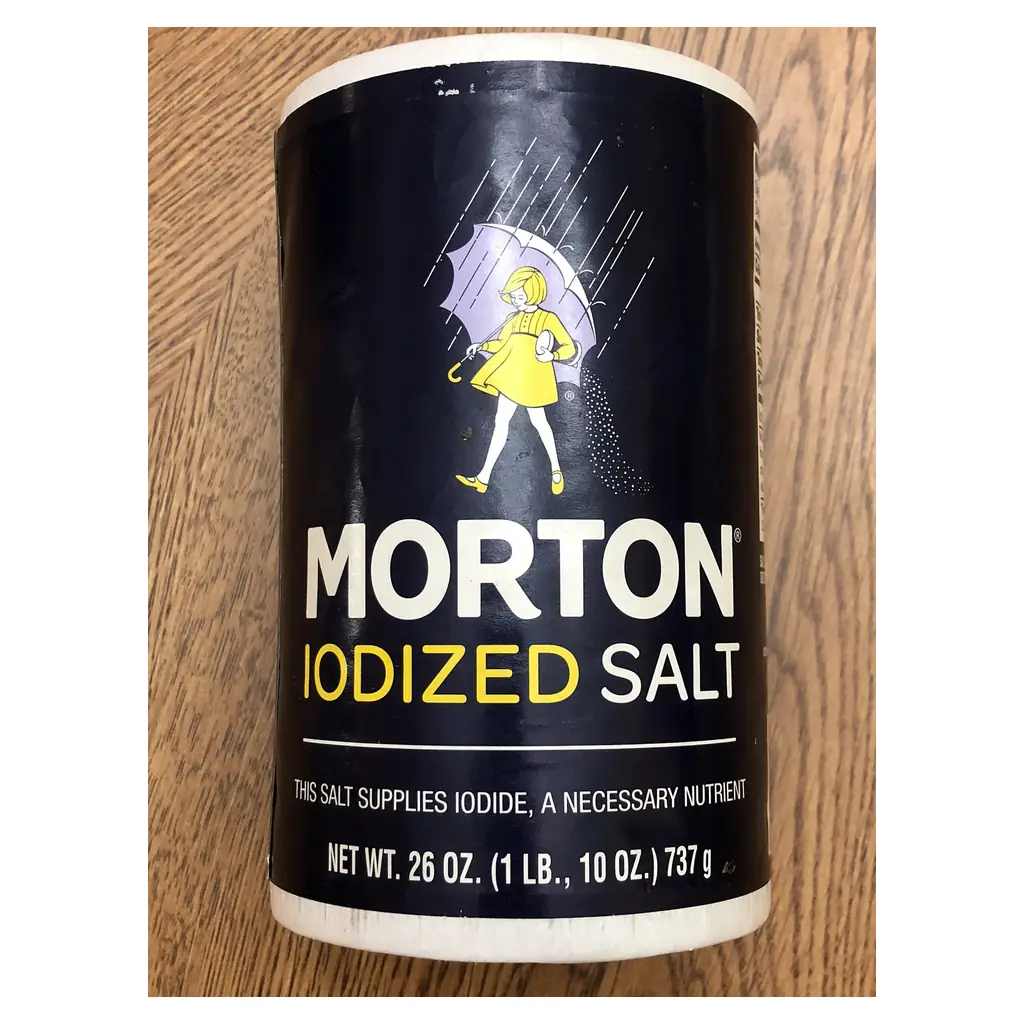
The dark-blue package and umbrella girl made salt unusually easy to identify. Morton introduced the girl and the familiar rain-related slogan in 1914.
The pouring spout suited a product used in small amounts throughout the day. Packaging designs changed, but those main features stayed recognizable.
The image also explained a practical selling point: free-flowing salt was easier to pour when humidity made ordinary salt clump.
4. Arm & Hammer Baking Soda
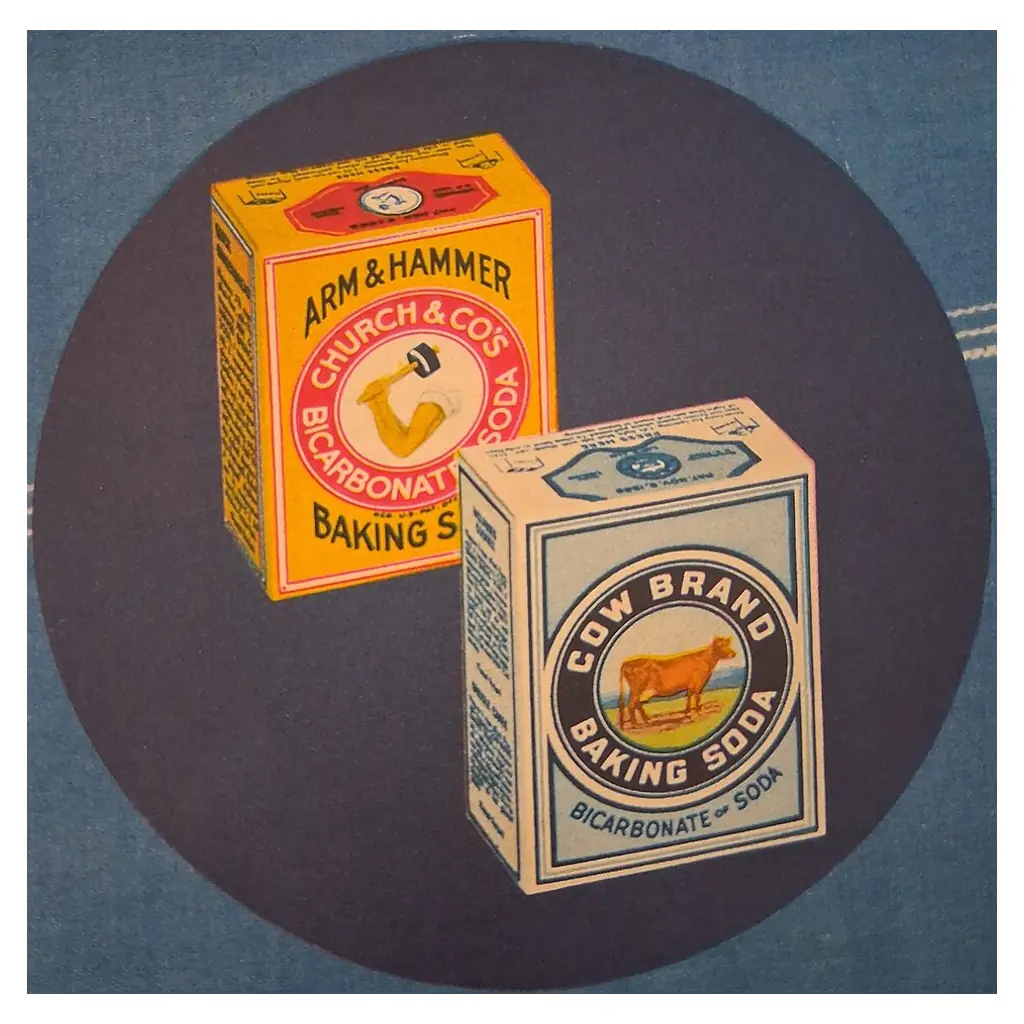
Baking soda had a job in batters before an open box became a familiar refrigerator sight. The powder reacted with acidic ingredients to help suitable recipes rise.
That does not make it interchangeable with baking powder. A recipe written for one can fail when the other goes in instead.
Arm & Hammer's history reaches back to commercial bicarbonate production in 1846, across many changes in kitchen packaging.
5. Clabber Girl Baking Powder
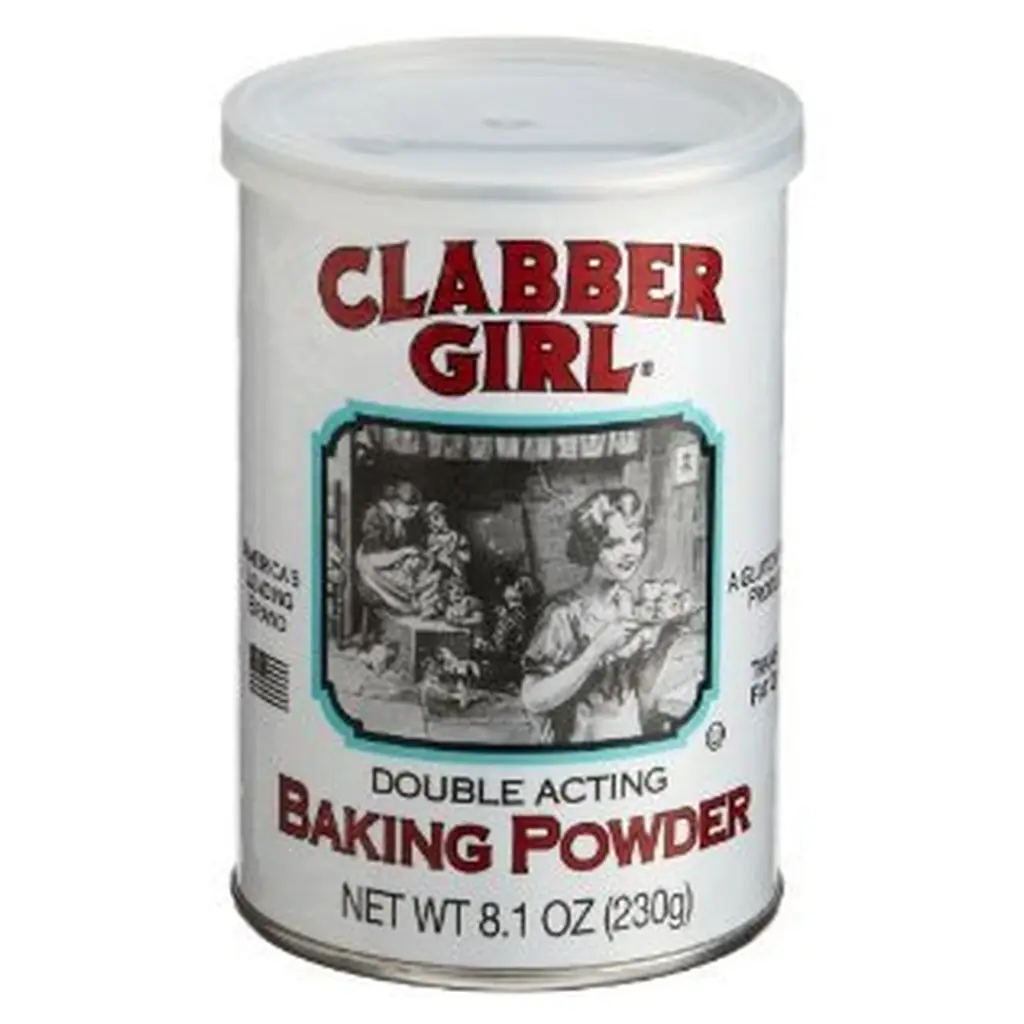
The girl on the can belonged to a different kind of raising agent. Baking powder combined the ingredients needed for leavening rather than relying on the cook to add soda and an appropriate acid separately.
Clabber Girl's own history follows changes in the label as the business grew.
The familiar illustration could outlast many recipe cards, but an old can is a keepsake rather than proof its contents still perform properly.
6. Royal Baking Powder
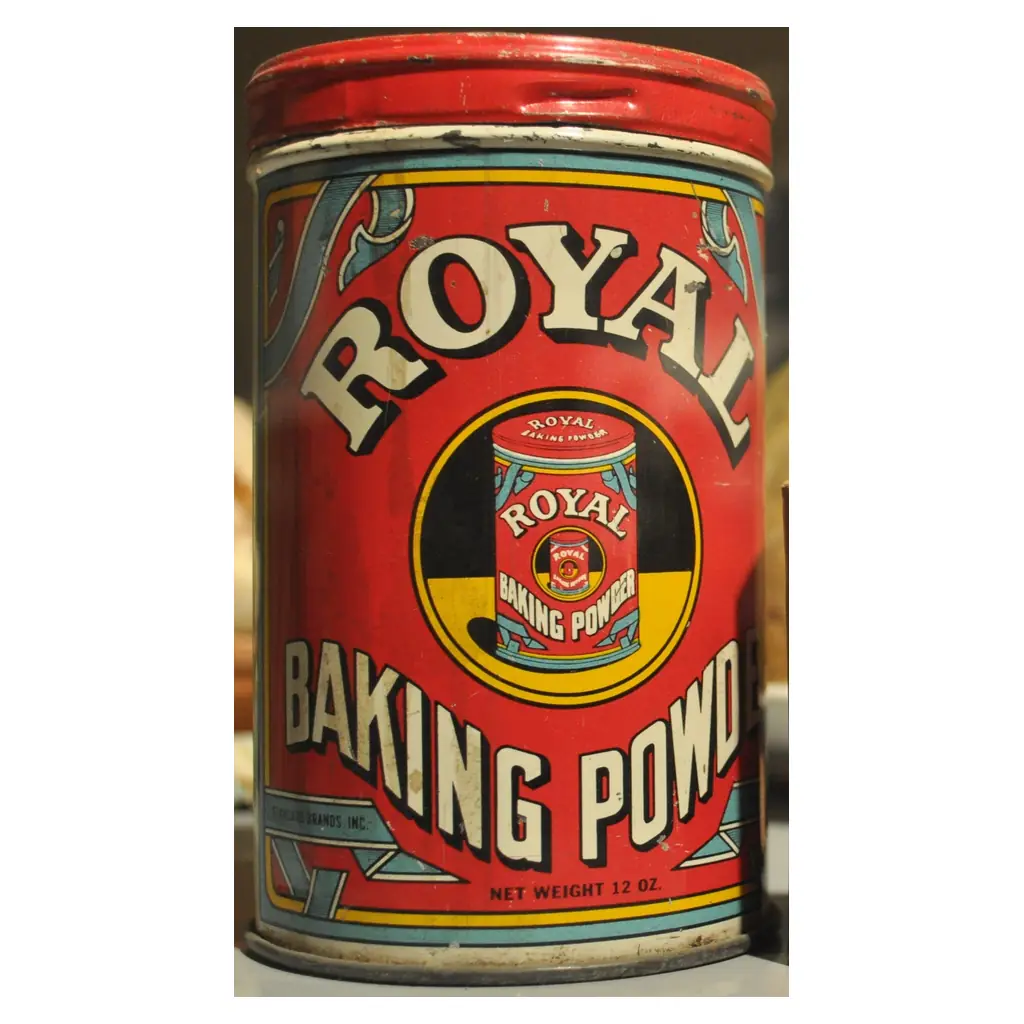
Royal's name appeared on a container that could look as important as any larger flour bag. A documented Smithsonian example identifies the product with cream of tartar.
Baking-powder brands competed fiercely over ingredients and advertising claims. Those claims were part of the package's history, not a reason to repeat them as modern advice.
For a present-day cake, a fresh product and the recipe's specified amount matter more than a treasured tin.
7. Rumford Baking Powder
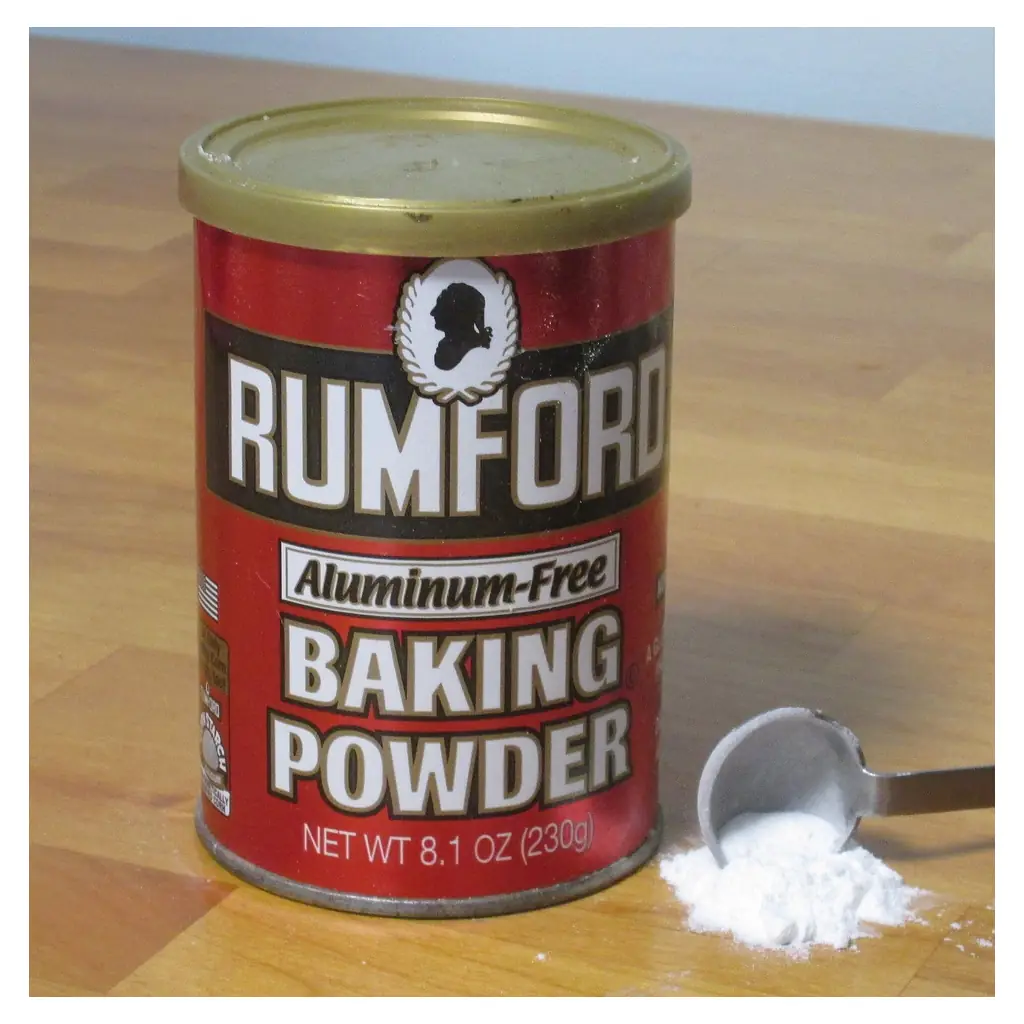
A Rumford container belonged in the same working corner as flour, sugar, and measuring spoons. The brand became part of Clabber Girl's business in 1950.
The powder helped a cook produce biscuits or cake without waiting for yeast fermentation.
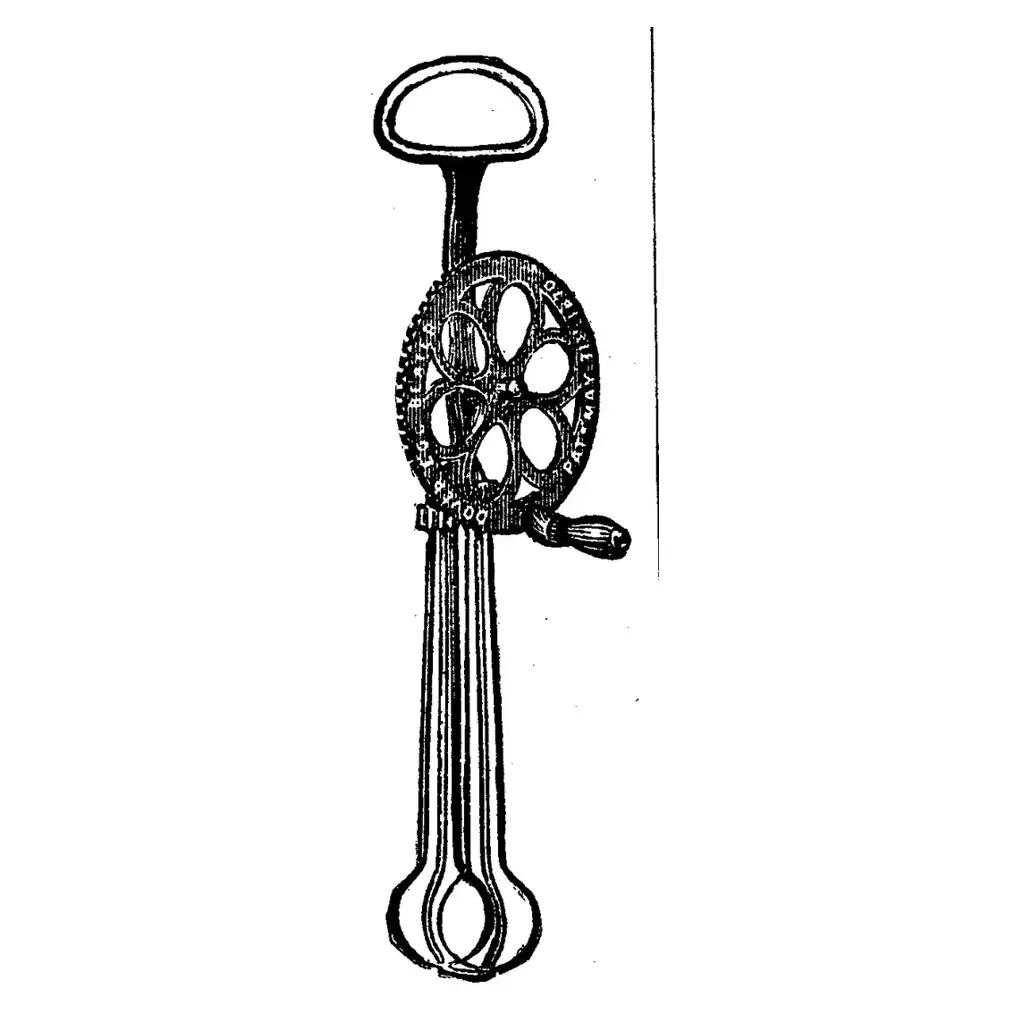
Its place beside a hand-cranked sifter makes more sense when you look at the practical jobs of older kitchen tools, rather than treating every can as decoration.
8. Argo Corn Starch
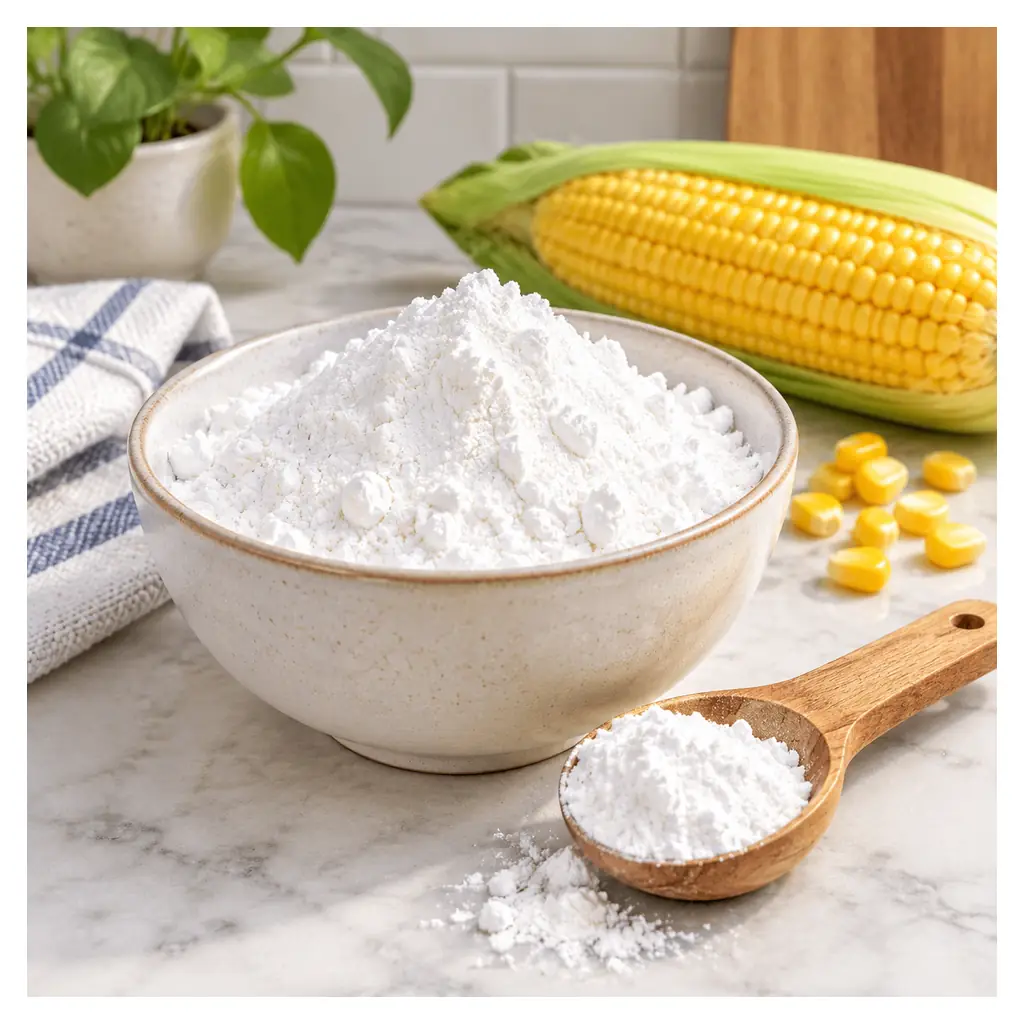
Cornstarch gave sauces and puddings a different texture from flour. A small amount mixed into cold liquid could be added to a hot mixture to thicken it.
Argo's history includes changing package artwork and recipes printed for household use.
The product was useful when the cook wanted a glossy sauce. That small pantry addition could help turn cooked meat into one of the next-day dinners made from leftovers.
9. Crisco Shortening
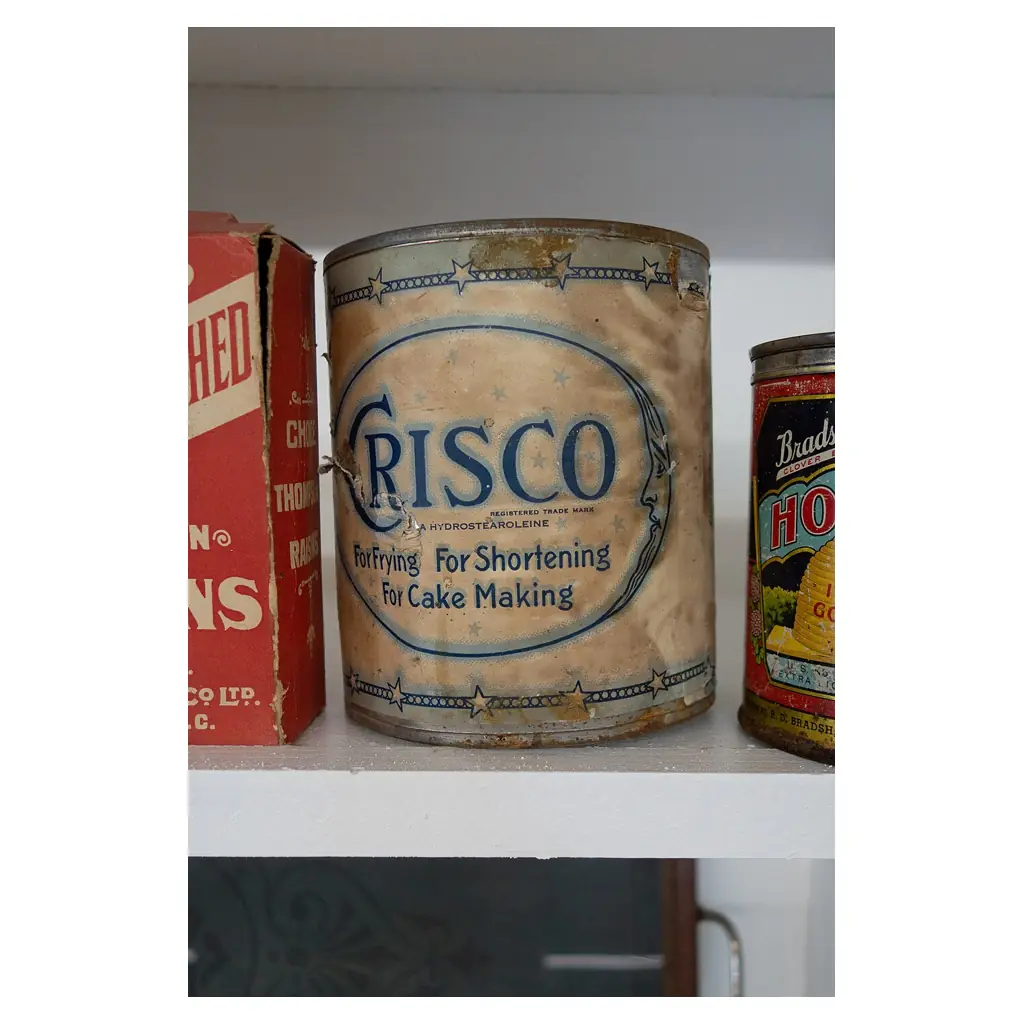
The pale shortening inside a Crisco tin looked different from the butter or lard beside it. The company's early promotional cookbook records its introduction in 1911.
The recipes sold a whole way of baking and frying along with the product. Those historical claims should not be mistaken for current nutrition guidance.
For family memory, the useful detail is the measured scoop from the tin before pastry, biscuits, or cookies began.
10. Karo Corn Syrup
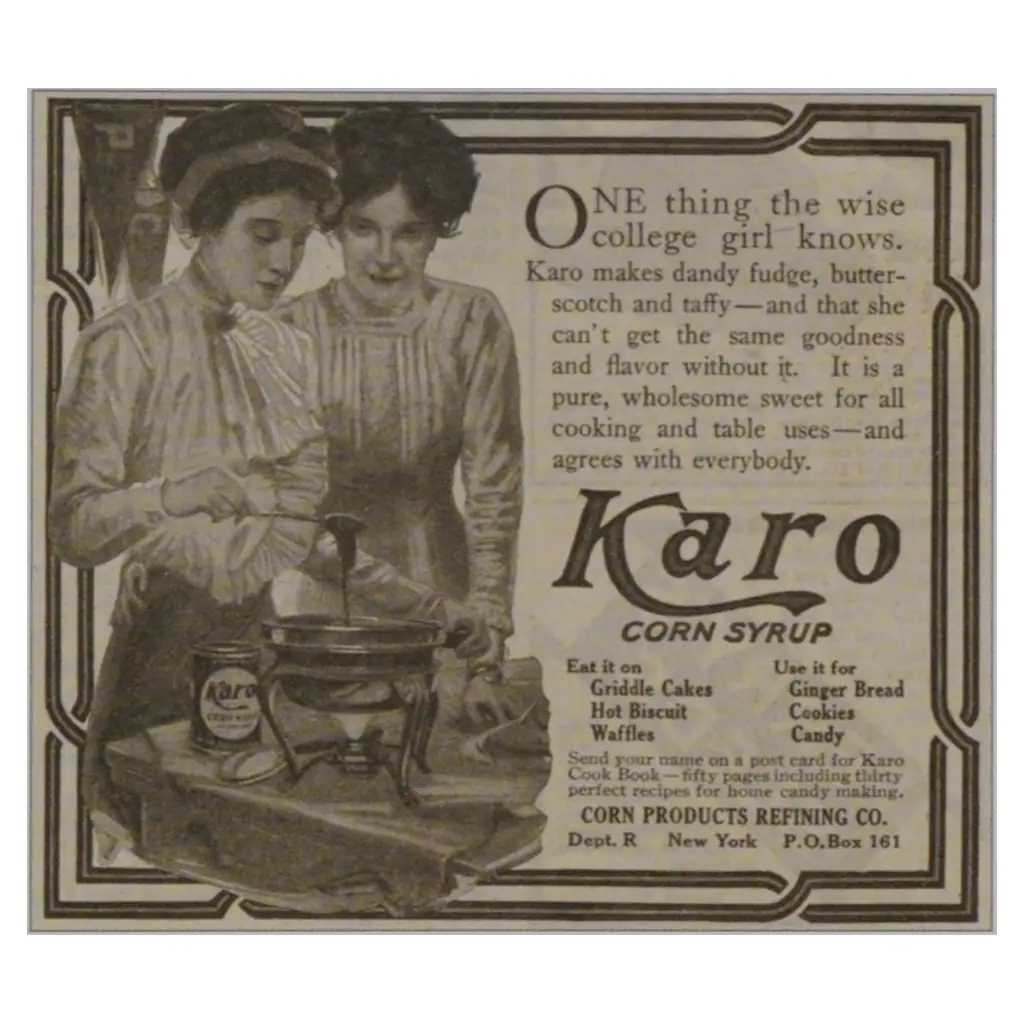
Karo's early syrup came in friction-top tins, although later generations often remember a bottle. Its official history dates the brand's introduction to 1902.
The syrup had a place in candy, pies, and other sweets where texture mattered as well as sweetness.
A recipe on the package could stay in use for years, especially when a family brought it out for Christmas candies and cookies.
11. Eagle Brand Sweetened Condensed Milk
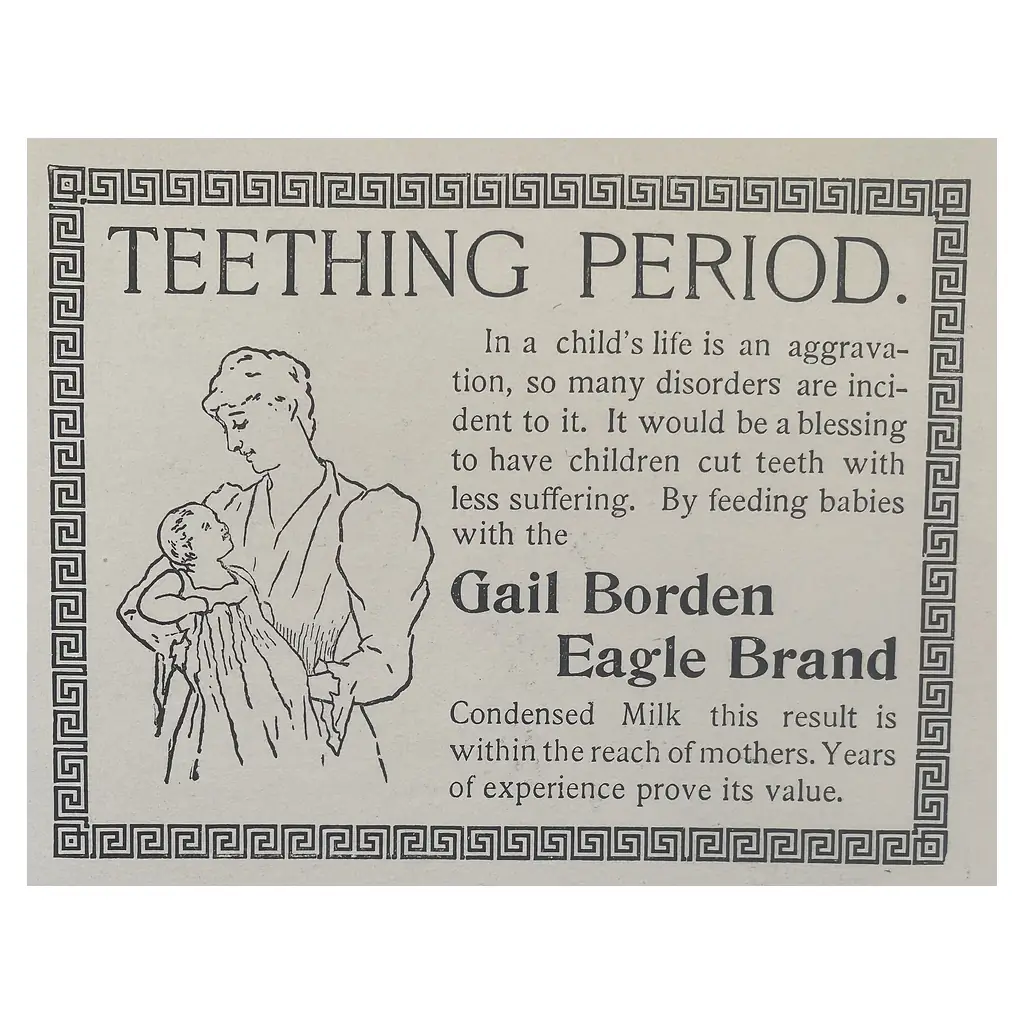
This was the thick, sweet canned milk used in desserts. It was not simply ordinary milk in a can, and it was not the same ingredient as unsweetened evaporated milk.
Eagle Brand's history includes a 1931 promotion asking home cooks for recipes that used the product.
That exchange between package and recipe box helps explain why a small can could feel essential when a particular holiday dessert came around.
12. Carnation Evaporated Milk
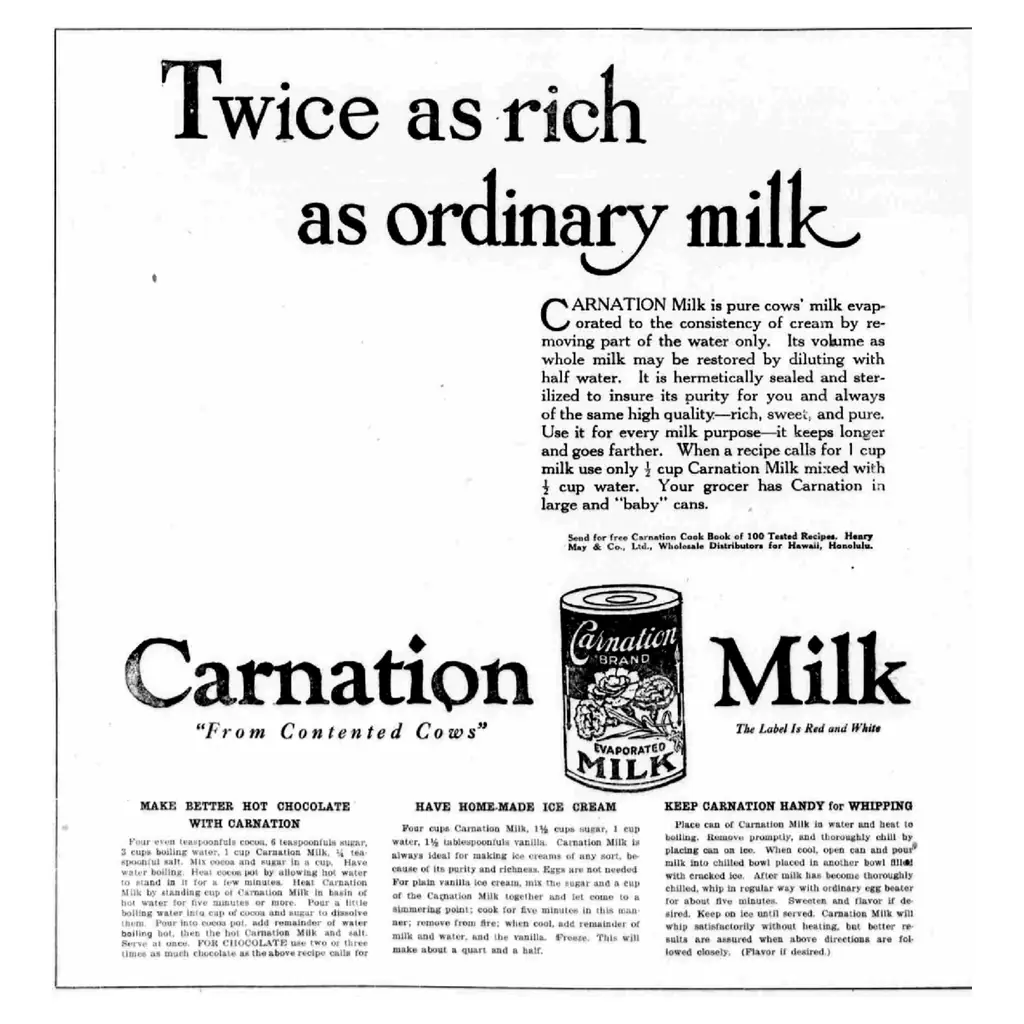
Evaporated milk supplied concentrated dairy flavor without the added sugar of sweetened condensed milk. The distinction mattered when a cook reached for a can while following a recipe.
Carnation's product history includes several later variations, so a present-day label may not match the one a reader remembers.
A can beside a saucepan could mean a sweet, a sauce, or another family standby rather than one single universal recipe.
13. Baker's Cocoa
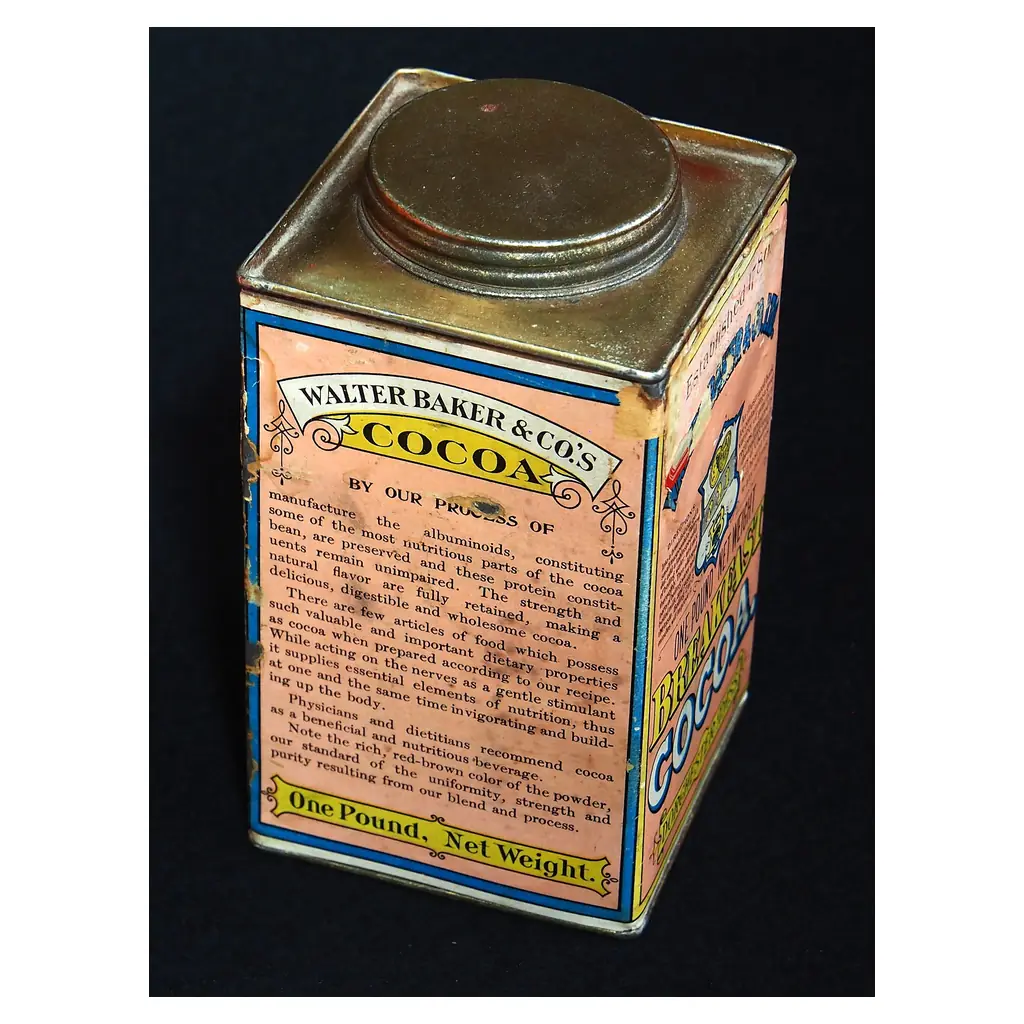
A cocoa tin could sit on the shelf for far longer than the cake made from its contents. Smithsonian collections preserve Baker's cocoa packaging among other American chocolate artifacts.
The powder supplied chocolate flavor without being a ready-sweetened cup of cocoa by itself.
That difference mattered at a table where children helped stir batter, following the household's own rules about cooking and keeping the kitchen tidy.
14. Hershey's Cocoa
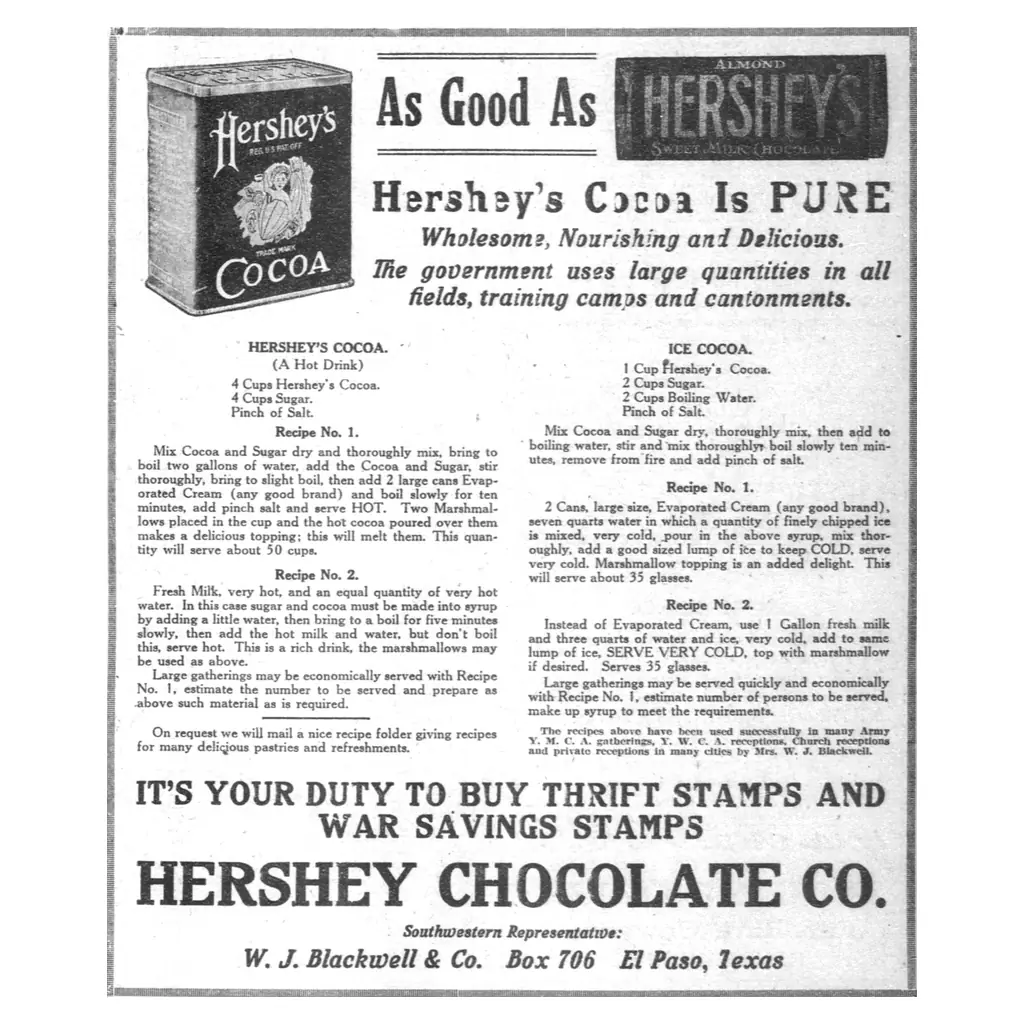
Hershey's offered another familiar chocolate name on a pantry container. Cocoa powder could become a hot drink or an ingredient, depending on the sugar and liquid added.
A recognizable package did not make every cocoa product identical. Sweetened drink mixes and unsweetened baking cocoa filled different roles.
The museum record of chocolate packaging shows how much visual memory can attach to an everyday cooking ingredient.
15. Jell-O Gelatin
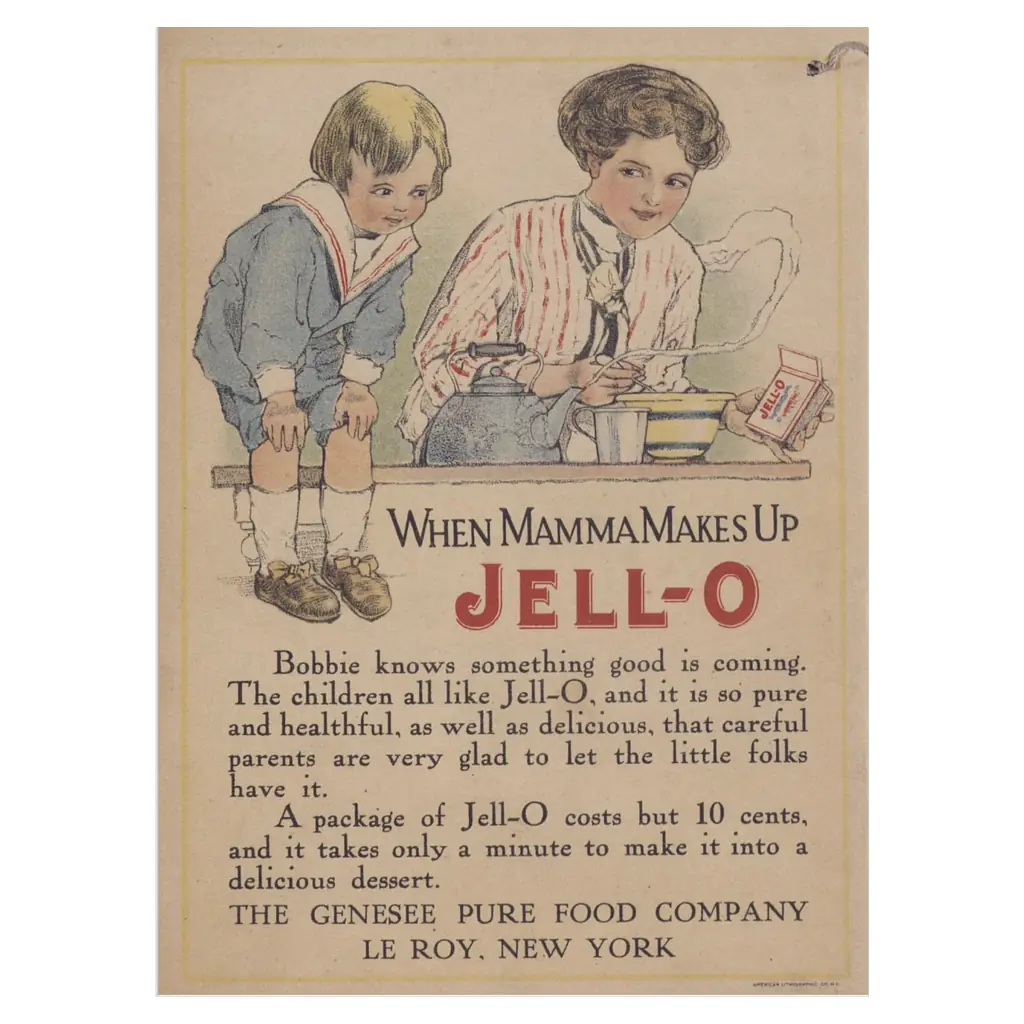
The little box promised a dessert with a color and shape very different from cake. Promotional booklets encouraged cooks to make molded dishes, layered desserts, and elaborate presentations.
The University of Michigan preserves that advertising world in its culinary-history collection.
By the time of the 1970s dinner party, a gelatin dish might look ordinary, playful, or ambitious depending on the mold and what the host put inside.
16. Knox Gelatine
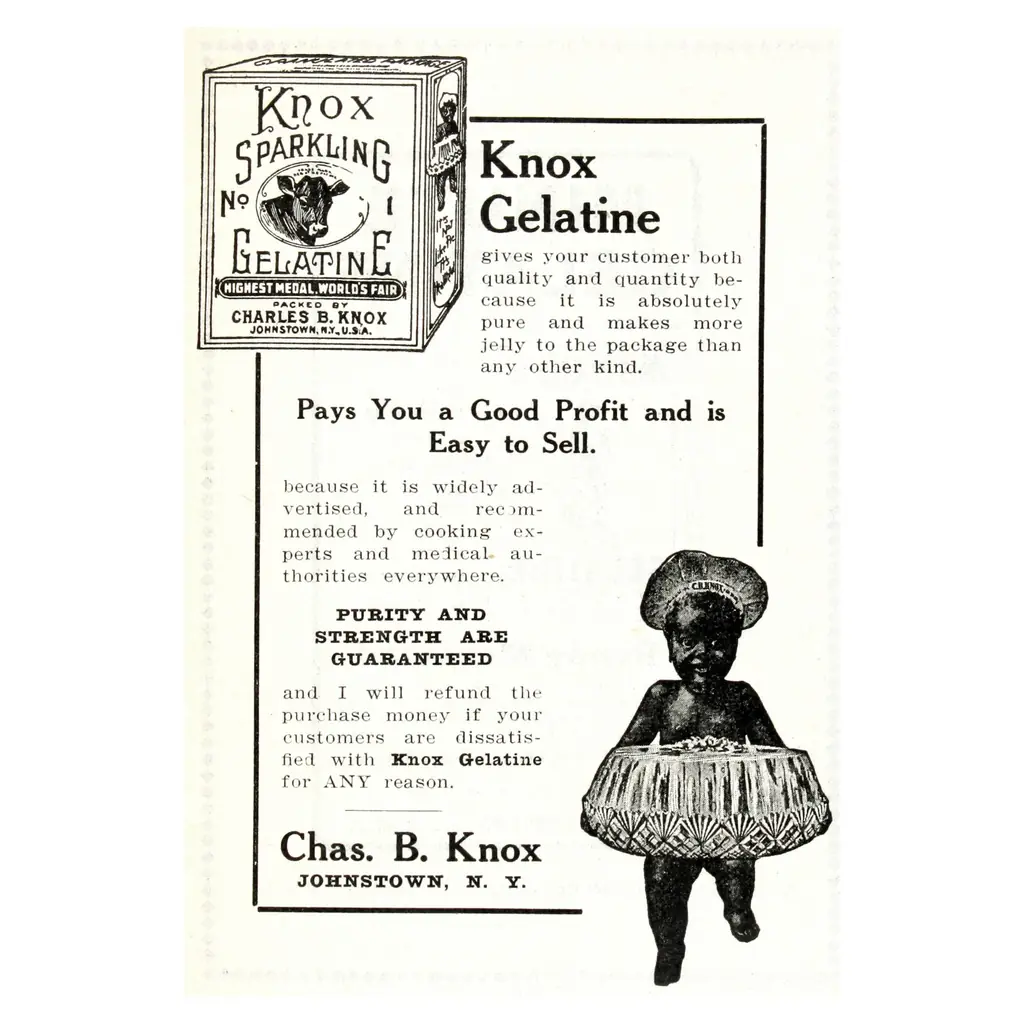
Unflavored gelatin let the cook choose the flavor rather than taking it from a colored dessert mix. A small packet could help set a dish that otherwise stayed liquid.
A 1933 Knox cookbook survives in a university archive, documenting its place in recipe promotion.
The distinction between gelatin and a ready-flavored dessert mix mattered. Reaching for the wrong box could change both the taste and the method.
17. Minute Tapioca
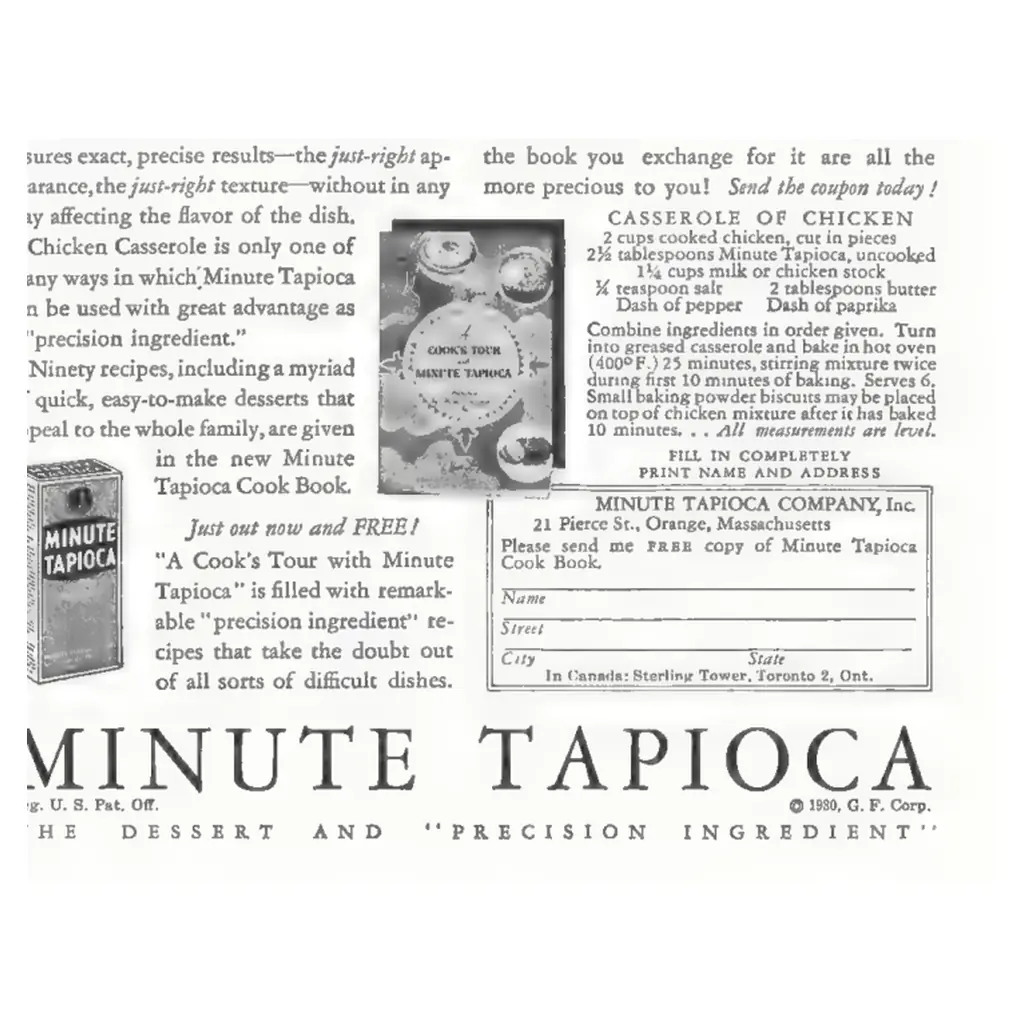
The little tapioca pieces were familiar in pudding, but the product could also have a thickening job in other recipes. It occupied a different place from flour or cornstarch.
A 1929 Minute Tapioca recipe booklet is listed in the University of Illinois archives.
That kind of company booklet often lived beside the family recipe cards, offering a starting point that cooks adjusted to the tastes at their own table.
18. Junket Rennet Tablets
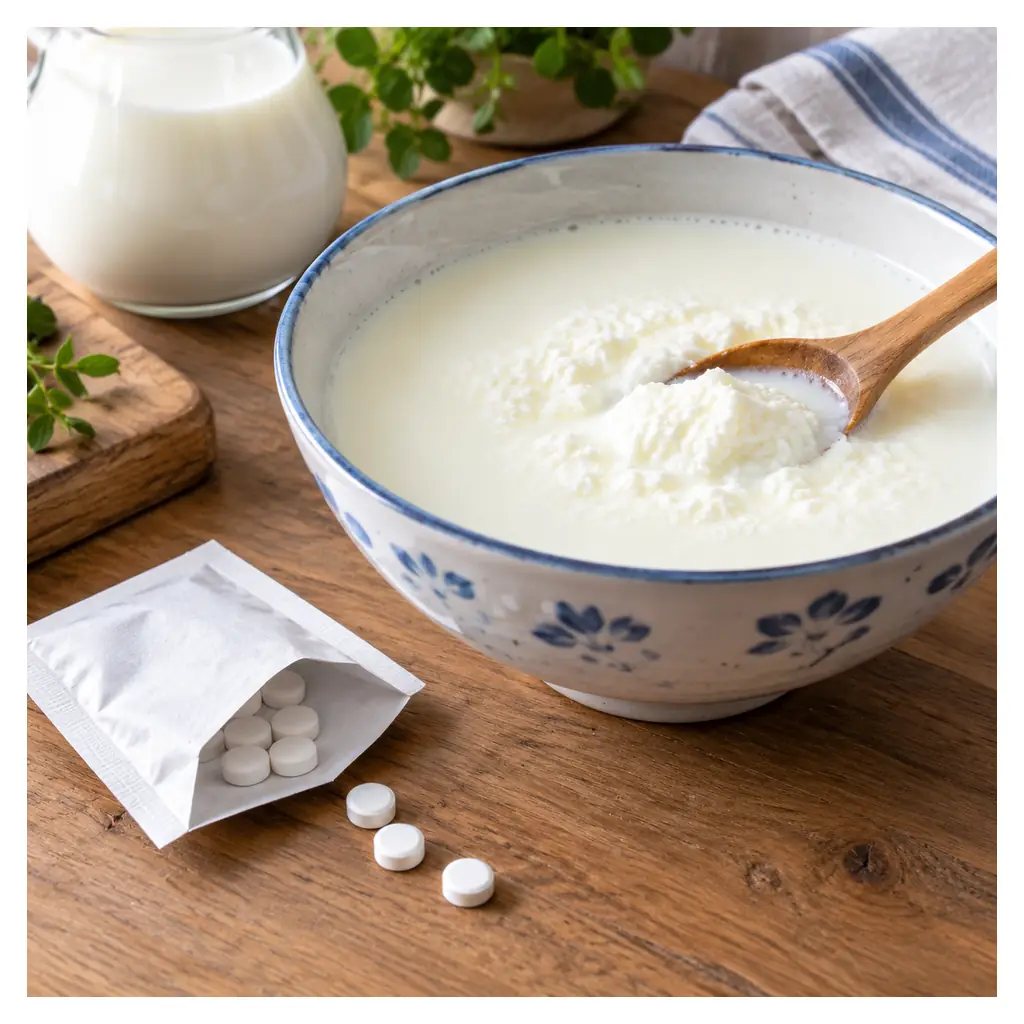
Junket's household rennet tablets helped milk set into a delicate dessert. The brand dates the tablets to 1886 and later sold other mixes that did not all work the same way.
The name alone therefore does not identify every box's contents.
For someone remembering a small bowl of milk dessert, the packet's directions matter. Rennet-set junket and gelatin pudding are different preparations, even when the finished bowls look similar.
19. Swans Down Cake Flour
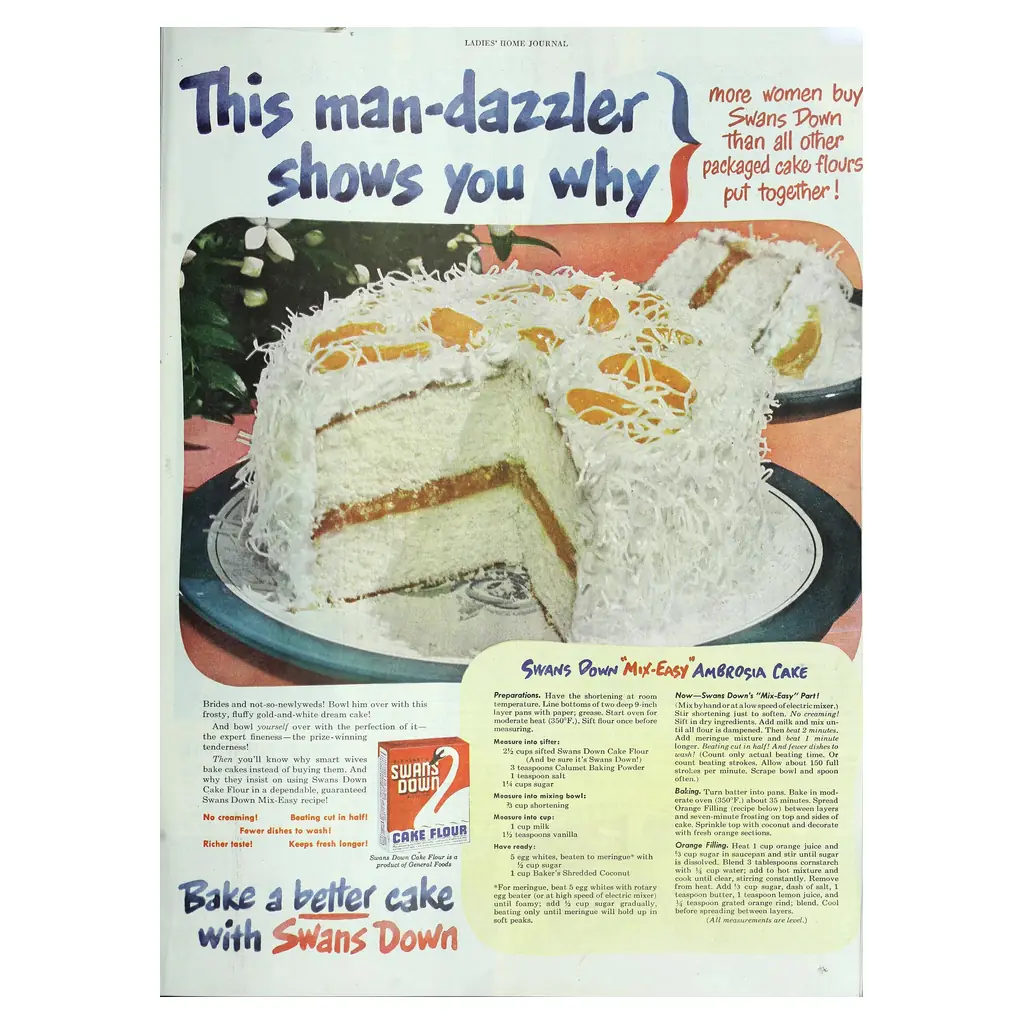
The Swans Down box held flour intended for a tender cake crumb. It was not a packet of complete cake mix and was not self-rising flour.
The brand's current product description still makes that distinction explicit.
A separate cake flour could be part of a careful baking routine, alongside measuring, sifting, and the scheduled kitchen work that shaped an older household's week.
20. Gold Medal Flour
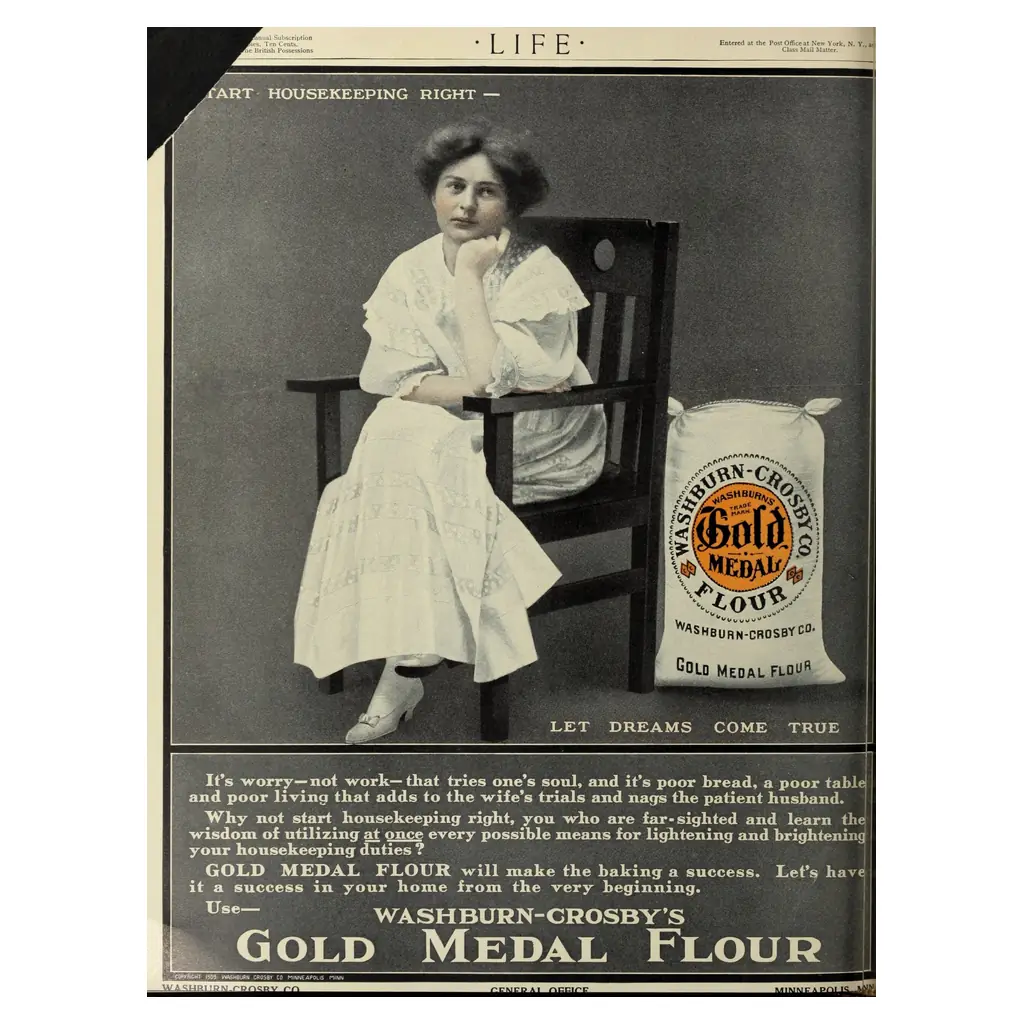
A flour bag supplied far more than one kind of baking. It could be opened for bread, pastry, cookies, or thickening, depending on the particular flour and recipe.
Gold Medal traces its name to prizes won at an 1880 milling exhibition.
The company's packaging changed over time. A reader's memory of a paper bag should not be confused with an earlier generation's large fabric sack or barrel.
21. Bisquick
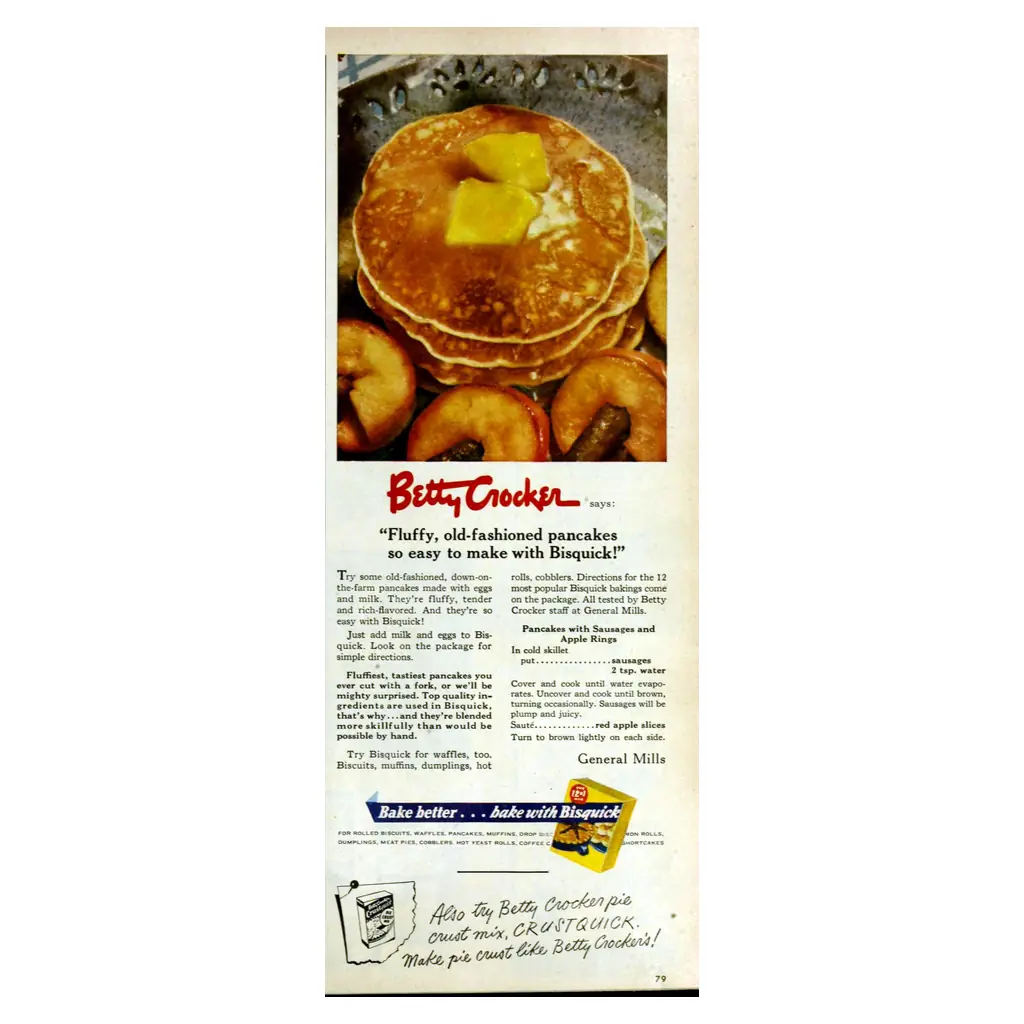
Bisquick put several baking ingredients together before the home cook opened the box. General Mills dates the mix to 1931.
The convenience was the point: biscuits and other dishes no longer had to begin by measuring every dry ingredient separately.
It still required a suitable recipe. A baking mix was not a direct substitute for plain flour simply because both came from the same pantry shelf.
22. Betty Crocker Cake Mix
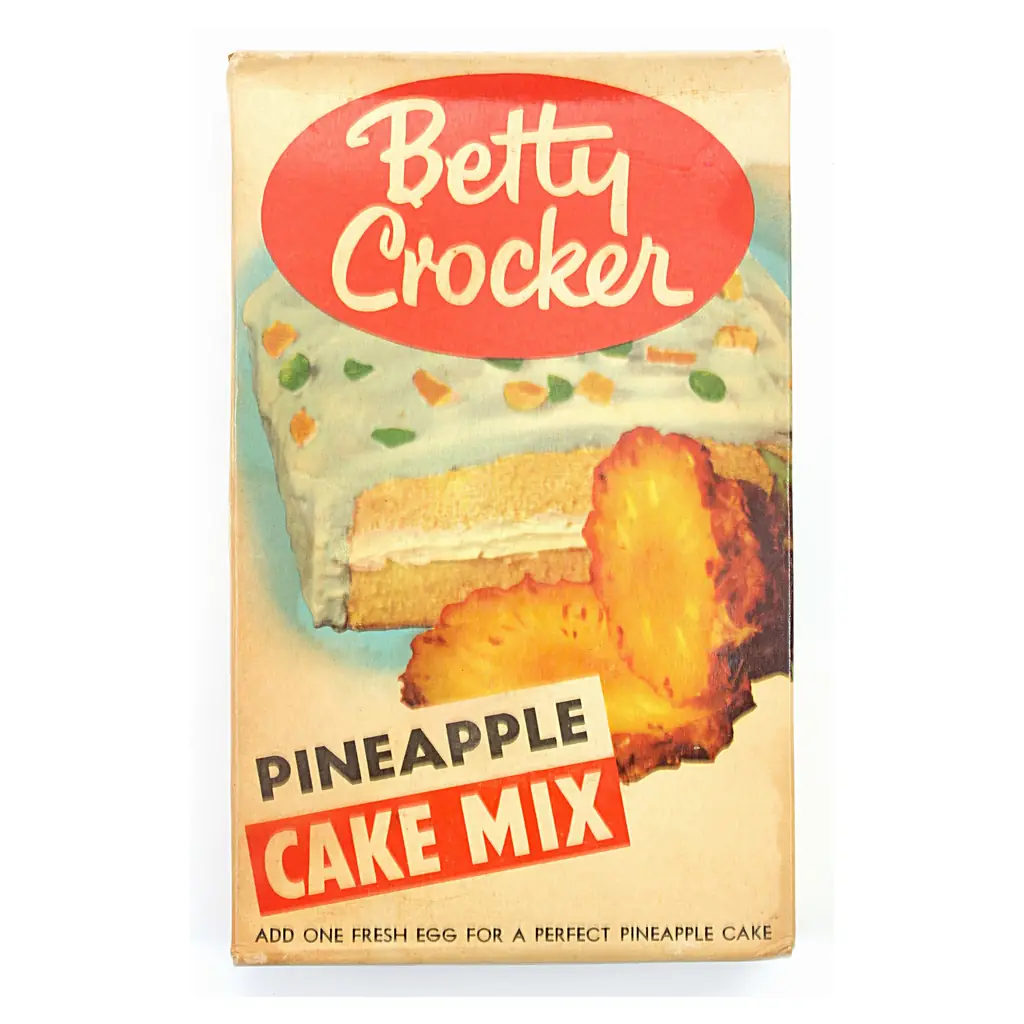
The cake-mix box represented another shift in what happened before the kitchen work began. Betty Crocker's packaged cake mixes arrived in 1947, with the red spoon appearing on packaging in 1954.
The box could make baking feel more manageable without eliminating the familiar bowls and pans.
A finished cake might still receive a family frosting, making the result a mixture of packaged help and household preference.
23. Kitchen Bouquet
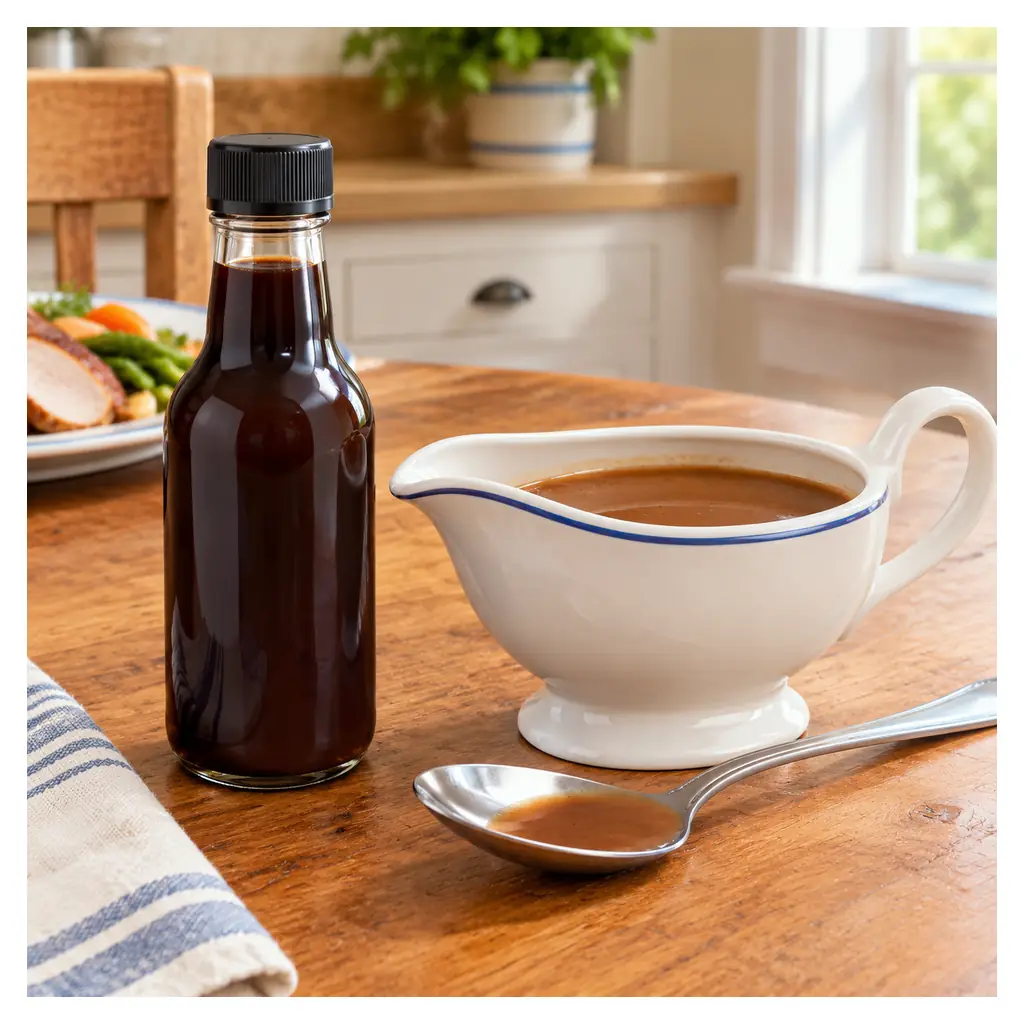
A little Kitchen Bouquet could deepen a gravy's color as well as contribute savory flavor. Its current maker still describes it as a browning and seasoning sauce.
The dark liquid needed a light hand; the bottle was not a replacement for the whole pan of gravy.
That practical job explains why a small bottle could be valued beside the more conspicuous cans, especially after a Sunday roast.
24. McCormick and Schilling Spices
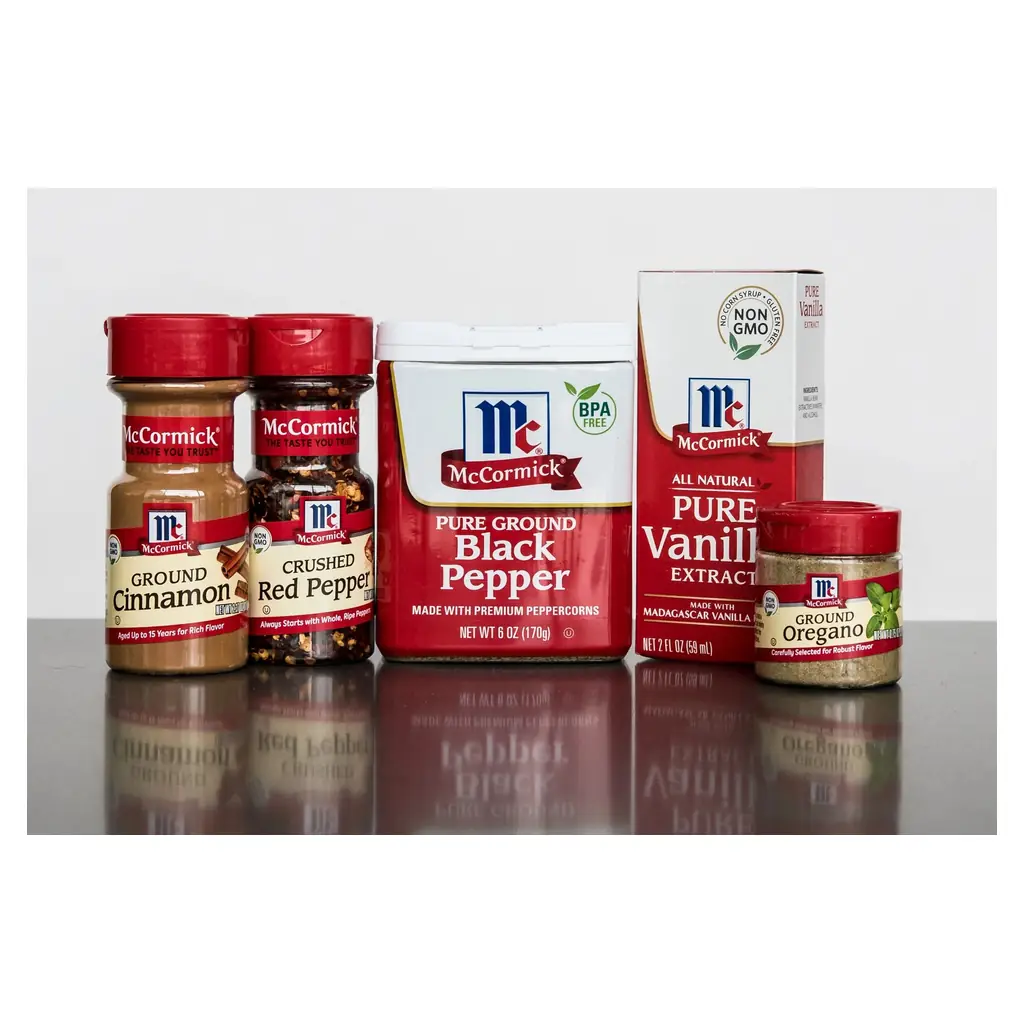
Small spice containers could reveal where a family had shopped as well as what it cooked. McCormick expanded its western reach when it acquired Schilling in 1947.
Pepper, cinnamon, and other seasonings gave similar pantry staples very different finishes.
Those preferences often reflected the regional and immigrant foods a family kept making, rather than a single shared American flavor.
25. Campbell's Condensed Soup
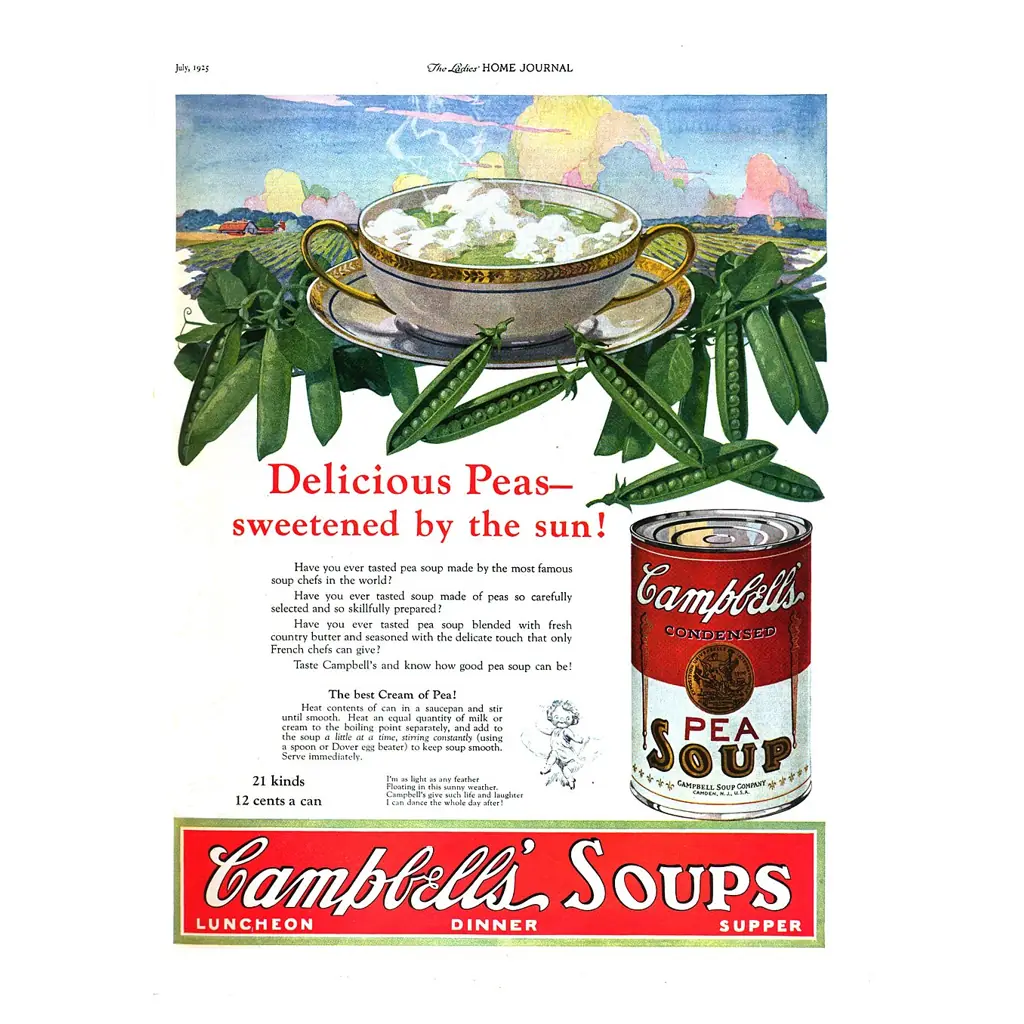
The red-and-white can made a pantry ingredient instantly recognizable. Campbell's dates the label to 1898, following its development of condensed soup.
The can could supply lunch or become part of another dish. The word condensed mattered because preparation differed from ready-to-eat soup.
Its long shelf presence is a useful reminder that convenience food and home cooking were often partners in the same kitchen, rather than opposing habits.
26. Tabasco
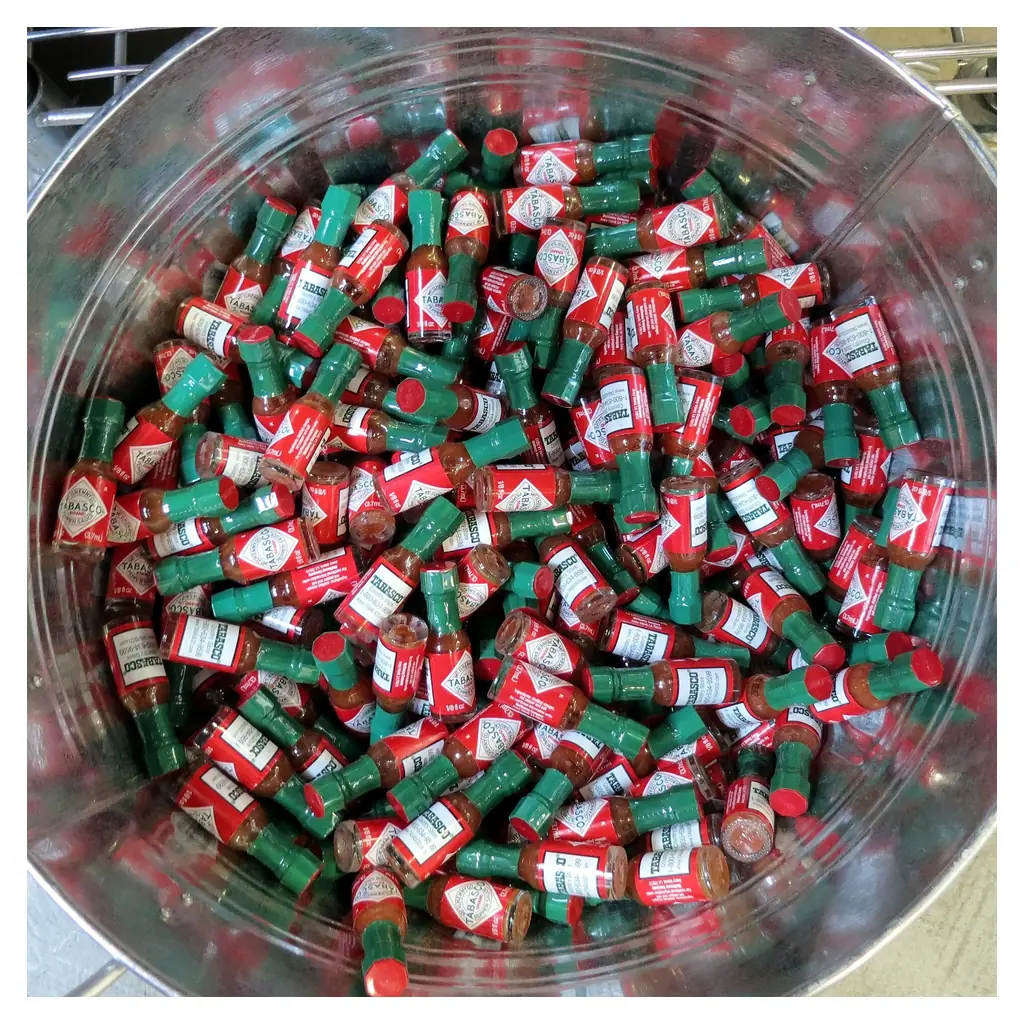
The little pepper-sauce bottle brought heat and acidity to a much larger plate of food. Its sprinkler-style opening suited a concentrated sauce that was used a few drops at a time.
Tabasco's history goes back to 1868, although the bottle design changed along the way.
Whether it appeared at the table depended on family taste. The same roast or soup could stay mild for one person and become sharply seasoned for another.
Sources and further reading
- Postum: Our Story
- Quaker: Our Oat Origins
- Morton: How a Little Girl Grew Up to Be an Icon
- Arm & Hammer: About Us
- Clabber Girl: About Us
- Smithsonian: Royal Baking Powder
- Argo Foodservice: About Us
- The Story of Crisco, original promotional cookbook
- Karo: Our History
- Eagle Brand History
- Carnation: About Our History
- Smithsonian: The Power of Chocolate
- University of Michigan: Jell-O Exhibit
- University of Illinois: Home Economics Extension Archives
- The Boston Cooking-School Cook Book, 1910 revised edition
- Junket: Our Story
- Swans Down Cake Flour
- Gold Medal Flour: Our Story
- General Mills: How Bisquick Got Its Start
- Betty Crocker: About Us
- Hidden Valley: Kitchen Bouquet
- McCormick: Company History
- Campbell’s History
- Tabasco: Our History
Image credits
- Postum at Wallmart.jpg by Marklarken; CC BY-SA 4.0. Scaled to fit a square canvas and converted to WebP.
- Quaker Oats advertisement 1905.jpg by National Magazine; Public domain. Scaled to fit a square canvas and converted to WebP.
- Arm & Hammer and Cow Brand Baking Soda.jpg by Logo by Church and Co., pamphlet authored by Martha Lee Anderson; Public domain. Scaled to fit a square canvas and converted to WebP.
- Antique Crisco shortening tin (30307979107).jpg by Thomas Quine; CC BY 2.0. Scaled to fit a square canvas and converted to WebP.
- Jell-O advertisement (Culinary Ephemera - Gelatin and Tapioca, c. 1912).png by Photographer not credited.; Public domain. Scaled to fit a square canvas and converted to WebP.
- Campbell Soup July 1925 ad.jpg by Campbell's Soup Co.; Public domain. Scaled to fit a square canvas and converted to WebP.
- 2020-10-08 14 18 22 A container of Morton Iodized Salt in the Franklin Farm section of Oak Hill, Fairfax County, Virginia.jpg by Famartin; CC BY-SA 4.0. Cropped or fitted to a square, resized and converted to WebP. No subject details altered.
- Clabber Girl.jpg by Jonnyhabenero; CC BY-SA 4.0. Cropped or fitted to a square, resized and converted to WebP. No subject details altered.
- Royal Baking Powder.jpg by Joe Mabel; CC BY-SA 3.0. Cropped or fitted to a square, resized and converted to WebP. No subject details altered.
- BakingPowder.jpg by Lou Sander; CC BY-SA 3.0. Cropped or fitted to a square, resized and converted to WebP. No subject details altered.
- Karo Corn Syrup fudge advertisement.png by The Modern Priscilla; Public domain. Cropped or fitted to a square, resized and converted to WebP. No subject details altered.
- Gail Borden Eagle Brand condensed milk advertisement, 1896.jpg by Unknown authorUnknown author; Public domain. Cropped or fitted to a square, resized and converted to WebP. No subject details altered.
- Carnation Milk newspaper ad.png by Carnation Milk; Public domain. Cropped or fitted to a square, resized and converted to WebP. No subject details altered.
- Walter Baker & Cos, Breakfast cocoa,one pound net weight, foto01.JPG by Alf van Beem; CC0. Cropped or fitted to a square, resized and converted to WebP. No subject details altered.
- Hershey cocoa ad ww1.png by Hershey's; Public domain. Cropped or fitted to a square, resized and converted to WebP. No subject details altered.
- Knox Sparkling Gelatine (1909) (ADVERT 425).jpeg by Charles B. Knox; Public domain. Cropped or fitted to a square, resized and converted to WebP. No subject details altered.
- McCall's Magazine 1930-01.pdf, page 53 (Minute Tapioca advertisement) by Minute Tapioca Company advertisement in McCall’s, January 1930; Public domain. Cropped or fitted to a square, resized and converted to WebP. No subject details altered.
- The Ladies' home journal (1889) (14578394560).jpg by Wyeth, N. C. (Newell Convers), 1882-1945; Public domain. Cropped or fitted to a square, resized and converted to WebP. No subject details altered.
- Gold Medal Flour advertisement Life (magazine) on May 5, 1910.jpg by Unknown; Public domain. Cropped or fitted to a square, resized and converted to WebP. No subject details altered.
- Bisquick 1950 BHG ad.jpg by General Mills; Public domain (US advertisement published without a separate notice). Cropped or fitted to a square, resized and converted to WebP. No subject details altered.
- Packet, food product (AM 2015.4.49-1).jpg by Kitchen Tested Products; CC BY 4.0. Cropped or fitted to a square, resized and converted to WebP. No subject details altered.
- McCormick & Company Spices.jpg by Cinnamonspice241; CC BY-SA 4.0. Cropped or fitted to a square, resized and converted to WebP. No subject details altered.
- Miniature Tabasco bottles.jpg by Ruth Hartnup from Vancouver, Canada; CC BY 2.0. Cropped or fitted to a square, resized and converted to WebP. No subject details altered.