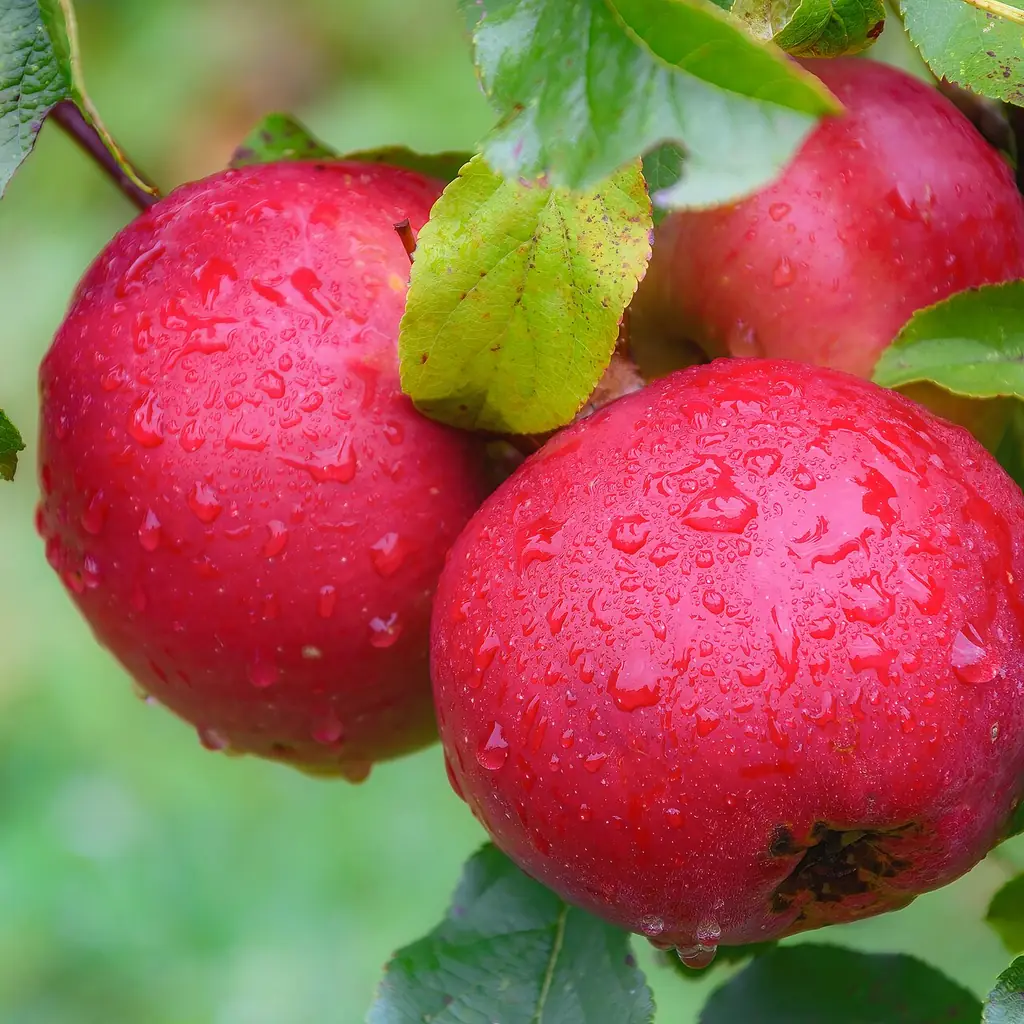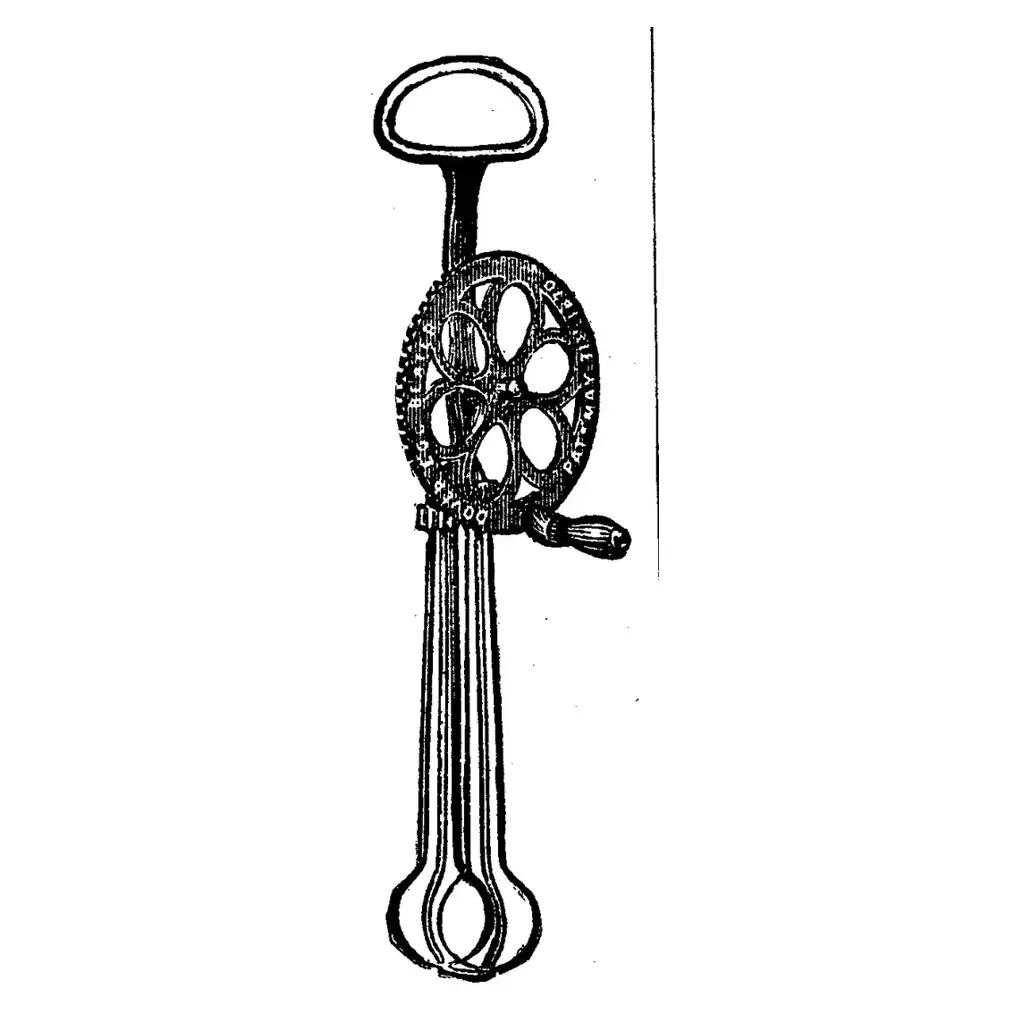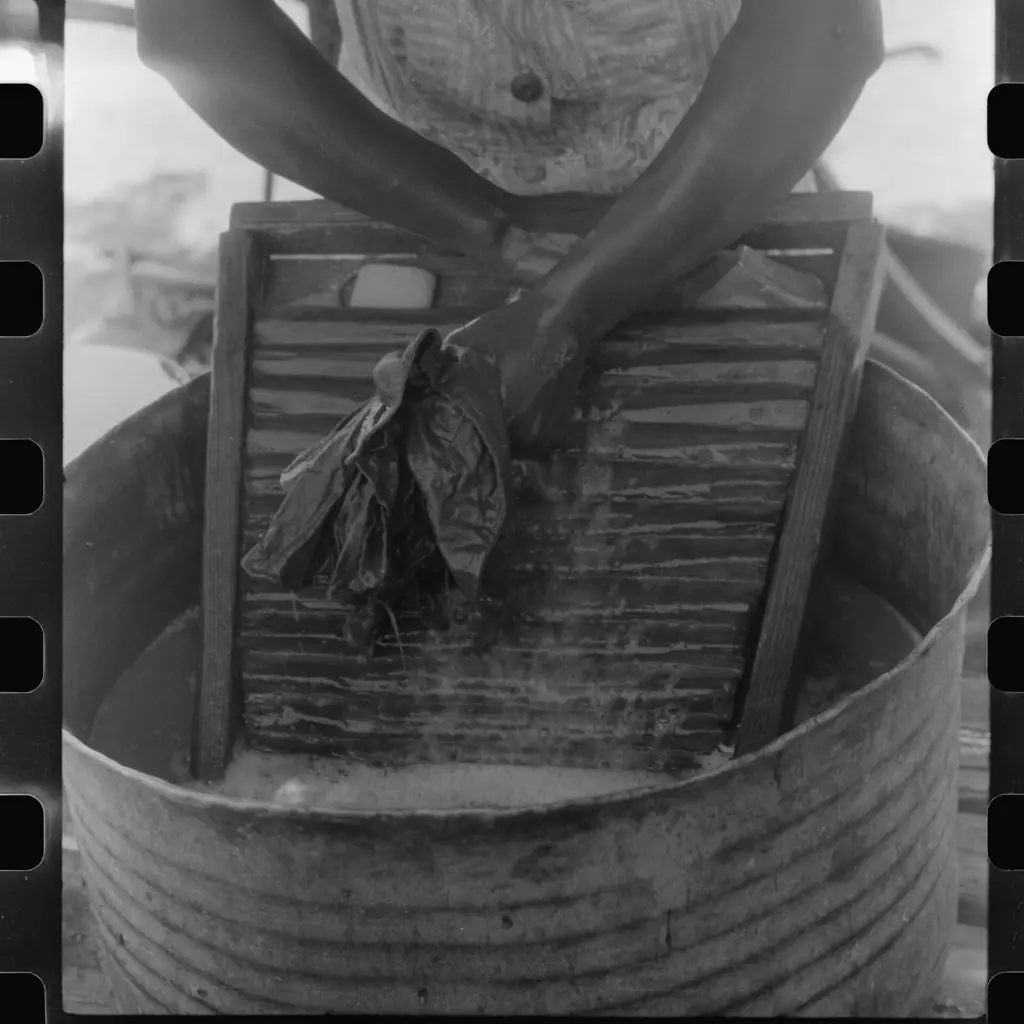
A 1970s dinner party could mix older family dishes with convenience ingredients and a little table-side theater. These are possible parts of that spread, not one menu served by every host or foods invented during the decade.
1. Cheese fondue in the middle of the table
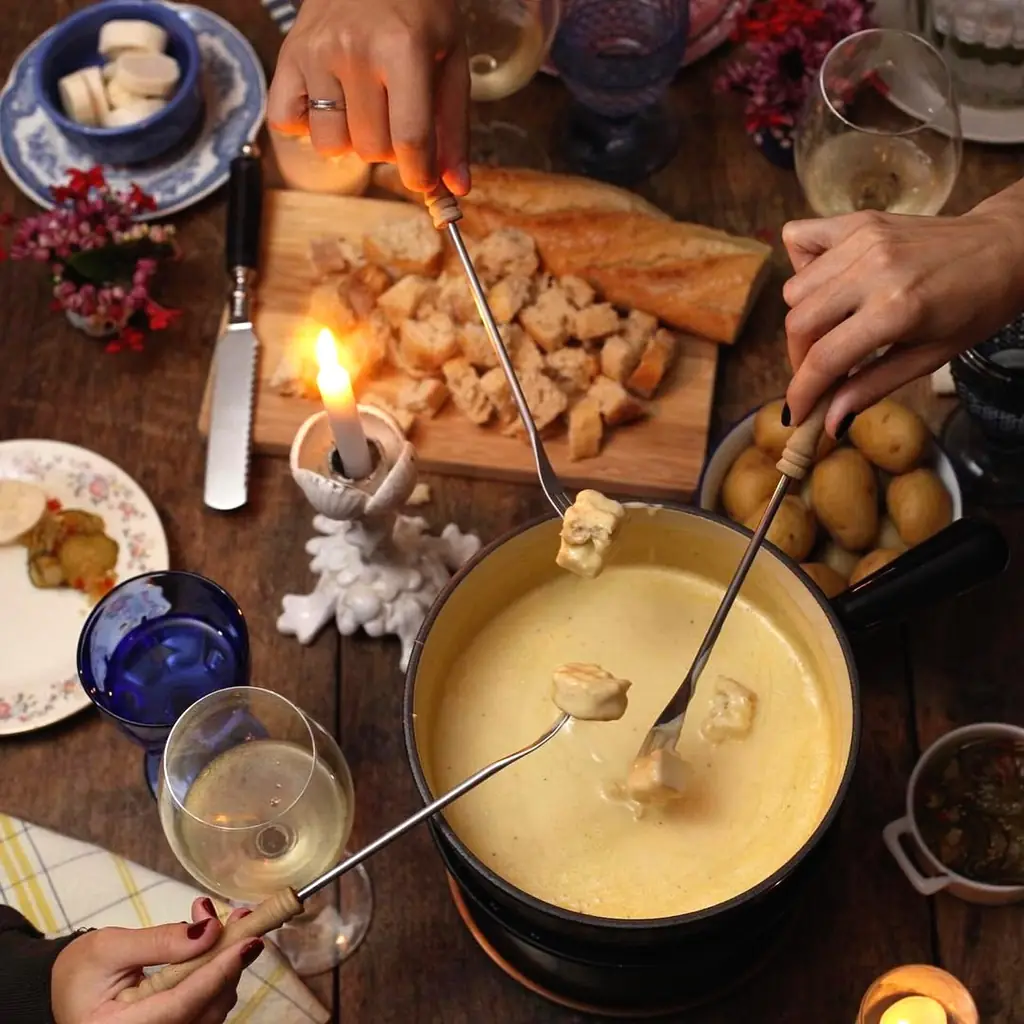
A shared pot made melted cheese part of the evening's activity. Bread cubes on long forks gave guests something to do between conversation and bites.
The pot needed gentle heat so the mixture remained suitable for dipping. The equipment mattered as much as the serving dish.
Smithsonian's food-history collection includes a 1970s fondue pot, a small physical record of the style of entertaining.
2. A cheese ball rolled in nuts
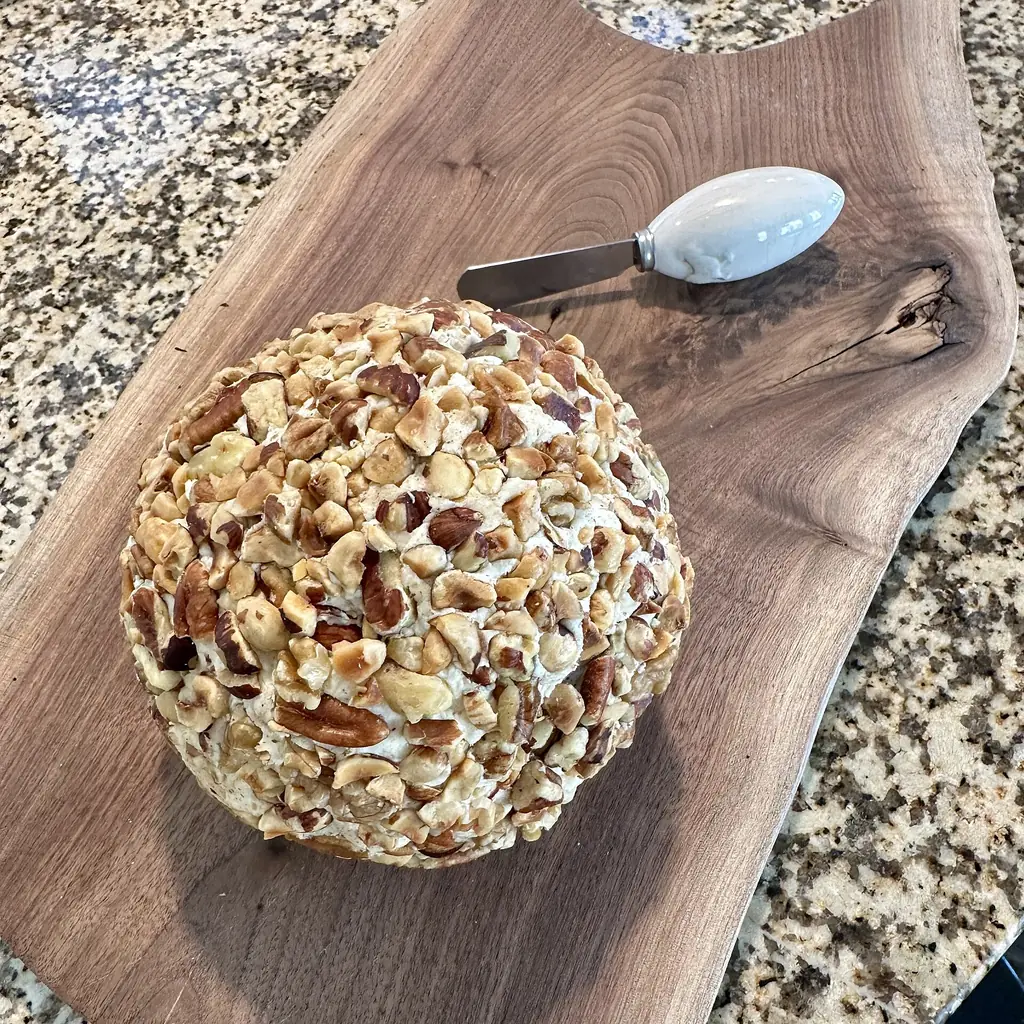
Softened cheeses and seasoning could be shaped into a ball and covered with chopped nuts. Crackers around the edge turned it into a dish guests could approach at their own pace.
The mixture needed time to become firm enough for shaping. It also needed to be spreadable when served.
The result looked prepared for company without requiring the host to cook each portion after the guests arrived.
3. Shrimp cocktail
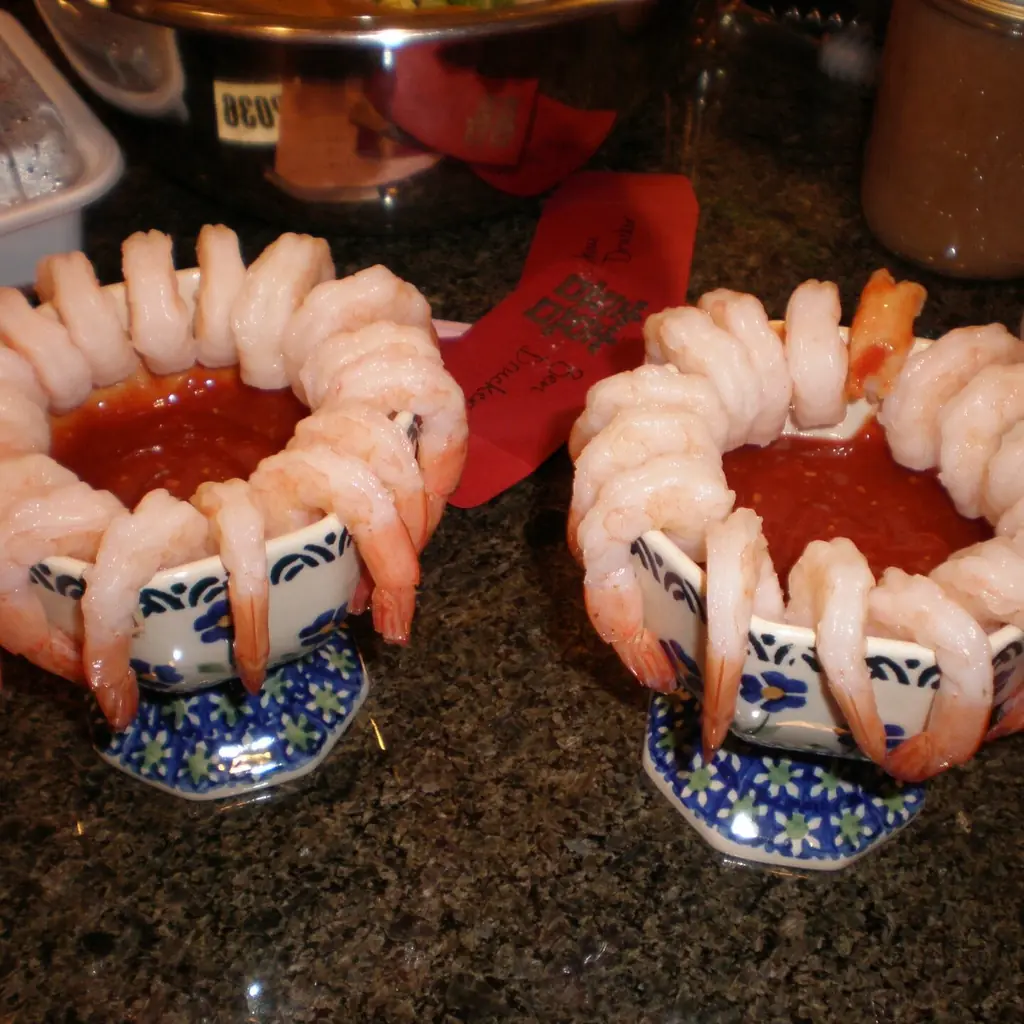
Chilled shrimp and a sharp cocktail sauce made a compact first course. A glass or an arranged platter could give the same ingredients a different degree of formality.
The dish was not new to the 1970s. Betty Crocker traces its cocktail sauce to the publisher's first cookbook in 1950.
Keeping the shrimp properly chilled mattered more than how neatly the lemon wedge sat on the rim.
4. Onion dip and potato chips
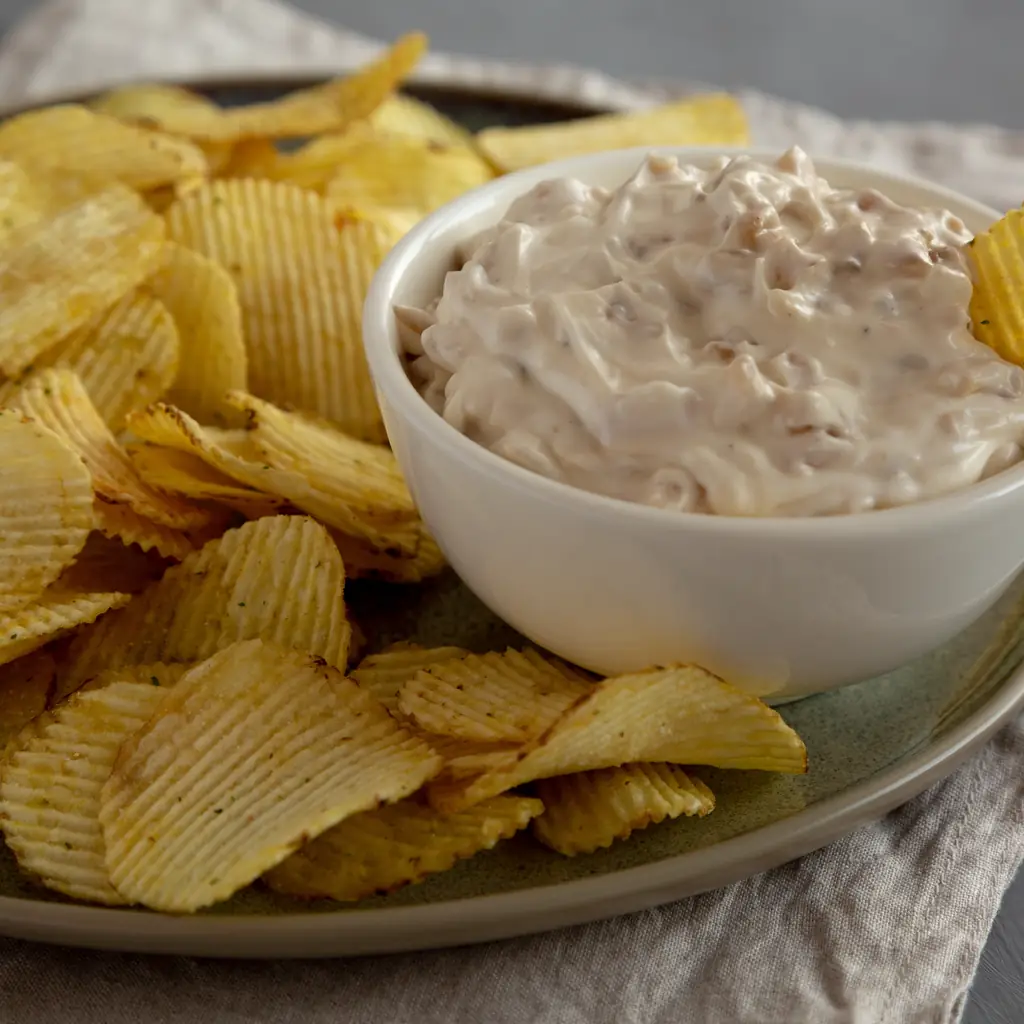
A packet of onion soup-and-dip mix gave sour cream a more strongly seasoned role. The bowl could sit beside chips as guests arrived.
The convenience was part of the appeal: an appetizer did not have to occupy another burner.
The package was a working pantry ingredient, not evidence that the host had made no effort. Preparing several dishes often meant choosing where to spend time.
5. Deviled eggs
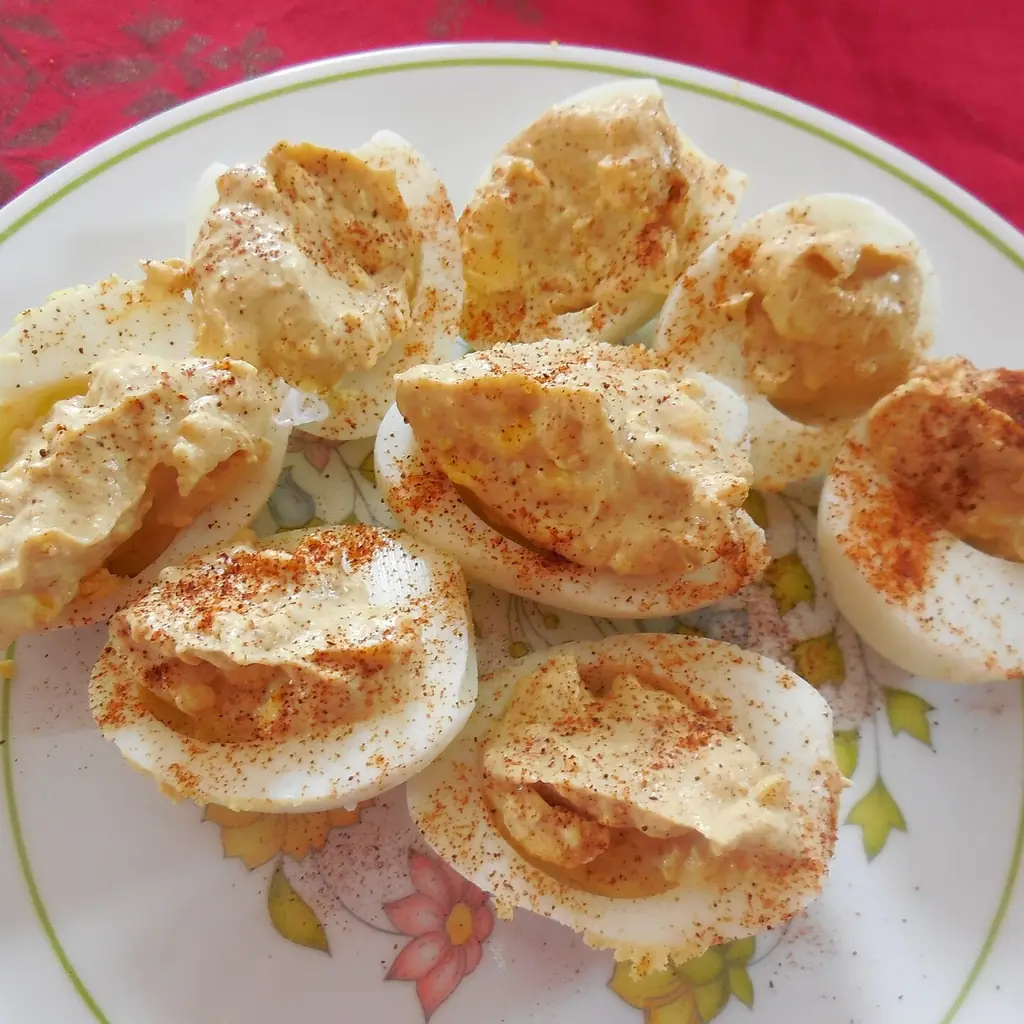
Halved cooked eggs held their seasoned yolks in the center. A tray could be prepared ahead, with the filling piped neatly or simply spooned into place.
The seasoning depended on the household. Mustard, a little acid, or a small garnish changed the result.
Older cookbooks already included dressed and stuffed egg preparations, so this was one more long-lived dish that could carry forward into a later decade.
6. Stuffed celery
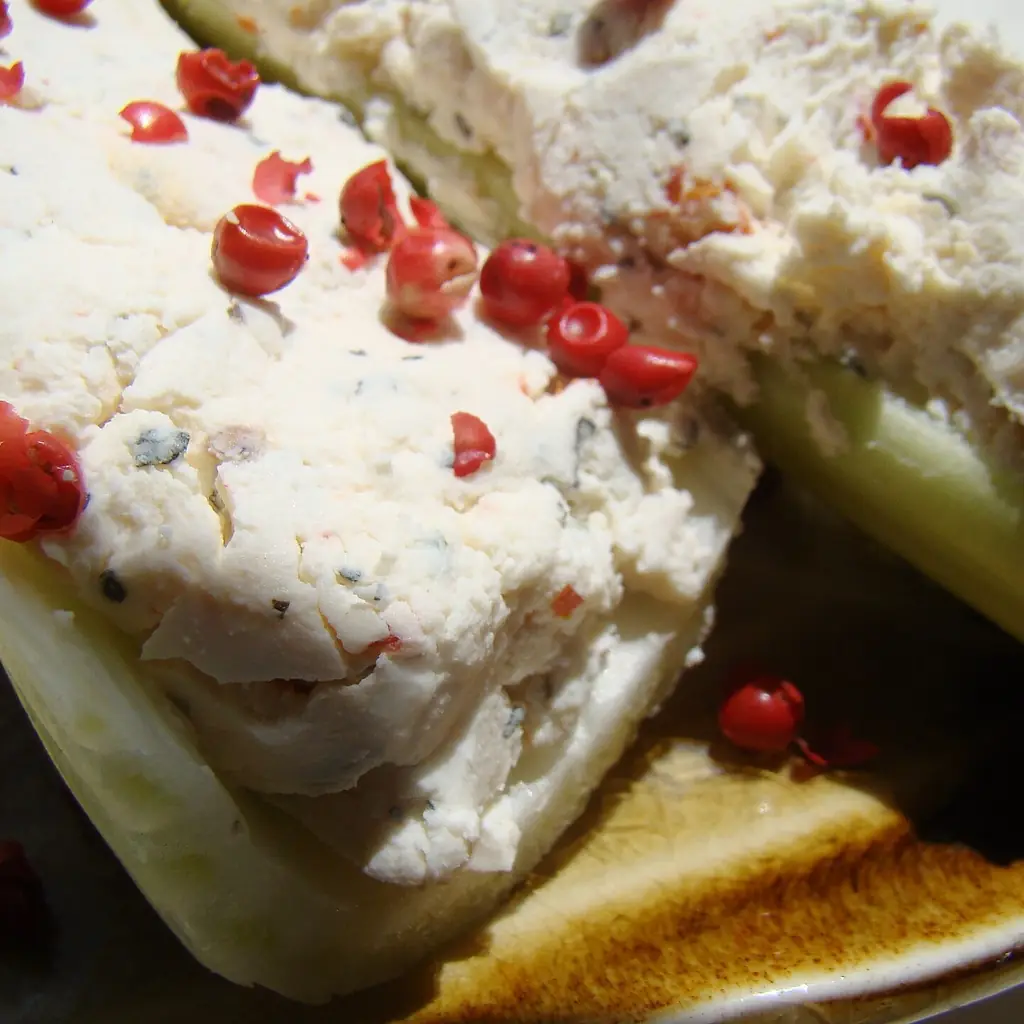
A crisp piece of celery made a narrow holder for a soft savory filling. Its shape did part of the serving work, turning a spread into a small hand-held portion.
The filling could include cheese or another suitable mixture. The stalks needed trimming so guests did not have to wrestle with long strings.
On a table of richer appetizers, the celery supplied a different kind of bite.
7. Grape-jelly cocktail meatballs
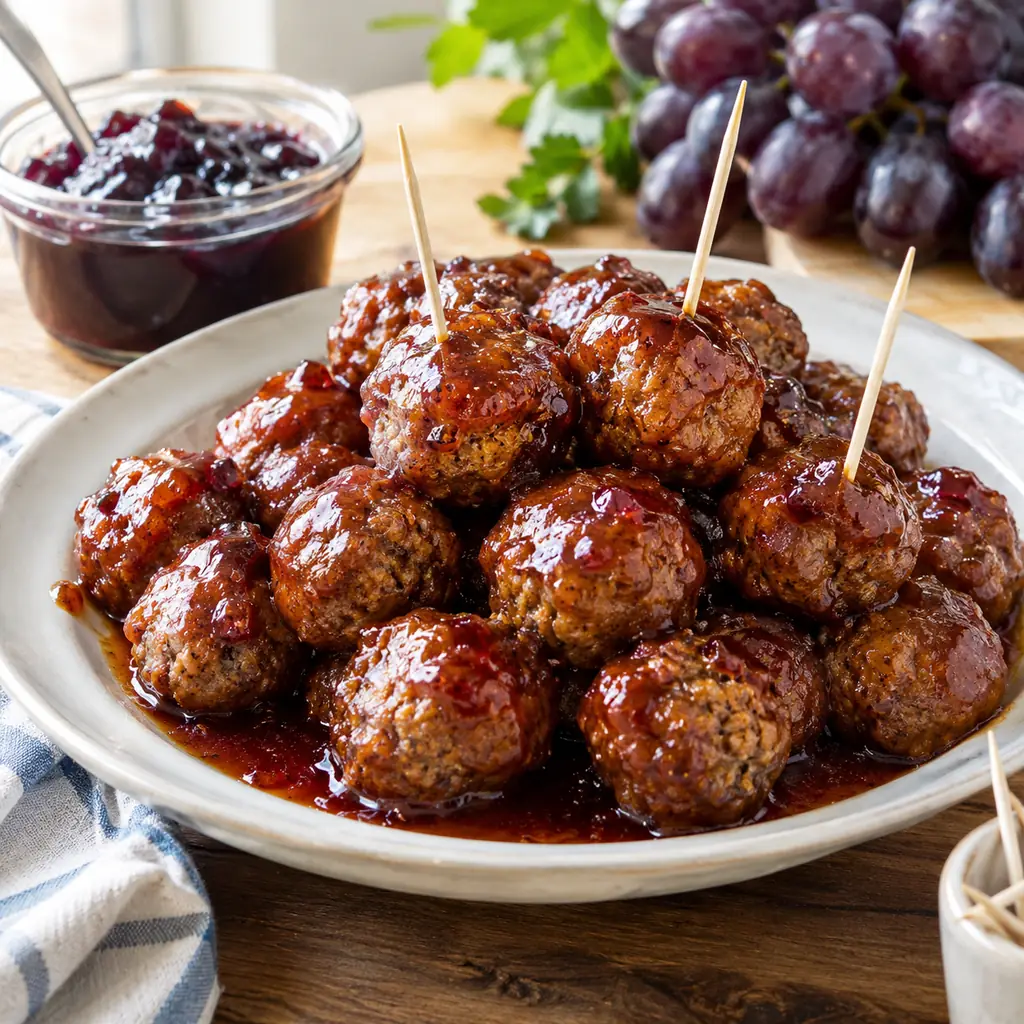
The surprising ingredient was the grape jelly, used in a savory-sweet sauce rather than on bread. Small meatballs made the combination easy to serve in individual bites.
The dish needed proper hot holding while guests helped themselves. A decorative pot alone could not keep food at a safe temperature.
It illustrated how a familiar item from the pantry shelf could acquire a completely different job.
8. A relish tray
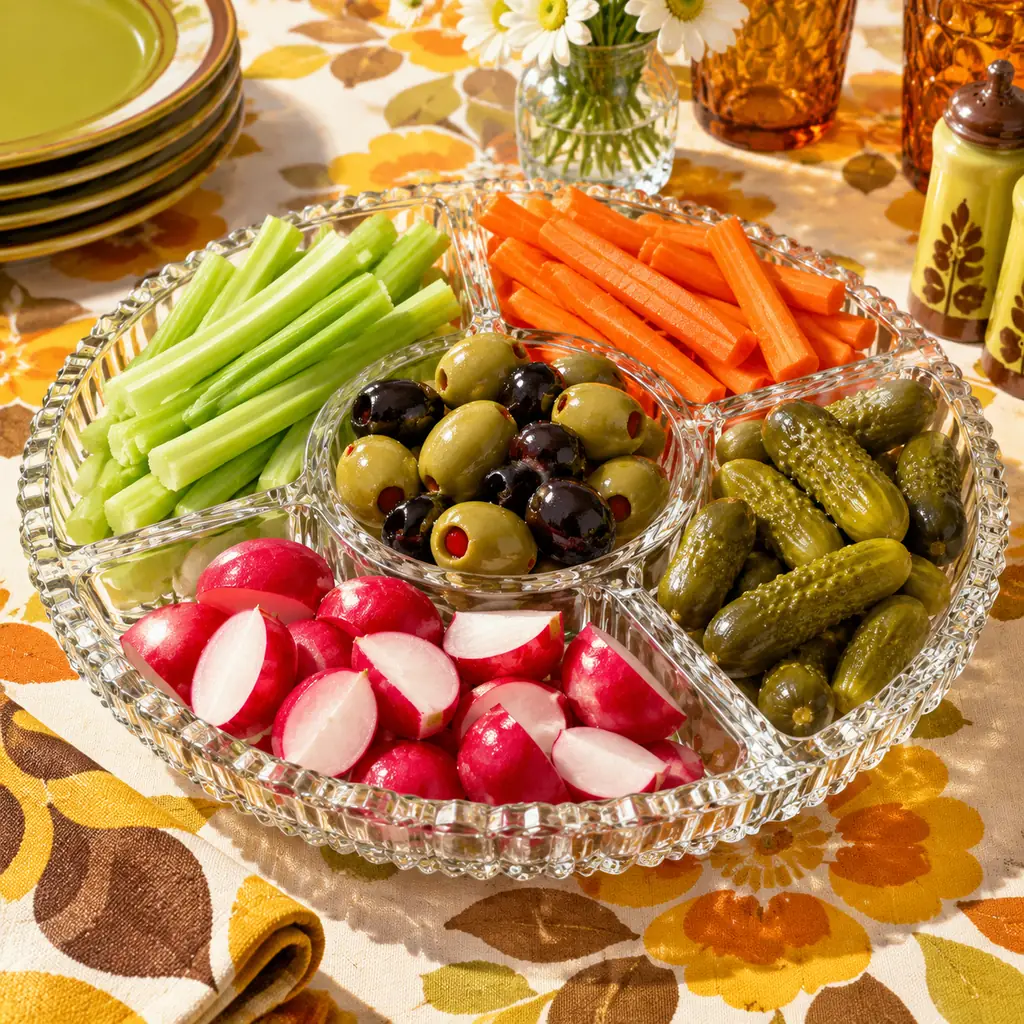
Pickles, olives, and other small accompaniments could give the table something sharp and crisp. Separate compartments or careful arrangement helped keep the choices recognizable.
The tray did not require a single fixed combination. Family taste and what was available shaped it.
It was also an easy place for a host to mix purchased ingredients with something prepared earlier, making the spread feel varied without another last-minute recipe.
9. Quiche
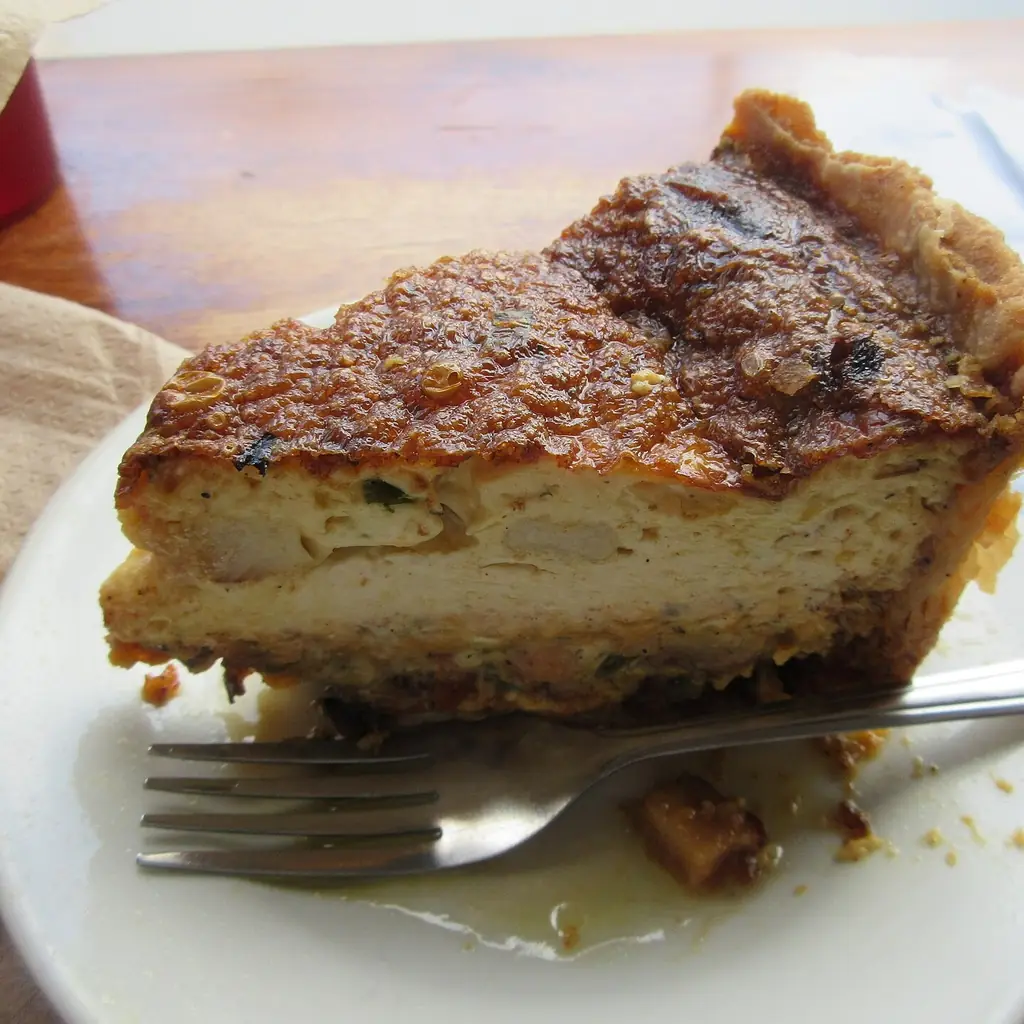
A slice of pastry filled with savory egg custard could work as a first course or a main dish. The filling needed setting without becoming tough.
Bacon was familiar in quiche Lorraine, while cheese and other additions varied among versions.
The dish fitted the same kitchen where people kept specialized utensils for particular jobs, like those explained in Grandma's kitchen drawer.
10. Savory filled crêpes
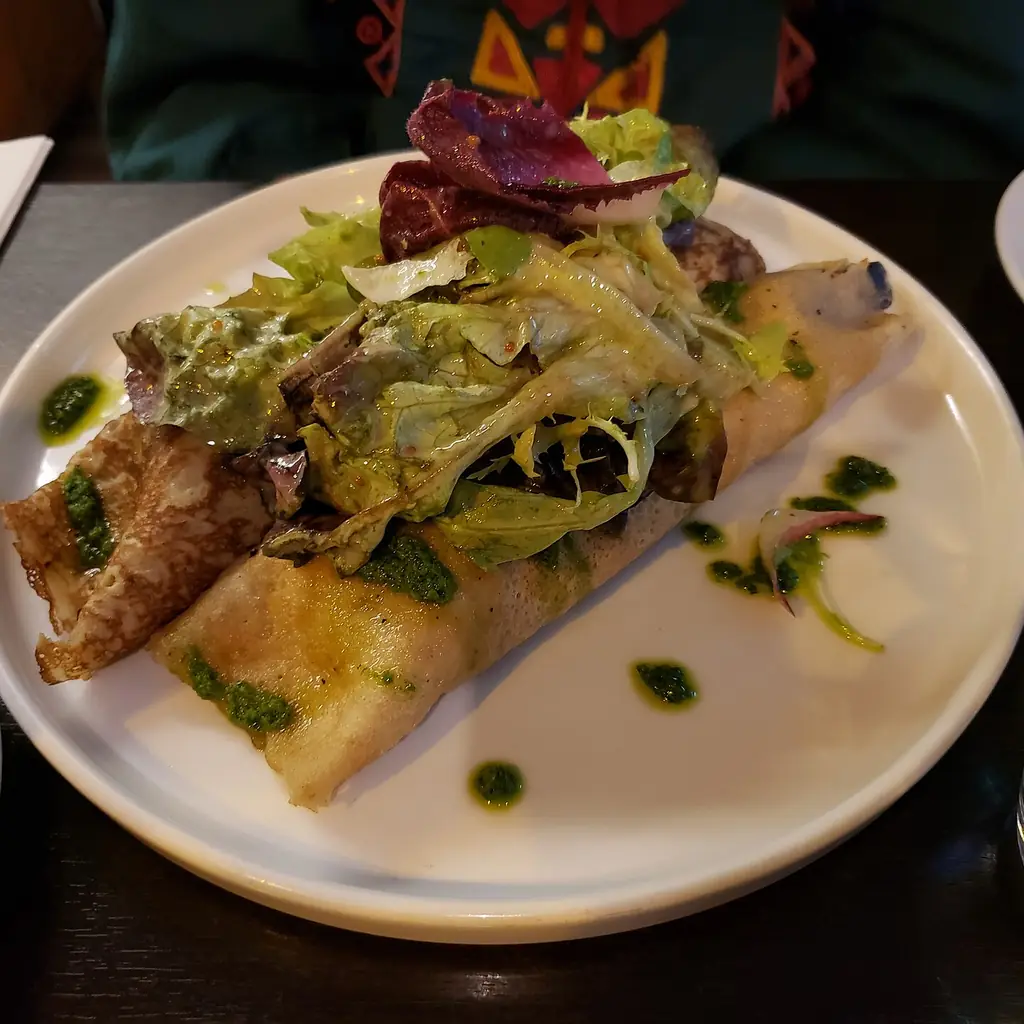
Thin pancakes could wrap around a filling and become a plated course rather than breakfast. Chicken or another savory mixture gave them a substantial center.
The pancakes could be made before the final assembly. That separated one fiddly job from the moments just before serving.
A circa-1970 crêpe pan survives in Smithsonian's collection, reflecting the equipment American cooks could use to try that style of dish.
11. A cheese soufflé
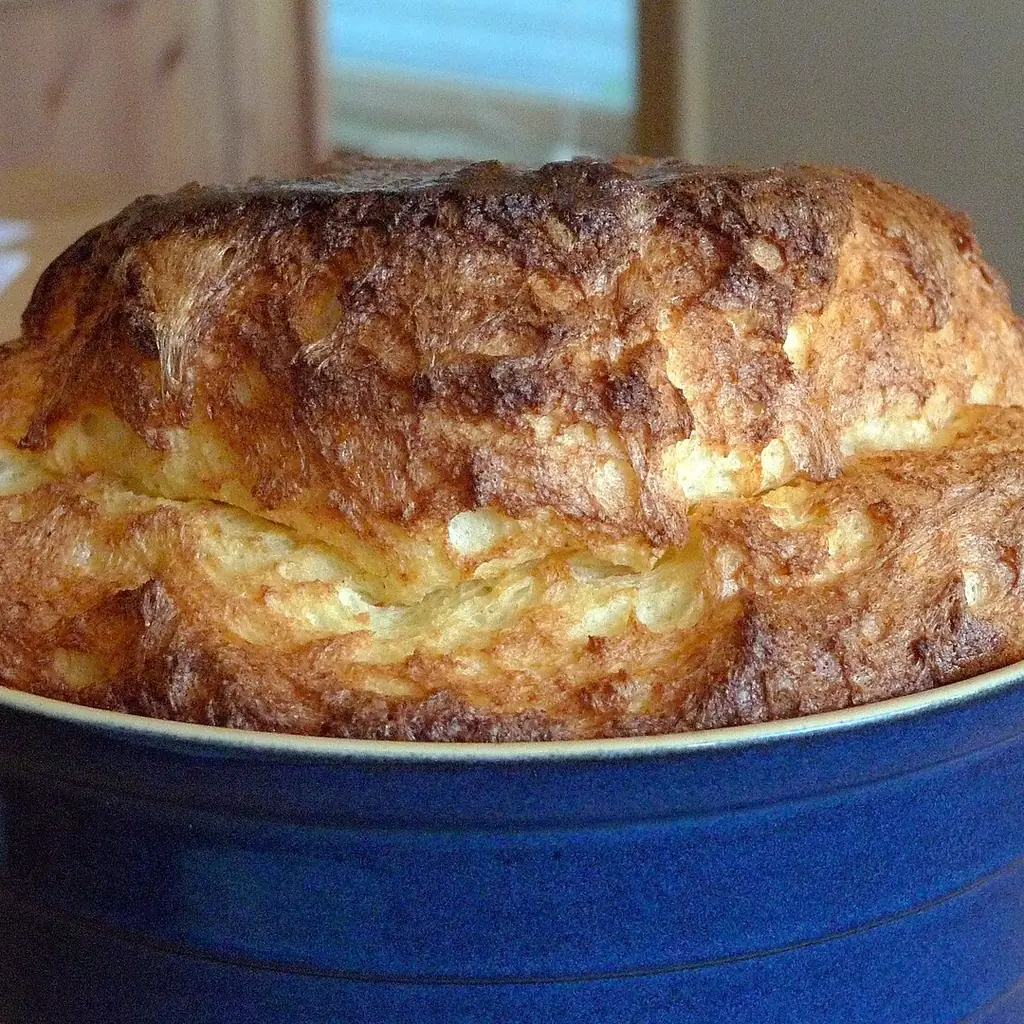
A soufflé asked the host to think about timing. Beaten egg whites helped give the mixture its rise, and the finished dish did not wait indefinitely for a leisurely table.
Its appearance could therefore become part of the presentation. Serving promptly mattered.
The more practical weekly planning behind that performance is visible in older household schedules, where heat and kitchen work had to be coordinated.
12. Beef stroganoff over noodles
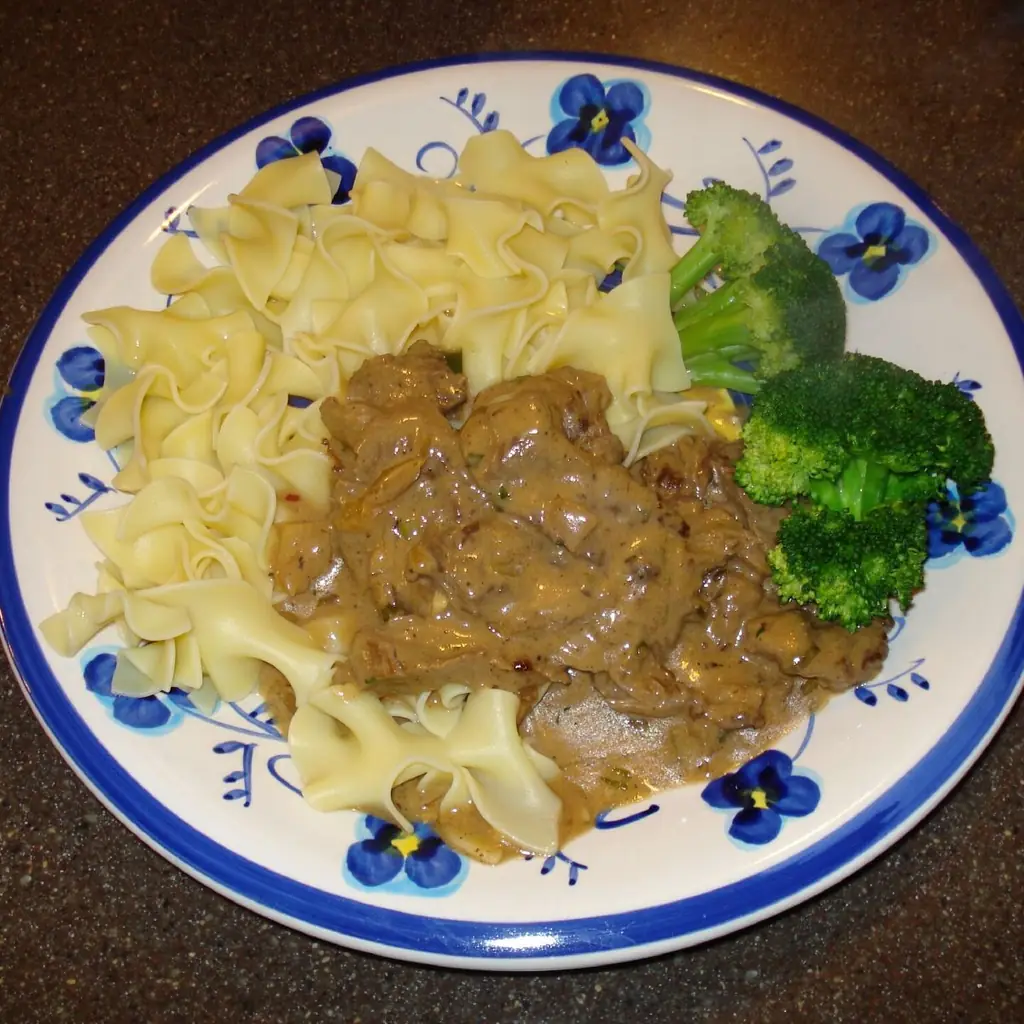
A creamy beef mixture became a larger plate when served over noodles. Mushroom and sour-cream flavors are familiar in many American versions, although recipes differ.
The main dish could be carried to the table rather than cooked individually for each guest.
That suited a host trying to stay in the conversation while still serving something richer than a plain weekday plate of meat and vegetables.
13. Chicken à la king
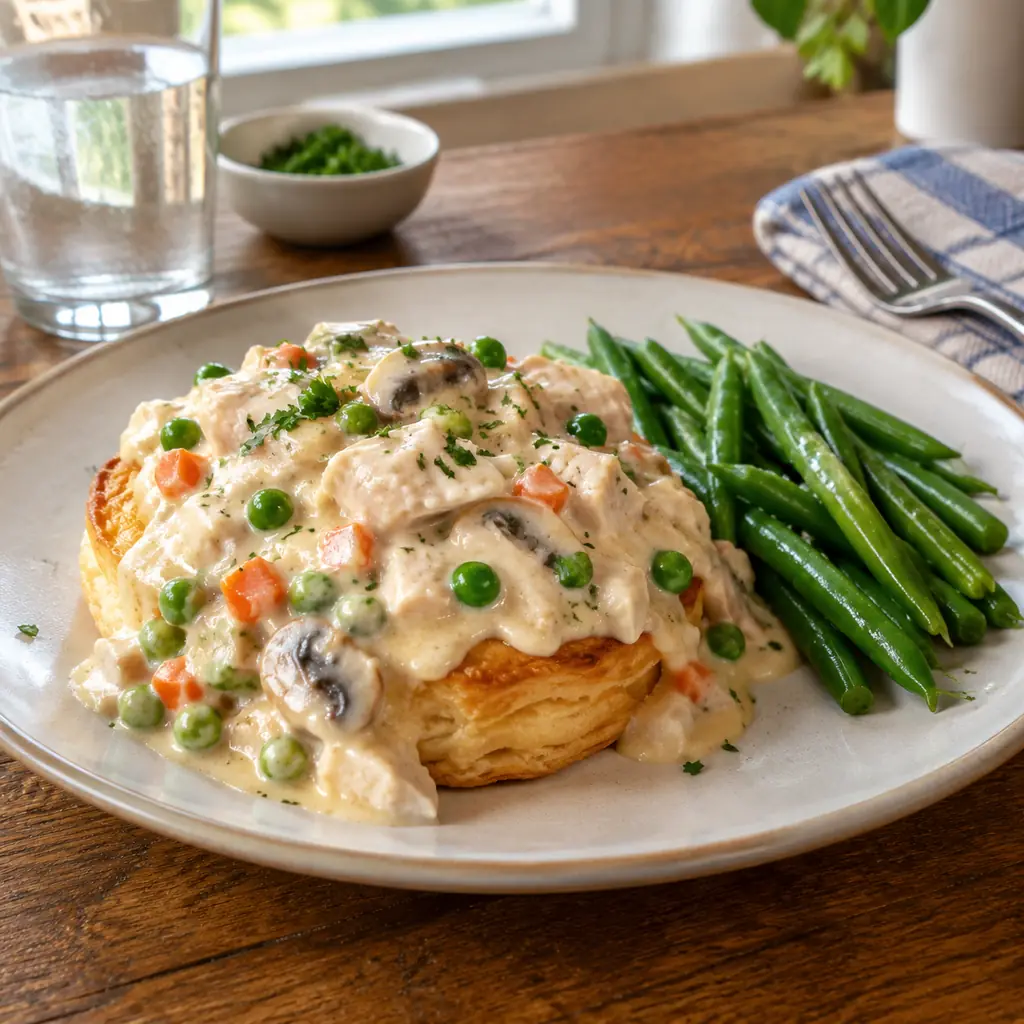
Chicken in a creamy sauce could be spooned over toast or another base. Small pieces made a little meat easier to distribute across a table.
The dish had an established life before the 1970s, with versions recorded in older American cookbooks.
It also shares a practical idea with the dinners built from already-cooked poultry: sauce and a fresh accompaniment can change the experience of familiar ingredients.
14. A roast with a bowl of gravy
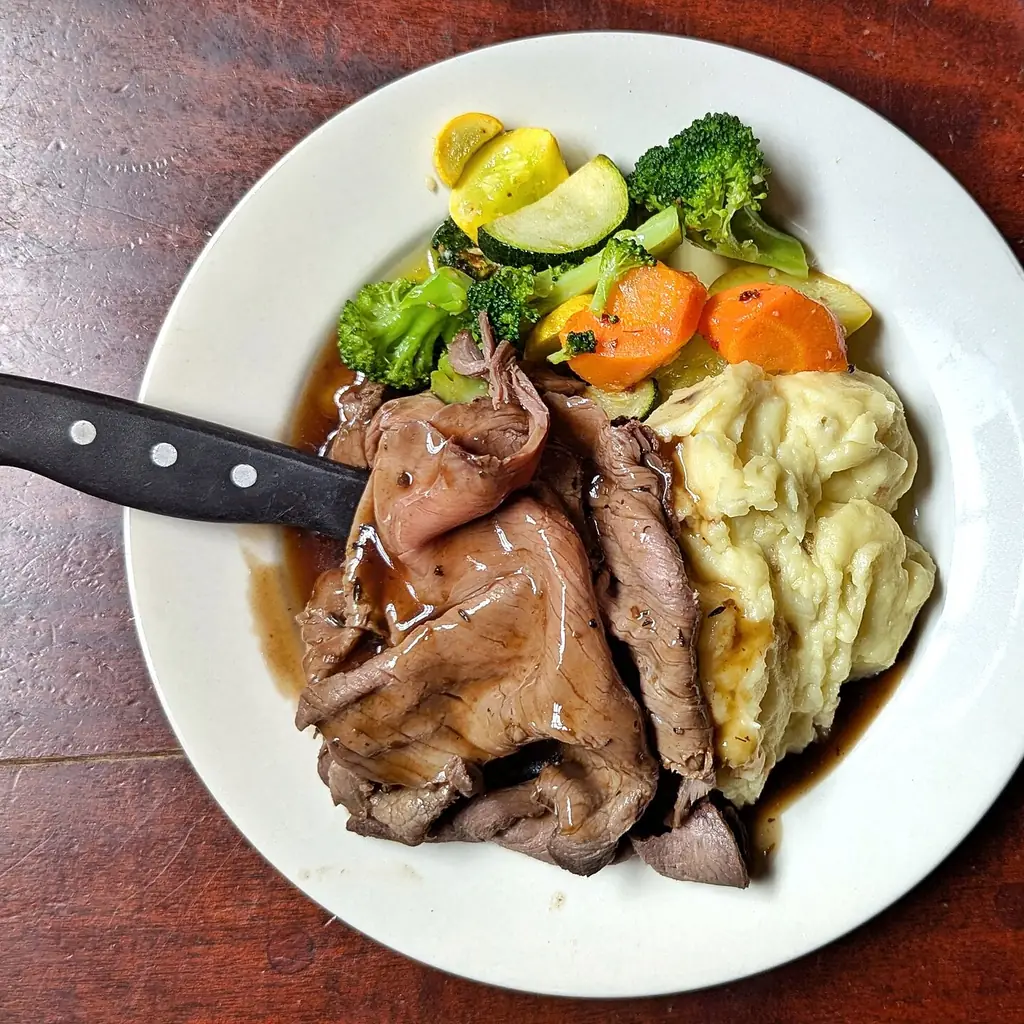
A roast still offered the straightforward advantage of several portions from one main piece. Carving at the table could be part of the occasion.
The gravy might be served separately so each guest chose how much to add. A suitable carving knife and fork made the serving easier.
This was a continuity in entertaining, not a novelty tied to one decade or a single level of formality.
15. Rice pilaf
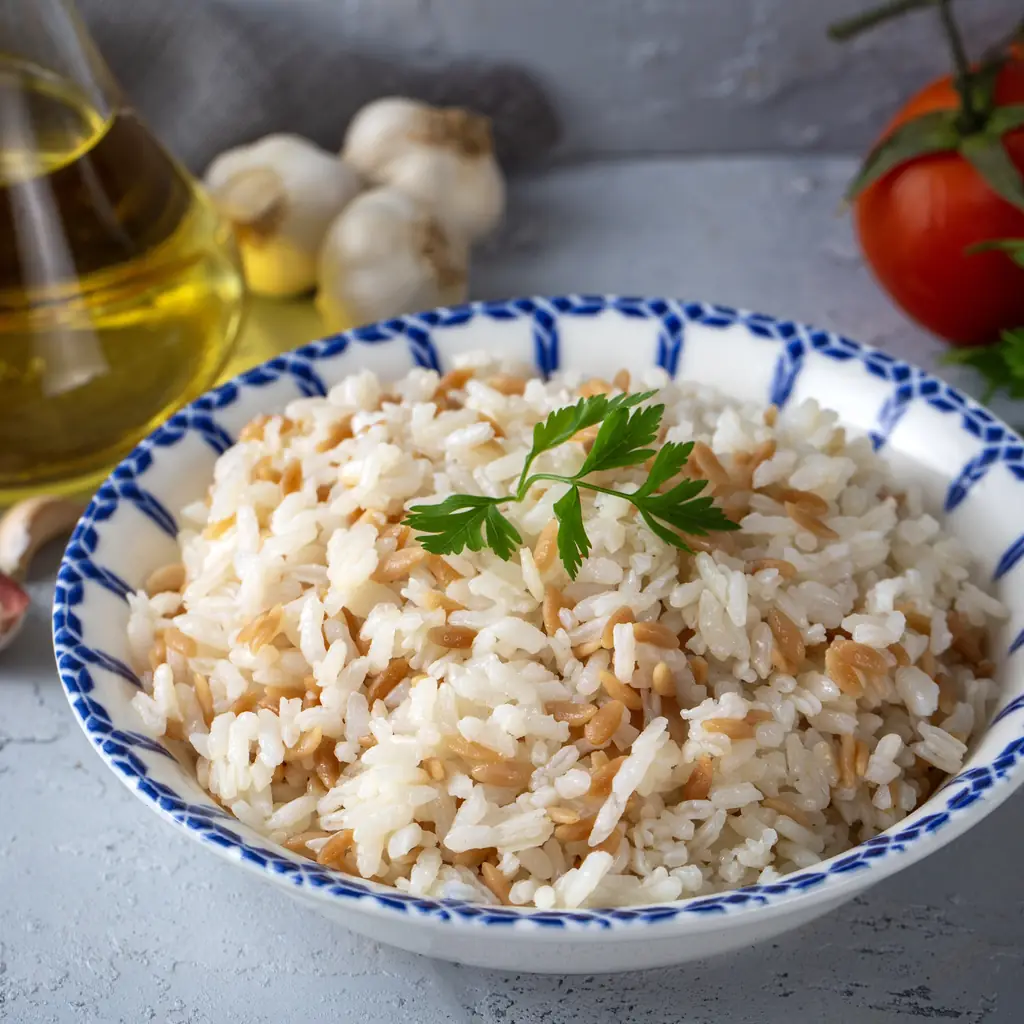
Rice cooked with stock and seasoning could look more deliberate than a plain bowl of white rice. A separate grain texture helped it sit beside a sauced main dish.
The precise method and additions varied, so the name alone did not determine every ingredient.
As with the dishes in regional American family cooking, a familiar label could cover several household interpretations.
16. Baked potatoes with separate toppings
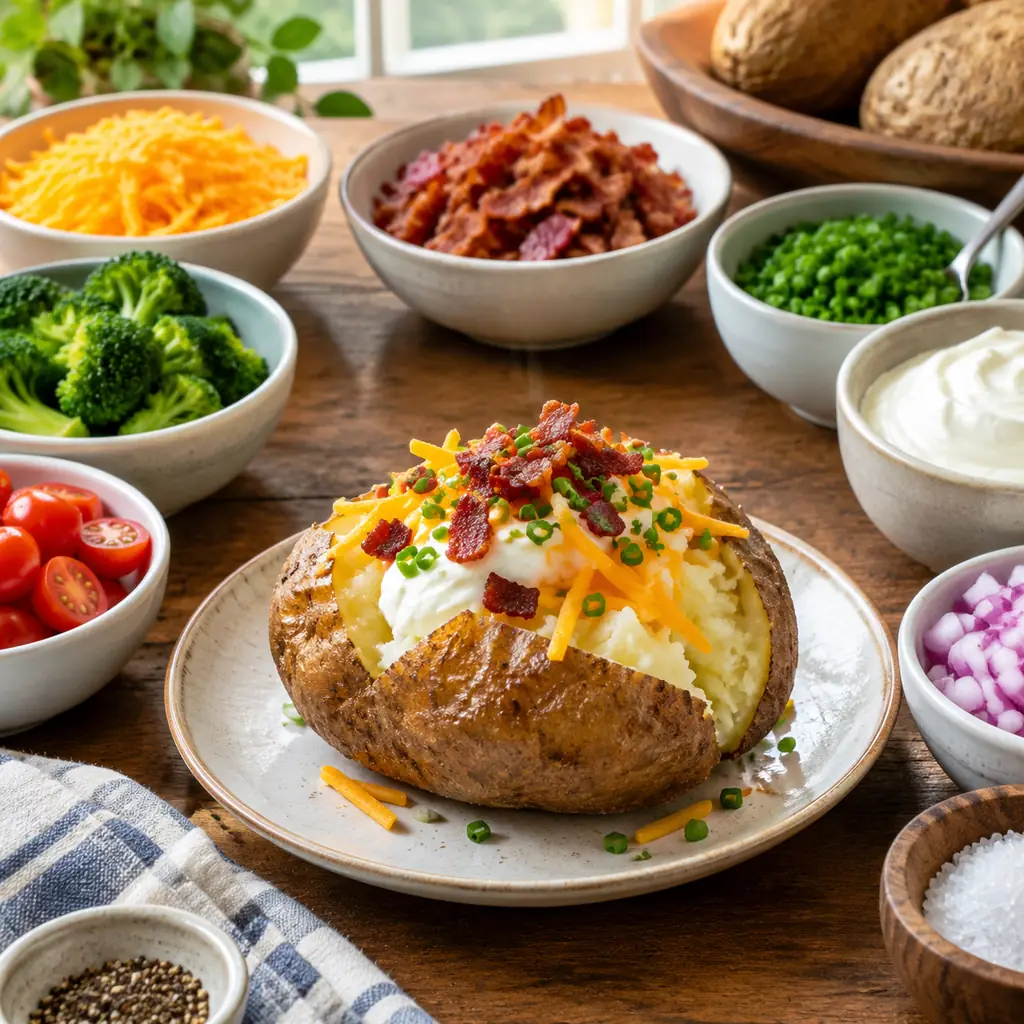
A whole baked potato let the guest decide what happened after it reached the plate. Butter, sour cream, or another suitable topping could be offered separately.
The host still needed enough oven time and room for the number of potatoes.
A simple side dish could be useful beside a more demanding main course, keeping the meal manageable without making every element elaborate.
17. Green beans with almonds
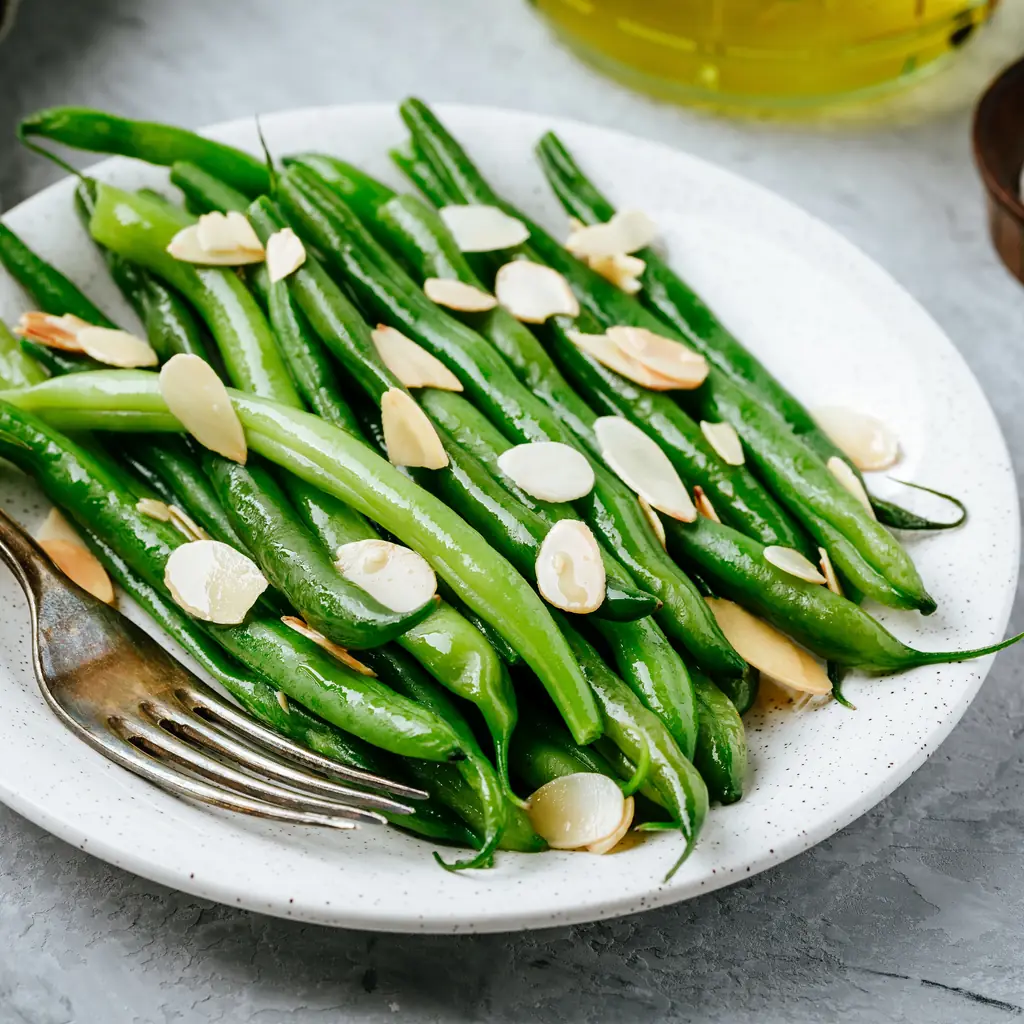
Green beans gained another flavor and texture when almonds were added. The nuts supplied a little crunch without changing the vegetable into a heavy casserole.
The beans still needed to be prepared well; the garnish could not repair an overcooked batch.
It was a modest way to distinguish a company dinner from an ordinary plate, using a small addition rather than a completely unfamiliar ingredient.
18. A molded gelatin salad
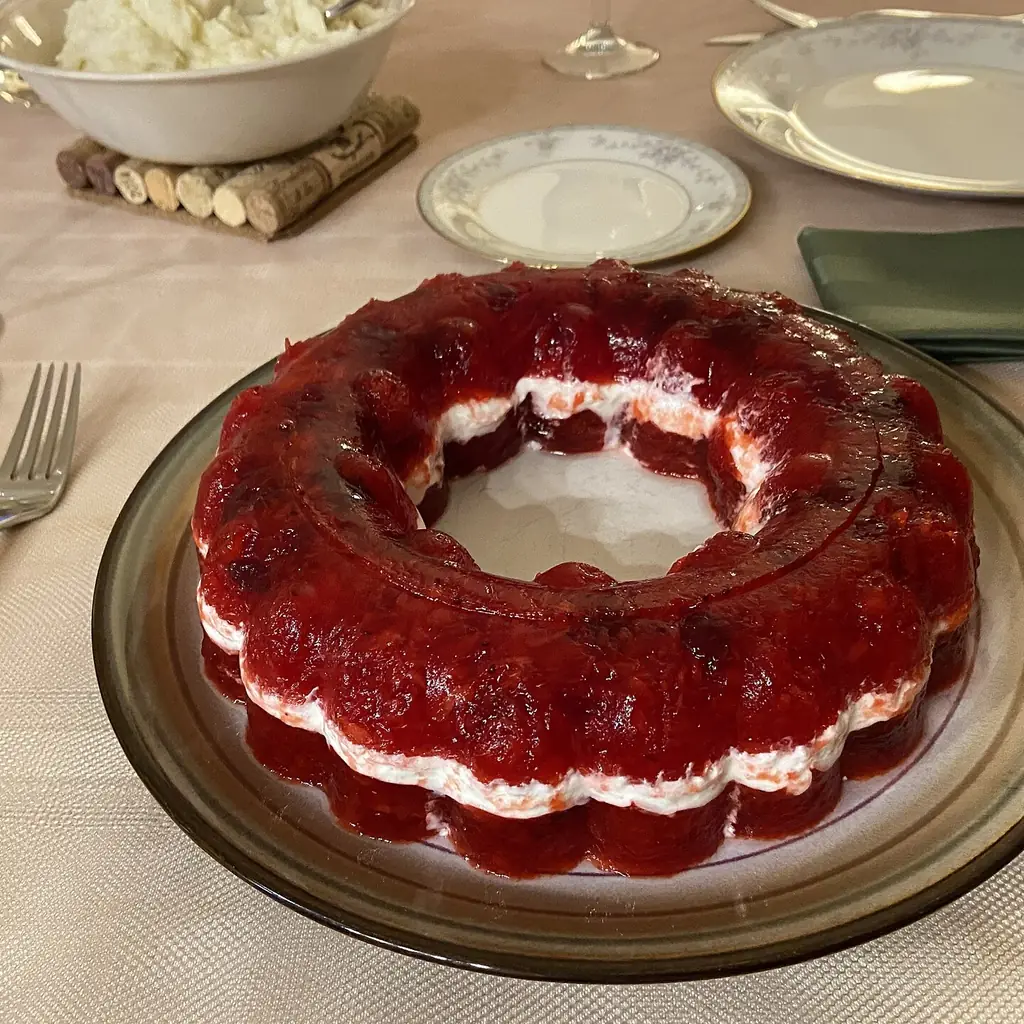
A mold gave a chilled dish a shape that could become the table's visual centerpiece. Fruit or other additions made the finished result depend on the recipe.
Getting the mold out cleanly was a separate moment of suspense after the mixture had set.
The package and recipe-book world behind these dishes overlaps with the careful preparation remembered in family holiday kitchens.
19. A fruit salad in a serving bowl
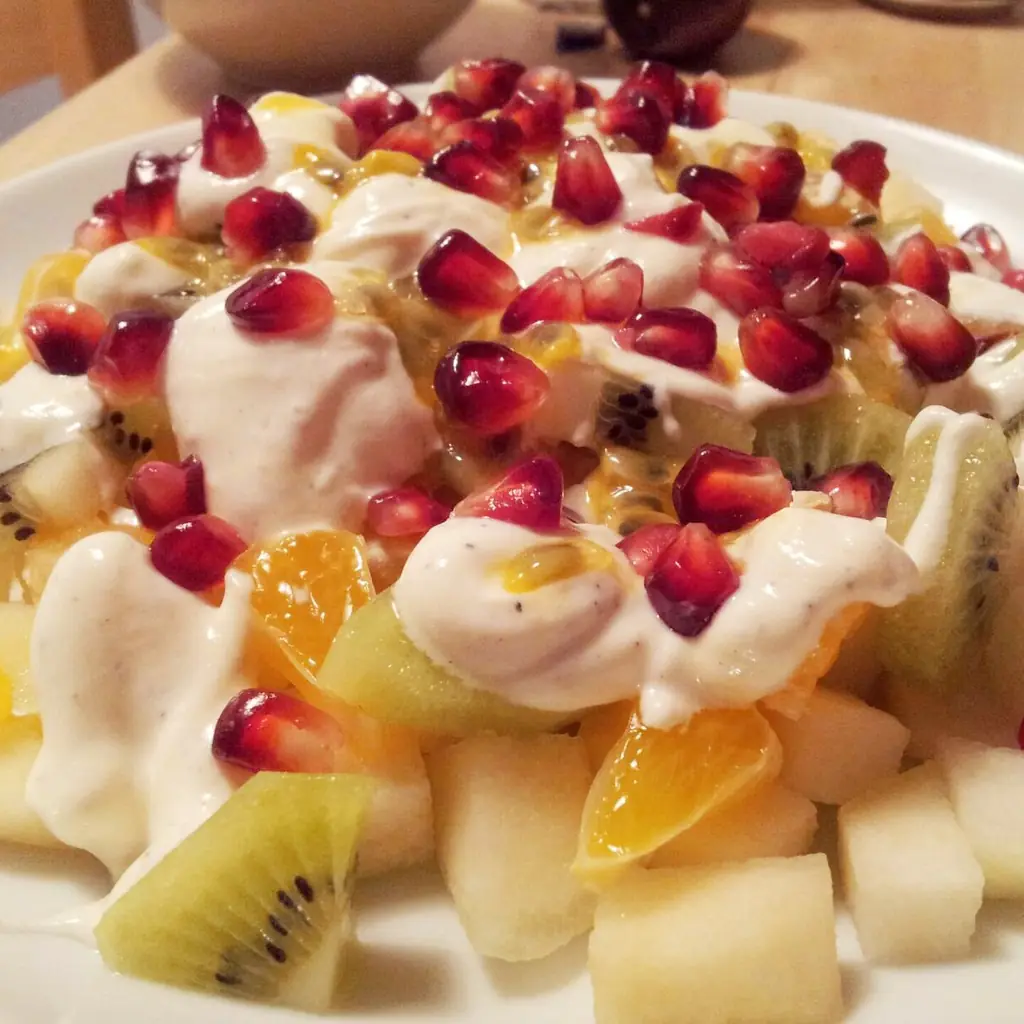
A bowl of prepared fruit offered a sweet, cool contrast to the main course. Fresh and canned ingredients could appear in different combinations.
The fruit needed cutting into pieces that were easy to serve and eat. Excess juice could change the texture of an added dressing.
Some families used fruit from their own trees and bushes, while others built the dish entirely from purchased ingredients.
20. Pineapple upside-down cake
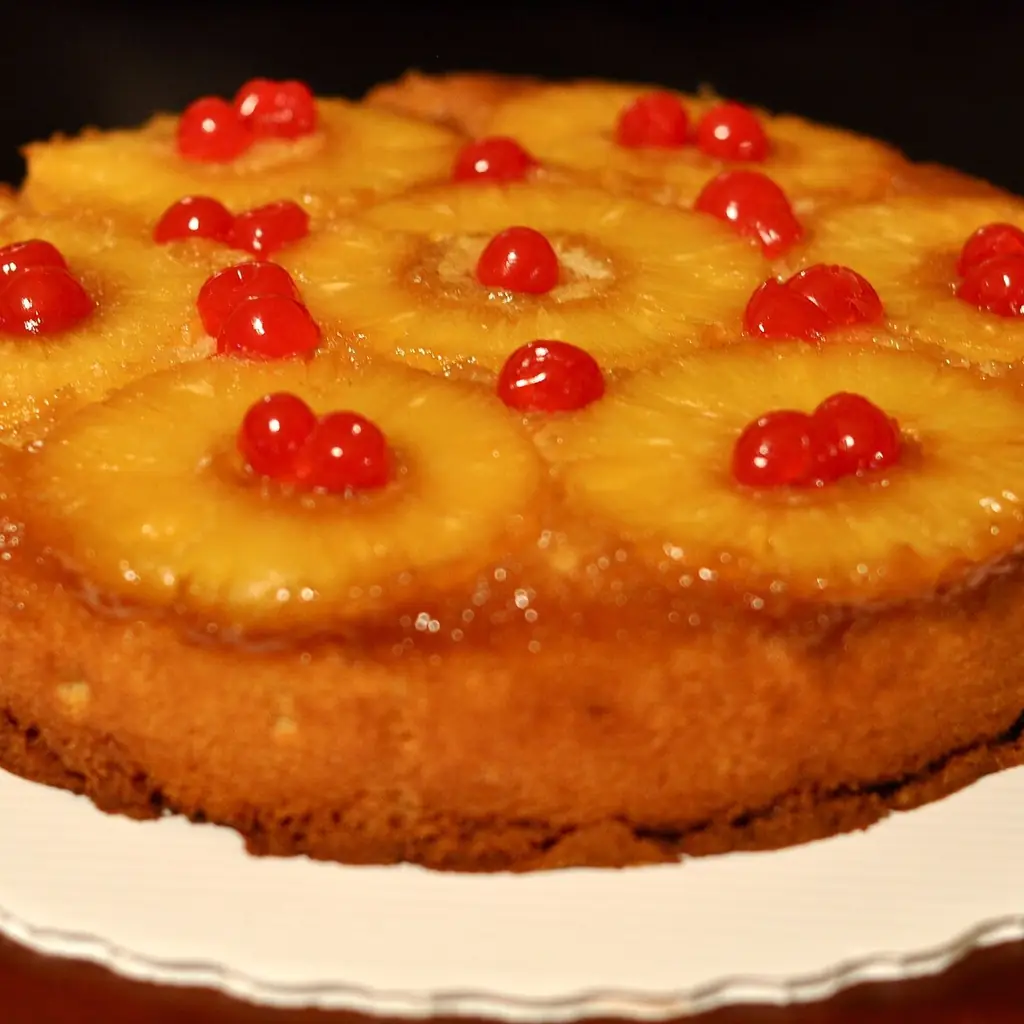
The pineapple began underneath the batter, then became the visible top when the cake was turned out. That inversion supplied part of the presentation.
Rings and small decorative fruit made a recognizable pattern, although recipes could use other arrangements.
Dole's history places the cake's popularity well before the 1970s. Its appearance at a later party would have been a continuation rather than a new invention.
21. A chilled cream pie
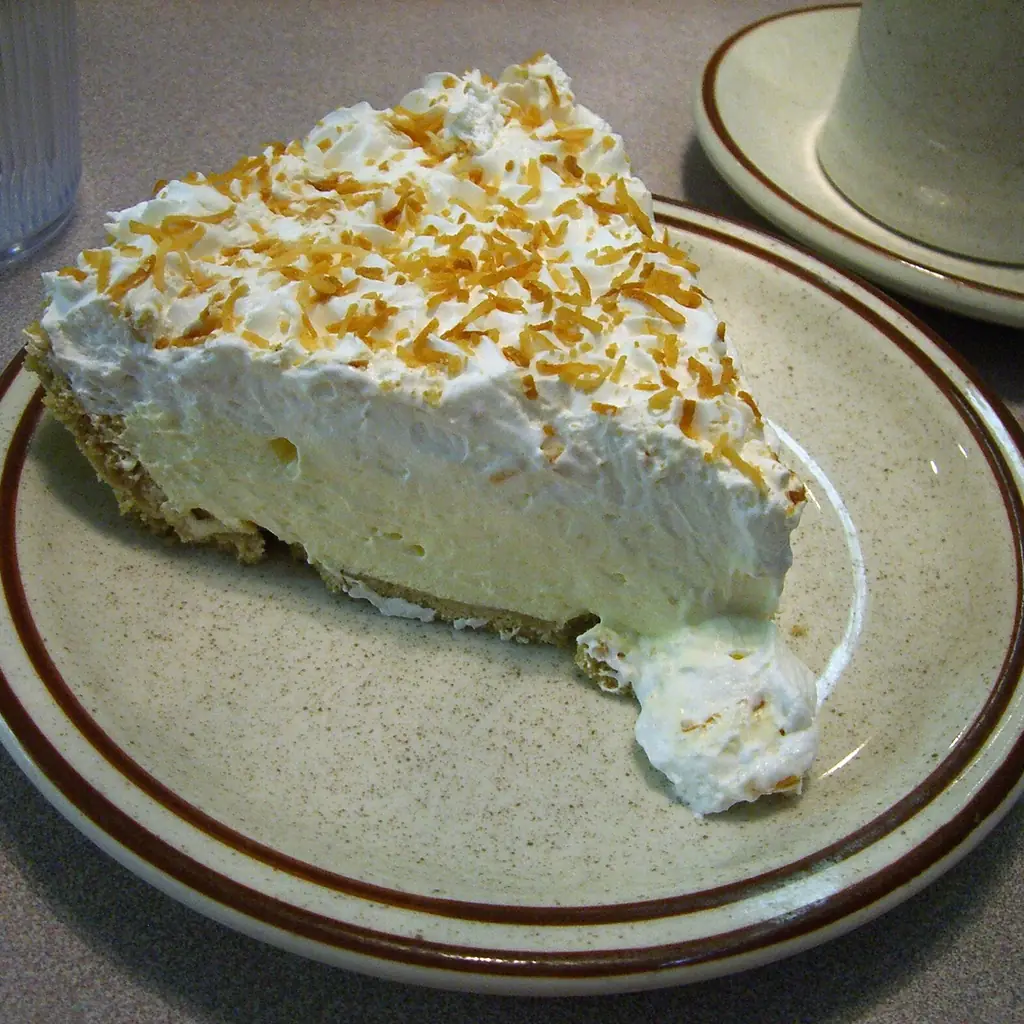
A cream pie could be ready in the refrigerator while the host worked on the main meal. The cool filling offered a different finish from a warm baked pudding.
The crust and filling needed to suit each other so a slice would hold when served.
The practical benefit was timing: dessert could be settled before the doorbell announced another guest, instead of adding a final round of stovetop work.
22. Chocolate fondue for dessert
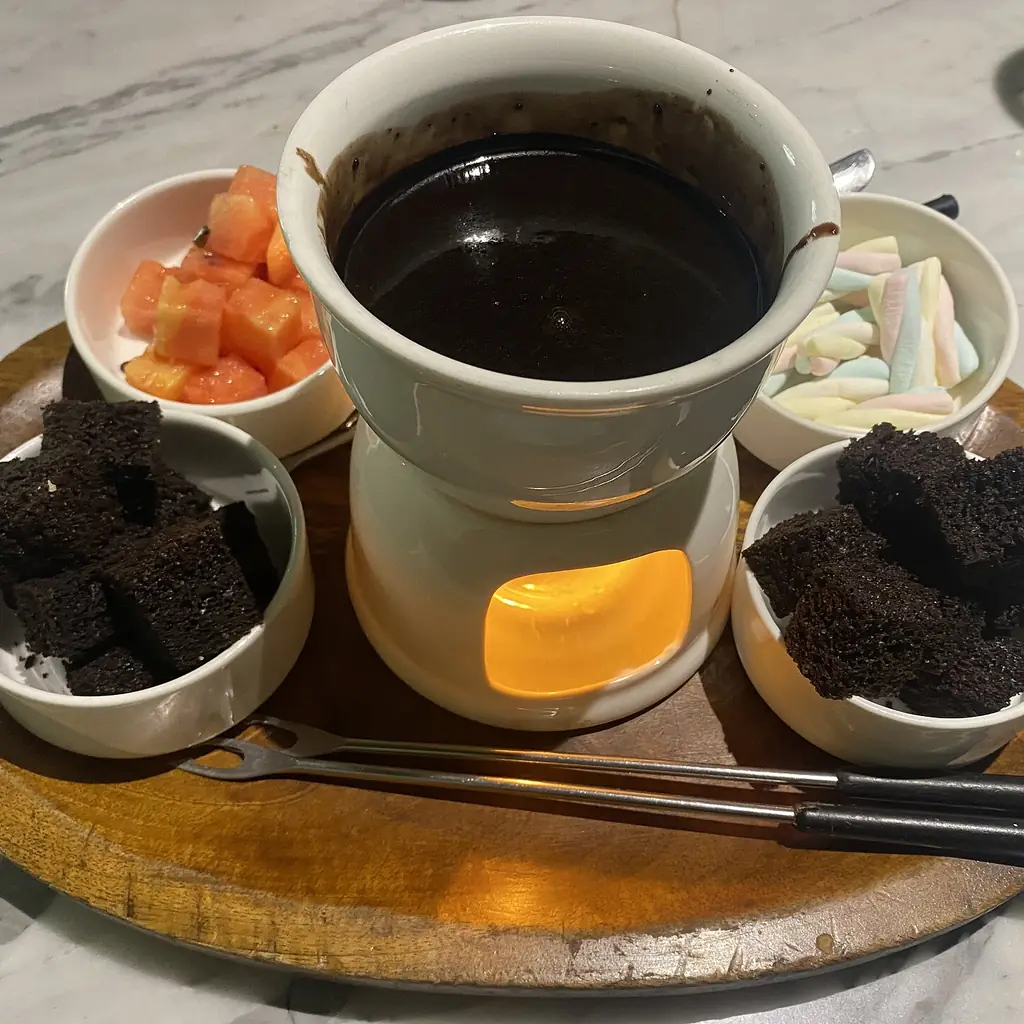
A second kind of fondue turned the shared pot toward sweetness. Fruit or other suitable pieces could be dipped into warm chocolate.
The pot needed gentle control so the chocolate stayed usable rather than scorching. Guests also needed manageable pieces and forks.
The shared format changed the pace of dessert, making it an activity rather than a slice brought already finished to each place.
23. A bowl of punch
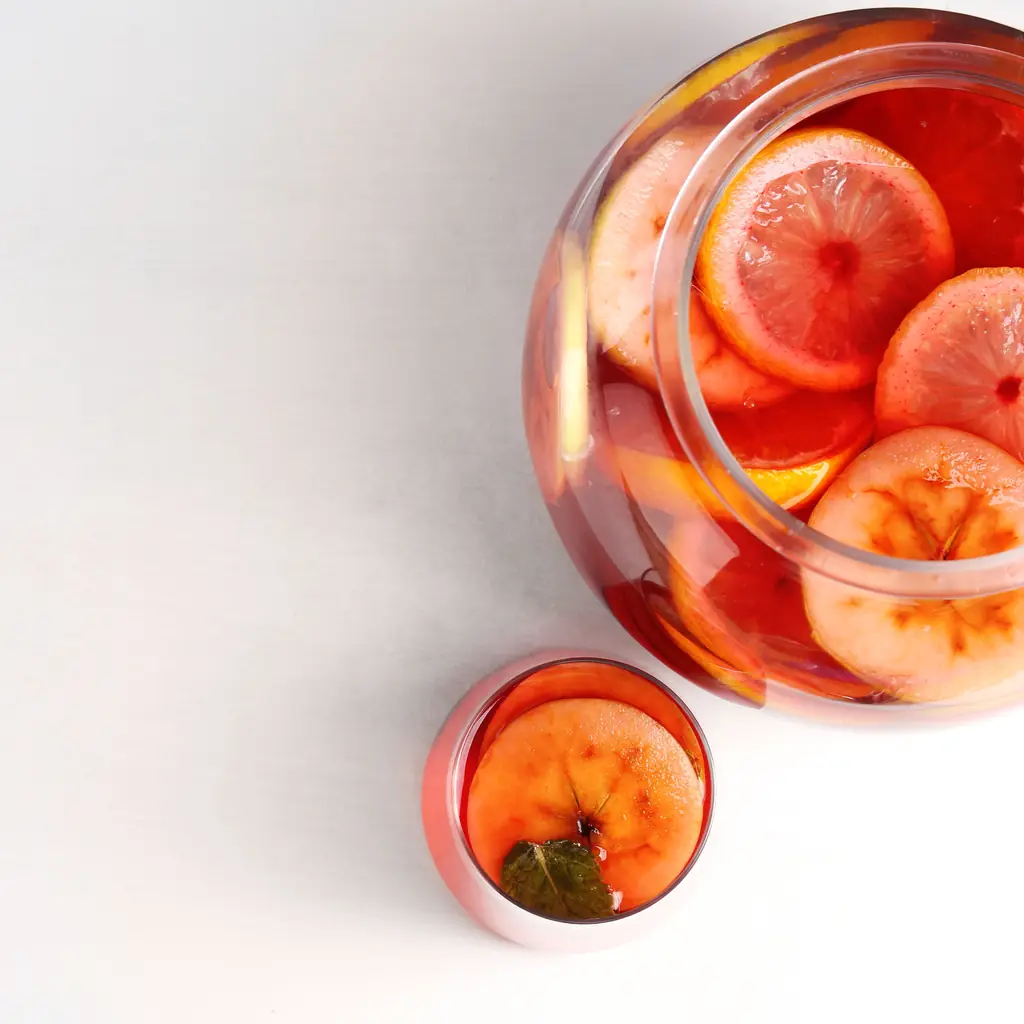
A punch bowl let guests serve a drink without asking the host to mix each glass. Fruit flavors and other additions changed the result from one recipe to another.
Not every punch contained alcohol. The ingredients needed to be clear to the people drinking it.
The bowl and cups created another small gathering point, much like the chip-and-dip dish at the beginning of the evening.
24. Wine chosen for the table
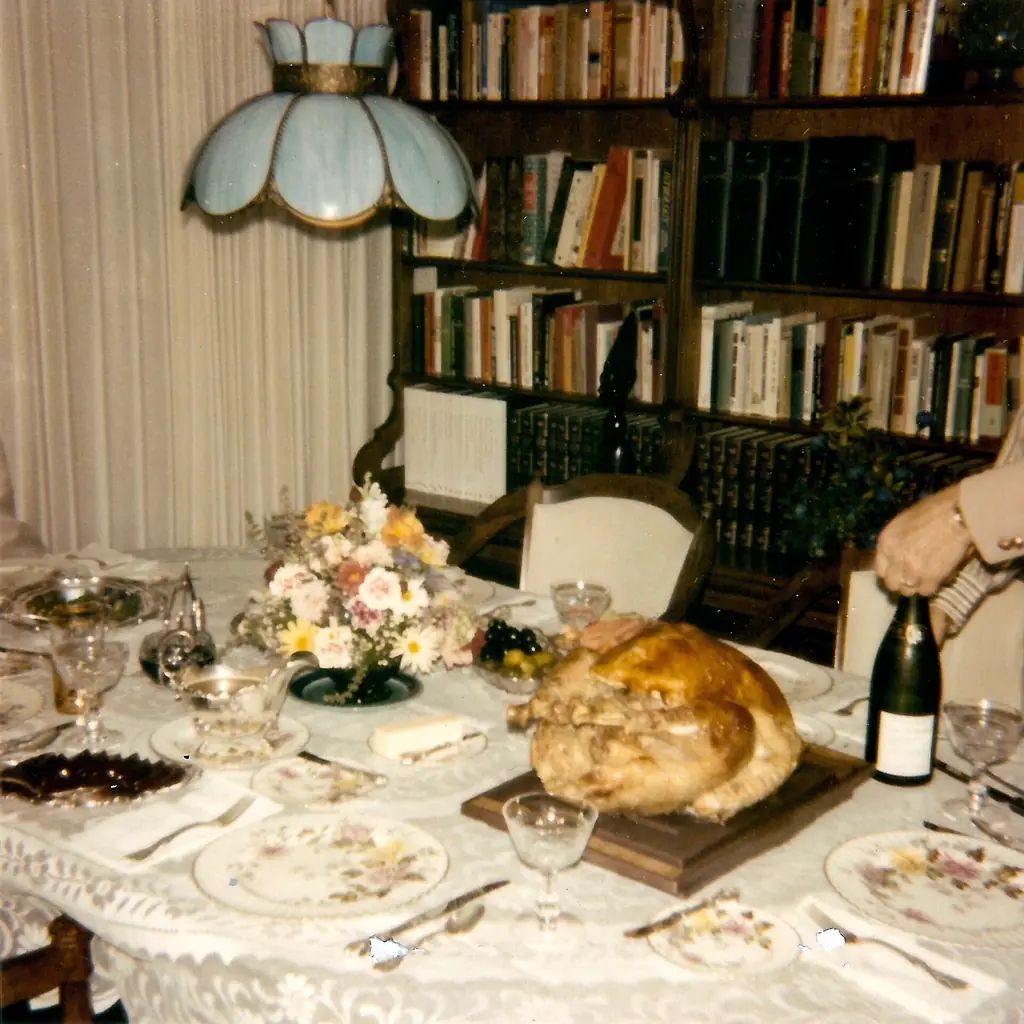
Wine could become part of the conversation as well as the meal. American wine-making and wine interest expanded during the postwar years, rather than beginning with one dinner-party fashion.
Smithsonian's food-history collection places bottles and tasting materials within that larger change.
A host's choice still depended on taste, price, and availability. A basket-wrapped bottle on a table did not establish what every American household drank.
25. Coffee after the plates were cleared
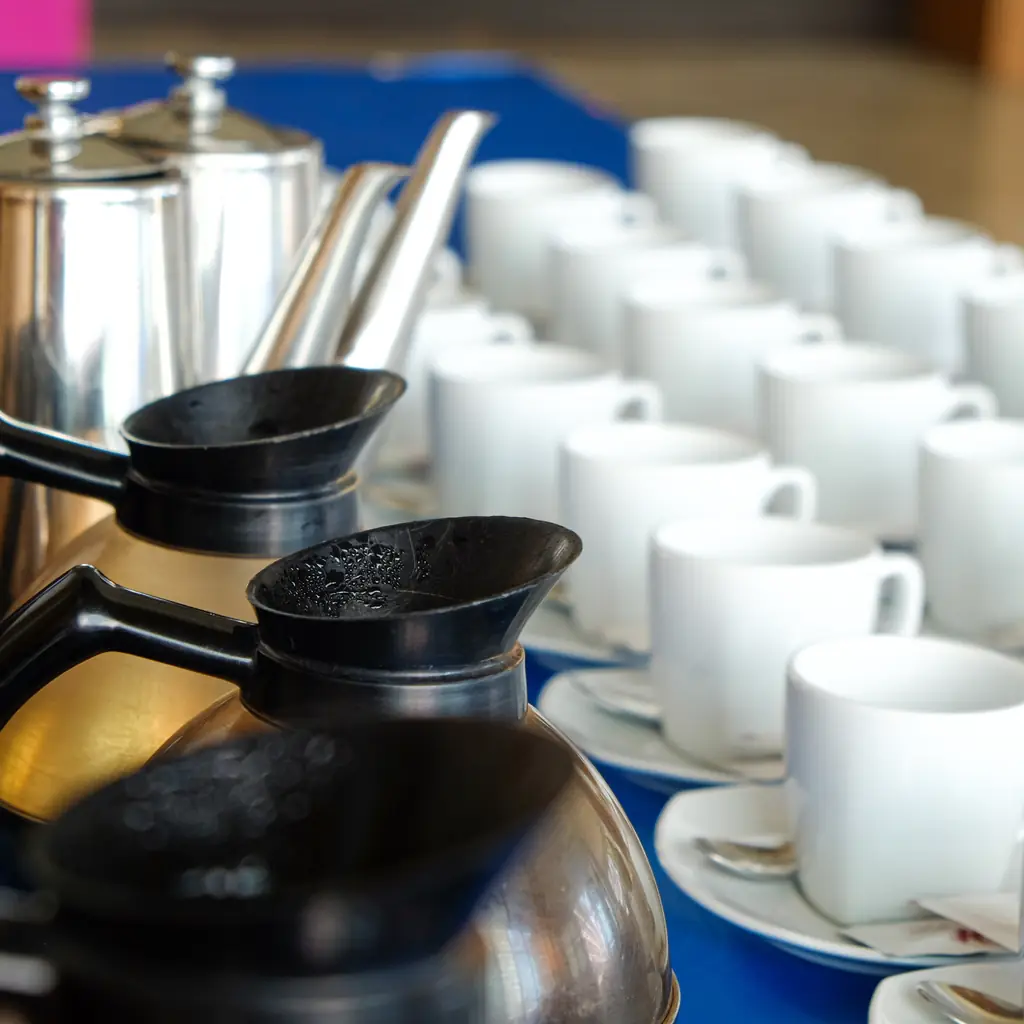
A pot of coffee gave guests a reason to remain after dessert. Cups, sugar, and milk or cream created another round of serving at a less hurried pace.
The equipment could be familiar rather than fashionable. The household used what it owned.
The conversation often outlasted the cooking, leaving dishes and clearing up to follow the visit rather than assuming the party ended when the last bite was eaten.
Sources and further reading
- Smithsonian: FOOD, Transforming the American Table 1950–2000, object register
- Trader Joe’s: Unexpected Cheddar Cheese Ball
- Betty Crocker: Classic Shrimp Cocktail
- Lipton: Recipe Secrets
- The Boston Cooking-School Cook Book, 1910 revised edition
- Welch’s: Recipes
- USDA: Leftovers and Food Safety
- Betty Crocker: Quiche Lorraine
- Beef Checkoff: Comfort Classics
- University of Michigan: Jell-O Exhibit
- Dole: Pineapple Upside Down Cake
Image credits
- Fondue dish.jpg by Juliano Mendes; CC BY 2.0. Cropped to a square, resized and converted to WebP. No subject details altered.
- Crêpes roulées with portobello mushrooms, leeks, crème fraiche, mixed leaves - Petit Pois Restaurant 2024-07-11.jpg by Andy Li; CC0. Cropped to a square, resized and converted to WebP. No subject details altered.
- Fruktsallad (Fruit salad).jpg by dnm; CC BY-SA 3.0. Cropped to a square, resized and converted to WebP. No subject details altered.
- Chocolate Fondue - Canto Cafe & Bar Resturant, Mumbai - Maharashtra - ND002.jpg by NiteshDubs; CC BY-SA 4.0. Cropped to a square, resized and converted to WebP. No subject details altered.
- Cheese ball.jpg by Valereee; CC0. Cropped or fitted to a square, resized and converted to WebP. No subject details altered.
- 2 servings of cocktail shrimp with dipping sauce.JPG by BrokenSphere; CC BY-SA 3.0. Cropped or fitted to a square, resized and converted to WebP. No subject details altered.
- Deviled Eggs on Plate.jpg by HeatherMarieKosur; CC BY-SA 4.0. Cropped or fitted to a square, resized and converted to WebP. No subject details altered.
- Savory Stuffed Celery with Pink Pepper Corns (4638233626).jpg by Vegan Feast Catering; CC BY 2.0. Cropped or fitted to a square, resized and converted to WebP. No subject details altered.
- Bywater Bakery Quiche New Orleans April 2018.jpg by Infrogmation of New Orleans; CC BY-SA 4.0. Cropped or fitted to a square, resized and converted to WebP. No subject details altered.
- 01 Cheese souffle.jpg by Ruth Hartnup; CC BY 2.0. Cropped or fitted to a square, resized and converted to WebP. No subject details altered.
- Beef Stroganoff & Egg Noodles.jpg by Buck; CC BY 2.0. Cropped or fitted to a square, resized and converted to WebP. No subject details altered.
- Roast beef with gravy, mashed potato, and vegetables - Massachusetts.jpg by Daderot; CC0. Cropped or fitted to a square, resized and converted to WebP. No subject details altered.
- Raspberry Gelatin Pineapple Sour Cream Salad.jpg by Nolabob; CC BY-SA 4.0. Cropped or fitted to a square, resized and converted to WebP. No subject details altered.
- Pineapple-upside-down-cake.jpg by Kimberly Vardeman from Lubbock, TX, USA; CC BY 2.0. Cropped or fitted to a square, resized and converted to WebP. No subject details altered.
- Coconut cream pie.jpg by Kim Scarborough; CC BY-SA 2.5. Cropped or fitted to a square, resized and converted to WebP. No subject details altered.
- Thanksgiving Dinner Table, Broward County Florida, 1971 02.jpg by Per source. Please credit "Family photos of Infrogmation".; CC BY-SA 4.0. Cropped or fitted to a square, resized and converted to WebP. No subject details altered.