A clothesline could become a blizzard lifeline, and a family’s horse might spend the storm indoors.
These Great Plains households built lives on land already inhabited by Native peoples, whose dispossession was part of the same settlement story.
A clothesline could become the route back from the barn
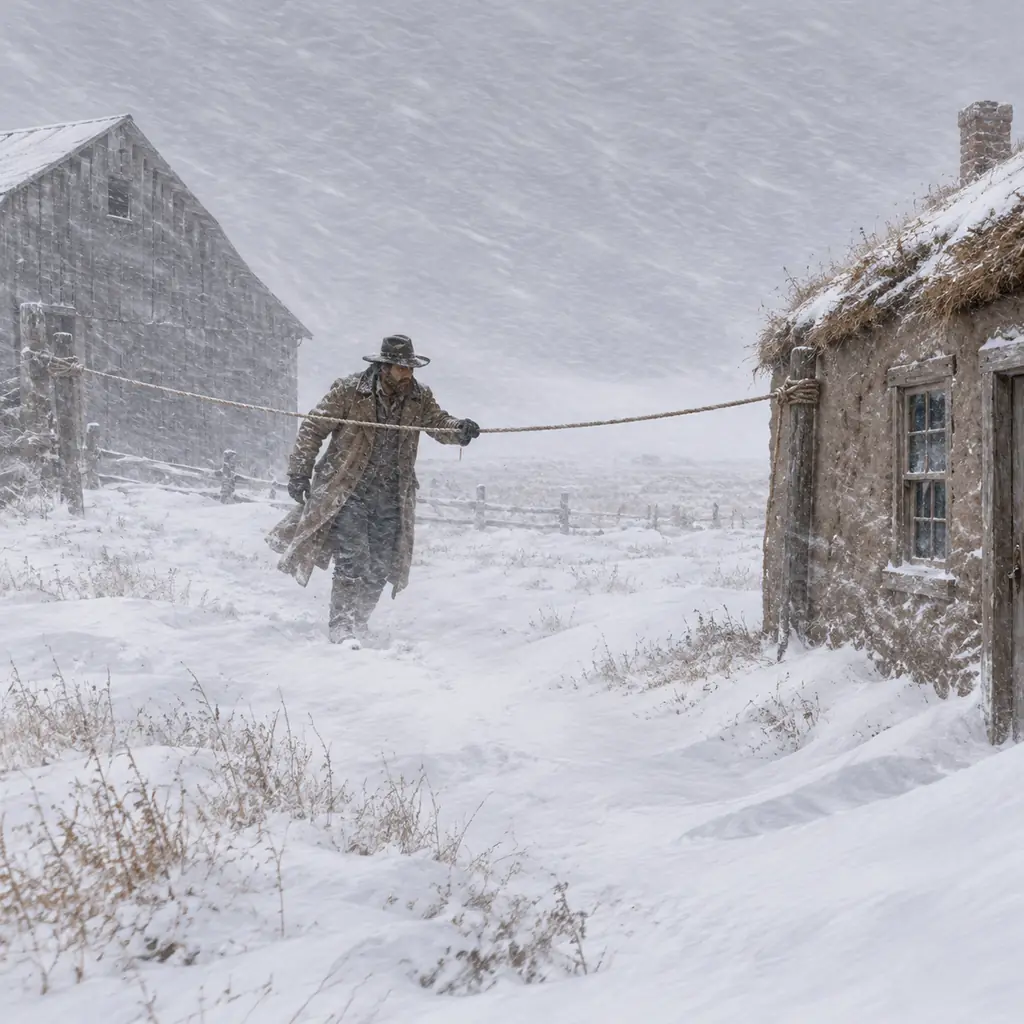
Birdie McDonald remembered her father tying a clothesline between their Dakota sod house and the barn during a blizzard. The line helped him and the older boys find their way while caring for the animals.
Her childhood recollection makes a short outdoor trip feel different. The barn was close enough to reach by rope, yet the storm could hide the way home.
Sources: National Park Service: Birdie McDonald’s Homesteading Narrative
Livestock could share the family’s storm shelter
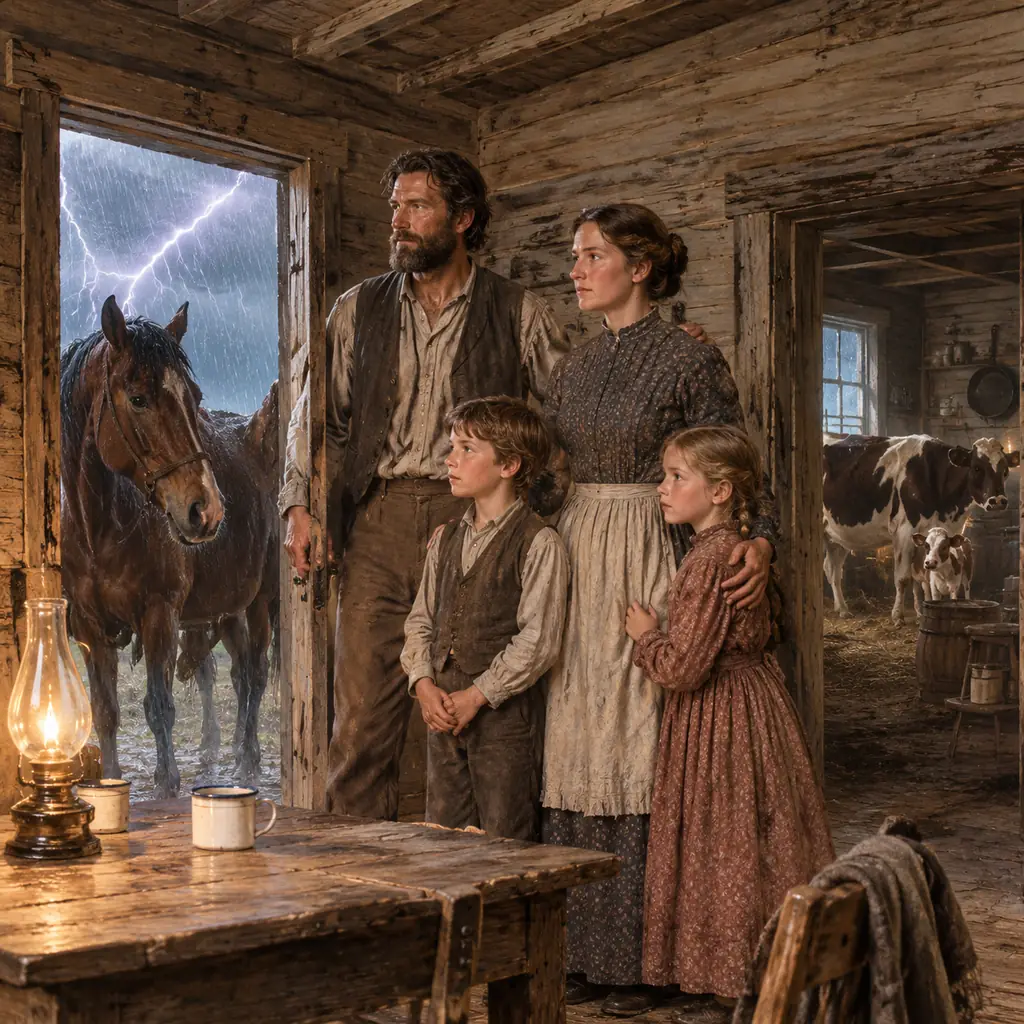
Mrs. John Grosvenor later recalled her family’s experience of Nebraska’s Easter Blizzard of 1873. Her father brought a horse into the house and put the cow and calf in the lean-to kitchen to keep them alive.
The recollection describes an emergency choice, not a normal room arrangement. Animals that supplied work or food were difficult to replace, and the building available for people became shelter for them too.
A frontier home could therefore lose the boundary between kitchen, stable, and living space when the weather became severe.
Children collected cooking fuel from the prairie
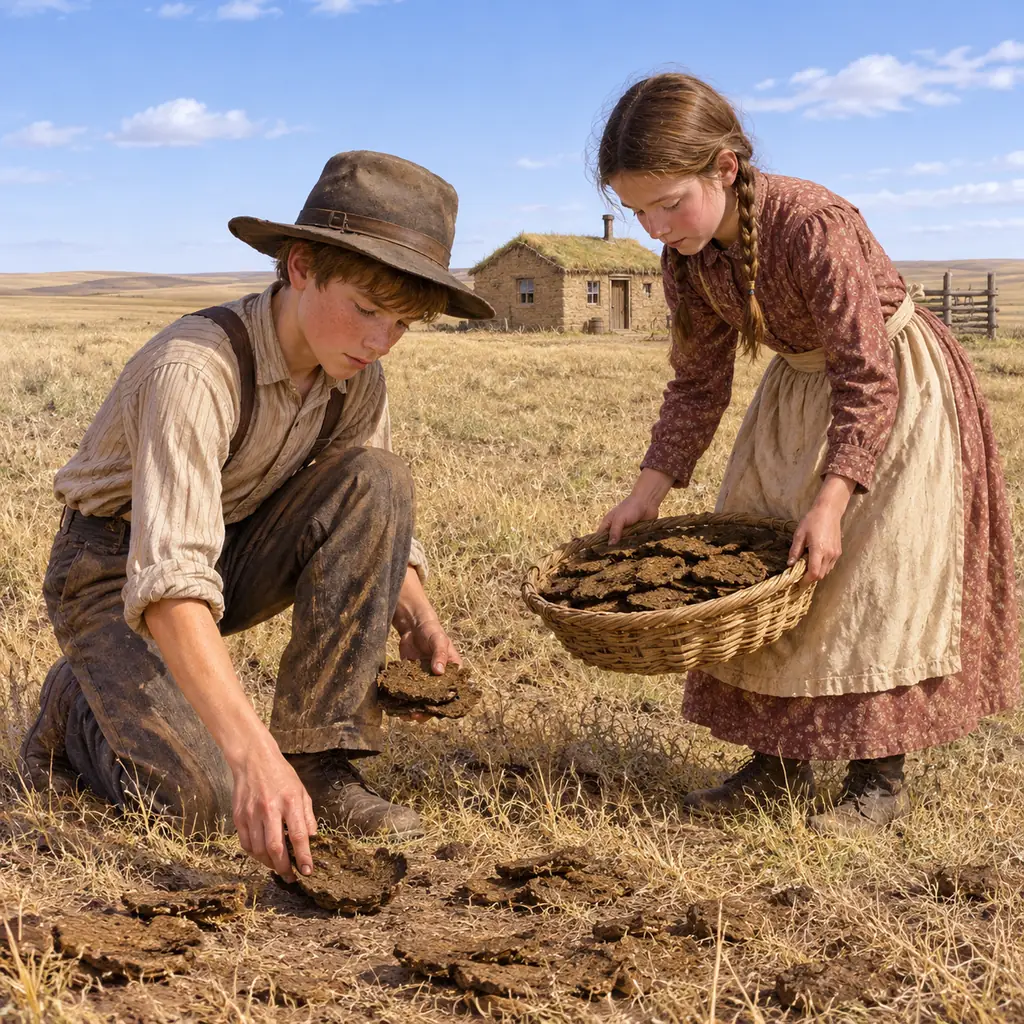
In McDonald’s Dakota childhood, older children gathered dried buffalo dung for the cooking fires. Nearby wood was scarce, and bought coal cost more than her family could afford.
During storms, her father and brothers also twisted coarse grass for stove fuel. A meal thus depended on materials collected and prepared well before anyone put a pot on the stove.
Sources: National Park Service: Birdie McDonald’s Homesteading Narrative
Parents could provide the school and board the teacher
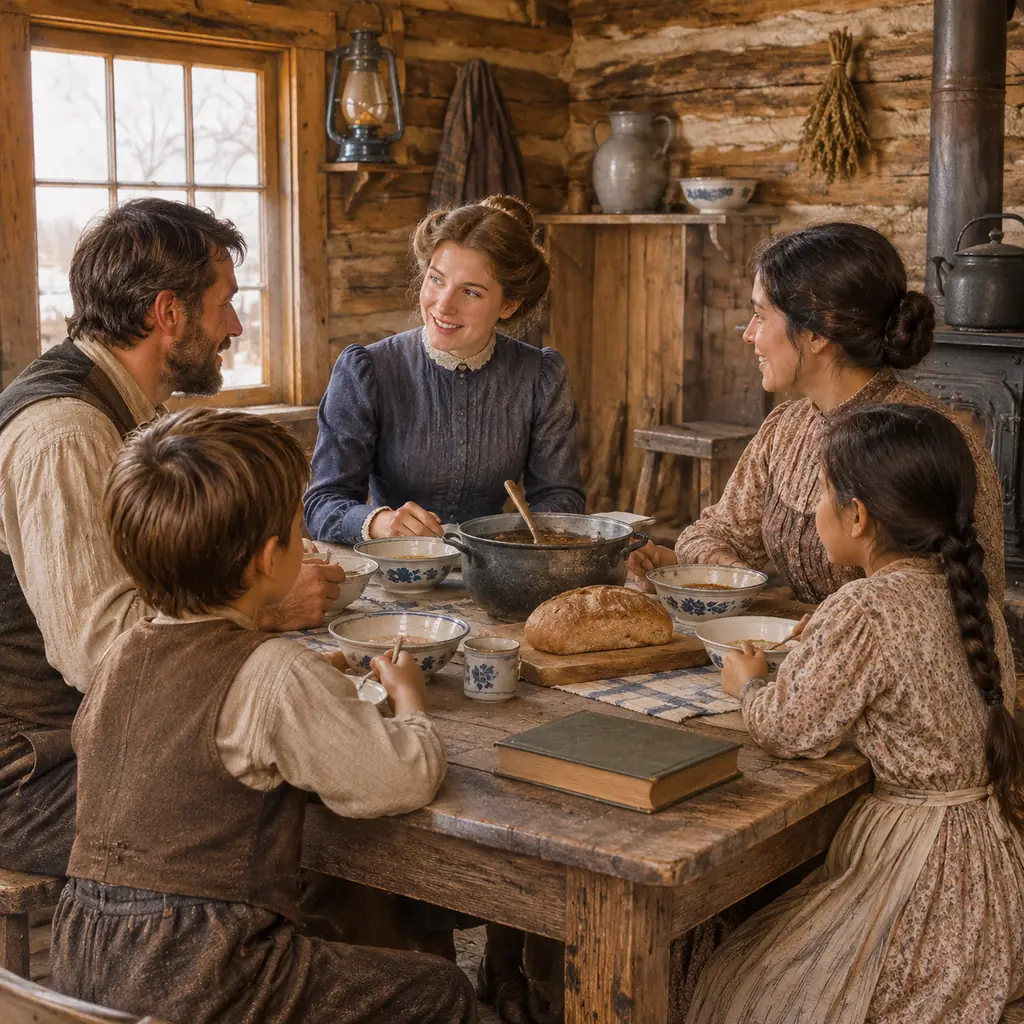
McDonald’s mother first taught the younger children at home. As more settlers arrived nearby, the county paid a teacher while parents supplied the school building and the teacher’s board without charge.
The arrangement put education partly inside family budgets and spare rooms. A public wage did not supply every part of the school day; local households still had to make the teacher’s presence possible.
Sources: National Park Service: Birdie McDonald’s Homesteading Narrative
The walls could be cut from the ground around the house
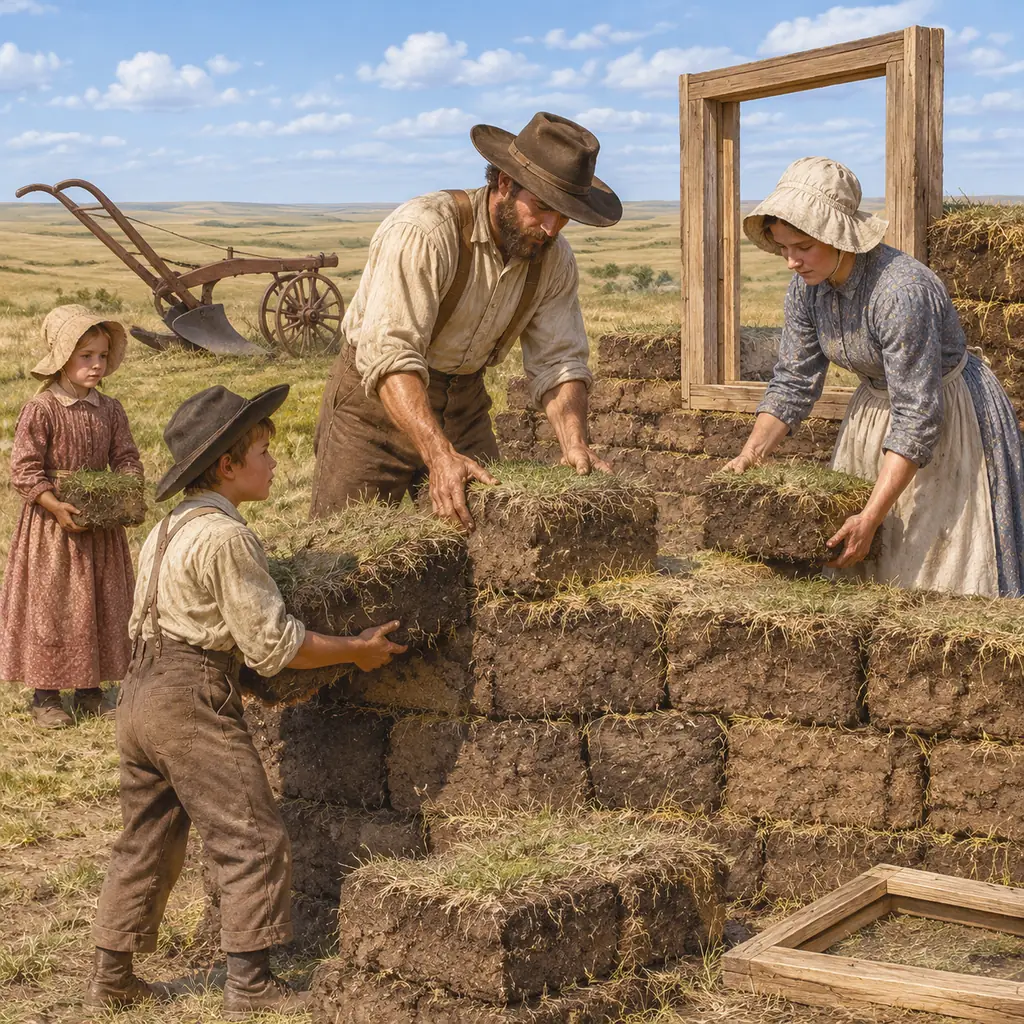
Rolf Johnson arrived in Nebraska with his family in 1876 and recorded the work of building a sod home. Strips of prairie were cut into heavy blocks and laid into walls about two feet thick.
The building material was already underfoot, but turning it into a house was dirty work. Johnson’s diary describes loose earth getting into his face and hair while he worked.
His account preserves a sixteen-by-twenty-one-foot interior, a board floor, and a cellar. It is one family’s construction record, not a plan followed by every settler.
Sources: Nebraska State Historical Society: Rolf Johnson’s 1876 Sod-House Account
Rain could follow the family through the roof
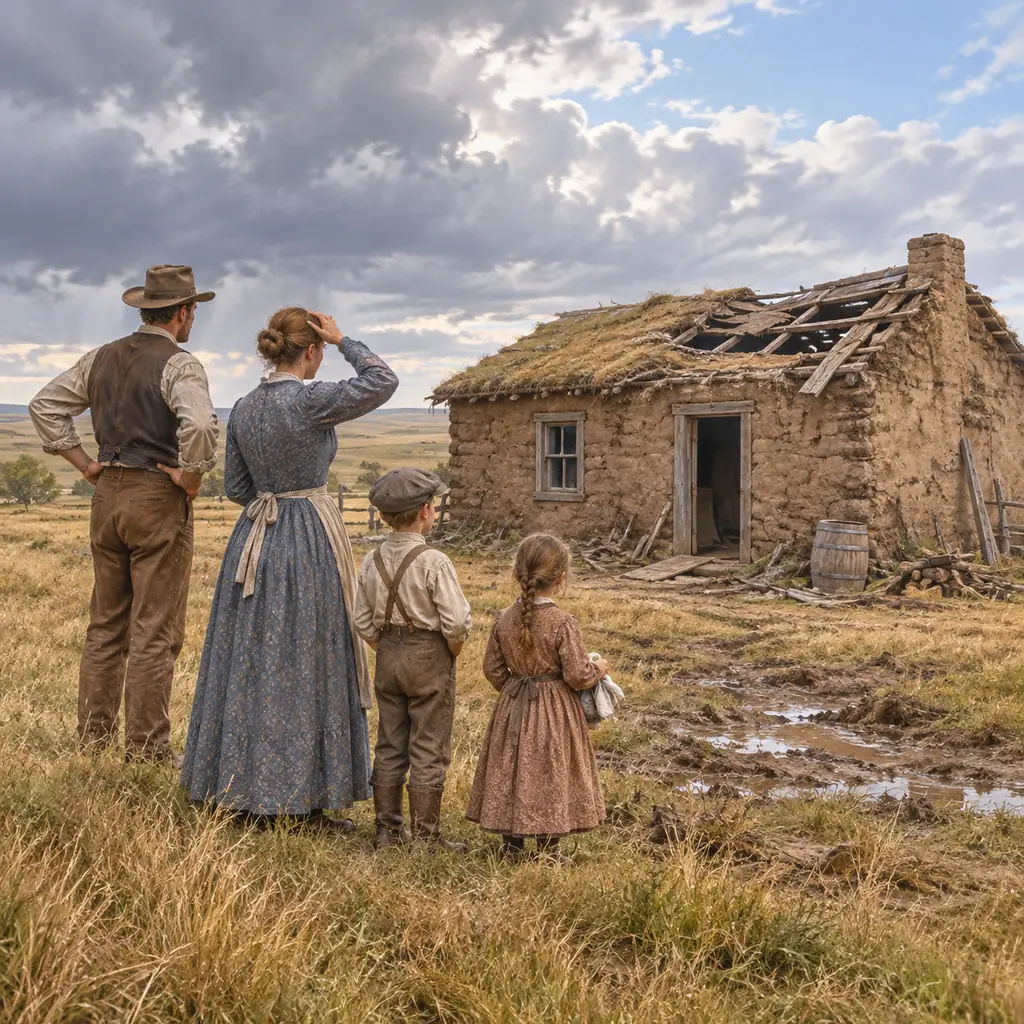
A famous 1887 photograph shows George Barnes and his children beside a collapsed sod house in Nebraska. Nebraska Studies explains that heavy rain had soaked and weighed down the roof.
The image records a particular failure, rather than the fate of every sod dwelling. Still, a roof made with earth required a family to live closely with the effects of rain and maintenance.
The shelter that kept out wind and cold could itself become vulnerable to water. Household security depended on the building as well as the weather outside it.
A window needed room for the house to settle
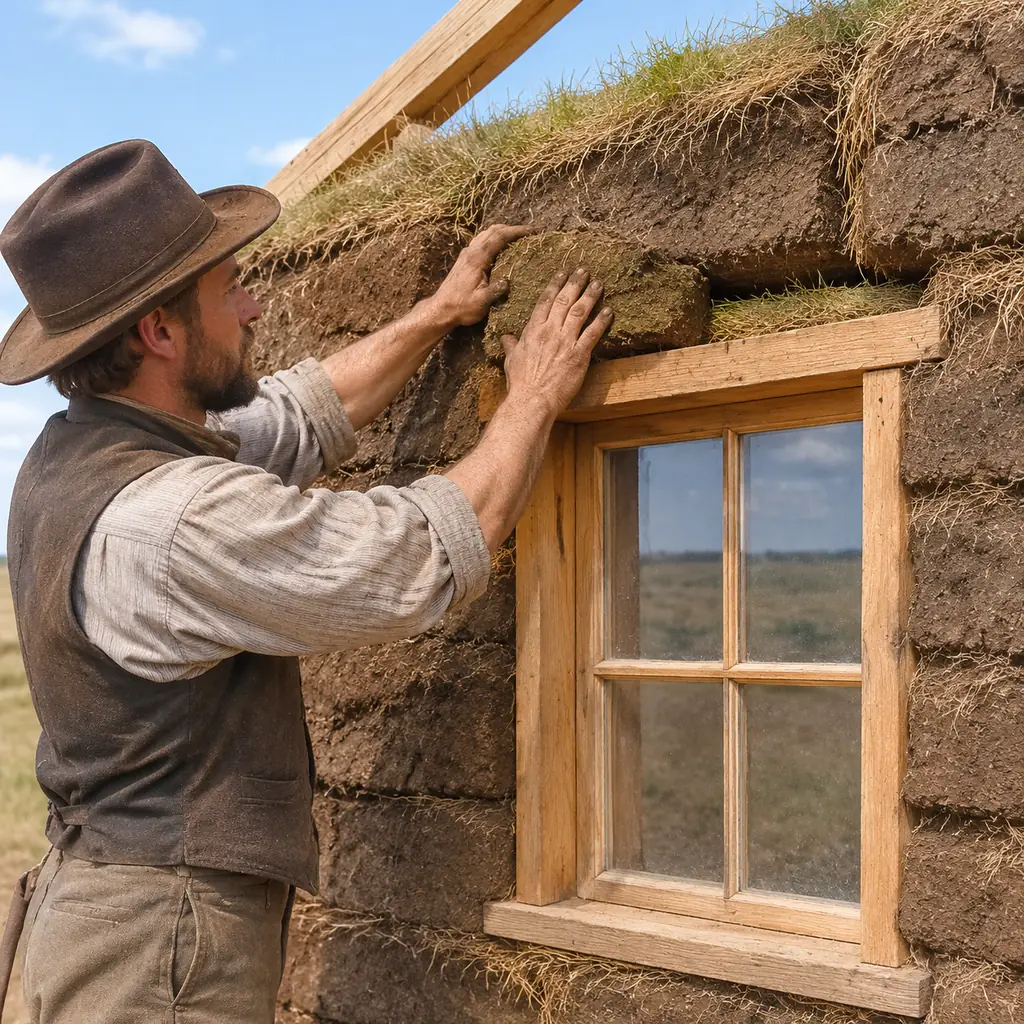
A wooden window frame could not simply be trapped tightly under fresh sod. Builders left a gap above the frame and filled it with rags or grass so the earth walls could settle without crushing the glass.
The small detail mattered to life inside. A window brought light into a thick-walled room, but the weight above it continued to shift after construction.
Nebraska Studies preserves this building method alongside period accounts. The finished opening concealed a practical accommodation between heavy earth, wooden supports, and fragile glass. Work and personal space took other forms in everyday colonial life.
A home could begin below the surface
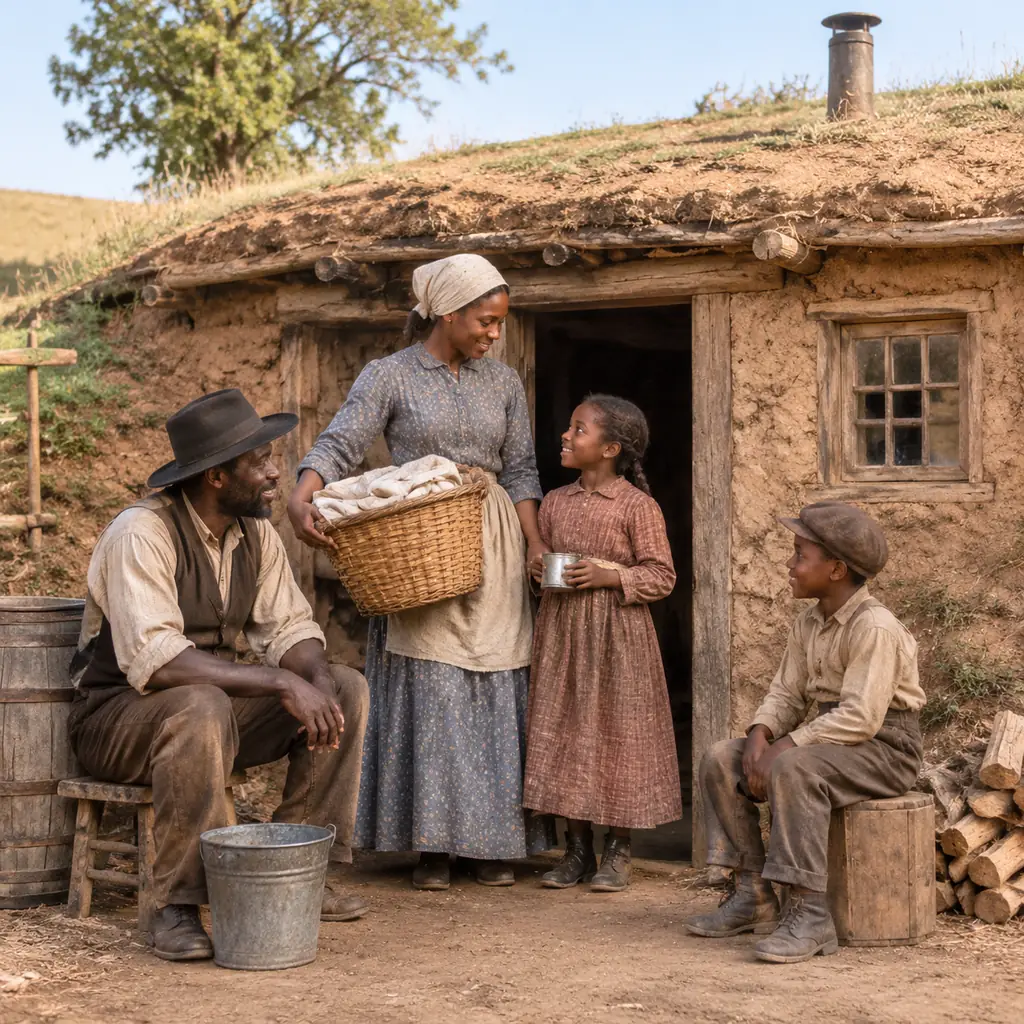
At the Thomas Johnson/Henry Williams farm near Nicodemus, Kansas, archaeologists found evidence of an early dwelling partly cut into the earth. They interpret it as a probable combination of dugout and sod-built home, with limestone, sod, and local branches among the building materials.
Historical evidence suggests construction around 1877, although its exact date is uncertain. The dwelling belongs to the wider history of Black farm families establishing homes around Nicodemus, where limited timber shaped the shelter they could build.
The remains reveal an actual household site. They do not mean every family in the community lived in an identical dugout.
Sources: National Park Service: Archeology at the Thomas Johnson/Henry Williams Farm
Food storage could require a separate space in the earth
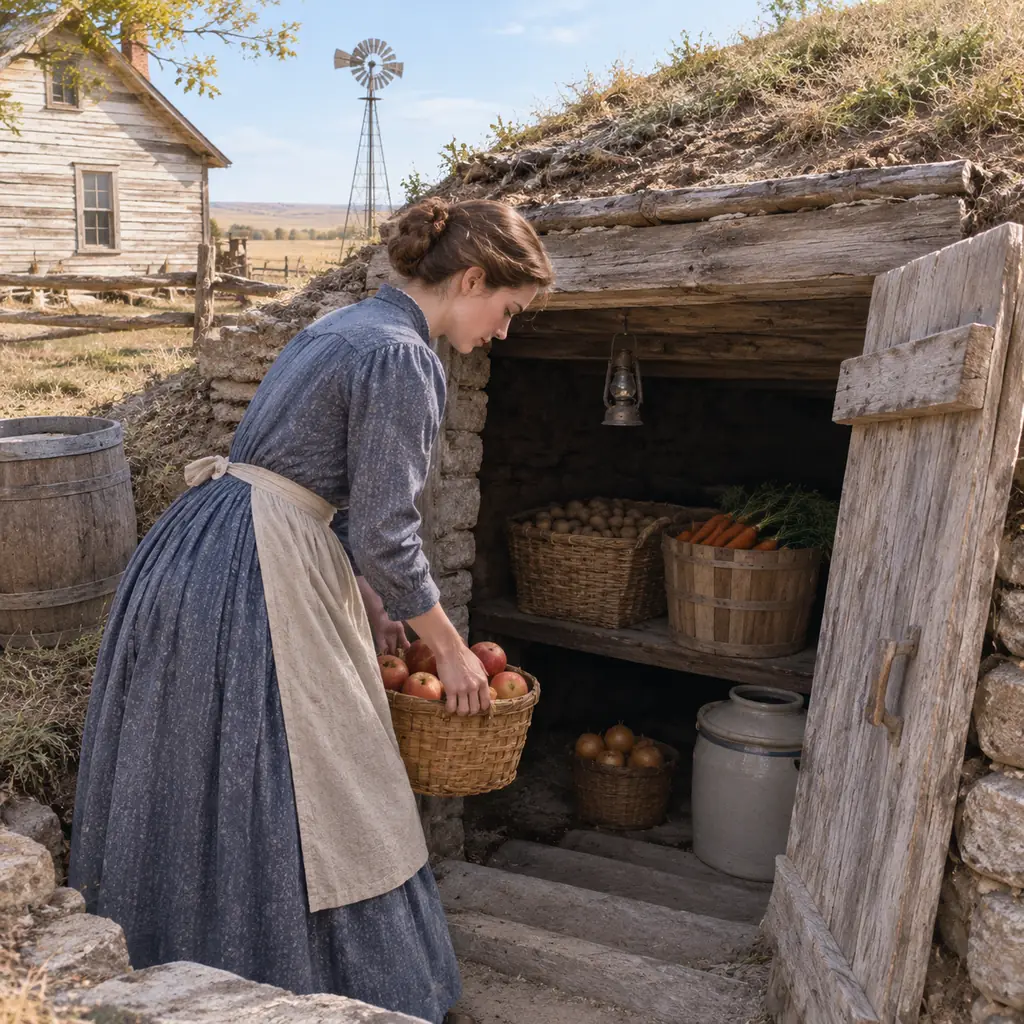
The same Kansas farm investigation identified a root-cellar feature as well as dwelling remains. The household’s working space therefore extended beyond the room where people slept or sat together.
An earthen storage area offered a different environment from the exposed surface. Its presence is a reminder that bringing food into a home was only part of keeping it usable.
Archaeology does not recover every meal or conversation. A cellar outline can nevertheless show a practical household job that a photograph of the family at its front door might miss. Urban households from a later period appear in family life during the 1890s.
Sources: National Park Service: Archeology at the Thomas Johnson/Henry Williams Farm
A windmill could change the household’s water supply
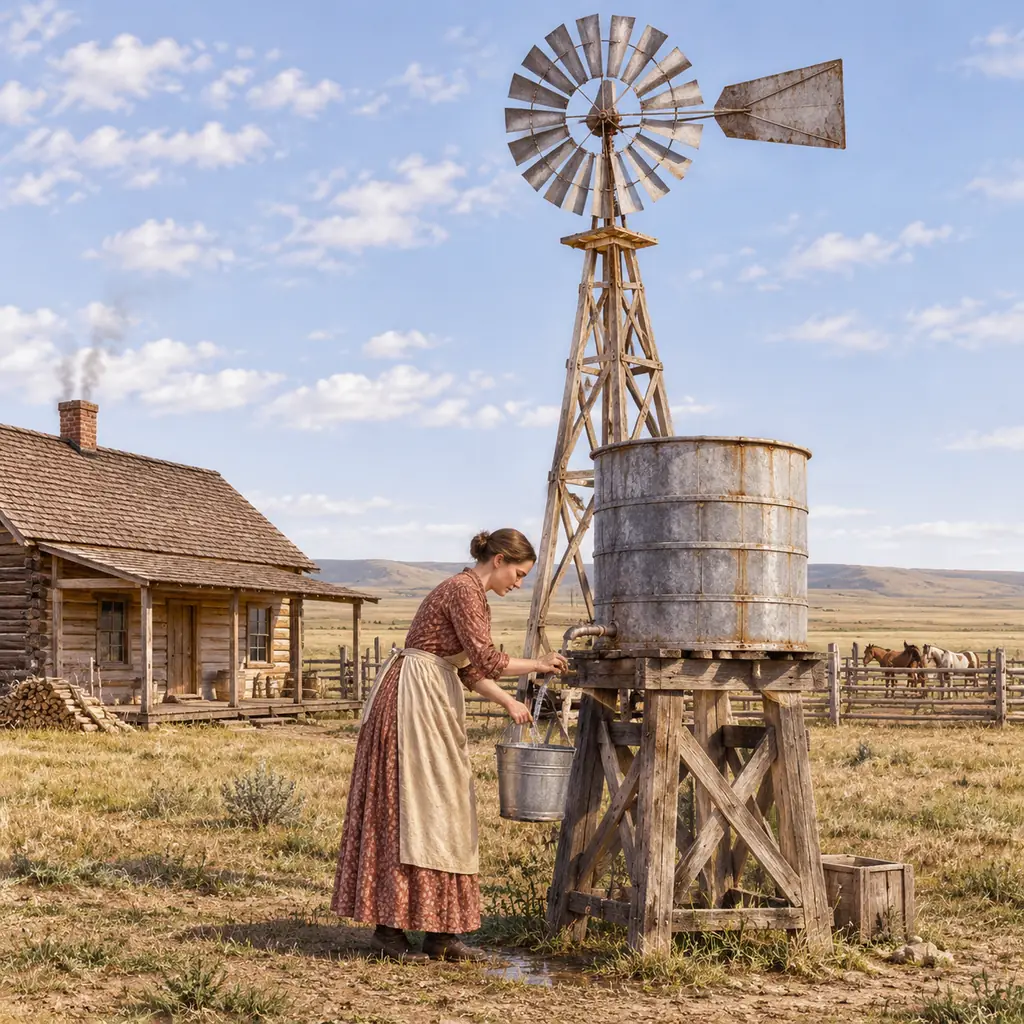
Water lay behind cooking, drinking, washing, and keeping animals alive. On parts of the Great Plains, hauling enough from a surface supply was difficult, while groundwater could lie deep below the farm.
American-style pumping windmills helped families draw water from wells. The National Park Service describes their growing importance to homesteaders, farmers, and ranchers during the later nineteenth century.
The windmill was therefore more than a shape on the skyline. Where a family could obtain one and a suitable well, it changed a task that otherwise involved repeated hauling and careful limits.
Sources: National Park Service: Windmills on the American Plains
A quilt could stand in for a wall
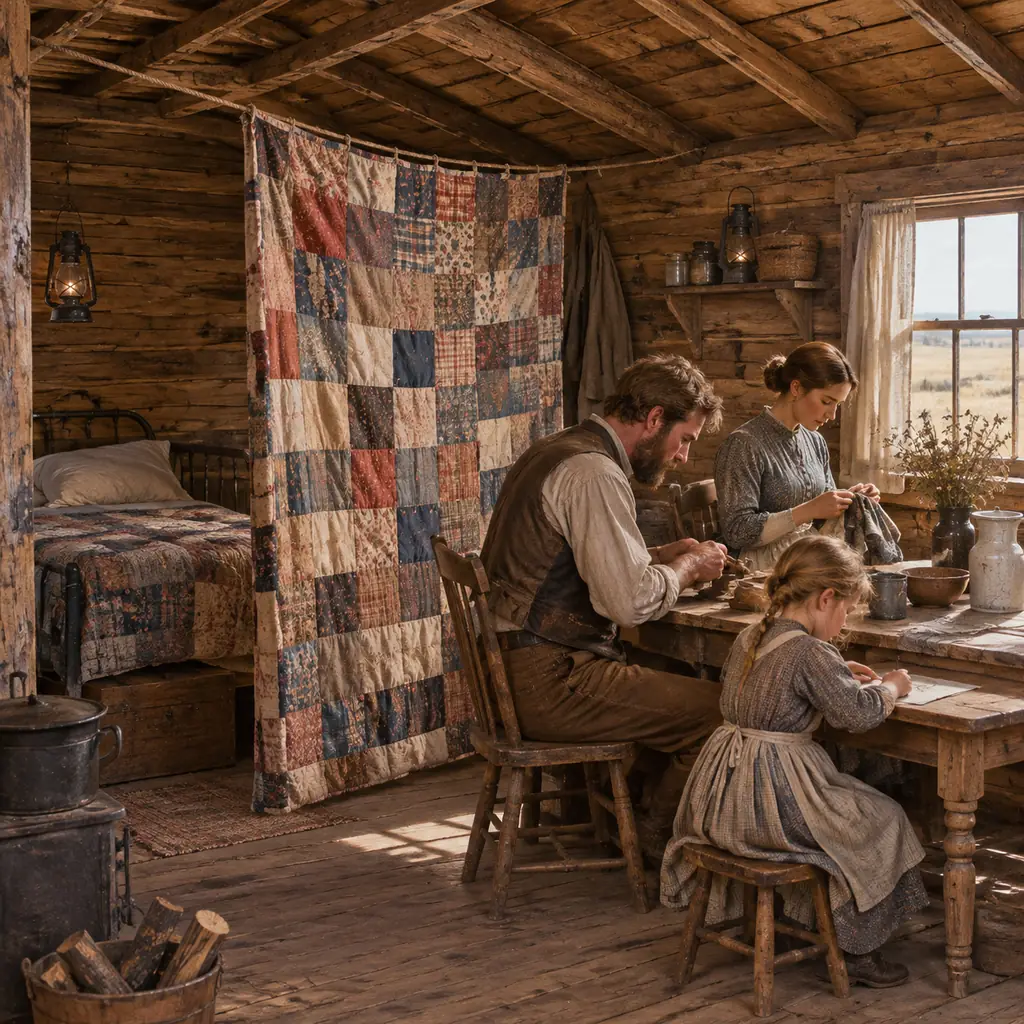
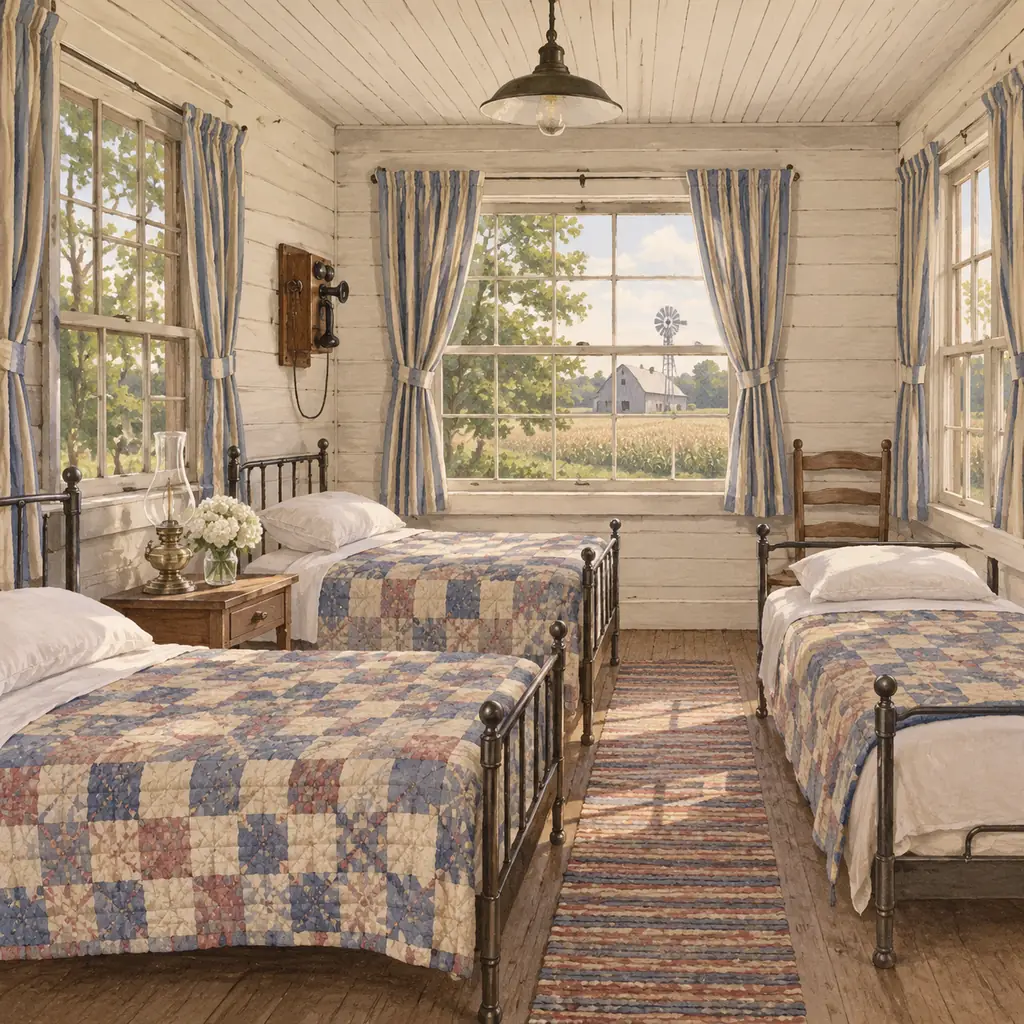
A quilt did not always stay on a bed. Homestead National Historical Park describes quilts used as door and window coverings and as partitions for sleeping areas in one-room homes.
A hanging layer of cloth offered some separation without creating another room. The same practical object could provide warmth at night and divide family space at another time.
This was an improvised form of privacy, not the equivalent of a soundproof wall. It shows why a household’s sewing could shape how people used the whole building. Homes also served as workplaces in these accounts of the 1910s.
Sources: Homestead National Historical Park: Quilt Discovery Experience
Bedding could carry the names of people left behind
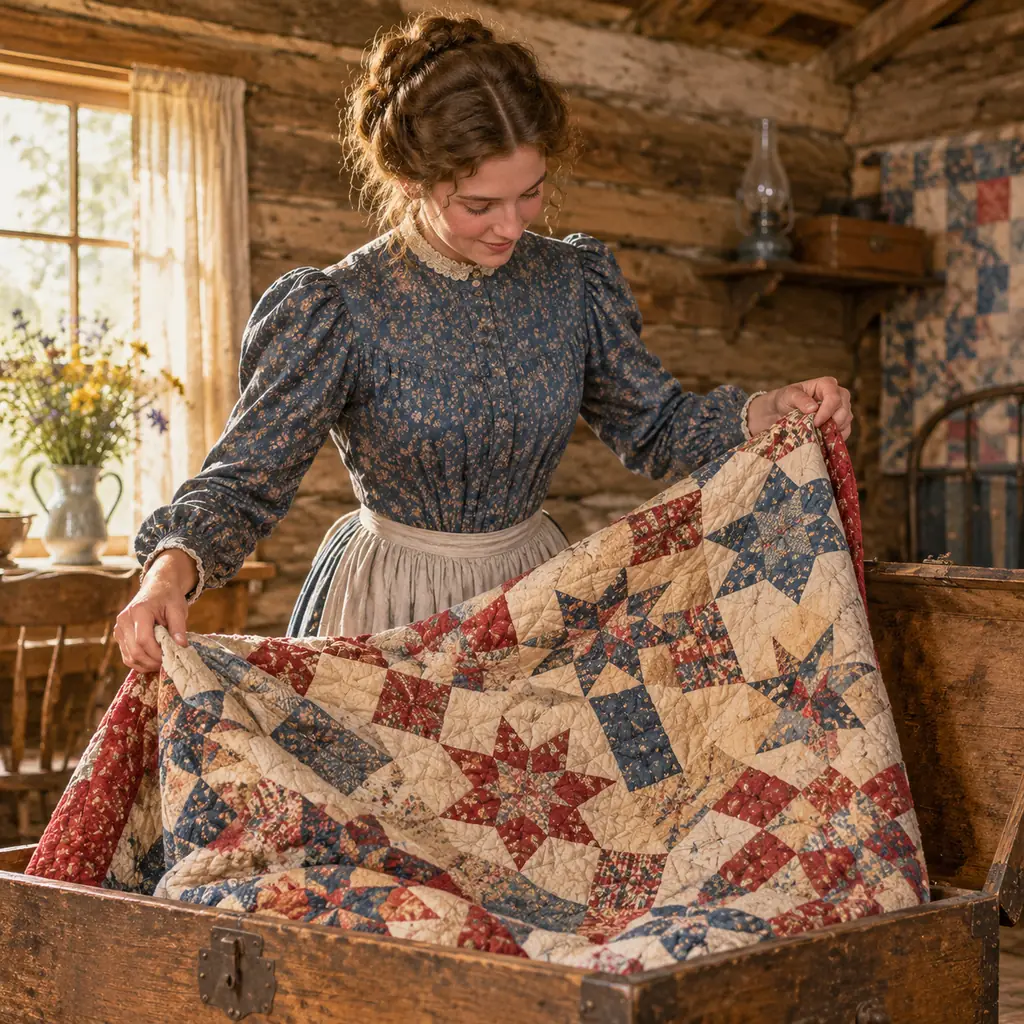
Friendship quilts could be made by a group before someone moved west. Relatives or friends contributed blocks, sometimes with their names stitched into the cloth.
The National Park Service’s quilt history describes the comfort these objects could provide after a move. Bedding answered a physical need while also preserving a connection with people now far away.
Not every family owned such a quilt. Where one traveled in a trunk or covered a bed, the fabric carried a more personal history than a newly bought household object. The rules affecting women’s property and work belong to the wider history of everyday choices women fought for.
Sources: Homestead National Historical Park: Quilt Discovery Experience
The first school could meet inside someone’s home
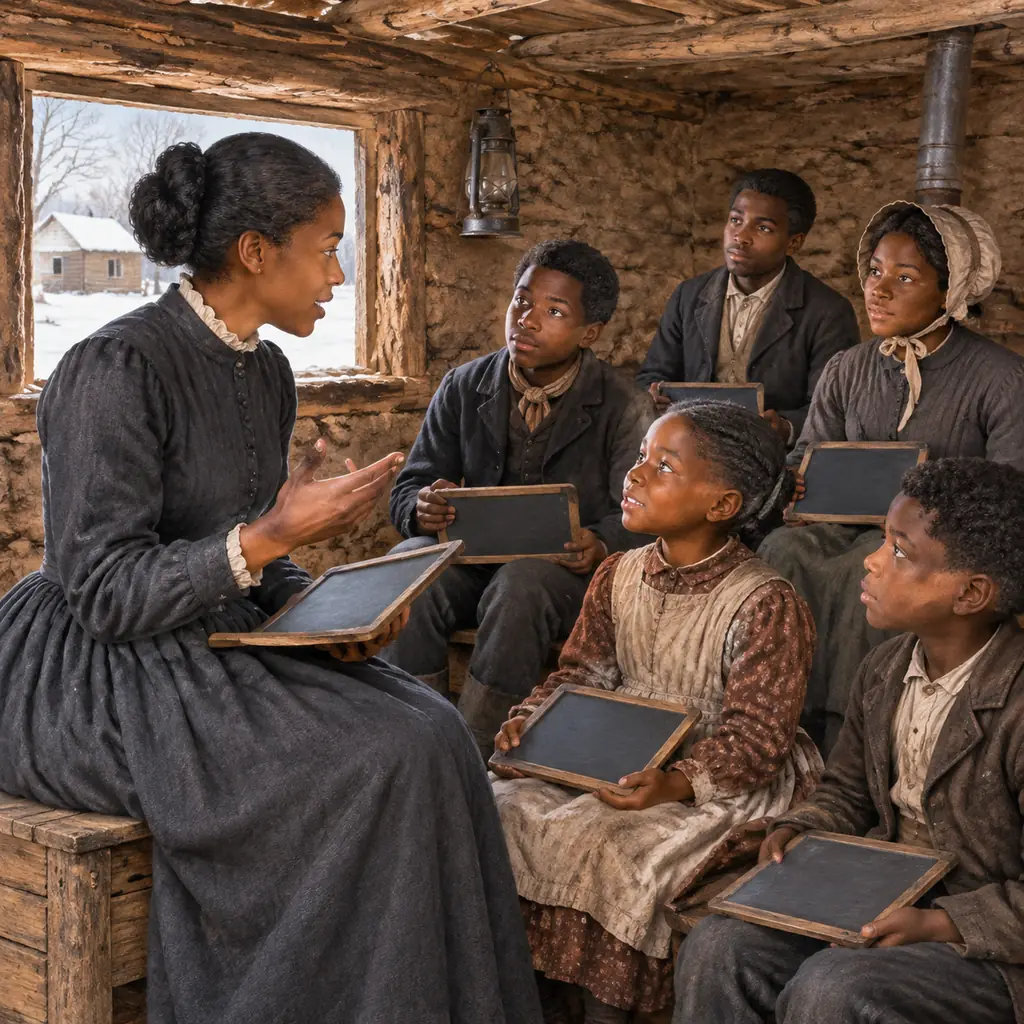
Nicodemus’s first unofficial school began in the winter of 1877–1878 in Jenny and Zach Fletcher’s dugout. About fifteen students attended, including adults as well as children.
For settlers who had lived under slavery and restrictions on education, learning was part of building a different future. A dedicated school building was not required before lessons could begin.
The National Park Service traces the later move toward a school district and a permanent building. The first classroom was already woven into a household’s limited space.
Sources: National Park Service: School District Number 1, Nicodemus
A community celebration could keep families connected
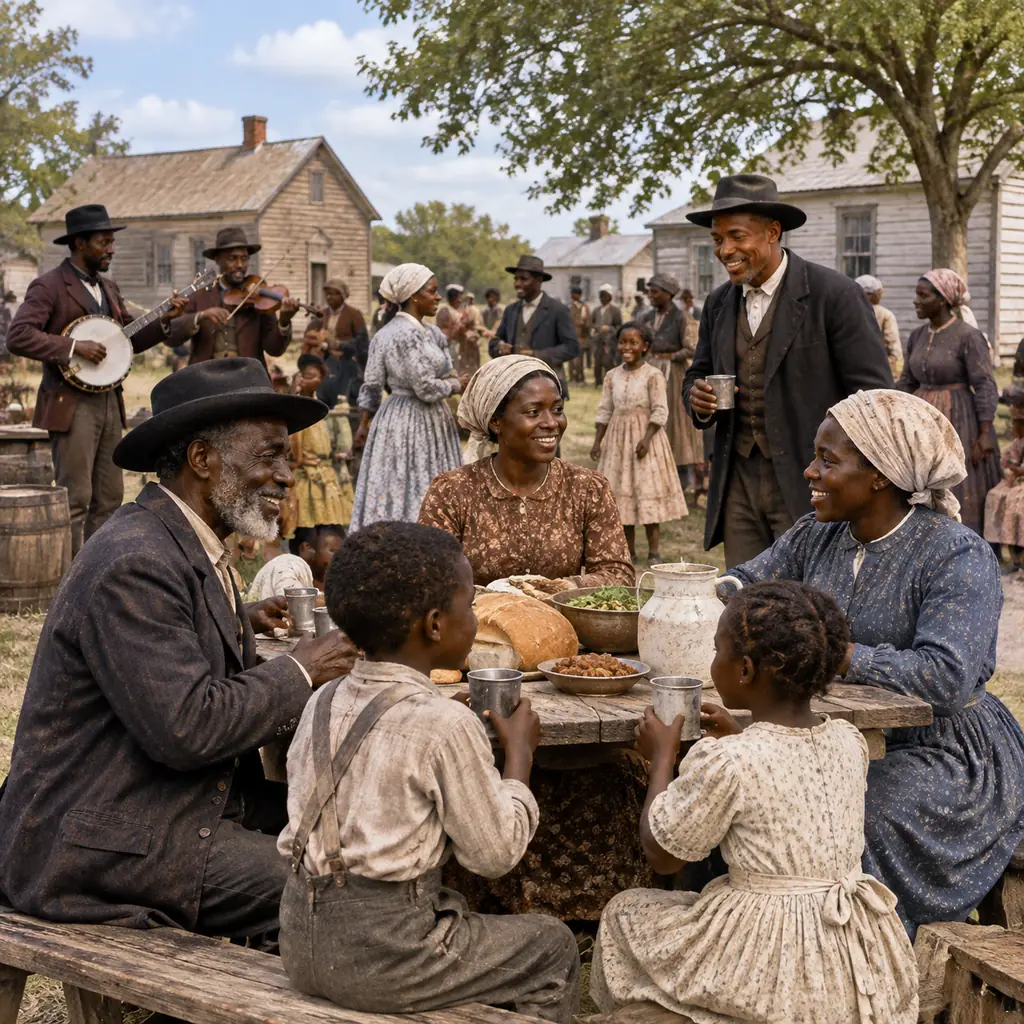
Nicodemus grew beyond a scattered collection of claims. By 1879, it had a general store, hotel, churches, post office, and other businesses that connected farming households to a town.
Emancipation Day became a major community event, with speeches, music, games, and food. The celebration, now known as Homecoming, continues as part of the town’s history.
Family survival involved more than solving chores alone. Shared institutions and occasions helped people maintain connections, celebrate freedom, and raise children within a community they were working to sustain. Another set of constraints appears in wartime American households.
Keeping a claim meant making a household there
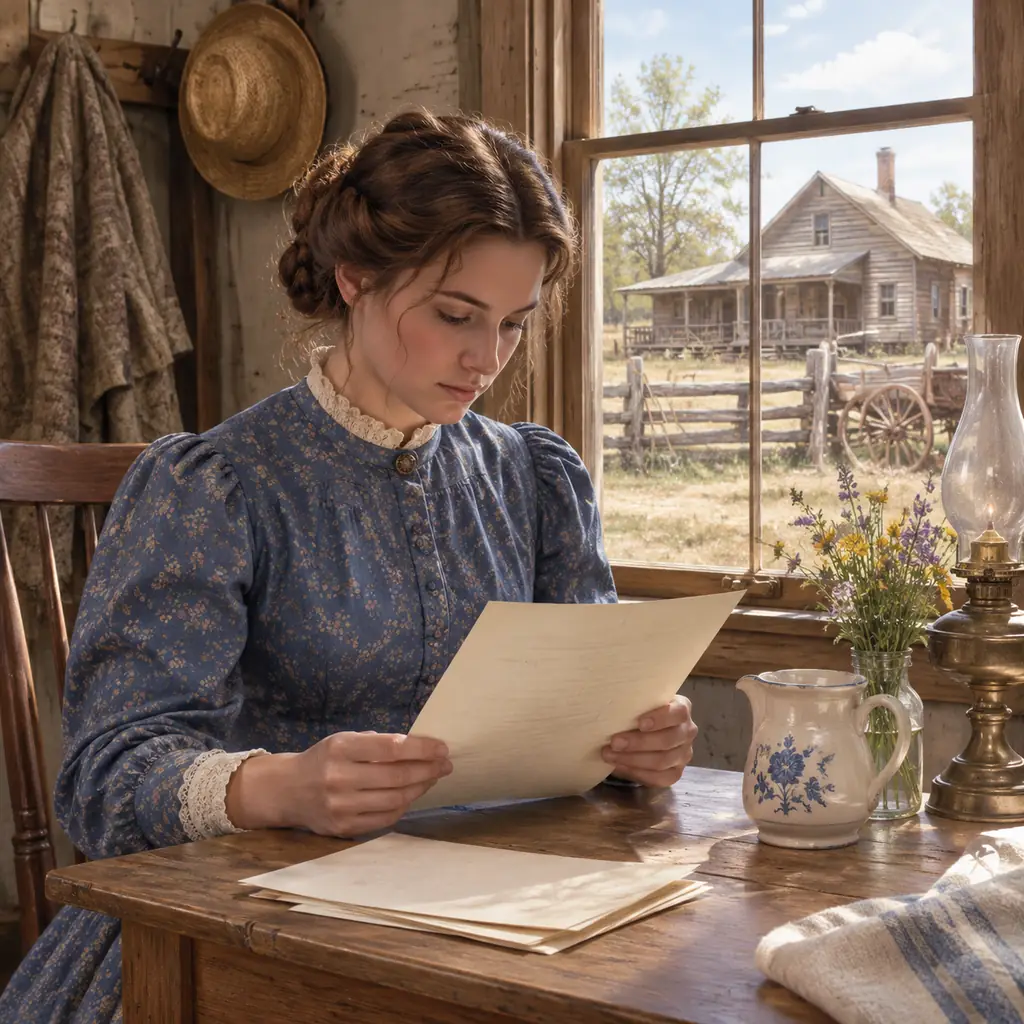
Under the original 1862 Homestead Act, a claimant generally had to live on and improve the land for five years before receiving title. Filing a claim was therefore the beginning of an extended commitment, rather than the arrival of an unconditional gift.
Eligible claimants could include women as well as men. The household needed shelter, work, and enough resources to remain through uncertain seasons.
Later laws changed acreage and requirements. A family’s experience depended on when and where it settled, and on whether its plans could survive the conditions of the actual land.
Sources: National Park Service: Homesteading in the Badlands
The land was already part of other families’ world
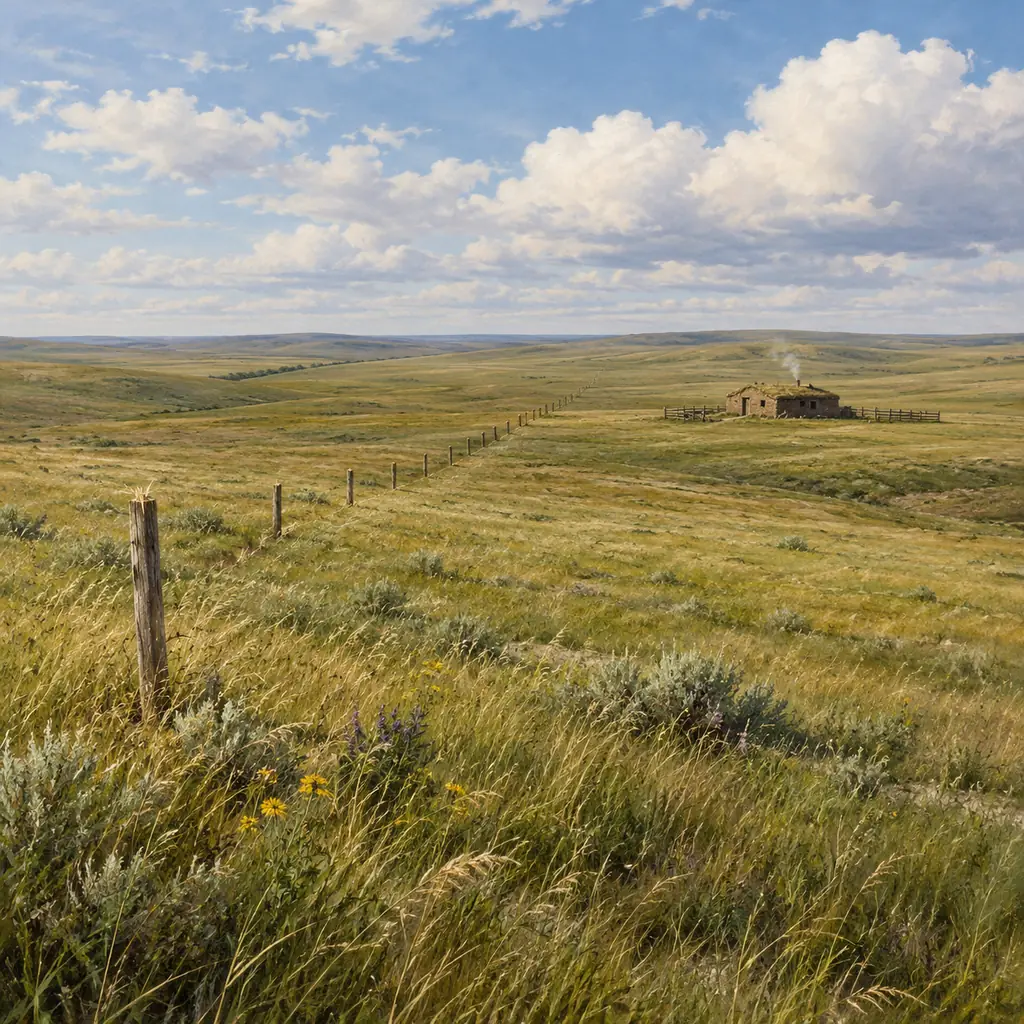
The acreage offered to settlers had not been empty of people or meaning. Great Plains Native nations already depended on these places, and federal settlement policies took land from them.
The National Park Service’s Badlands account connects homesteading with Native dispossession and the division of Native lands under the Dawes Act. A settler’s chance to build a household could rest on the loss imposed on another community.
That history belongs beside the sod walls, schoolbooks, and family quilts. Describing the settlers’ hard work does not make the transfer of land fair or erase the people who were already there. The familiar image of a much later family home has its own gaps, explored in the private side of the 1950s.
Sources: National Park Service: Homesteading in the Badlands