A backyard fruit crop could turn into a pie, a jar of jelly, or something eaten before it reached the kitchen. These trees, canes, and bushes belonged to different American climates and family traditions, rather than one garden that everyone had.
1. Apple trees
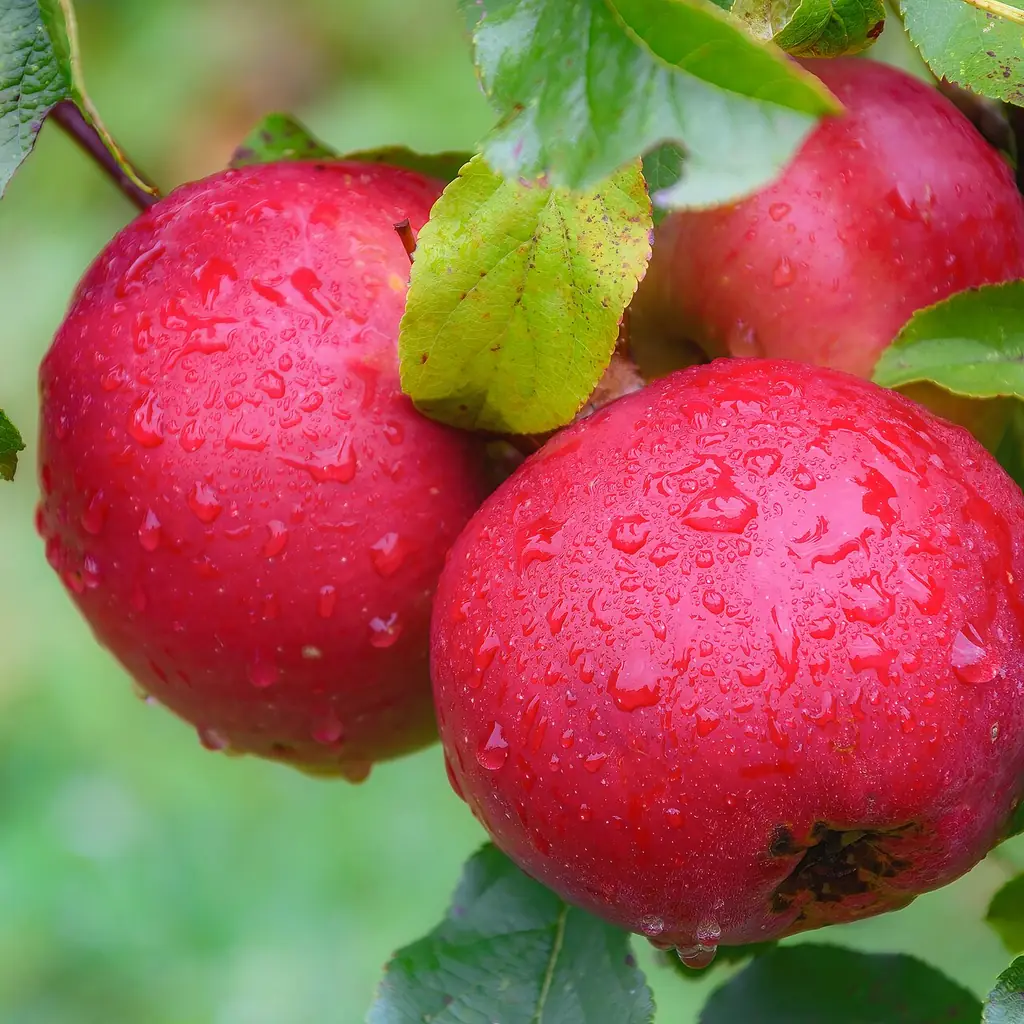
One established apple tree could become a familiar feature of the yard long before anyone remembered its variety. Some apples suited eating fresh; others performed better in a pie or sauce.
The harvest could arrive in a rush, leaving more fruit than a family wanted immediately.
Historic home-gardening books devoted considerable attention to choosing varieties, a reminder that an apple tree was a practical investment as well as shade.
2. Crabapples
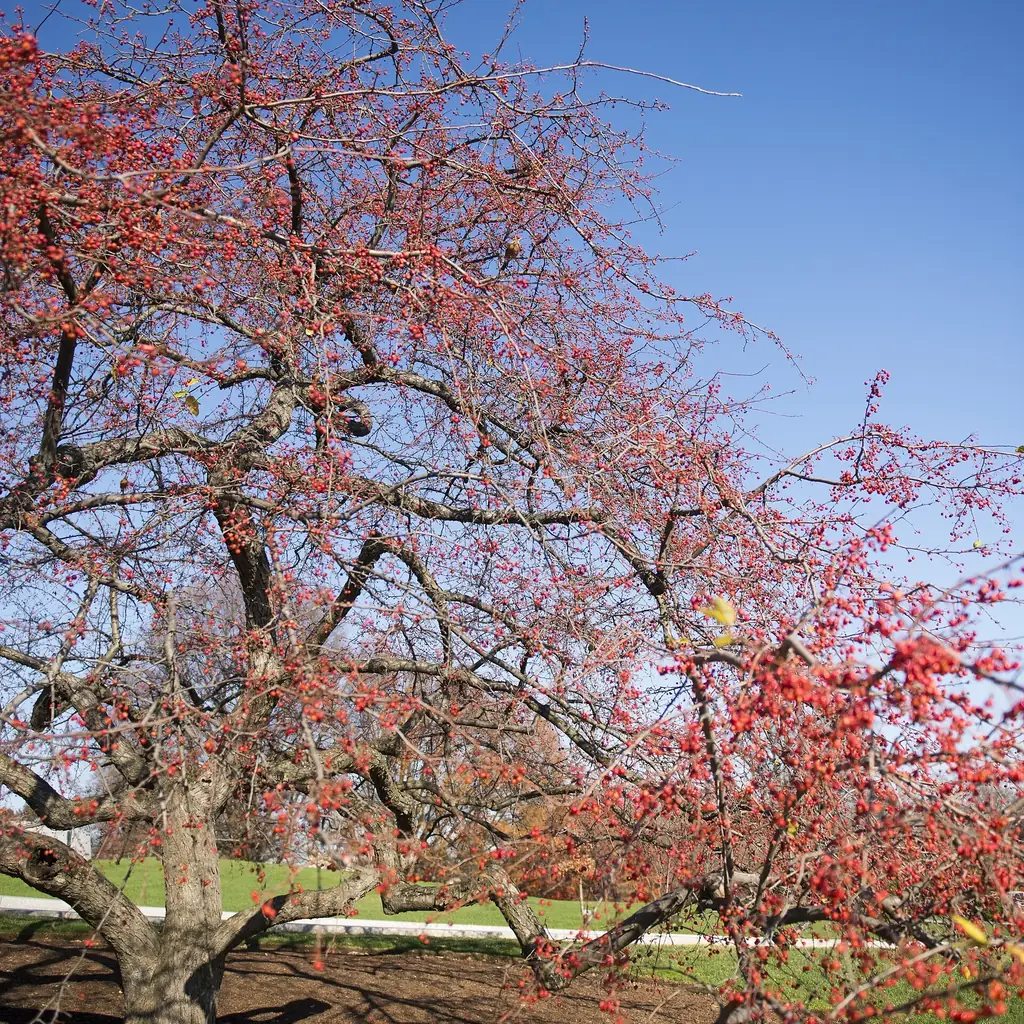
Small crabapples could look unpromising beside a large eating apple. Their tart flavor made more sense in jelly or another cooked preparation.
Fruit color and quality differed among trees. An ornamental crabapple was not automatically the same as a variety chosen for kitchen use.
The little fruits rewarded patience at harvest time, especially when a family valued a clear jelly more than a large bowl of raw fruit.
3. Pear trees
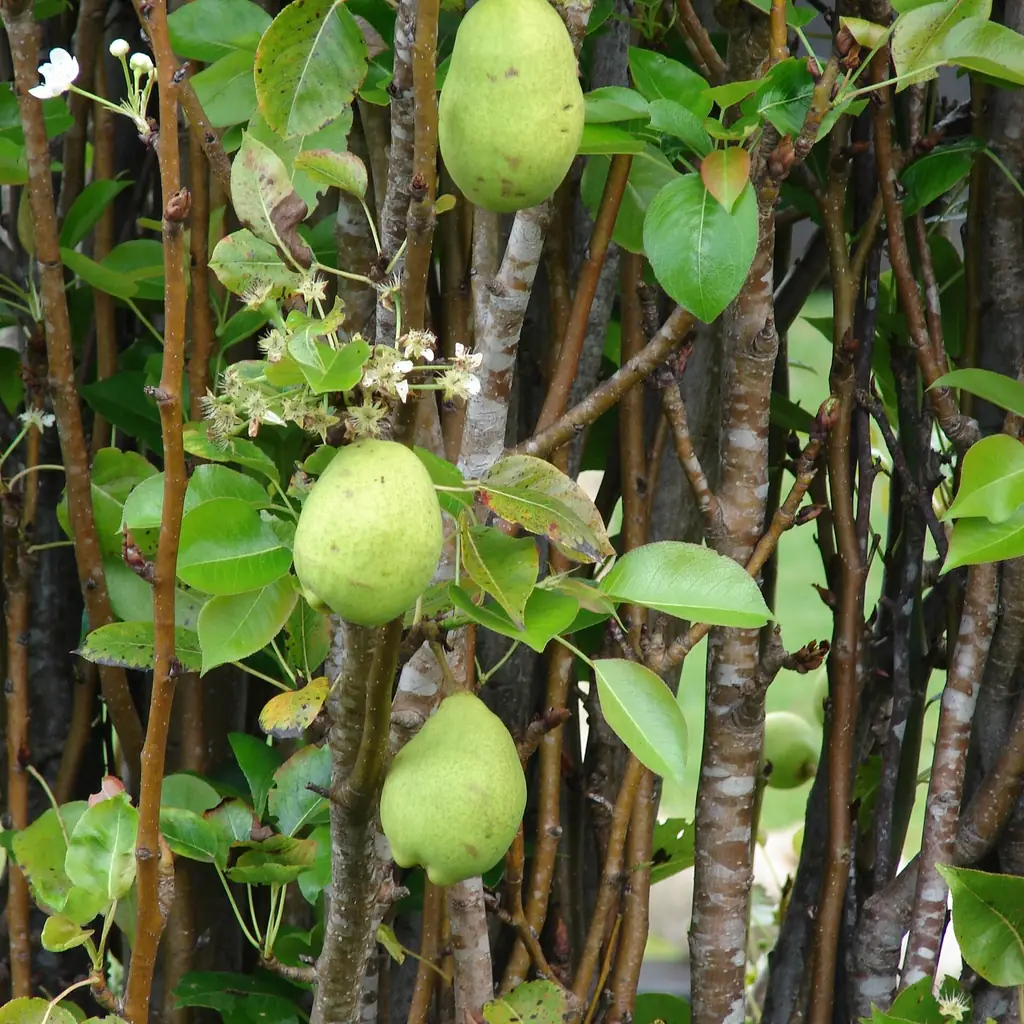
A pear tree could supply fruit that needed watching carefully after harvest. Many familiar European pears develop their best eating quality after they are picked and allowed to ripen.
A hard pear and a ready-to-eat one offered very different experiences. The variety affected both timing and use.
The tree's long life could outlast several changes to the house and garden around it.
4. Quince
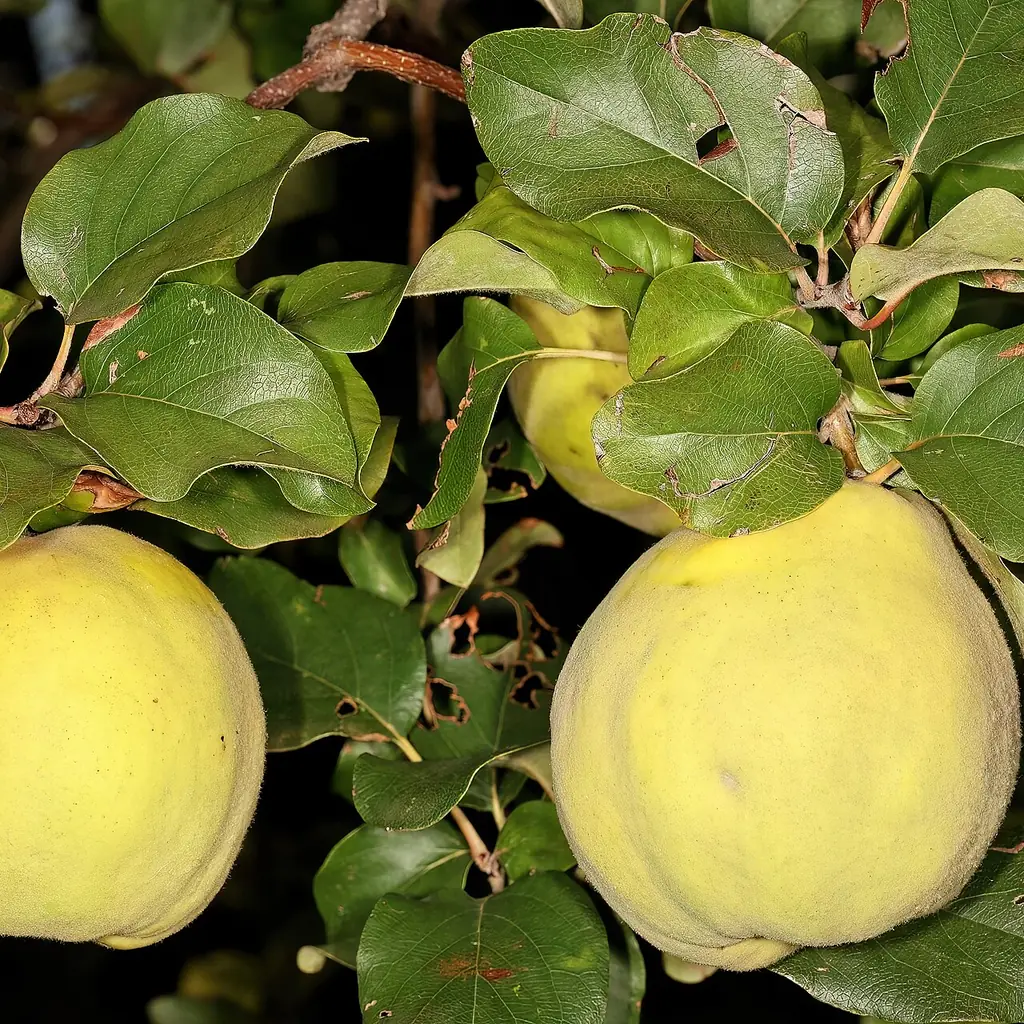
Quince looked close enough to an apple or pear to invite the wrong expectation. Many familiar varieties were valued for their fragrance and cooked use rather than easy raw eating.
Jelly and preserves gave the firm fruit a more suitable role.
A small amount could also flavor another fruit preparation. Its presence in an older yard reflected a kitchen that expected to do something with the harvest.
5. Peach trees
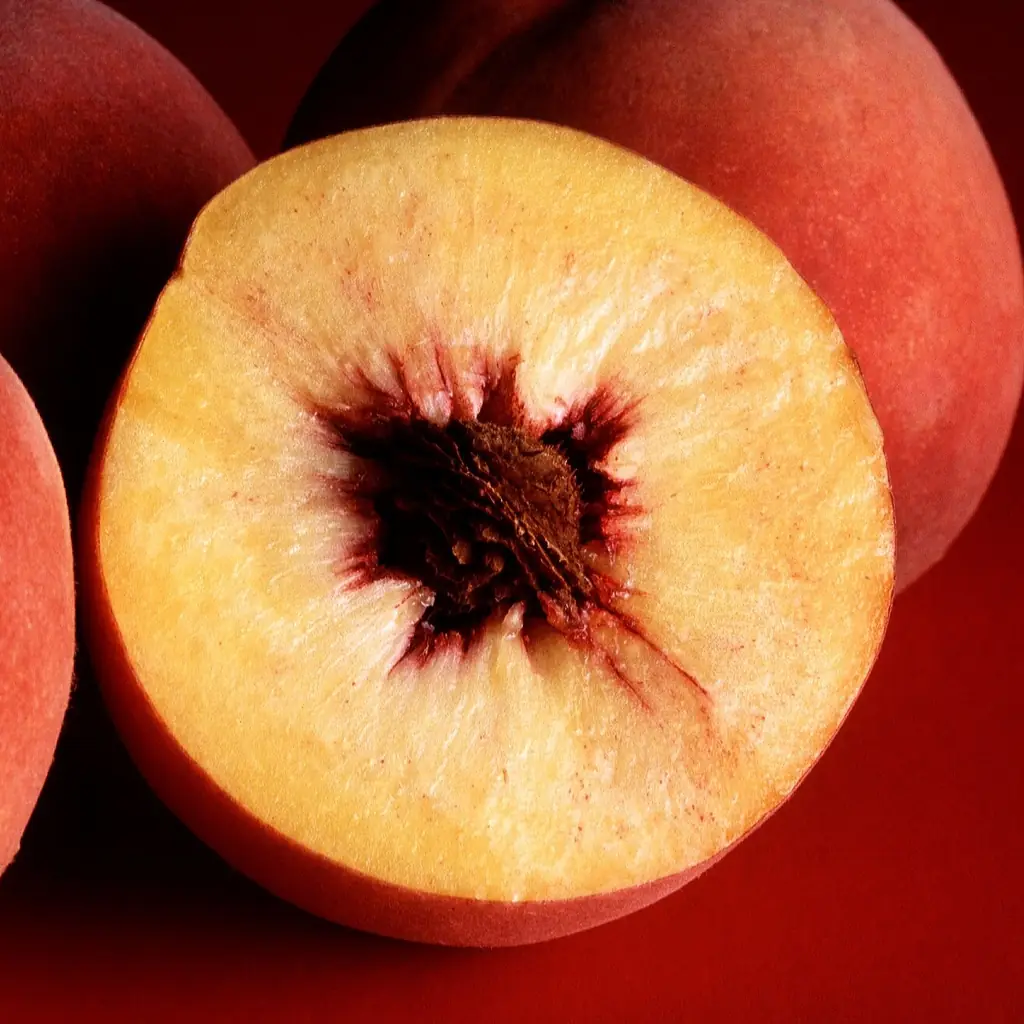
A ripe peach offered a reward that did not keep well once it reached its best texture. That short window helped turn a good crop into a busy preserving day.
The tree also required a climate and care that suited it. A successful peach tree in one region was not a promise for another.
Home gardeners chose varieties partly to control when that brief, fragrant harvest arrived.
6. Apricot trees
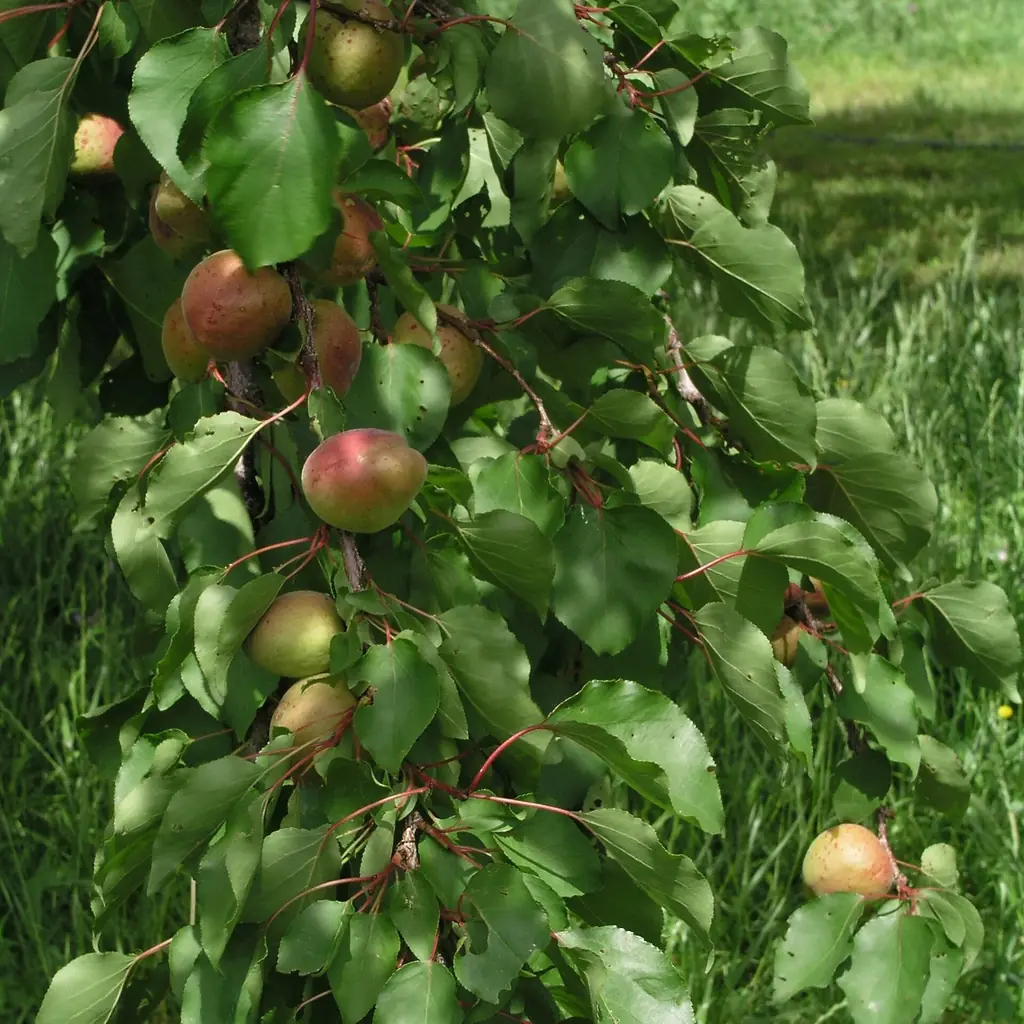
Apricots supplied small golden fruit for fresh eating and preserves. Their early flowering could make the crop vulnerable when cold weather returned after a mild spell.
That uncertainty was part of keeping the tree. A season full of blossom did not always become a season full of fruit.
Historic fruit books treated site and climate as practical questions, rather than assuming every attractive tree belonged in every backyard.
7. Plum trees
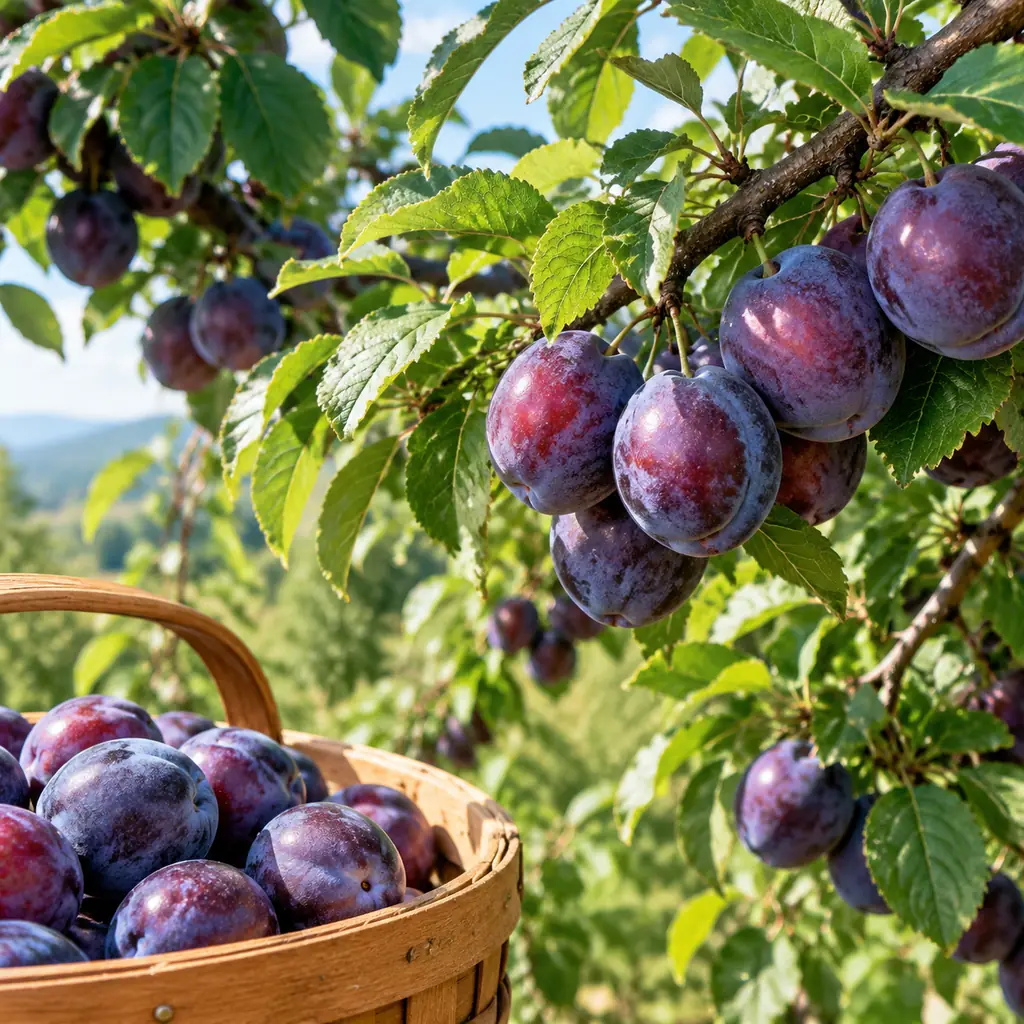
Plums ranged widely in size, color, sweetness, and season. A tree could be remembered for jam-making even when nobody in the family agreed on its exact name.
The skin and flesh could taste quite different, especially in a tart variety.
Cooked fruit found its way into desserts alongside the ingredients and tins on Grandma's pantry shelf, linking a summer crop with later meals.
8. Sour cherries
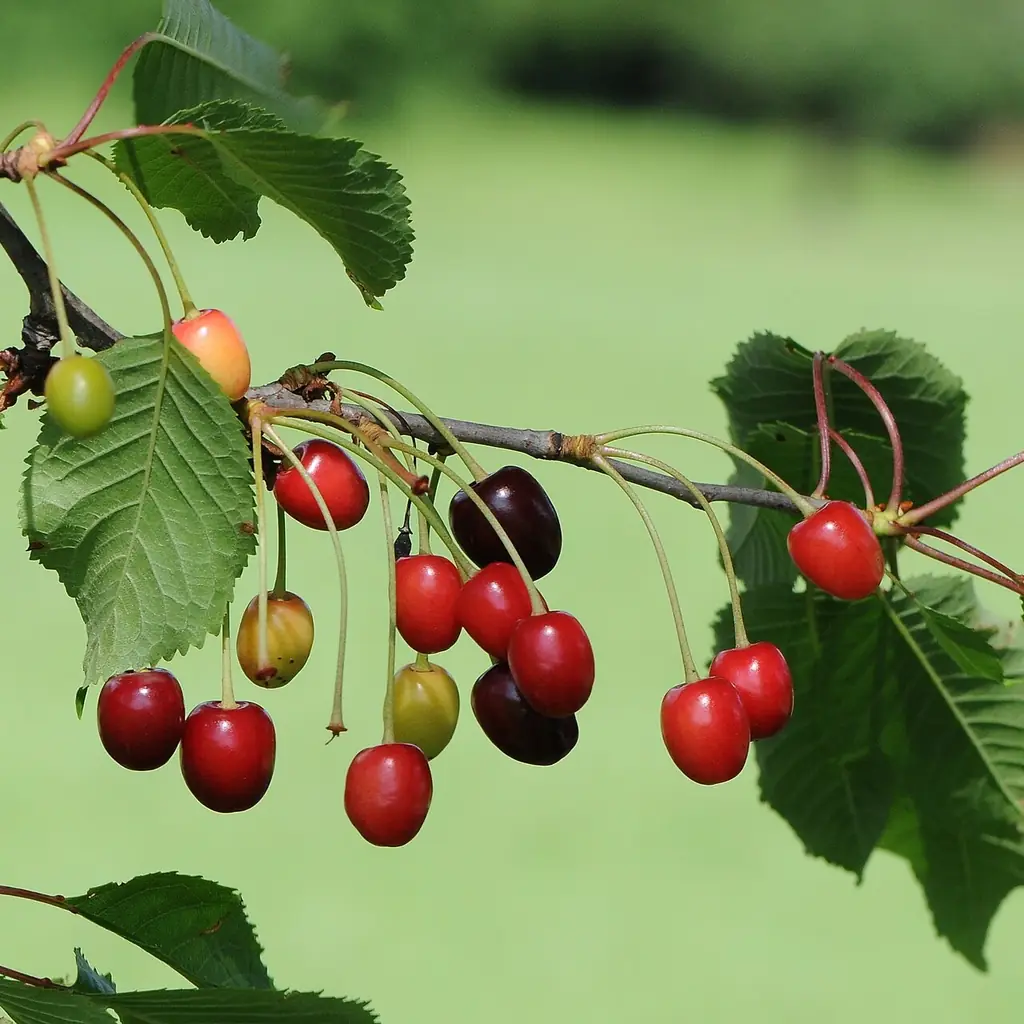
Sour cherries earned their place through pies, preserves, and other cooking. Their sharp flavor was useful rather than a defect to judge against a sweet cherry.
The harvest still needed pitting, a repetitive job that helped explain the dedicated tool.
A bowl of prepared cherries made more sense beside the equipment described in older kitchen drawers than as a crop that arrived ready for a pie.
9. Sweet cherries
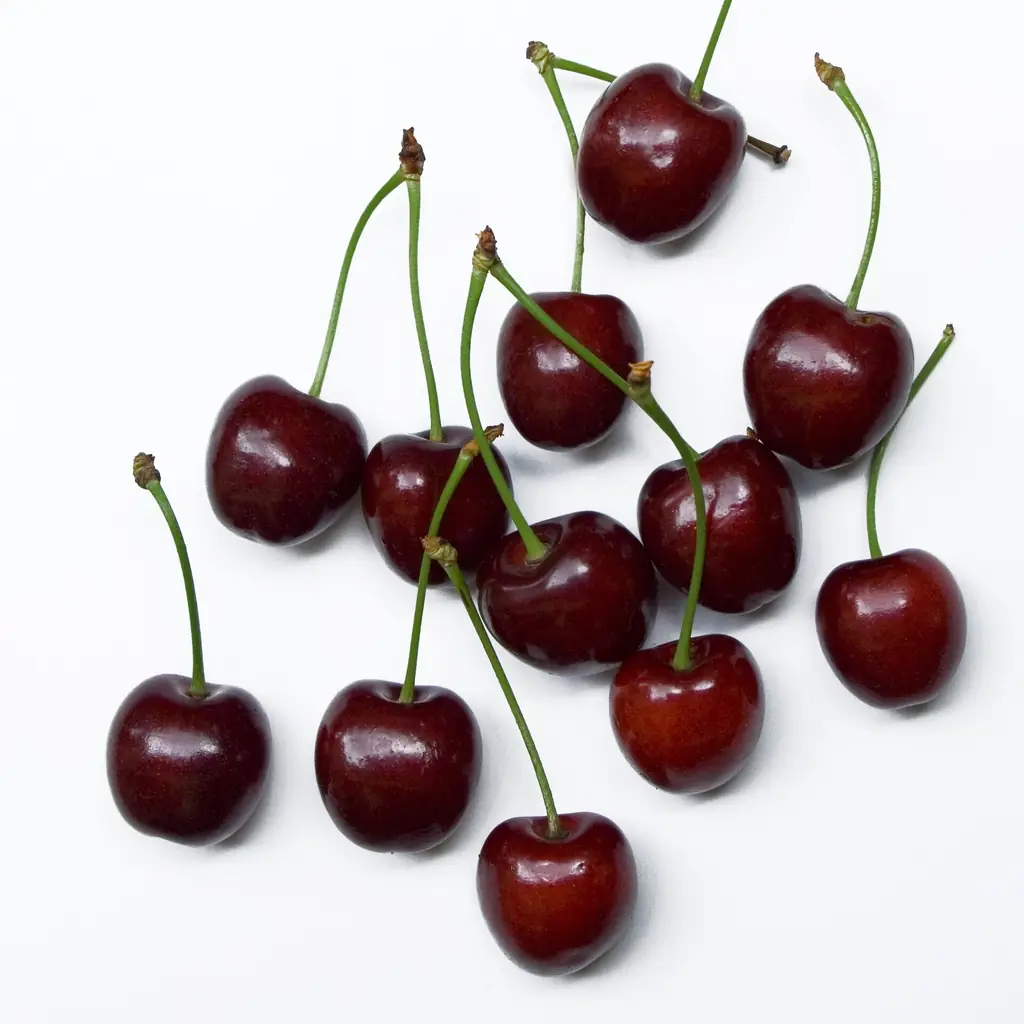
Sweet cherries could disappear from a bowl without much preparation beyond washing and removing pits. A backyard tree also attracted birds that noticed ripeness quickly.
Different varieties needed suitable pollination and climate conditions. The fruit's appeal did not make the tree effortless.
That competition at harvest time was part of the difference between buying cherries at a store and waiting for a crop outside the house.
10. Mulberry trees
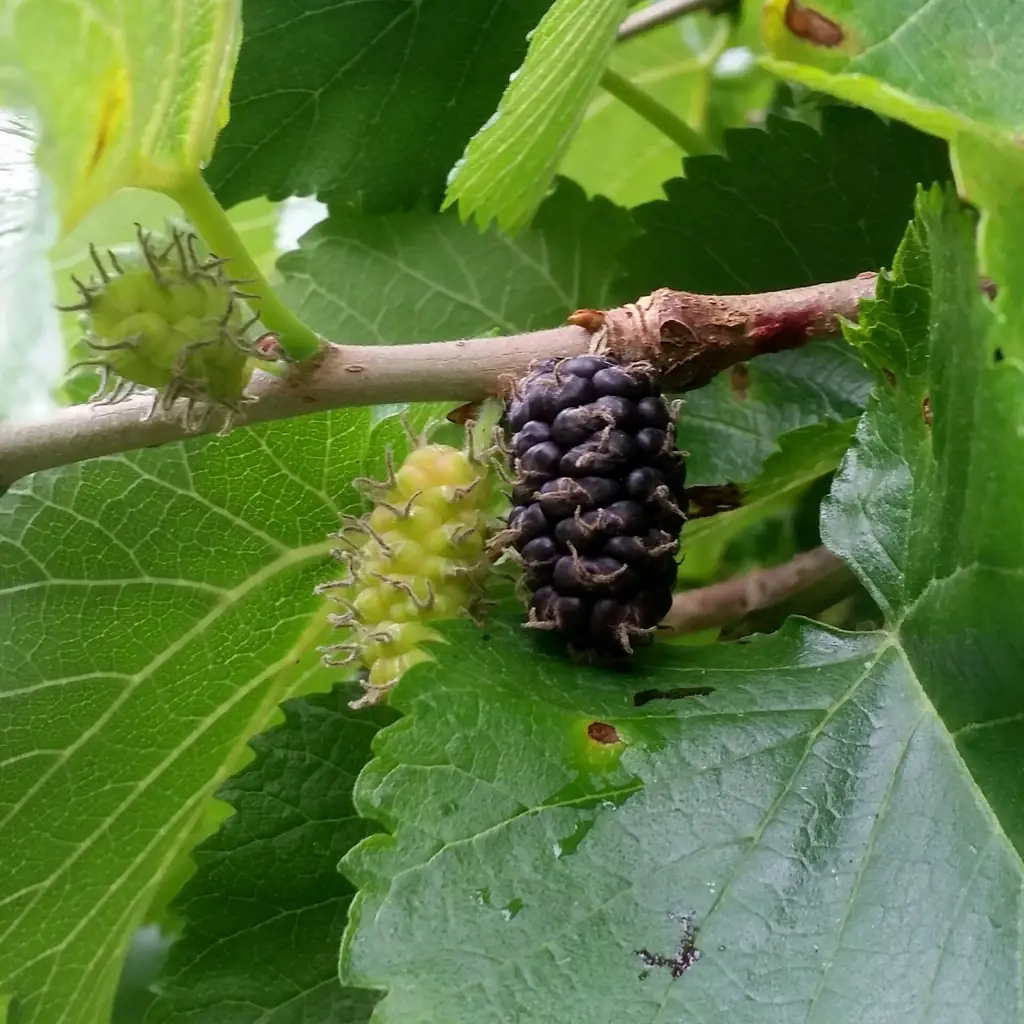
Ripe mulberries could leave a very visible trail on fingers and pavement. The soft fruit bruised easily, making a nearby tree especially useful for immediate eating or processing.
Species and varieties differed, so leaf and fruit identification mattered.
The crop could become preserves, though the mess beneath a tree also influenced where people wanted one planted. Shade and fruit were not its only effects on a yard.
11. Fig bushes and trees
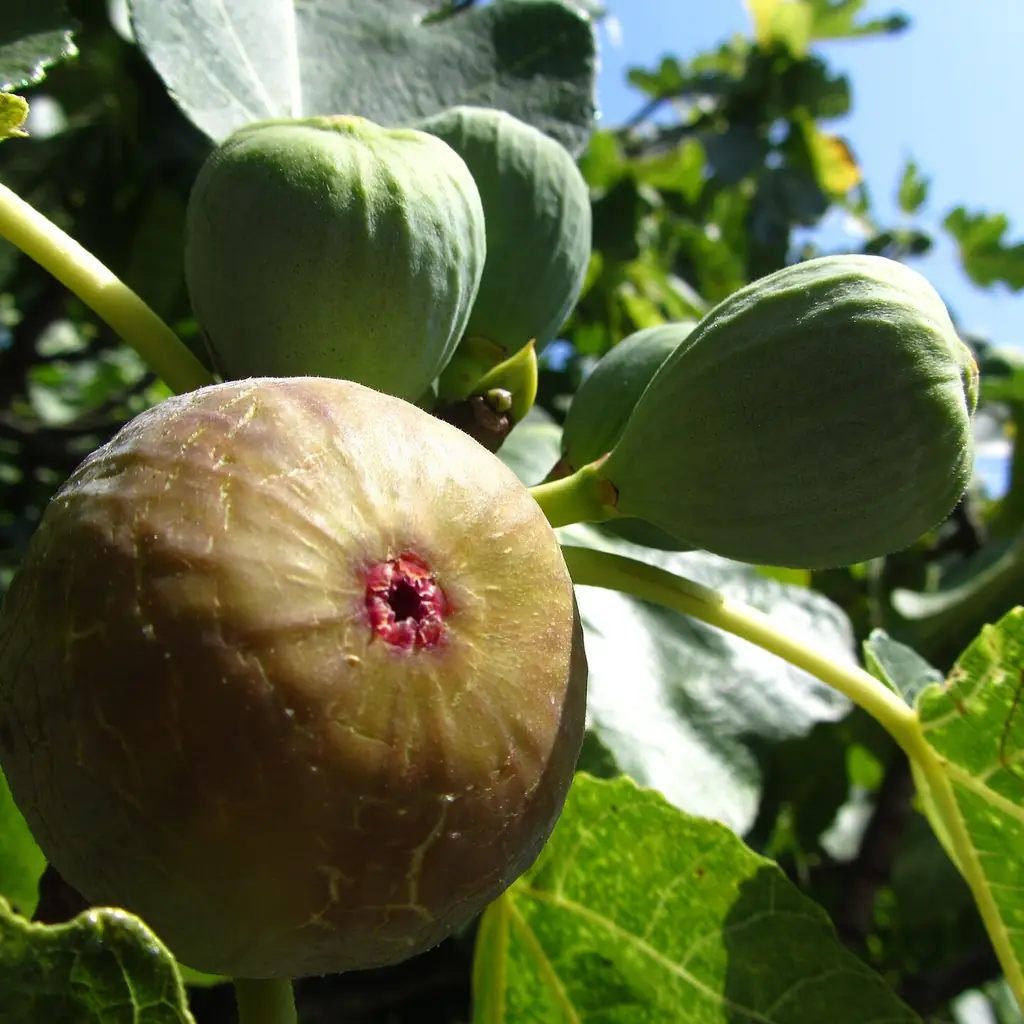
A fig plant suited to its climate could provide fruit that was much softer and more delicate than dried figs from a package. Ripeness changed the texture considerably.
University of Georgia guidance emphasizes regional suitability, even within one state.
A successful family fig plant therefore tells a local story. The same variety and winter treatment would not necessarily work in a colder garden elsewhere.
12. American persimmons
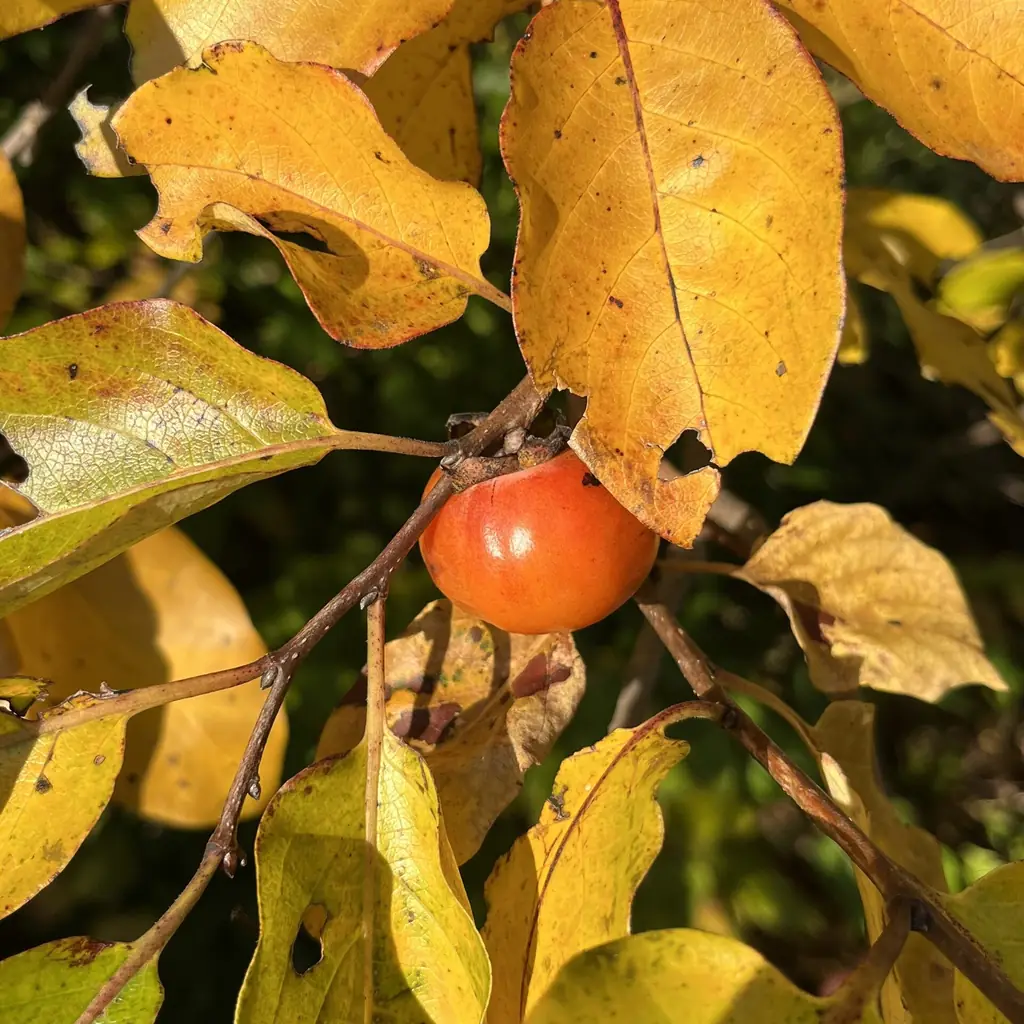
American persimmons could be delicious when fully ripe and sharply astringent when they were not. Knowing the fruit mattered more than relying on a general memory of its color.
The tree belonged to a different tradition from many imported orchard fruits.
Its pulp could find a place in baking, connecting the yard with the careful use of ingredients behind older family desserts and leftover dishes.
13. Pawpaw trees
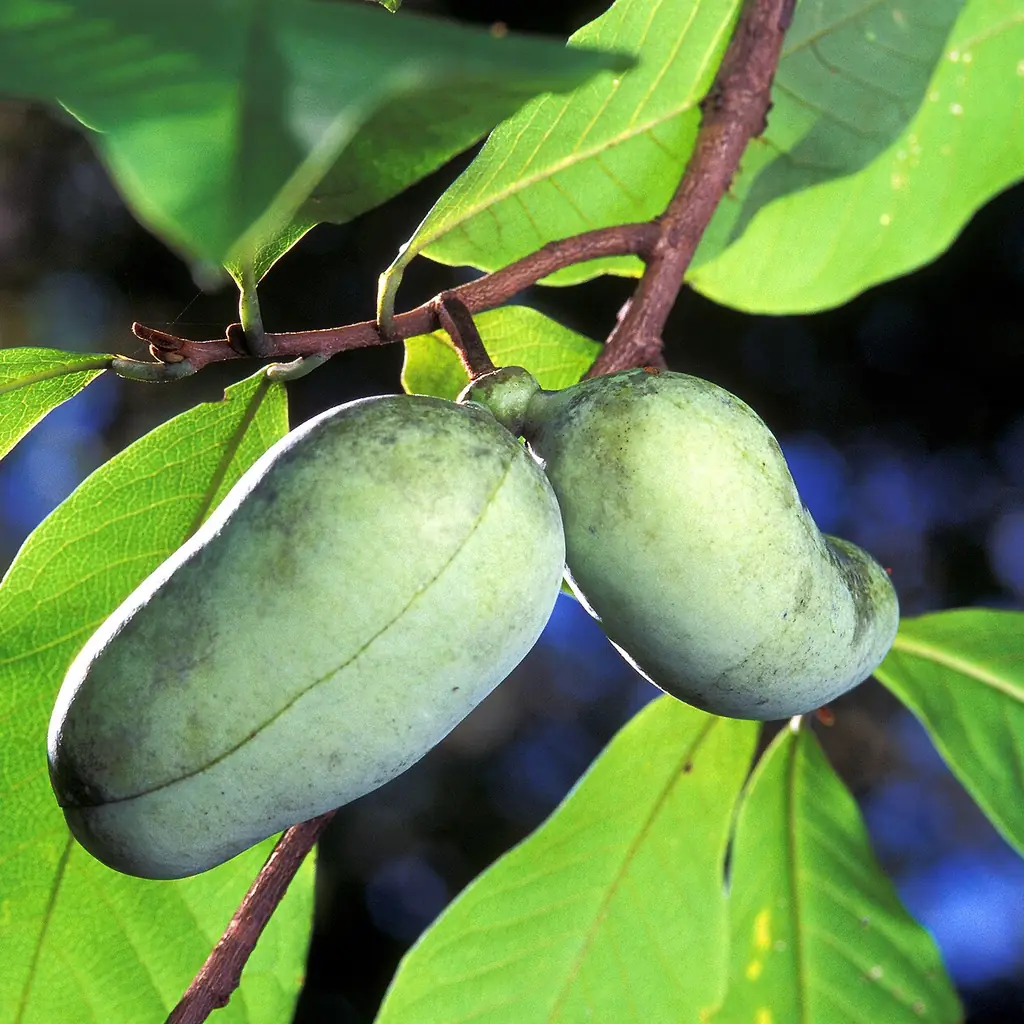
Pawpaw fruit had a soft interior that was very different from an apple. Its short keeping quality helped make it more familiar close to a tree than on an ordinary supermarket shelf.
The large seeds needed removing before the pulp was used.
It could become part of a family dessert tradition, but a reader should not mistake the familiar name for proof that every similarly named fruit is the same species.
14. Red raspberries
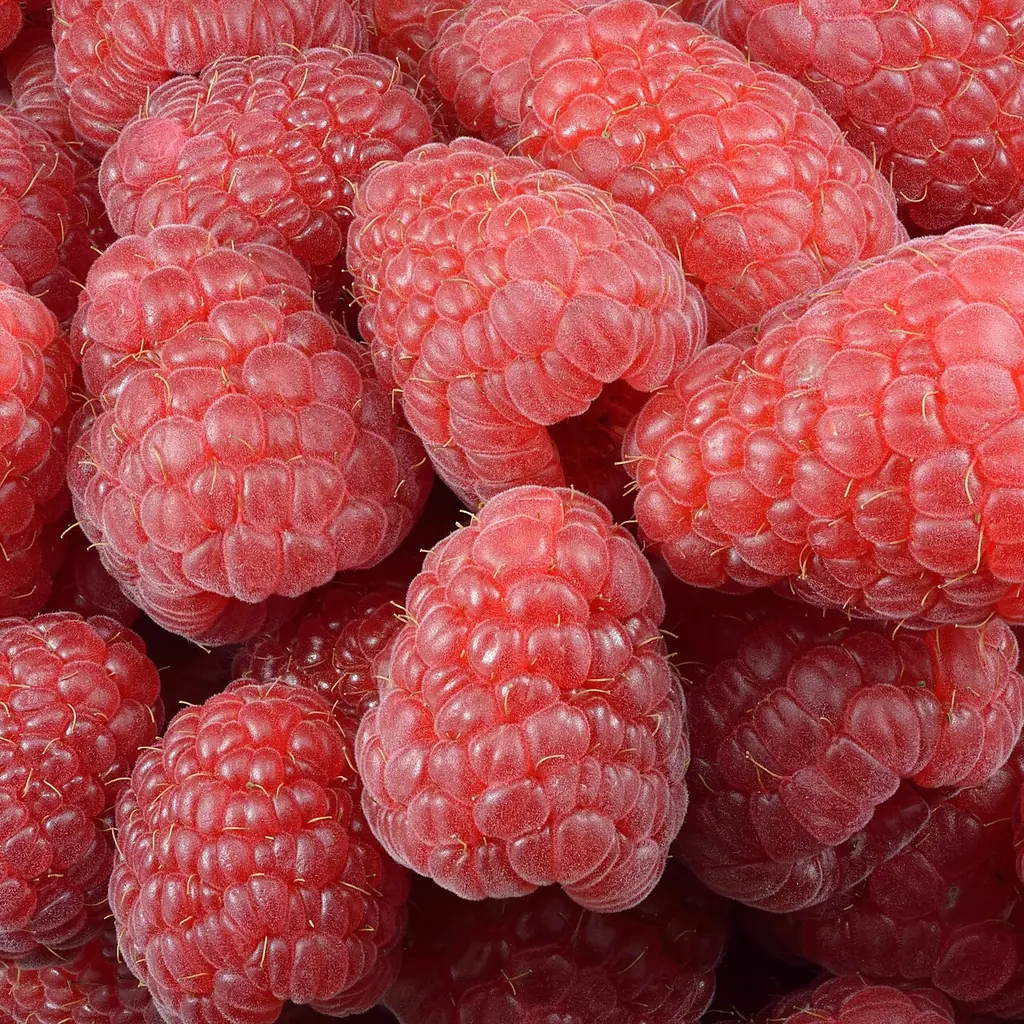
A raspberry patch could be a row of canes rather than a single permanent woody bush. The harvest was delicate and often needed eating or preserving soon after picking.
Summer-bearing and later-bearing varieties followed different fruiting patterns.
A bowlful could become jam for the kind of filled cookie found among family Christmas baking traditions, carrying a summer flavor into a winter tin.
15. Black raspberries
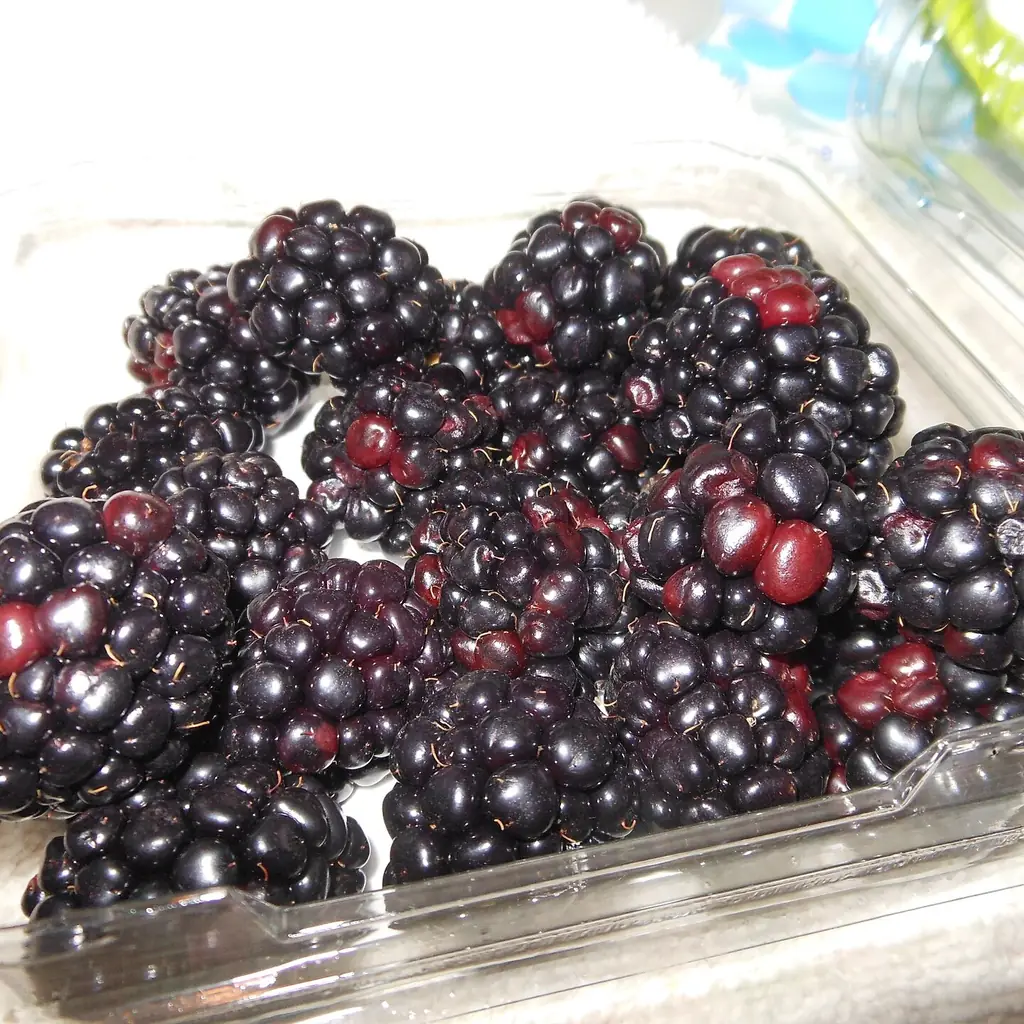
Black raspberries could be confused with blackberries from a distance. The fruit separates from its core when picked, leaving the hollow center associated with raspberries.
Their flavor and dark juice made them useful in preserves and desserts.
A family's name for the patch might be more familiar than a botanical one, which is why an old memory should be checked before identifying or eating unfamiliar fruit.
16. Blackberry canes
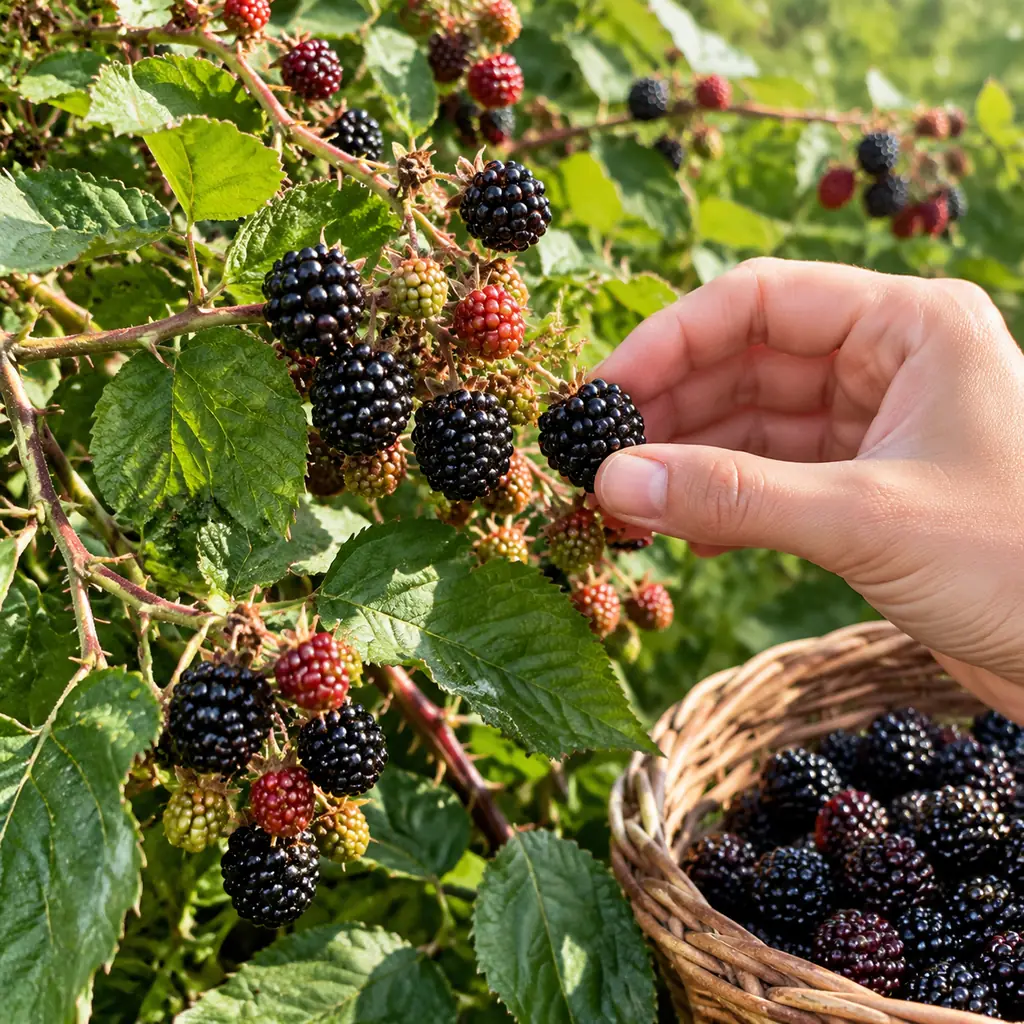
Blackberries offered a substantial fruit, but the canes and thorns could make gathering it a careful job. Cultivated varieties differed from an unmanaged roadside patch.
The berries retained a core when picked, unlike raspberries.
A plentiful crop could fill several kitchen sessions. Preserving was one of the jobs that could interrupt the planned timetable in an older household's weekly routine.
17. Gooseberry bushes
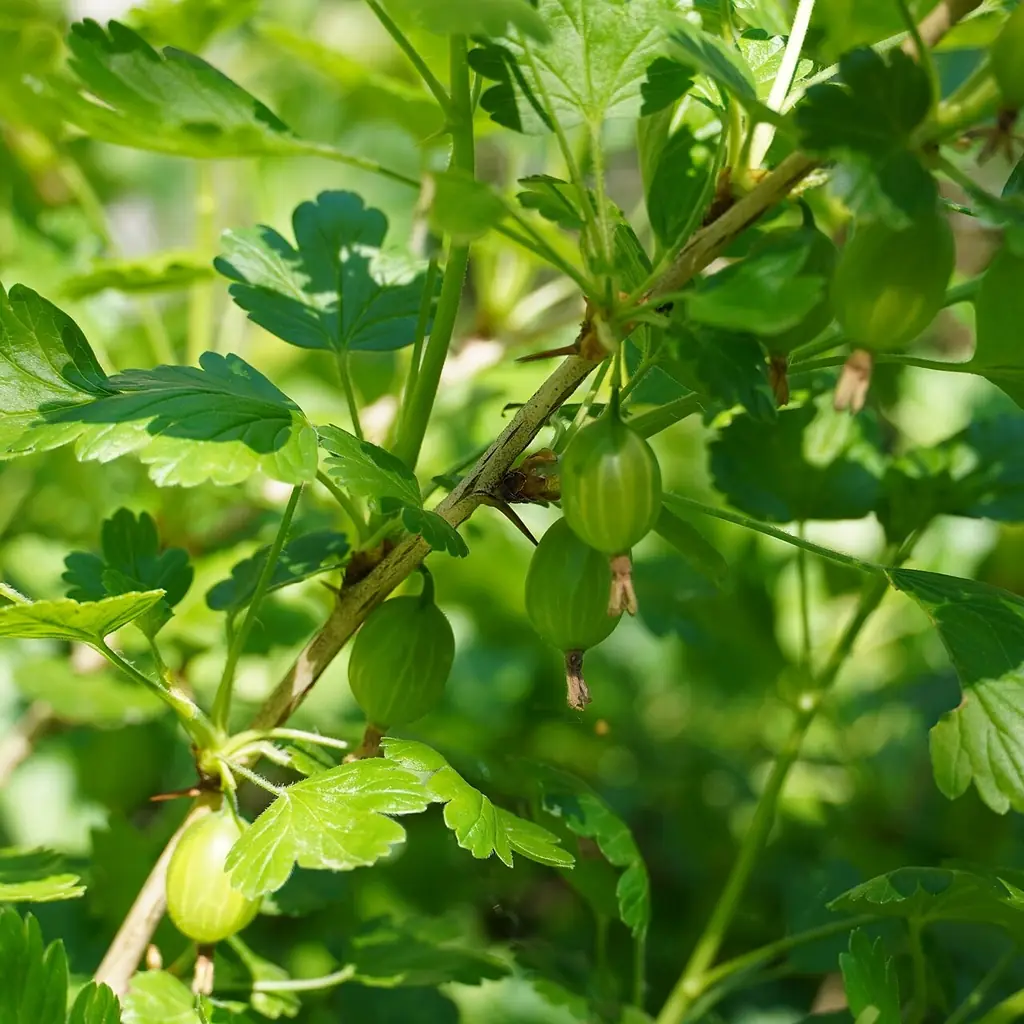
Gooseberries could be green or another color depending on the variety and ripeness. The tart fruit often found a place in cooked dishes rather than being judged only as a sweet snack.
Picking could involve prickly stems, and preparing the berries added another small task.
Current growers should check local rules before planting Ribes species. Their relationship with white pine blister rust has led to restrictions in some areas.
18. Red currants
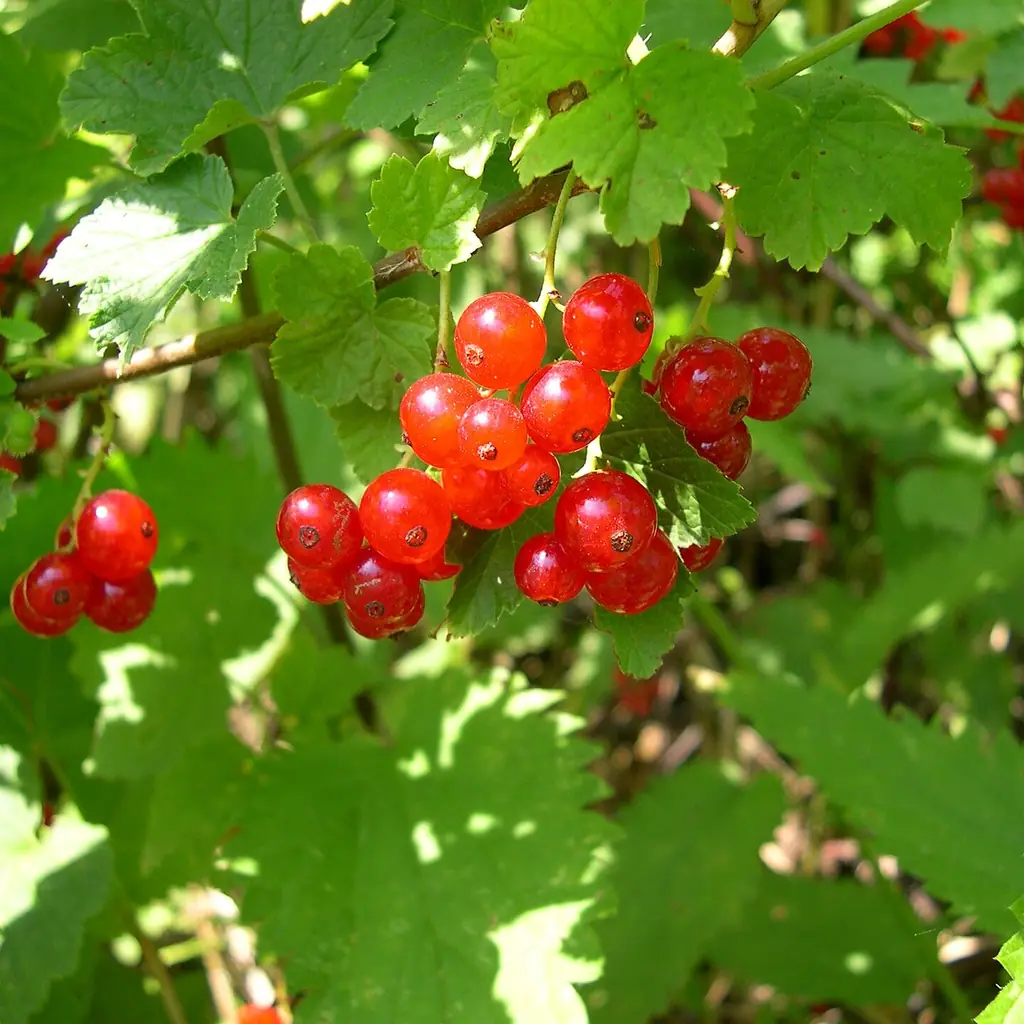
Clusters of translucent red fruit gave currant bushes a distinctive appearance. The berries offered tartness and color for jelly and other preparations.
Their small size made stripping the clusters a patient job. A modest harvest could still contribute a strong flavor.
Currants also appeared in the varied food traditions that families kept after immigration, although no single heritage owned every use of them.
19. Black currants
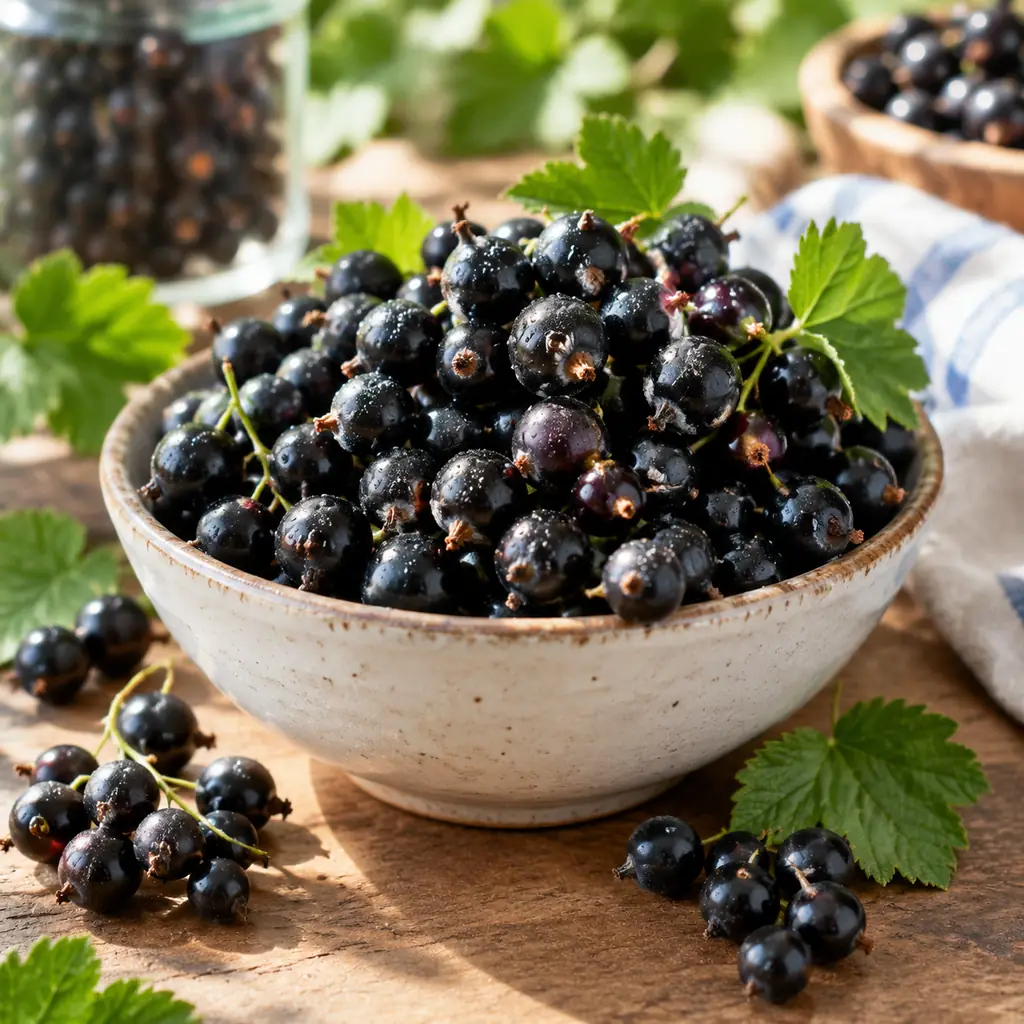
Black currants carried a stronger aroma and flavor than their red relatives. Their usefulness in cooked preparations helped them earn a place where local conditions allowed them.
They were not a universally common American backyard crop. Planting restrictions and disease concerns affected their history and present-day availability.
That uneven familiarity is part of the story: one family's ordinary jam could be an unfamiliar taste to the neighbors.
20. Blueberry bushes
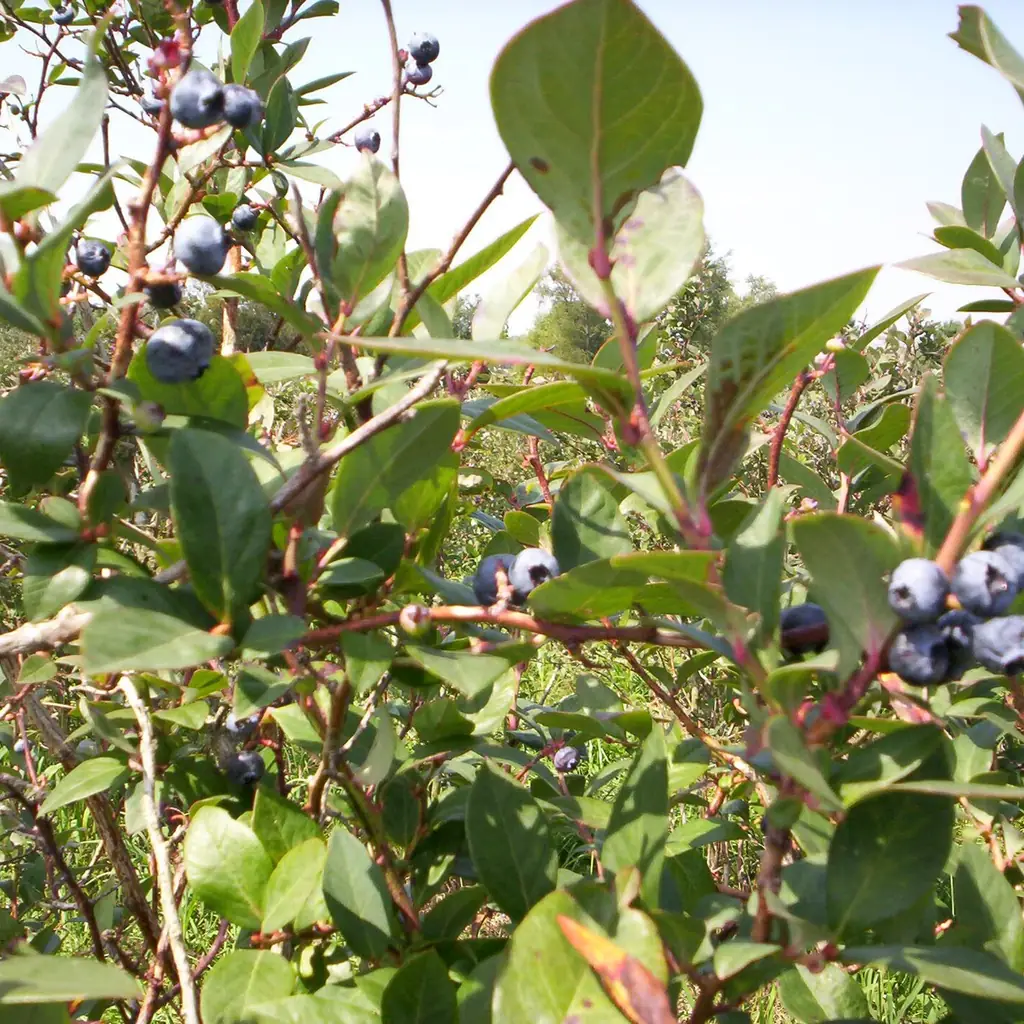
A blueberry bush needed more than a sunny place and hopeful watering. Suitable acidic soil was central to growing it well.
University extension guidance also distinguishes varieties adapted to different regions. A successful old patch could reflect the right location as much as the gardener's skill.
The berries suited fresh eating and baking with pantry ingredients, but their familiarity should not hide how specifically the plant's soil needs shaped its success.
21. Serviceberries
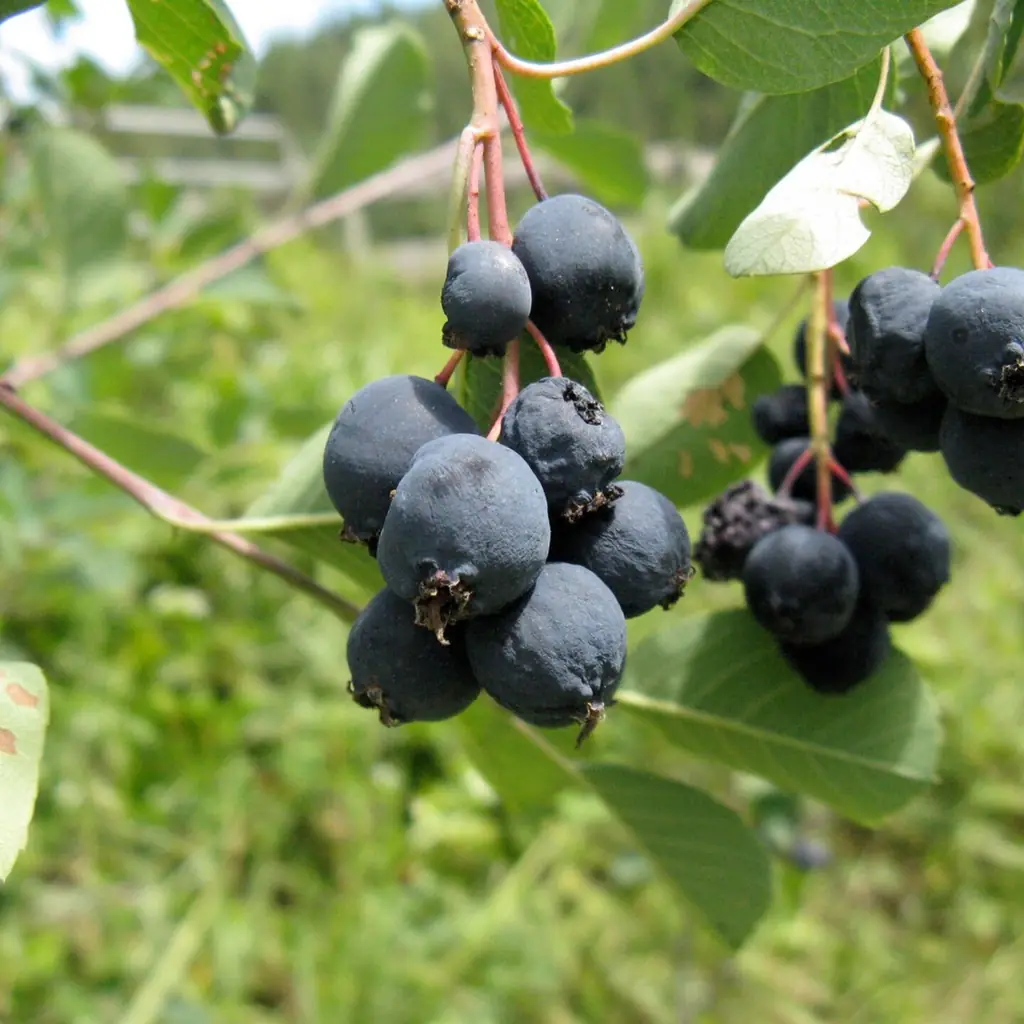
Serviceberries came from a small tree or large shrub, depending on the species and form. The fruit ripened toward a dark purple and attracted birds as well as people.
The plant also went by regional names such as juneberry or saskatoon.
That range of names helps explain why two readers may recognize the same sort of fruit under different words, just as families differed in their ordinary household expressions and rules.
22. Elderberry bushes
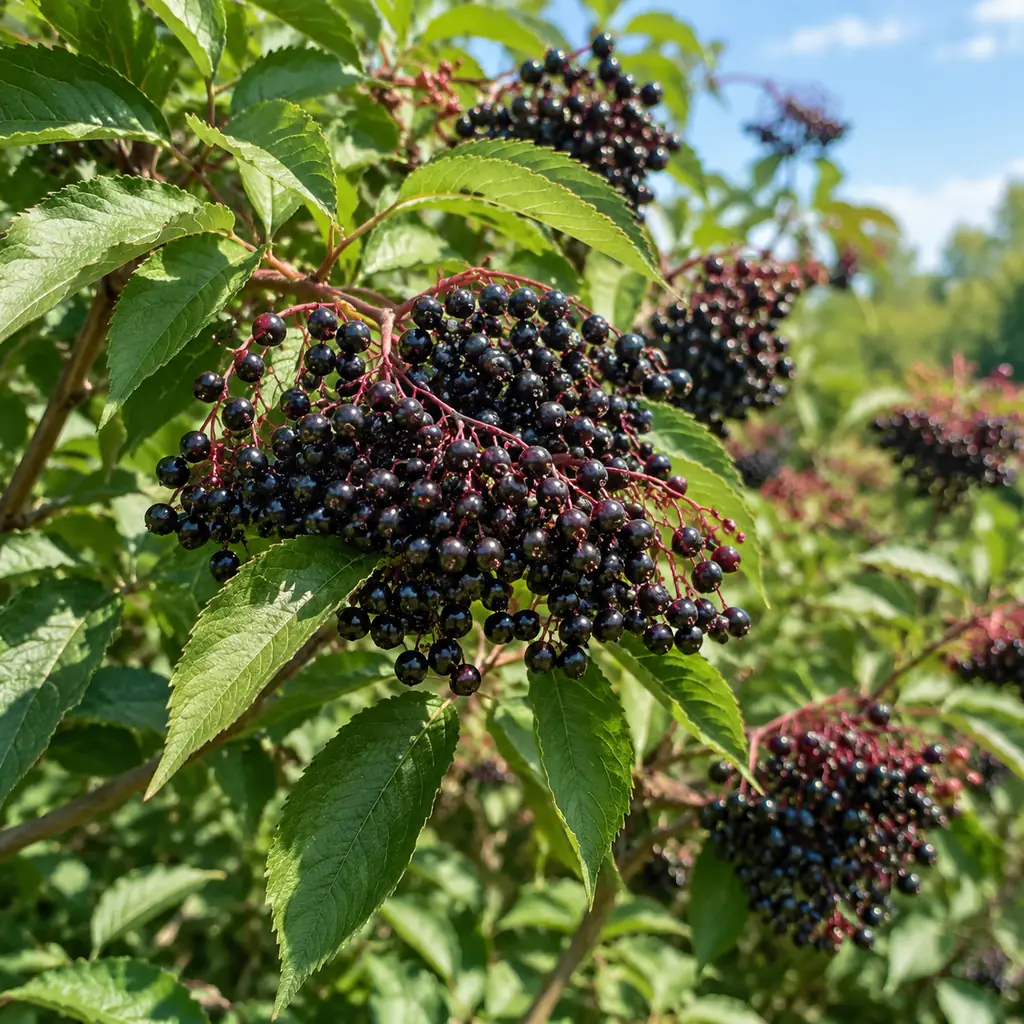
Elderberries could provide a crop for syrups, jam, or baked preparations, but they require careful identification and preparation. University guidance says to cook them thoroughly before use.
Unripe fruit and other plant parts are not something to sample casually.
This is a case where a family memory should lead to proper checking. A familiar-looking cluster is not enough to establish that a plant is edible.
Sources and further reading
- E. P. Roe: The Home Acre, 1886
- A. J. Downing: The Fruits and Fruit-Trees of America, 1857
- Virginia Tech: Edible Landscape Species—Trees
- University of Georgia Extension: Home Garden Figs
- Penn State Extension: Pawpaw Fruit in the Garden and Kitchen
- University of Minnesota Extension: Currants and Gooseberries
- University of Minnesota Extension: Growing Blueberries
- University of Minnesota Extension: Serviceberry
- Utah State Extension: Elderberry in the Garden
Image credits
- Fresh ripe apples on a tree (54015357813).jpg by AS Photography from Poland; CC BY 4.0. Cropped to a square, resized and converted to WebP. No subject details altered.
- Cydonia oblonga 'Portugal' 5Dsr 2401.jpg by SAplants; CC BY-SA 4.0. Cropped to a square, resized and converted to WebP. No subject details altered.
- Mulberry fruit - geograph.org.uk - 5845433.jpg by Jonathan Billinger; CC BY-SA 2.0. Cropped to a square, resized and converted to WebP. No subject details altered.
- Asimina triloba3.jpg by Scott Bauer, USDA; Public domain. Cropped to a square, resized and converted to WebP. No subject details altered.
- Crabapple (23151092509).jpg by Arlington National Cemetery; Public domain. Cropped or fitted to a square, resized and converted to WebP. No subject details altered.
- Starr-090426-6401-Pyrus communis-fruit-Kula-Maui (24926391016).jpg by Forest and Kim Starr; CC BY 3.0 us. Cropped or fitted to a square, resized and converted to WebP. No subject details altered.
- Autumn Red peaches.jpg by Jack Dykinga, USDA; Public domain. Cropped or fitted to a square, resized and converted to WebP. No subject details altered.
- Prunus-armeniaca-20090606 1.jpg by Luis Fernández García; CC BY-SA 3.0. Cropped or fitted to a square, resized and converted to WebP. No subject details altered.
- Sauerkirschenfrucht Prunus cerasus 2.JPG by böhringer friedrich; CC BY-SA 2.5. Cropped or fitted to a square, resized and converted to WebP. No subject details altered.
- Ripe Cherry (Prunus avium) in Hungary.jpg by Takkk; CC BY-SA 3.0. Cropped or fitted to a square, resized and converted to WebP. No subject details altered.
- Ripe fig fruit on tree (Ficus Carica) in Southern France.JPG by Stefan Thiesen; CC BY-SA 3.0. Cropped or fitted to a square, resized and converted to WebP. No subject details altered.
- American persimmon diospyros virginiana fruit on tree native plant company.jpg by Ryan Native Plant; CC BY-SA 4.0. Cropped or fitted to a square, resized and converted to WebP. No subject details altered.
- Raspberries (Rubus idaeus).jpg by Ivar Leidus; CC BY-SA 4.0. Cropped or fitted to a square, resized and converted to WebP. No subject details altered.
- Black Raspberries.jpg by Lanthanum57; CC BY-SA 3.0. Cropped or fitted to a square, resized and converted to WebP. No subject details altered.
- Ribes uva-crispa - fruit green1.jpg by Darijanus; CC BY-SA 4.0. Cropped or fitted to a square, resized and converted to WebP. No subject details altered.
- Ribes rubrum fruit Luc Viatour.JPG by Luc Viatour; CC BY-SA 3.0. Cropped or fitted to a square, resized and converted to WebP. No subject details altered.
- Blueray Blueberry Bush.JPG by User: (WT-shared) OHWiki at wts wikivoyage; Public domain. Cropped or fitted to a square, resized and converted to WebP. No subject details altered.
- Wild Amelanchier alnifolia fruit.jpg by Nadiatalent; CC BY-SA 3.0. Cropped or fitted to a square, resized and converted to WebP. No subject details altered.