The Christmas baking tin could hold a family's most recognizable recipes. These cookies and candies belonged to different regional and heritage traditions; making them only at Christmas was a household custom, not a rule for the food itself.
1. Spritz cookies from the press
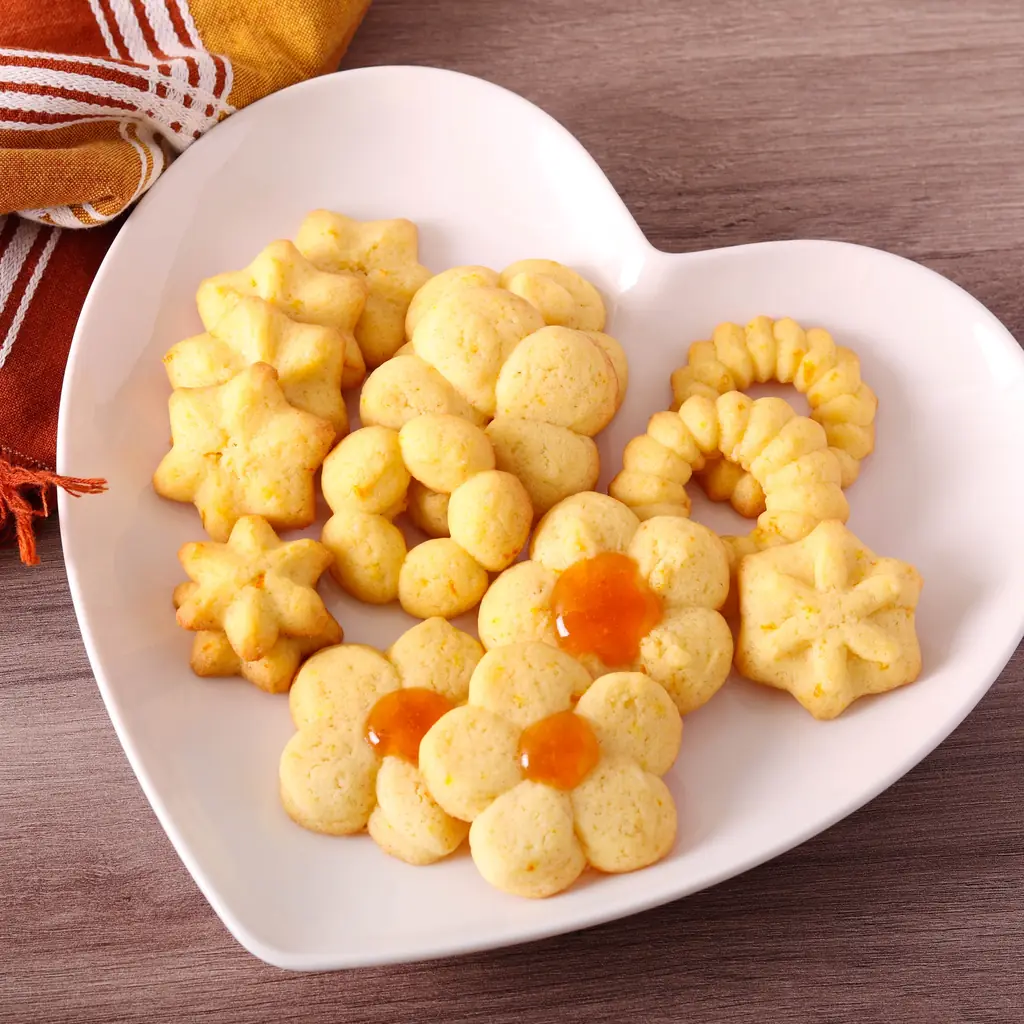
A cookie press turned soft dough into little trees, wreaths, and other repeated shapes. The press supplied the pattern, while colored sugar or a small decoration finished the top.
The dough needed the right consistency to leave the barrel cleanly. An elaborate shape was not useful if the cookie lost it in the oven.
The finished tray looked varied even when every cookie came from one batch.
2. Rolled sugar cookies
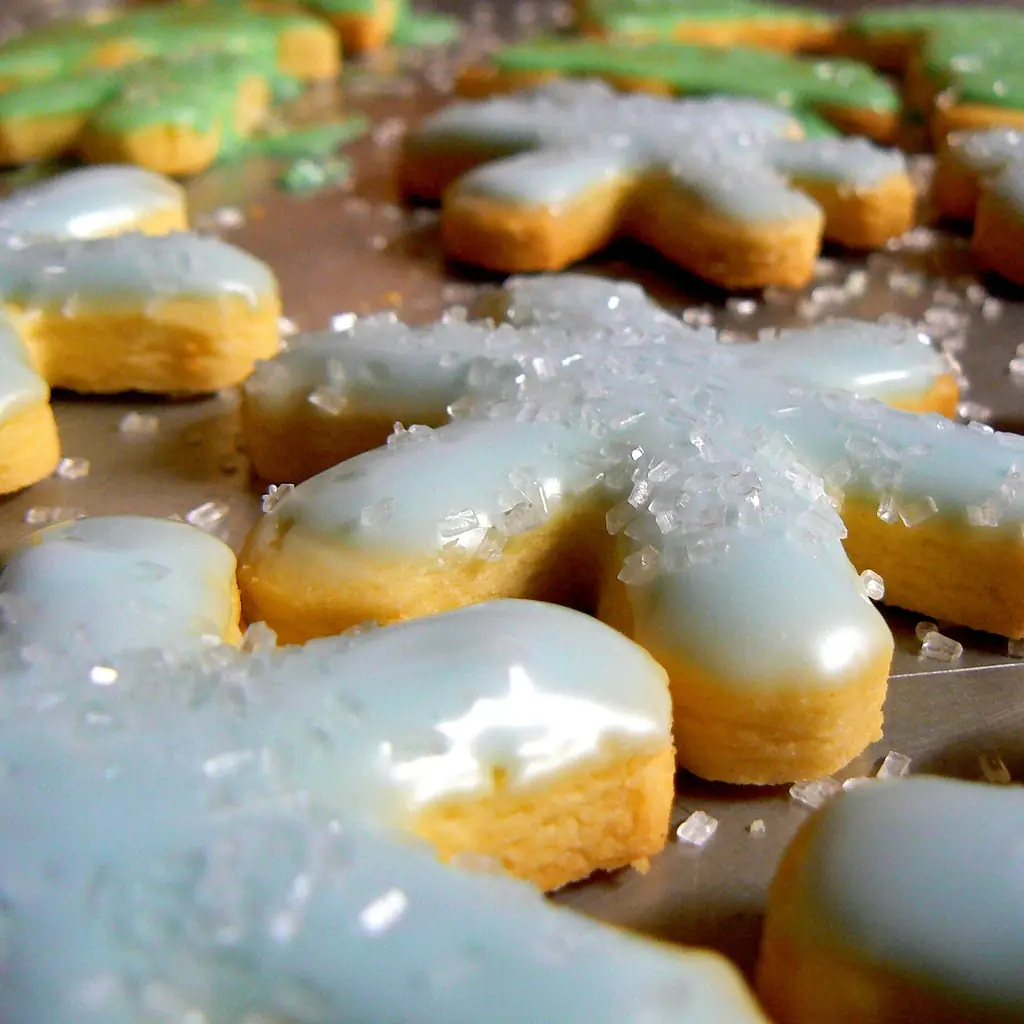
A floured board and a collection of cutters made the kitchen feel different from an ordinary baking day. Stars, bells, and other shapes could come from the same rolled dough.
Thin edges browned sooner than thick centers, so even rolling mattered.
Decoration came afterward, when the cookies were cool enough for icing. Family differences often appeared most clearly in how much colored sugar was considered enough.
3. Gingerbread cutouts
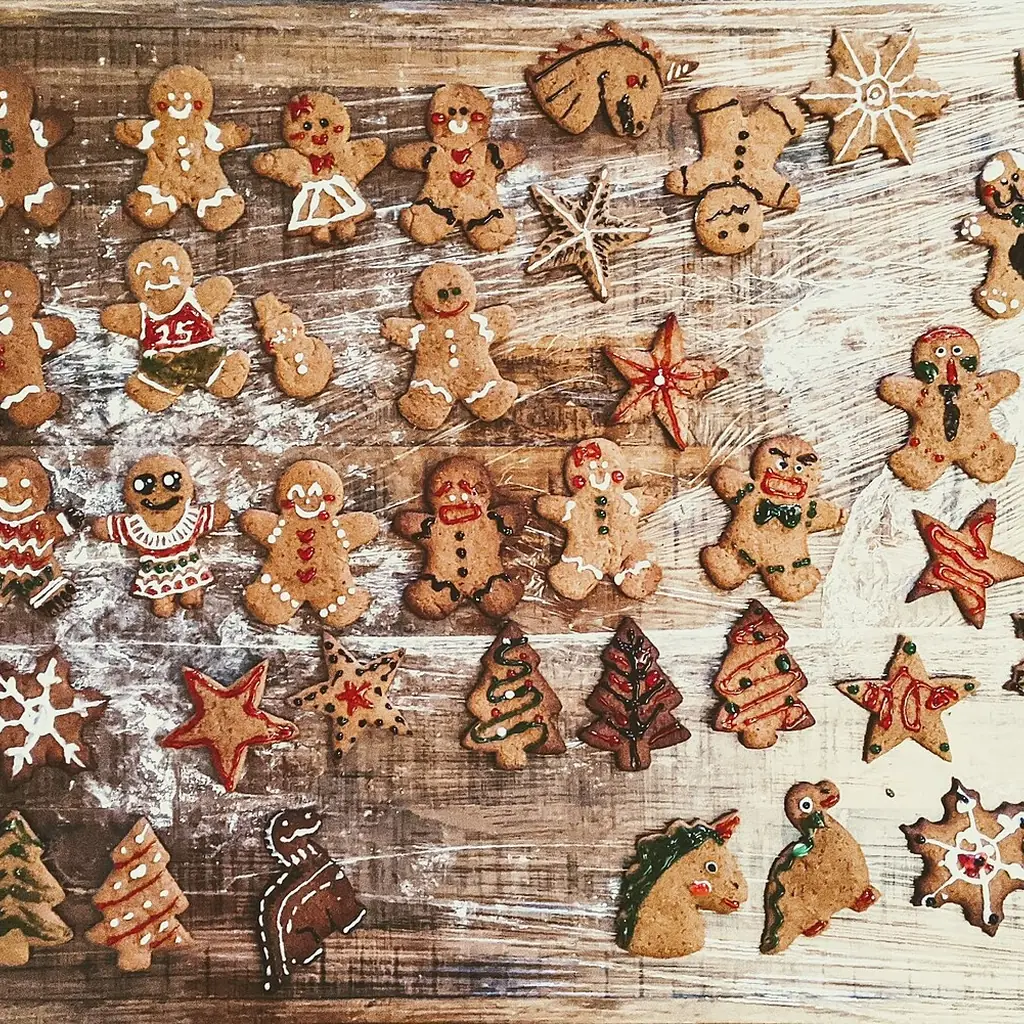
Molasses and spice gave these cookies a darker color and a stronger scent than plain sugar cookies. A sturdy rolled dough could hold a detailed cutter's outline.
The baking sheet needed room around each shape. Tiny projecting arms or points could overbrown before the center was ready.
Some families decorated gingerbread carefully; others preferred it plain, with the flavor doing more work than the icing.
4. Soft molasses cookies
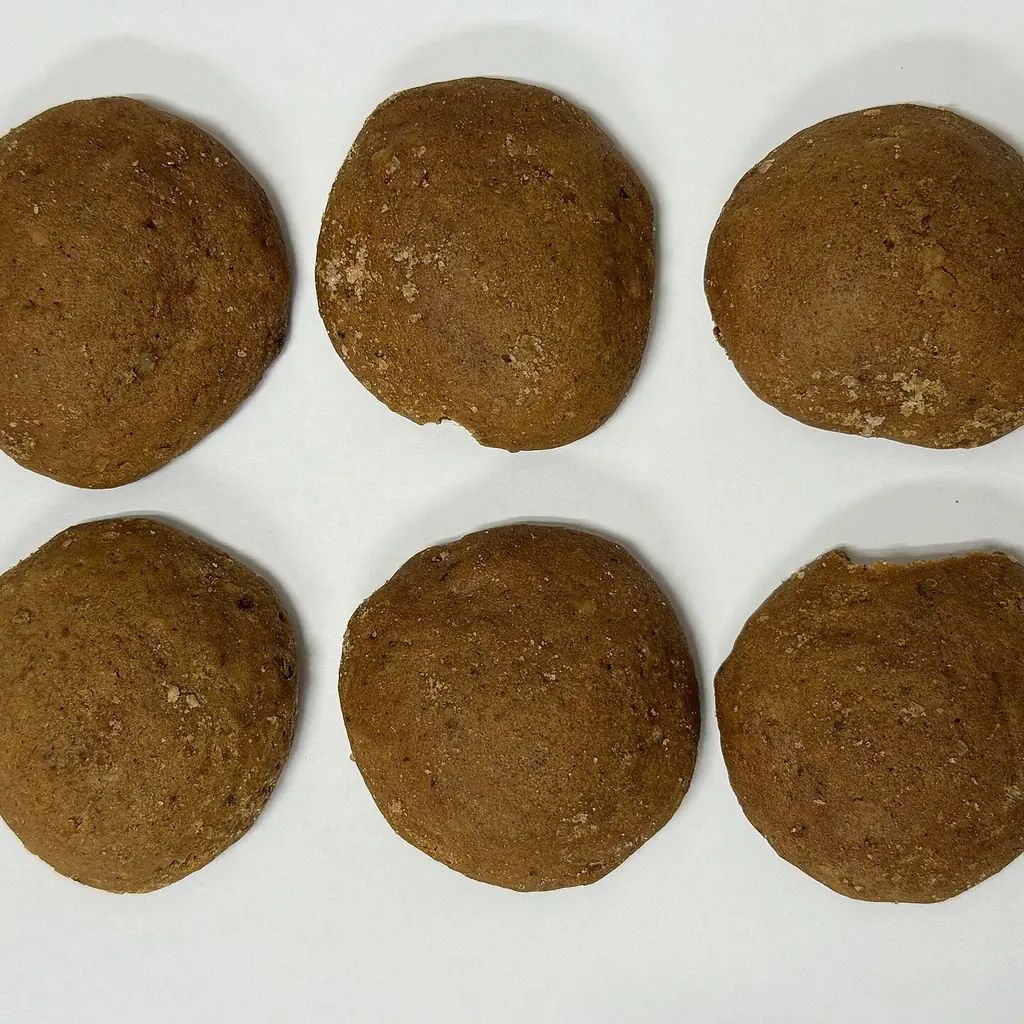
Not every Christmas cookie needed a cutter. A spooned or shaped molasses dough could produce a softer cookie with cracked or rounded surfaces.
Ginger, cinnamon, or other spices made the flavor depend on the particular recipe card.
These cookies were useful on a mixed plate because their texture differed from crisp cutouts. A holiday tin could offer several ways to enjoy the same familiar pantry sweetener.
5. Molded springerle
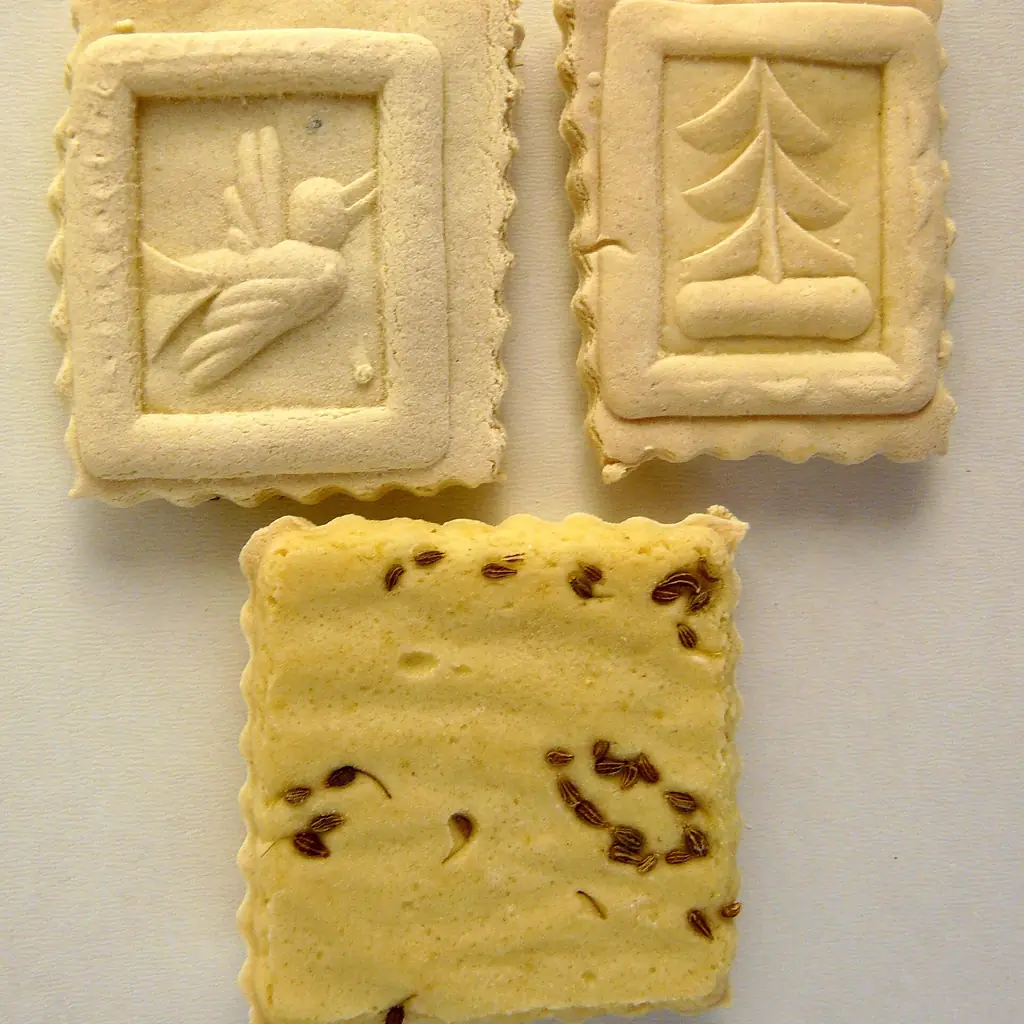
A carved mold left a picture on springerle dough. Traditional versions often carried anise or lemon flavor, and the image gave each cookie a distinctive surface.
The detailed preparation suited a special occasion. The maker had to preserve the impression rather than cover it with thick decoration.
The mold could be a family object in its own right, as memorable as the cookies it helped produce.
6. Pizzelle
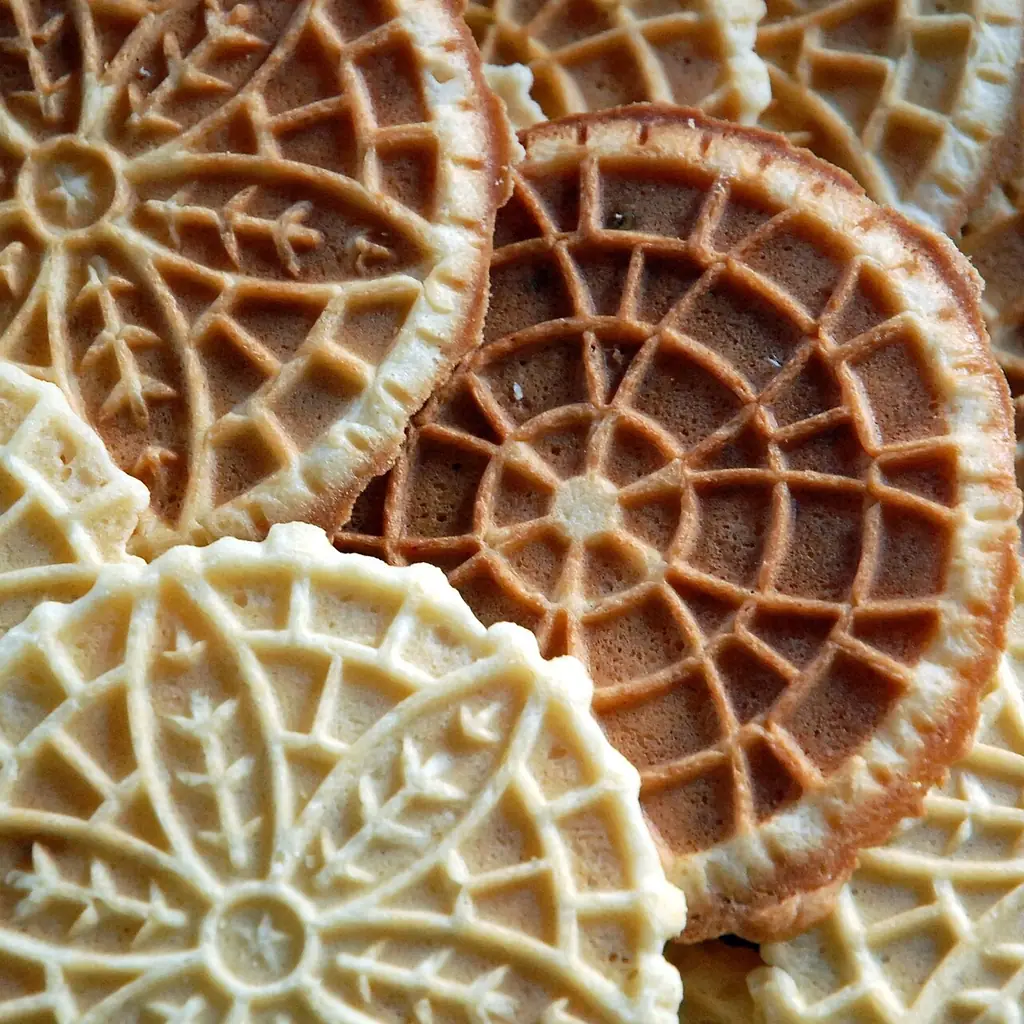
A patterned iron pressed pizzelle into thin, crisp rounds. In Italian-American holiday baking, the repeated work at the iron could become part of the day's rhythm.
Anise was a traditional flavor, but vanilla versions had their own following.
The cookies needed to cool before stacking so they kept their crispness. Their delicate edges made a plate feel different from one filled only with soft drop cookies.
7. Krumkake
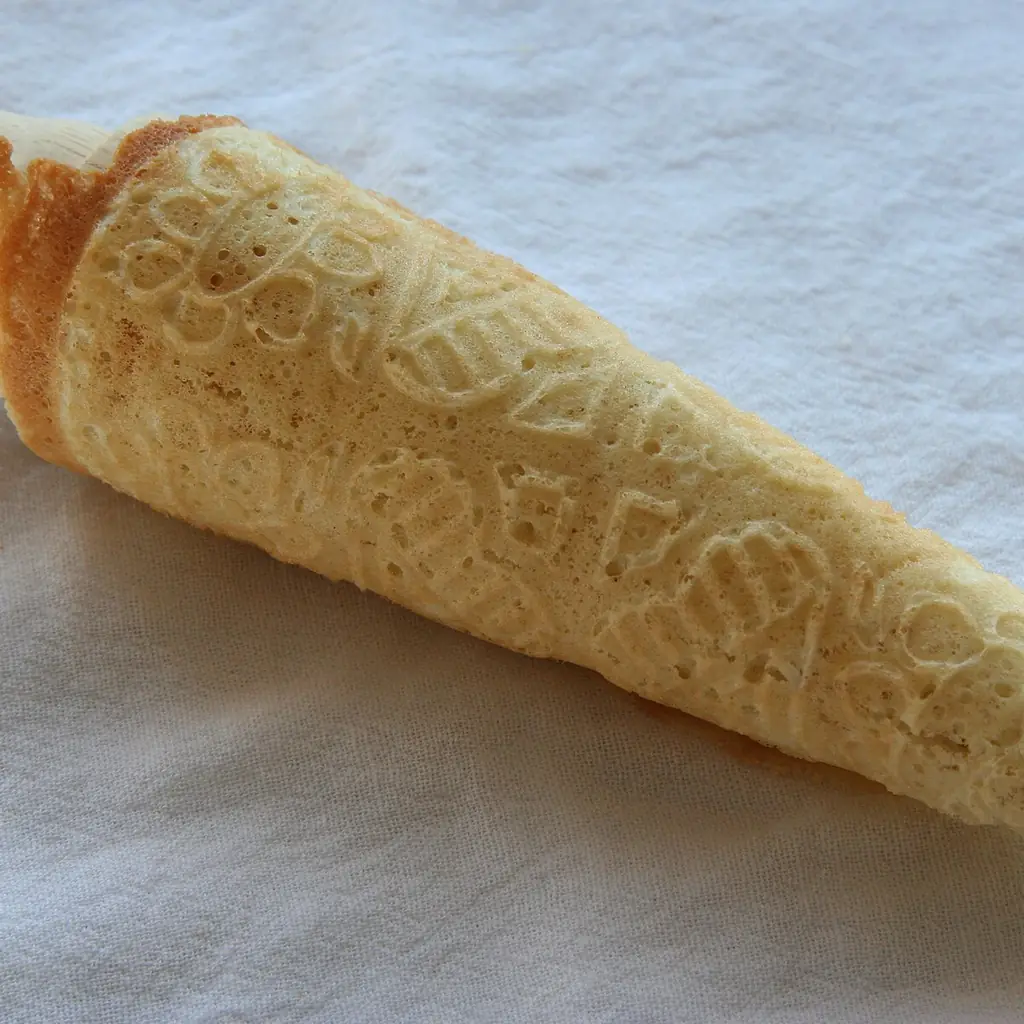
The thin cookie came from a patterned iron, then took its curved shape while still warm. Rolling it around a form created a little cone.
Once it cooled, the cookie was much less flexible. Timing mattered during a task that repeated with every round.
That is why some of the implements in an older kitchen drawer made sense only when the holiday recipe was in front of them.
8. Butter shortbread
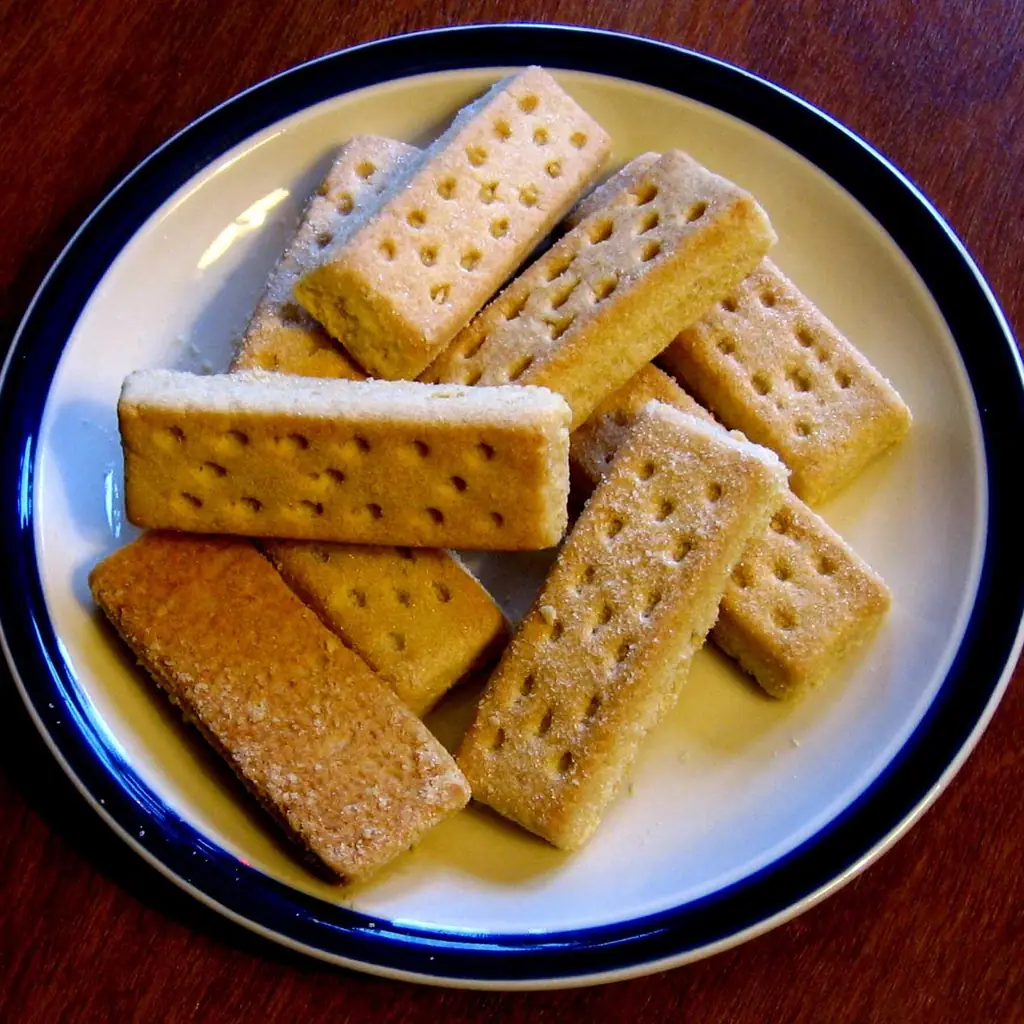
Shortbread did not need elaborate icing to earn space in a Christmas tin. Butter supplied much of its flavor, with a tender, crumbly texture rather than a chewy center.
A pan of shortbread could be marked into manageable pieces before it cooled completely.
Its simple appearance helped it fit beside brightly decorated cookies. The difference was in the bite, not in a tall pile of added toppings.
9. Jam-filled cookies
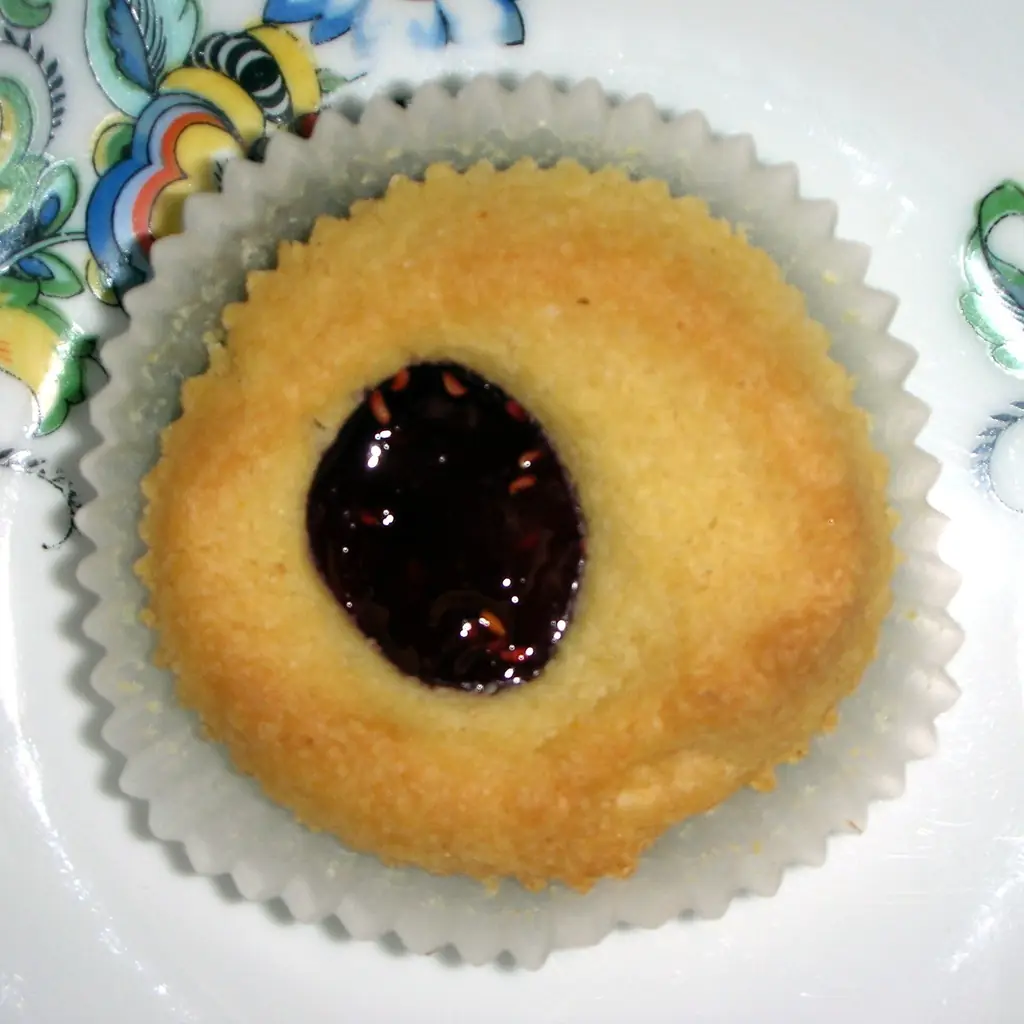
A small opening of jam made a plain-looking cookie feel more festive. Some versions enclosed the filling, while others left it visible at the center.
A thick filling stayed in place more easily than a runny one.
The flavor might come from purchased preserves or fruit saved from the family's backyard trees and bushes, linking a winter baking day with the summer harvest.
10. Nut cookies
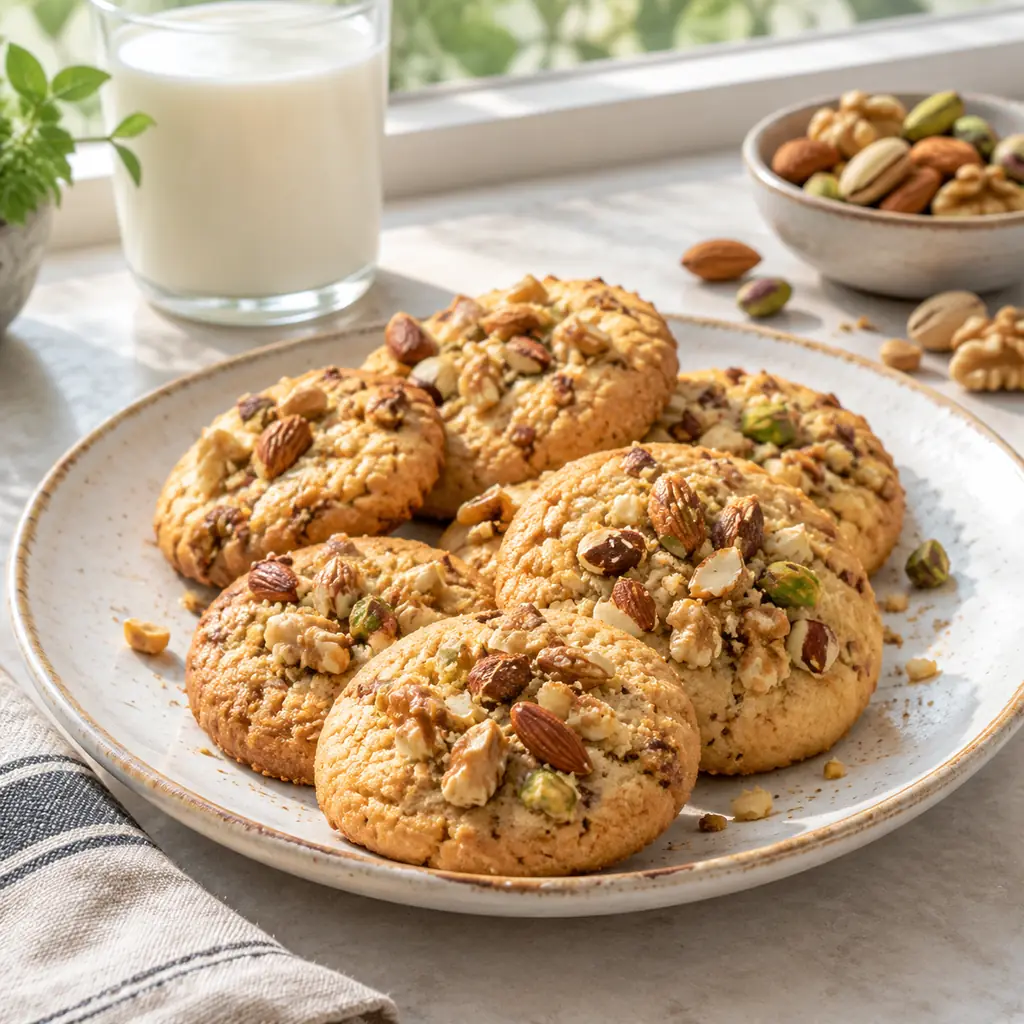
Chopped nuts changed both the flavor and the texture of a simple cookie. Walnuts, almonds, or another available nut gave different results.
The pieces needed to be small enough to distribute without breaking the dough apart. A nut on top could also identify one variety on a crowded plate.
The choice often followed family taste and availability rather than one fixed national Christmas recipe.
11. Date-filled cookies
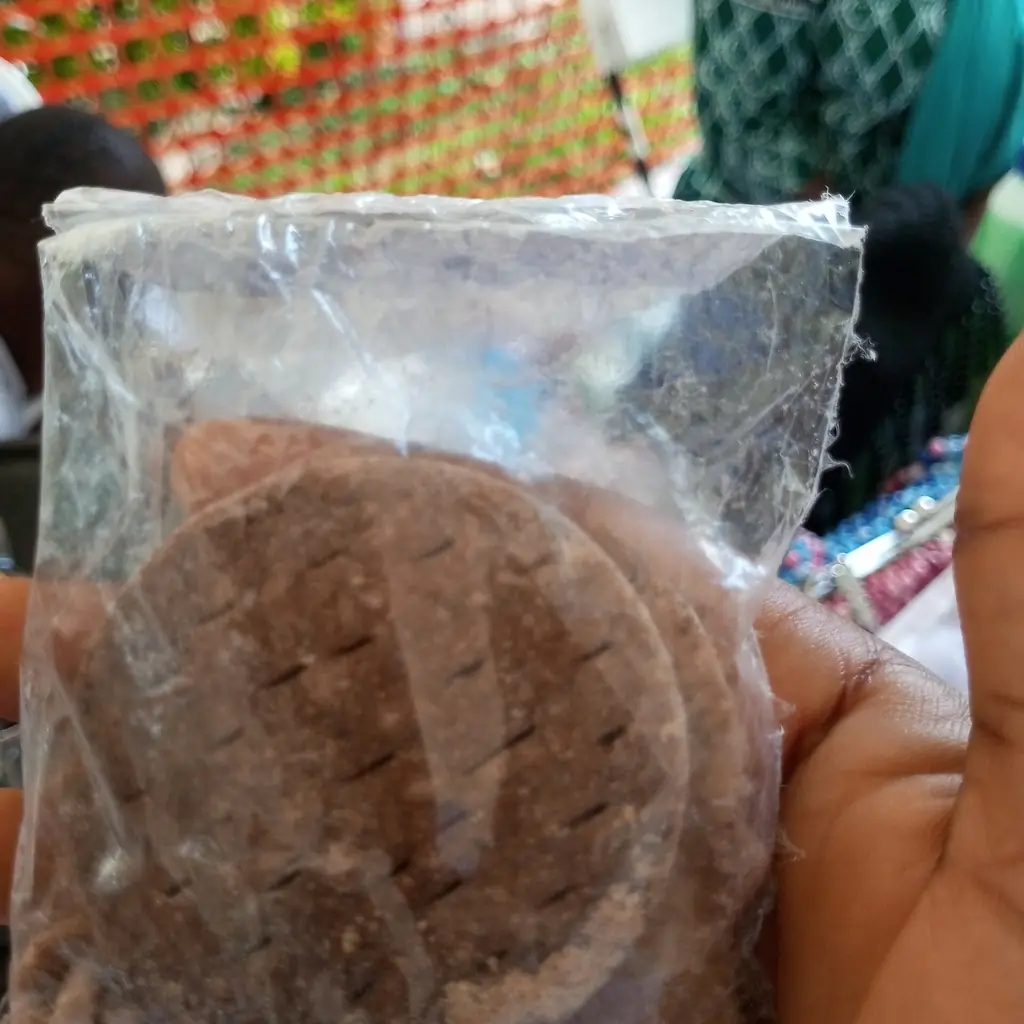
A dark date filling gave these cookies a sweetness different from bright berry jam. The fruit could be cooked into a thick mixture before it met the dough.
Careful sealing helped keep the filling inside, especially around the edges.
Dates already had a place among the small boxed and dried ingredients on a well-stocked pantry shelf, waiting for the occasion that made the extra work worthwhile.
12. Coconut macaroons
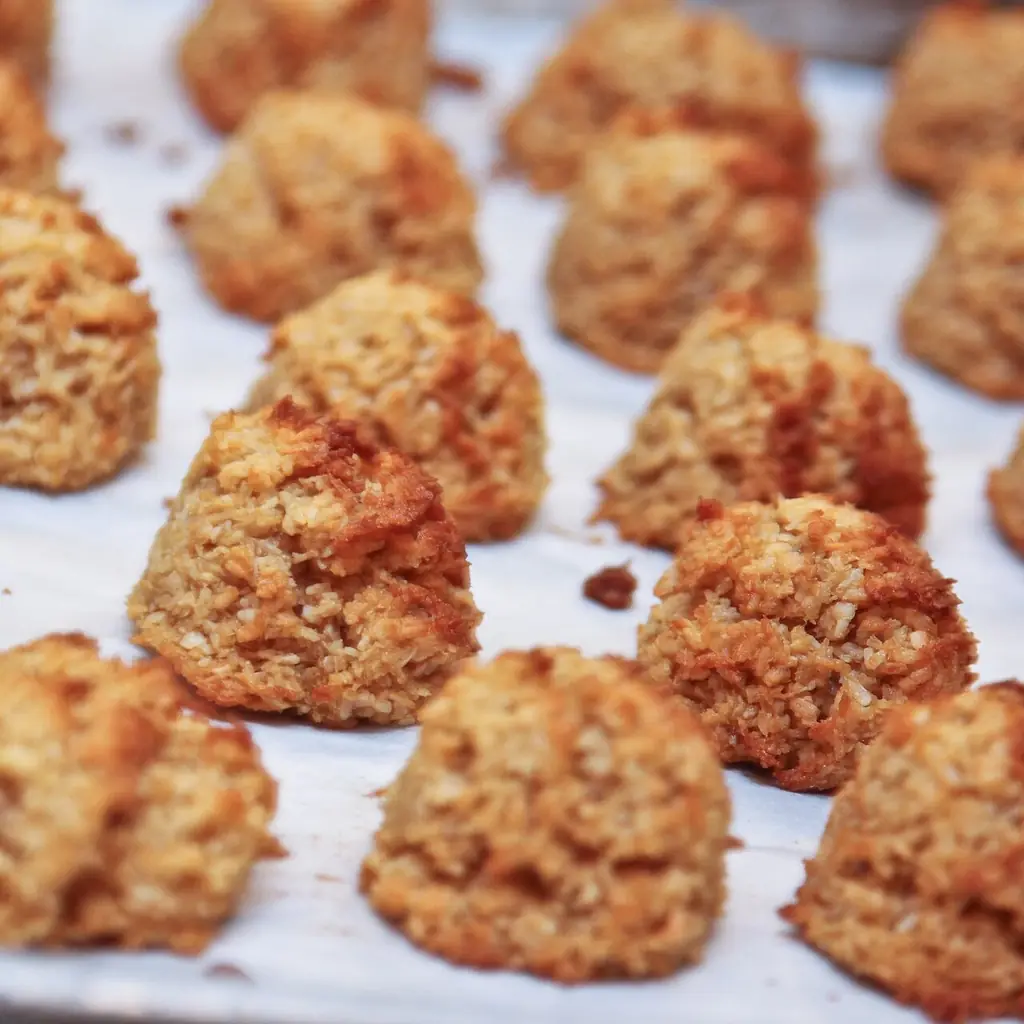
Coconut gave macaroons a texture that did not resemble a rolled butter cookie. Depending on the recipe, the outside could brown while the inside stayed soft.
The small mounds needed room on the baking sheet so their edges could set.
On a mixed Christmas plate, they supplied a recognizable change in flavor and appearance without needing an elaborate outline or a thick coat of icing.
13. Meringue kisses
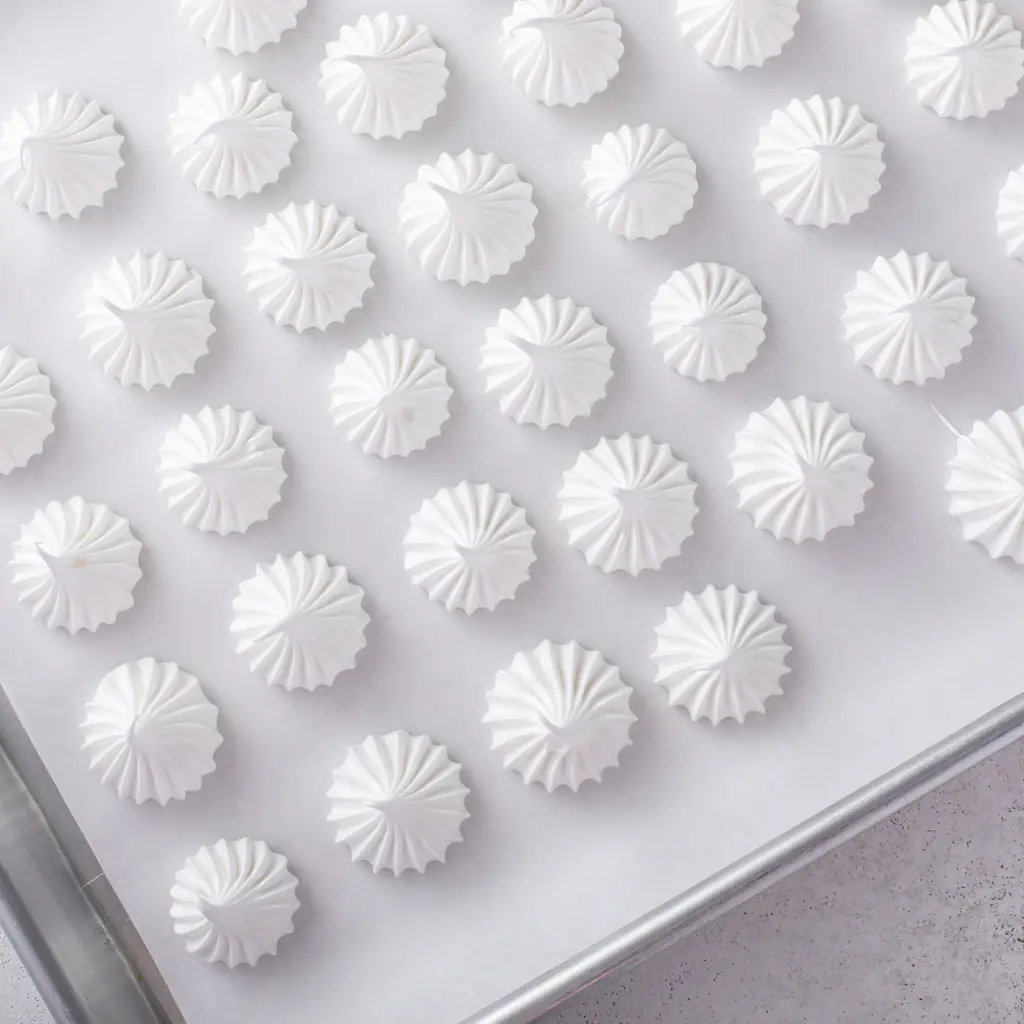
Egg whites and sugar produced a sweet that felt unusually light beside dense cookies. The mixture held its shape only when the whites had been beaten properly.
Gentle baking dried the outside rather than creating the browned crust expected on other treats.
A small meringue could use egg whites left from another recipe, reflecting the careful ingredient planning behind older kitchens' use of leftovers.
14. Spiced drop cookies
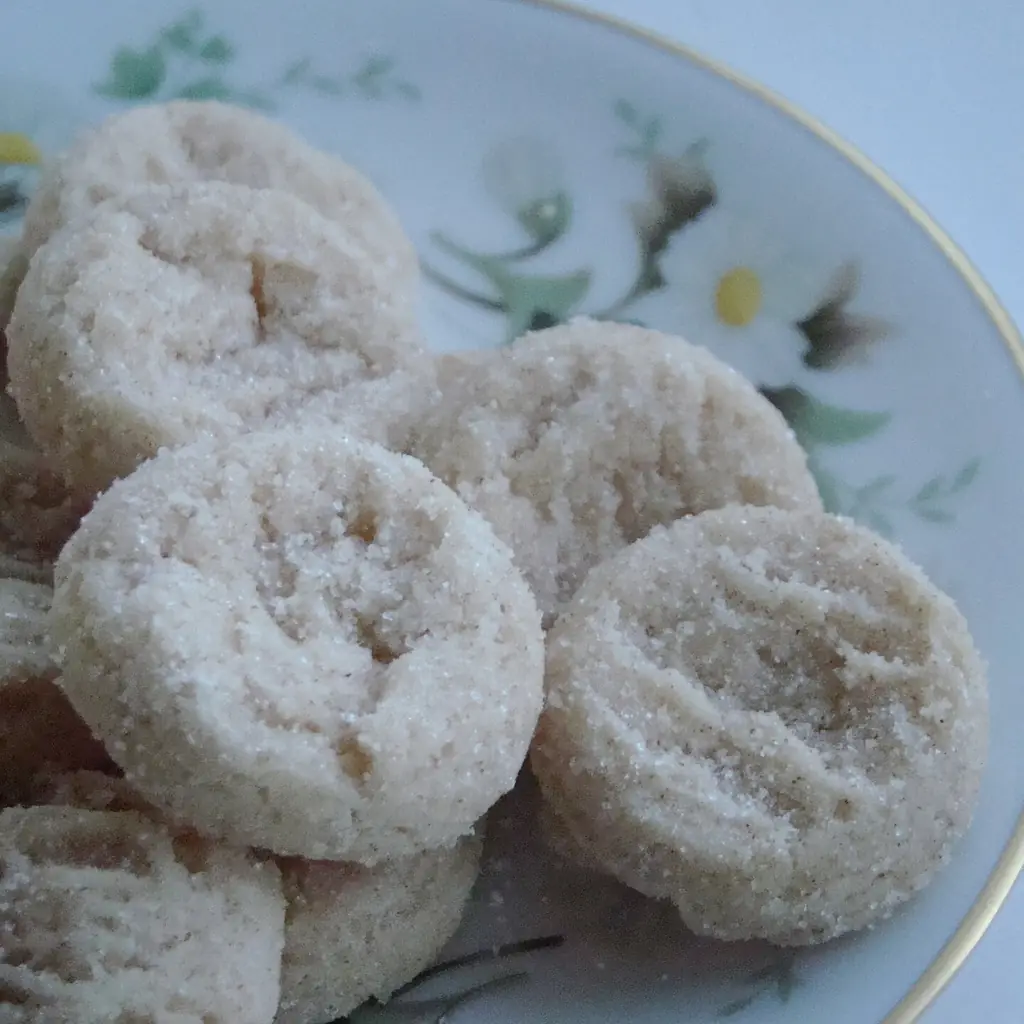
A drop cookie let the cook add spice and dried fruit without rolling each piece. The dough went from spoon to baking sheet with less shaping than cutouts required.
The exact mixture mattered more than a universal name. Old recipe books contain many related combinations.
These were useful companions to the fancier cookies because a second tray could bake while someone else worked with cutters or a press.
15. Chocolate cookies
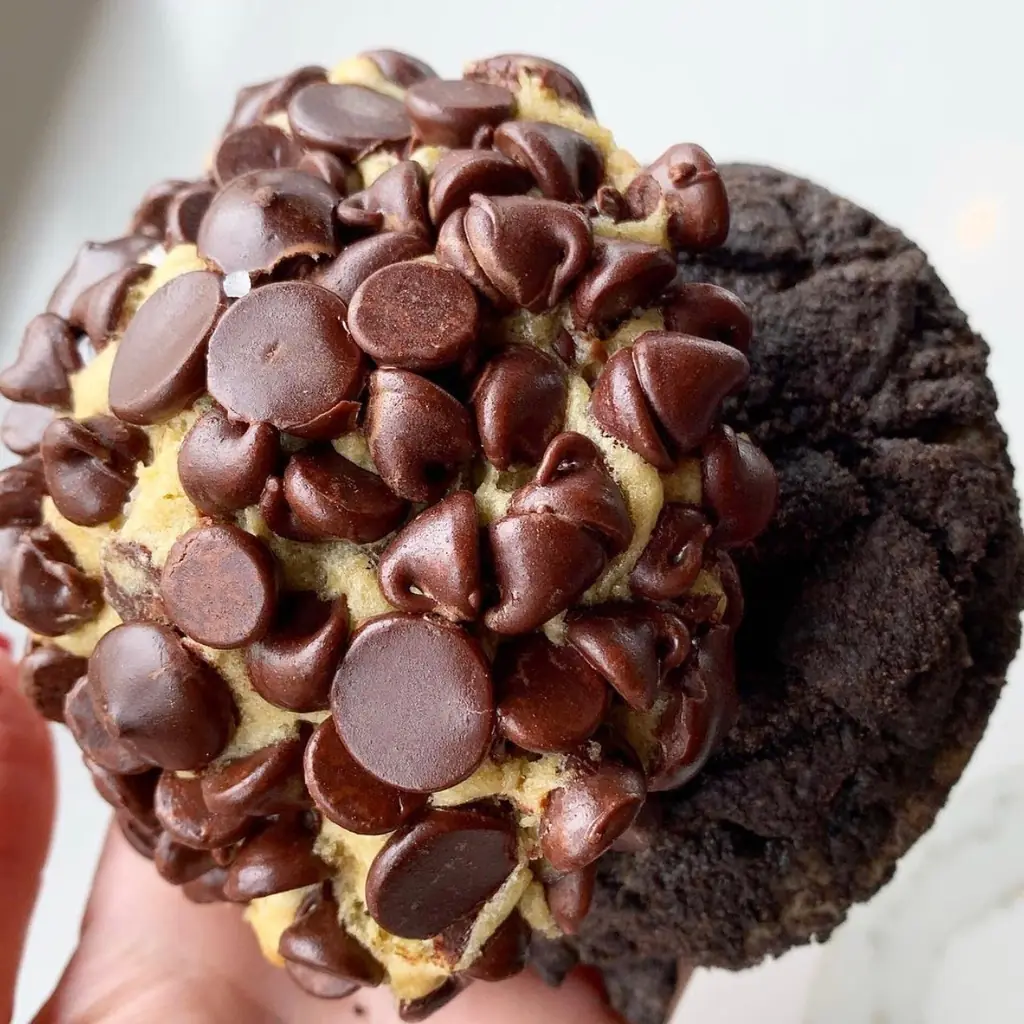
Cocoa or chocolate gave a holiday plate a darker corner. A chocolate cookie could be crisp, soft, or nut-filled depending on the recipe.
The ingredient was not automatically the same as sweetened drinking cocoa, so the package and recipe needed to agree.
That distinction was familiar in a kitchen where a pantry tin might be opened for either a hot drink or a batch of baking.
16. Divinity
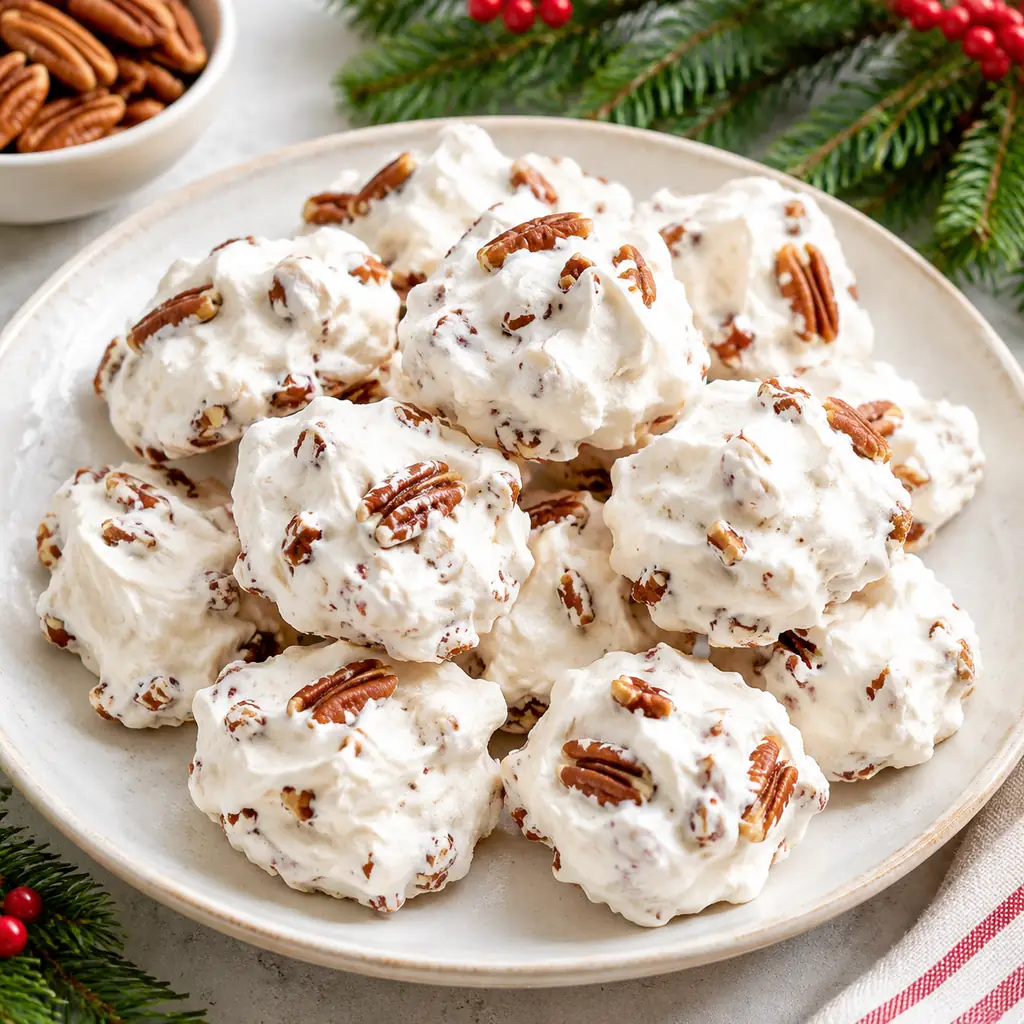
Beaten egg whites and cooked sugar syrup made divinity lighter than an ordinary square of fudge. Nuts supplied a contrast to the pale candy.
The syrup stage and the beating both mattered. This was candy-making work that required attention rather than a casual mixture stirred once.
A 1961 holiday pamphlet preserved by the Library of Congress included Christmas divinity, documenting its place among seasonal homemade sweets.
17. Chocolate fudge
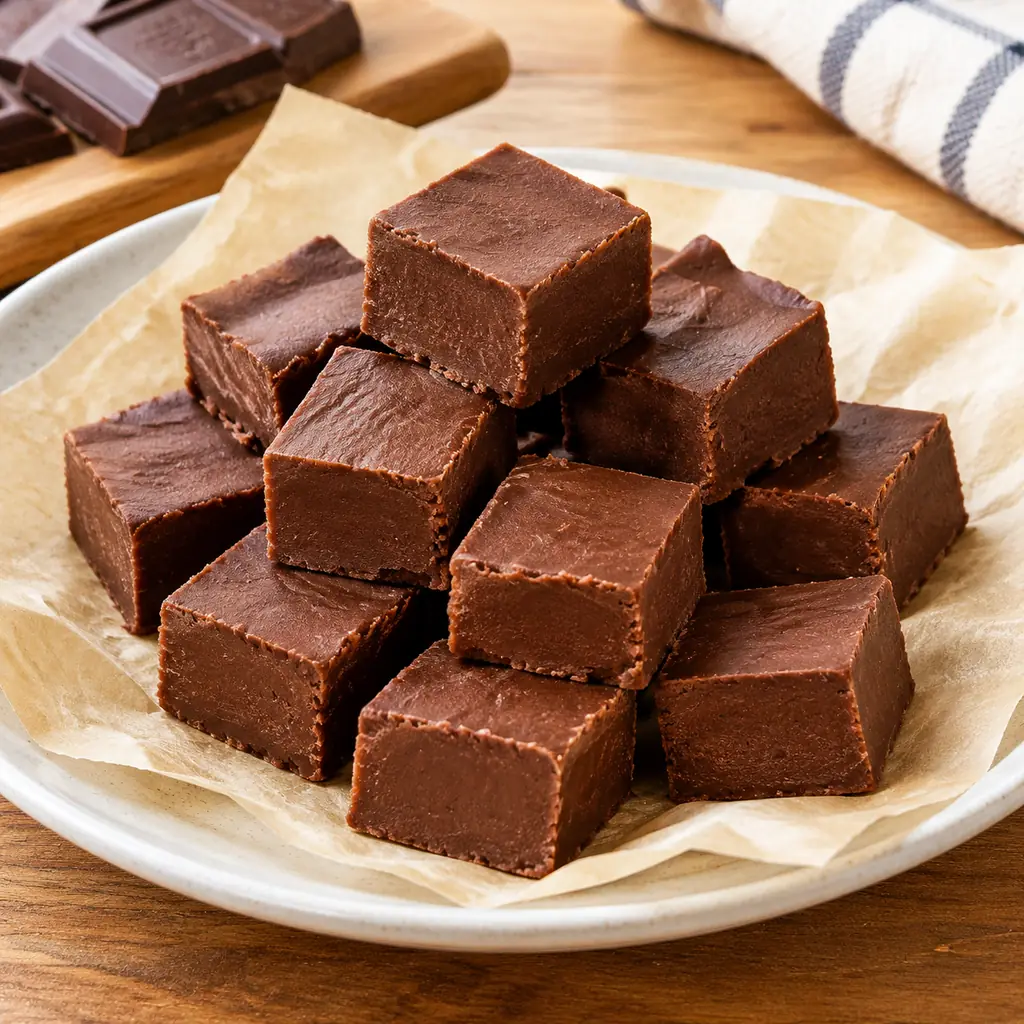
The appeal of fudge was its small, rich square and its smooth texture. Traditional cooked versions depended on heating and beating the mixture at the appropriate stages.
Stirring at the wrong time could change the crystals and the finished feel.
A pan made enough pieces to share, which suited a kitchen already busy with the visitors and preparations surrounding family holiday house rules.
18. Penuche
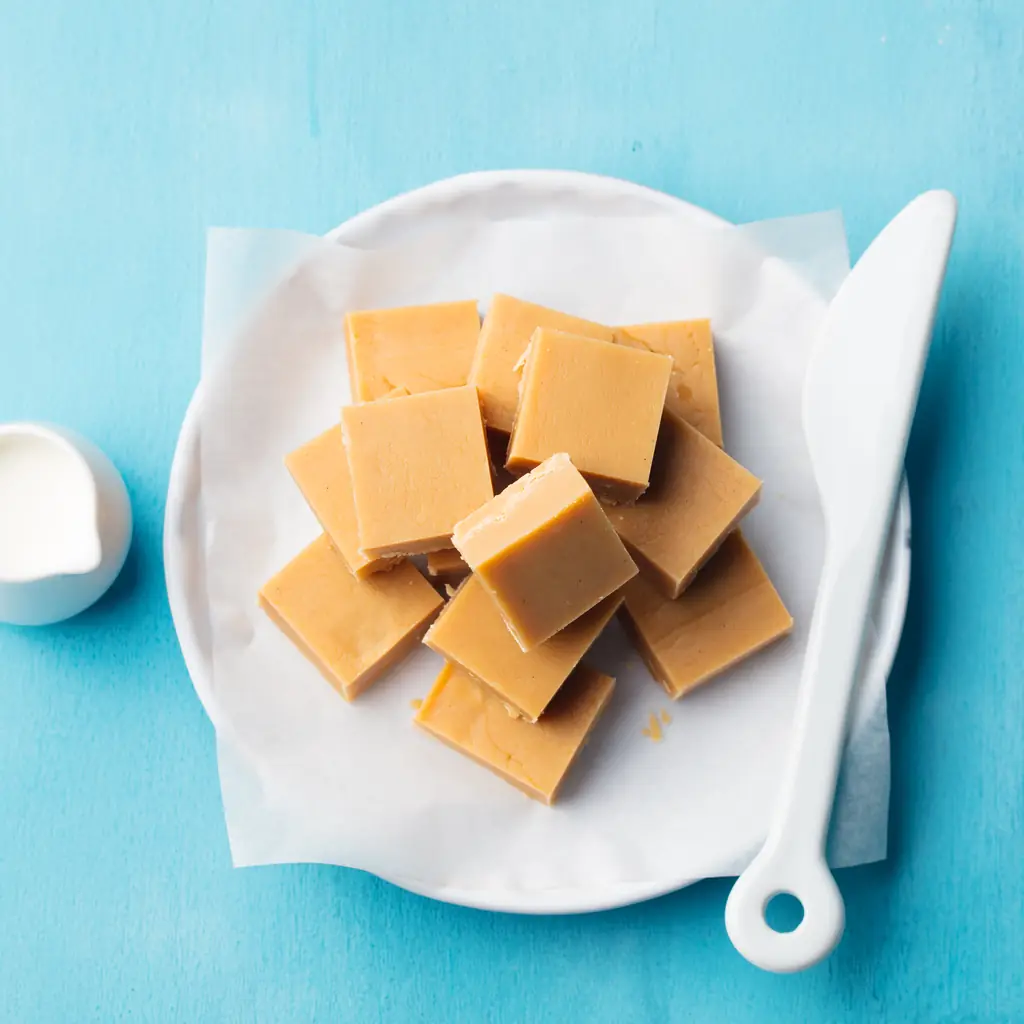
Brown sugar gave penuche a flavor different from chocolate fudge. The cooked candy could include nuts and was cut into small pieces after setting.
Its pale brown color made it easy to identify beside darker sweets.
The name appeared in older candy books as well as later holiday pamphlets. Someone remembering a grandmother's brown-sugar candy may recognize the taste even if the family used another name.
19. Peanut brittle
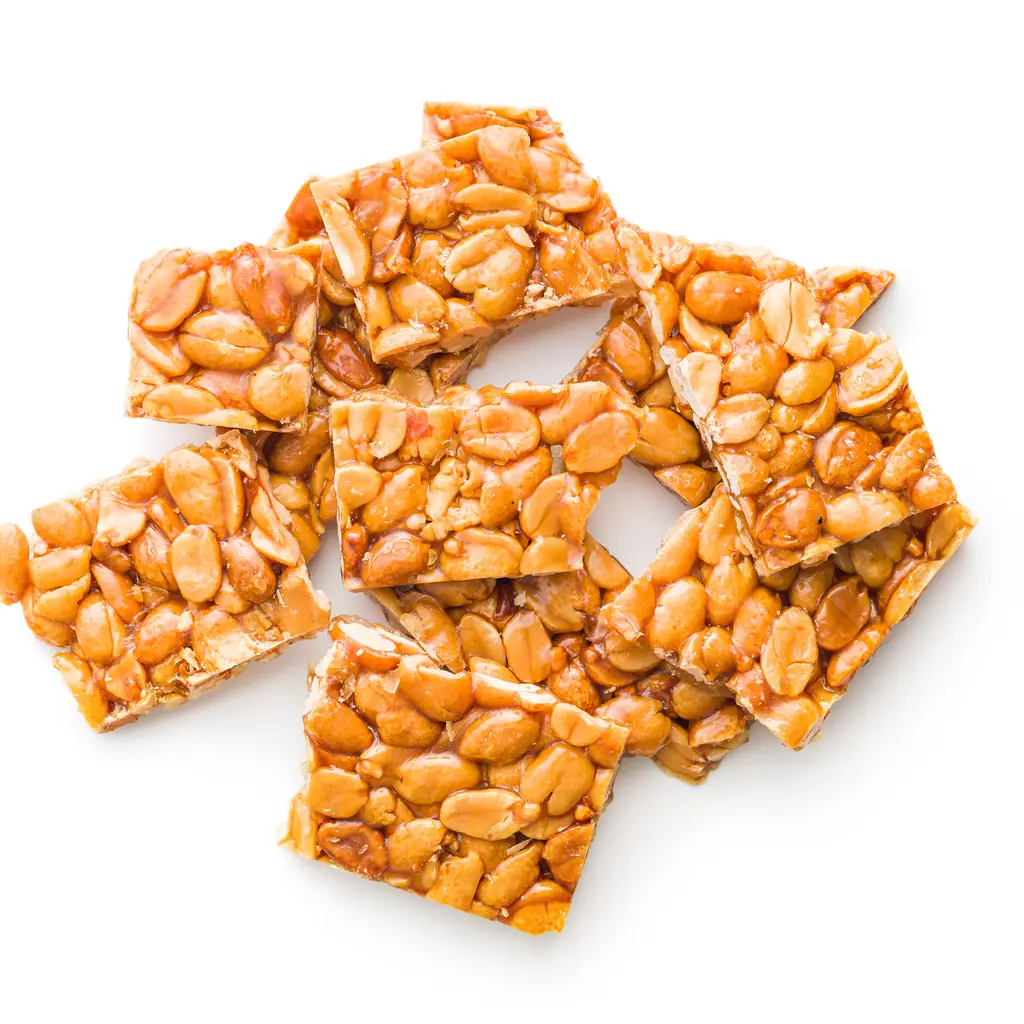
A thin sheet of cooked sugar held peanuts in place before it broke into irregular pieces. The hard, crisp finish distinguished brittle from soft fudge.
A candy thermometer helped establish the syrup stage, while quick handling mattered once the nuts went in.
Breaking the cooled sheet was part of its appeal. The pieces did not need to be identical to look right in a Christmas candy dish.
20. Pecan pralines
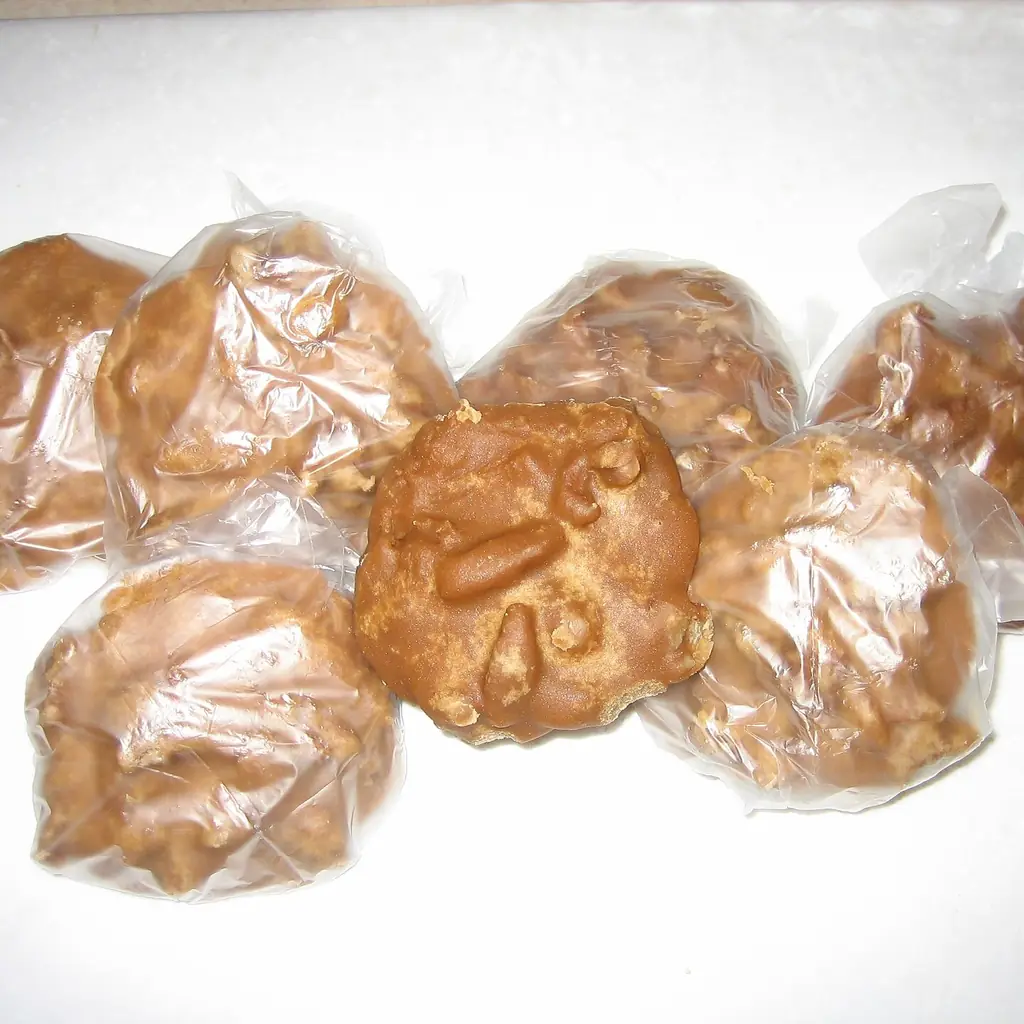
Pecans and cooked sugar made a candy that could look rougher and more individual than a neatly cut square. Recipes differed in their use of milk, cream, and sugar.
The mixture had to be portioned while it could still be worked.
Pralines carried strong regional associations, a reminder that a family Christmas table could preserve the same heritage as regional American dishes.
21. Molasses taffy
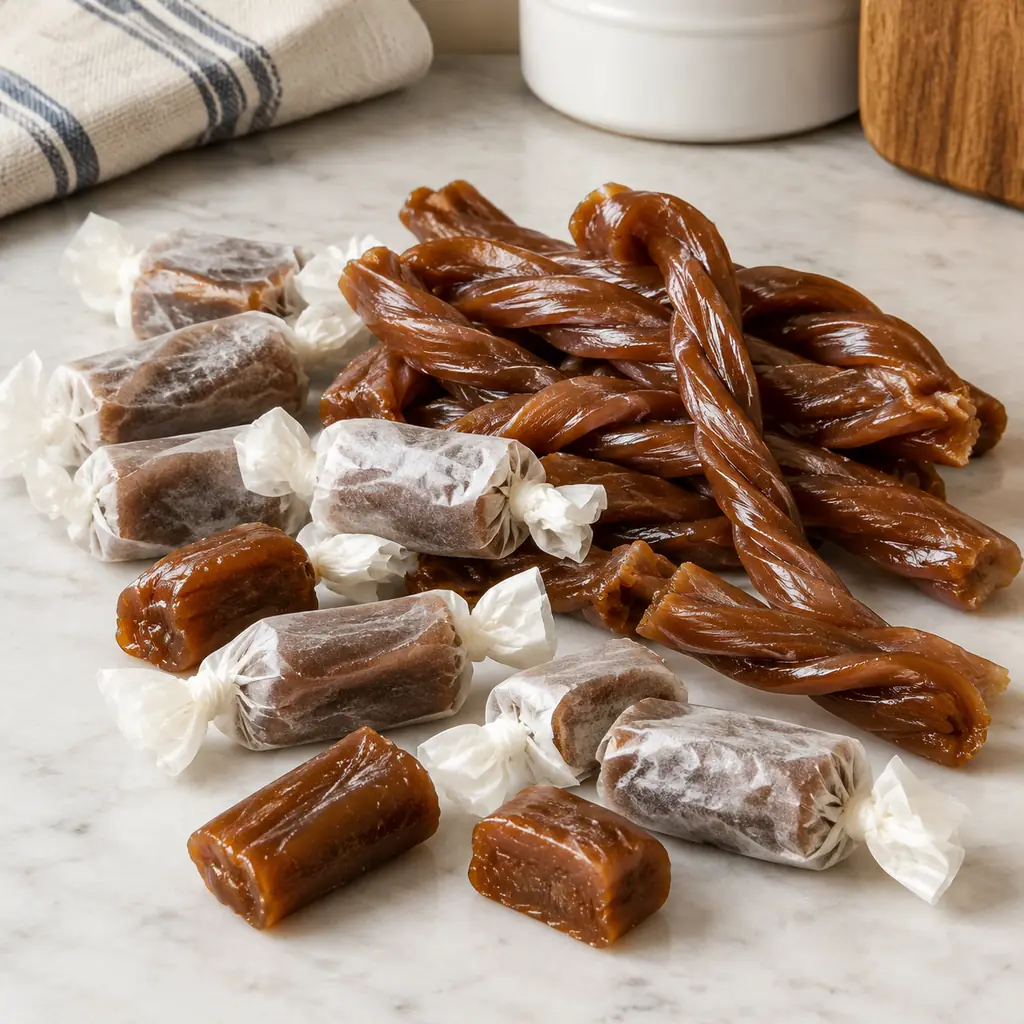
A cooked molasses mixture became a candy to pull, stretch, and shape as it cooled. The hands-on stage was very different from pouring fudge into a pan.
The candy had to cool enough to handle safely without becoming too stiff to work.
Its deeper flavor gave another use to a familiar baking ingredient. Old candy books show how many different sweets could grow from a small set of pantry staples.
22. Popcorn balls
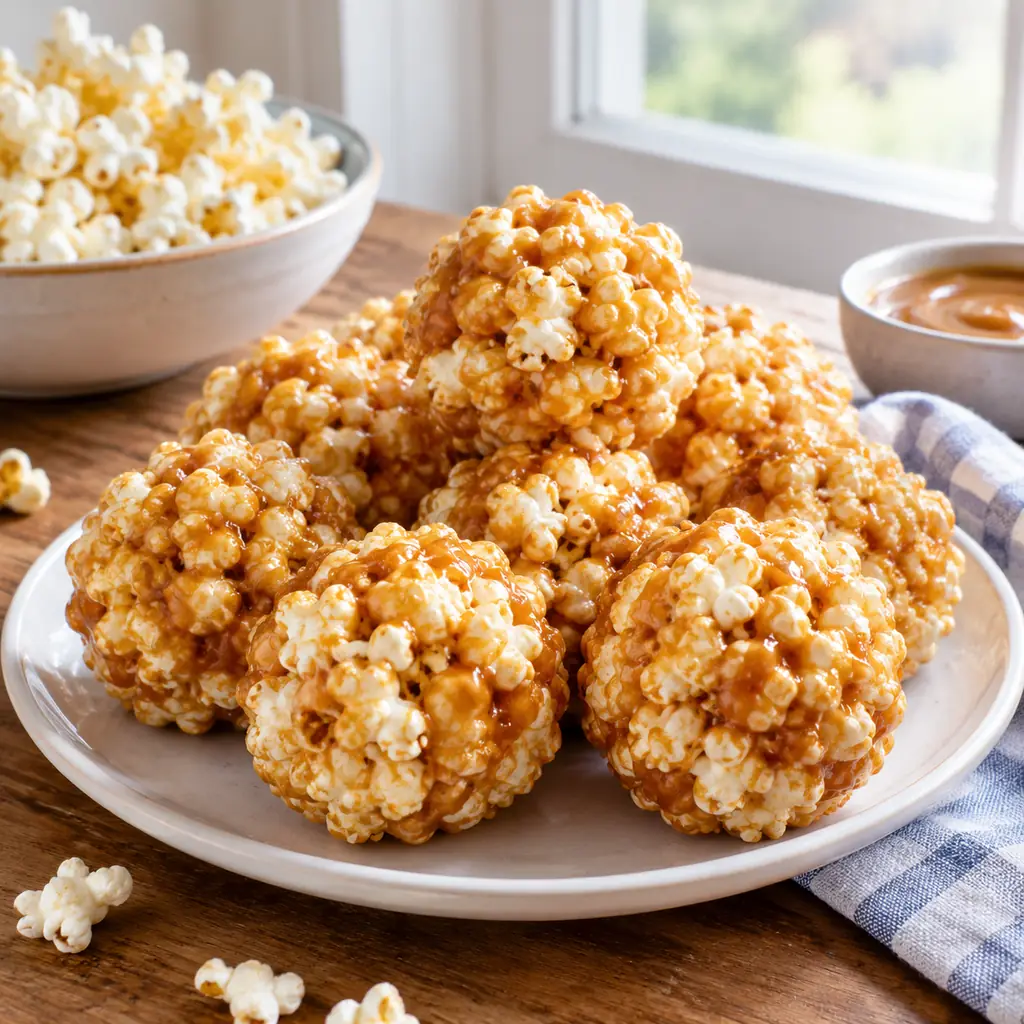
Warm syrup held popped corn together in a sweet, irregular sphere. The maker had to distribute the coating before the mixture became too firm.
The finished balls could be wrapped separately, making them easier to handle and share.
They belonged as readily to a holiday gathering as to another special occasion, with family custom deciding when the large bowl and sticky spoons came out.
23. Wrapped caramels
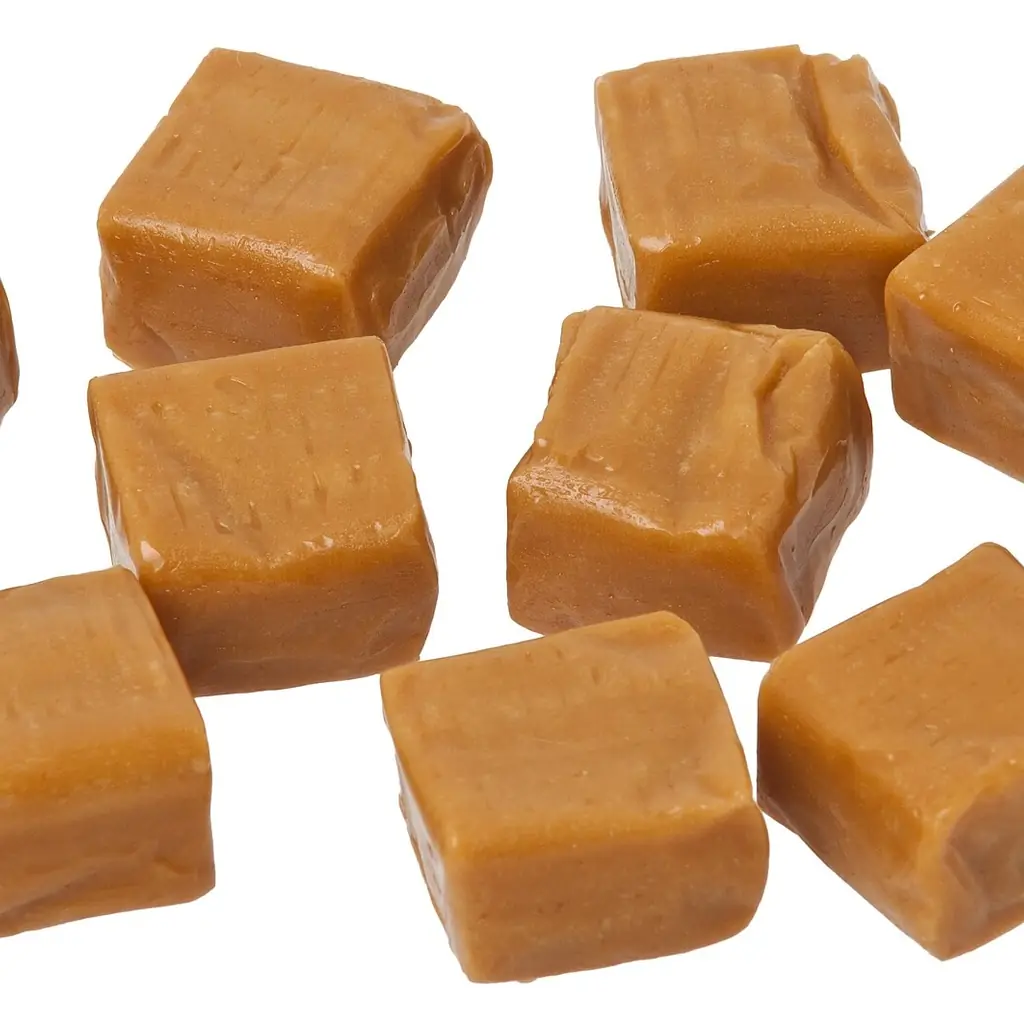
Soft caramels required a different syrup finish from brittle. The aim was a candy that held its shape but yielded when bitten.
Cutting and wrapping the pieces created another job after the cooking was done. A pan of candy could keep several hands occupied.
That division of work resembled the larger household routines in a weekly schedule of cooking, washing, and mending.
24. Stuffed dates
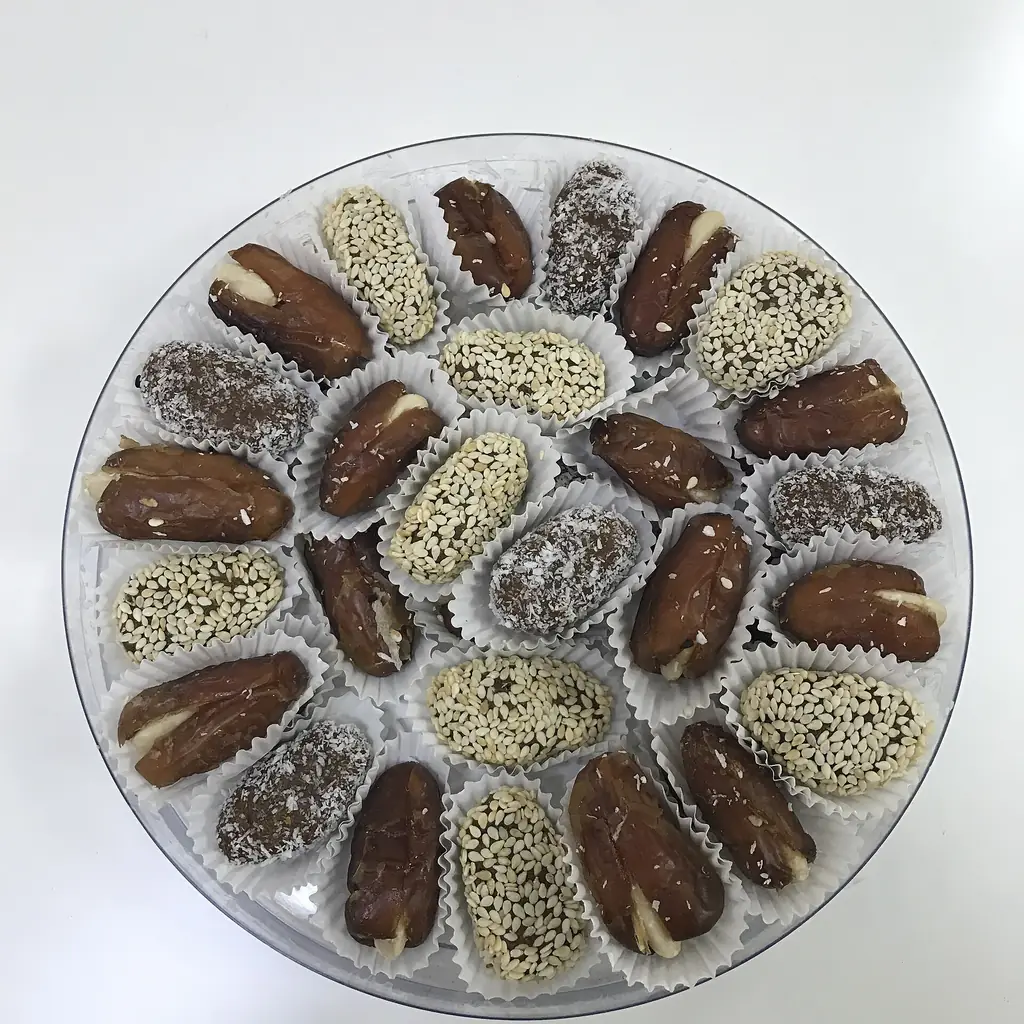
A date opened around a nut or a sweet filling made a small confection without turning the fruit into dough. The dark fruit and pale filling gave a clear contrast.
The date needed to be checked for a pit before it was filled.
A plate of these sweets could sit beside more elaborate cookies, offering a different texture and a reminder of the dried-fruit boxes that appeared around the holidays.
25. Candied orange peel
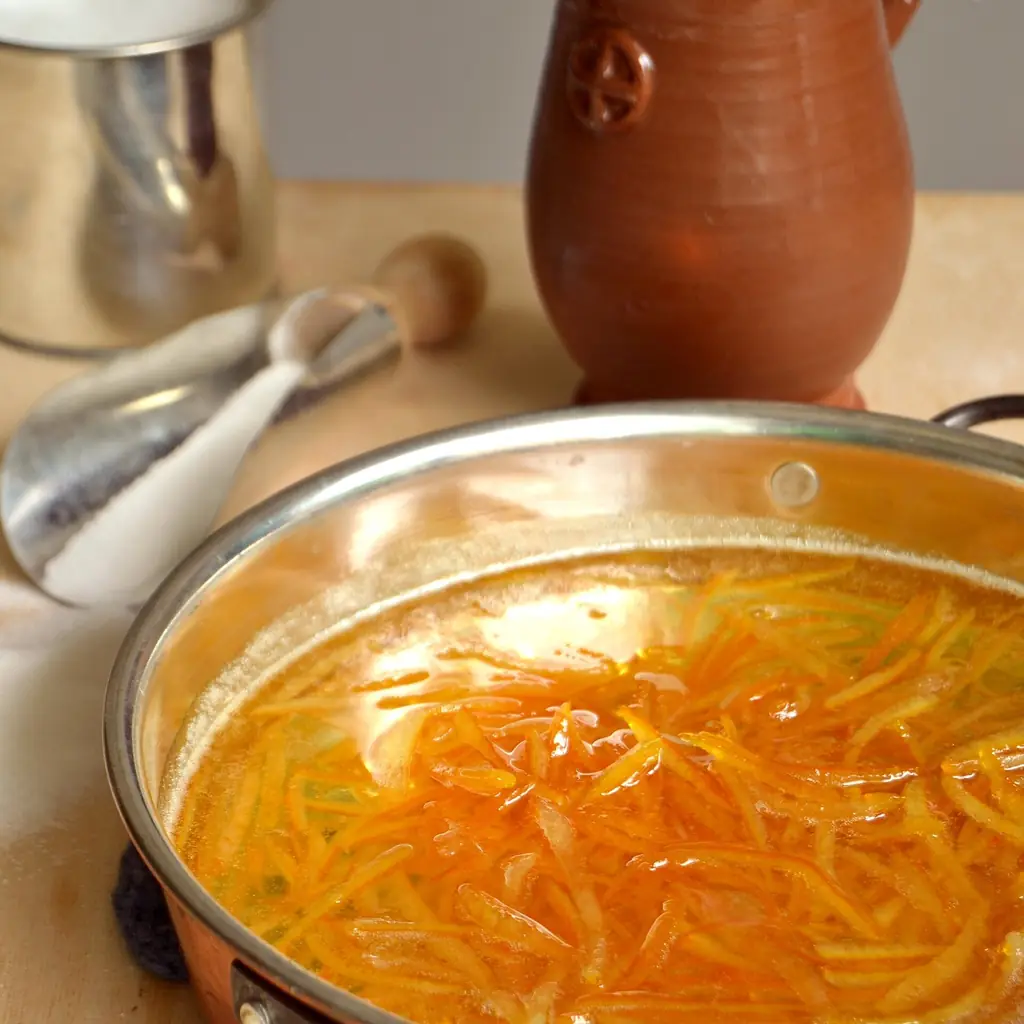
Orange peel could become a sweet after careful preparation and cooking in syrup. The finished strips kept a citrus flavor that cut through a plate of richer confections.
The preparation required more than simply dusting raw peel with sugar. Older candy books describe several stages.
The result made use of an ingredient that might otherwise be discarded, a small final example of how holiday baking and household thrift overlapped. A small dish could also supply a citrus finish beside the richer desserts at a family dinner party.
Sources and further reading
- Betty Crocker: Spritz Cookies
- The Boston Cooking-School Cook Book, 1910 revised edition
- King Arthur: Introduction to Springerle
- King Arthur: Classic Pizzelle
- Nordic Ware: Krumkake and Pizzelle Iron Instructions
- Mary M. Wright: Candy-Making at Home, 1915
- Library of Congress: Candy Recipes for the Holidays
Image credits
- 2026-01-06 22 09 06 Molasses cookies in Westampton Township, Burlington County, New Jersey.jpg by Famartin; CC BY-SA 4.0. Cropped to a square, resized and converted to WebP. No subject details altered.
- Krumkake.jpg by Jonathunder; CC BY-SA 3.0. Cropped to a square, resized and converted to WebP. No subject details altered.
- Snowflake sugar cookies, December 2008.jpg by Tim Lewis; CC BY-SA 2.0. Cropped or fitted to a square, resized and converted to WebP. No subject details altered.
- Gingerbread Cookies on Table.jpg by GutMaze; CC BY-SA 4.0. Cropped or fitted to a square, resized and converted to WebP. No subject details altered.
- Springerle 1 (fcm).jpg by Photograph: Frank C. Müller, Baden-Baden; CC BY-SA 4.0. Cropped or fitted to a square, resized and converted to WebP. No subject details altered.
- Pizzelle in a loose stack, April 2010.jpg by Steve Snodgrass; CC BY 2.0. Cropped or fitted to a square, resized and converted to WebP. No subject details altered.
- Shortbread fingers.jpg by User:Dave souza; CC BY-SA 2.5. Cropped or fitted to a square, resized and converted to WebP. No subject details altered.
- Hallongrotta.jpg by Wolfgangus Mozart; Public domain. Cropped or fitted to a square, resized and converted to WebP. No subject details altered.
- Date cookies.jpg by KISUMAR123; CC0. Cropped or fitted to a square, resized and converted to WebP. No subject details altered.
- Coconut Macaroons (5940136052).jpg by NGI197; CC BY 2.0. Cropped or fitted to a square, resized and converted to WebP. No subject details altered.
- Sugar Spice Cookies, January 2010.jpg by Janet Hudson; CC BY 2.0. Cropped or fitted to a square, resized and converted to WebP. No subject details altered.
- Chocolate cookie.jpg by Sgiraldo9; CC BY-SA 4.0. Cropped or fitted to a square, resized and converted to WebP. No subject details altered.
- Sweet Julep's pralines on a cutting board.jpg by gren; Public domain. Cropped or fitted to a square, resized and converted to WebP. No subject details altered.
- Caramels.jpg by Evan-Amos; CC BY-SA 3.0. Cropped or fitted to a square, resized and converted to WebP. No subject details altered.
- Stuffed Dates with Nuts.jpg by Mervat Salman; CC BY-SA 4.0. Cropped or fitted to a square, resized and converted to WebP. No subject details altered.
- Candied Orange Peels (14631748550).jpg by Turku Gingerbread from Finland; CC BY 2.0. Cropped or fitted to a square, resized and converted to WebP. No subject details altered.