A candle in the window was only the beginning of an Irish Christmas. Local accounts show how families prepared the house, made room for a feast, and kept the season going into January.
1. The window candle made a welcome visible
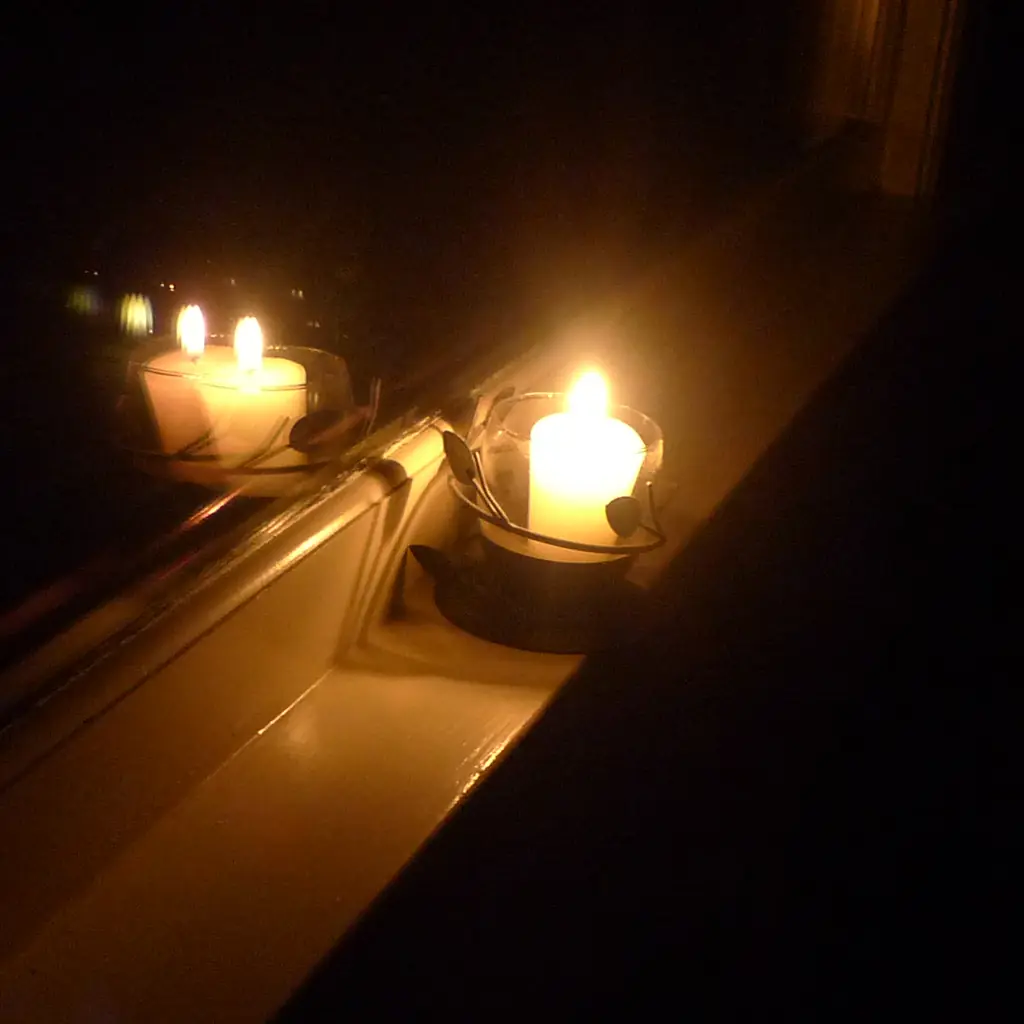
In a schoolchild's account from County Mayo, Christmas candles offered a light to the Holy Family and to people passing in the dark. The explanation was direct: someone on the road should be able to see the house.
That puts the candle in a different setting from a decoration chosen to match a room. Its position mattered because it faced outward.
The house announced that Christmas had arrived before anyone reached its door.
2. Holly went around the pictures already on the wall
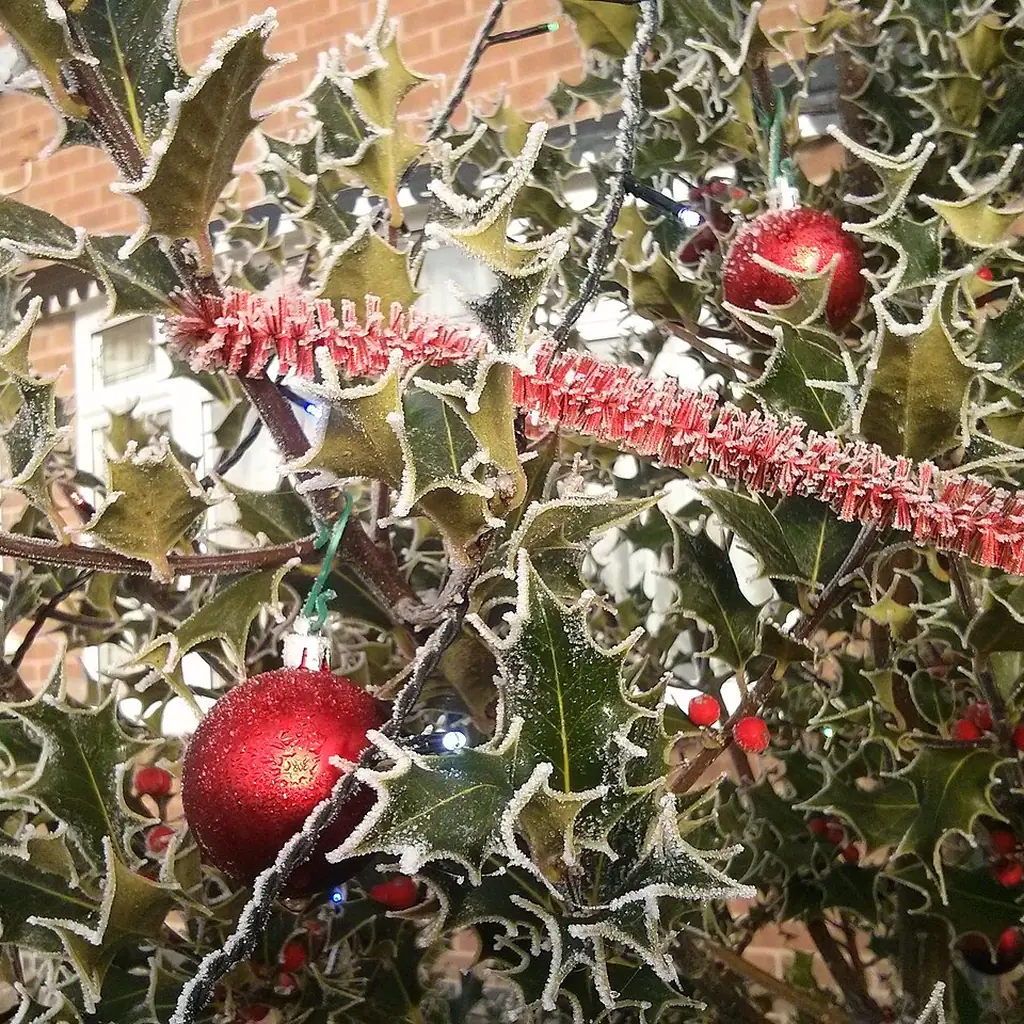
A January 1938 account from Belmullet describes ivy placed over pictures after the house had been cleaned. Christmas decoration did not require the ordinary room to disappear beneath a completely new scheme.
The familiar frames became part of it. Greenery could follow the things the family already looked at every day.
The room still held its everyday furniture and family pictures, with the bright leaves fitted around them.
3. Freshly cleaned walls announced the season
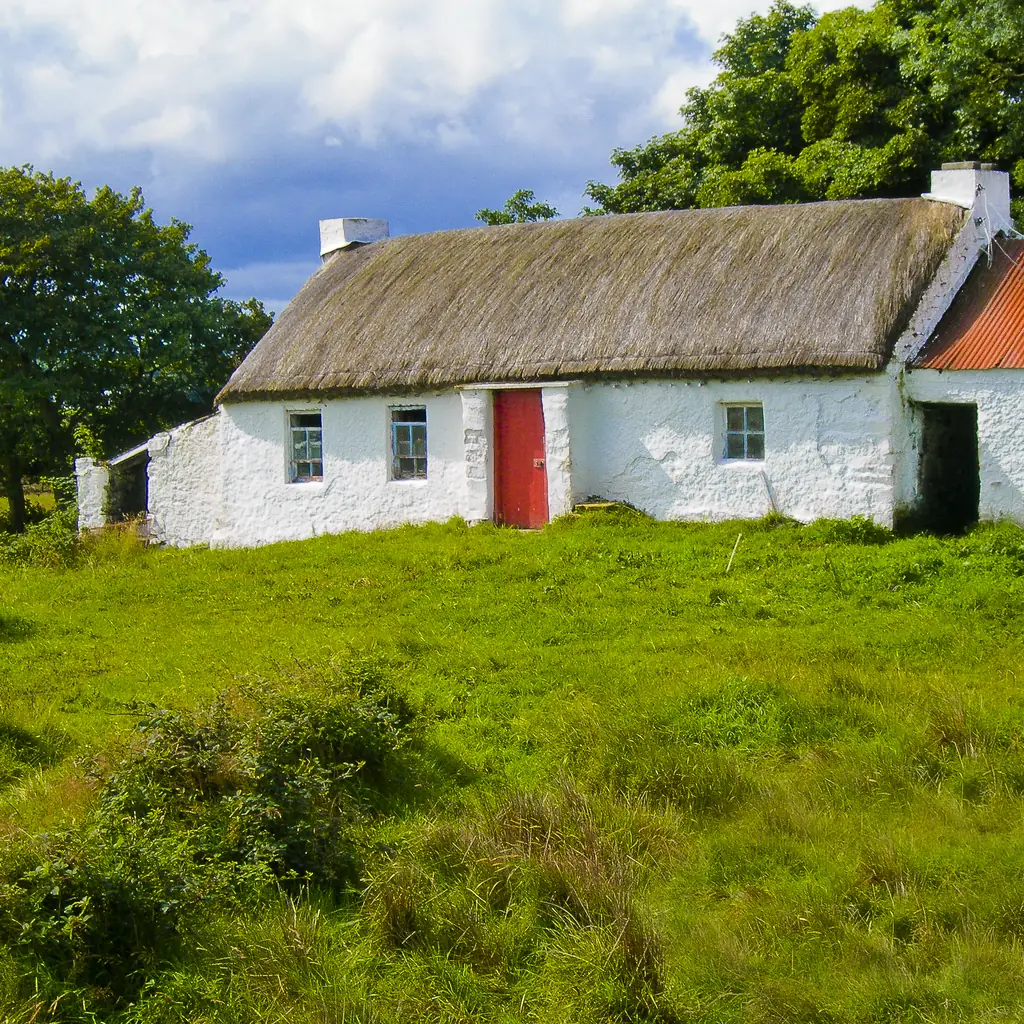
An account collected near Bantry begins Christmas preparations with cleaning inside and outside the dwelling. It also mentions whitewashing, before moving on to holly and the shopping trip.
The order makes sense. Before the special food arrived, someone had to get the house ready for it.
The finished room held the results of that work. Its holiday appearance began with a brush, a bucket, and the people who made time to use them.
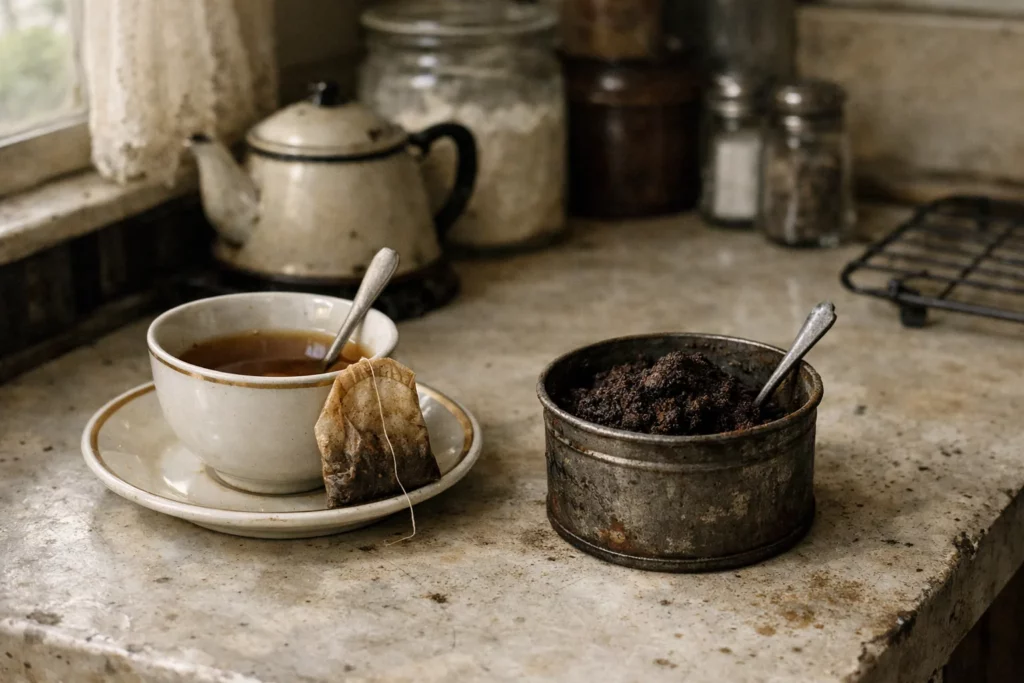
4. Christmas Eve could have room for two suppers
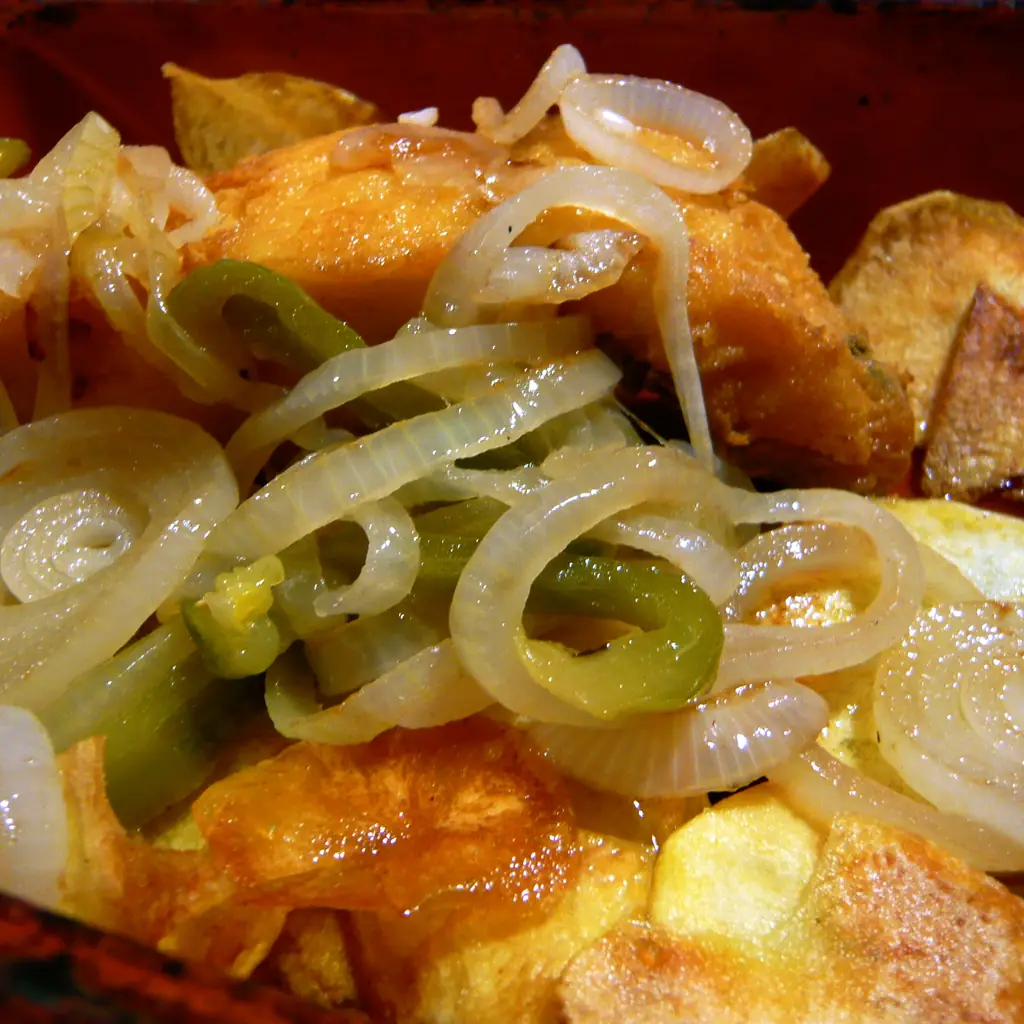
Christmas Eve near Bantry could include a late meal of salt fish and potatoes, followed by a second supper. Another remembered evening in County Cork moved from fish and potatoes to tea, cakes, songs, and a much later finish.
Rather than imagine one dinner containing everything, picture the table changing as the evening continued.
Food marked different parts of the night. A savory plate, fresh tea, and something sweet could each give people another reason to remain together.
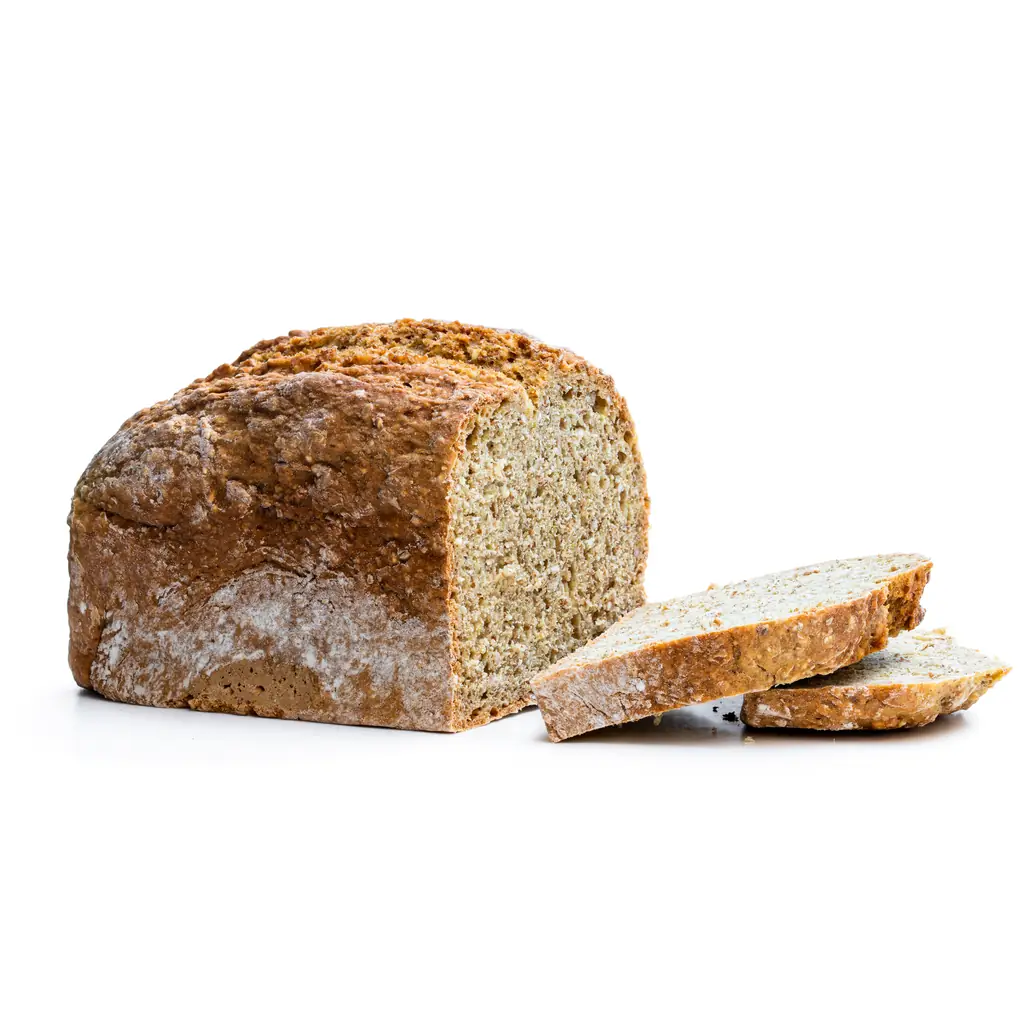
5. A cake could carry the feeling of a special purchase
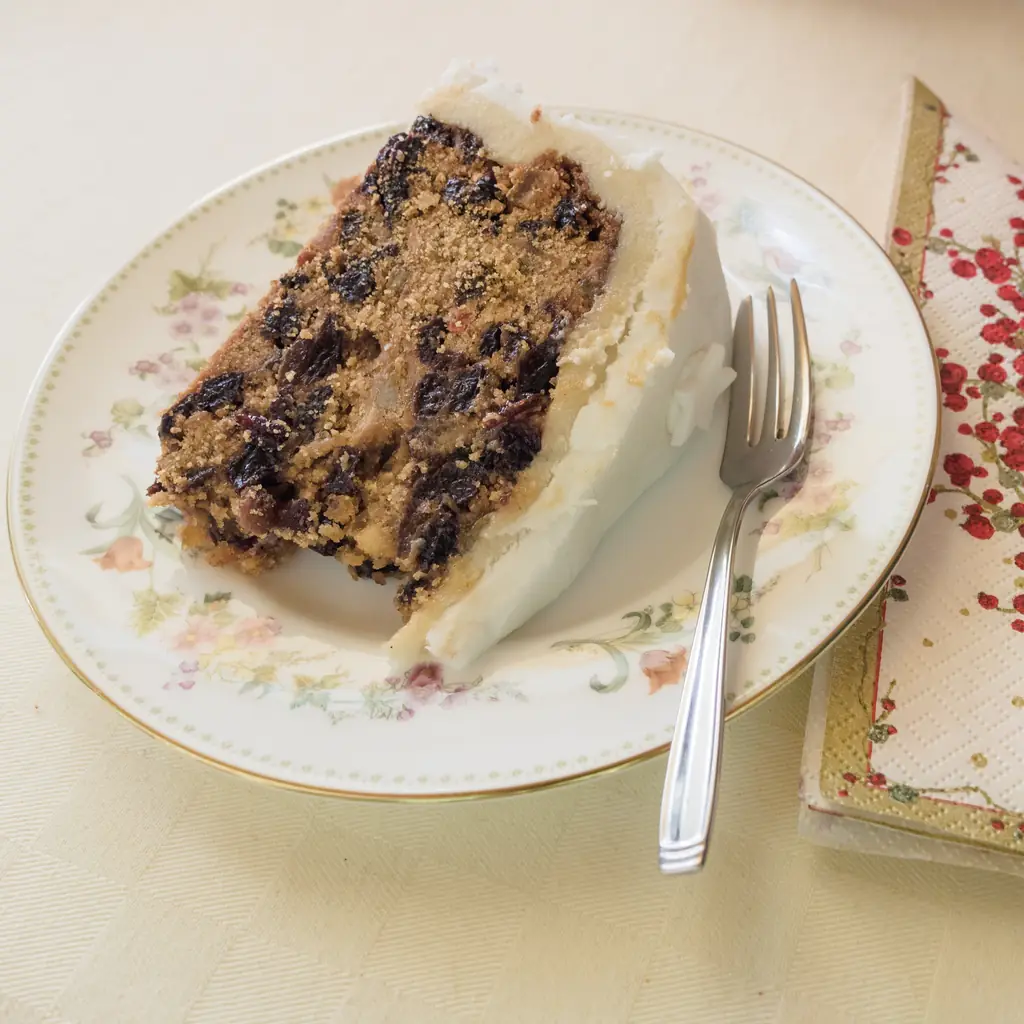
Sweet cakes and plum pudding appear alongside a roast goose or turkey in a child's account from County Mayo. The food was part of what made the day worth anticipating.
The cakes gave the table a sweet course of its own, extending the pleasure of the meal after the roasting and serving were finished.
Family names for cakes often outlast the written recipe. They are part of the same kitchen memory as the treats Grandma made for Christmas.
6. A Christmas box did not always come from a relative
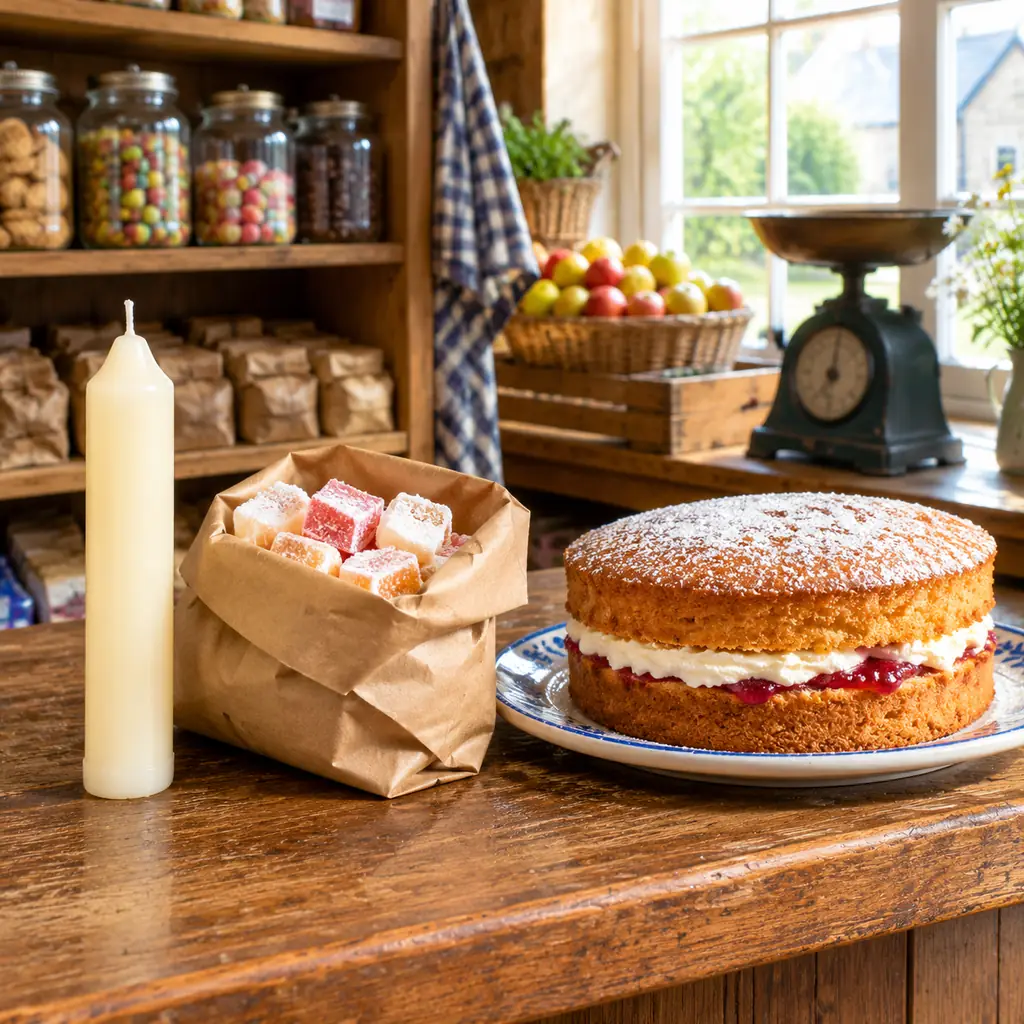
In Carrigaline, County Cork, a contributor described shopkeepers giving their best customers Christmas presents, including candles, cakes, and sweets. The familiar phrase “Christmas box” could refer to that shop relationship.
It adds another person to the holiday picture: the merchant who knew the household throughout the year.
The gift belonged to the ordinary route through town, along with the purchases that replenished a well-used pantry. Christmas could make a routine transaction feel personal.
7. The Christmas fire might have a local benefactor

In Carrigaline, Christmas logs could arrive through a local man's annual distribution to villagers. The fuel for a household's fire had a connection to someone outside it.
Before a room could feel welcoming, someone had to supply the wood, carry it inside, and tend the fire. The comfort at the hearth depended on that preparation.
Those practical questions also run through the work of keeping a household going, long before the guests sat down.
8. Staying home could be the Christmas Day custom
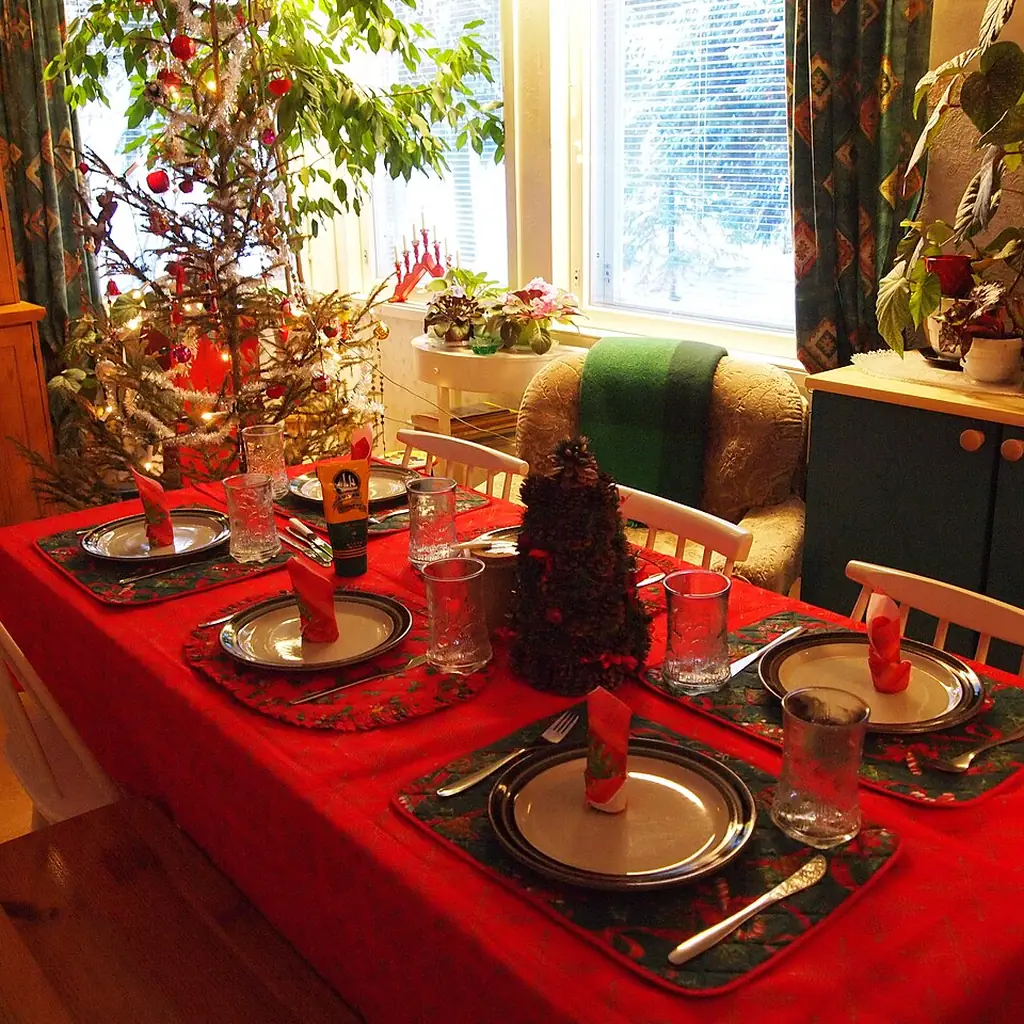
For people described in the Belmullet record, December 25 was generally a day to remain in their own homes. Visits could wait.
The holiday could be spent with the people already around the table, with the wider visiting and performances falling elsewhere in the season.
The menu, too, depended on the household. Irish grandmothers' cooking makes more sense when there is room for those local differences.
9. St. Stephen's Day brought performers to the door
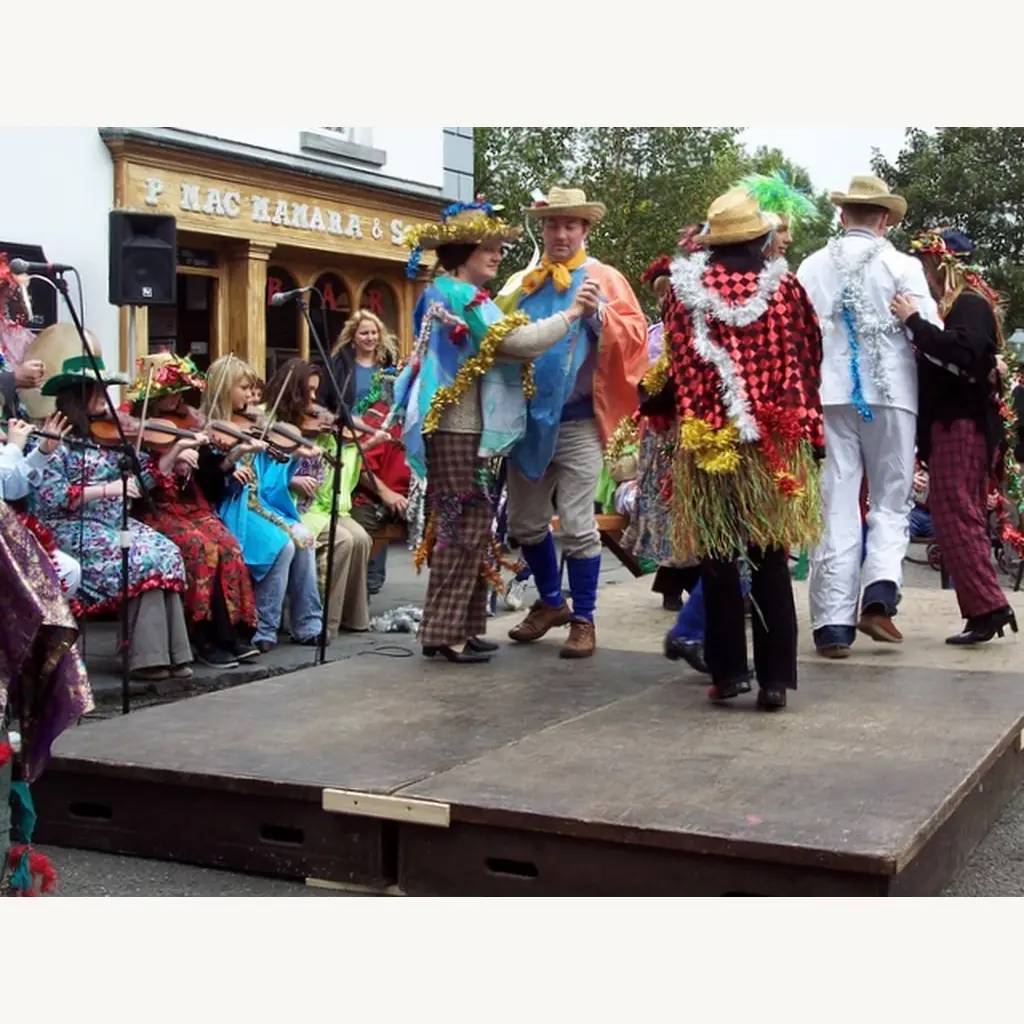
On December 26, Wren groups visited houses with songs, jokes, and requests for money. The National Museum of Ireland records disguises and a small decorated box as parts of the custom.
The visit changed the direction of Christmas hospitality. People who had spent the previous day around their own table now heard a performance arrive outside.
The custom has changed over time and survives in some places. Along with other changing Christmas traditions, it shows how a familiar celebration can take on new forms while keeping its place in the calendar.
10. Mummers brought a whole little play
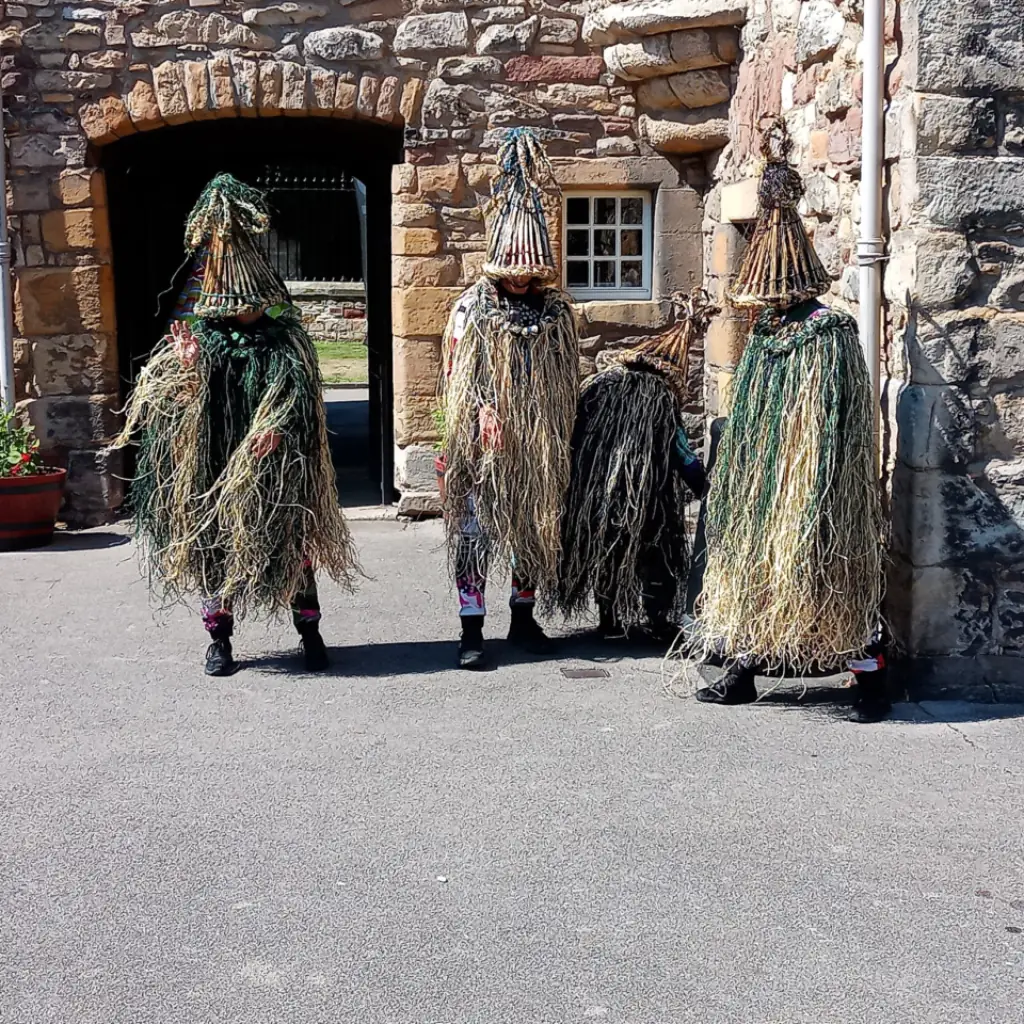
Mumming offered something different from a procession. In the museum's account, two heroes fought in a verse play and a doctor restored the fallen character.
A doorway or kitchen could briefly become a stage, with recognizable roles rather than a large set. The performance gave the visitors more to do than sing a greeting and leave.
In parts of the country, especially the north, the tradition continues. The costumes and voices still give a house visit the shape of a small theatrical occasion.
11. Women's Christmas recognized who had done the work
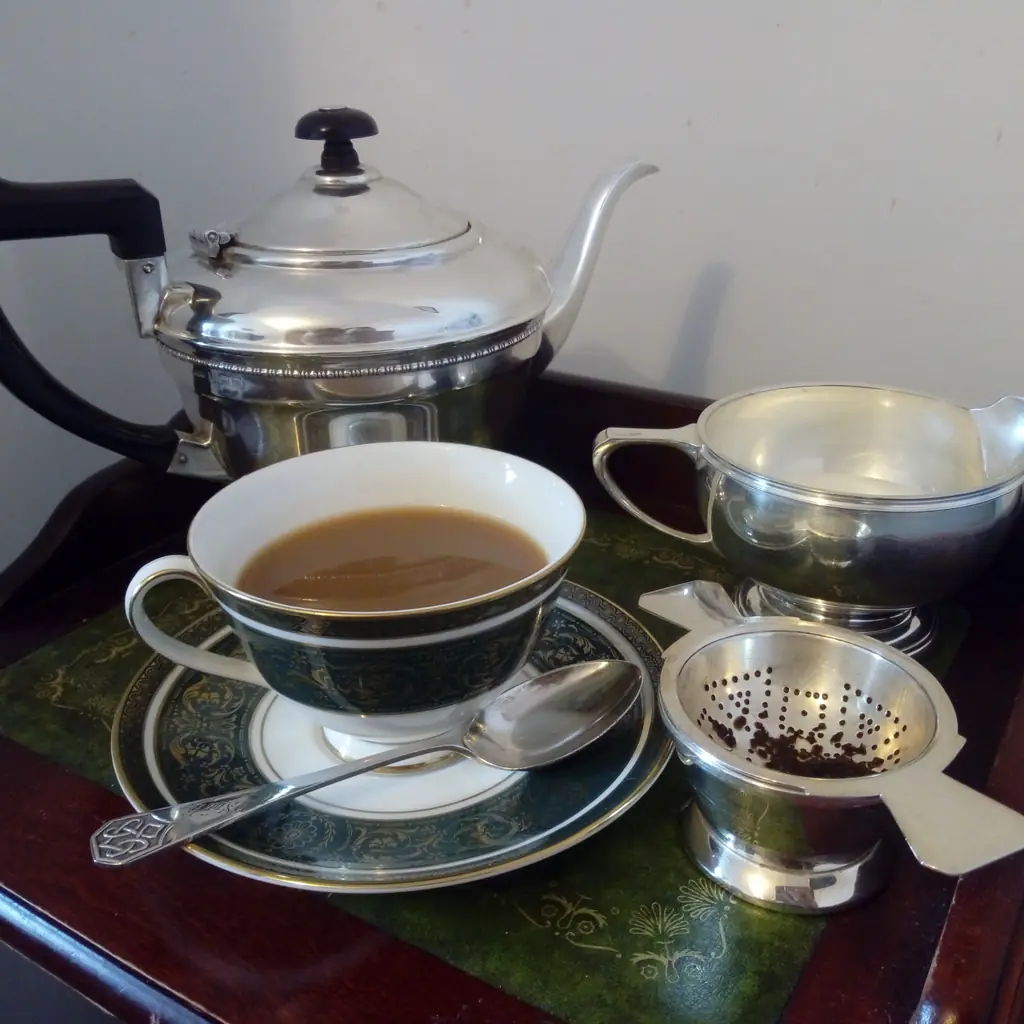
January 6 is associated with Nollaig na mBan, or Women's Christmas. Traditionally, men took over household duties while women had a chance to rest after the season's work.
That places the celebration after the cooking, serving, visiting, and clearing away. The date acknowledges labor that can otherwise disappear behind the picture of a happy table.
Even turning holiday leftovers into another meal takes someone's time. Women's Christmas gives that person a place in the memory of the season.
12. January gave the decorations an ending
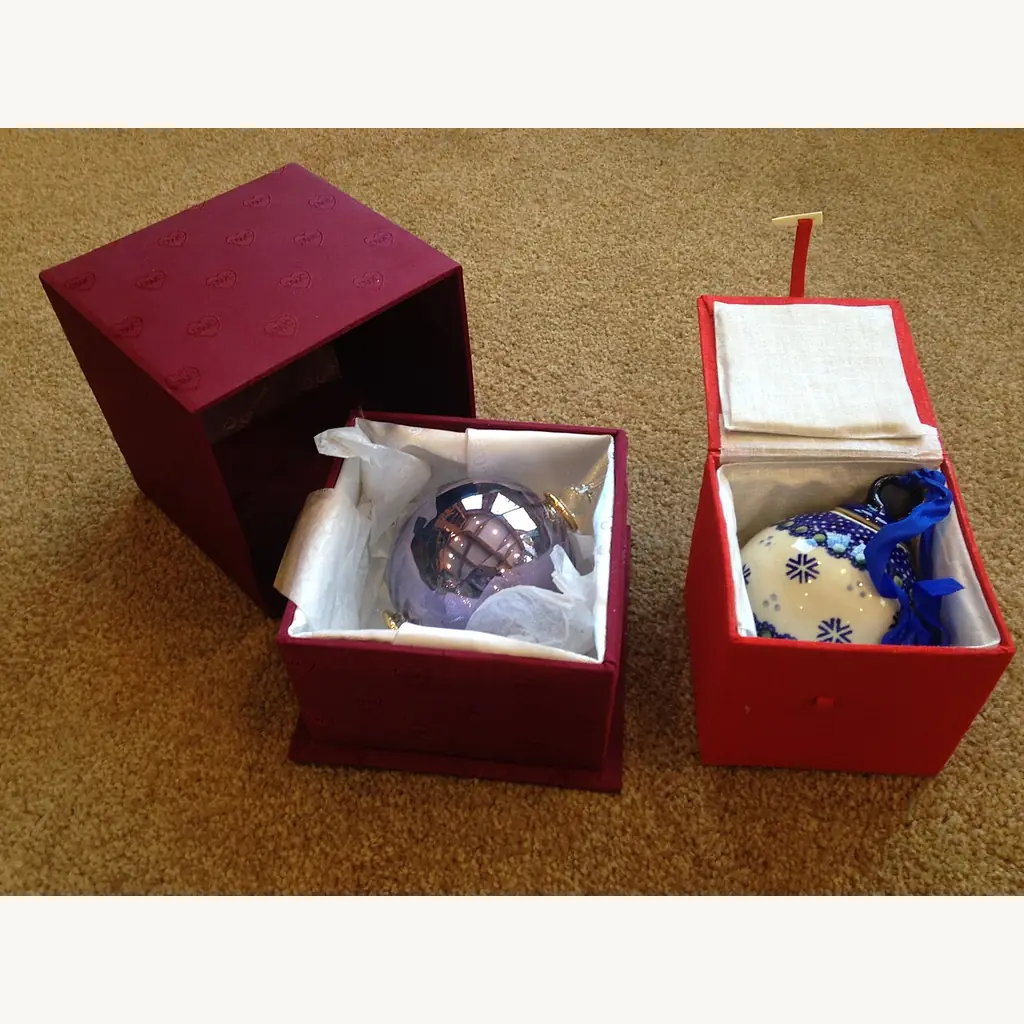
The Belmullet account specifies January 6 as the date for taking the decorations down. It gives the house a clear transition back to its everyday appearance.
People may remember the same date for different reasons: the feast of the Epiphany, a family rule, or the simple rhythm of the holidays. The reason is worth asking about instead of supplying one on someone else's behalf.
From earlier Christmas dinners to a present-day family gathering, knowing when the season ended can tell you how people understood its beginning.
Keep the place with the memory
A county, a household, and a person's name make an old custom more vivid. If a relative remembers a window candle or a visitor in disguise, ask where it happened and who took part; the answer may be more interesting than the idea that everyone celebrated alike.
Sources and further reading
- Generations past: how Christmas was celebrated
- Belmullet Christmas Customs, January 12, 1938
- Festival Customs, Drom Mór, Bantry
- Christmas Customs, Teampall Mhuire
- Local Christmas Customs, Carrigaline
- Nollaig na mBan
- Christmas Eve recollection from the Macroom area
- Image for section 1: mjmonty — CC BY 2.0
- Image for section 3: danny kearney — CC BY-SA 2.0 (adaptation under the same license)
- Image for section 5: James Petts — CC BY-SA 2.0 (adaptation under the same license)
- Image for section 9: Maigheach-gheal — CC BY-SA 2.0 (adaptation under the same license)
- Image for section 11: Sgtblackpepper — CC BY-SA 4.0 (adaptation under the same license)
- Image for section 2: Mainlymazza — CC BY-SA 3.0 (adaptation under the same license)
- Image for section 4: Jessica Spengler — CC BY 2.0
- Image for section 7: Kritzolina — CC BY-SA 4.0 (adaptation under the same license)
- Image for section 8: Miia Ranta — CC BY-SA 2.0 (adaptation under the same license)
- Image for section 10: Victuallers — CC BY-SA 4.0 (adaptation under the same license)
- Image for section 12: Rlsheehan — CC BY-SA 4.0 (adaptation under the same license)