A well-supplied Virginia kitchen in the 1820s could turn out savory puddings, rich sweets, and dishes flavored with ingredients from far beyond the state. Preparing a festive dinner meant coordinating those foods around the hearth, with skilled labor behind each course.
1. A pudding could contain the chicken
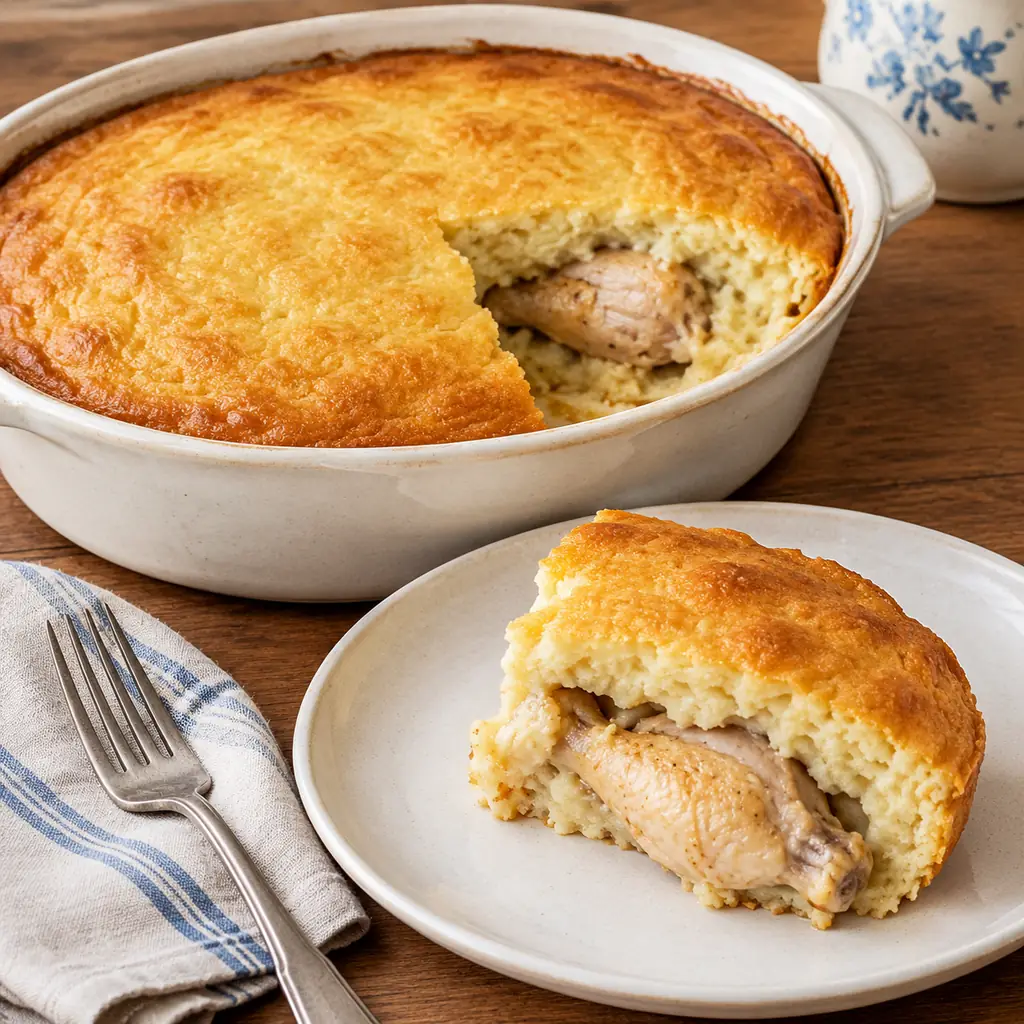
Chicken pudding placed the meat inside a dish of batter. It was a savory preparation, with the chicken forming part of the baked dish rather than arriving as a separate roast.
Mary Randolph included it in The Virginia House-wife, first published in 1824. The name sits comfortably beside the book's sweet puddings, although the two kinds would occupy different places in a meal.
On the table, a serving cut through batter to reveal the chicken underneath. For a modern reader, the familiar word pudding opens onto a much wider range of dishes than dessert alone.
2. The cook needed usable heat, not the biggest flame
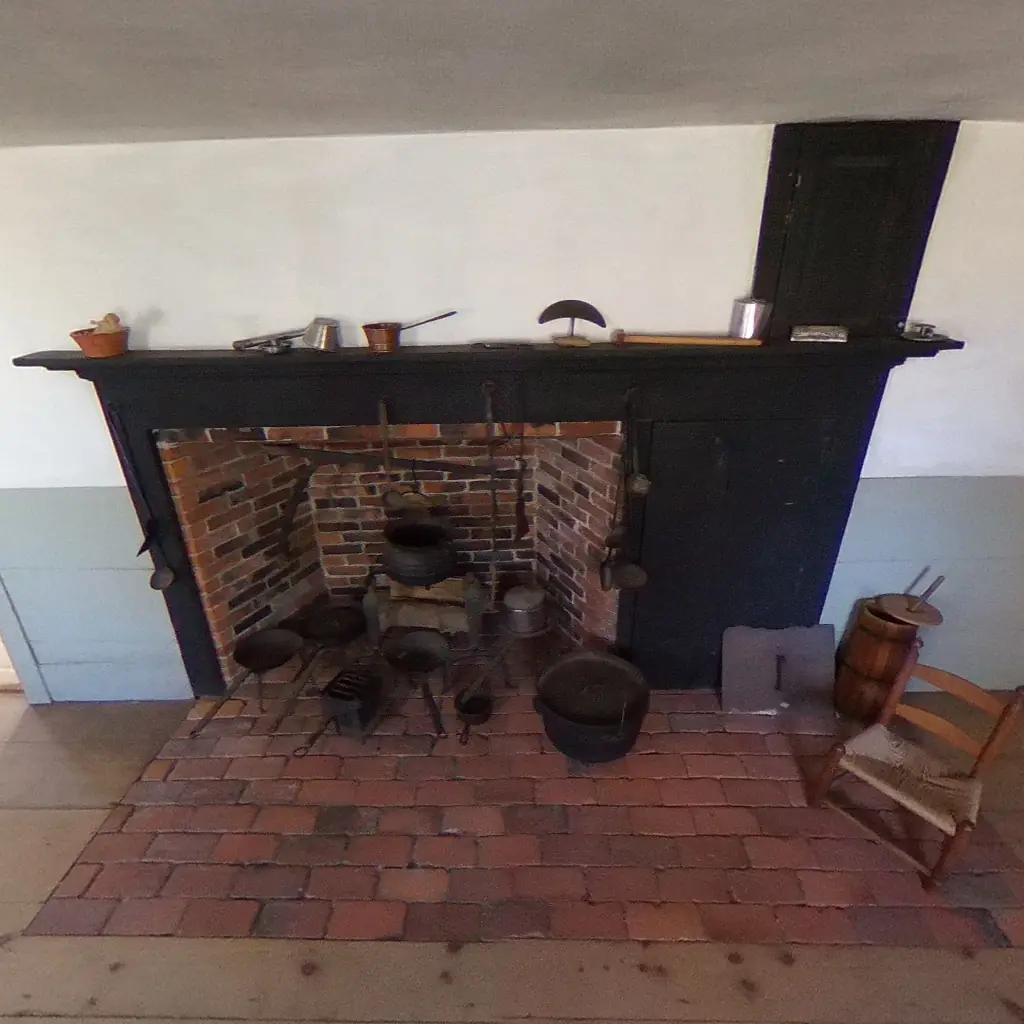
The cook needed a fire that could supply several kinds of heat. A vessel simmering over a small flame had a different requirement from a pot baking with coals around it.
Fuel therefore mattered for more than warmth. Wood that produced a useful bed of coals gave the kitchen something it could draw on as the meal progressed.
A festive dinner brought those demands together. While one dish cooked, another might need a new position, a different vessel, or a share of the coals. The hearth was a working arrangement that changed throughout preparation.
3. A covered iron pot could do the baking
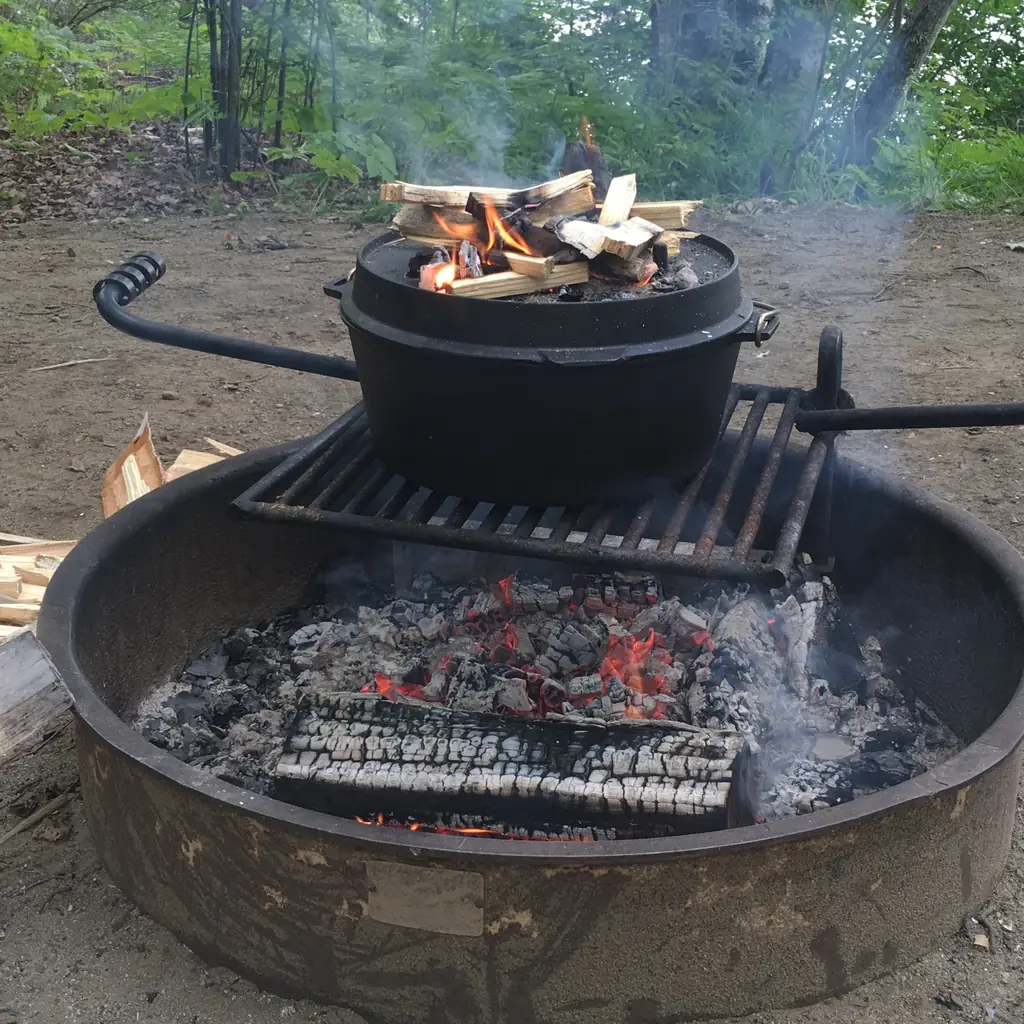
An iron Dutch oven put the baking chamber inside a covered pot. Heat reached the food from coals beneath it and from more coals resting on the lid.
Its shape made the arrangement possible. Legs raised the vessel above the hearth surface, while the heavy lid held the upper source of heat close to the food.
The cook still had to judge the progress of the dish as the coals changed. A pot could provide an oven, but it supplied no temperature display or automatic adjustment. Its success depended on the person watching it.
4. Sweet potato pudding could be a rich dish
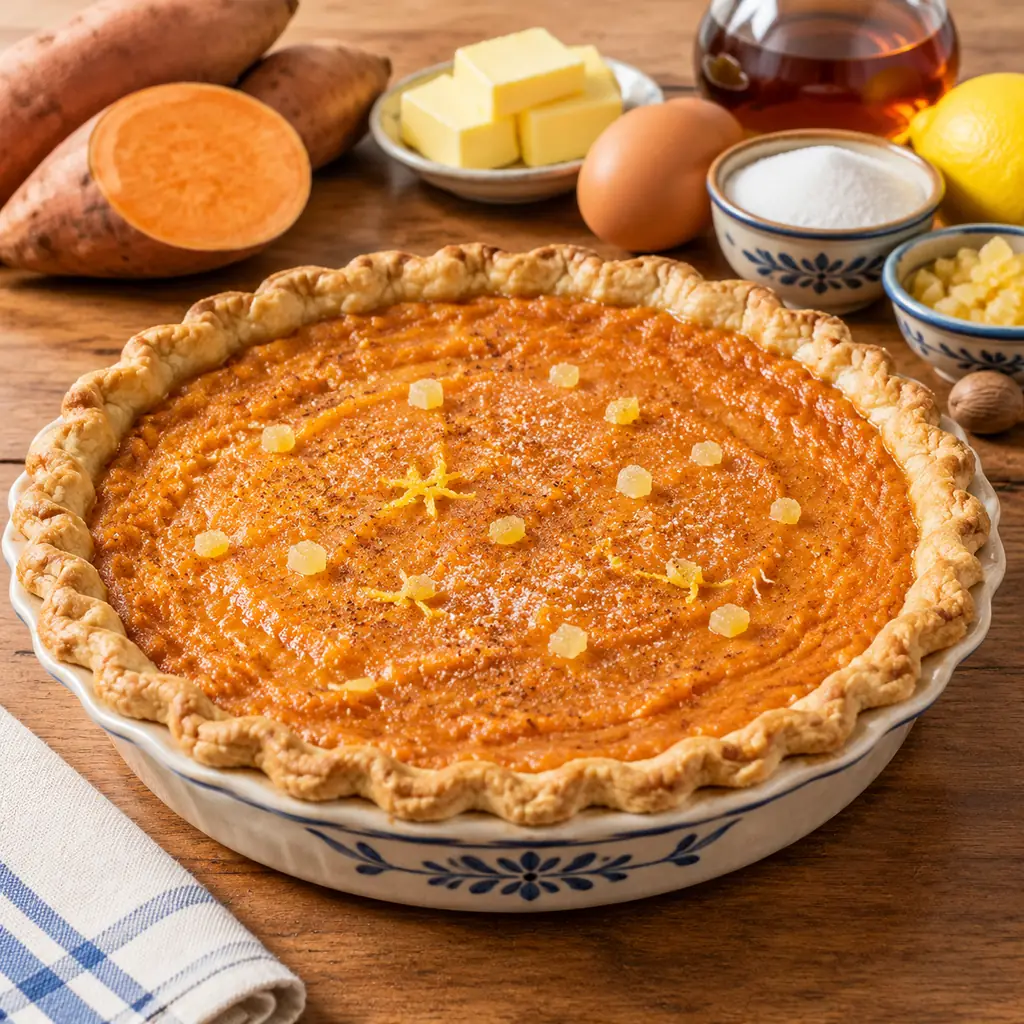
Sweet potato pudding carried the root into a rich baked preparation. Randolph's recipe combined sweet potato with eggs, butter, sugar, nutmeg, lemon peel, and brandy, with pastry beneath it.
The sweet potato supplied the body of the filling, but the other ingredients changed its purpose on the table. A sugar finish and pieces of citron made it more elaborate than a simply cooked vegetable.
The dish brought local produce together with ingredients obtained through wider trade. Its richness also depended on the household having enough eggs, butter, and sugar to devote to a single pudding.
5. The cookbook's flavors reached well beyond Virginia
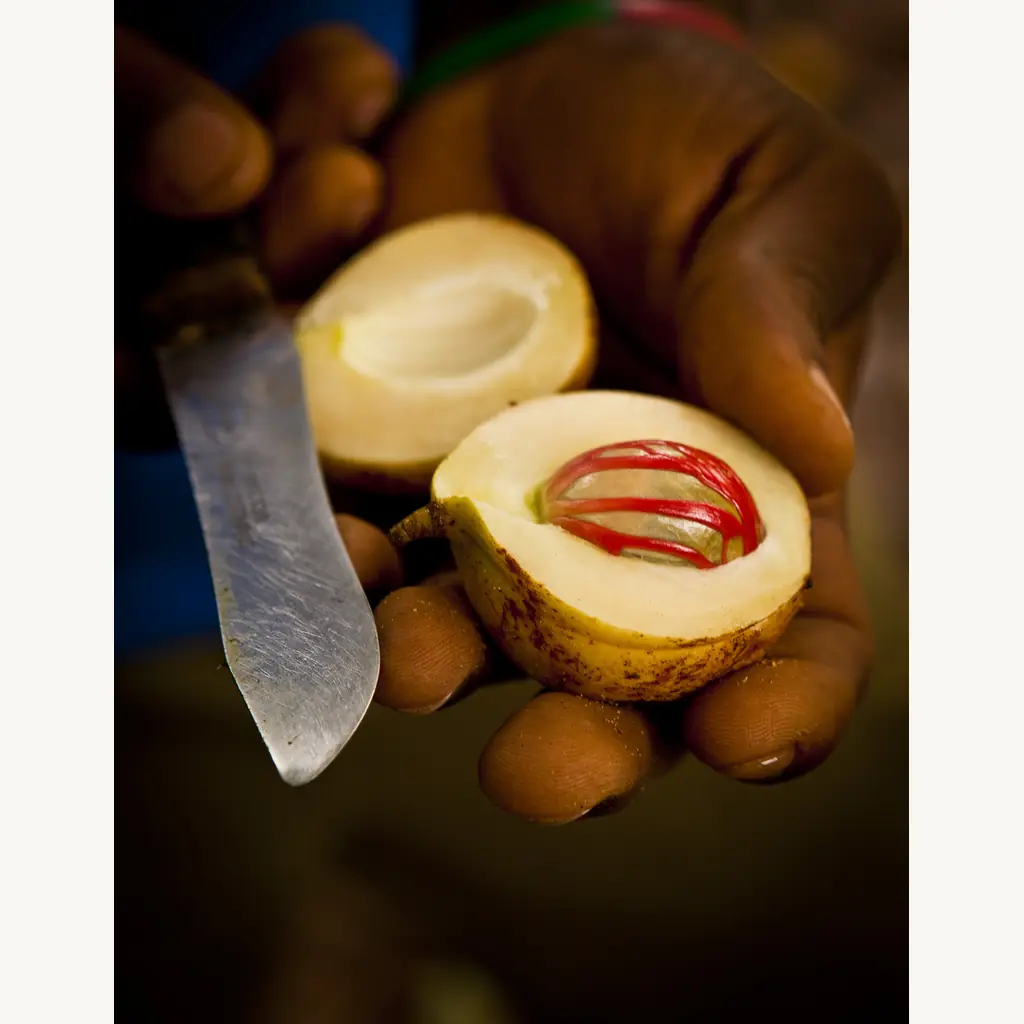
The cupboard could contain flavors that had traveled a long way. Nutmeg, citrus peel, and brandy gave a sweet potato pudding a character quite different from its main ingredient alone.
Randolph's broader collection also drew on Spanish, Native American, Caribbean, and other culinary traditions. The food of an affluent Virginia household reflected those connections alongside what its own land could supply.
As with the ingredients in a later household pantry, a small quantity could shape an entire dish. The roots and meat took up more space, but the seasonings helped make each preparation distinct.
6. Cold food could depend on an entire building
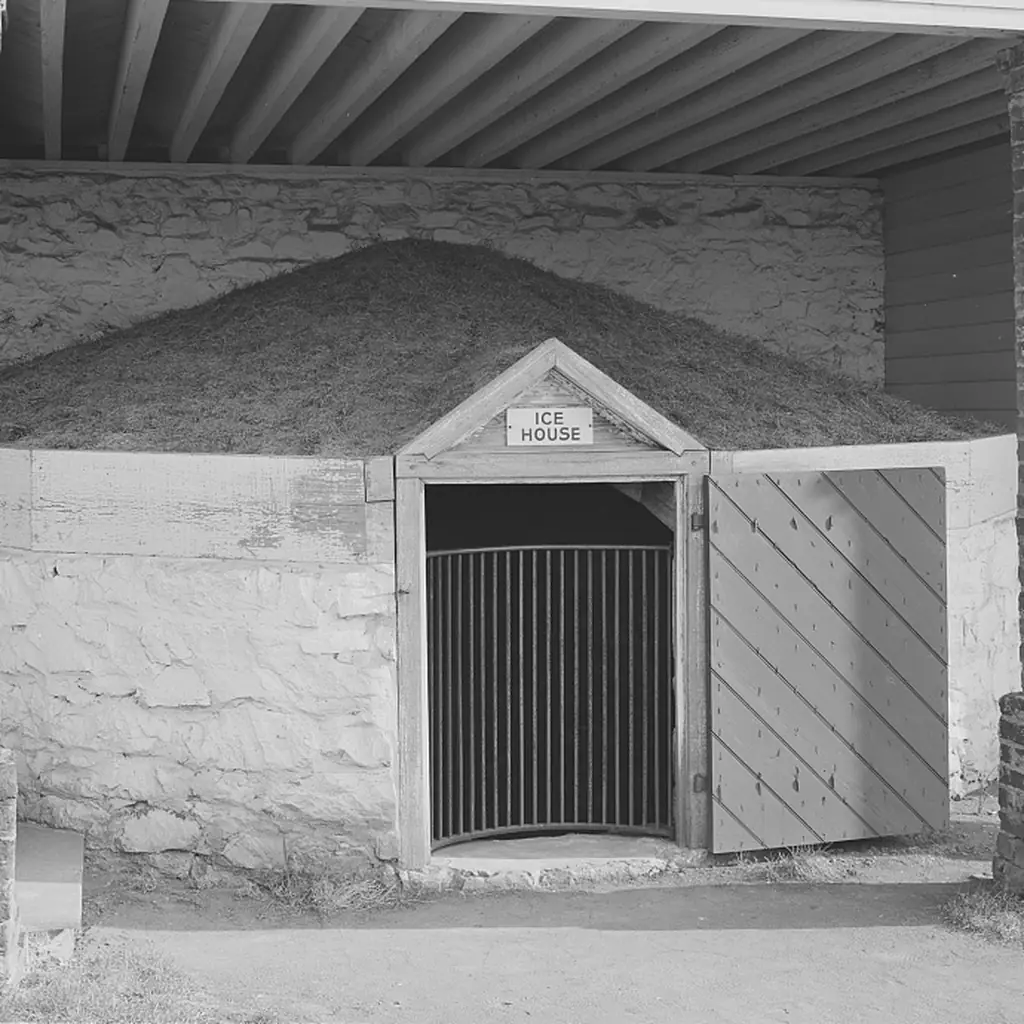
At Monticello, cooling could depend on a structure outside the kitchen. Its ice house held winter-harvested ice that could last into late summer, supplying cold for food, wine, other drinks, and ice cream.
Enslaved craftsmen built it under the direction of joiner James Dinsmore. Filling it required another round of labor, connecting a chilled serving on the table with work performed in a different season.
Such equipment belonged to a wealthy household. Among the preparations behind holiday treats, it was an especially substantial investment in a food's temperature as well as its ingredients.
7. The festive meal drew on work already completed
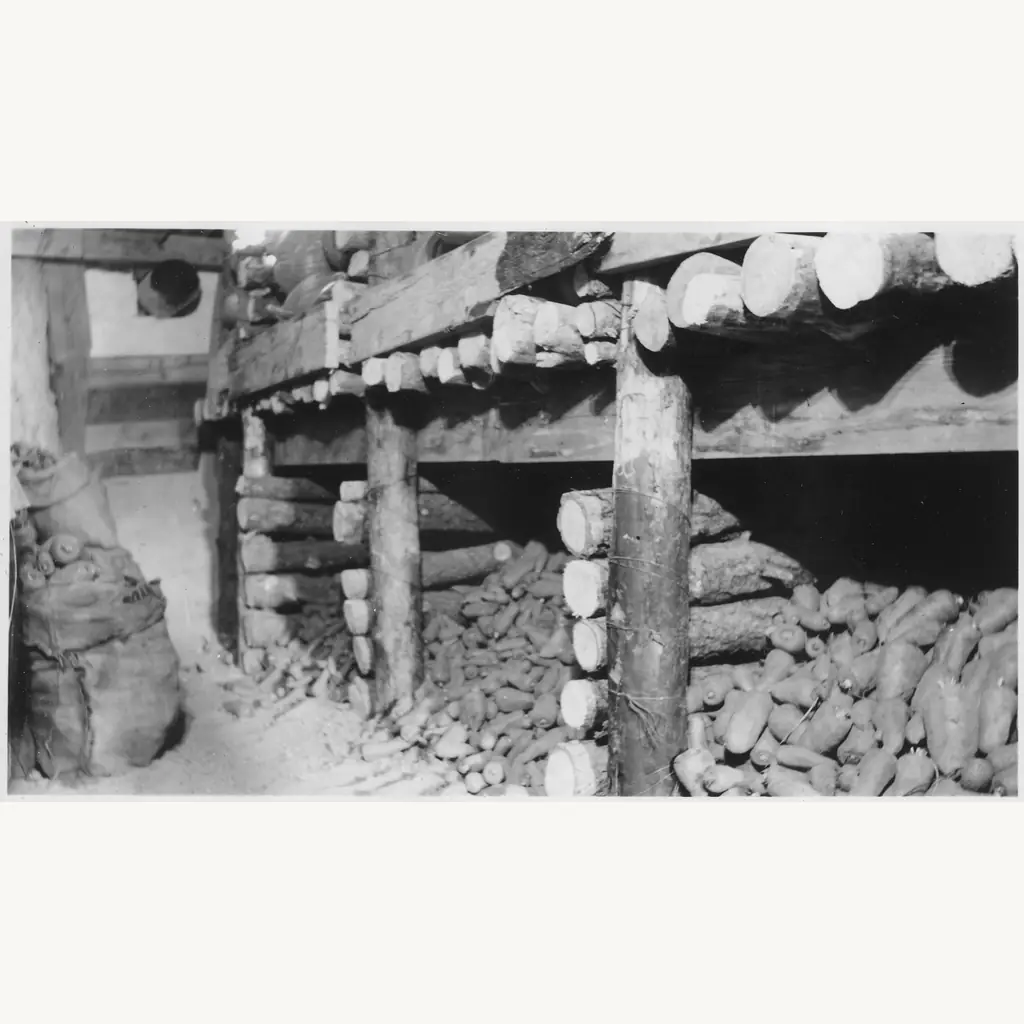
A festive meal drew from several parts of the food supply. Freshly obtained ingredients could stand alongside stored produce and foods prepared for later use.
That put some of the work far ahead of Christmas morning. The growing season, purchasing, and household storage helped determine what the kitchen could turn into a pudding, sauce, or vegetable dish when winter arrived.
The same connection between harvest and later meals appears in the foods families raised behind the house. At a large Virginia household, the scale and labor were different, but the meal still began well before the cooking fire.
8. The utensils were part of the cook's judgment

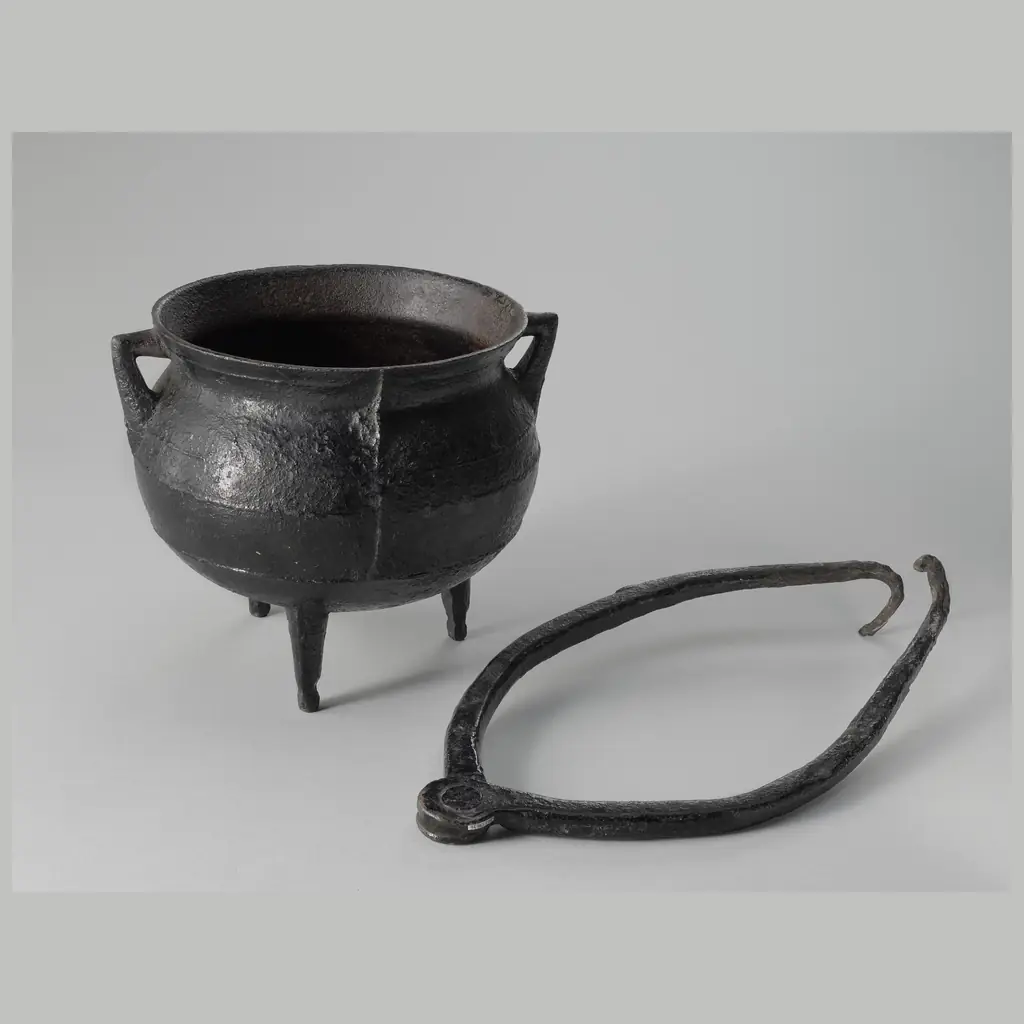
An iron crane could swing a suspended pot away from the fire. Hooks and adjustable hangers helped place the vessel at a useful distance from the heat.
Around it, tongs, pokers, shovels, and long-handled utensils served separate jobs. The equipment had to manage both the fire and the food, with the cook moving between the two.
These are among the older kitchen tools whose shapes followed their jobs. A long handle supplied reach, while a hinged bracket changed where a heavy vessel could sit. Each small adjustment affected the dish cooking inside it.
9. The person credited for the table was not necessarily its cook
In Virginia's enslaving households, the knowledge behind a fine dinner often belonged to enslaved cooks. Their work combined judgment of heat, ingredients, and timing under conditions of coercion.
Holiday entertaining could increase the demands on domestic workers. At Monticello, preparations and service accompanied the travel and social visits of the people who enslaved them.
The attractive finished table therefore had another history in the kitchen. A cookbook carrying a white author's name could also preserve culinary knowledge drawn from people whose labor the household compelled and whose individual contributions were not always recorded.
10. More dishes meant more coordination
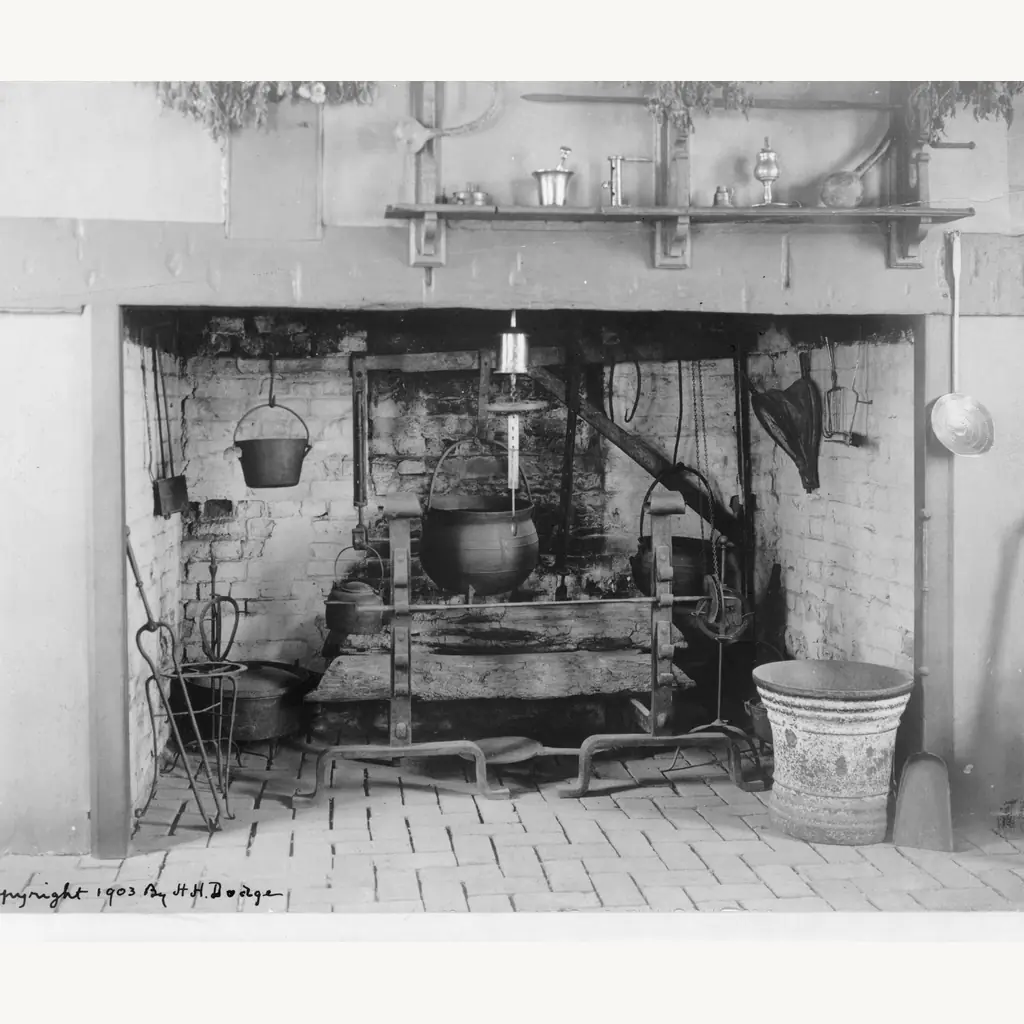
A roast, a baked dish, and a sauce required different kinds of attention. Adding another preparation also meant finding a vessel, a working surface, and a place near the available heat.
Some jobs could happen before the final cooking; others had to fit around dishes already underway. Serving brought its own sequence as food left the kitchen and empty or used vessels returned.
By the dinner parties of the 1970s, appliances had changed that setting considerably. The familiar problem of bringing several dishes to the table together had much older roots.
11. A short receipt could assume a great deal of knowledge
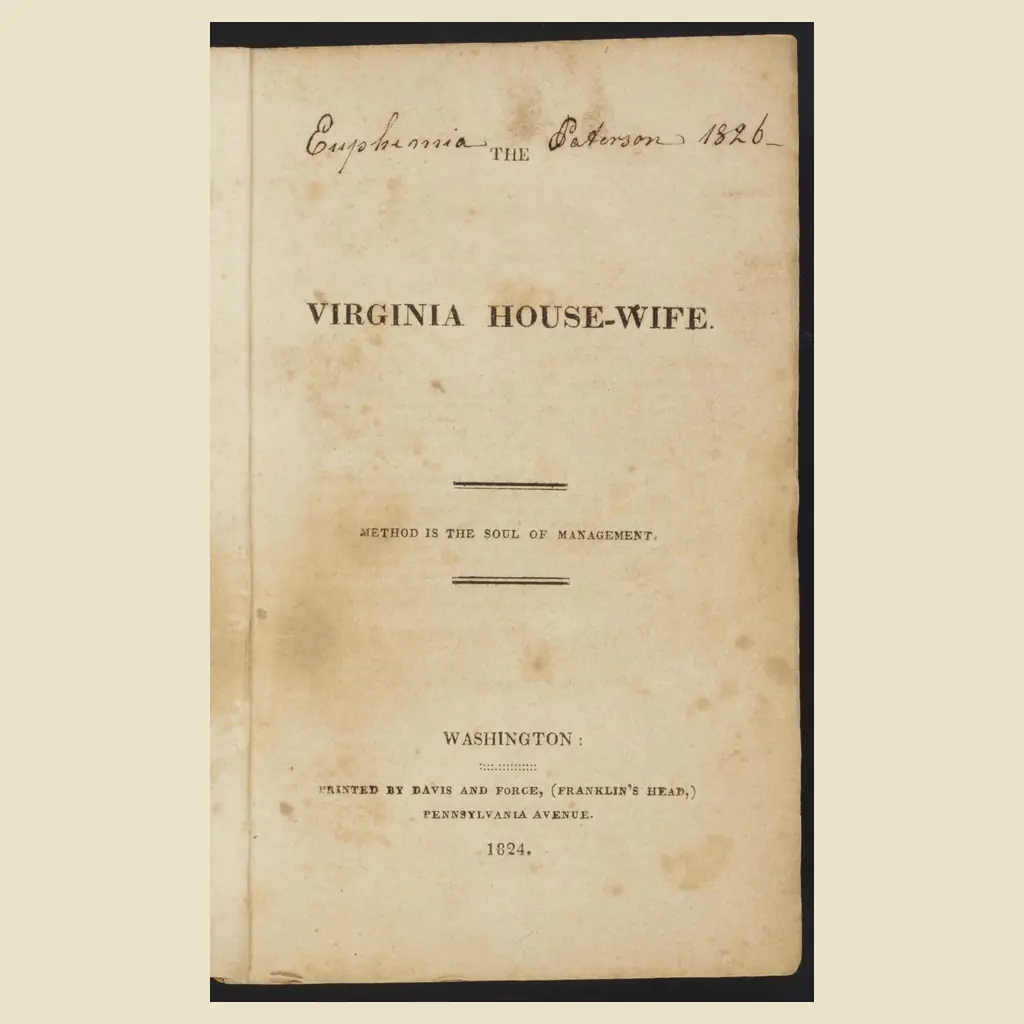
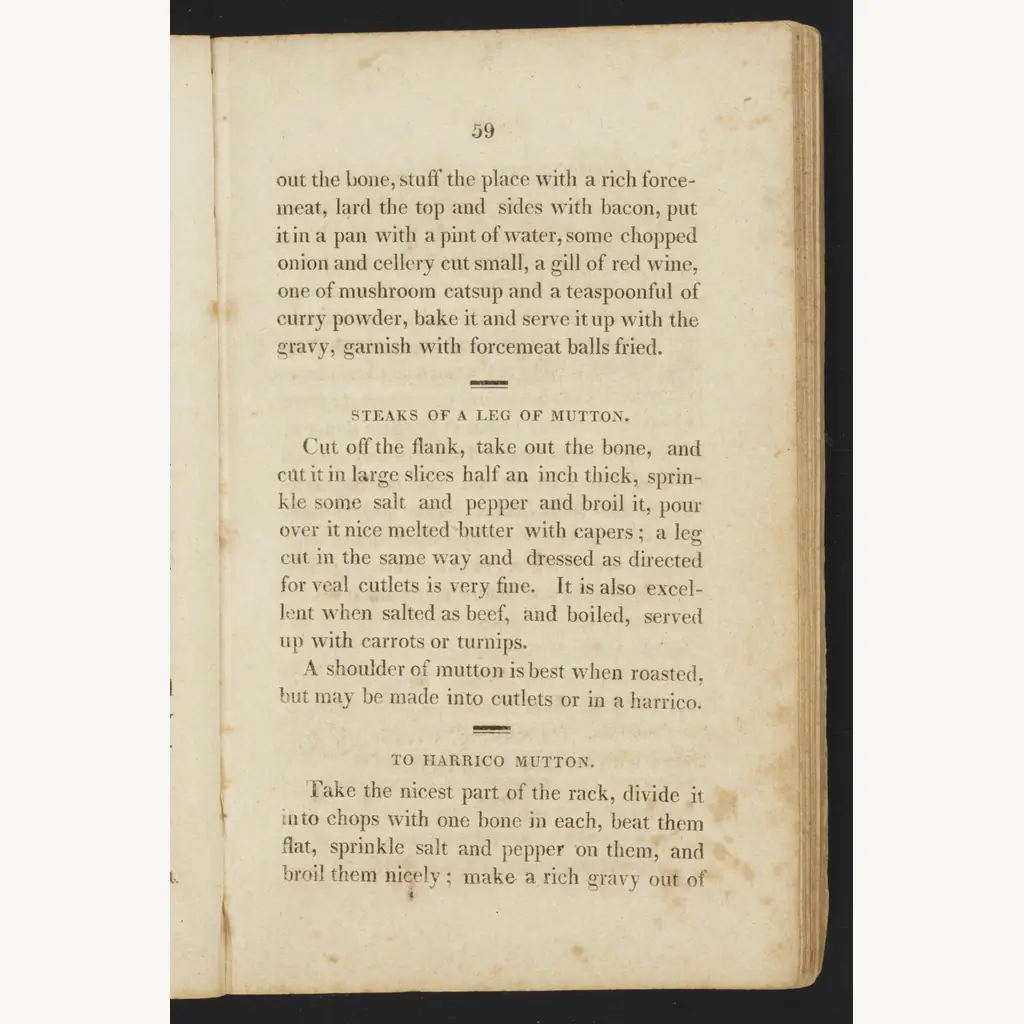
An early cookbook might call its recipe a receipt and describe a substantial dish in a short paragraph. The cook supplied much of the knowledge between its lines.
Making pastry, recognizing a batter's consistency, or judging a fire involved skills that a brief direction could simply assume. The printed words worked alongside practice and knowledge passed from one person to another.
That leaves a familiar connection with family foods whose names outlast their methods. A few lines on paper can describe the ingredients while the distinctive result still depends on the cook's hands and judgment.
12. A printed cookbook could acquire a household's changes
A surviving copy of Randolph's cookbook at William & Mary bears the marks of later use. Lined paper was added at the back, with recipes and household advice clipped from newspapers and pasted onto its pages.
Someone also made changes in black ink and crossed out a recipe for Shrewsbury cakes. The printed collection had become a working household book, subject to its reader's preferences.
Like Christmas traditions passed into later generations, the food kept changing. A published recipe could enter a kitchen and emerge with that household's additions, omissions, and favorites attached.
Sources and further reading
- Library of Congress: The Virginia house-wife , 1824
- University of Michigan Library: Mary Randolph and The Virginia House-wife
- Arlington House newsletter: Randolph's Sweet-Potato Pudding
- National Park Service, Fort Scott: Open Hearth Cooking
- Monticello: North Wing and Ice House
- Monticello: Labor, Resistance, and Celebration
- Project Gutenberg: Randolph, 1860 edition
- William & Mary Libraries: Cooking by the Book
- Image for section 2: National Park Service, Minute Man National Historical Park
- Image for section 6: John Collier, photographer; Library of Congress, FSA/OWI Collection
- Image for section 8: The Metropolitan Museum of Art; maker unidentified
- Image for section 9: Smithsonian National Museum of African American History and Culture; maker unidentified
- Image for section 11: Mary Randolph, author; Davis and Force, printers; Library of Congress, scan
- Image for section 3: AntiCompositeNumber — CC BY-SA 4.0 (adaptation under the same license)
- Image for section 5: Terrence Coombes — CC BY-SA 4.0 (adaptation under the same license)
- Image for section 7: Photographer uncredited / U.S. Bureau of Reclamation / National Archives — Public domain —U.S. federal government work
- Image for section 10: Photographer uncredited; original copyright H. H. Dodge — Public domain —1903 U.S. publication, copyright expired
- Image for section 12: Mary Randolph — Public domain —1824 U.S. publication