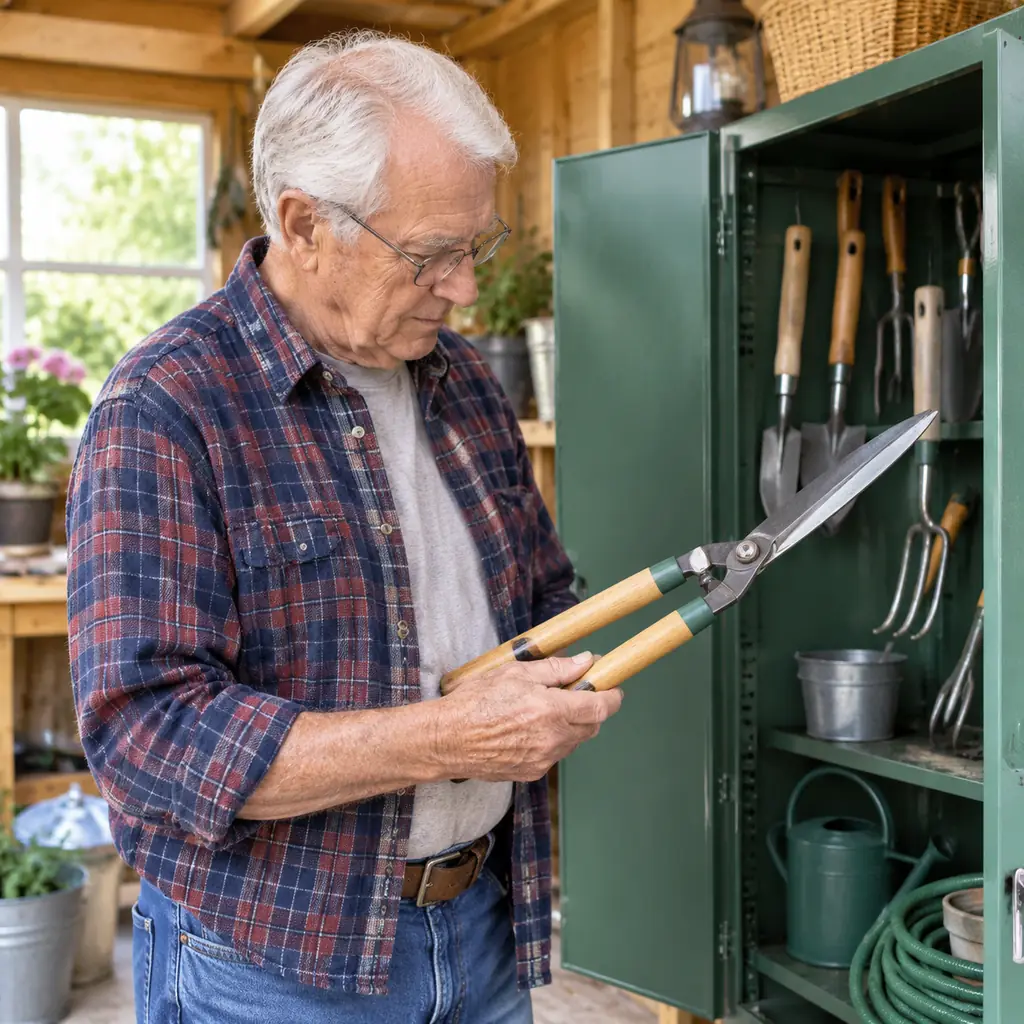
The visit is easy to picture. The harder part is imagining who answers a call about a leaking pipe when the house is empty and you are three hours away.

1. The year looks different on a calendar
Imagine a small cottage you use for a week in spring, most of July and several autumn weekends. Draw those visits on a calendar. The unmarked weeks are when many of the arrangements have to work on their own.
Start with the busiest season and move outward. Put the opening visit, routine checks and last departure on the same calendar as the holidays.
2. You need someone who can get through the door
A person who can look from the road may miss a problem inside. Decide who can enter the house, when they may do so, and how they will reach you.
Give that person a way to get in that can be changed if necessary. Keep a record of who has a key and which doors each key opens.
3. The person who checks the house needs a short list

A check is more useful if the visitor knows where problems tend to appear. Walk through the kitchen, basement and utility area together. Show the person any existing marks so a new stain stands out.
Agree on what deserves a call and what can wait for your return. Ask for a few photos from the same spots after each visit.
4. A nearby repair person can make the decision easier
Make contact with a local repair service while you are there. A loose step is a simple job to discuss in person. The first call is harder when you are away and need someone the same morning.
Save details for a plumber, electrician and general repair person where both owners can find them. Confirm how the person gets access before you need a repair.
5. Water needs a plan for every absence
Find the main water shutoff and show it to the people who may need it. If the house will sit empty in cold weather, have a local professional explain what the particular plumbing needs.
Write down the choice you make for each season. A long winter absence may call for a different arrangement from a weekend away in August.
6. A brief power outage can outlast your visit
Think through what depends on power. A router may carry a camera feed. A pump may drain the basement. The freezer and heat have different consequences if they stop.
Decide which systems warrant an alert and who can follow up. If a monitor loses its connection, you may still need someone to visit and work out why.
7. A quiet arrival often starts with wet leaves and a toolbox

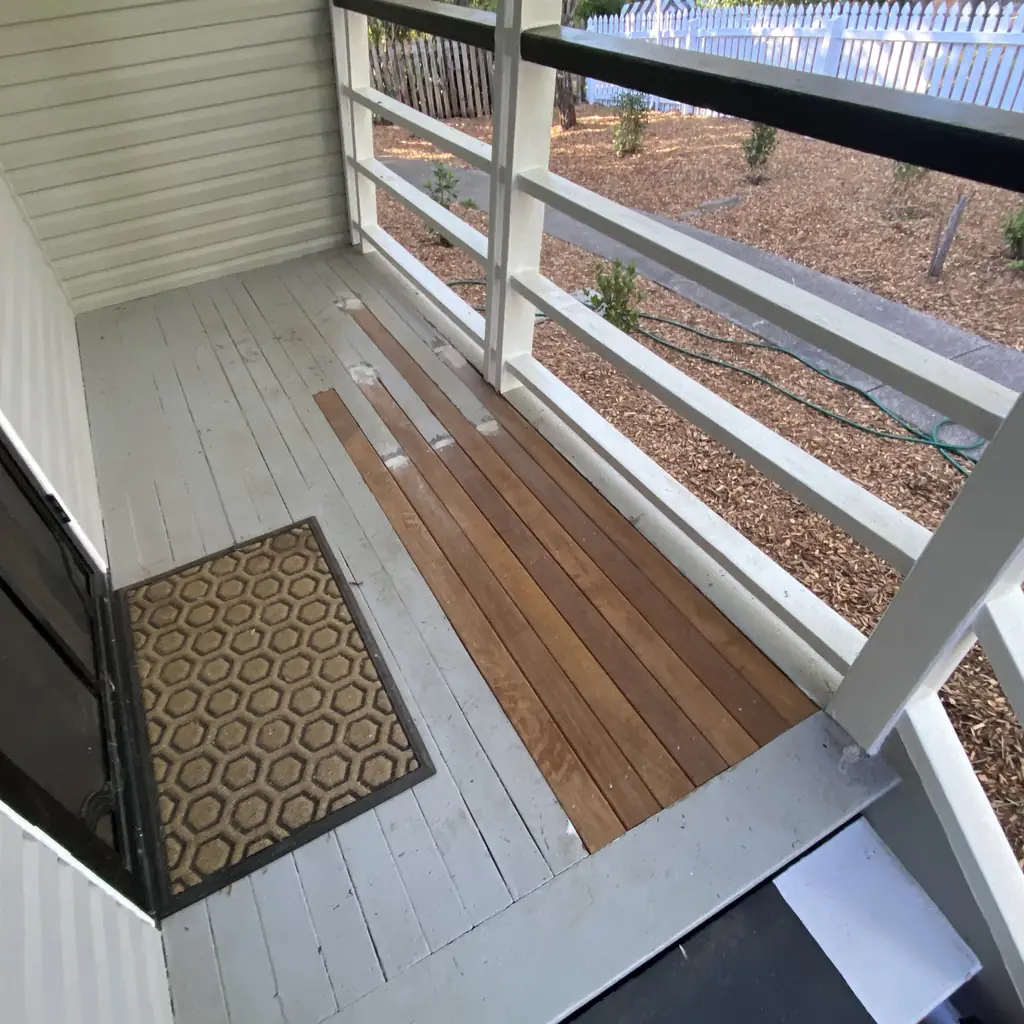
Leave room in the first afternoon for opening the house. The drain at the steps may need clearing and the windows may be harder to open than you remember.
Bring the basic tools and supplies you would miss if the nearest hardware store closes early. Better to find out how long the arrival routine takes before you promise family dinner at six.
8. Yard work follows the growing season
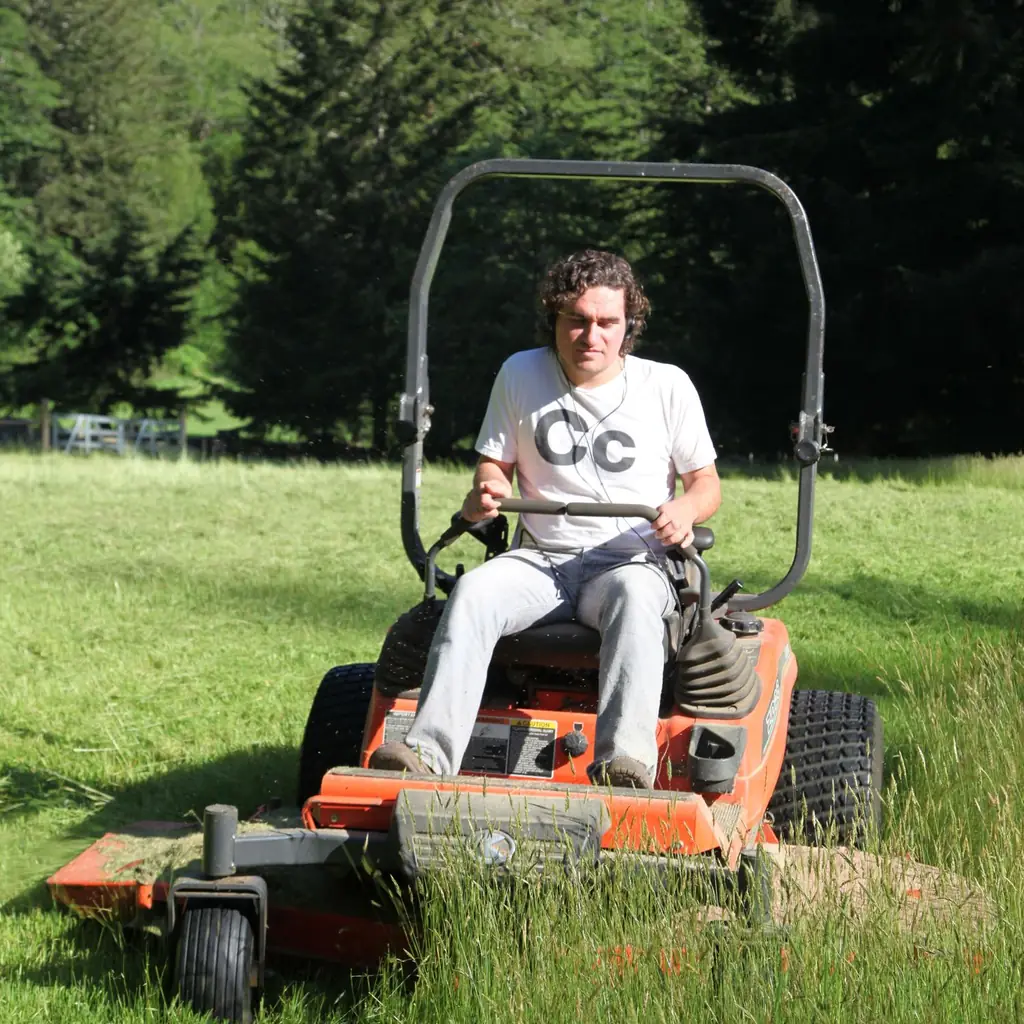
A grass-cutting schedule is easy to arrange once you know how often the yard needs attention. Ask how the service handles rain delays and whether clippings or branches are included.
Separate the yard you need to keep tidy from the garden you enjoy working on yourself. A small planted area you visit every few weeks asks less of a neighbor.
9. A storm can change what needs checking first
Think about where runoff would go during heavy rain. Ask your local contact to look first in the places where trouble would spread quickly, such as near an outside drain.
After a storm, photographs from ground level can help a repair person decide what to bring. Leave work at height or around damaged power lines to qualified local services.
10. Leaves can turn a small drainage problem into a wet room
An outside drain or downspout that works in summer may be blocked by the next visit. Look for streaks, damp soil and low spots on routine walks.
Plan autumn clearing before all your indoor work is done for the year. If the last weekend feels rushed, give the task to a local service and ask for a photograph when it is finished.
11. Humidity can leave its mark without leaving a puddle

A closed room may smell stale before a leak or condensation is visible. Notice where dampness collects and when it appears. Cupboards beside an outside wall are worth checking after a long absence.
If the main plan is to keep and rethink the family house, compare the time already involved in looking after those ordinary spaces.
12. Small pests need a response before the next visit
Store food in containers suited to the place. When you leave for a long stretch, remove anything likely to spoil. Ask the person checking the house to notice fresh droppings, damaged packaging or a new opening.
Finding a small problem early gives you time to arrange help. Deal with the entry point as well as whatever has already come inside.
13. Two houses mean two places for everyday supplies
Decide which items are worth duplicating. A second kettle might be convenient. Keeping two complete sets of pantry ingredients may mean throwing away half of each by the end of the season.
Give both homes a short inventory. The next arrival is smoother when you know there is coffee, a clean set of sheets and a working light by the door.
14. The people using the house can reset it differently
If family members visit when you are away, ask them to leave the house the way the next visitor expects to find it. Explain where used linens go and what to do about food and trash.
The same problem arises when you use a guest room between visits. Keep storage for clean linens obvious and make the reset easy to complete.
15. A paid helper needs a way to handle an exception
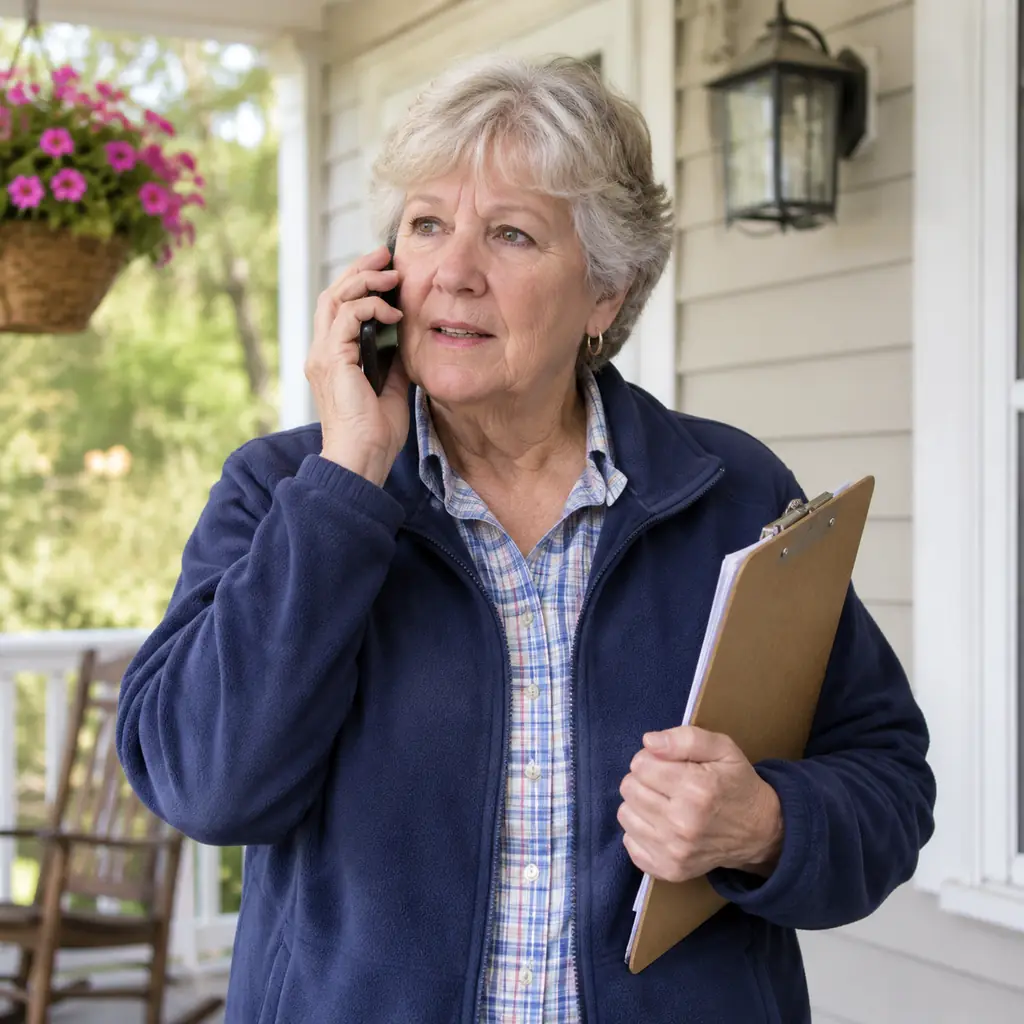
Agree in advance on what a helper can arrange without you. A routine cleaning is one decision. A broken front lock or a wet ceiling may require a much quicker response.
Give the helper your preferred contacts and a clear way to report costs. A short written agreement can keep a sensible emergency decision from turning into a dispute later.
16. The house still has fixed bills when nobody arrives
Write down the bills that continue in an empty month. A few may track usage, but other charges can continue all year. Keep the monthly amounts separate from scheduled repairs.
Then list the expenses attached to each trip. This makes it easier to see whether adding another visit gives the house more value, and which expenses would remain even if you stayed home.
17. Insurance questions are easier before the house goes quiet
Tell the insurer how you use the property and how long it may sit empty. Ask what the policy requires during those absences and get the answer before making your care plan.
Also discuss family use or any plan to accept paying guests. The way you imagine sharing the house should match the way the insurer understands its use.
18. Long trips get harder if both households need the car
A pleasant drive on the first warm weekend can hide how much coordination it takes to visit. Talk through a short repair trip, a long holiday and a week when only one of you wants to go.
That matters if you go from two cars to one. Map a return plan for the person who needs the car at home.
19. Shopping can take the first day if the nearest store is far away

Time an arrival with an empty fridge and a normal list. See whether the grocery shop, gas station and pharmacy fit on the way from home or need a separate trip afterward.
Use a comparison like the everyday errands before moving farther from town. That exercise helps when deciding what stays in the pantry and what to bring each time.
20. A midweek visit can be the easiest time to get work done
When your calendar is flexible, ask whether a weekday appointment would keep a weekend free. Schedule the jobs that need a homeowner present around the visit, and group simpler tasks when it makes sense.
Compare the whole trip, as you would when considering a midweek vacation. Add the extra drive and the time you would spend waiting for the work.
21. A service list helps when repairs compete for attention
A dripping tap and a loose porch board can both be irritating. The most useful job to do first is the one that prevents the largest practical problem before the next trip.
Keep a short list by urgency. Photograph projects and add the date, so a repair person can see what has changed since the last visit.
22. Ending the season takes a few unhurried hours
Keep enough time on the last visit to put things away, check the windows and leave the house as agreed with whoever looks after it. The jobs go faster when the routine is familiar.
If you bring supplies home for winter, put the opening-day gear where you can find it again. The first trip next year will be easier.
23. Two owners may picture two different kinds of visit
One person may see a weekend away. The other may see jobs to finish before the weather changes. Talk about those plans before the bags are packed.
When both partners are home all day in retirement, different routines can show up more often. Choose which visits are work trips and which ones have time for the parts you enjoy.
24. Start a record for the second house itself
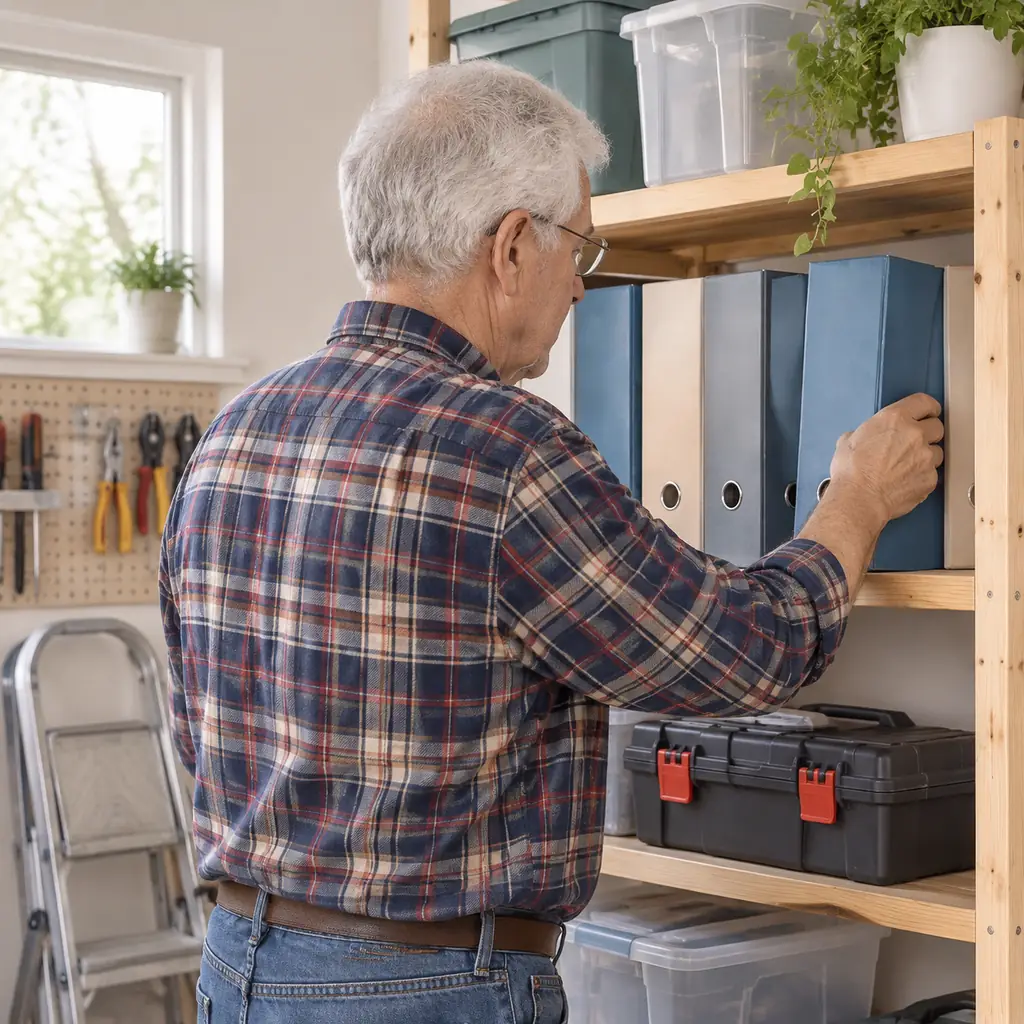
Keep records of appliances and repairs in a place you can reach from either house. A photograph of a model number can save an extra drive when you need a part.
Note which marks and cracks are old. If the next check shows something new, the earlier photographs can help a professional decide how urgently the house needs attention.
25. A year of maintenance tells you what the place asks of you
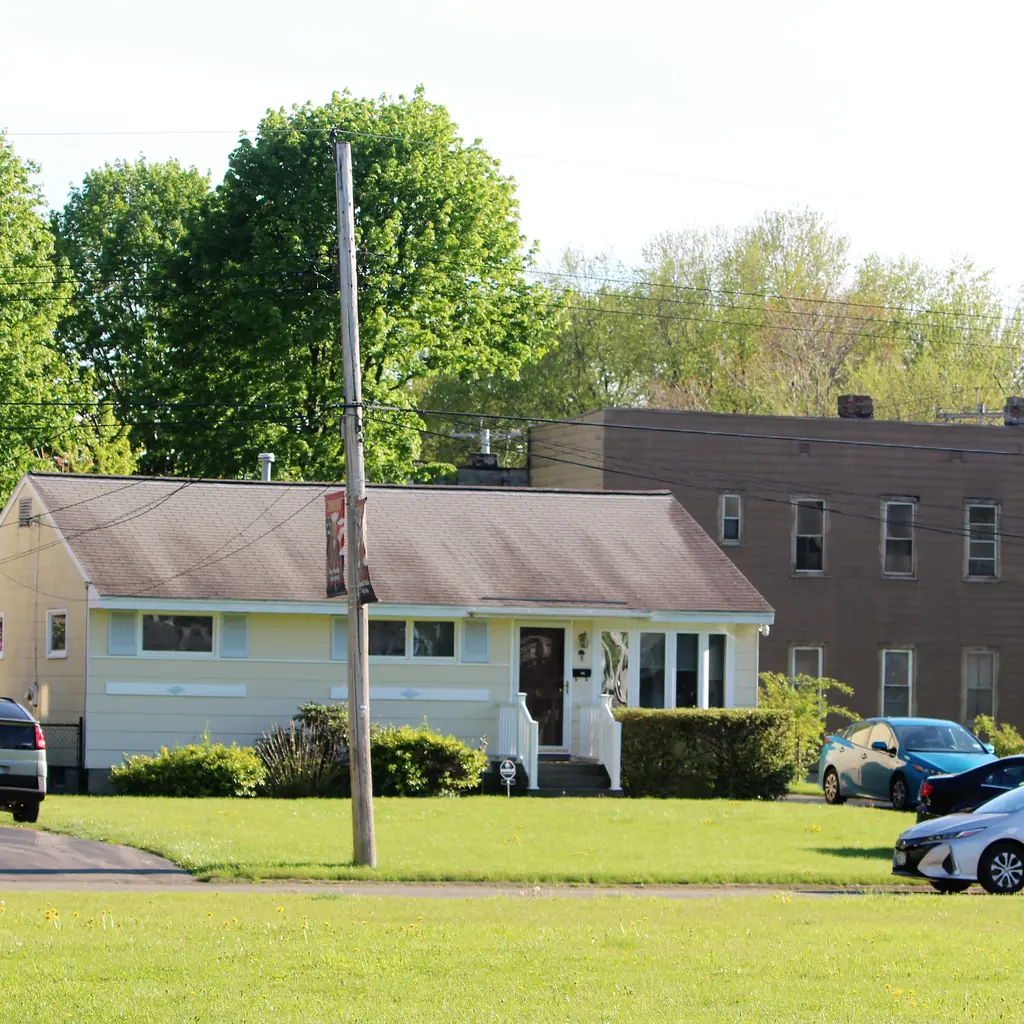
At the end of the year, total the days you used the house for pleasure and the days spent opening, repairing or closing it. Count both people's time.
Think about which chores you actually enjoyed. The cottage might still be worth keeping, even if the most pleasant change is to hire someone for the work that takes up the first afternoon.
26. The right arrangement is the one you can keep repeating
Pick a month when you know you will be busy elsewhere. Imagine a routine check, a repair call and an unexpected trip all falling in that month. Ask whether the arrangement you have would still work.
A second home can give you a place to return to for years. It earns its place when the weeks between visits are manageable, too.
Image credits
- Timber Deck Repairs.jpg by Ridunwig, CC0. Cropped and converted to WebP.
- A Riding Mower Bought for a Bigger Yard by Chris Lindsey, Pexels License. Cropped and converted to WebP.
- North Central ranch in Troy, New York.jpg by Tyler A. McNeil, CC BY-SA 4.0. Cropped and converted to WebP.