A glass ornament, a ration stamp, or a folded letter can reveal which kind of 1940s Christmas a family lived through. Those ten years included prewar routines, wartime restrictions, and the first holidays after the fighting ended.
1. The glass ornaments had an American factory story
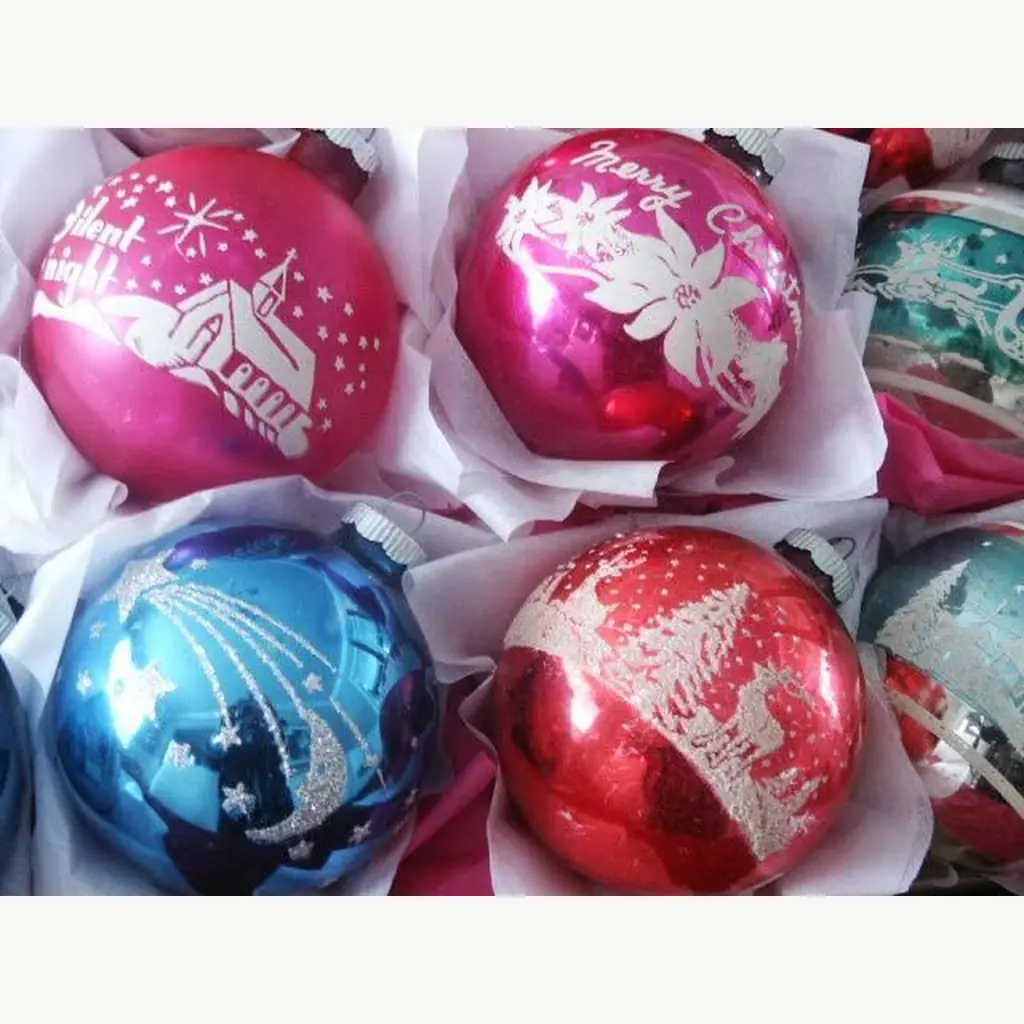
An old glass ball does not have to be handmade in Germany to have a history. Corning's ribbon machines, originally used for lightbulbs, were already producing ornaments for Shiny Brite before the United States entered the war.
The company was founded in 1937. Corning produced the glass forms, which went to New Jersey for decoration before they were packed for sale.
Look at a family ornament as a made object: its shape, painted finish, and packaging may each tell a different part of its journey.
2. Paper decorations reached the national tree
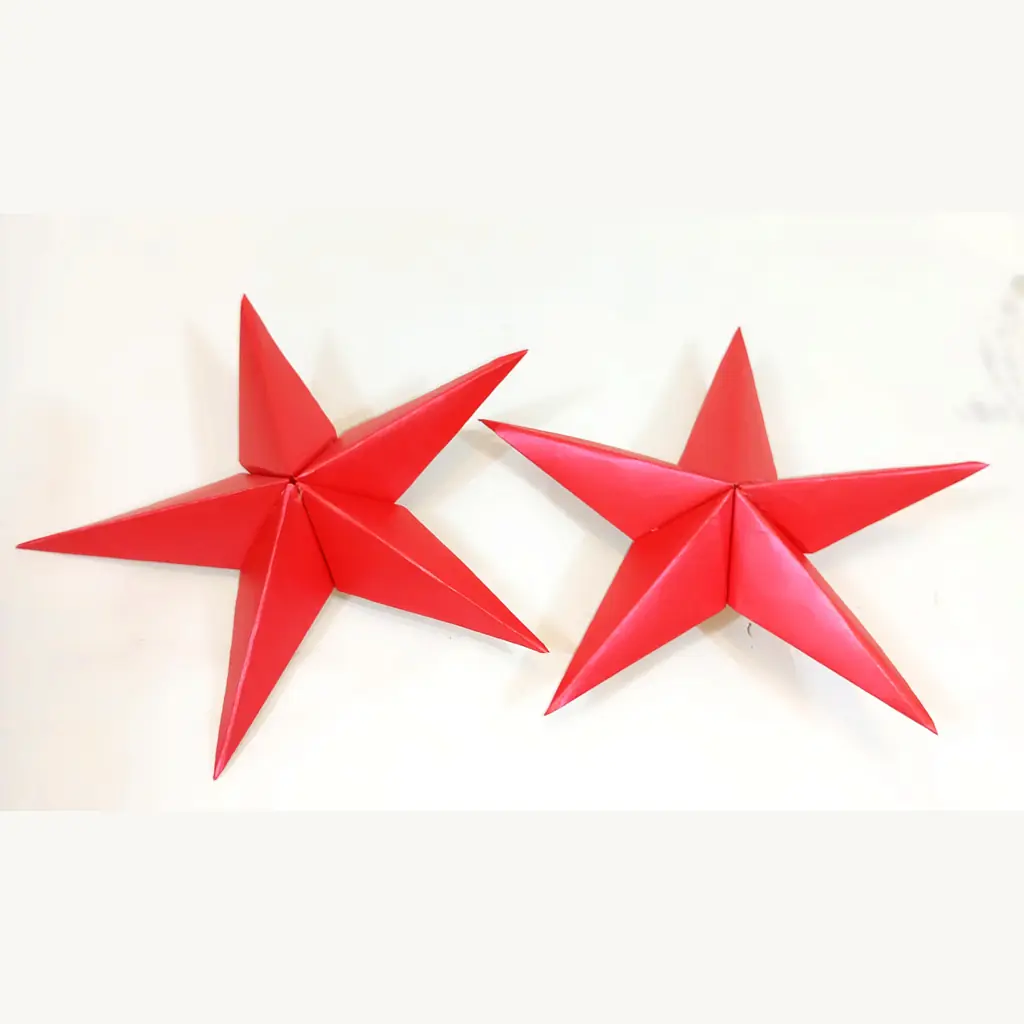
Homemade decoration was not confined to private houses. The National Park Service records that no new ornaments were bought for the National Christmas Tree in 1942; Washington schoolchildren supplied decorations alongside reused ones.
Children's work helped dress a tree that belonged to a public celebration. New decoration could come from a classroom as well as a shop.
A paper ornament could therefore hold several memories at once: the making, the person who made it, and the place where it finally hung.
3. Dinner needed purchasing power in two forms
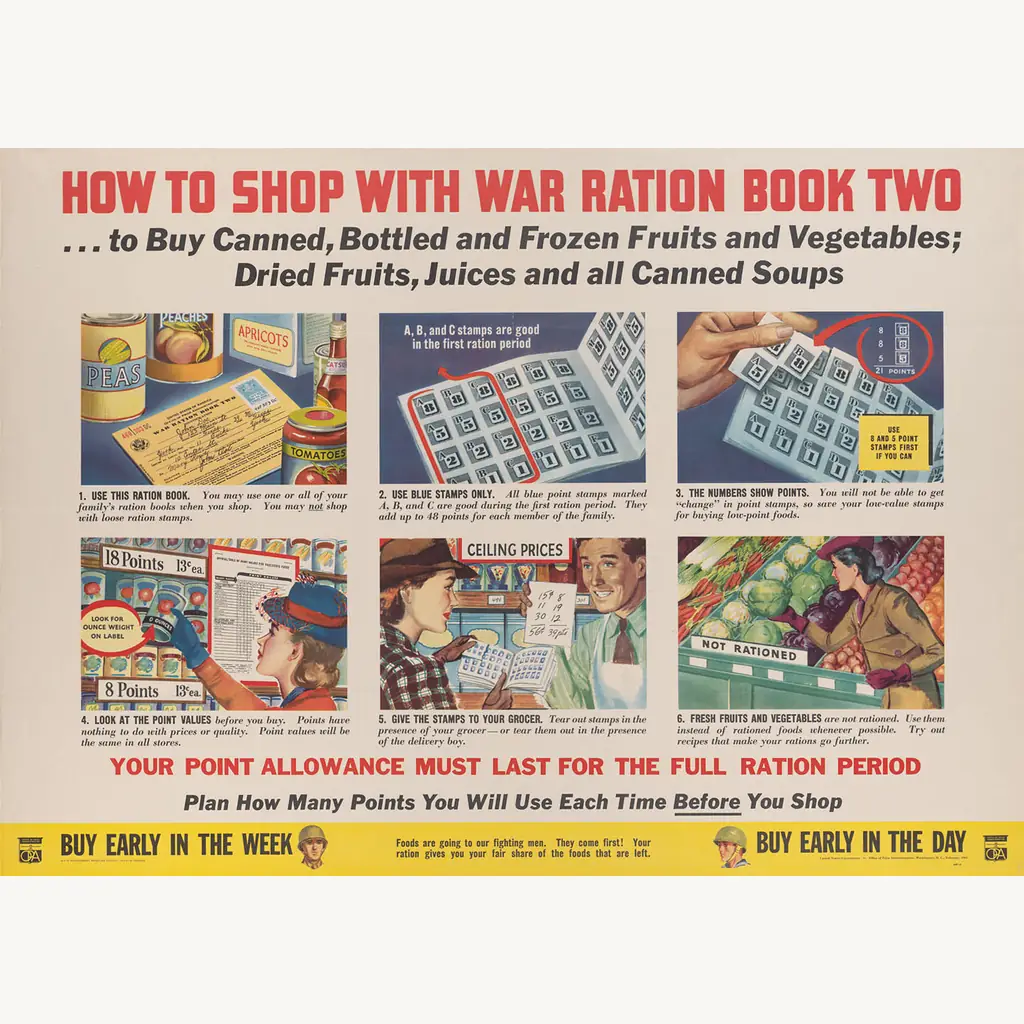
Money was only part of a wartime food purchase. Rationing also controlled access to certain goods, which meant a household could have cash without being free to buy every ingredient it wanted.
The National Archives preserves the books and purchasing records behind that extra layer of planning. The categories and valid stamps changed, so a remembered color is a clue to investigate, not a complete date stamp.
For the person organizing Christmas dinner, the menu had to fit both the pantry and the rules then in force.
4. The special recipe could be the one that adapted

The Roosevelt Library's account of the 1943 holiday season describes the pressure on familiar ingredients such as butter and sugar. A festive dish could depend on substitutions as well as a carefully saved allowance.
A cook might keep a favorite dessert on the menu while changing what went into the mixing bowl. A familiar dish could return in a slightly different form.
A family card with a crossed-out ingredient can be especially interesting. The change may preserve the cook's practical decision as clearly as the original instructions preserve the dish.
5. A department-store Santa could be a woman
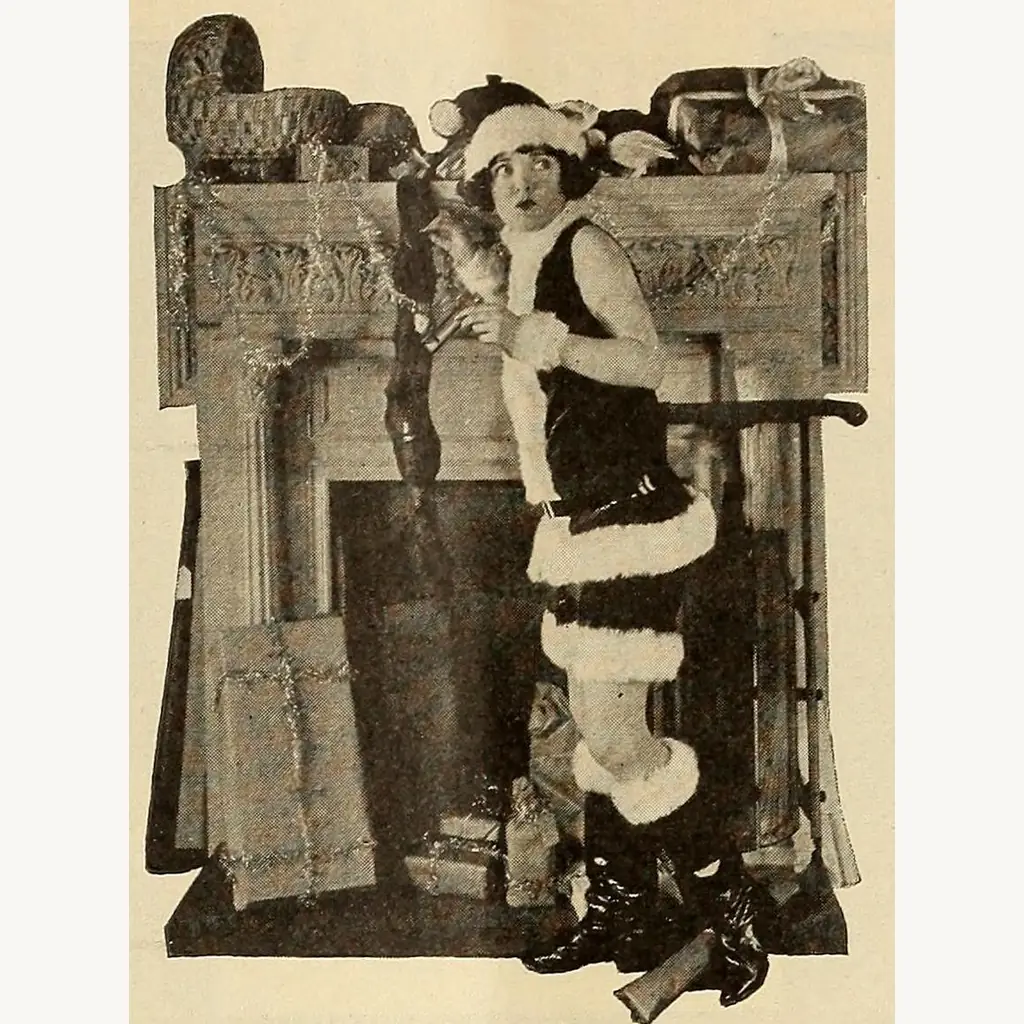
With fewer men available at home, some department stores employed women to play Santa. The National WWII Museum names Saks Fifth Avenue among the stores that did so.
The interesting detail is the job itself: a familiar Christmas encounter still had to happen, even when the people available to create it had changed.
A child's visit could therefore look traditional while depending on a different person behind the beard. Holiday routines often continued because someone found a way to keep doing the work.
6. A wish for a bicycle met an unusual obstacle
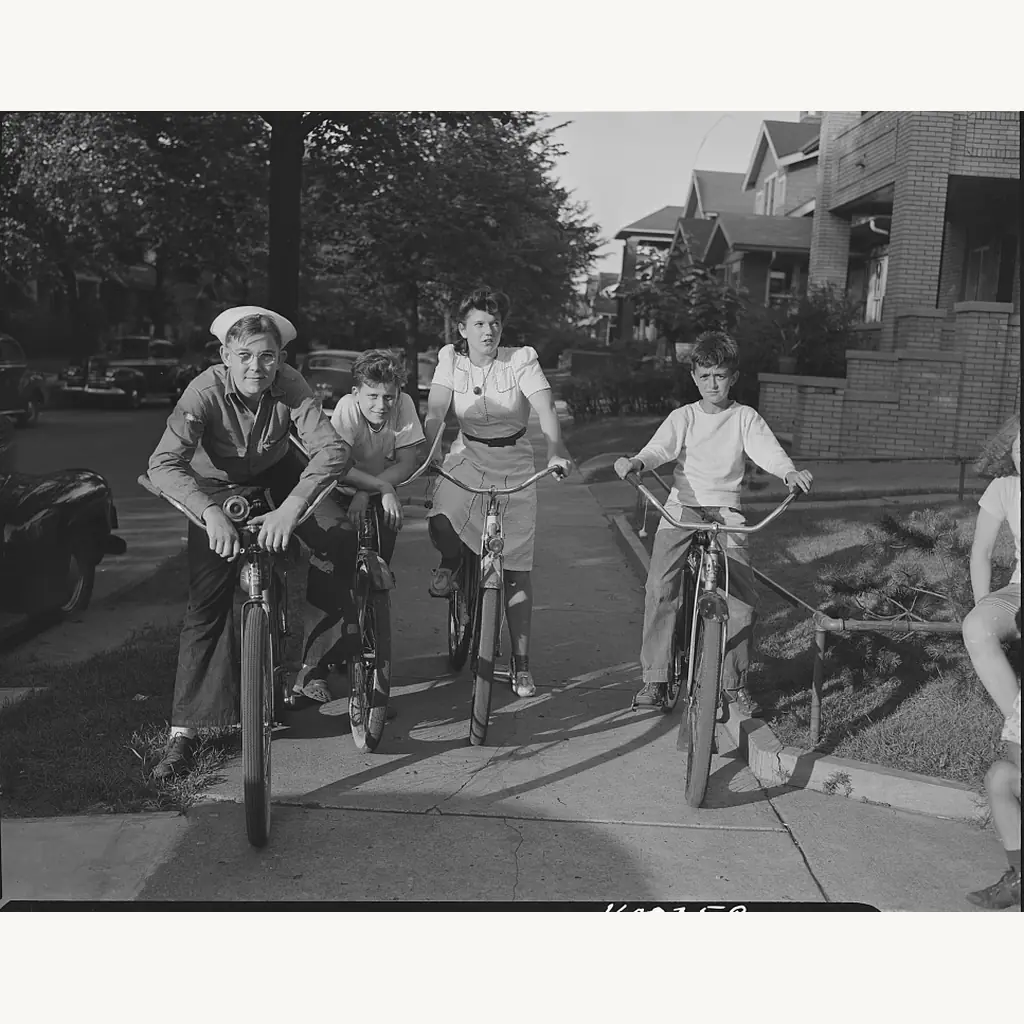
The National Archives notes that bicycles were rationed for part of the war. A child could ask for one, and a family could want to provide it, without that making the purchase straightforward.
A repaired bicycle or a hand-me-down could carry more of a family's holiday planning than its worn paint suggested. The wish had to meet the practical limits of what was available.
Compare that uncertainty with the growing range of Christmas toys in the 1960s and 1970s: the difference begins before a present reaches its wrapping paper.
7. A small letter could have crossed the ocean on film
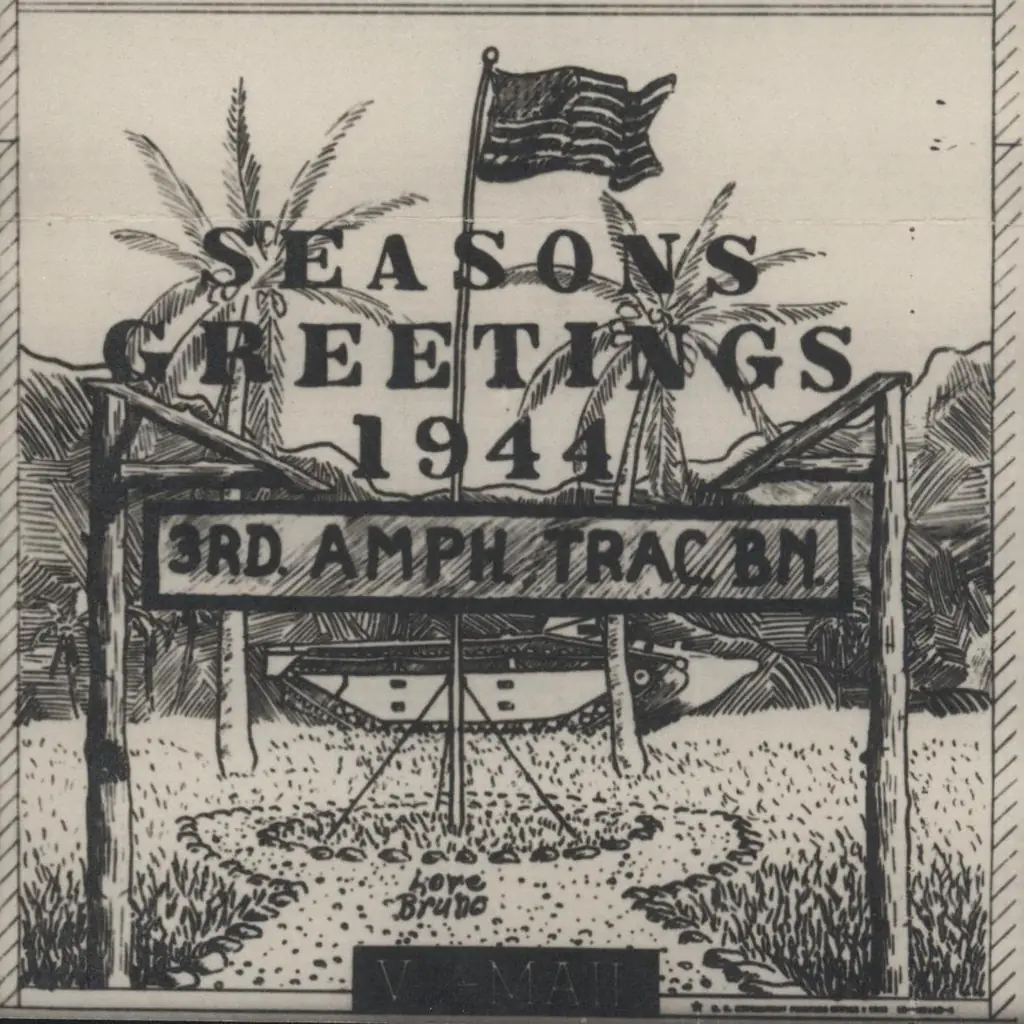
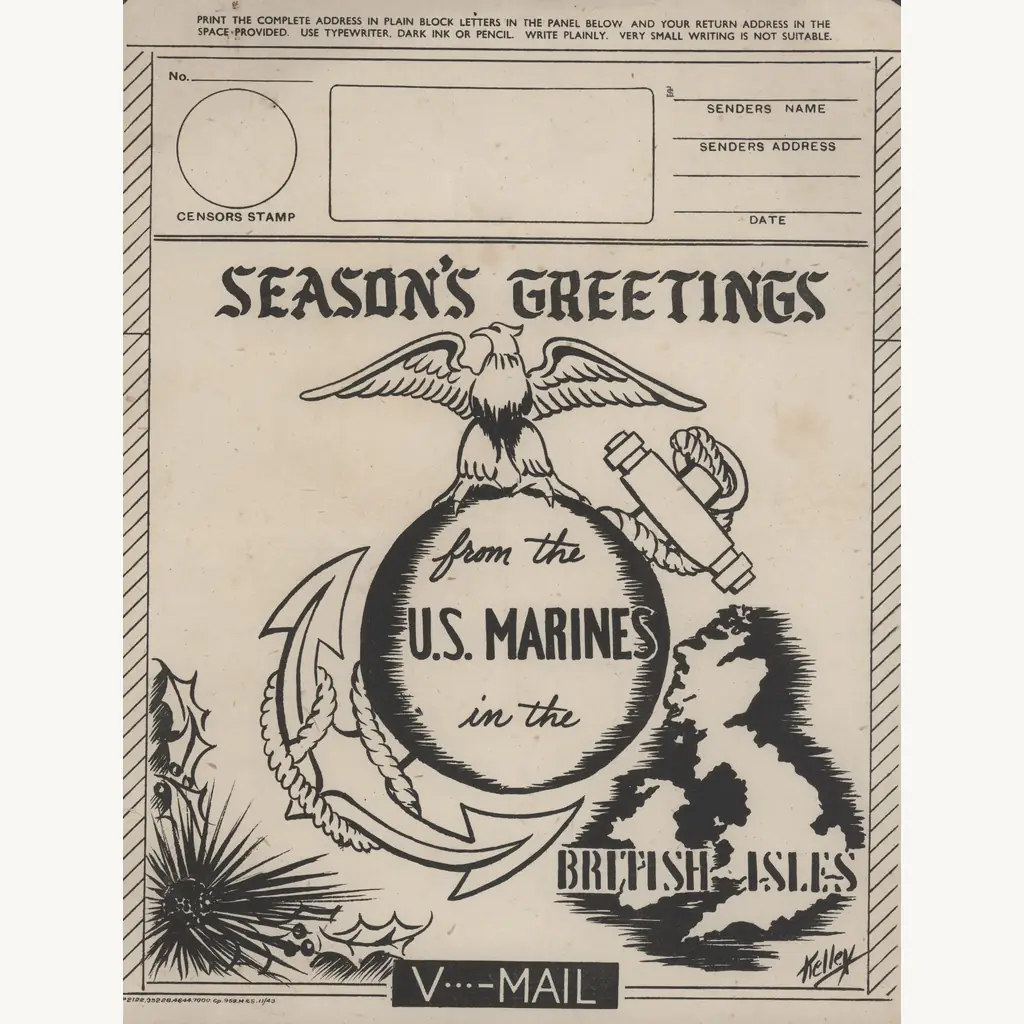
V-Mail reduced letters to microfilm for transport and enlarged them again before delivery. The American service began in June 1942 and ended in November 1945.
The small printed message that survives in a drawer may therefore be a reproduction made as part of the postal process, not the sheet someone originally wrote on.
The method saved cargo space while keeping a household connected. In Irish Christmas customs, too, the people away from home belong inside the story of the celebration.
8. Wartime Christmas mail could still be funny
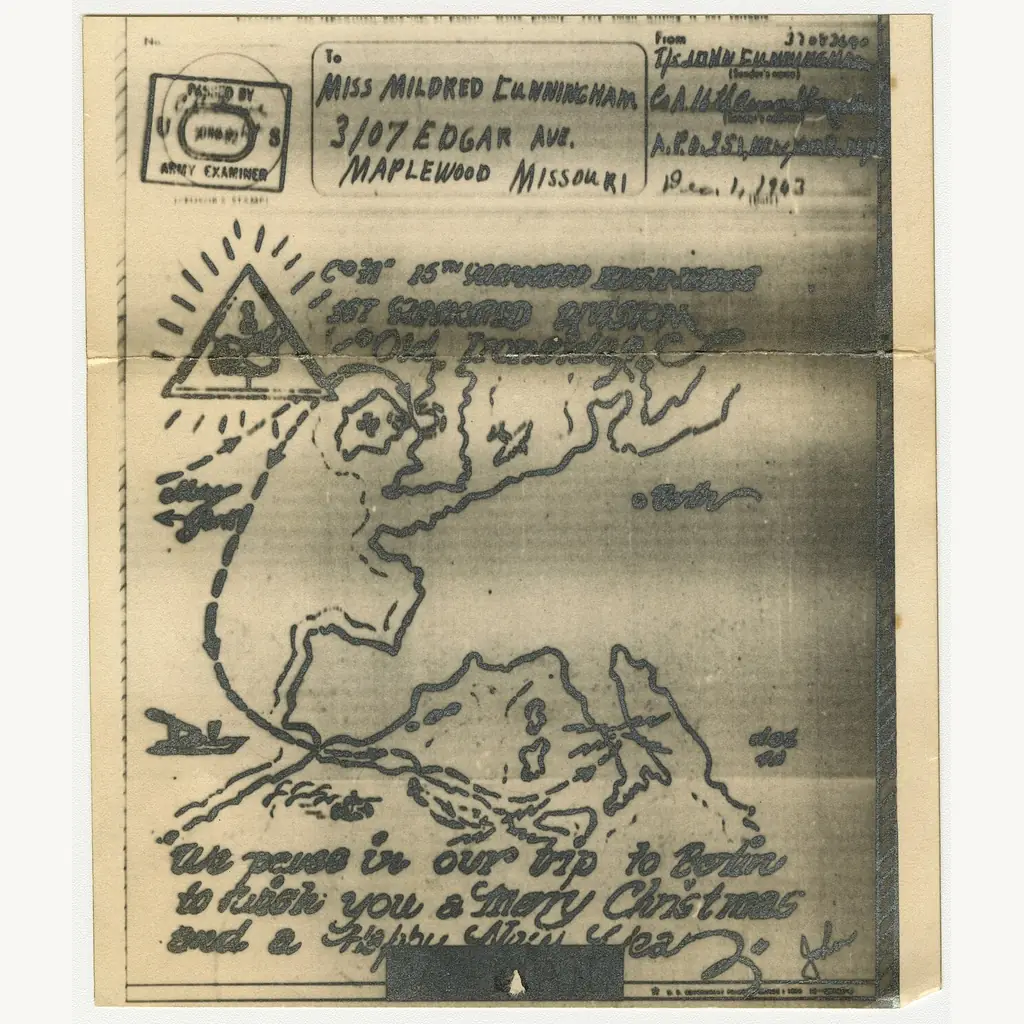
Not every surviving holiday message is solemn. The National Postal Museum holds a V-Mail Christmas cartoon in which Santa's delivery to Hitler ends with a skunk.
That specific object makes room for humor alongside separation and anxiety. People could miss home and still send something intended to make another person laugh.
It is a useful reminder when looking through family mail: the joke, doodle, or teasing greeting may tell you as much about a relationship as the formal holiday wishes do.
9. A letter home remembered the missing bustle
In a December 1943 letter held by the Library of Congress, a serviceman writing as David missed the snow, shops, and last-minute shopping associated with home. He also discussed the difficulty of finding presents where he was stationed.
He missed the bustle that normally announced the season. Even the last-minute errands had become part of what Christmas felt like.
The things people missed included food, weather, and familiar errands. They sit close to the household habits behind Grandma's pantry staples, because routine can become more noticeable when it is unavailable.
10. Christmas happened in places that were not home
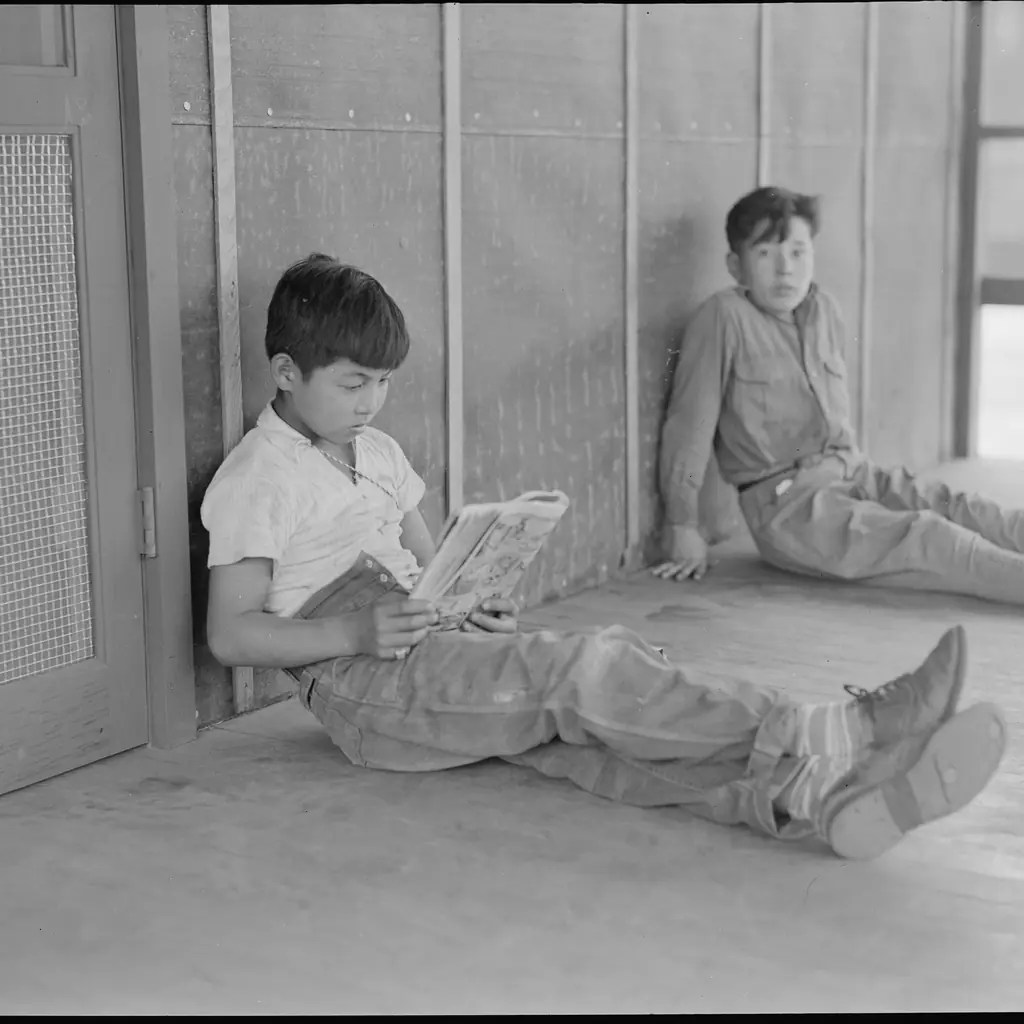
The Manzanar Free Press reported a Christmas program at the camp's Children's Village at the end of 1942. Its account describes a tree, window cut-outs, songs, and gifts distributed by Santa.
The event took place during the incarceration of Japanese Americans. A familiar holiday activity therefore existed inside circumstances that were profoundly different from an ordinary visit home.
The children and the people caring for them made space for a celebration within confinement. The songs and gifts mattered, even though they could not restore the homes and freedom the families had lost.
11. A familiar song was softened before audiences heard it
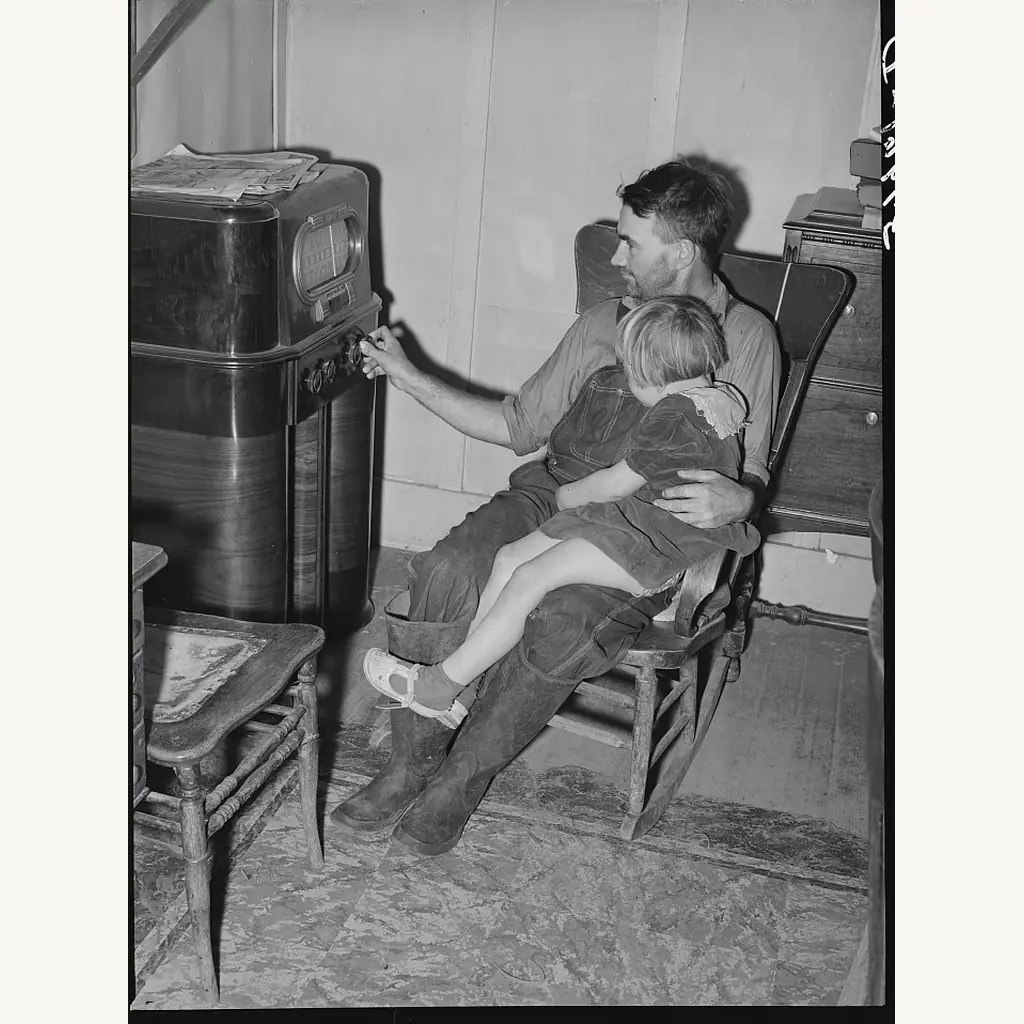
“Have Yourself a Merry Little Christmas” appeared in the 1944 film Meet Me in St. Louis. Library of Congress records show that its earlier version was bleaker, and that the lyrics changed before Judy Garland sang it in the film.
No one needs to remember the earlier words for the change to matter. The song people came to know was shaped to offer comfort.
It became part of the holiday atmosphere that later readers remember alongside everyday family life in the 1960s, carrying a wartime history into a different decade.
12. The first peacetime tree carried a different meaning
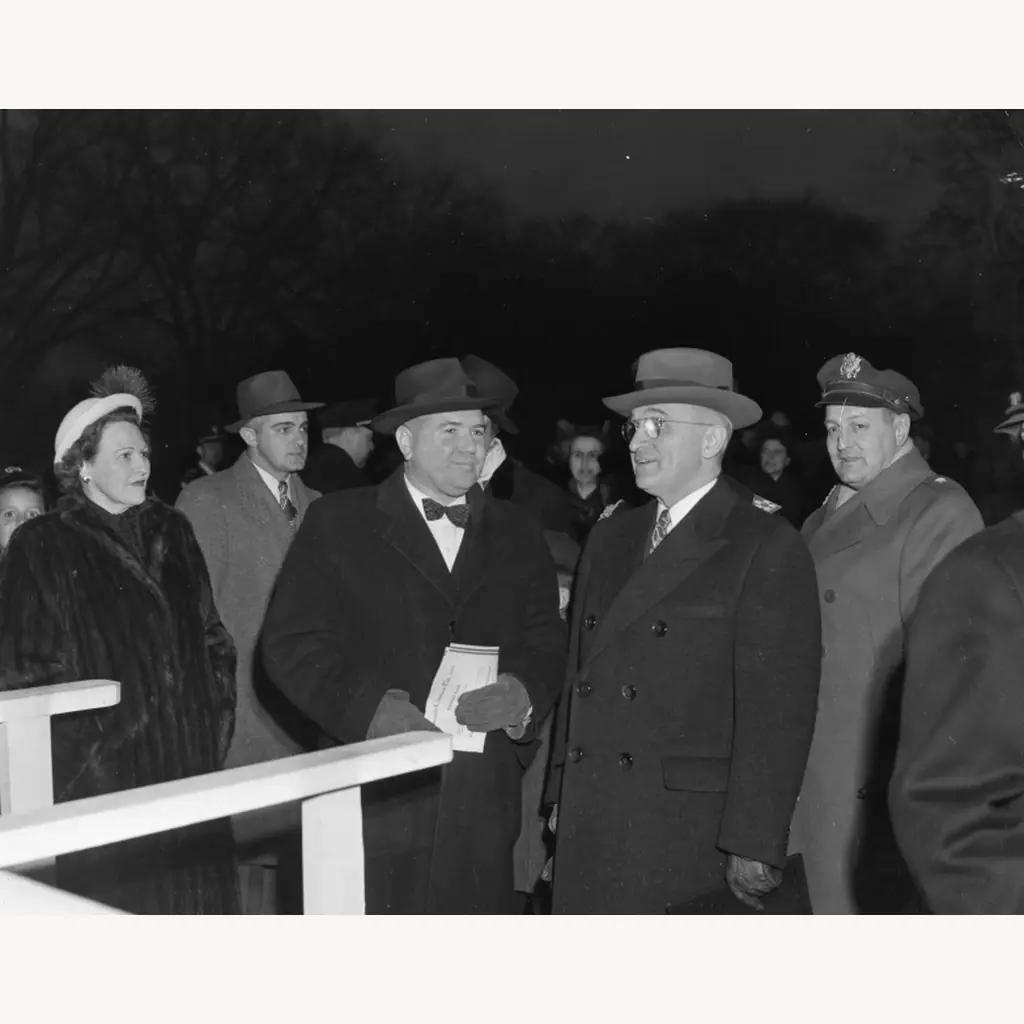
On December 24, 1945, President Harry Truman lit the National Community Christmas Tree and addressed a radio audience. His message explicitly linked the return of its lights with peace after the war.
That makes a lit tree a particularly strong ending to the decade's wartime chapter. It was a familiar object whose public meaning had changed.
At home, the holiday could still include Christmas treats and meals stretched for another day. Peace arrived on a particular date; household habits and the people families missed did not all change at once.
Ask which Christmas the photograph shows
Before treating a picture as “Christmas in the forties,” look for its year, place, and people. A prewar gathering, a wartime letter, and a first reunion can share the same decorations while holding very different memories.
Sources and further reading
- Shiny Brite Christmas Ornaments
- National Christmas Tree ornament history
- The Coupon Craze of the 1940s
- An OPA broadcast transcript
- The Holiday Season of 1943
- Christmas on the WWII Home Front
- Victory Mail
- service timeline
- Christmas V-Mail object
- December 1943 correspondence
- Manzanar Free Press, January 1, 1943, page five
- The story behind Have Yourself a Merry Little Christmas
- December 24, 1945 address
- public-domain photograph 73-2116
- Image for section 3: U.S. Office of Price Administration — Public domain — U.S. federal government work
- Image for section 7: USMC Archives — CC BY 2.0
- Image for section 8: USMC Archives — CC BY 2.0
- Image for section 10: Dorothea Lange / War Relocation Authority — Public domain — U.S. federal government work
- Image for section 11: Russell Lee / Farm Security Administration — Public domain — Library of Congress FSA/OWI collection
- Image for section 12: Abbie Rowe / National Park Service — Public domain — explicitly stated by Harry S. Truman Library & Museum
- Image for section 1: RLogos — Public domain —copyright holder’s worldwide release
- Image for section 2: Olugold — CC BY-SA 4.0 (adaptation under the same license)
- Image for section 4: Lee Khatchadourian-Reese — CC BY-SA 3.0 (adaptation under the same license)
- Image for section 5: Preferred Pictures; photographer uncredited — Public domain —1923 U.S. publication; LOC determination recorded by Internet Archive
- Image for section 6: Arthur S. Siegel / Farm Security Administration — Public domain —U.S. federal FSA/OWI photograph
- Image for section 9: John J. Cunningham (1917–1944) — Public domain —file-level PD-US declaration