A loaf of brown bread or a bowl of colcannon can bring a family kitchen back to mind. The details below explain what made these foods distinctive, including a few surprises preserved in old recipes.
1. Brown soda bread had room for a family signature
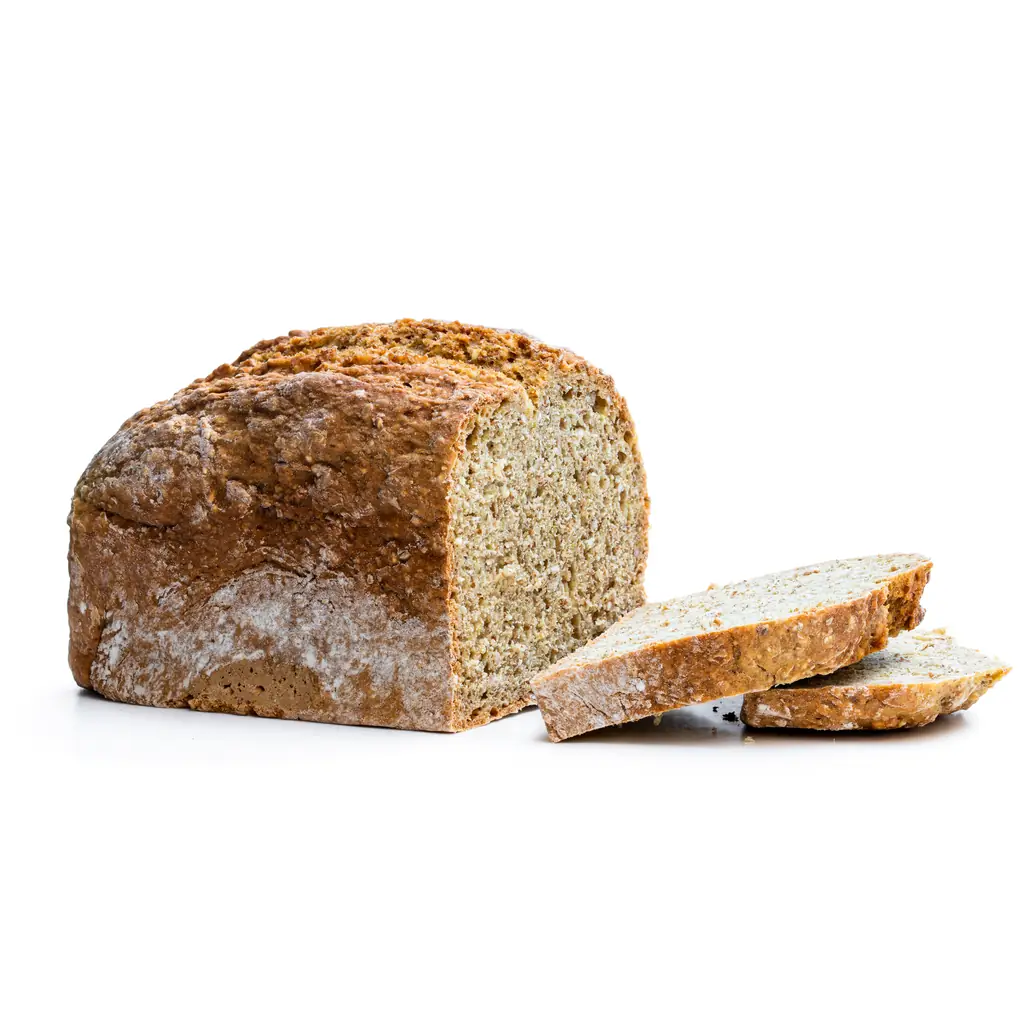
A slice of brown soda bread shows its character in the crumb. Wholemeal flour gives it a texture quite different from a soft white sandwich loaf, especially where a cut slice meets its browned crust.
Buttermilk belongs in many versions, while the balance of white and wholemeal flour changes the loaf. Bord Bia's recipe also includes an egg and a little honey.
Those small choices leave room for a recognizable household style. A round loaf and a loaf baked in a tin can sit within the same tradition while producing different slices for the breadboard.
2. Boxty could reveal where a family came from
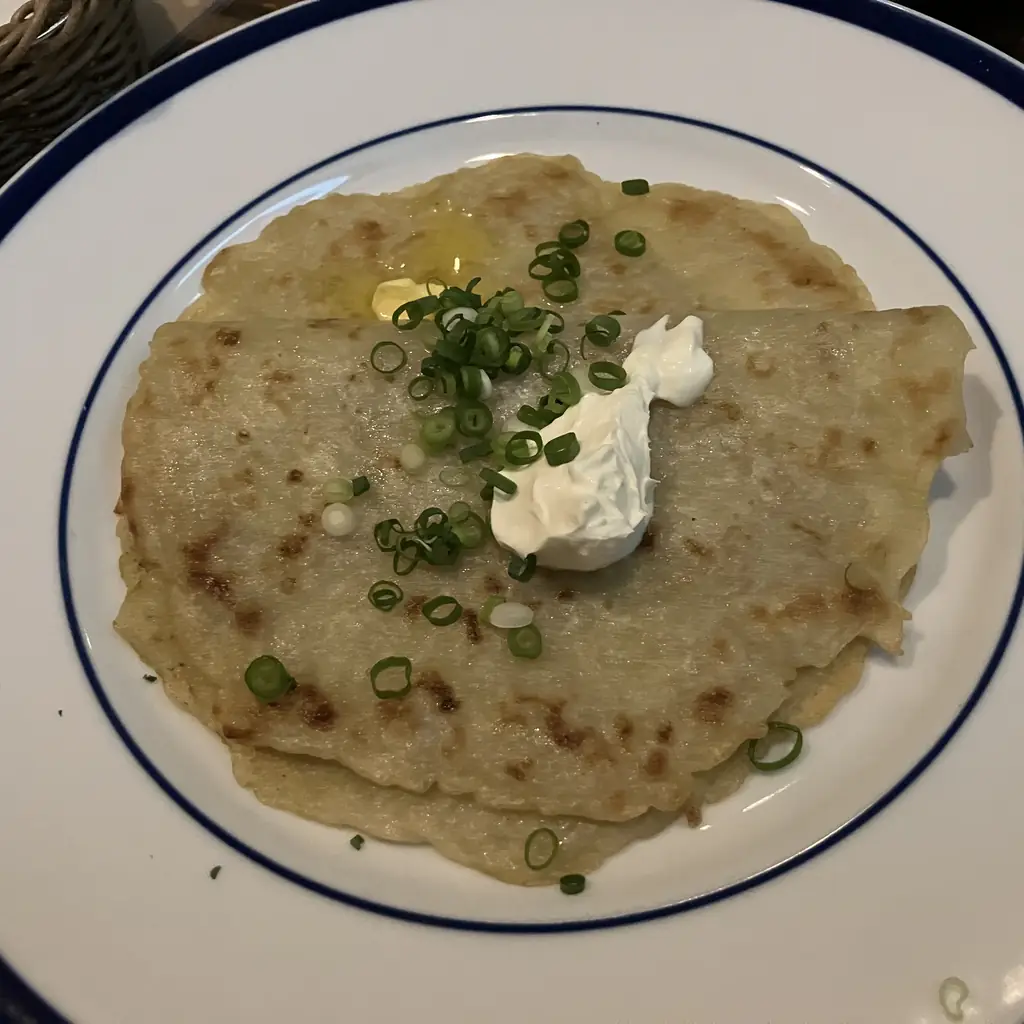
Boxty brings together the potato's different textures. Some versions combine grated raw potato with cooked potato, giving the finished cake a different character from plain mash shaped and browned.
A local account preserved by Galway County Heritage Office describes grated potato squeezed in a cloth, then combined with boiled potato and flour for the griddle. The cloth and grater are as much a part of that preparation as the pan.
The name travels more easily than the method. A family's thin pancake, thicker cake, or sliced version can preserve a particular local way of making it.
3. Colcannon made the greens part of the potatoes
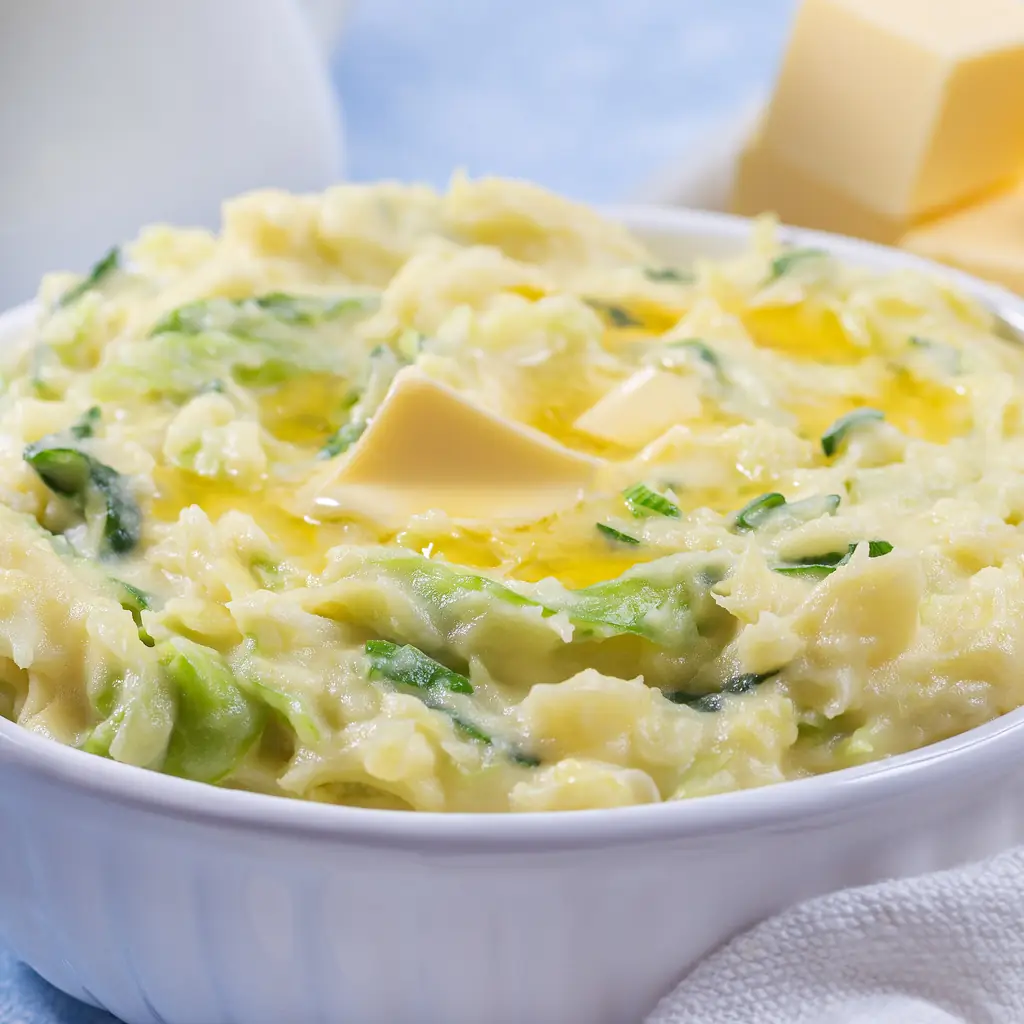
The green pieces in colcannon do more than add color. Cabbage or kale gives soft mashed potatoes a leafy texture, while milk and butter bring the mixture together.
Onion or scallions can add another layer of flavor. Bord Bia's teaching recipe uses kale, so its green flecks look different from the pale ribbons of cooked cabbage in another family's bowl.
It is a dish whose identity survives those differences. The proportion of greens to potato, the fineness of the chopping, and the amount of butter can make one serving immediately recognizable to the people who grew up with it.
4. Bacon and cabbage began with a different cut
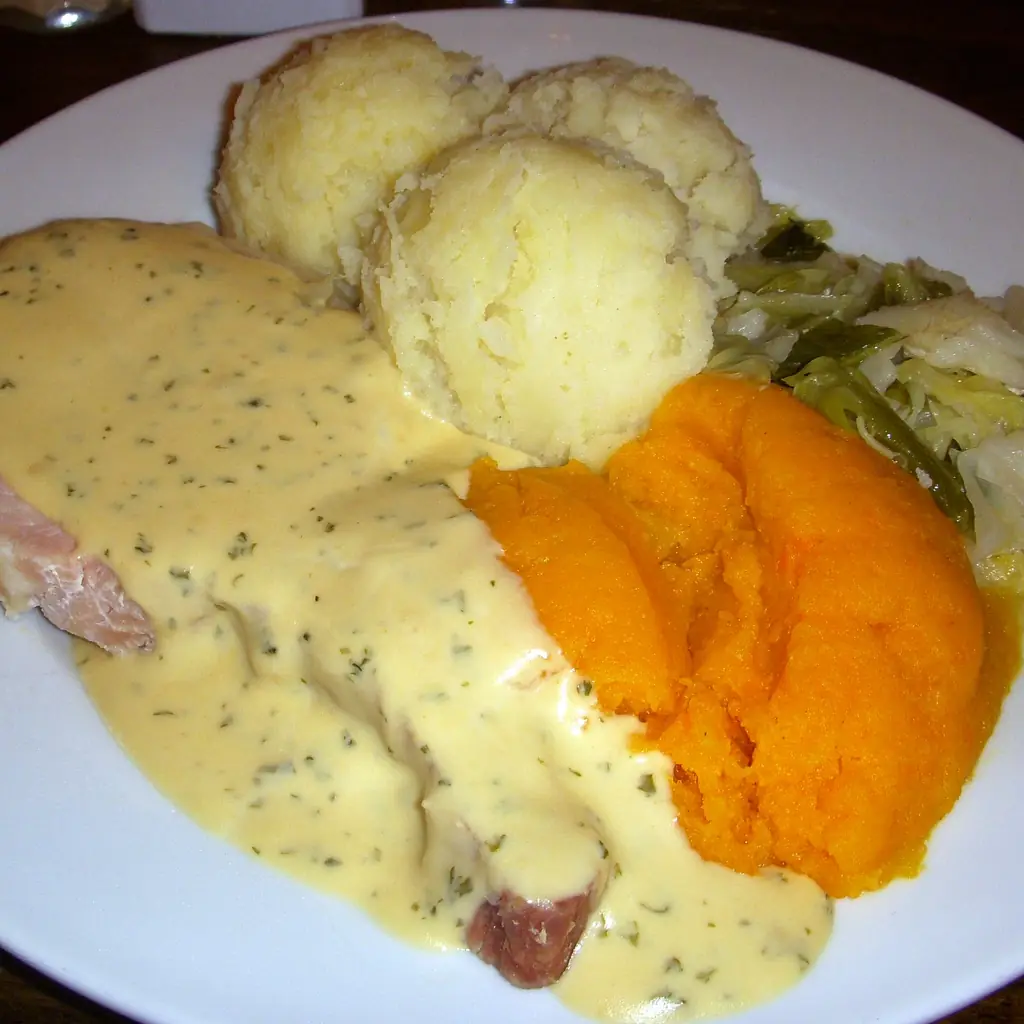
For an American reader, the word bacon may suggest thin strips in a frying pan. An Irish bacon-and-cabbage dinner can begin with a substantial joint, cooked and then cut into slices.
The meat therefore occupies the center of the plate alongside cabbage and potatoes. Its thickness and texture are quite different from crisp breakfast rashers.
A mustard sauce can accompany the joint, as it does in Bord Bia's contemporary recipe. The finished dinner brings several familiar ingredients together, but the cut of pork is the detail that makes the whole plate fall into place.
5. Irish stew varied without losing its identity
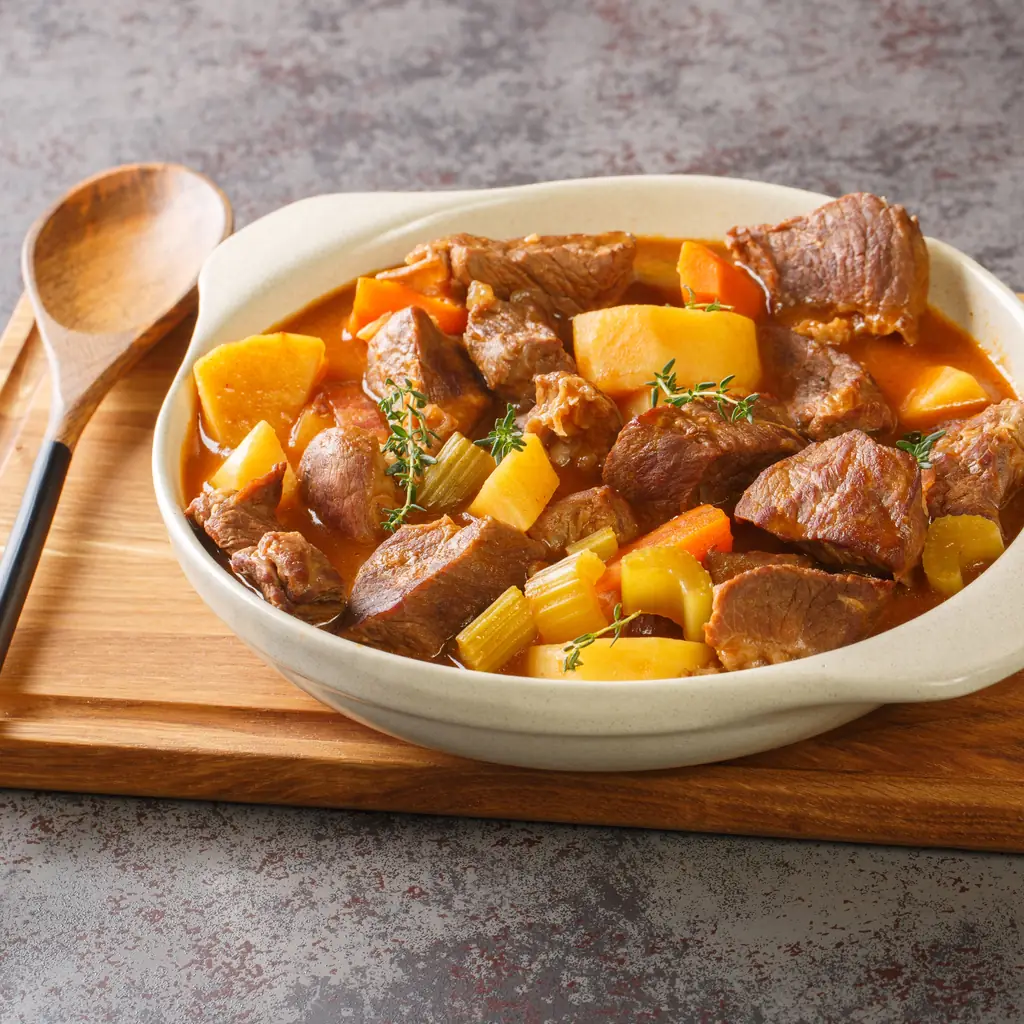
Lamb or mutton, potatoes, and onions give Irish stew its recognizable foundation. The potatoes take up space in the bowl alongside the meat, making the vegetables an important part of the meal.
Other vegetables can change its appearance and flavor. Carrots, leek, turnip, and a little cabbage all appear in Bord Bia's traditional recipe; a family's pot may use a different selection.
These adjustments also belong to the story of foods carried between countries. An available cut of meat or a preferred vegetable could change a familiar dinner while leaving its name and central character intact.
6. The griddle explains an oatcake's flat shape
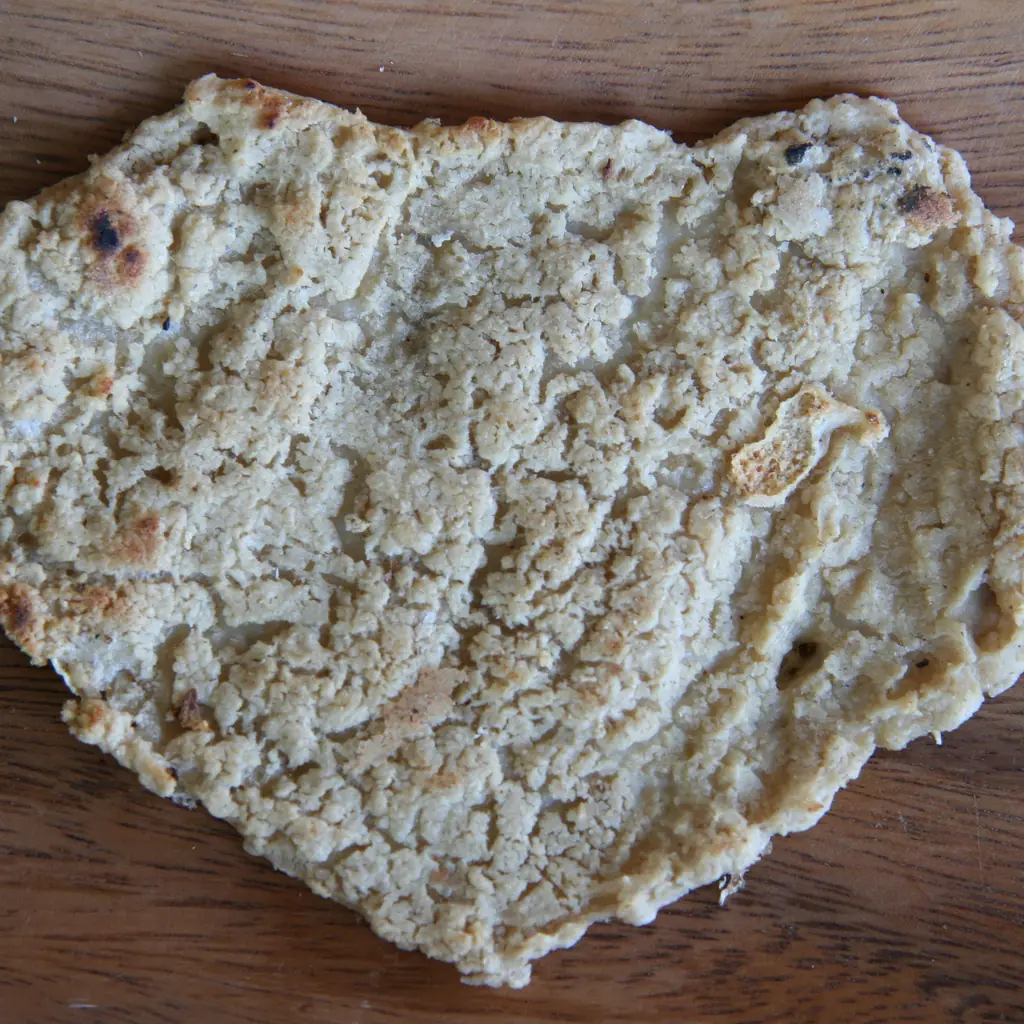
A griddle gives an oatcake a broad cooking surface close to the heat. Its flat shape belongs to a kitchen where bread and cakes did not always go into a modern enclosed oven.
The National Museum of Ireland's household collection includes griddles and the bread irons used to toast oatcakes beside the fire. Those implements held and heated food in ways a baking tray cannot show.
Among the old tools in a kitchen, a bread iron can look puzzling on its own. Put an oatcake beside it and the relationship between the food's shape and the tool becomes much clearer.
7. Vegetable soup could be a substantial meal
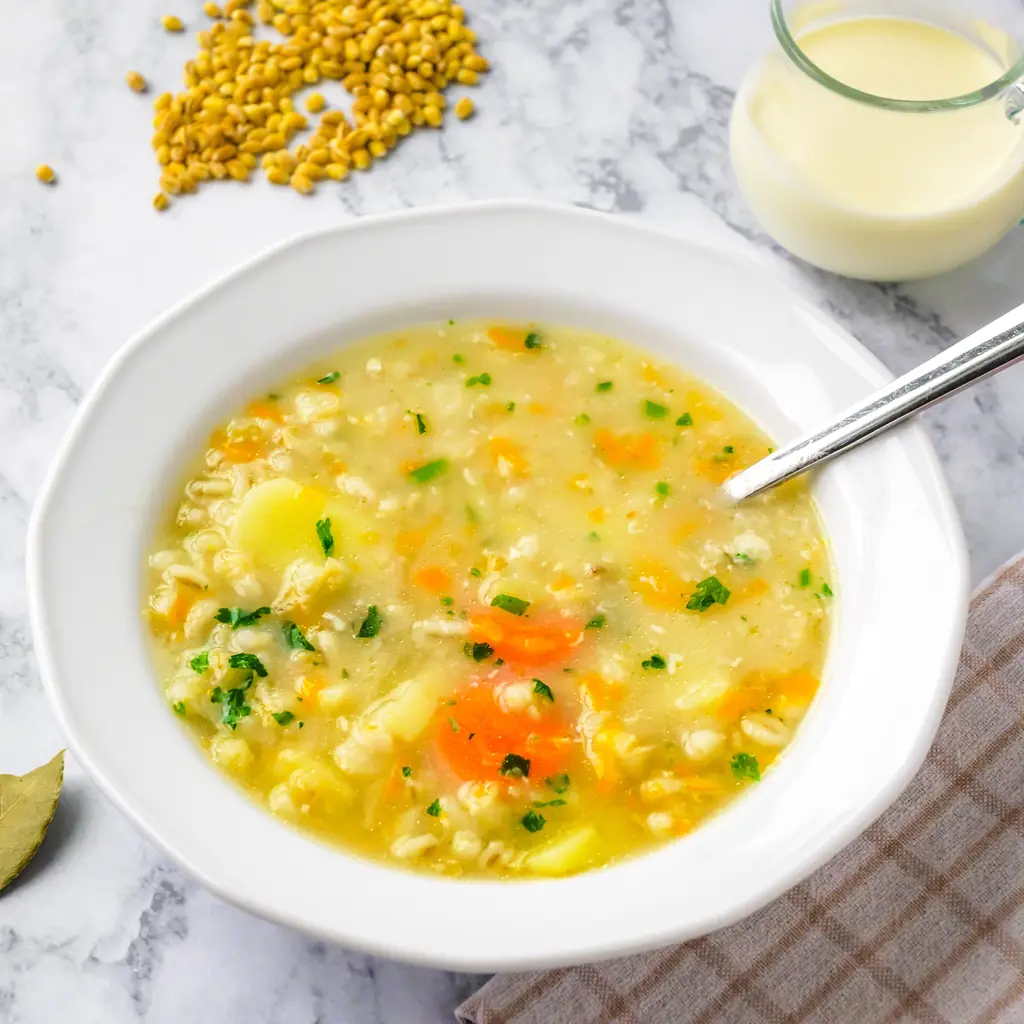
A pot of vegetable soup can contain enough variety to make each spoonful different. Barley brings small grains into the broth alongside pieces of vegetables, giving the bowl more substance than a strained soup.
Seasonal produce changes what goes into the pot. A familiar household version might be remembered for the grain, the size of the vegetable pieces, or the bread served beside it.
That combination also connects it with meals made from inexpensive staples. The bread and bowl belong together, with the loaf supplying something to break off between spoonfuls.
8. Apple tart kept the fruit at the center
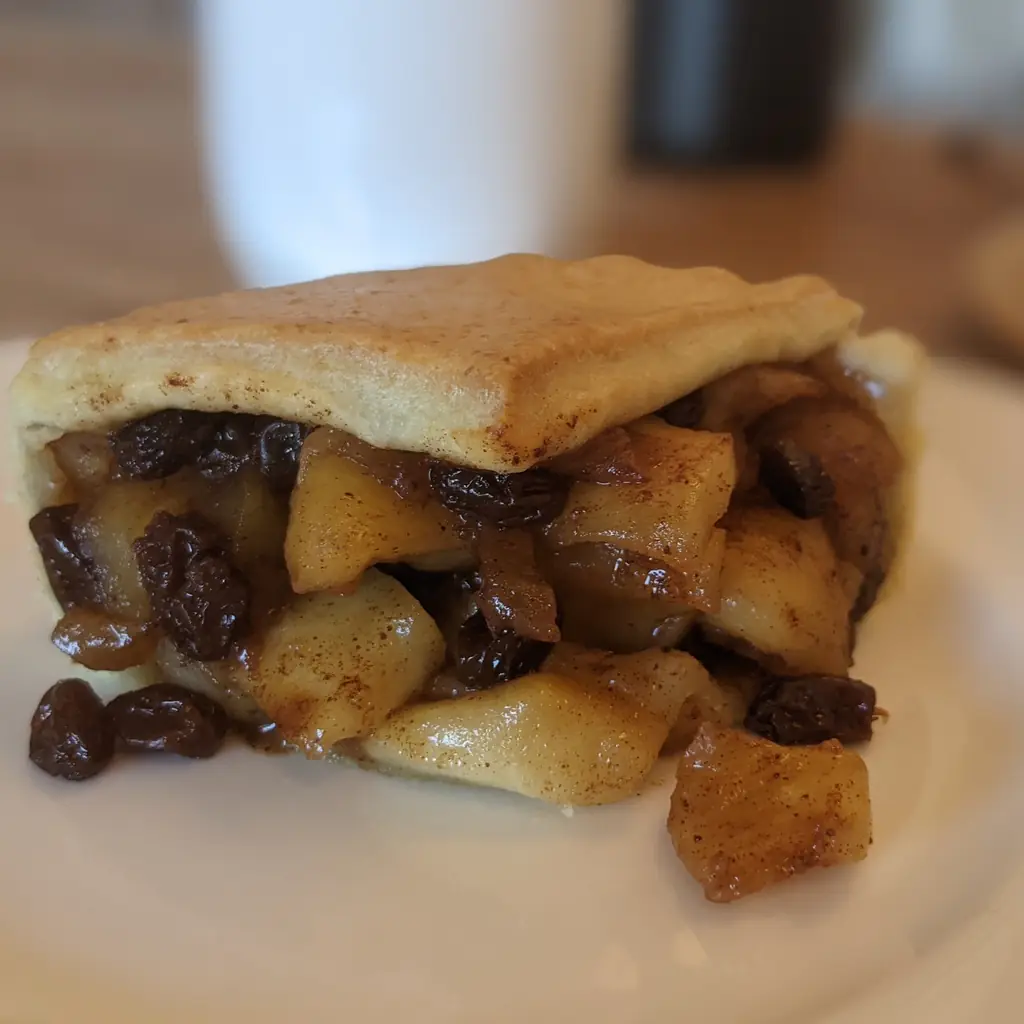
An apple tart reveals itself when the first slice is lifted out. A thin pastry lid can cover a generous layer of fruit, while a thicker crust gives a different balance to each forkful.
The size of the apple pieces matters too. Fruit left in distinct slices looks and feels different from a soft filling, even before custard or cream reaches the plate.
Like other family baking traditions, it leaves room for preferences that become familiar through repetition. The remembered tart may owe as much to its plain finish and fruit filling as to any decoration on top.
9. An old brack recipe contains a genuine surprise
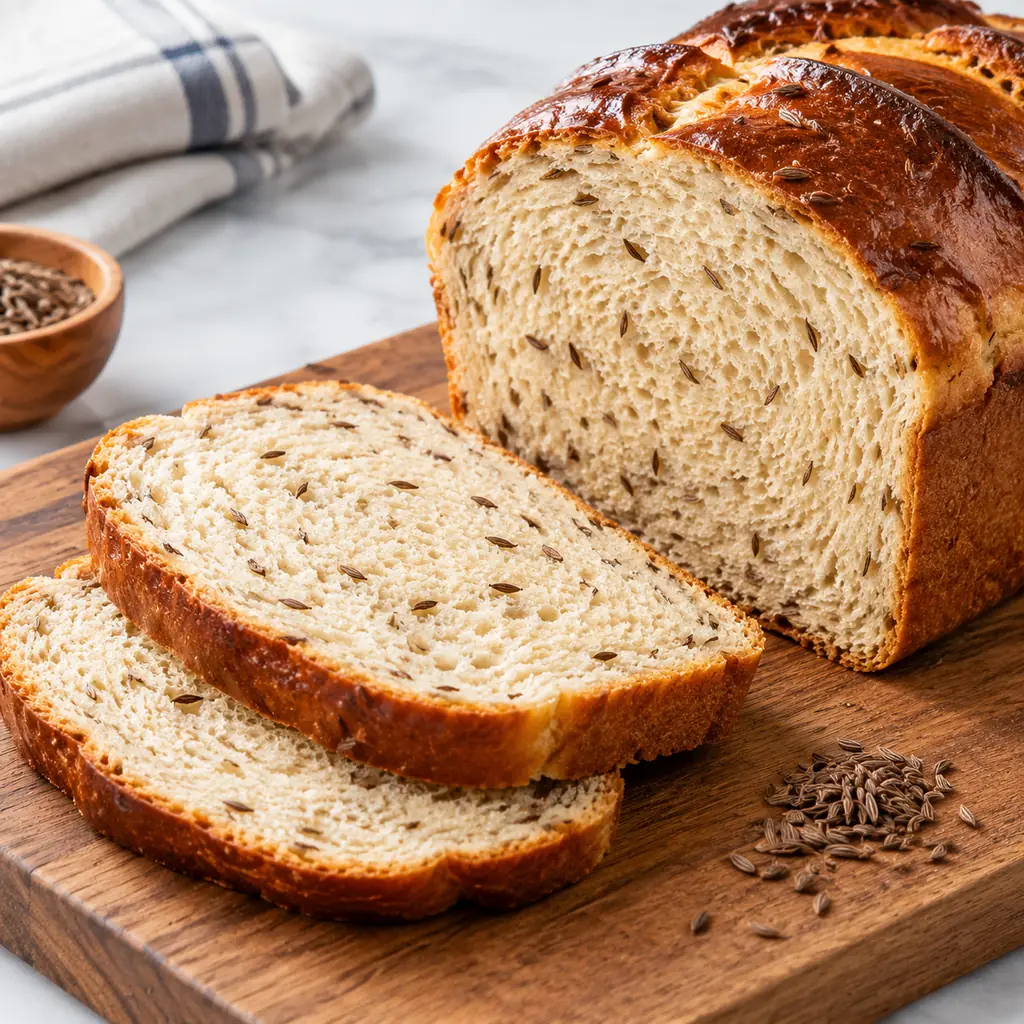
Cut into many modern bracks and you expect dried fruit in the crumb. A handwritten recipe preserved by the National Library of Ireland, dated broadly to 1800–1875, supplies its speckles with caraway seeds instead.
It also calls for barm, a yeast preparation, and baking on a griddle. The loaf therefore connects the name with a different flavor and a different piece of kitchen equipment.
Brack belongs particularly to Hallowe'en. Beside Ireland's Christmas food traditions, it shows how particular foods gave different occasions their own place in the year.
10. Butter belonged to the household economy too
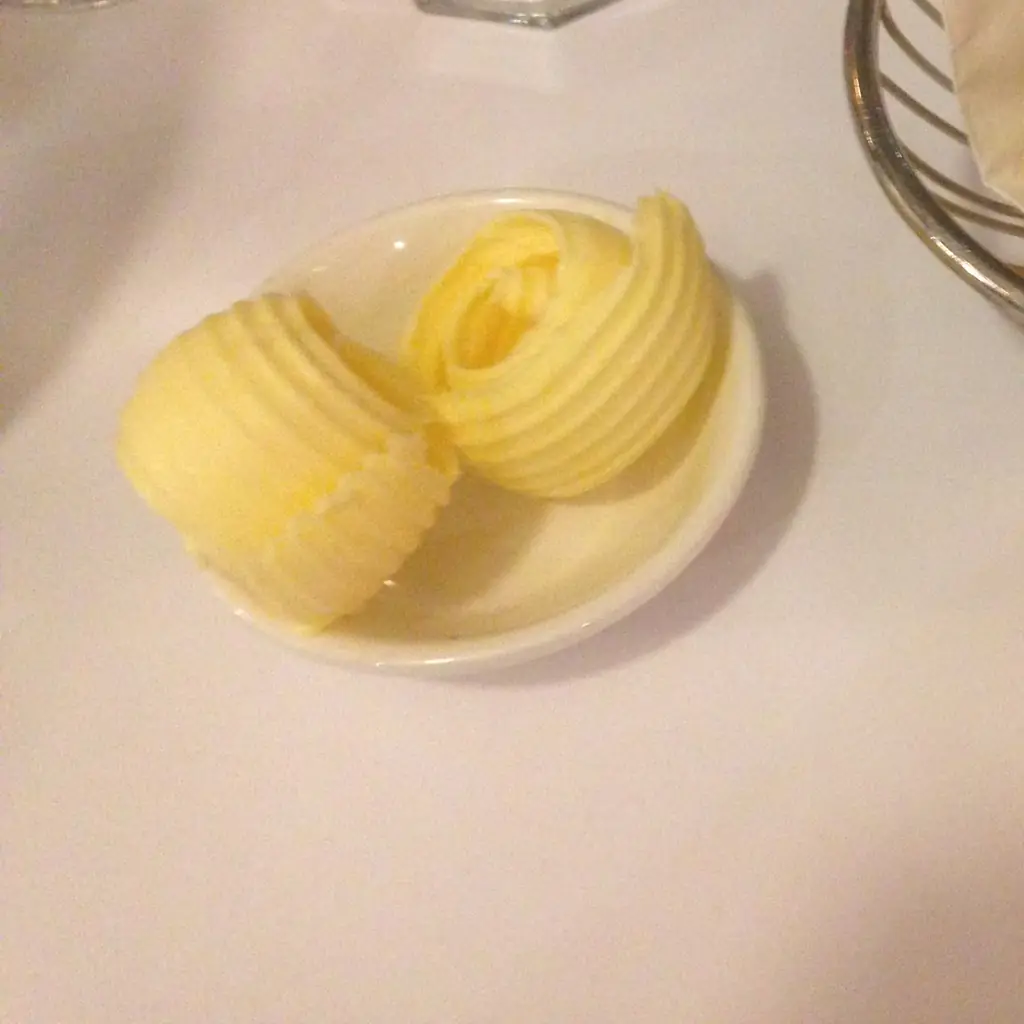
A pat of butter on bread could be the finished product of work that began well before the meal. A churn belonged to the equipment of a dairy-producing household, alongside the vessels needed to handle its milk.
Butter also crossed the boundary between household food and something to sell. The National Museum of Ireland records women selling surplus butter and eggs.
Seen among the routines that kept a household running, the butter on the table carries another meaning. Some could be served at home while a surplus helped bring money into the household.
11. A bowl of oats needs its own place in the memory
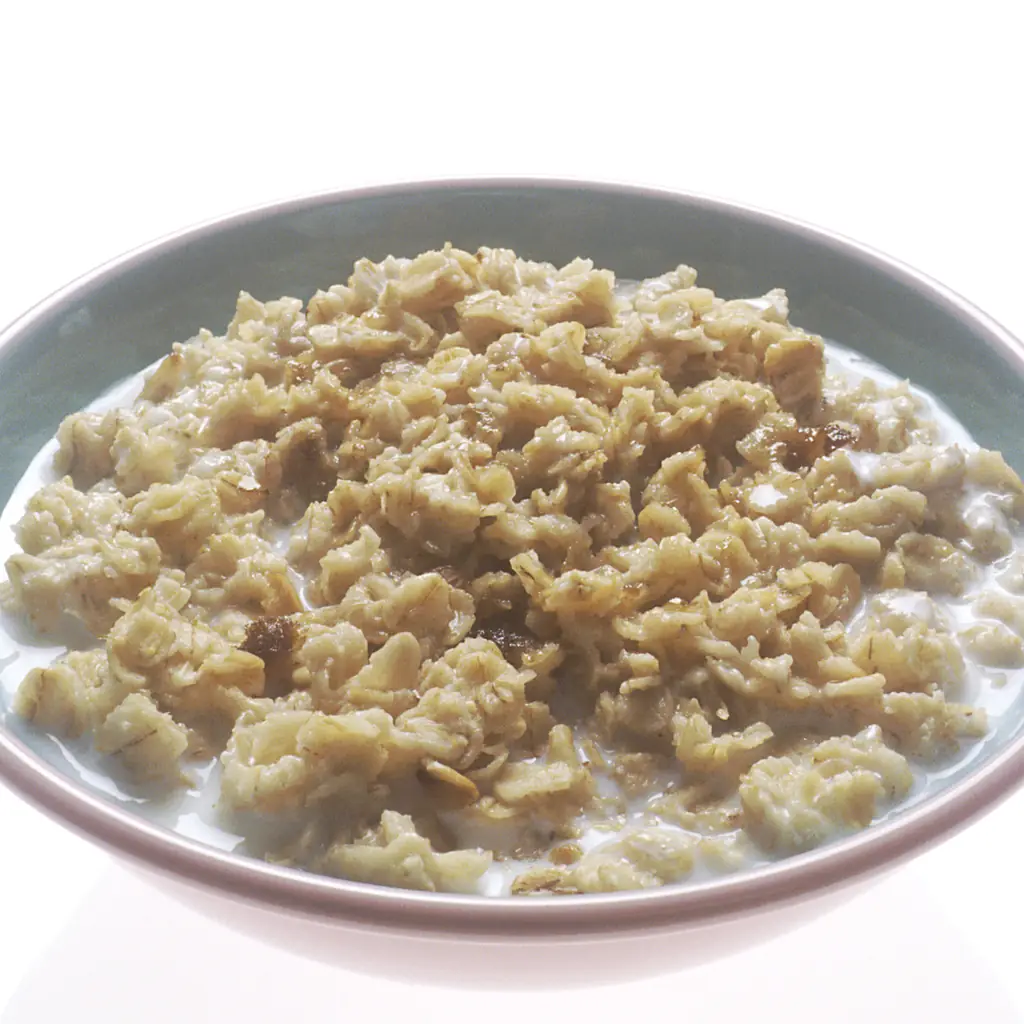
A bowl of oats could be part of the ordinary rhythm of eating, quite apart from the foods associated with holidays. Milk changes both its consistency and the way it is served.
Irish folklore records include oatmeal with milk, alongside accounts of foods used during particular periods of fasting. Those local records preserve meals that might never appear in a photograph of a celebration.
Oats also belong among the pantry staples used repeatedly. A familiar texture or accompaniment can make a regular bowl memorable precisely because it returned to the table so often.
12. Champ gave the scallions a dish of their own
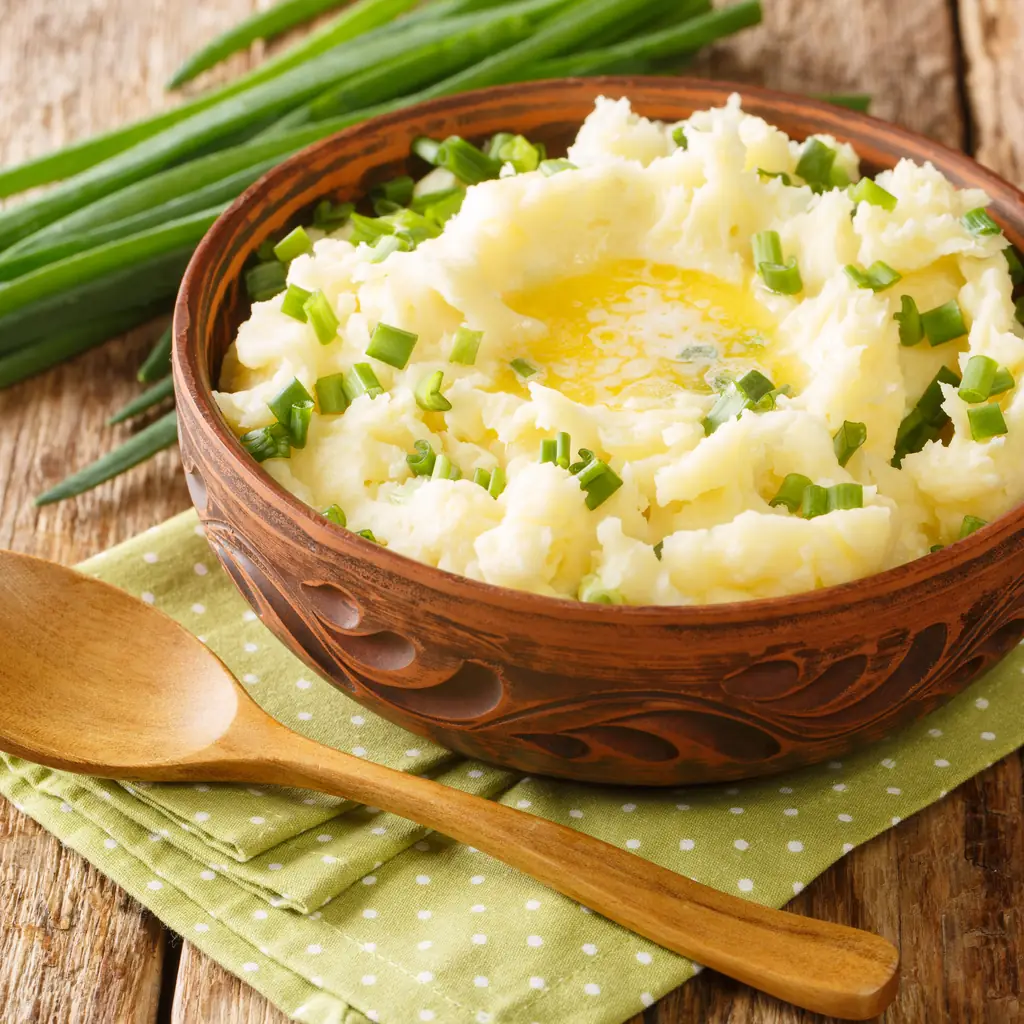
Champ brings scallions into mashed potato with warm milk and butter. The small green pieces run through the mash rather than forming the larger leafy ribbons found in cabbage-based colcannon.
Cook Rory O'Connell describes a soft mash and notes that leftover champ makes potato cakes. That gives the potatoes a second form: a bowl of mash can be followed by cakes with a browned surface.
It is a particularly clear example of turning yesterday's food into another meal. The ingredients remain recognizable, but the next plate offers a different shape and texture.
Sources and further reading
- National Museum of Ireland: Feeding the Family
- Galway County Heritage Office: Making Boxty
- Bord Bia: Traditional Brown Soda Bread
- Traditional Irish Lamb Stew
- Bord Bia: Bacon and Cabbage
- Harvesting and Cooking
- Bord Bia: Hearty Irish Vegetable Soup
- Autumn Recipes
- National Library of Ireland: Hallowe'en Barm Brack Recipe
- UCD National Folklore Collection: The Easter Cycle
- RTÉ Archives: Famine Echoes
- Rory O'Connell: Scallion Champ, RTÉ
- Image for section 1: Elena Zajchikova
- Image for section 3: iuliia_n
- Image for section 5: Sergii Koval
- Image for section 7: vivooo
- Image for section 12: Sergii Koval
- Image for section 2: さえぼー — CC0
- Image for section 4: LWYang — CC BY 2.0
- Image for section 6: Jonathunder — CC BY-SA 3.0 (adaptation under the same license)
- Image for section 8: Shisma — CC BY 4.0
- Image for section 10: Pru.mitchell — CC BY-SA 4.0 (adaptation under the same license)
- Image for section 11: Renee Comet / National Cancer Institute