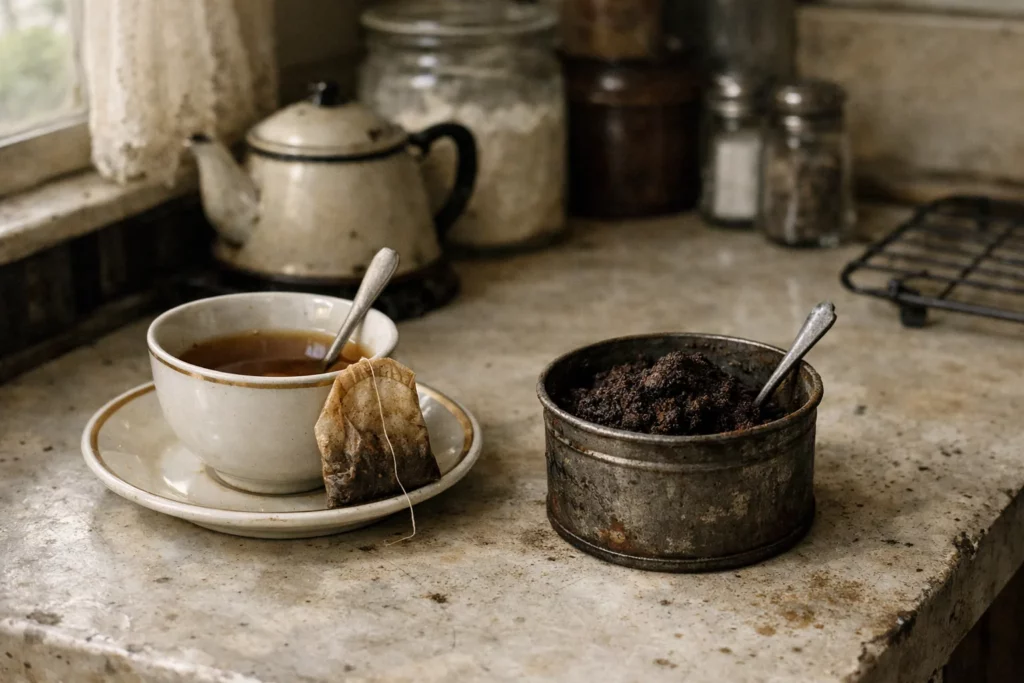
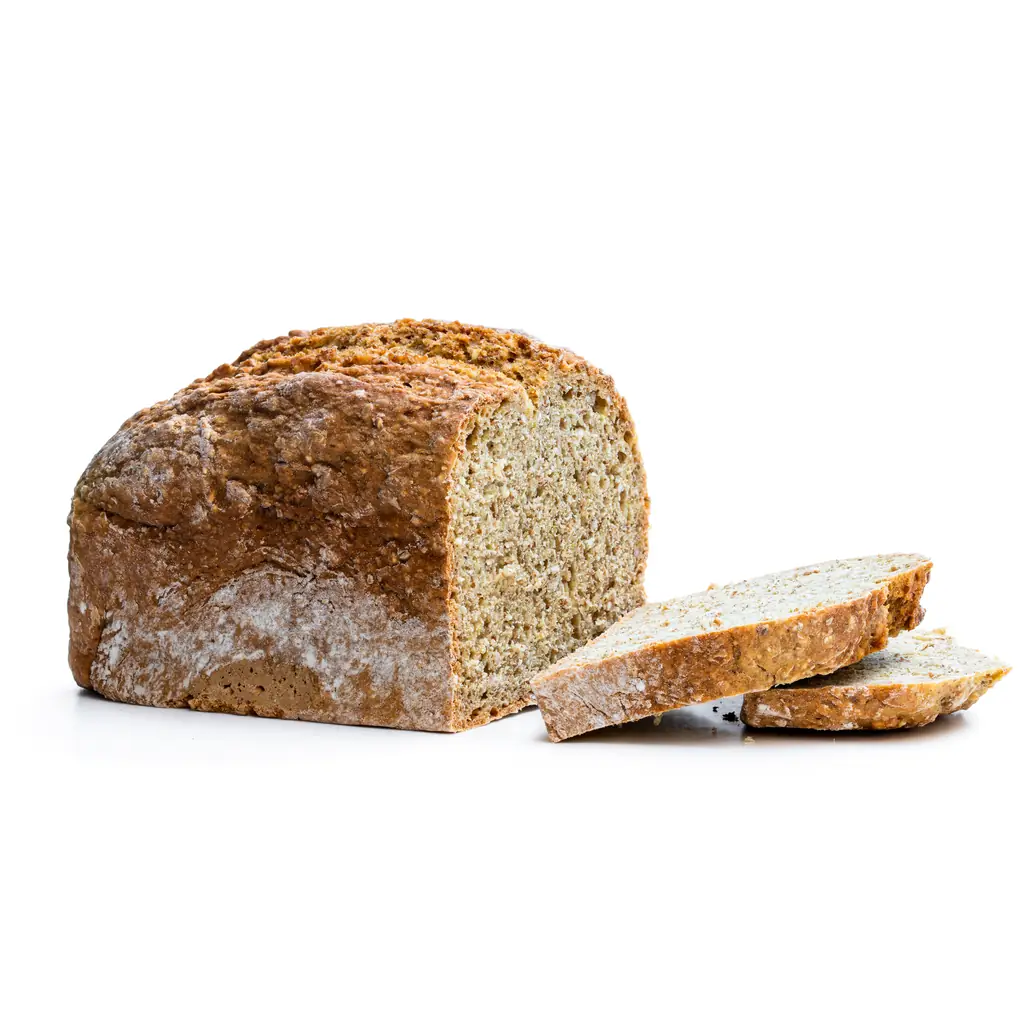
A tin of cream of tartar and a bag of tapioca make more sense when you know what the cook expected them to do. Older recipes reveal the different jobs behind those familiar packages, although no two households kept exactly the same supplies.
1. Evaporated milk brought a different kind of milk into the cupboard
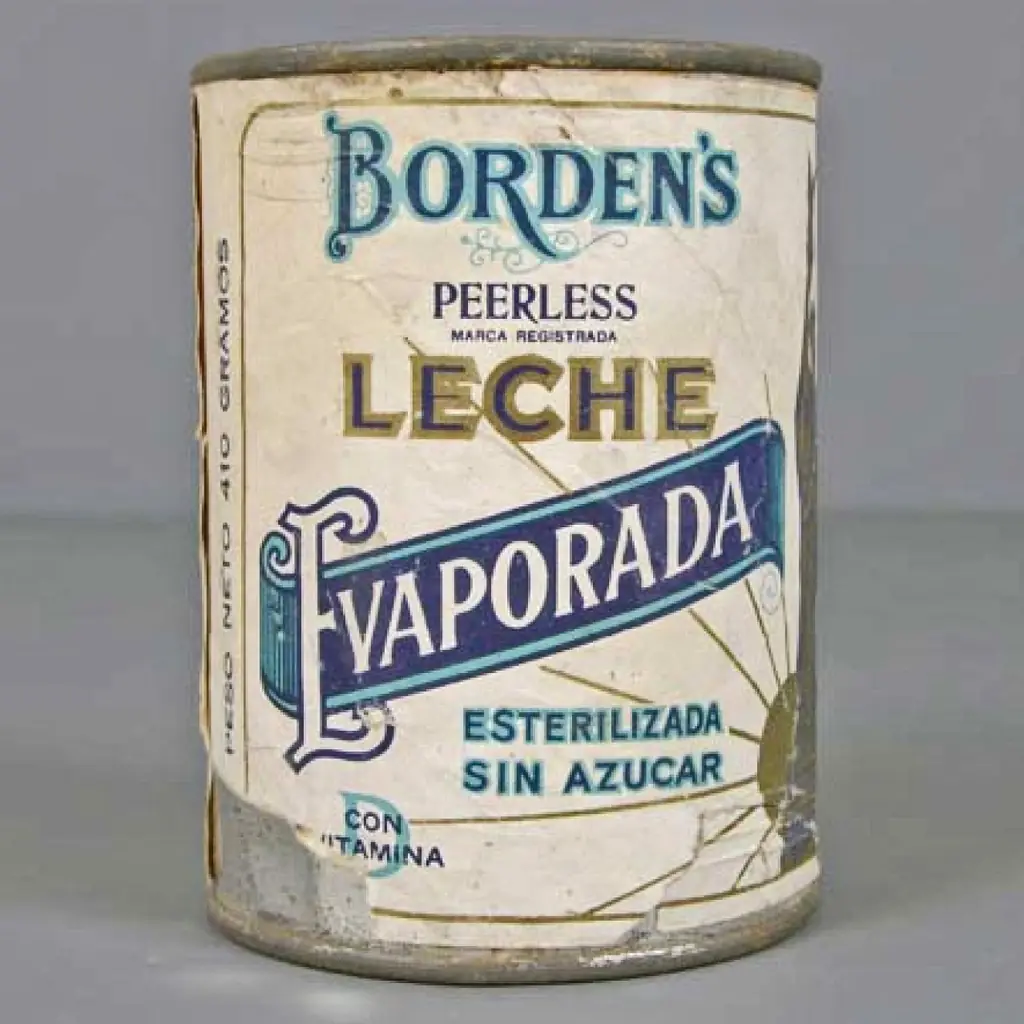
Evaporated milk and sweetened condensed milk can stand close together on a shelf, but they are different ingredients. Carnation's unsweetened evaporated milk has a history reaching back to 1899; the company's product history separates it from its sweetened condensed line.
The presence of added sugar mattered to what went into a filling, sauce, or confection. Two familiar-looking cans could therefore lead to quite different results. An old recipe's shorthand might have been perfectly clear to the person who used it every week, even when a later reader needed the kind of milk spelled out.
2. Molasses contributed more than sweetness
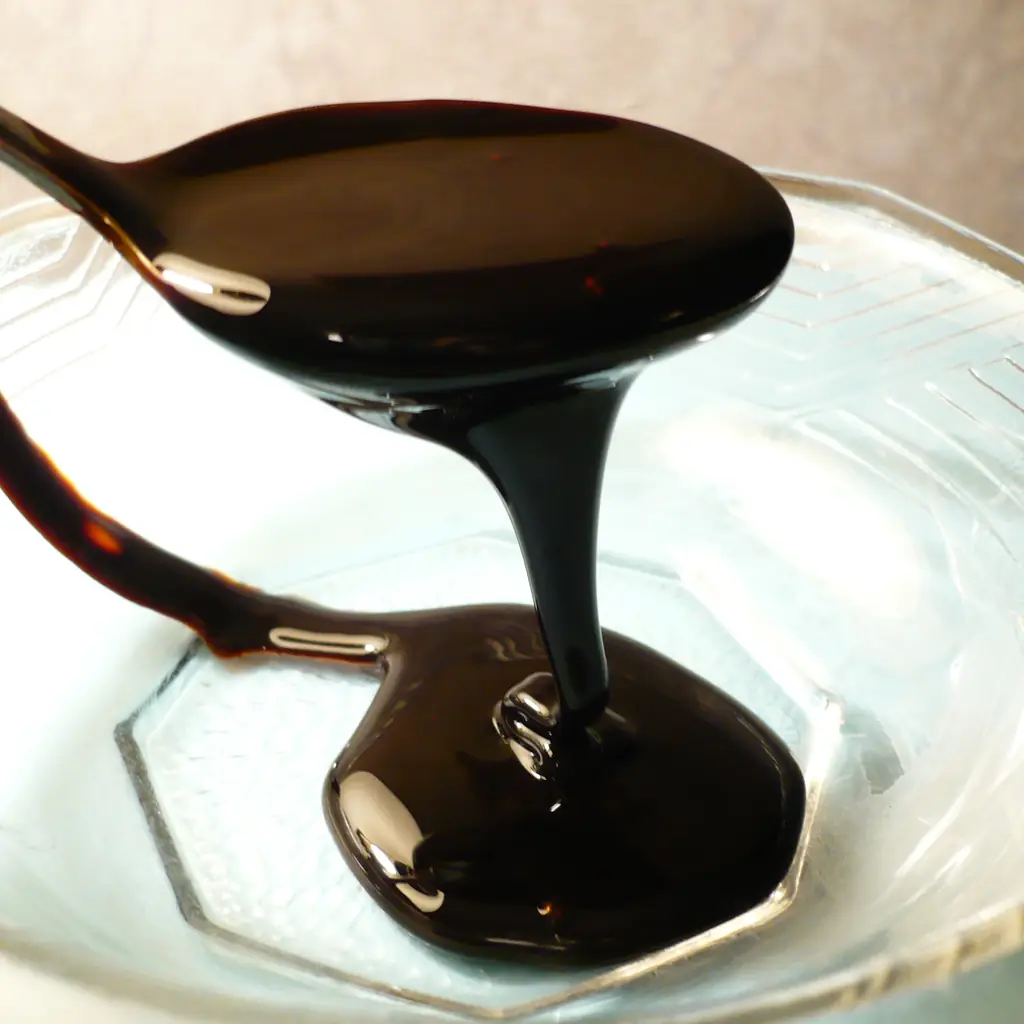
Molasses darkens a mixture and brings a flavor that plain white sugar does not provide. In Farmer's 1910 cookbook, it appears in brown bread, gingerbread, and other baked foods.
The jar could belong beside a bean supper as readily as in the preparation of a dessert. A dark, close-textured loaf and a piece of gingerbread might share that ingredient while tasting quite different. Molasses helped connect the savory and sweet parts of a kitchen's recipe collection.
3. Cream of tartar was one of the powders that changed baking
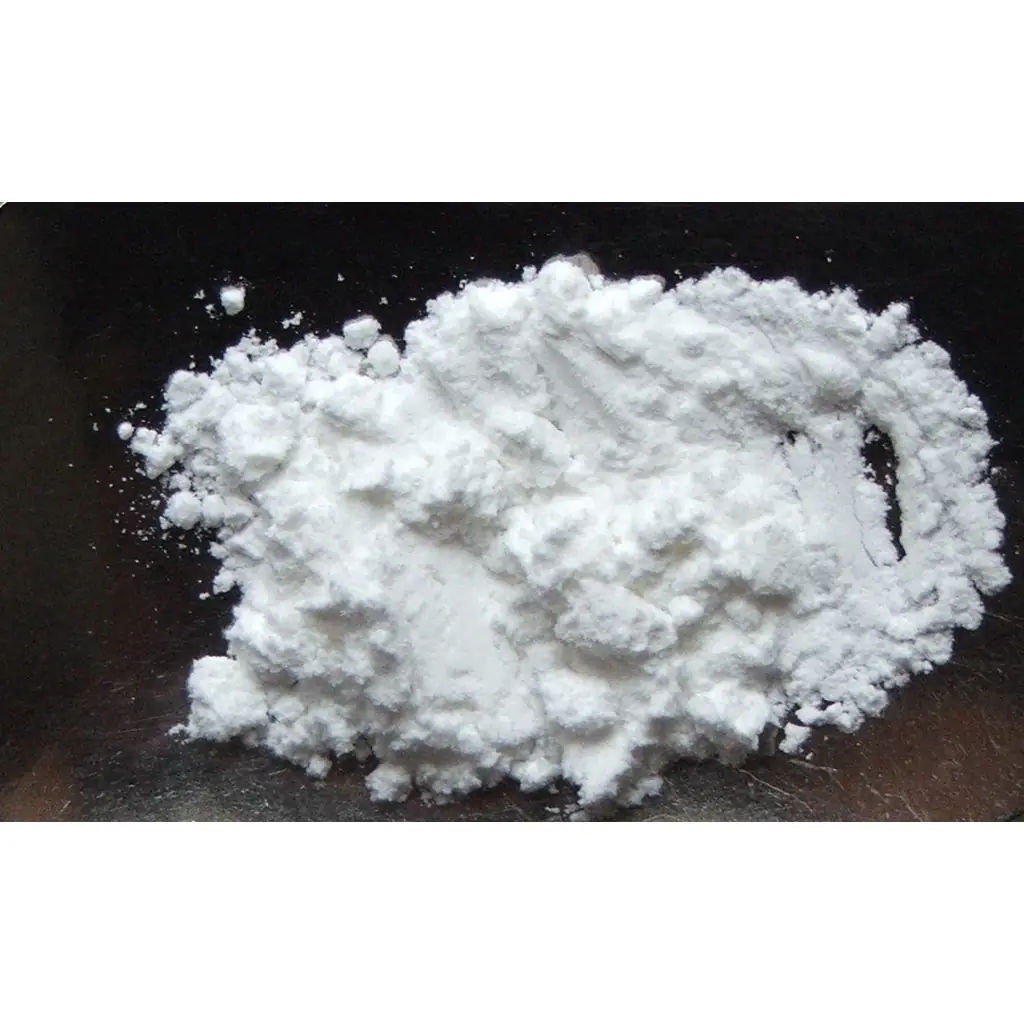
Cream of tartar has a different role from flour or sugar. It supplies an acidic ingredient that can work with baking soda in a leavening mixture.
Nineteenth-century developments in chemical leavening gave cooks more predictable ways to make biscuits and other quick-baked foods rise. The small tin belongs to that history. On a handwritten ingredient list, cream of tartar and baking soda may sit close together, even though each contributes a different part of the reaction.
4. Tapioca changed texture without becoming the main flavor
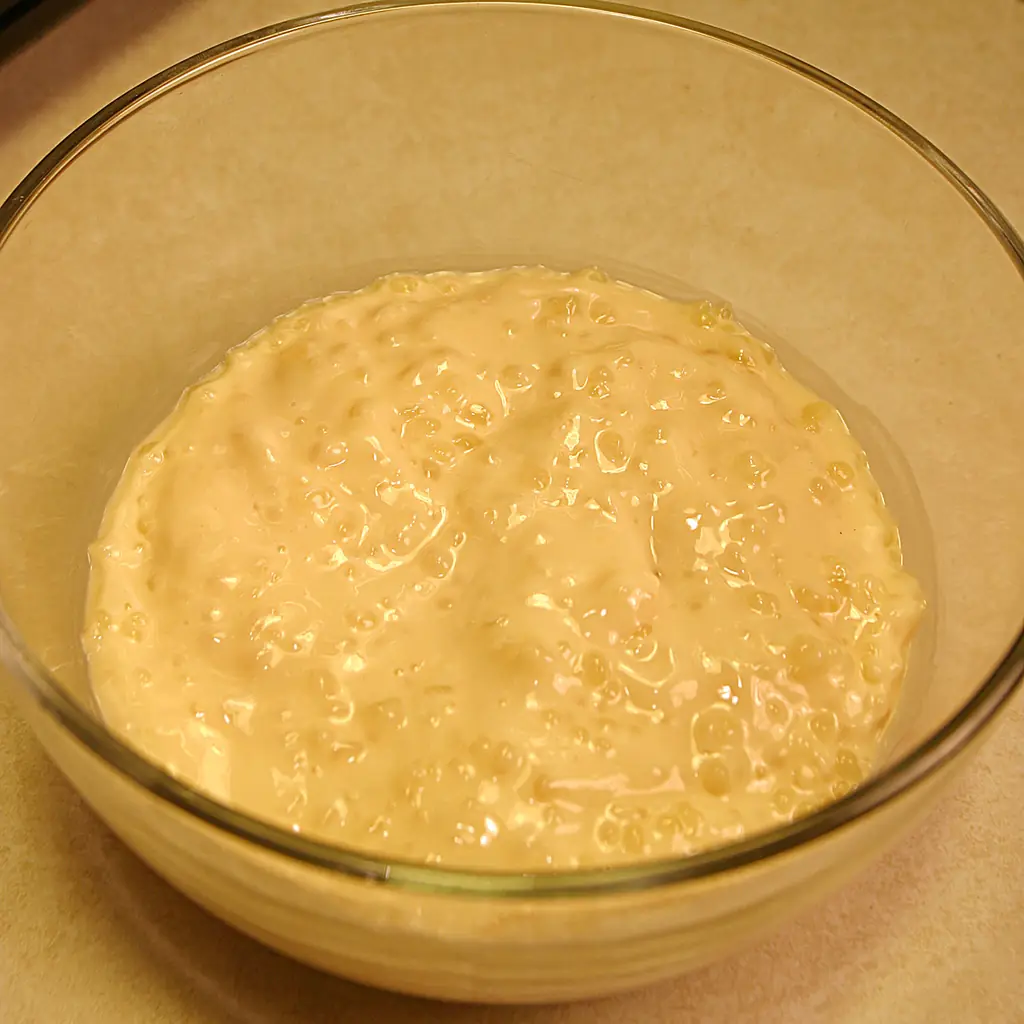
Pearl tapioca gives a pudding a texture the reader can see as well as feel. Farmer includes tapioca dishes among her desserts, placing it within an older repertoire of ways to transform milk and other liquids.
In a spoonful, the translucent pearls remain distinct within the softer pudding around them. That texture can be the part a family remembers most clearly. Pearl size and product preparation vary, so the bag named on an old recipe card may not match the first modern packet a reader picks up.
5. Cornstarch belonged to the sauce and pudding shelf
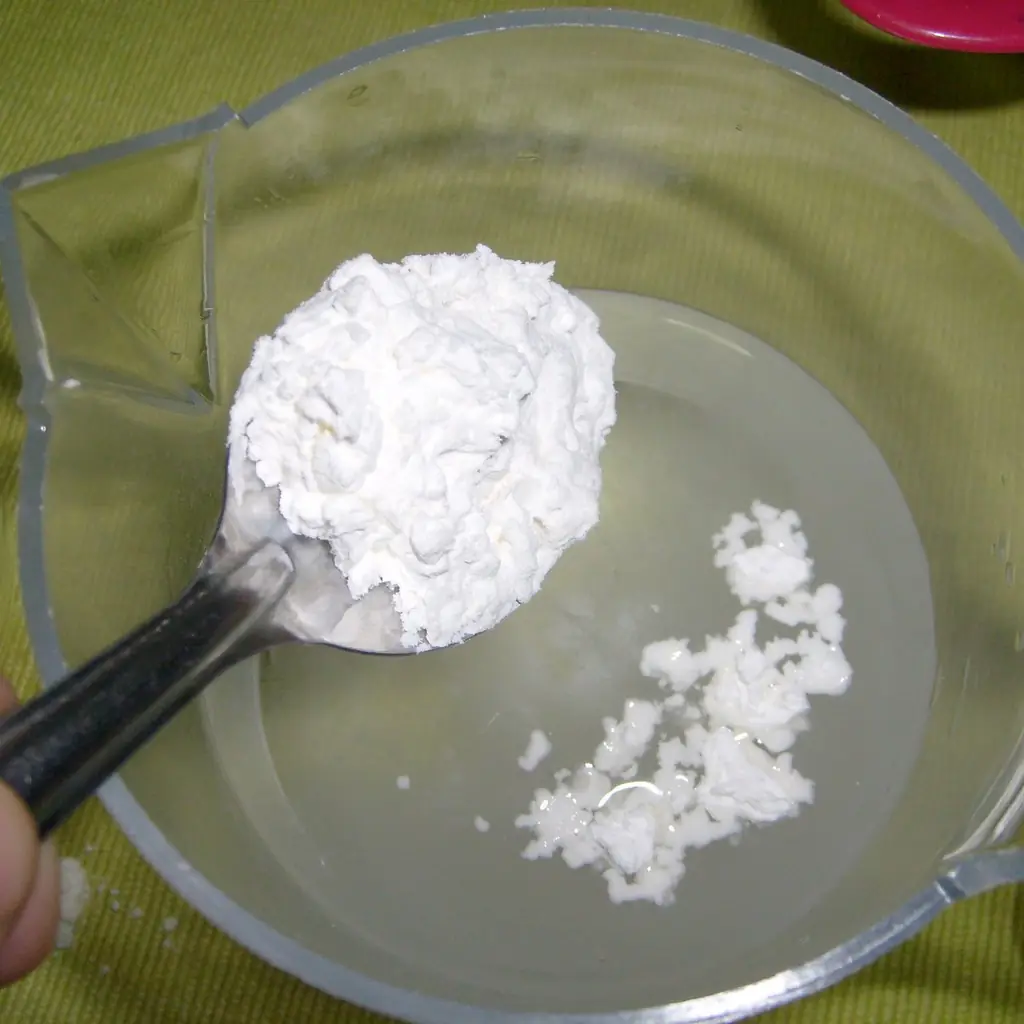
Cornstarch could help thicken a liquid without bringing the same texture or flavor as a coarse cereal. That made it useful in dishes where the cook wanted the sauce or pudding itself to remain smooth.
The liquid could become something that coated a spoon or supported a soft set, while another ingredient supplied most of the flavor. A pudding did not have to contain visible grains or fruit to feel substantial in the dish. A small quantity of powder could change how the whole serving met the spoon.
6. Salt pork could season a much larger dish
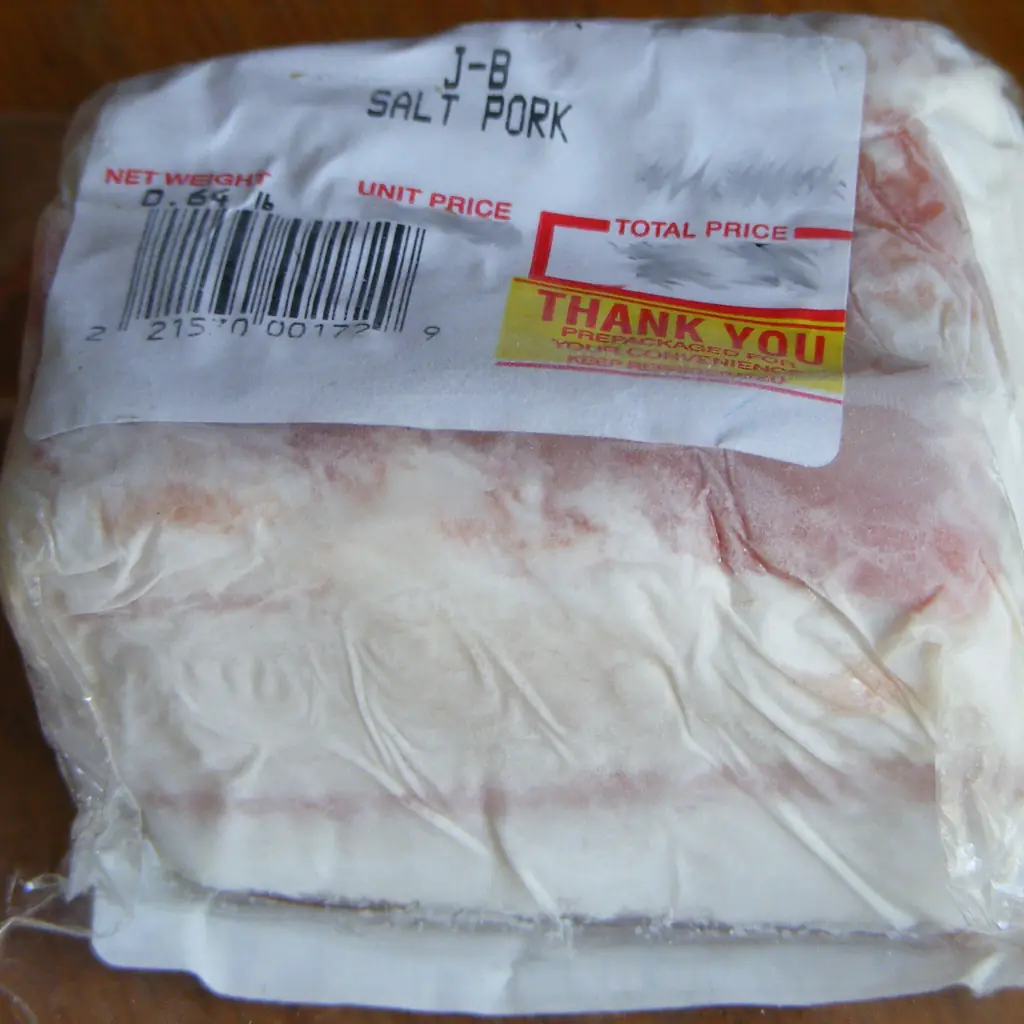
Salt pork in a bean recipe does not necessarily mean a large pork serving arrives on every plate. A relatively small piece can be part of the seasoning for the pot.
An older shopping list might therefore include pork for the flavor of a whole dish rather than for separate meat portions. The beans, liquid, and seasoning reached the table together. A small ingredient could similarly influence the next dinner in Grandma's meals made from leftovers.
7. Several kinds of meal and flour could share the same shelf
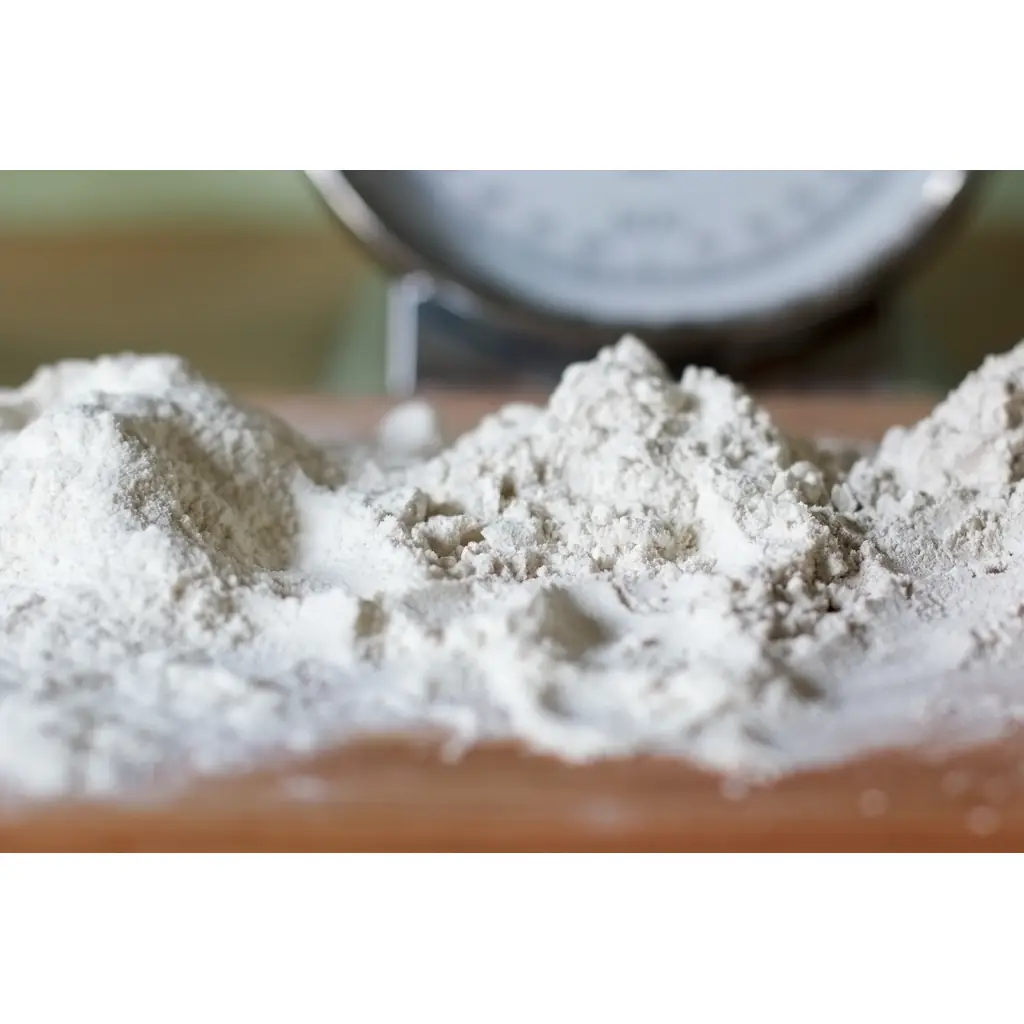
An older recipe's flour was not always a single interchangeable white ingredient. Farmer's Boston brown bread, for example, combines cornmeal, rye meal, and graham flour.
The finished loaf's color and crumb reflect that combination as well as its preparation. A few bags of grain could support different breads and breakfast dishes, rather than repeated versions of the same loaf. Keeping track of them was part of the work of running an older household.
8. Dried beans made the cupboard part of meal planning
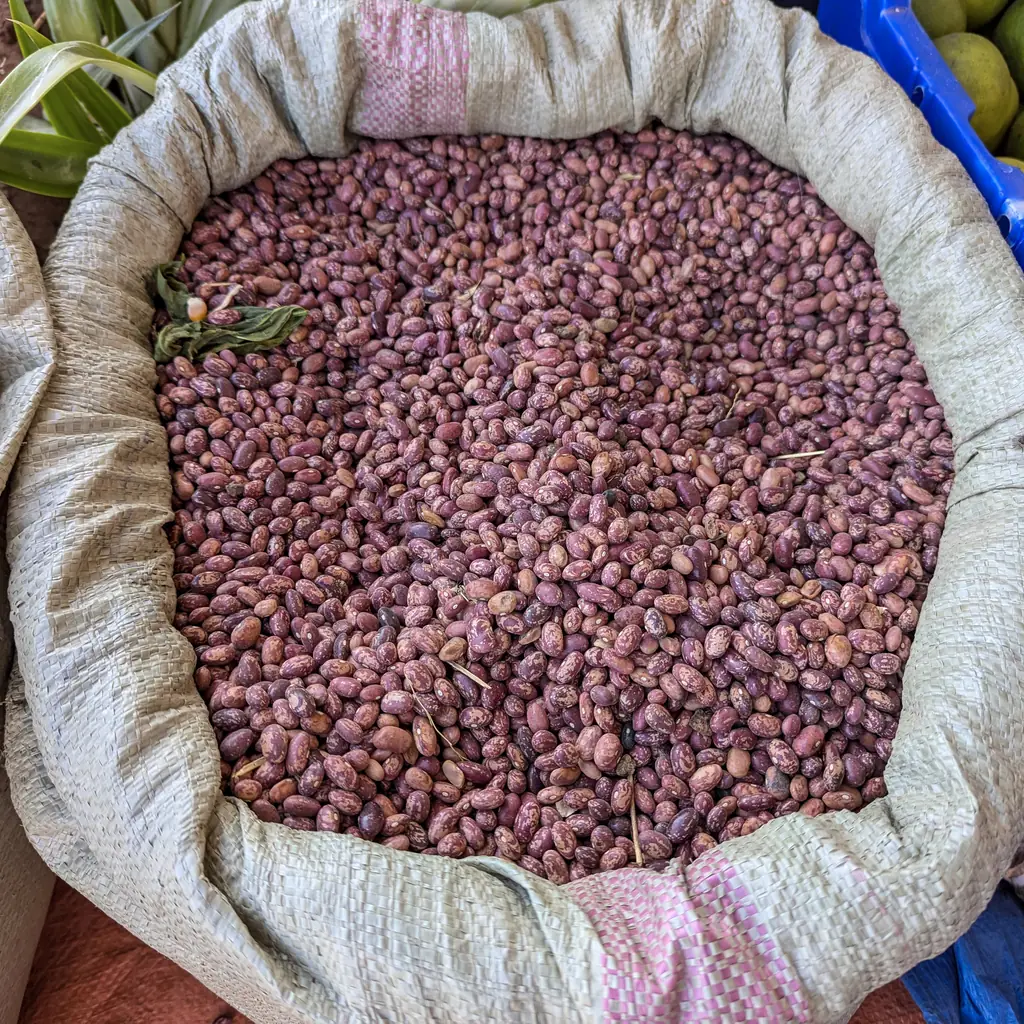
A bag of dried beans represented an ingredient that still needed preparation before it became dinner. It was a different kind of convenience from opening a ready-made meal.
Preparing the meal took time as well as ingredients, and the cook had to account for both. That relationship between supplies and work also appears in food from household gardens, where bringing a crop into the kitchen was only one stage between the growing plant and the dinner plate.
9. Salt fish required its own place in the cooking routine
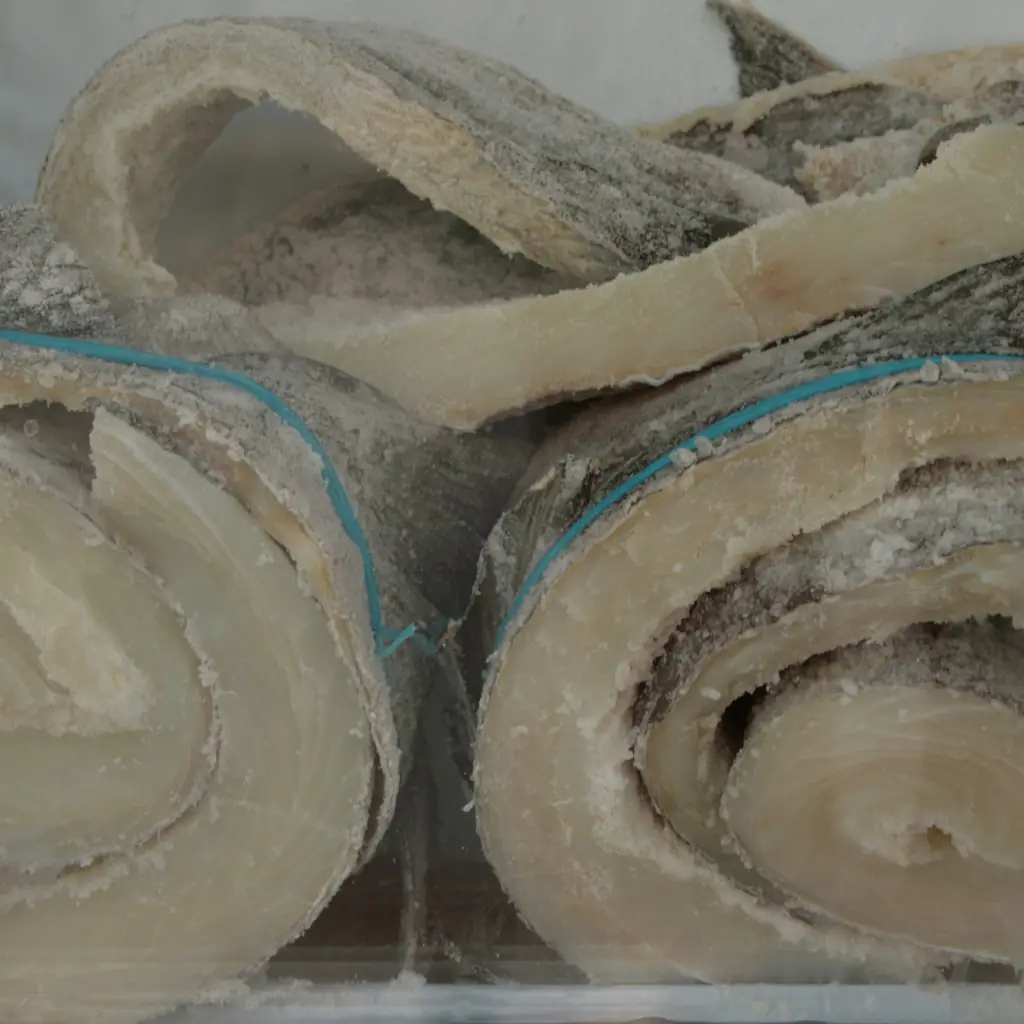
Salt fish was a distinct ingredient, not simply fresh fish kept in a different wrapper. Older recipes accounted for its saltiness and its particular texture before combining it with potatoes, sauces, or other foods.
The finished dishes could vary considerably across households and regions. Mixed into potato, folded into a sauce, or served in another preparation, the fish could reach the plate in different forms. Readers comparing Irish family foods may recognize a name while remembering a different way to serve it.
10. Suet appears in the structure of steamed puddings
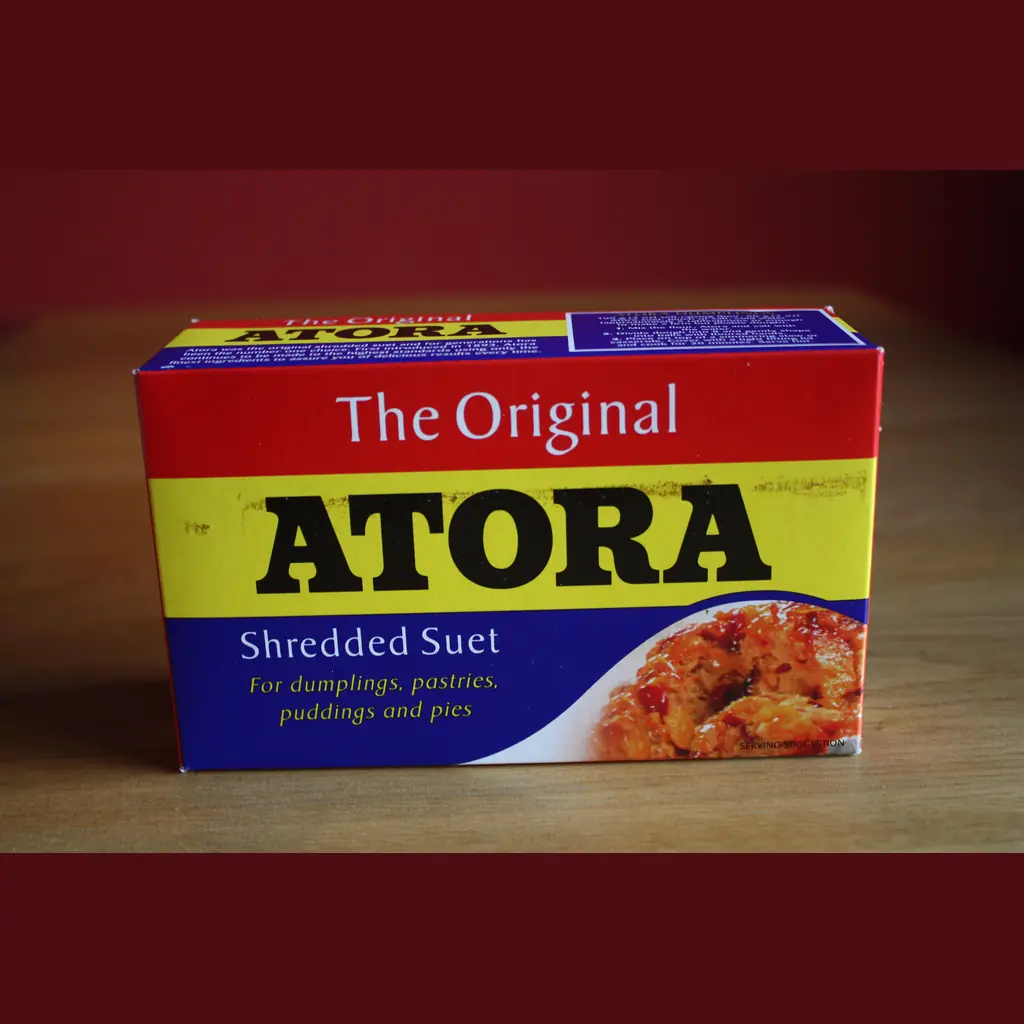
Suet is a particular animal fat that appears repeatedly in older steamed-pudding recipes. Farmer's English plum puddings, for example, combine it with other ingredients that form the body of the dessert.
In a sliced fruit pudding, the flour, crumbs, fruit, and fat belong to a single close-textured dish. The steaming method meant a covered pudding could be cooking while other work continued. That preparation also connects with an earlier Christmas dinner, when the choice of dish could shape the whole day's work.
11. Mace could turn up in both sweet and savory recipes
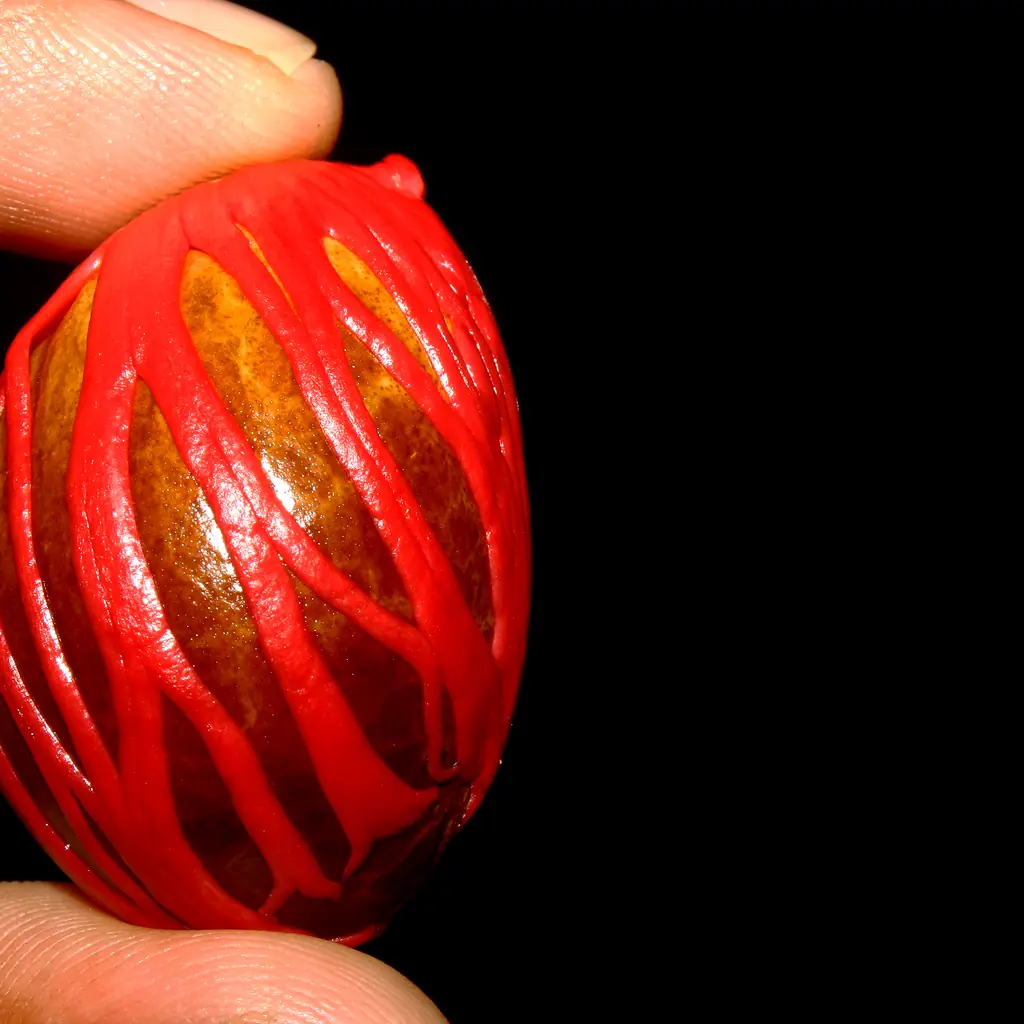
Mace comes from the covering around the nutmeg seed, but older recipes did not always treat the two spices as interchangeable. Farmer uses mace in preparations ranging from sweet rolls to soups.
A spice remembered mainly from holiday baking might also appear in a savory dish. Whole mace has a distinctive, lacy appearance quite unlike a whole nutmeg. Seeing the two together connects an unfamiliar shape with the powder that may have occupied a small tin on the shelf.
12. Rosewater shows that vanilla was not the only dessert flavoring

Rosewater appears in older cookery, including Lydia Maria Child's nineteenth-century household book. Its floral character gives a different result from the vanilla many readers expect in a pale dessert.
The flavor may be familiar in one family's desserts and a surprise in another's. Food traditions travel unevenly between places and households. The same variation appears in holiday foods remembered by different families, where a familiar-looking pudding or cookie can carry a different seasoning.
13. Gelatin made a liquid into something that could hold a shape
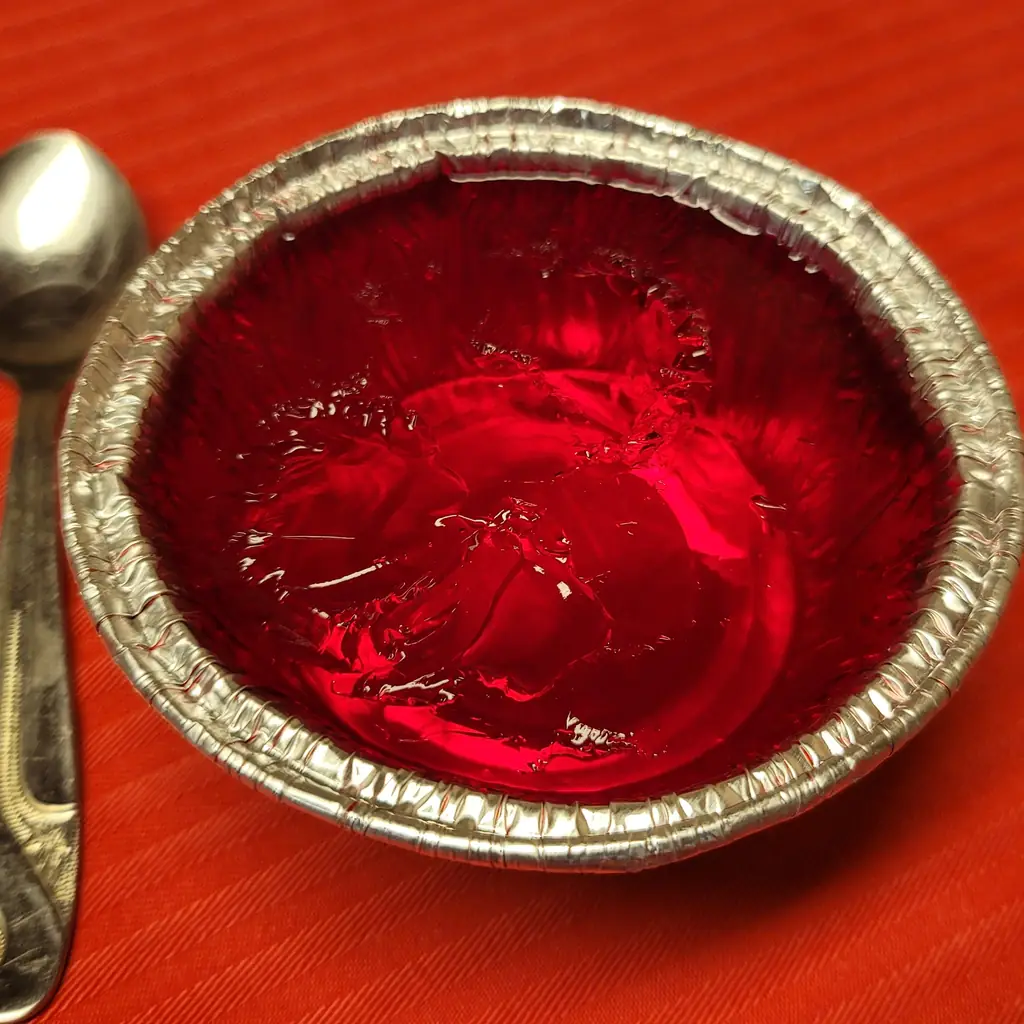
Gelatin gave cooks another way to present a liquid. A dish could be poured into a mold and later served in a shape that held together, making the mold part of the finished appearance.
The result might be sweet or savory, with a smooth surface that took its pattern from the dish around it. Turning it out made presentation part of the preparation. A surviving mold can therefore offer a clue about the appearance of a family dessert, even when the recipe itself has been lost.
14. Junket set milk by a different method

Junket is not just another name for an egg custard. Traditional junket uses rennet to set milk, producing a different kind of dessert.
Farmer includes both plain and flavored junket preparations in her 1910 cookbook. A spoon breaks into its delicate set rather than meeting the same texture as every other pudding. The small tablet could turn a familiar supply of milk into something that arrived at the table in its own little dish.
15. Vinegar could belong in a sauce as well as a pickle jar
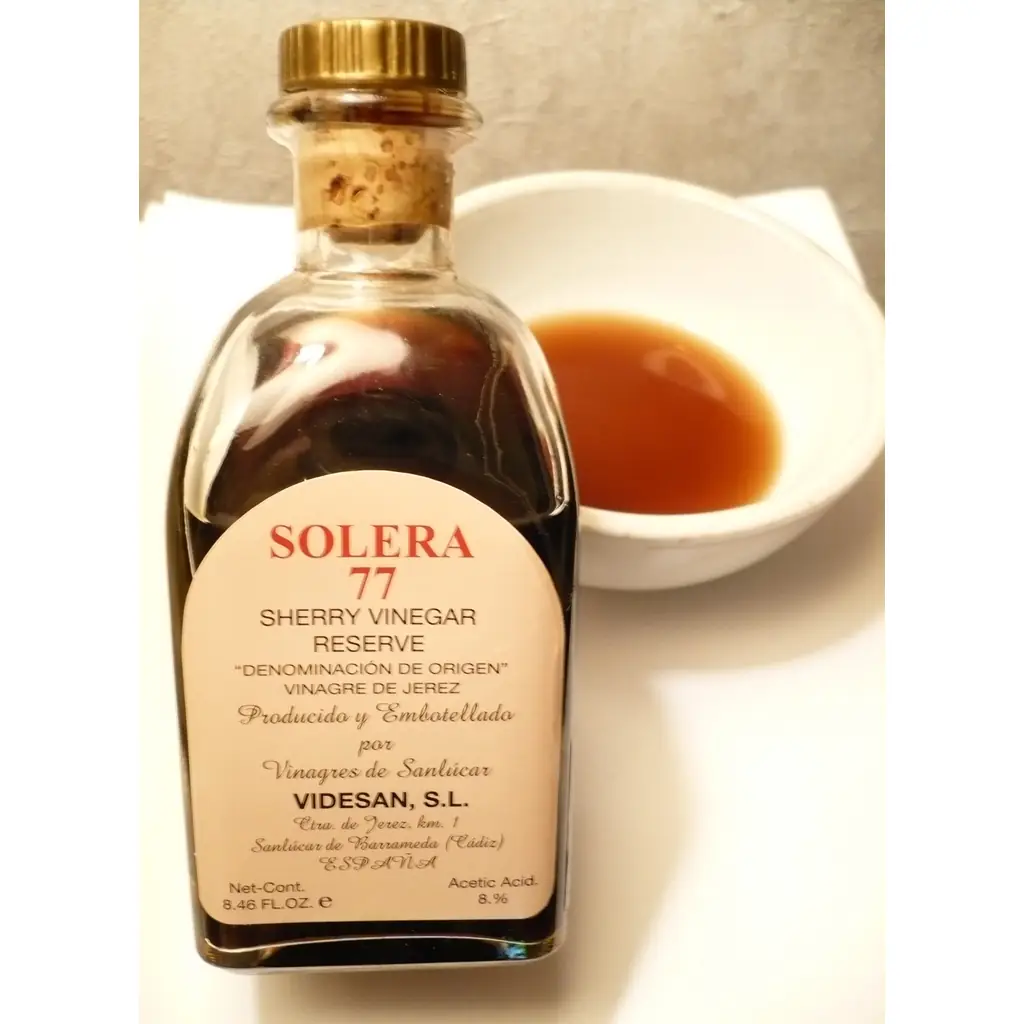
Vinegar could supply acidity in dressings, sauces, and other preparations, so a bottle's place on the shelf did not point to just one use. Older cookbooks show it appearing in different parts of the meal.
A splash of sharpness could change the balance of an otherwise rich or mild dish. The bottle might therefore come out for a supper sauce as well as for a batch of pickles. Its place in the cupboard was more versatile than one familiar use might suggest.
16. Prunes could become a light, spoonable dessert
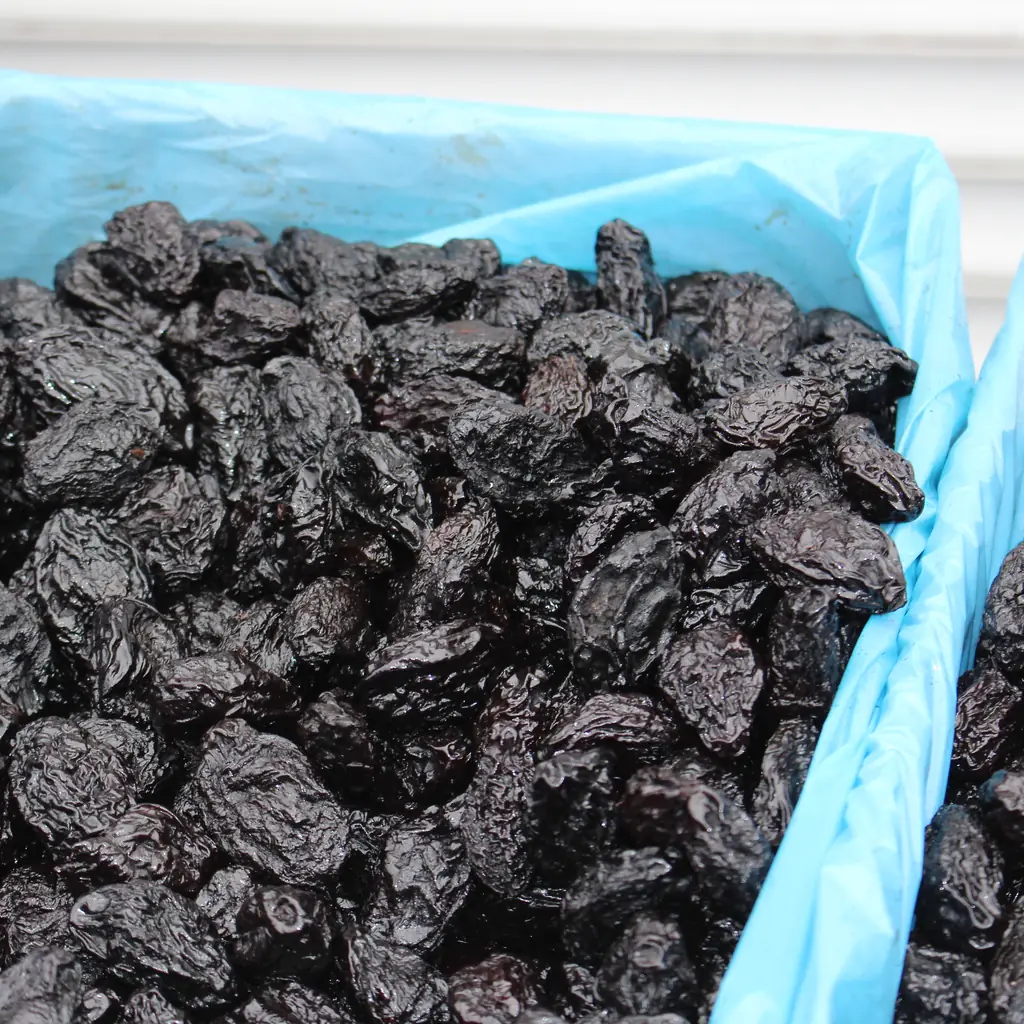
The dried fruit in the cupboard had another future besides a dish of stewed prunes. Farmer's prune whip folded sweetened prune pulp into beaten egg whites before baking it as a dessert.
The fruit supplied the flavor and color, while the egg whites changed the texture. It could arrive with custard in the period recipe, making a much lighter-looking dish than the wrinkled fruit that began it. The same pantry ingredient had acquired a new appearance by the time it reached the table.
Sources and further reading
- Fannie Merritt Farmer, The Boston Cooking-School Cook Book, 1910 edition
- Lydia Maria Child, The American Frugal Housewife, 1832 edition
- American Chemical Society, Development of Baking Powder
- Nestlé, Carnation brand history and product distinctions
- National Archives, Aunt Sammy and Her Radio Recipes
- Image for section 1: Unknown photographer; Museo del Objeto collection — CC BY 3.0
- Image for section 3: Chemicalinterest — Public domain
- Image for section 5: kalaya — CC BY-SA 3.0 (adaptation under the same license)
- Image for section 7: Mudd1 — CC BY-SA 3.0 (adaptation under the same license)
- Image for section 9: Tamorlan — CC BY-SA 3.0 (adaptation under the same license)
- Image for section 11: AntanO — CC BY-SA 4.0 (adaptation under the same license)
- Image for section 13: Horacio Cambeiro — CC BY-SA 4.0 (adaptation under the same license)
- Image for section 15: Badagnani — CC BY-SA 3.0 (adaptation under the same license)
- Image for section 2: Badagnani — CC BY 3.0
- Image for section 4: Interiot — CC BY-SA 3.0 (adaptation under the same license)
- Image for section 6: TodoInTX — Public domain
- Image for section 8: Ssemmanda will — CC BY-SA 4.0 (adaptation under the same license)
- Image for section 10: Ardfern — CC BY-SA 3.0 (adaptation under the same license)
- Image for section 12: Ovva olfa — CC BY-SA 4.0 (adaptation under the same license)
- Image for section 14: Rebecca Siegel — CC BY 2.0
- Image for section 16: Emőke Dénes — CC BY-SA 4.0 (adaptation under the same license)