A roast, a loaf of bread, or a pot of rice could supply more than one meal in an older American kitchen. These dishes show how cooks changed the texture and seasoning so that the next dinner felt different.
1. Roast-beef hash
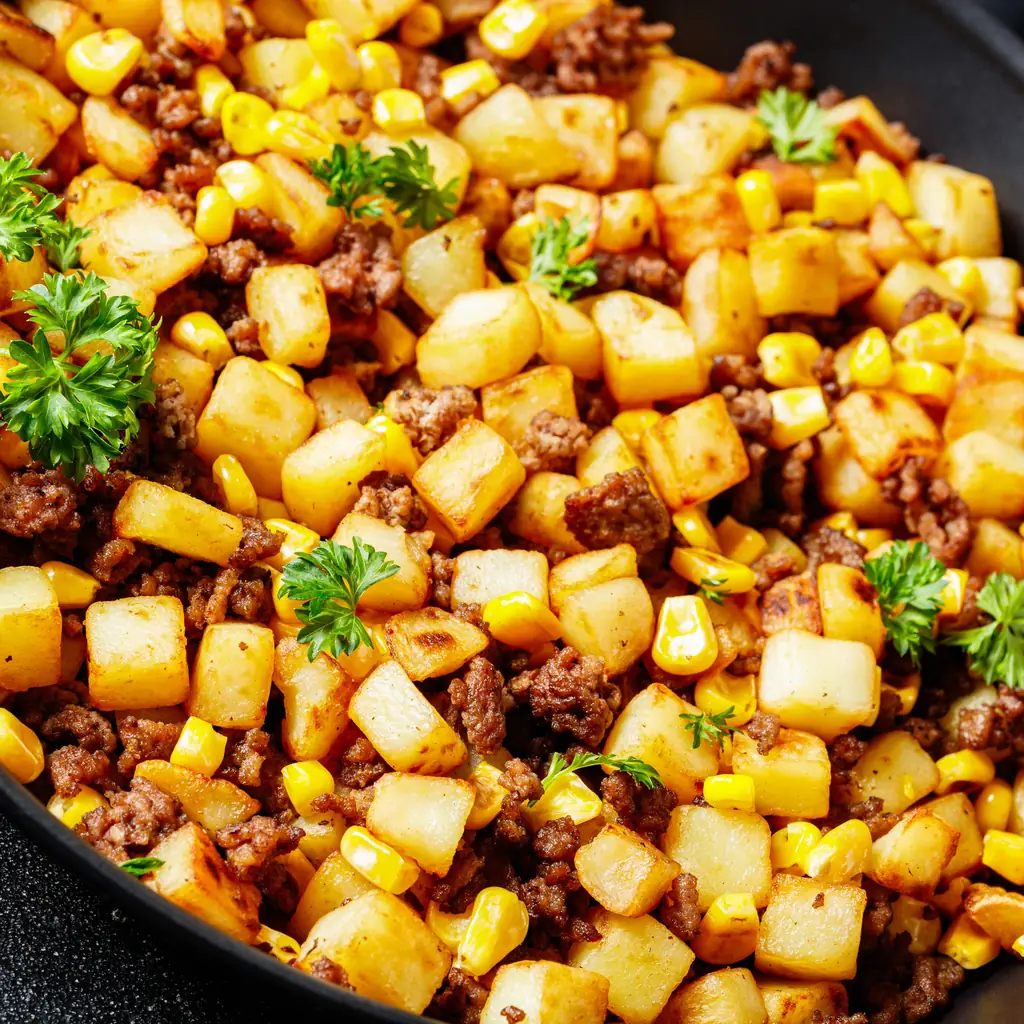
Cold roast beef and cooked potatoes became a skillet dinner after a patient round of chopping. A little onion and enough gravy to moisten the mixture helped the small pieces cook together.
The browned bottom mattered as much as the meat. Turning the mixture too often kept it soft instead of giving it that crisp edge.
Older cookbooks treated hash as an ordinary use for cooked beef, rather than a special leftover invention.
2. Red flannel hash
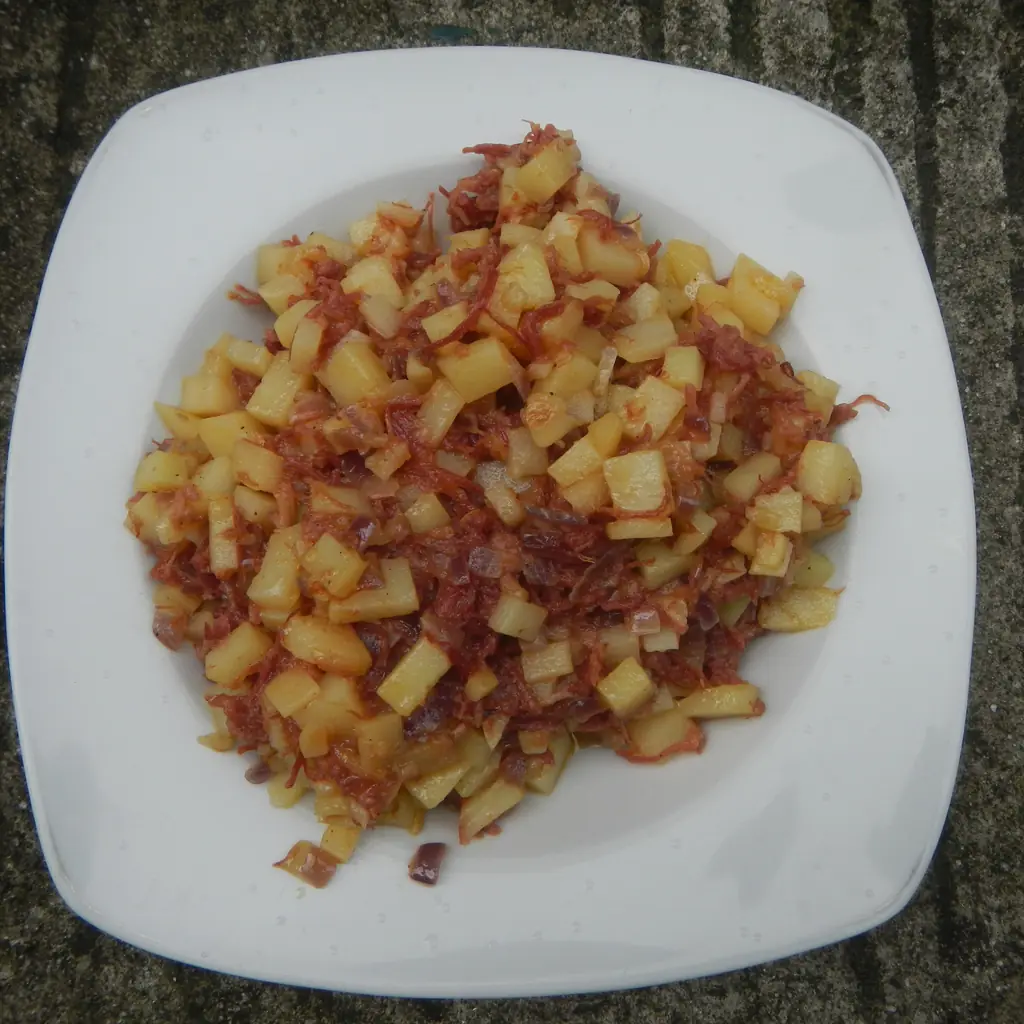
The beets gave this New England hash its name and its rosy color. Corned beef and potatoes from a boiled dinner supplied the rest of the familiar mixture.
Yankee's 1972 recipe collection documented that next-day connection. Some families added onions or served an egg alongside it.
A few slices of beet could change the whole pan, so even a modest amount of meat remained noticeable.
3. A meat pie under mashed potatoes
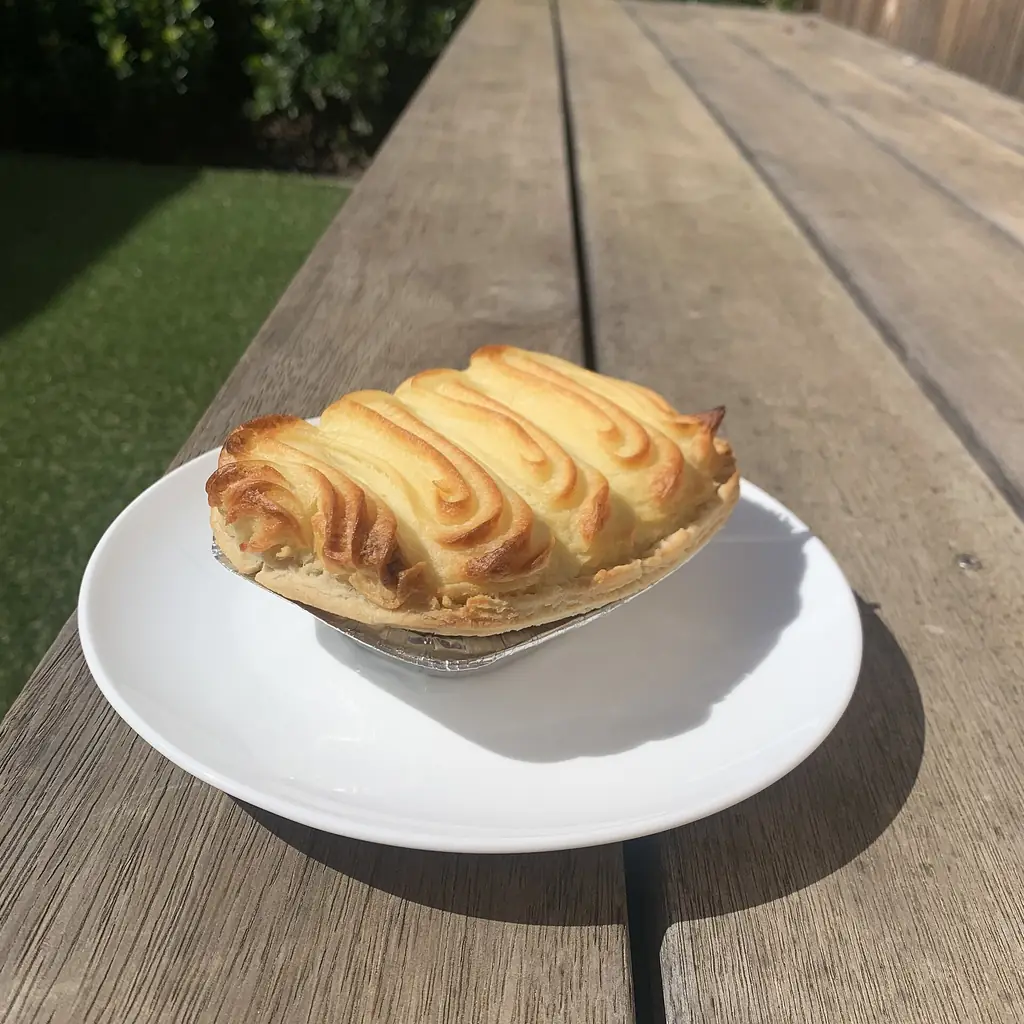
Finely cut roast meat could sit beneath a layer of leftover mashed potatoes. Gravy kept the filling from drying while the ridges on top browned in the oven.
The familiar modern names need care: shepherd's pie traditionally points to lamb, while cottage pie uses beef.
A household cook did not need either name to understand the advantage of putting yesterday's meat and potatoes in one baking dish.
4. Turkey or chicken pot pie
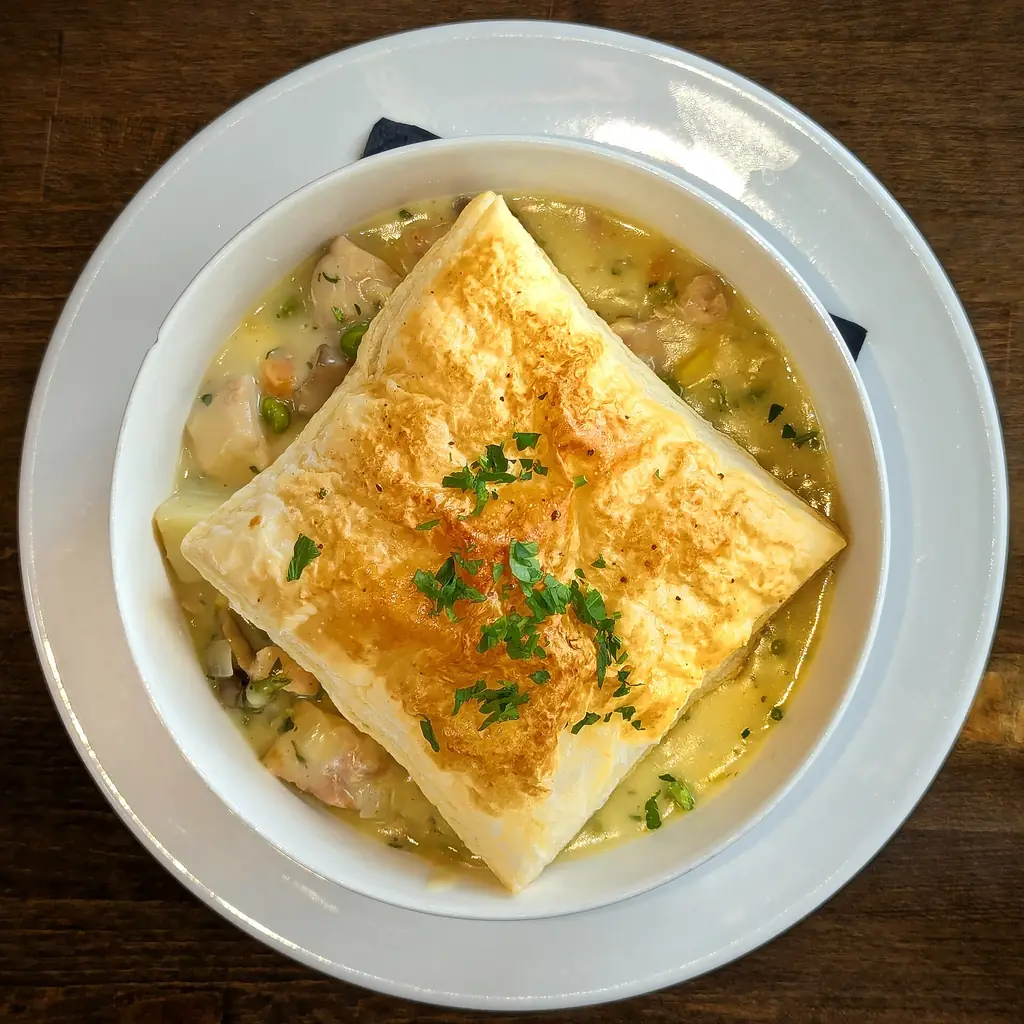
A few cups of cooked poultry looked more generous once vegetables and gravy joined them beneath pastry. The crust supplied a fresh contrast to meat that had already been roasted.
This remains a practical use for holiday leftovers. Betty Crocker's tested turkey version also gives an option for cooked chicken.
The filling still needs proper reheating; a golden lid alone does not establish that the center is hot enough.
5. Creamed chicken on toast
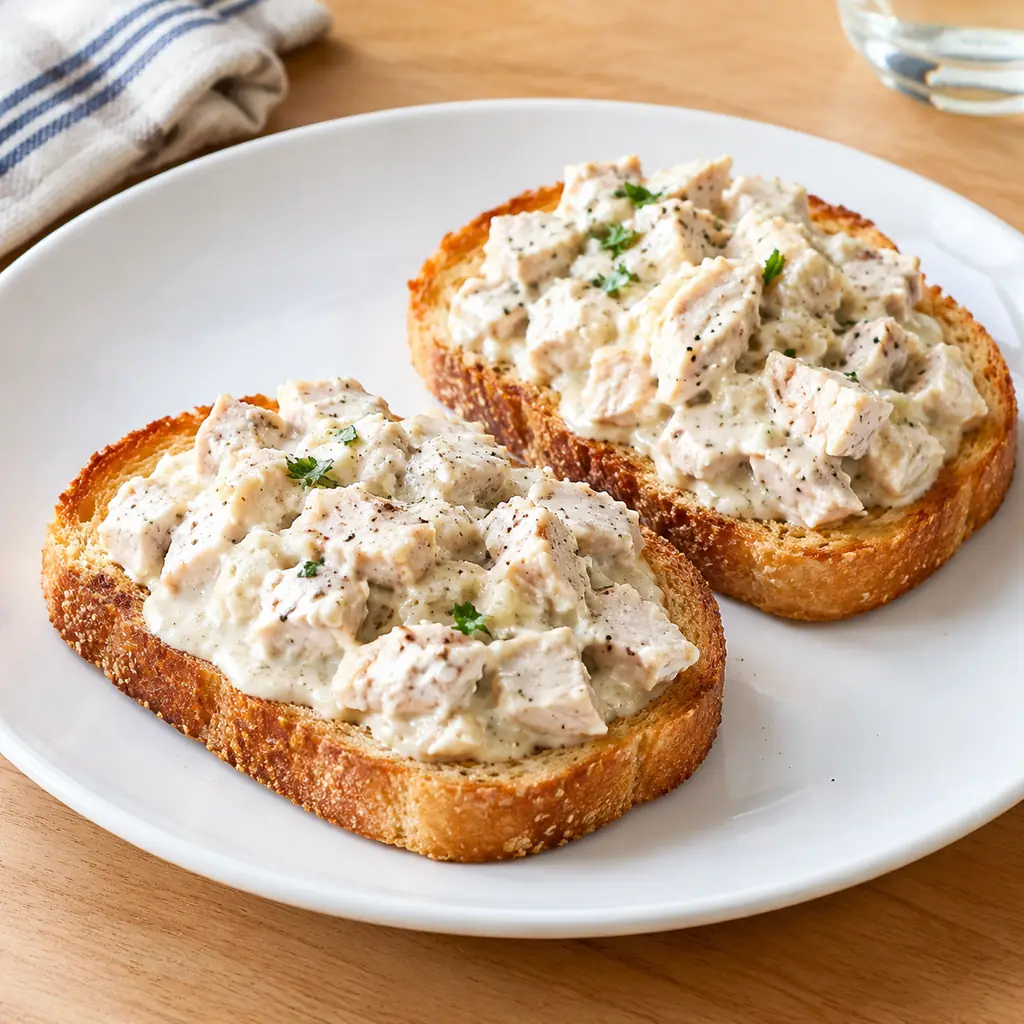
Small pieces of cooked chicken could be folded into a white sauce and spooned over toast. The sauce carried the flavor across a larger serving without requiring another roast.
The bread worked best when toasted shortly before serving. Otherwise the plate quickly became soft from edge to edge.
A scattering of peas or a little chopped parsley added color, but the basic appeal was warm sauce over crisp bread.
6. Chicken croquettes
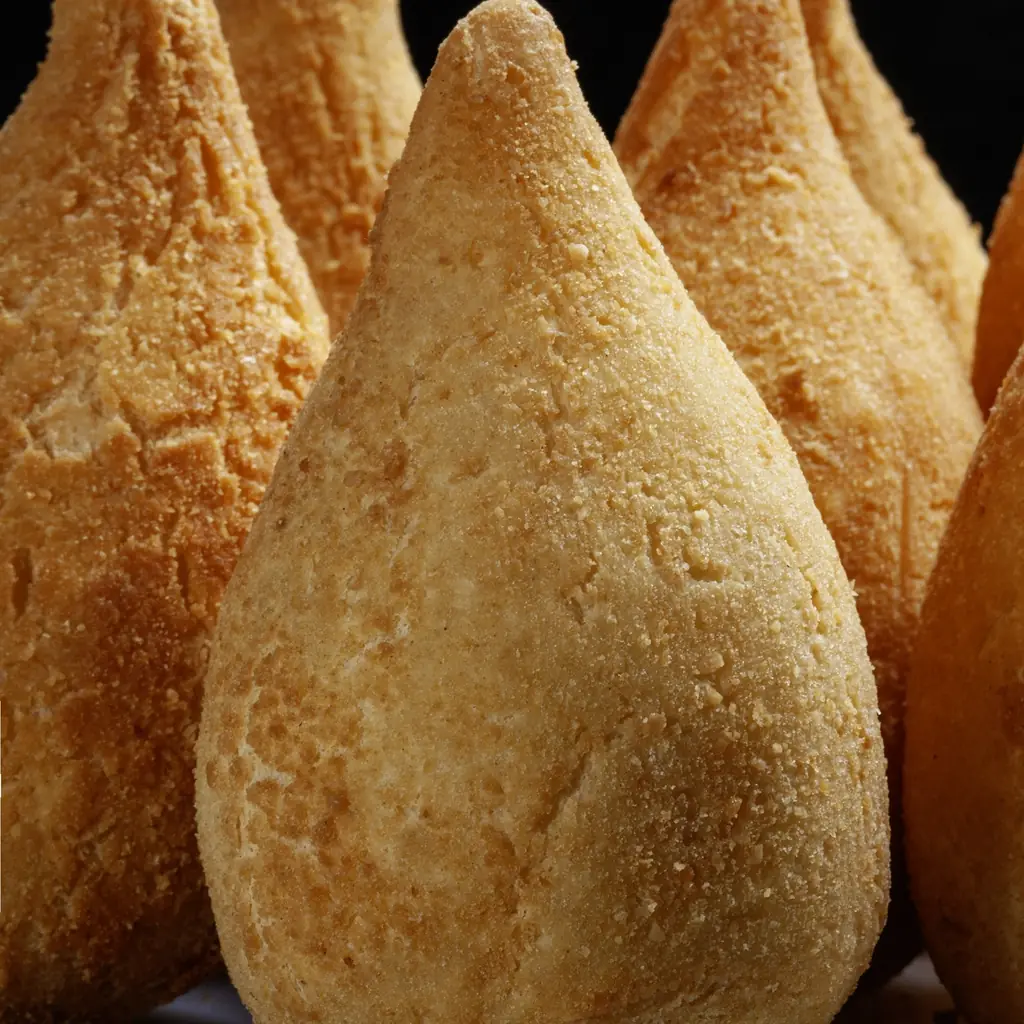
Chopped cooked chicken, thick sauce, and a crumb coating produced a dish quite unlike slices from the original bird. The mixture needed to be firm enough to shape before frying.
That extra handling explains why croquettes often felt more deliberate than ordinary leftovers.
Inside the browned shell, the filling stayed soft. A well-drained croquette did not need a large portion of chicken to feel substantial.
7. Small meat rissoles
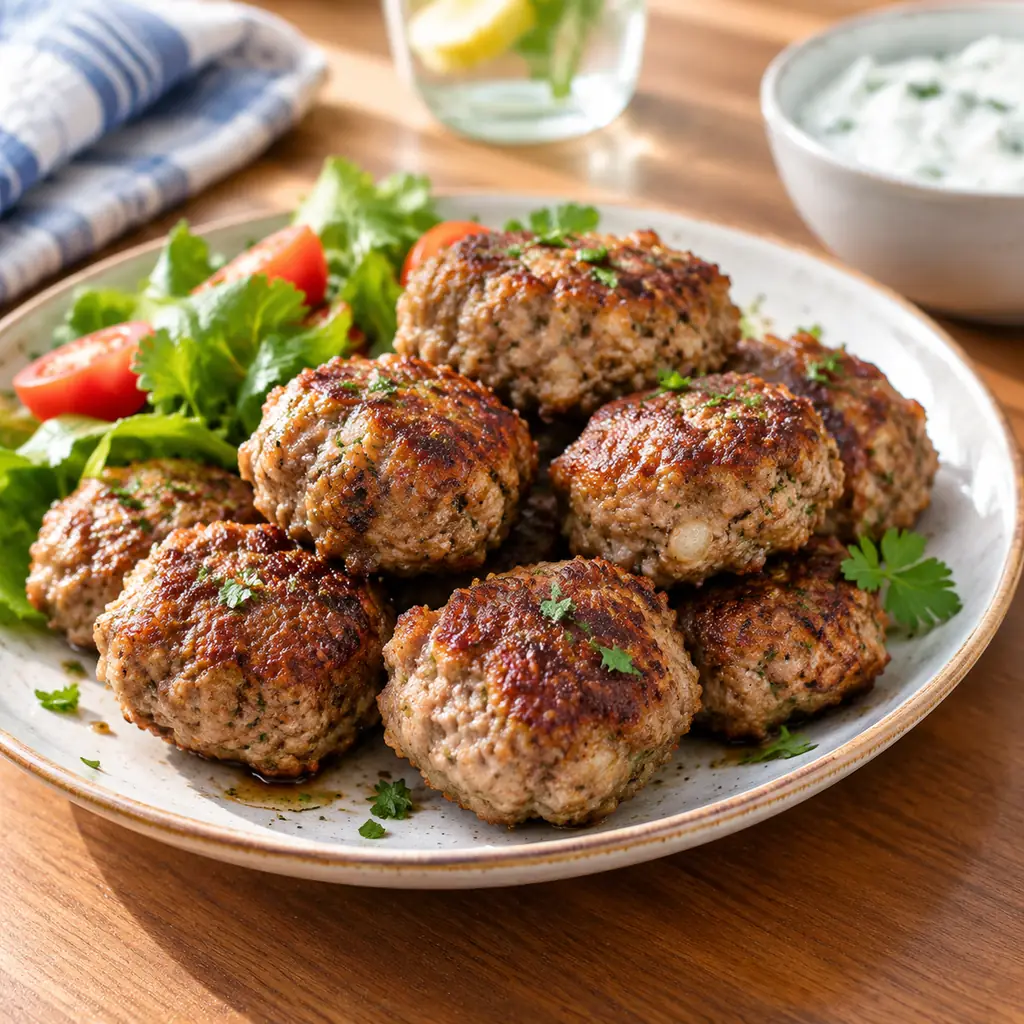
Rissoles put a spoonful of seasoned chopped meat inside pastry. Older American cookbooks included them as a way to turn a little cooked meat into several separate pieces.
The pastry had to seal around a filling that was moist without being runny.
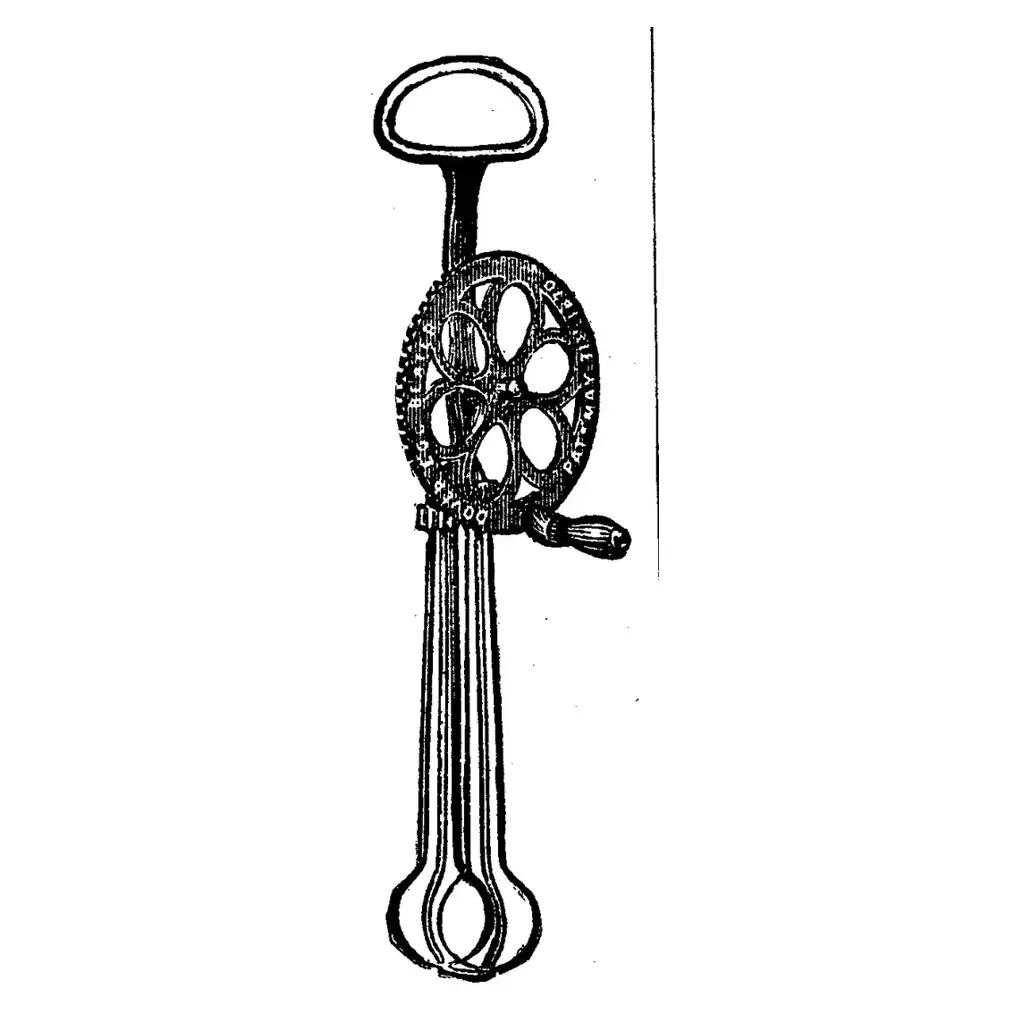
Their careful shape belonged to the same kitchen world as the specialized utensils in Grandma's kitchen drawer, where small tools made repetitive jobs easier.
8. Ham with macaroni
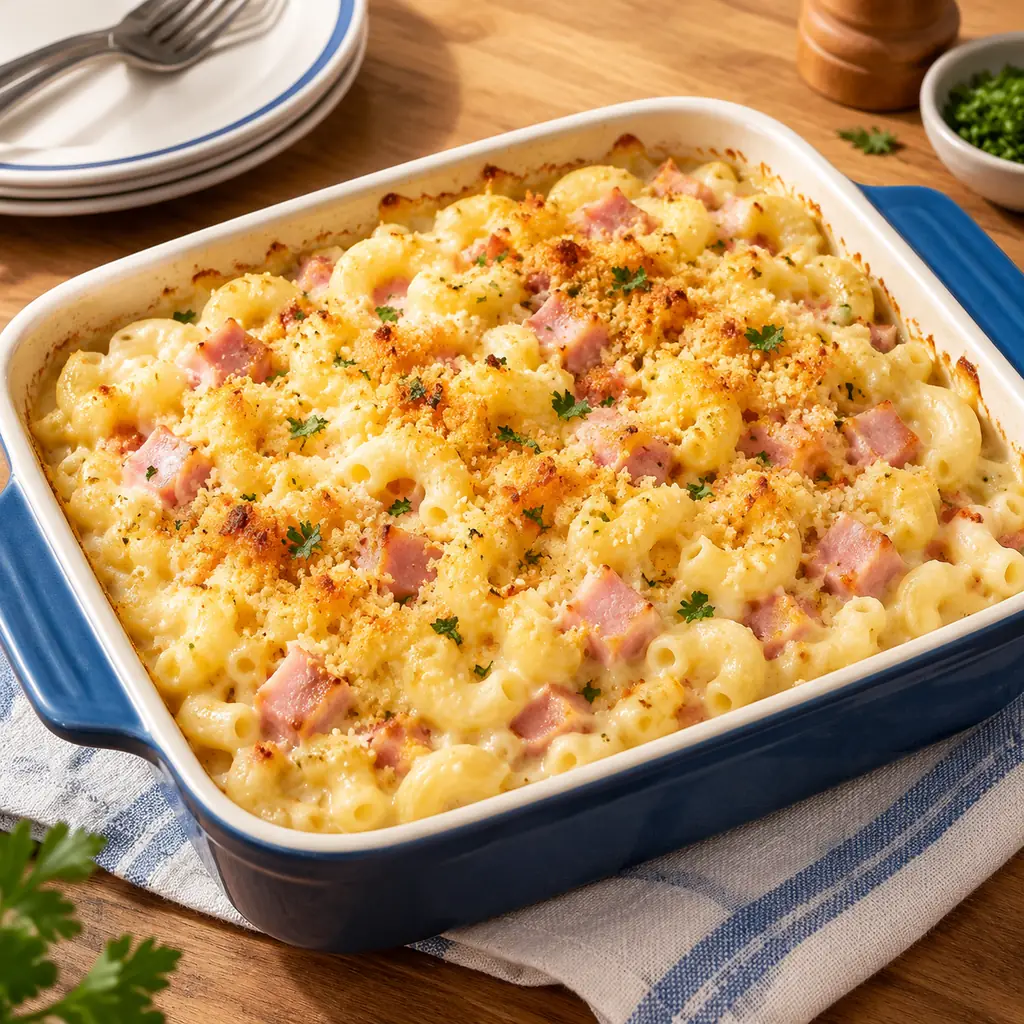
A handful of diced ham could season an entire dish of macaroni and white sauce. The cured meat contributed salt as well as flavor, so the sauce needed tasting before more seasoning went in.
This was a different use from presenting another cold ham slice.
A light crumb topping added a browned surface, connecting a small leftover to the larger habit of keeping useful pantry ingredients close at hand.
9. Ham-and-potato cakes
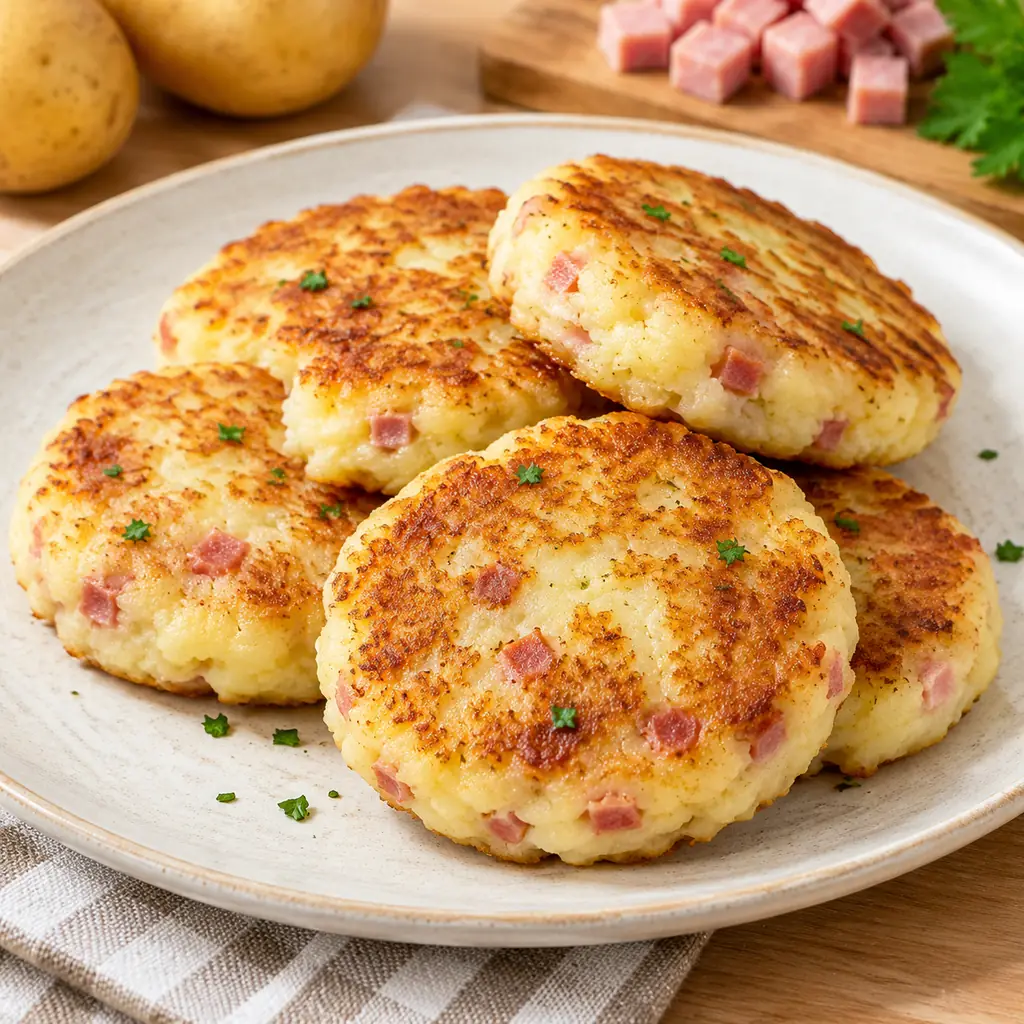
Chopped ham could be mixed with cooked potato and shaped into small cakes. The potato supplied the body, while the bits of ham made each bite more savory.
A firm, well-chilled mixture was easier to handle than a soft one. The skillet supplied the crispness that yesterday's mashed potatoes lacked.
These cakes worked as a breakfast or supper accompaniment, depending on what else the household had available.
10. A ham bone in bean soup
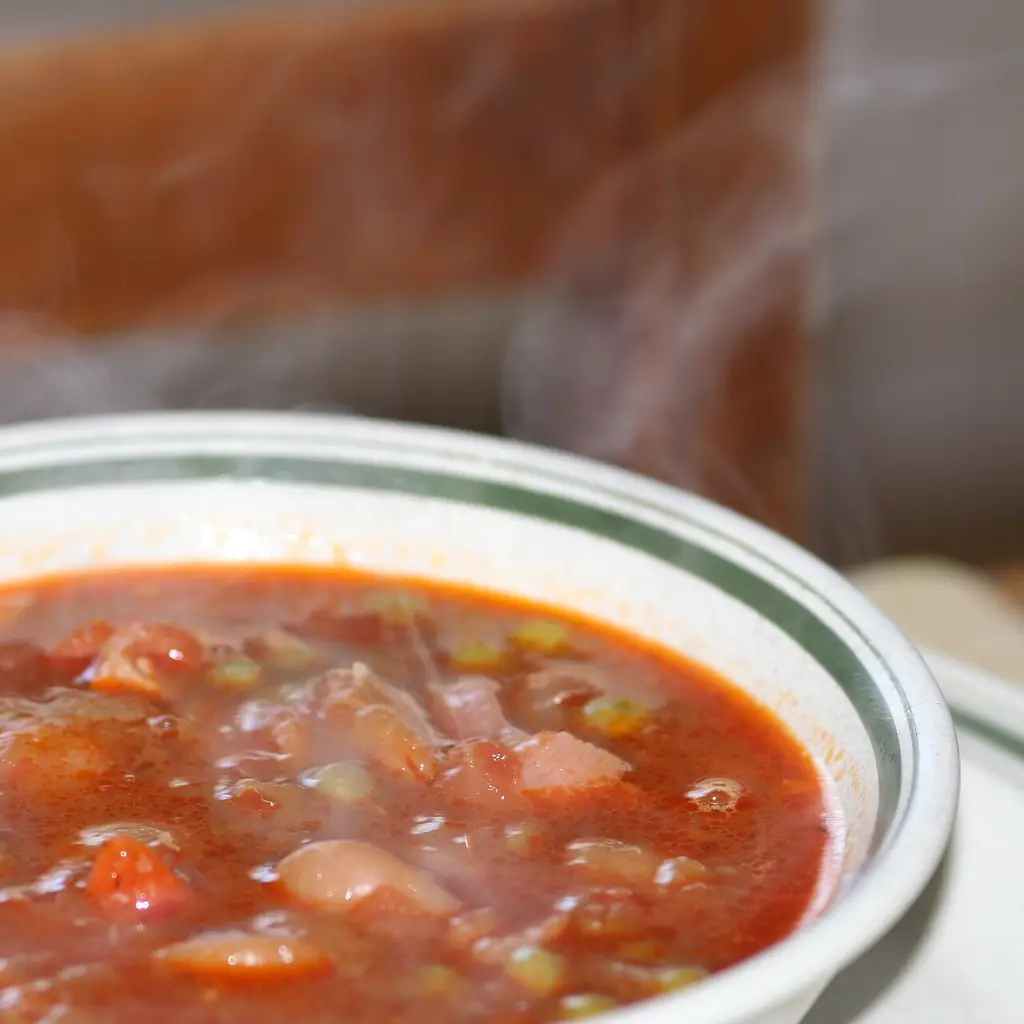
A ham bone with a little meat attached could give a pot of beans a smoky, salty flavor. It was valuable for what remained on it, not because a bare bone could replace every other ingredient.
Cooks removed the bone before serving and separated any usable meat from it.
The result made sense in a week organized around substantial cooking jobs, like the routines in a 1930s household schedule.
11. Stock from a chicken carcass
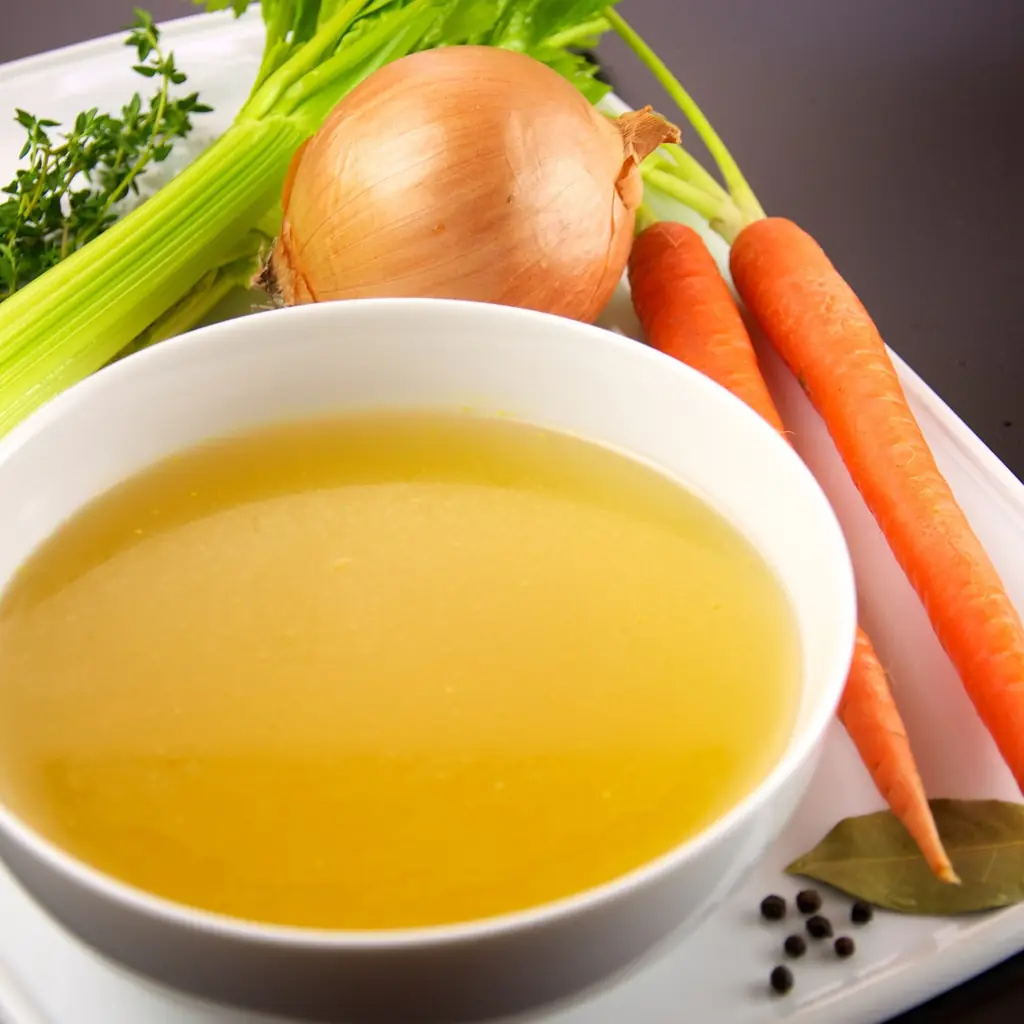
The carved bird still held something useful after the serving platter was cleared. The bones and remaining scraps could flavor water with vegetables for a later soup.
The finished stock needed straining before noodles, rice, or fresh vegetables were added.
Today, cooling matters as much as thrift. Divide stock into shallow containers and refrigerate promptly rather than leaving a deep pot to cool all night.
12. Fish hash
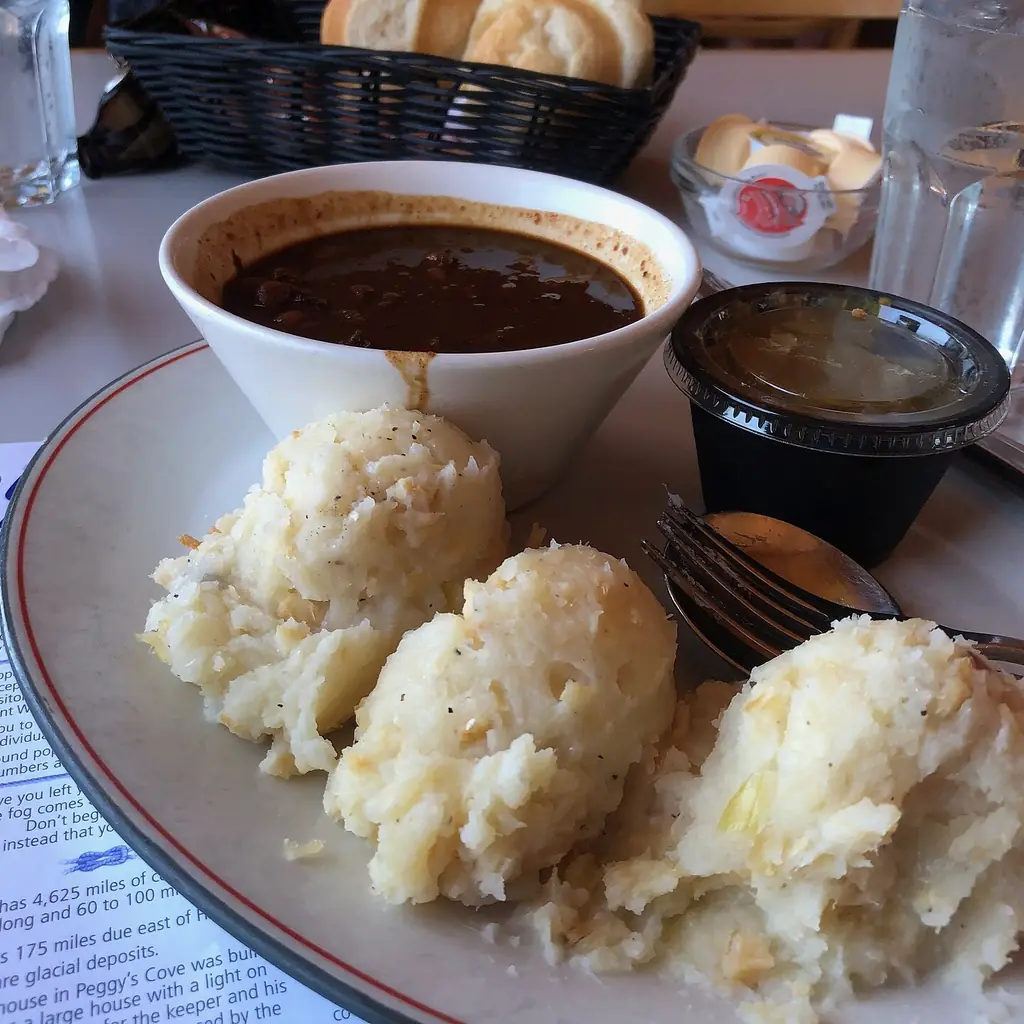
Flaked cooked fish and chopped boiled potatoes made a softer, milder hash than the beef version. Fannie Farmer included this combination in her early-twentieth-century cookbook.
Checking the fish for bones was the important first step. A browned surface gave the mixture a useful contrast.
This was another answer to the question behind many family rules about wasting food: what could still become a decent meal?
13. Fish cakes
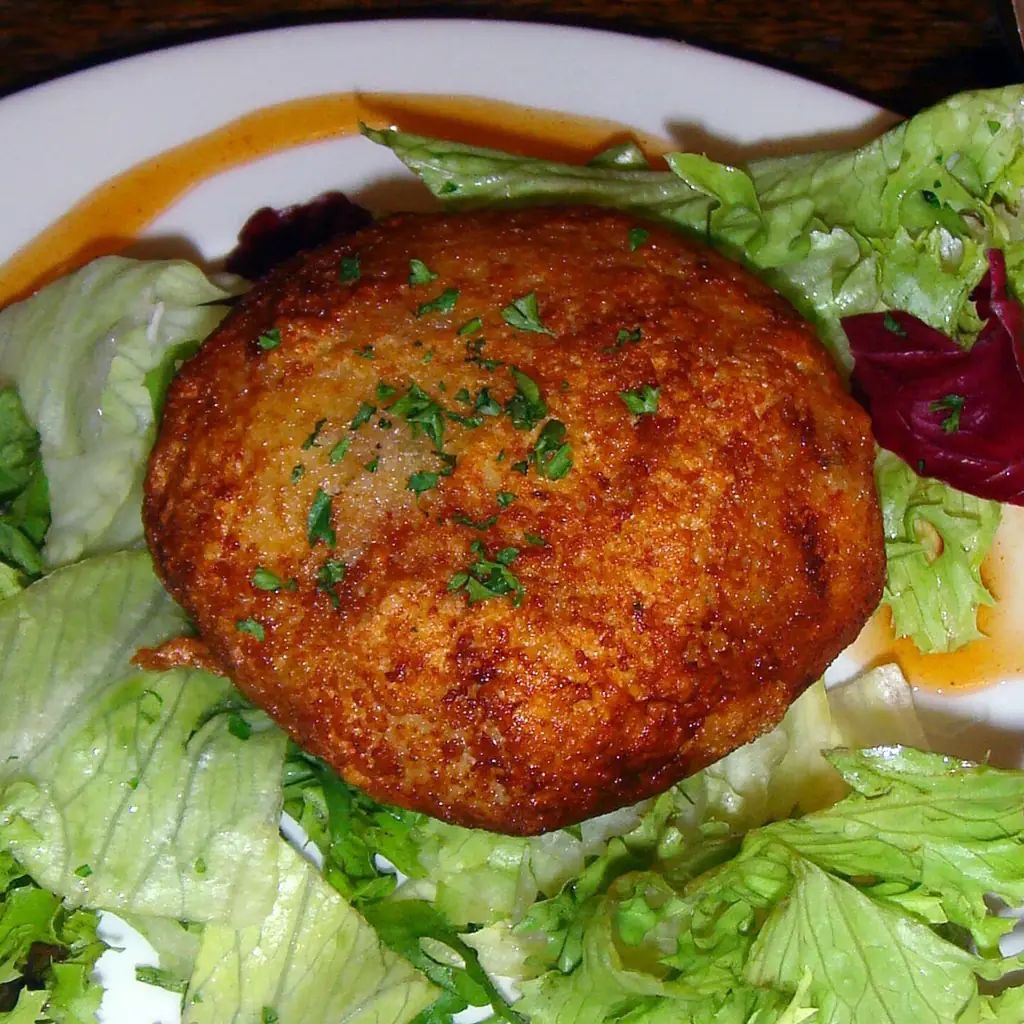
Cooked fish could also become individual cakes with potato or another binder. Breaking up the fish distributed a small amount through several portions.
The cakes needed enough structure to turn without falling apart. Their surface could be crisp while the center stayed tender.
They belong to a broad family of fish-and-starch dishes rather than one universal grandmother's recipe, with seasoning and accompaniments varying by household.
14. Scalloped fish
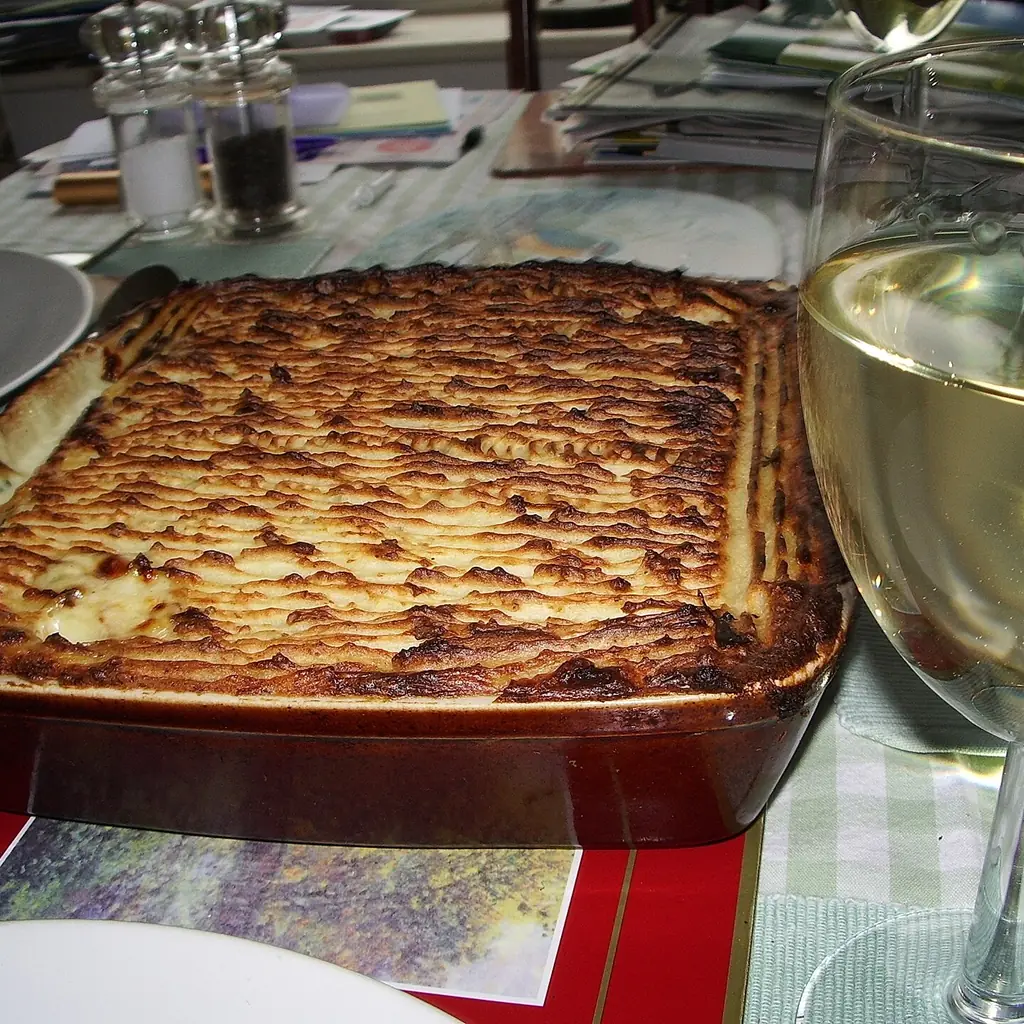
A baking dish gave flaked fish another direction. White sauce and crumbs surrounded the pieces, and oven heat browned the surface.
The sauce helped protect fish that could otherwise dry out during a second cooking. Removing skin and bones kept the finished dish easy to eat.
The method echoed the carefully assembled dishes guests might encounter at a later family dinner party, even when the ingredients were modest.
15. Fried slices of cornmeal mush
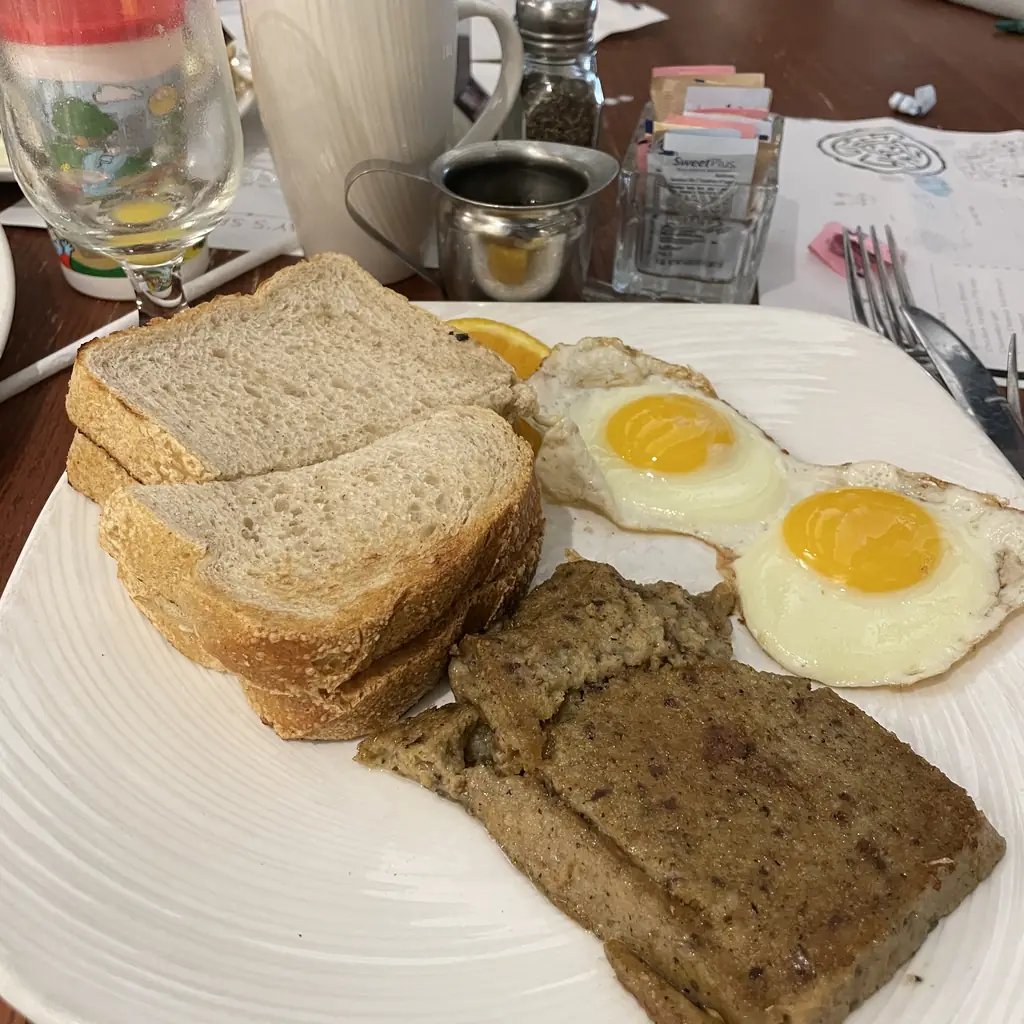
A bowl of hot cornmeal mush became something different after chilling in a pan. The firm loaf could be sliced and browned in a skillet.
The outside turned crisp while the middle kept its soft cornmeal texture. Syrup suited a sweet breakfast; other tables preferred a savory accompaniment.
Quaker still publishes the method, a reminder that this form of kitchen thrift never entirely disappeared.
16. Potato pancakes from cooked potatoes
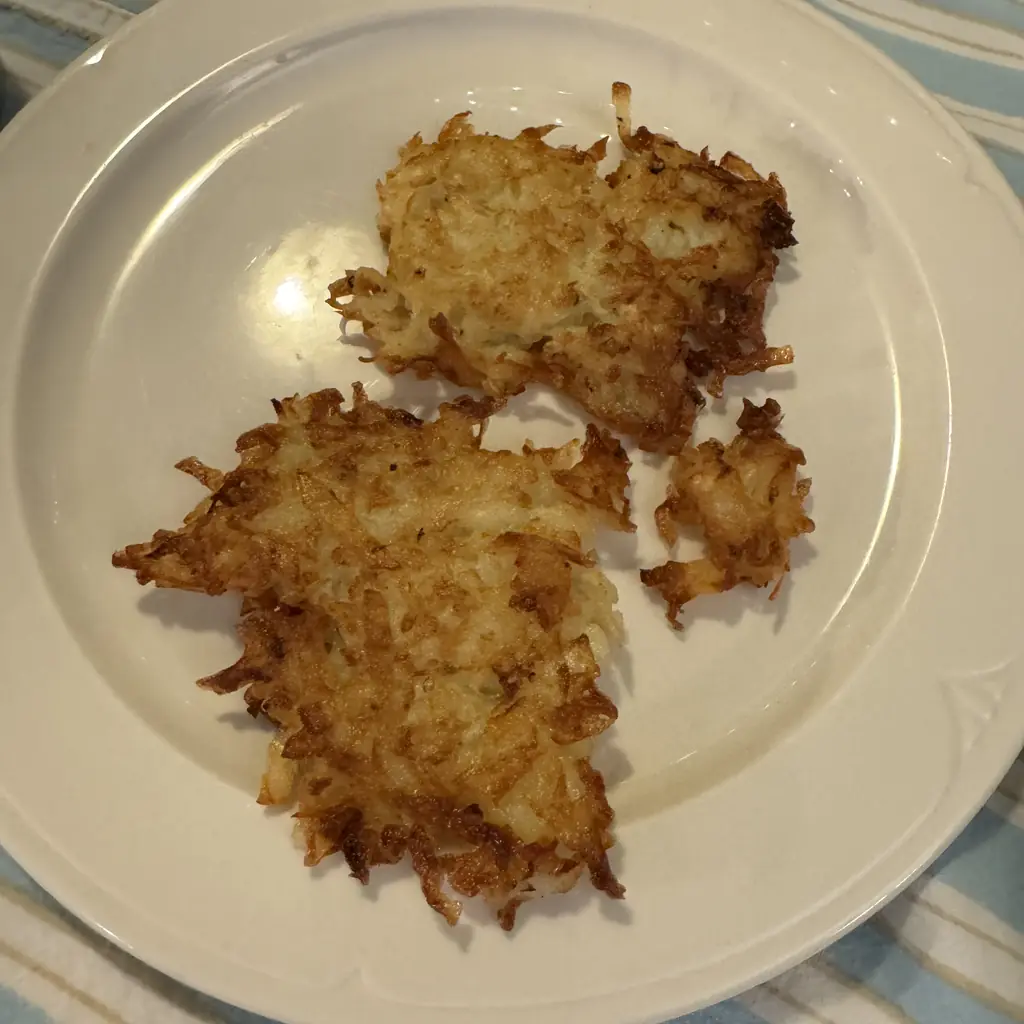
Cooked potatoes could be mashed, seasoned, and bound into little pancakes. These were different from grated-raw-potato preparations, although family names sometimes overlapped.
The mixture needed restraint with liquid. Too much milk made it difficult to shape or brown.
A skillet and a patient cook turned a soft side dish into something with an edge, a familiar change across many regional American food traditions.
17. Creamed potatoes
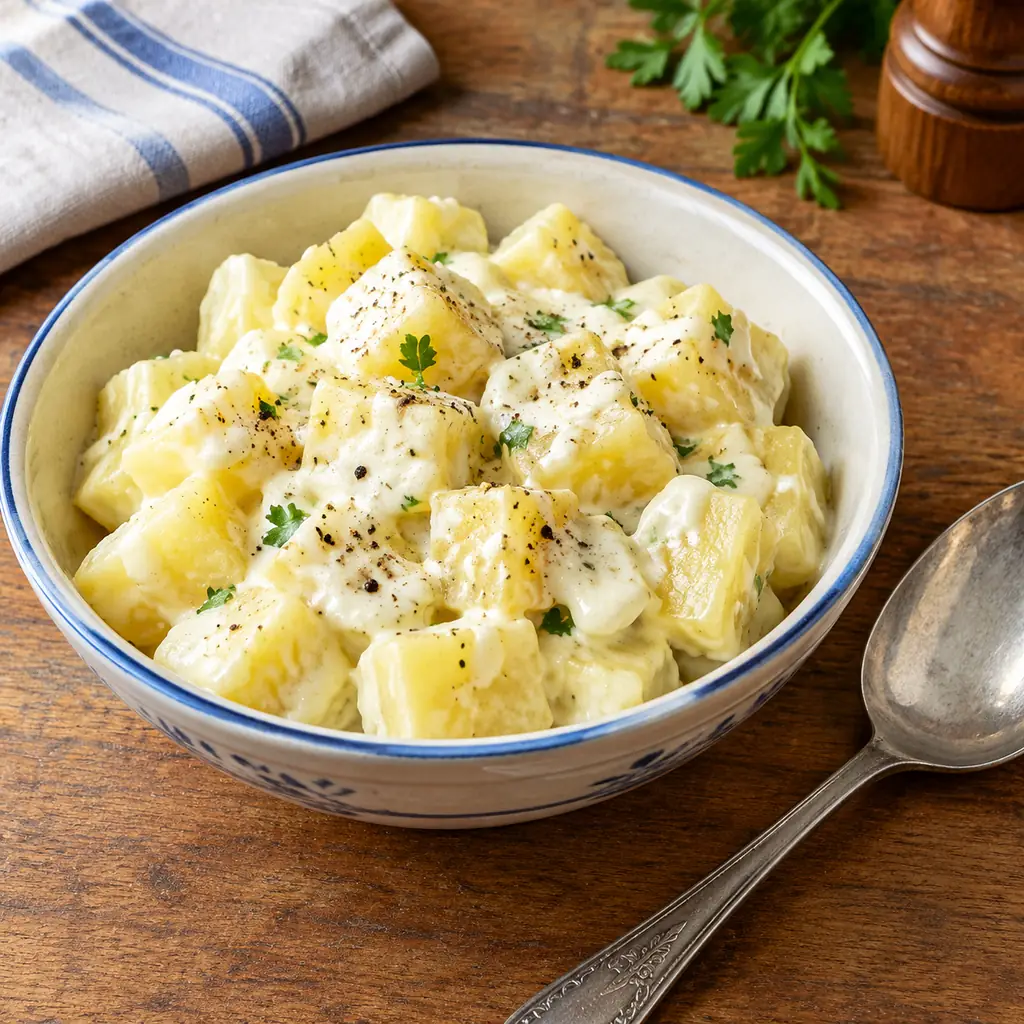
Cold boiled potatoes could be sliced into a simple white sauce. Their shape held up better than mashed potatoes, and the sauce made a small bowlful feel more complete.
A little onion or parsley changed the finish without demanding a new shopping trip.
This was useful when the potatoes were sound but no longer appealing as plain leftovers. It did not require turning every small portion into a casserole.
18. Browned boiled potatoes
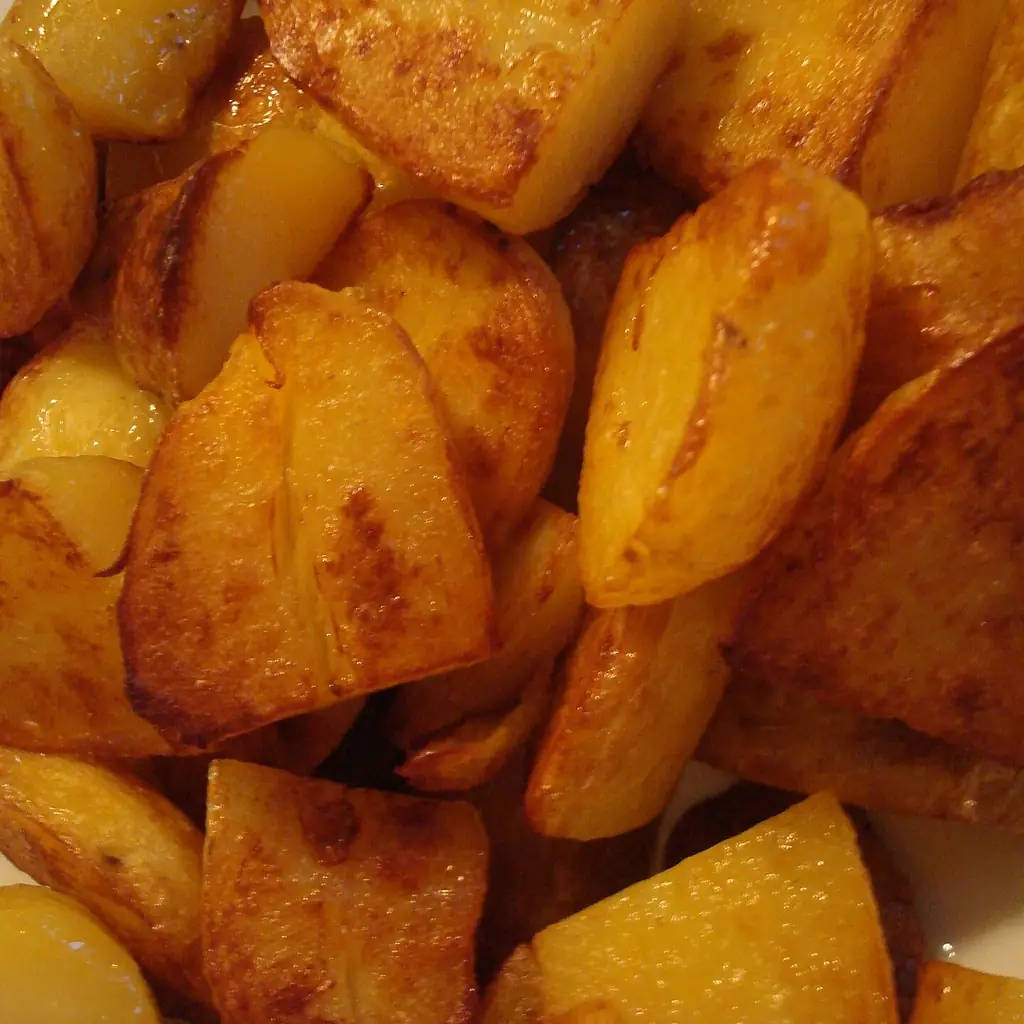
Yesterday's boiled potatoes had a practical advantage: their centers were already cooked. Slicing or dicing them gave the skillet more surface to brown.
The pan could supply the crispness while the inside stayed tender. Onion added sweetness if the household liked it.
The idea was simple enough to survive many changes in kitchen equipment, from a heavy iron skillet to a modern frying pan.
19. Bread pudding
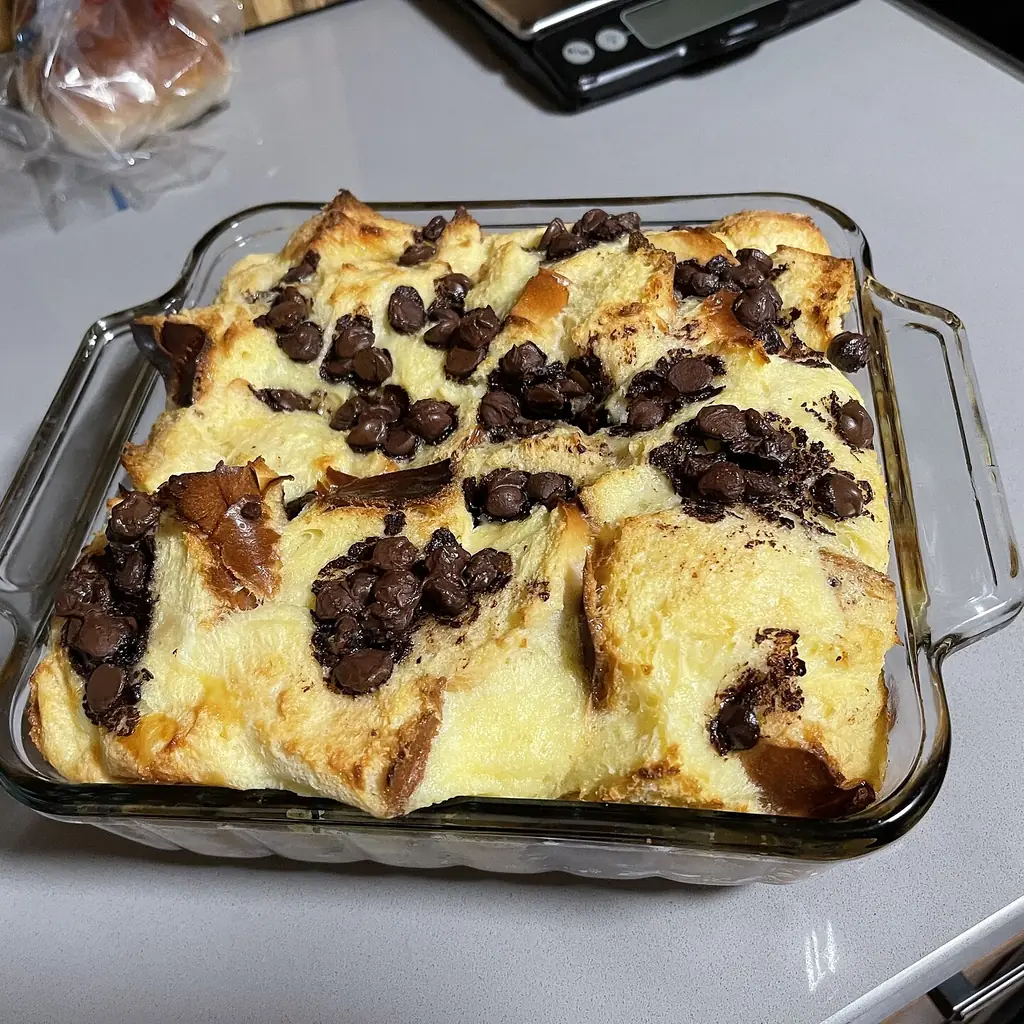
Dry bread soaked up milk and eggs, turning into a soft baked dessert. Raisins and nutmeg appeared in many older versions, though the exact additions depended on the cupboard.
Dry is different from spoiled. Moldy bread is not an ingredient to rescue.
A spoonful of fruit alongside it could connect the pudding with the preserves made from backyard fruit trees and berry bushes.
20. French toast
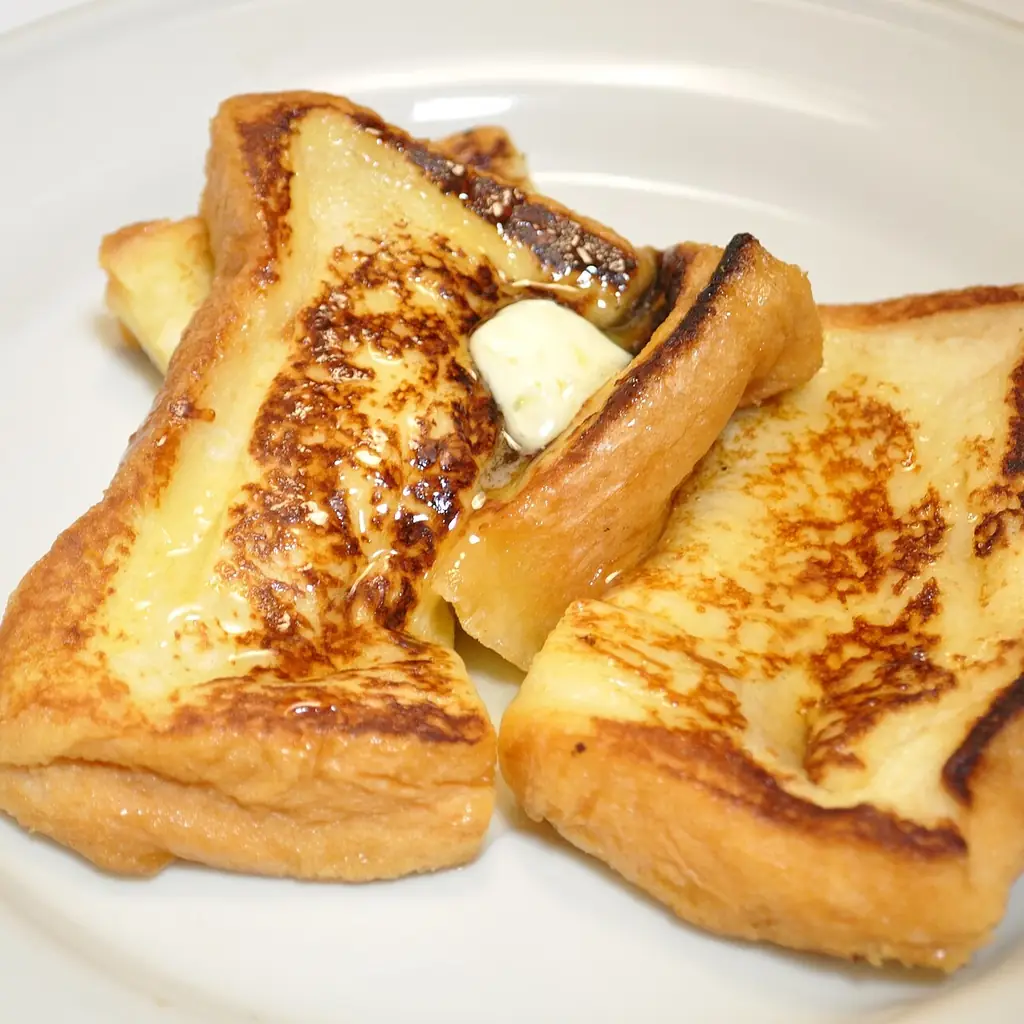
Slices that had become too firm for an appealing sandwich could take on new life in an egg-and-milk mixture. A hot pan browned the outside while the center softened.
Very thin bread needed a shorter soak than a thick, dry slice.
This was not an excuse to hide spoilage. It was a way to use sound bread whose texture had changed since the loaf was first cut.
21. Bread stuffing
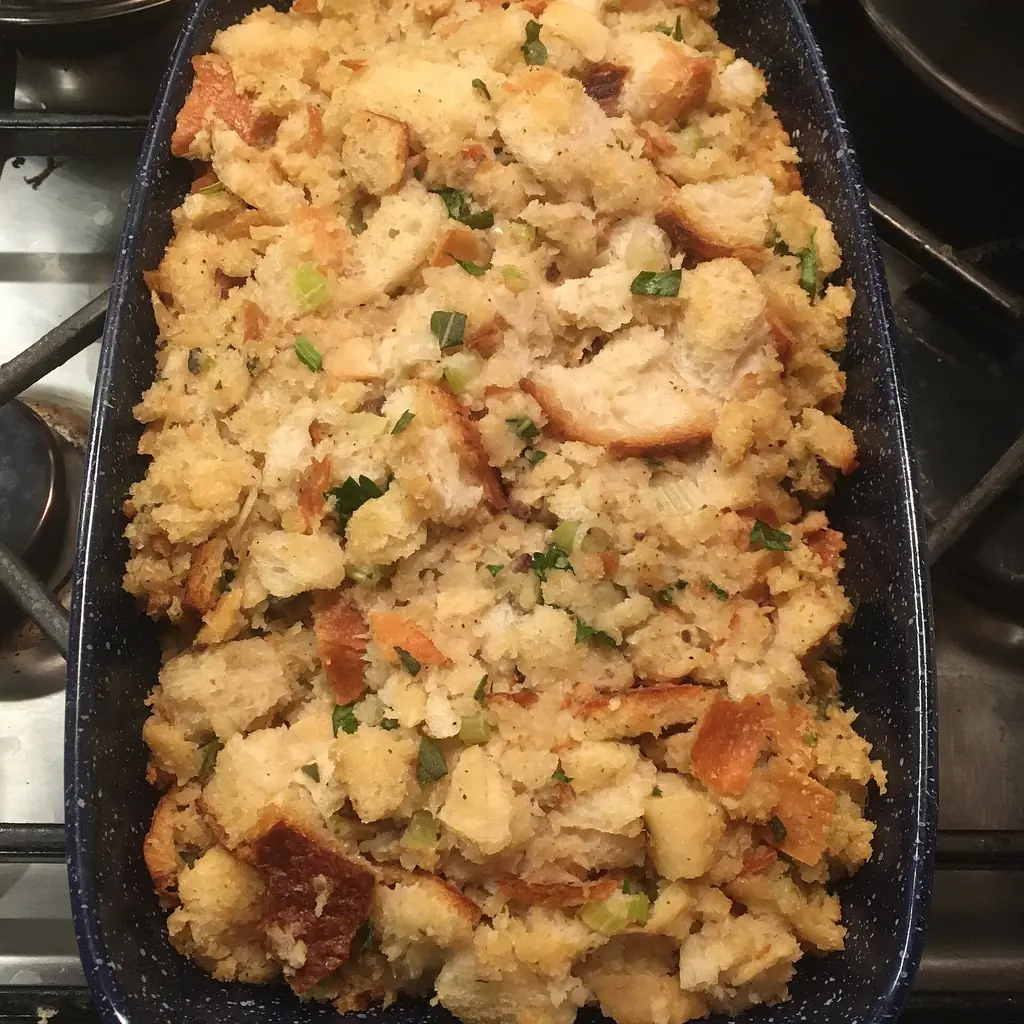
Dry bread crumbs or cubes could become a savory mixture with seasoning and fat. In older kitchens, a loaf's last pieces were useful rather than automatically discarded.
The seasoning made the difference between another serving of bread and an accompaniment with its own character.
Some families used this mixture with poultry; others baked it separately. Modern cooks should follow current food-safety guidance for any stuffing cooked with meat.
22. Scalloped tomatoes with bread crumbs
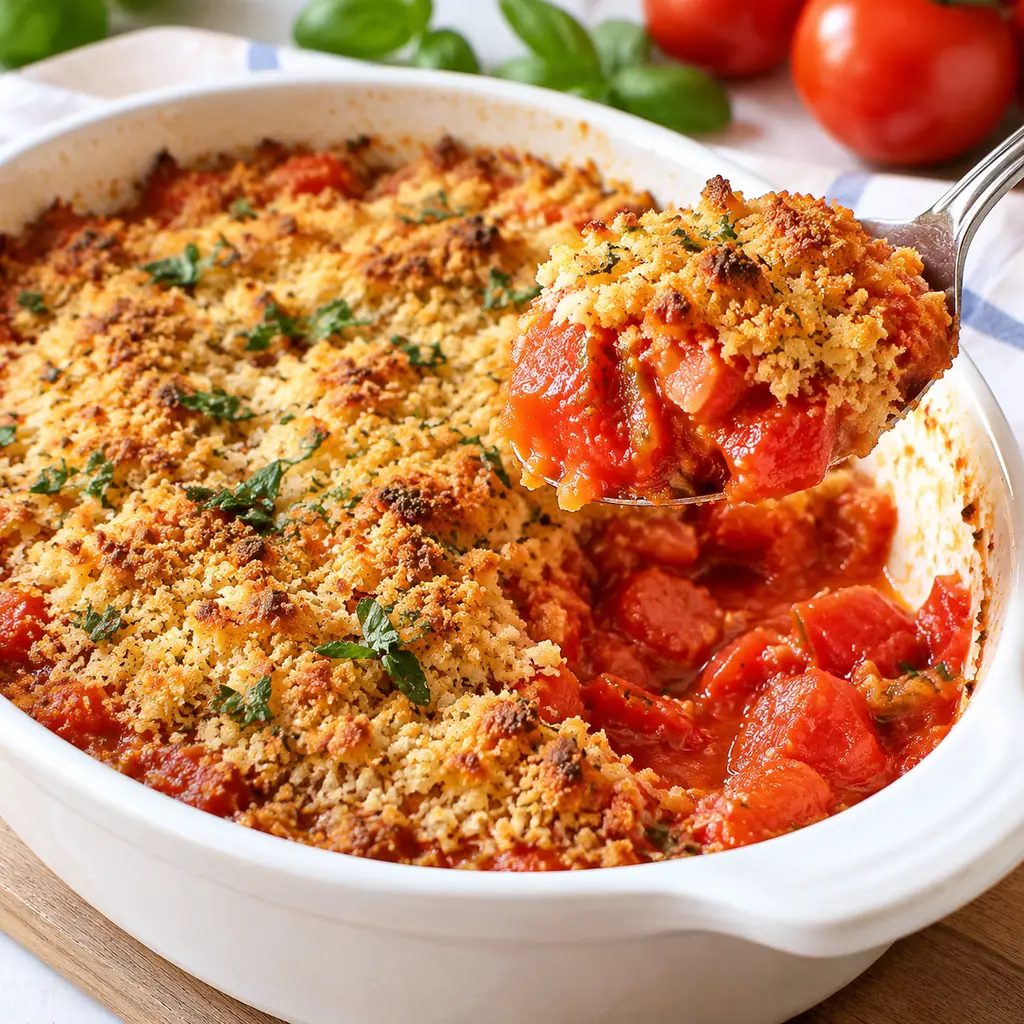
Tomatoes and bread crumbs could share a baking dish, with the bread absorbing some of the juices. The top browned while the lower layers softened.
This gave dry bread a savory job rather than another sweet pudding. Seasoning mattered because both the bread and tomatoes could vary considerably.
It also explains why a household might keep crumbs ready in a covered container instead of starting each dish from a fresh loaf.
23. Bread crumbs for a casserole topping
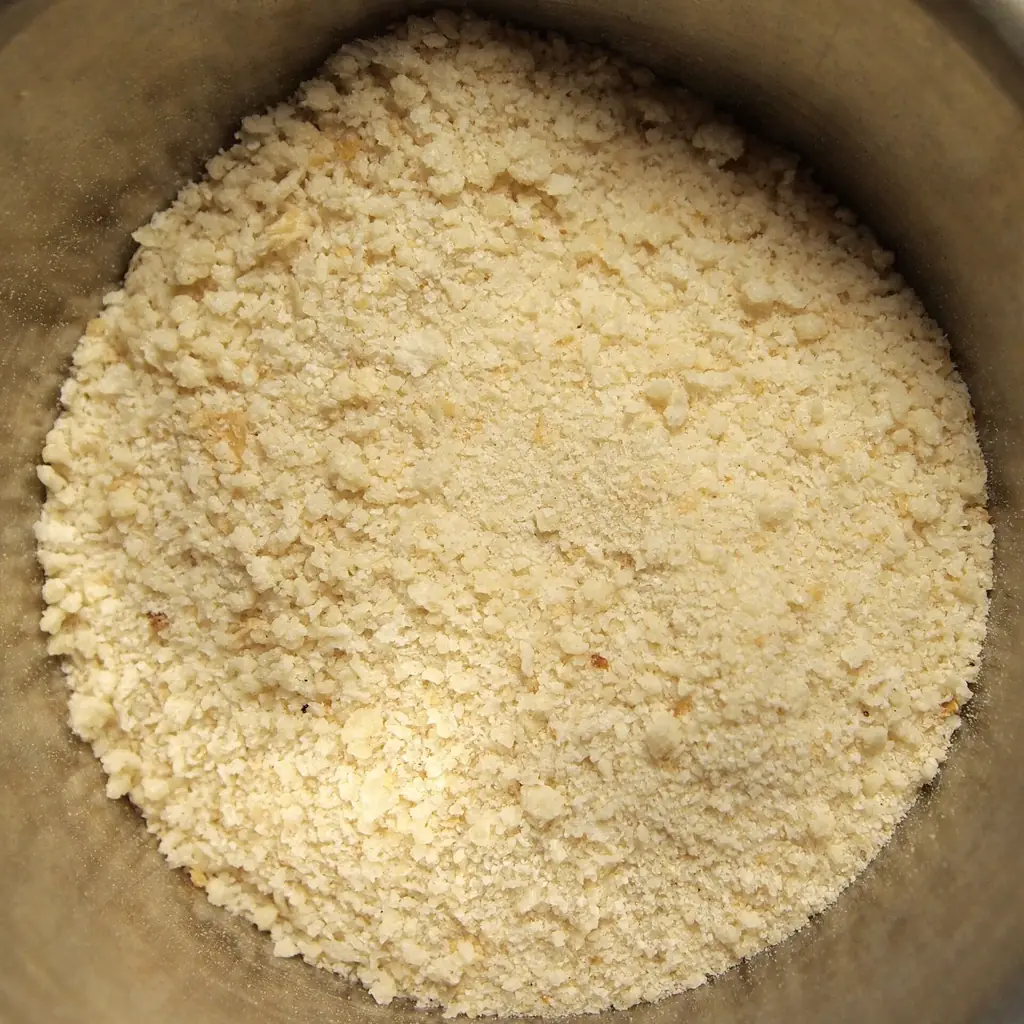
The last heel of a loaf could become crumbs rather than a separate meal. Scattered over a moist baked dish, those crumbs supplied a crisp upper layer.
A little melted fat helped them brown. Fine crumbs and rough pieces gave different textures.
Keeping a useful ingredient ready was the same habit behind tins of baking supplies and the tools used for Christmas cookie-making.
24. Rice pudding from cooked rice
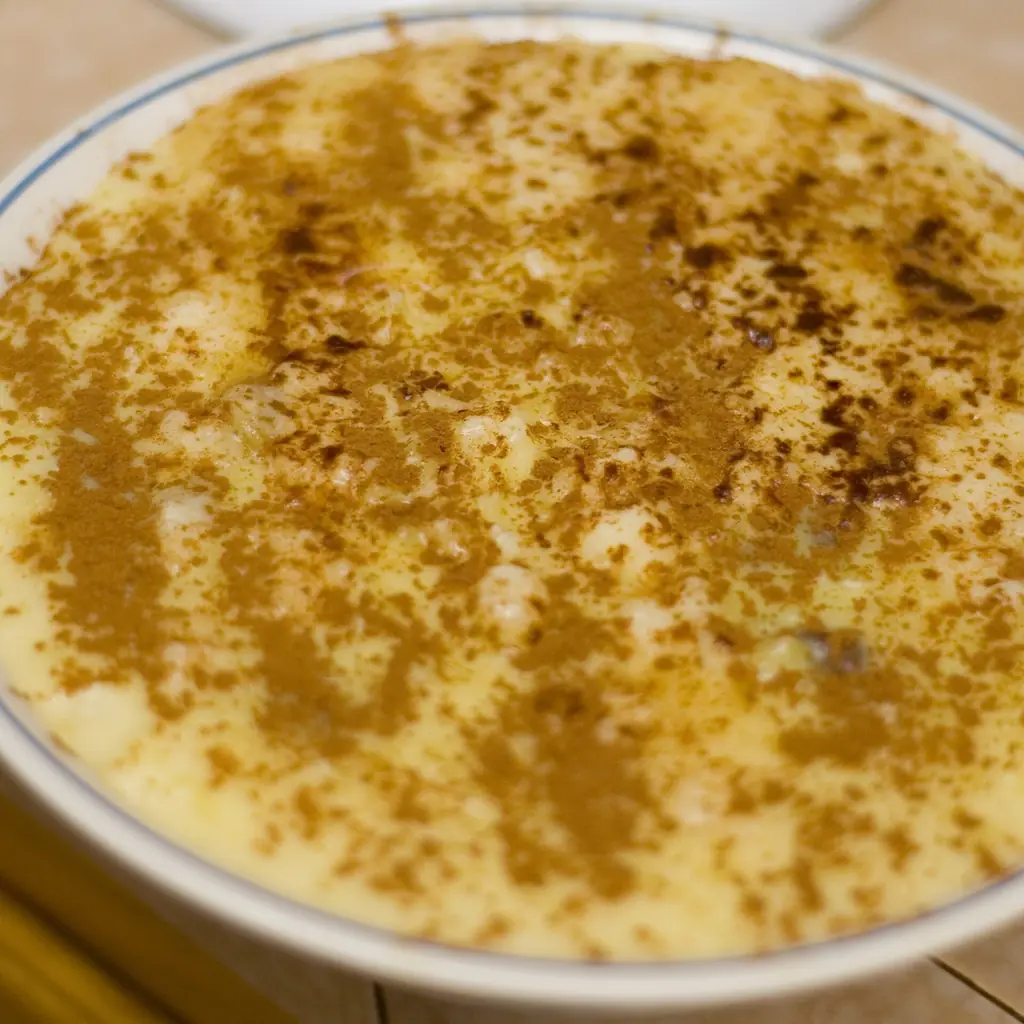
Already-cooked rice could be mixed with milk, eggs, sugar, and spices for a baked pudding. This differs from recipes that begin by cooking raw rice in milk.
The distinction matters when searching a recipe box for a use for last night's potful.
Raisins added little bursts of sweetness, while cinnamon or nutmeg changed the aroma. A leftover ingredient had moved from the dinner plate to dessert.
25. Rice croquettes
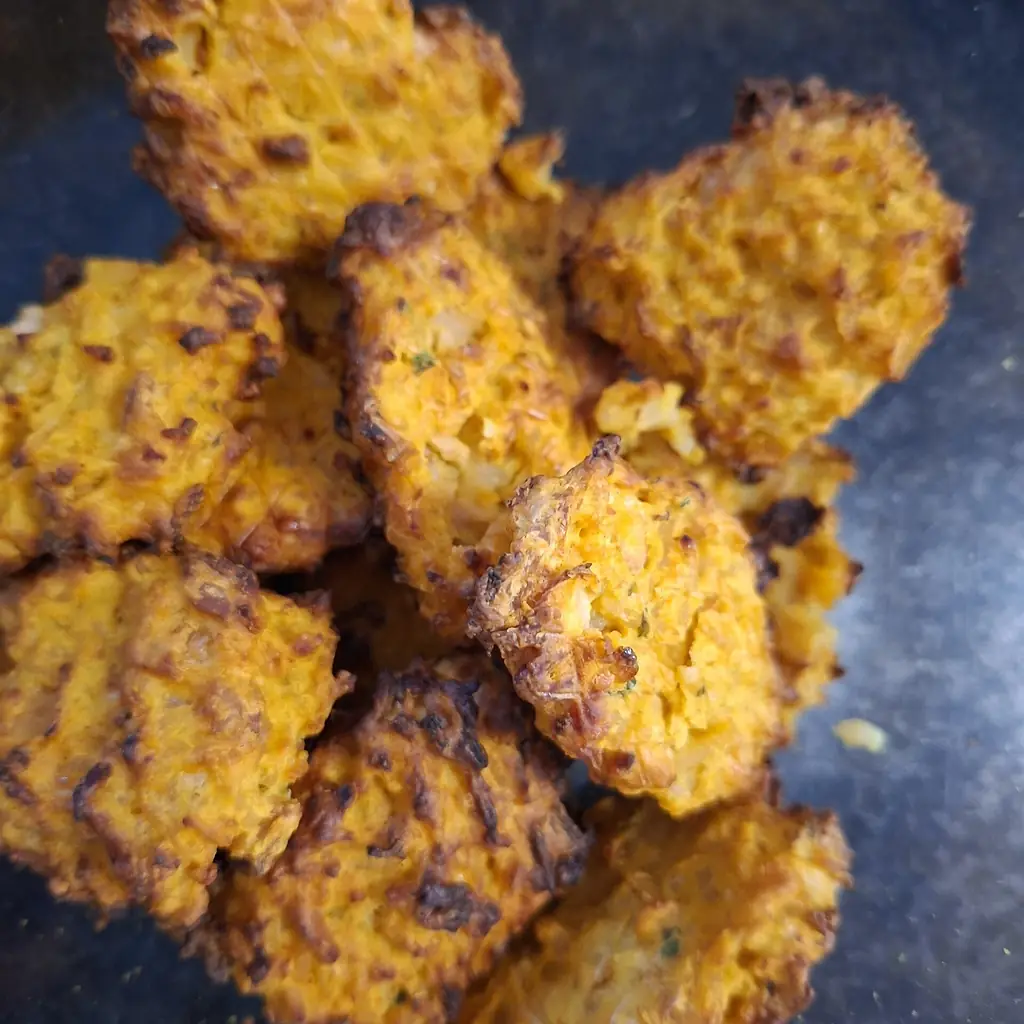
Cooked rice could be bound into small shapes, coated, and fried. The outside offered a crisp shell around grains that might otherwise have seemed like another plain side dish.
Older cookbooks included sweet and savory variations, so the name alone did not establish the seasoning.
The essential modern rule is safe storage: cooked rice should be chilled promptly, not kept on the counter until the next day's cooking begins.
Sources and further reading
- The Boston Cooking-School Cook Book, 1910 revised edition
- Yankee: Red Flannel Hash, from its 1972 recipe archives
- Betty Crocker Kitchens: Leftover Turkey Pot Pie
- USDA: Leftovers and Food Safety
- Quaker: Cornmeal Mush
- Food Hero: Healthy Latino Recipes, rice pudding
Image credits
- Chicken pot pie - Cambridge, MA.jpg by Daderot; CC0. Cropped to a square, resized and converted to WebP. No subject details altered.
- Ham & butter bean soup (105310901).jpg by Andy / Andrew Fogg from near Cambridge, UK; CC BY 2.0. Cropped to a square, resized and converted to WebP. No subject details altered.
- Fishcake on salad.jpg by phototram; CC BY 2.0. Cropped to a square, resized and converted to WebP. No subject details altered.
- Bread pudding - February 2023 - Sarah Stierch 01.jpg by Missvain; CC BY 4.0. Cropped to a square, resized and converted to WebP. No subject details altered.
- Australian cottage pie.jpg by Finbar.concaig; CC BY-SA 4.0. Cropped or fitted to a square, resized and converted to WebP. No subject details altered.
- Chicken Stock.jpg by TheCulinaryGeek; CC BY 2.0. Cropped or fitted to a square, resized and converted to WebP. No subject details altered.
- Fish Hash and Beans, Sou'Wester, Peggy's Cove, Nova Scotia (47937922528).jpg by Paulo O from Halifax, Canada; CC BY 2.0. Cropped or fitted to a square, resized and converted to WebP. No subject details altered.
- Vin des Allobroges et gratin de poisson.jpg by Smabs Sputzer; CC BY 2.0. Cropped or fitted to a square, resized and converted to WebP. No subject details altered.
- Shallow fried boiled potatoes.JPG by Dharmadhyaksha; CC BY-SA 4.0. Cropped or fitted to a square, resized and converted to WebP. No subject details altered.
- French toast 001.jpg by Ocdp; CC0. Cropped or fitted to a square, resized and converted to WebP. No subject details altered.
- Stuffing for Thanksgiving Dinner.jpg by Dorevabelfiore; CC BY-SA 4.0. Cropped or fitted to a square, resized and converted to WebP. No subject details altered.
- Bread crumbs.jpg by Tiia Monto; CC BY-SA 3.0. Cropped or fitted to a square, resized and converted to WebP. No subject details altered.
- Rice pudding cinnamon.jpg by Ross Berteig from Monrovia, California, USA; CC BY 2.0. Cropped or fitted to a square, resized and converted to WebP. No subject details altered.
- Bolinho de arroz 01.jpg by Sintegrity; CC BY-SA 4.0. Cropped or fitted to a square, resized and converted to WebP. No subject details altered.
- Potato pancakes - December 2023 - Sarah Stierch 05.jpg by Missvain; CC BY 4.0. Cropped or fitted to a square, resized and converted to WebP. No subject details altered.
- Scrapple with sunny-side up eggs and sourdough toast for breakfast at Pine Barn Inn, Danville, Pennsylvania, 2026-08-22.jpg by Deans Charbal; CC BY-SA 4.0. Cropped or fitted to a square, resized and converted to WebP. No subject details altered.
- 9215Corned beef hash 01.jpg by Judgefloro; CC0. Cropped or fitted to a square, resized and converted to WebP. No subject details altered.