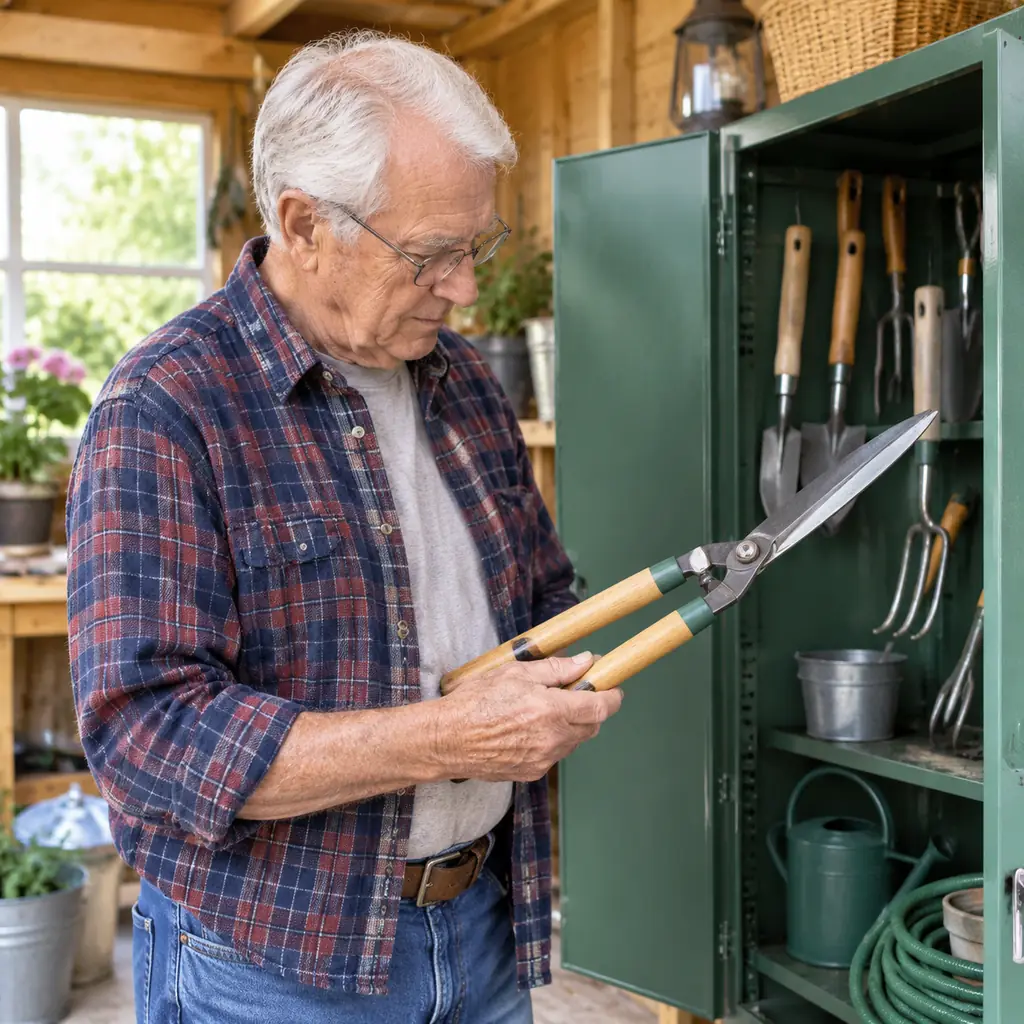
Some chores still begin the way they did in the house you grew up in, with a dish towel over one shoulder or a laundry basket already waiting by the door. Retirement gives you time to notice which old routines still earn their place.
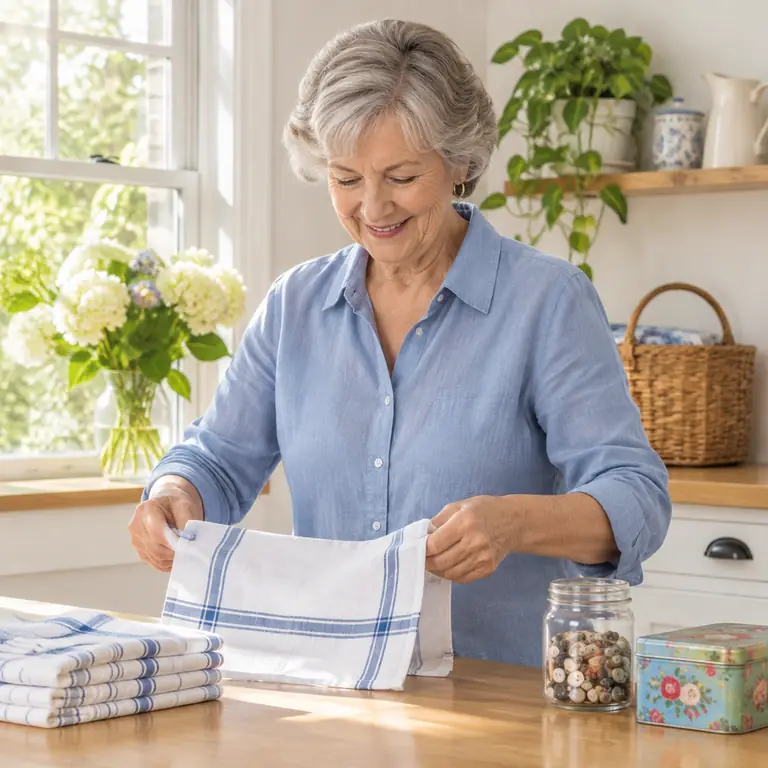
1. The good towels were kept somewhere else
You may have grown up with a drawer of towels that only came out when company arrived. The everyday towels had stains or frayed edges and still did all the work.
A smaller set of clean towels can make more sense now. Keep your favorites in rotation. Reserve a clearly marked stack of worn towels for spills, pets or a muddy doorstep.
2. A laundry day put the rest of the house on a schedule
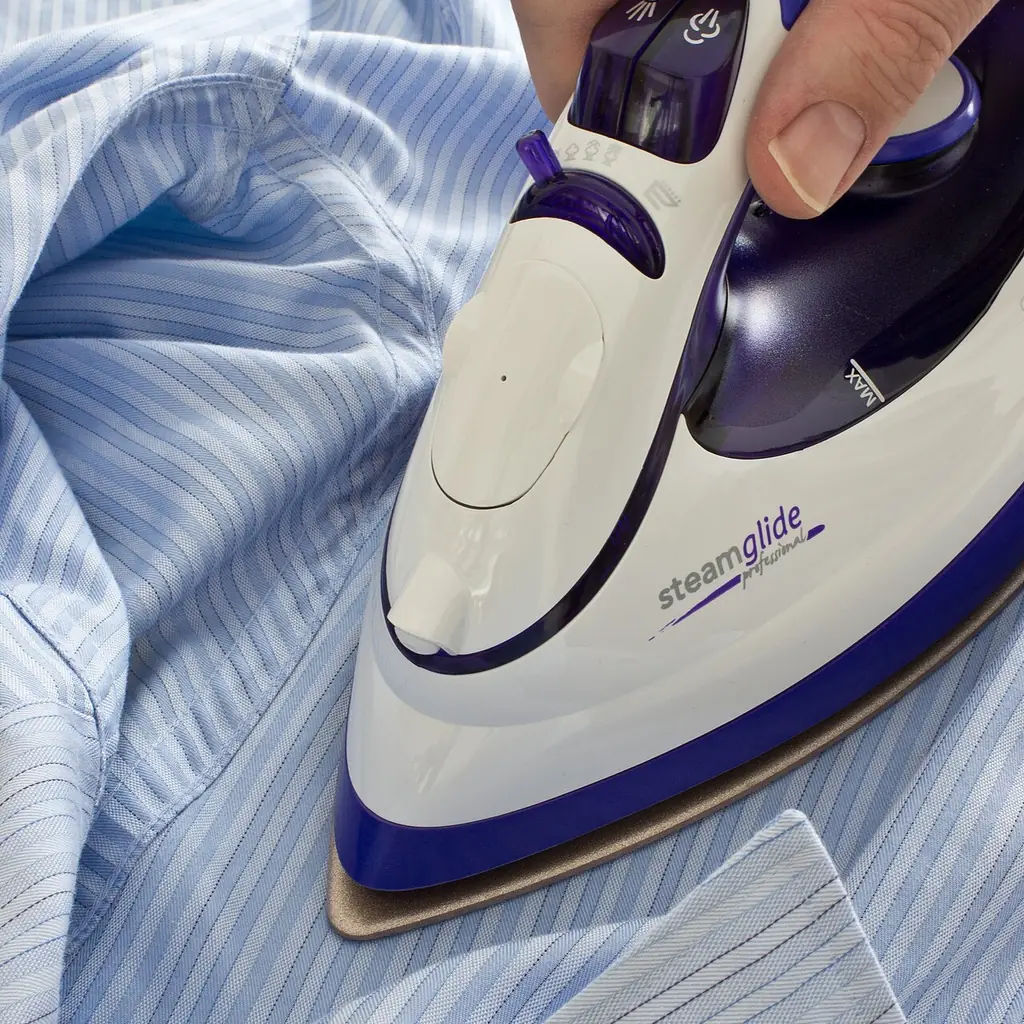
Some families set aside one day for washing. Everyone knew when to look for clean sheets, and the house followed the rhythm of the load.
Keep the regular day if it helps you remember. Spread the heavier loads if the same basket feels unwieldy now. You still get the benefit of a routine, with fewer trips carrying everything at once.
3. The dish towel went over a shoulder before dinner
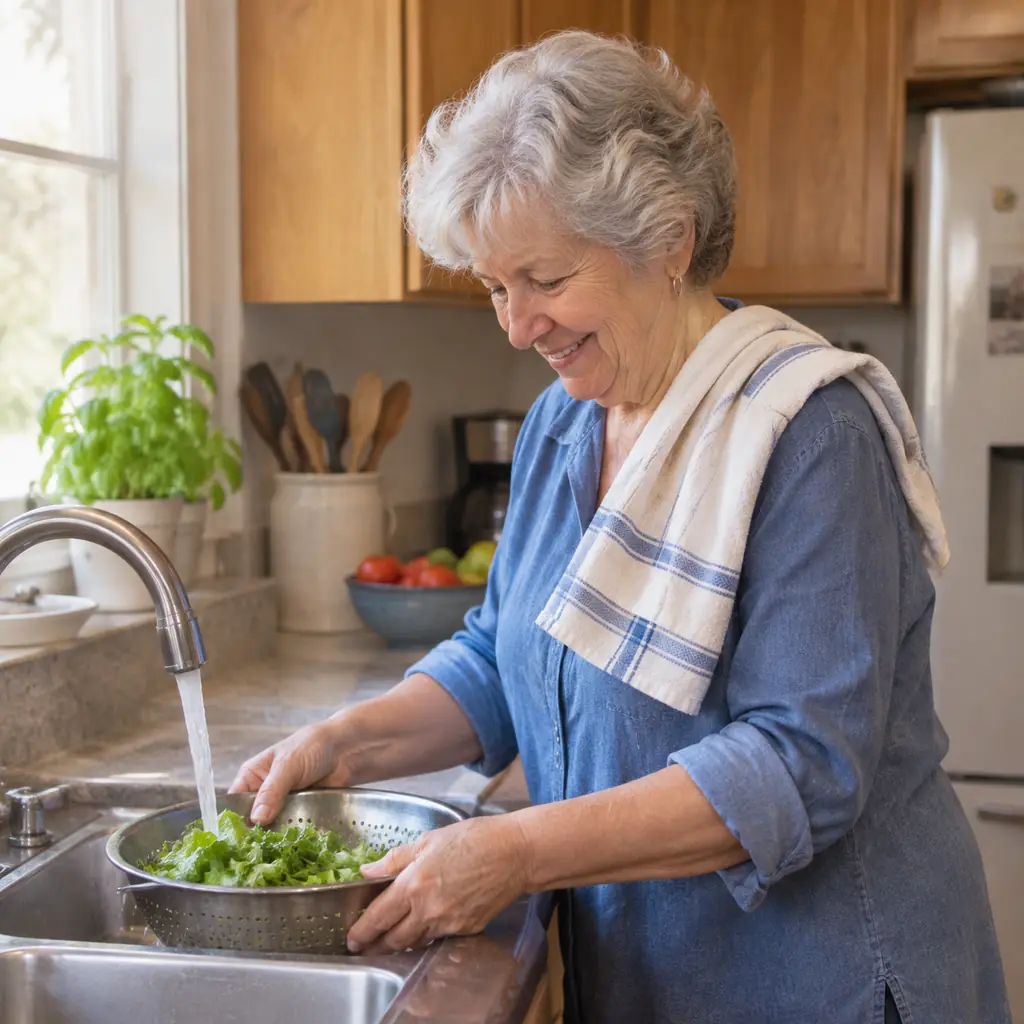
A towel within reach makes it easier to dry a mixing bowl or wipe your hands while you cook. Plenty of people learned the habit by standing beside someone who always kept a towel handy.
Keep one for clean hands and dishes. Reach for a separate cloth when a spill needs cleaning. Small distinctions help when several people share a kitchen.
4. The sink got reset before everyone went to bed
Once the pans were washed, someone wiped the counter and rinsed the sink. The next morning began with space to set down the coffee cup.
That short reset still does useful work. If you would rather let some dishes wait, wash the things you need at breakfast and leave a clear patch of counter. A small finish can be enough.
5. A chair by the door took care of muddy shoes
A chair by the door once gave children a place to pull on boots. It also kept the mud close to the mat.
Put a seat where you can use it without blocking the door. A small tray keeps wet shoes contained, and a clear route through the entry spares everyone from stepping around pairs left on the floor.
6. The broom stayed near the place that got dirty
People swept more often when the broom was close at hand. A little grit by the back door could be dealt with before it got halfway to the kitchen.
The same idea works with the tools you use now. Leave a dustpan and brush where crumbs collect. Save the big vacuum for the part of the job that needs it.
7. A line full of wash told you what the weather was doing
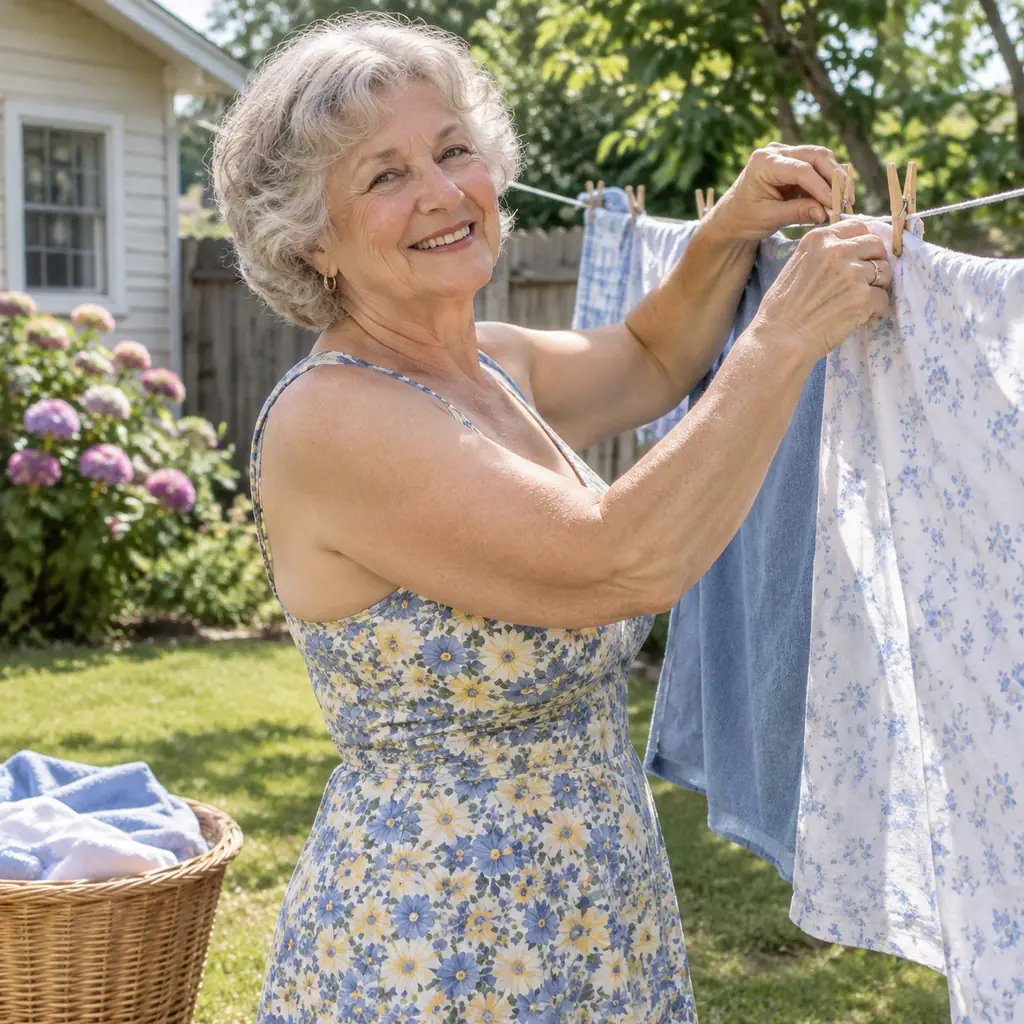
Hanging wash outside meant learning how quickly a shirt dries in sun and wind. Plenty of people still recognize the feeling of pulling in the sheets just before rain.
A smaller line or folding rack keeps the useful part of the routine. Put the rack somewhere you can reach easily and save it for loads that are comfortable to hang.
8. Old cotton became a pile of cleaning cloths
A worn shirt provided cotton that was already soft and ready to use. Folded squares took up little space in the drawer.
Select pieces that lie flat and feel useful. Wash and dry them before putting them away, and retire the ones that hold an odor or leave lint behind. You only need enough to make the next clean easier.
9. A missing button used to send you straight to the sewing tin
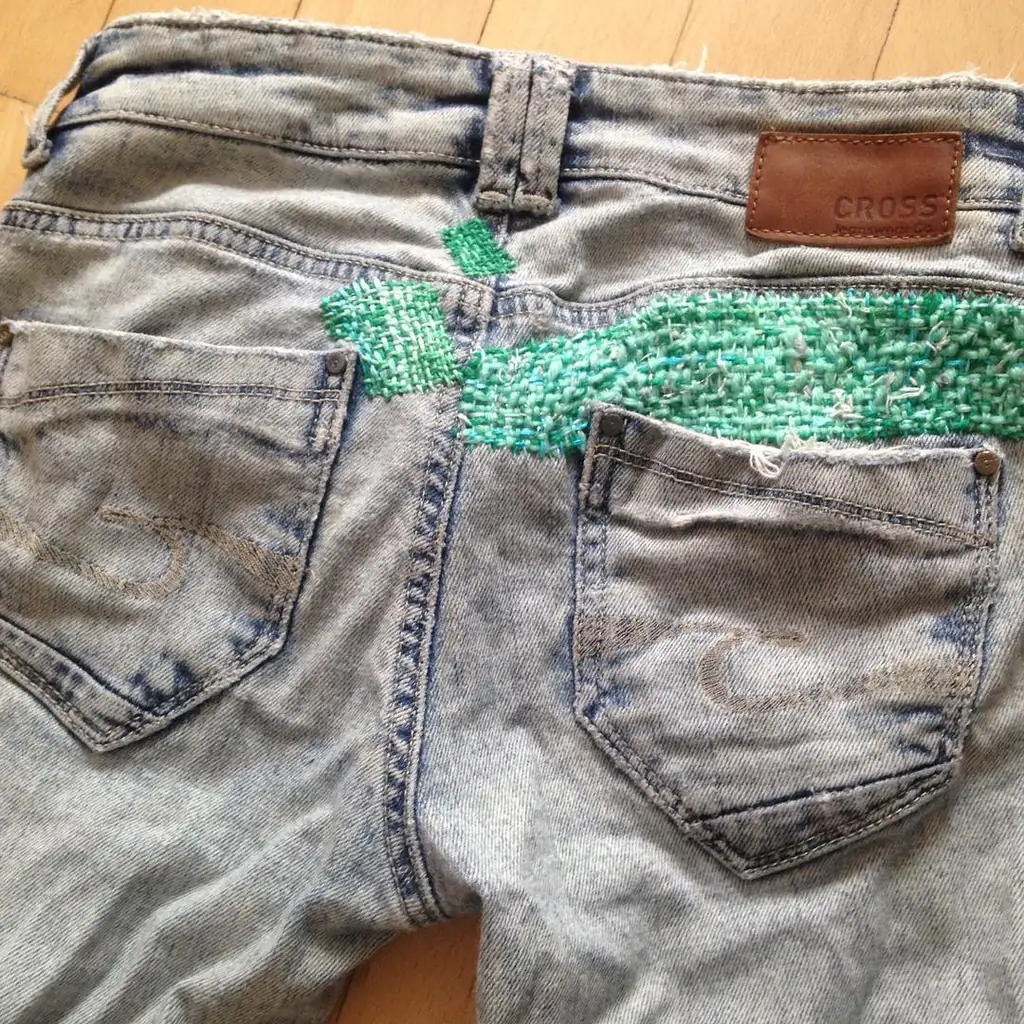
A sewing tin often had the button you needed, even if it came from a different garment. A simple repair meant a shirt could go back into the regular drawer.
Keep the few supplies you know how to use. A needle, matching thread and a small pair of scissors may do enough. A good lamp makes the work easier to see.
10. A quick check kept pockets from upsetting the wash
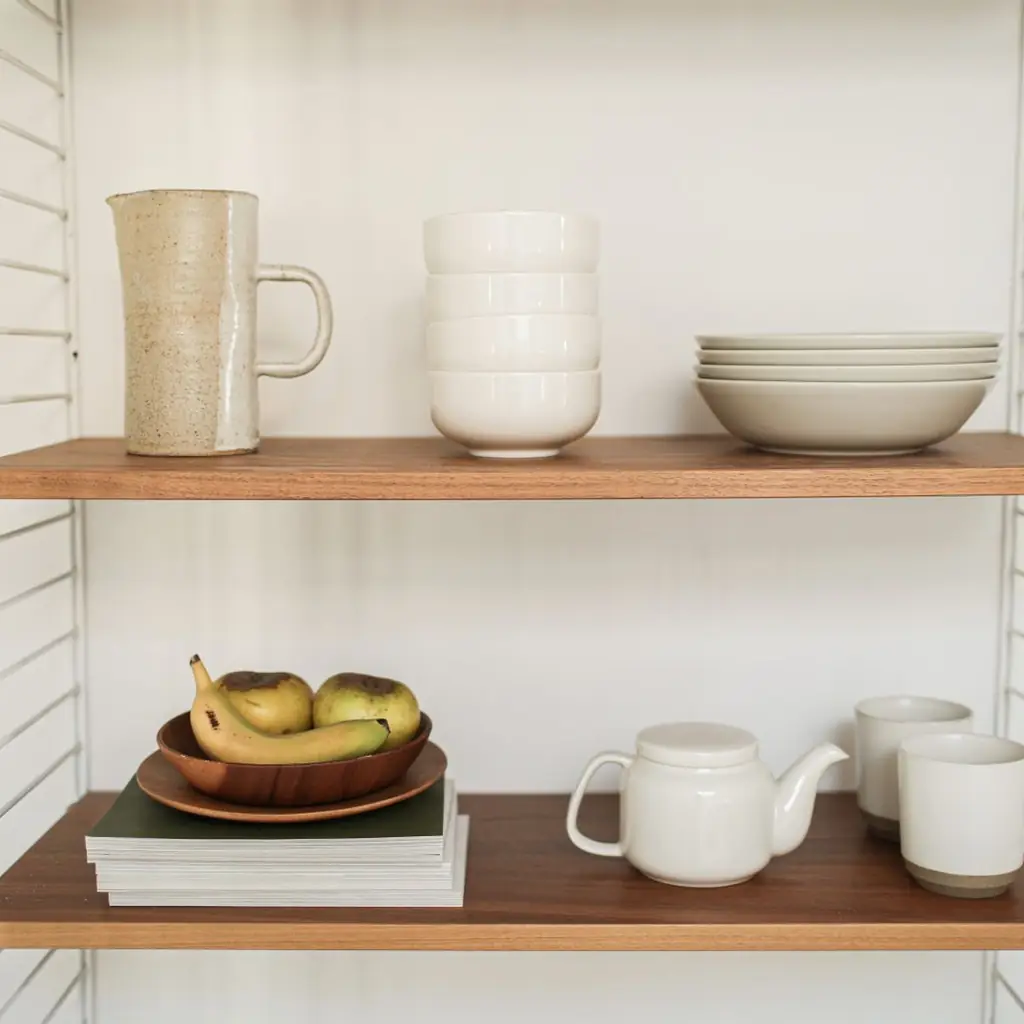
Checking pockets takes seconds. A scrap of tissue can leave flakes on several dark shirts and make the whole load feel unfinished.
Put a little dish where you sort laundry. Keys and coins go in the dish until their owner collects them. That physical place can keep the habit working when everyone does their own washing.
11. The pantry put the older food where you could see it
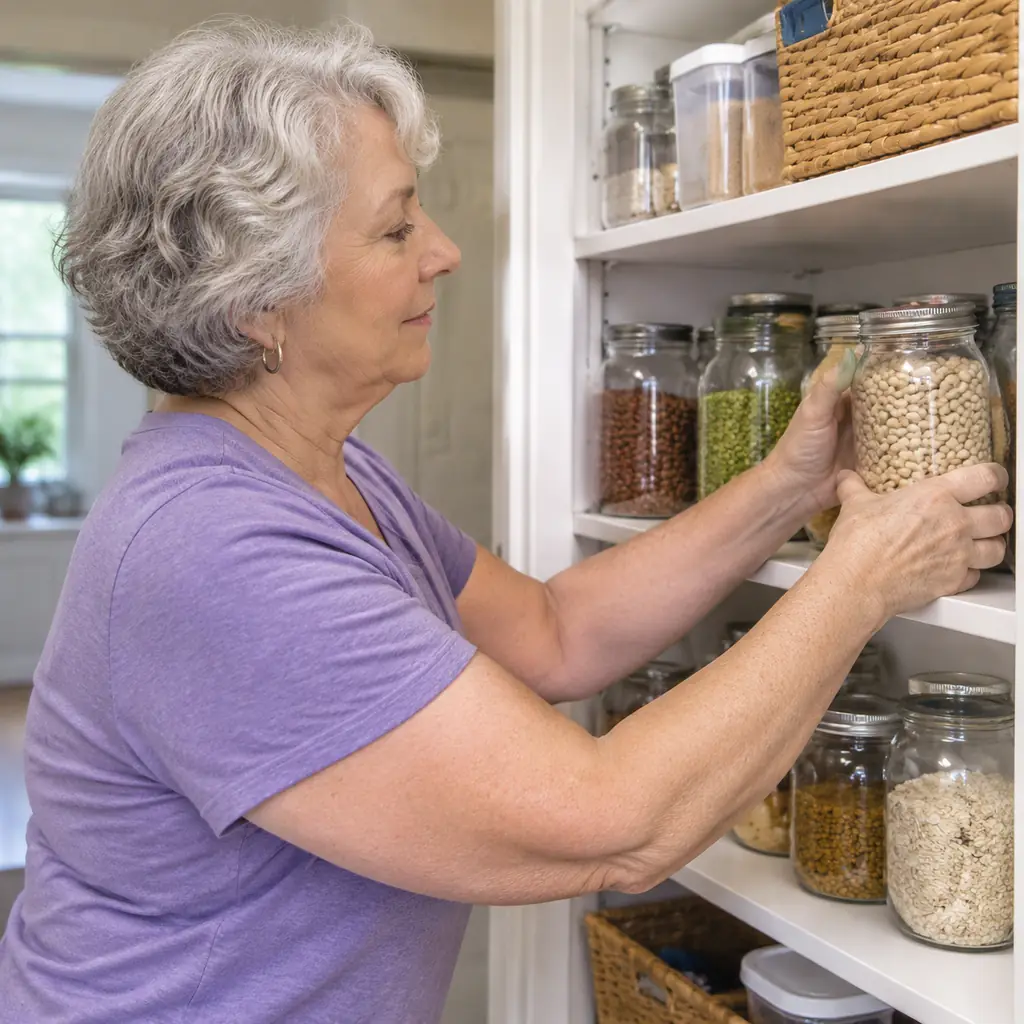
Someone often moved the already open jar to the front of the shelf. You could see what needed to be used before you made another shopping trip.
Try that with the foods you buy often. Shallow bins keep the back row visible. The idea is especially useful when you lose a large pantry after downsizing.
12. A grocery list lived where the last item ran out
When the last bit of flour disappeared, its replacement went on a note by the cupboard. The system relied on seeing the shortage while you could still remember it.
Pick the location where you naturally notice things running out. If you use a phone list, open it from the kitchen. A list works best when it takes less effort than remembering.
13. Cold leftovers earned a place in tomorrow’s lunch
At the end of the meal, someone put the good portions away for lunch. It saved one small job the next day and gave the leftovers a purpose.
Put the portion you intend to eat where it will be easy to find. If both people are home all day in retirement, agree which leftovers are spoken for before lunch.
14. A tray gathered everything needed for breakfast
Breakfast went faster when the common items came out together. A tray saved repeated trips from table to refrigerator or cupboard.
Choose the things you use on most mornings. Make the tray light enough to lift comfortably. You can leave it in place when the breakfast corner already works well and only move what belongs in the fridge.
15. A canning jar kept odd bits in view
People saved jars because a transparent container makes small pieces easier to find. A spare jar might hold curtain hooks in one cupboard and garden ties in another.
Use sound containers with lids that still fit. Reserve the heavy glass for cupboards where it will stay put. A simple shallow box can serve better if you need to lift the whole collection.
16. Taking one thing upstairs saved another trip
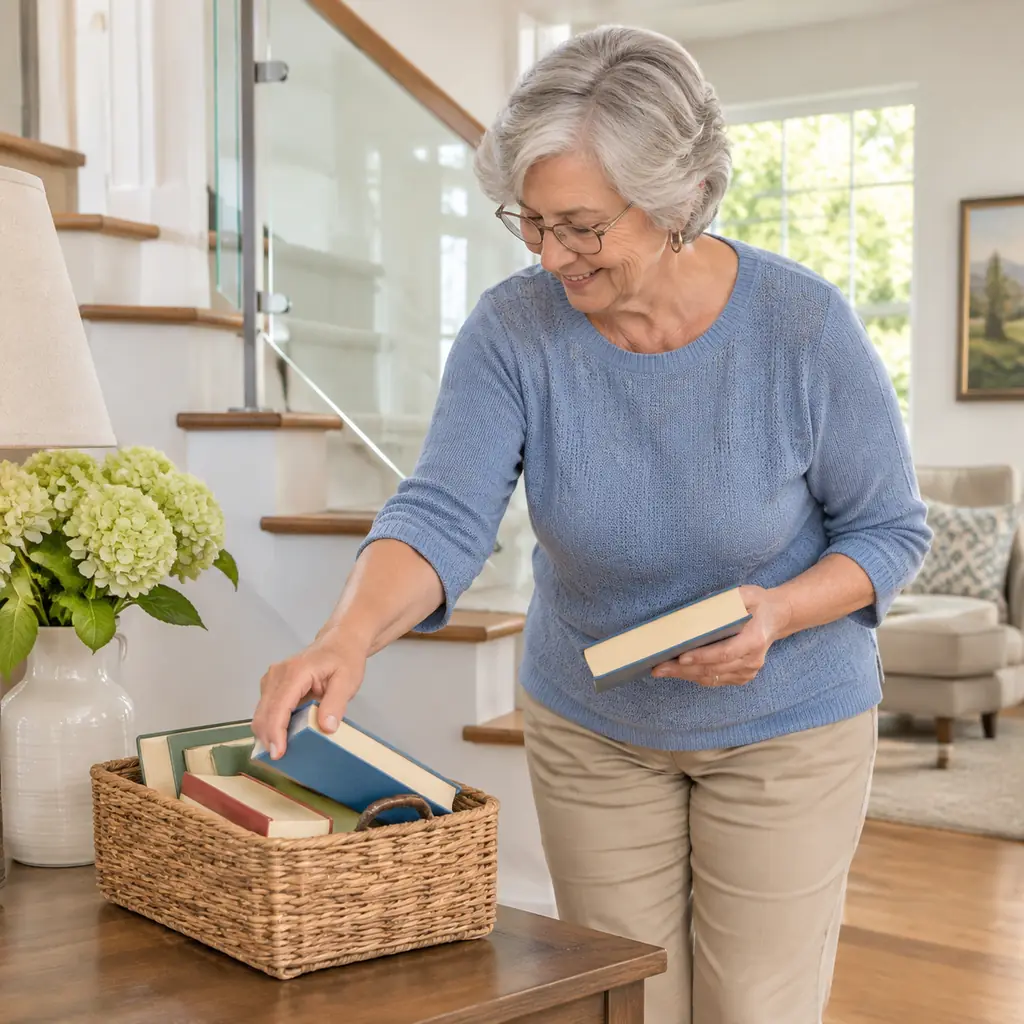
A book or sweater went upstairs the next time someone was heading that way. The habit turns small loose items into one trip through the house.
Use a side table or basket clear of the steps. Take what you can carry while using the handrail. If the habit makes a pile that nobody claims, give that item a downstairs home instead.
17. A folded sheet set kept the same pieces together
Some households tucked a fitted sheet and top sheet inside one of the pillowcases. When someone needed a fresh set, the parts came out together.
A whole set still makes a useful bundle, especially when the guest room serves another purpose between visits. Store the bundle where a visitor or helper can find it without opening several drawers.
18. A spare basket gave socks somewhere to wait
A missing sock often turned up with the next load. Keeping a small waiting basket gave its match a chance.
Make the basket easy to review and empty it from time to time. Some strays will be useful as cleaning cloths. The rest can go once you have washed a few more loads without reuniting the pair.
19. Friday’s small clean gave the weekend a better start
A regular sweep or tidy gave people a reason to finish a few small jobs before guests arrived. It also meant the biggest mess rarely had a whole week to build.
Choose the rooms you actually use on weekends. If your adult children now host the family holiday, you may need a smaller version of the old pre-company routine.
20. A windowsill told you whether a room had been used in a while
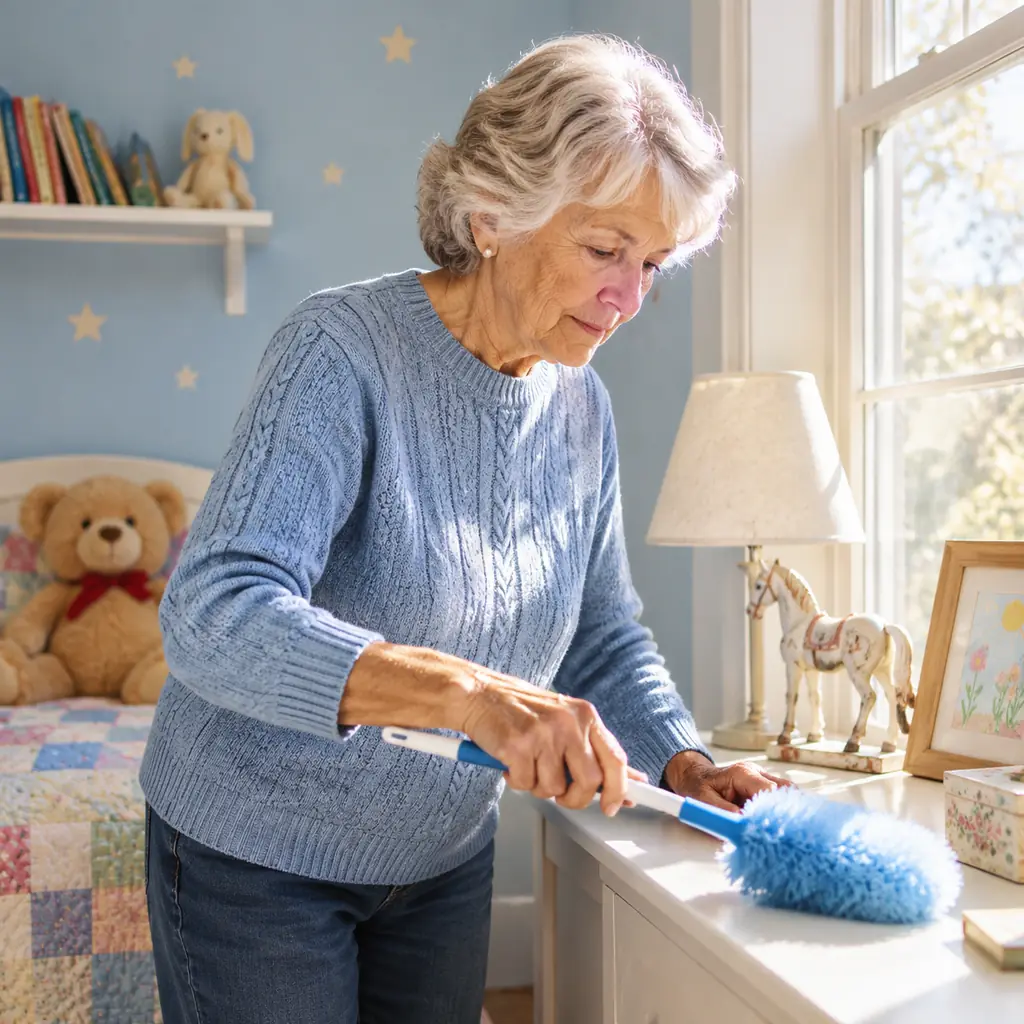
The edge of a windowsill often catches dust before a room looks neglected. A quick pass when you open the curtains reminds you what that space needs.
You can also ask why the room stays shut. Families reconsidering the rooms in a long-time home may find the best change is to use an old room every day again.
21. A kitchen stool brought the work closer
A sturdy seat made it possible to peel apples, shell peas or fold towels while talking. The job could move to the table when the counter was busy.
It still makes sense to choose a comfortable place for work that takes a while. The same principle helps when planning a kitchen remodel after 60.
22. An apron kept small tools where they belonged
An apron pocket might hold clothespins, a pencil or the handle of a small brush. Things stayed at hand while the task moved from one place to another.
Pick the items that are actually safe to carry in a pocket. A narrow basket works well for anything sharp, heavy or liable to drip on the way through the house.
23. A tray near the door stopped keys from changing rooms
Someone always seemed to know that the keys belonged beside the door. The same arrangement can spare several minutes of hunting before you leave.
Start with the objects you carry out on most days. Give bigger items, such as a tote or umbrella, a place nearby. The aim is a clear spot you find by habit.
24. The repair basket gave a loose cuff one more chance
Small repairs could go in a basket until there was time to sit down. The basket kept a loose hem from getting mixed back into the clean clothes.
Give repairs a limit. When an item has waited through several clear chances to mend it, decide whether to take it to someone who can help or make room for something you wear.
25. A cloth on the table could change the room in a minute
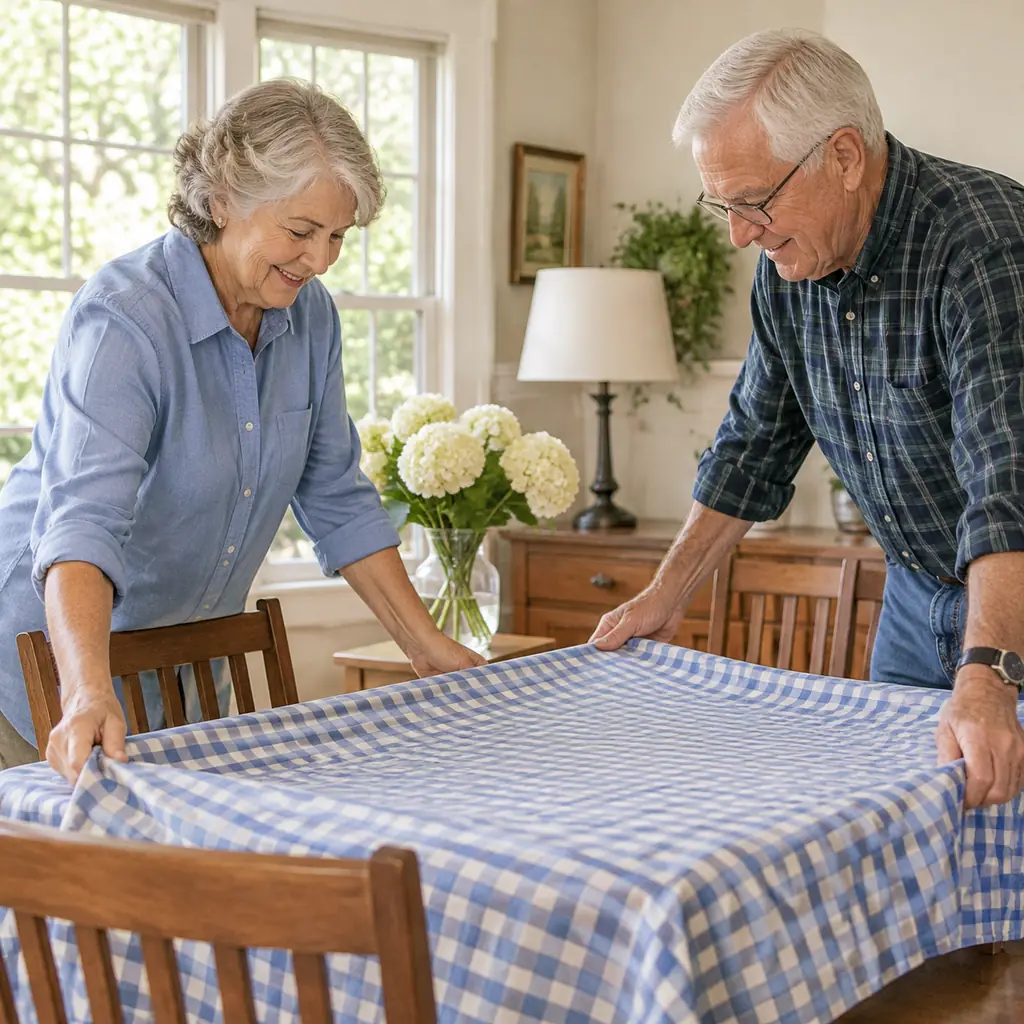
A tablecloth protected a well-used surface and made dinner feel like an occasion. Changing it could give the whole room a different mood.
Keep a washable cloth that fits the table as you use it now. For a small everyday meal, place mats might do the job. Save the piece with a family story for days when it fits.
26. A borrowed tool came back in better shape
Some families borrowed a ladder, a trowel or a roasting pan from neighbors. Returning it clean was part of keeping the relationship easy.
The same courtesy helps when you try a retirement hobby before buying the gear. Ask how the owner wants the item cleaned and make a plan to bring it back on time.
27. One person taught you to put everything away before you finished
A shelf that holds what you expect makes the next chore quicker. The final few minutes put tools, rags and supplies back where another person can reach them.
Think about what you would teach someone else about the house now. Keep the part of the routine that makes tomorrow easier. The habit will feel familiar even when the tools have changed.
Image credits
- Visible mending on a pair of jeans by Lisenka92, CC BY-SA 4.0. Cropped and converted to WebP.
- Ironing a shirt.jpg by Colin, CC BY-SA 3.0. Cropped and converted to WebP.
- Keep the dishes you actually use together by Cup of Couple, Pexels License. Cropped and converted to WebP.