A pair of binoculars looks easy to live with, while a kayak has to get from your garage to the water and back again. Spend one good session on a new hobby before you decide how much of your home and your week to give it.
1. Birdwatching with club binoculars
Ask a local birding group whether someone can lend you binoculars for a beginner walk. Try lifting them several times and tracking a bird across the water. You may value a light pair that is easy to hold more than a bigger pair with stronger magnification.
Carry them for the entire outing. The walk can tell you whether you want a regular pair near the door or only need them when someone invites you out.
2. Kayaking from a rental launch
Rent a kayak at a quiet launch that can supply the paddle and a fitted life jacket. Start with a short outing where you can return easily. Pay attention to getting in and out, how the seat supports you and how much effort you need to keep the boat moving.
Ask what happens after the paddle. Drying the boat and lifting it onto a carrier may change how often you would go on your own.
3. Cycling on the route you would ride every week

Borrow or rent a bike that suits the kind of route you actually want to ride. Take it along a flat path, through the first climb or onto the streets you would have to use to reach the trail.
After the ride, check how it fits in your vehicle or at home. A comfortable bike can still be awkward to store if you have to carry it down a flight of stairs every time.
4. Pickleball using a loaner paddle
Ask whether an introductory session has loaner paddles and balls. Play enough to try a short return, an underhand serve and a few longer rallies. The session can tell you whether you like the pace and whether the courts are convenient.
Try a second borrowed paddle if the grip feels too thick or the head seems heavy. Those differences matter more than the pattern on the paddle you first saw in a shop.
5. Golf with a small set of borrowed clubs
Borrow a few clubs before you buy a full set. A short lesson or a bucket of balls at the range can show which clubs you feel comfortable using and how much time you want to spend practicing.
Look at the whole outing. The drive, the available tee times and whether you enjoy walking the course can affect the decision more than the price of an additional club.
6. Fishing from an easy-to-reach shore
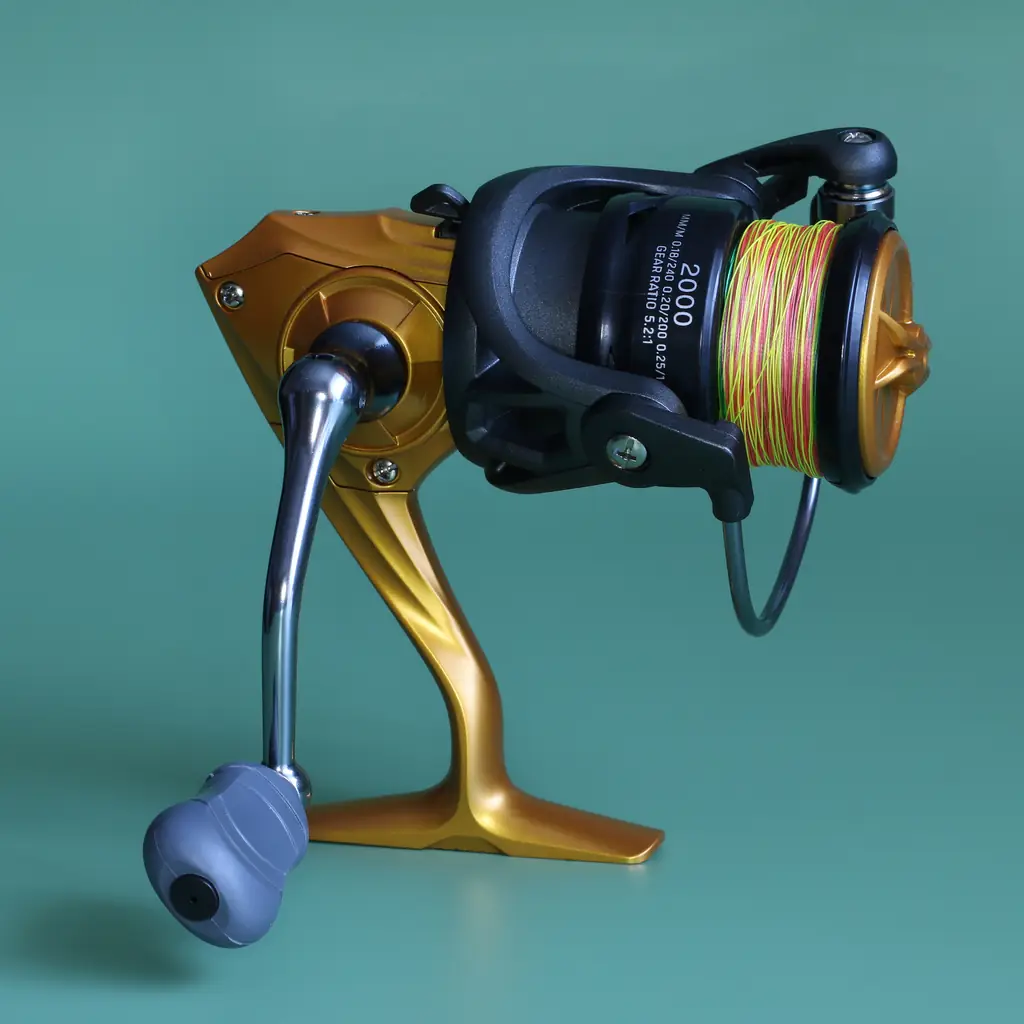
Borrow one rod and a modest amount of tackle, and check the local rules before you go. Try a place you can reach without a boat or a difficult walk. Give yourself time to set up, handle the line and pack everything away.
If you enjoyed the morning, write down what equipment you actually reached for. A small tackle box can be enough if you plan to return to the same spot.
7. Camping close enough to come home
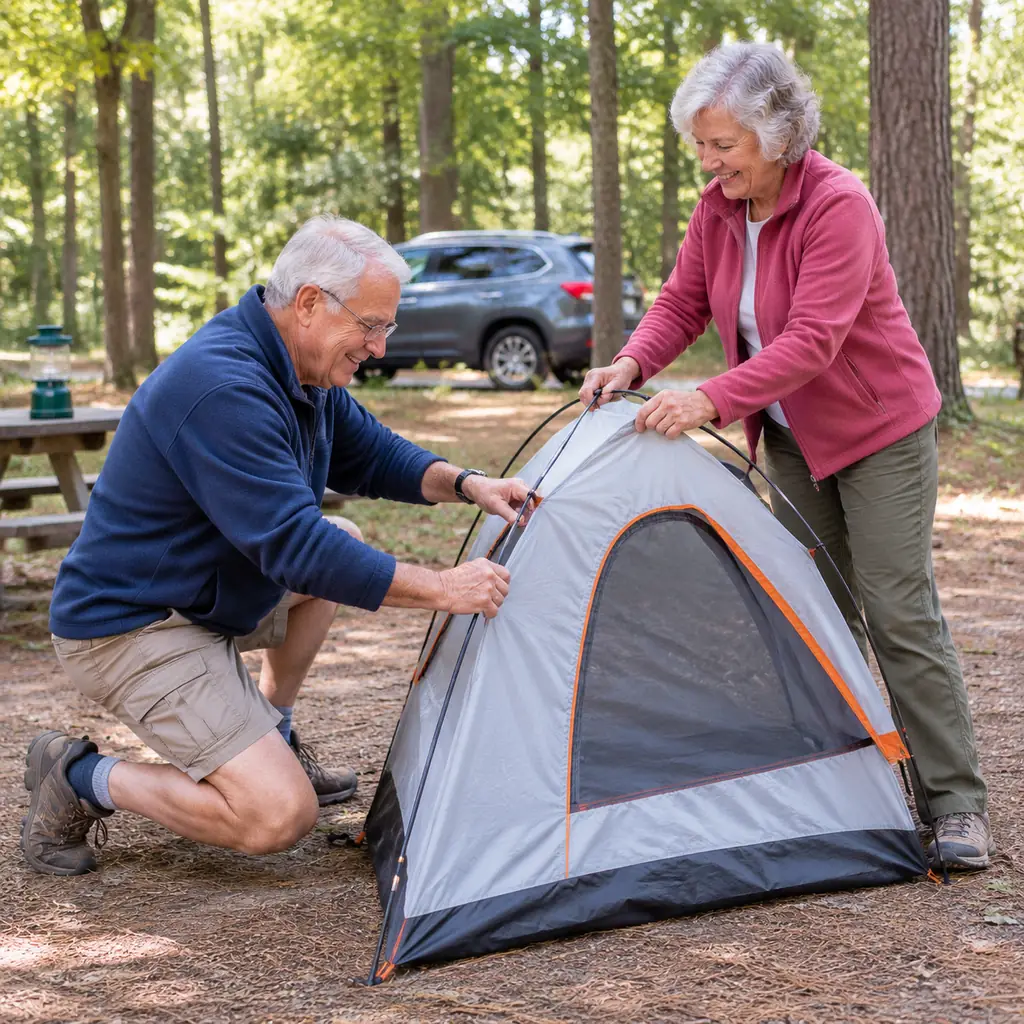
Borrow or rent a tent, bedding and a light for one night near home. See how long the tent takes to put up, how the doors work and what it feels like to bend down inside.
Check how much gear you really used after dinner. Then think about where you would dry and store it after a wet trip. An overnight test makes those jobs visible before you buy a tent.
8. Paddleboarding in sheltered water
Take a beginner session at a place that can provide the board and safety gear appropriate to the location. Try kneeling, turning and getting back to shore. You can find out whether you prefer the quiet paddle itself or the challenge of standing.
Ask to see how a rental board is carried and stored. Inflating, carrying or rinsing it might matter if the outing you picture begins and ends at home.
9. Tennis after a long break
If it has been a while since your last game, borrow a racket you can hold comfortably. Try hitting gently with a friend or in a beginner session. Notice whether you enjoy short exchanges more than a full competitive match.
Check when the public courts are usable and whether you need to reserve a time. The work of booking and finding a partner can matter if you hope to play every week.
10. Target archery through a supervised introduction
Look for a coached session that supplies a bow fitted to you. Ask how the instructor decides on draw weight and practice distance. A sensible trial gives you time to see whether the repeated movement feels comfortable and whether you enjoy aiming at a target.
Ask where newcomers practice once the class ends. A bow only makes sense if you have an appropriate range you can use regularly.
11. Woodturning in a shared workshop
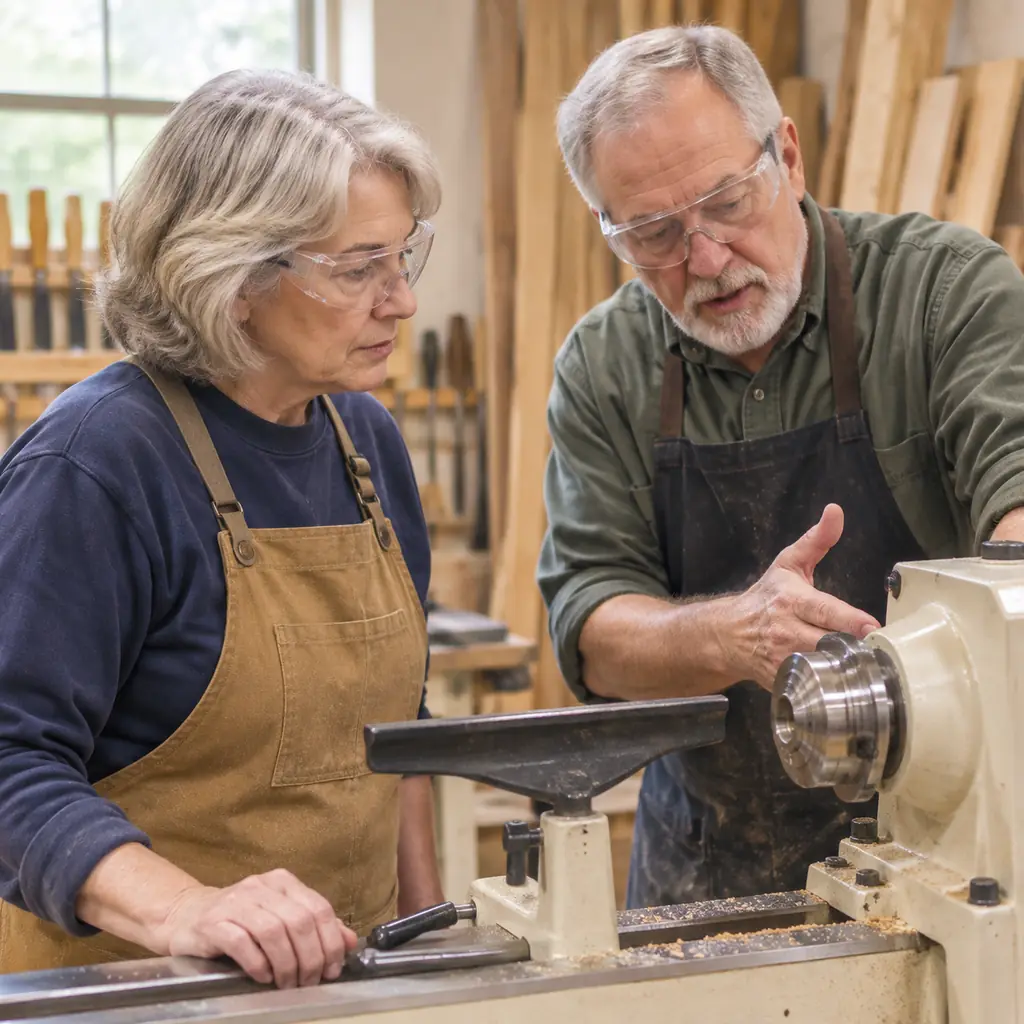
A shared workshop lets you see the space a lathe needs without clearing your garage. Take an introductory class that provides a supervised setup, tools and protective equipment. Try a small project such as a simple handle before you consider larger equipment.
Notice where the dust and scraps go and how long cleanup takes. The home space you have after downsizing can make a shared shop the easier choice.
12. Pottery before you make room for a wheel
Start with a studio class that supplies clay, tools and firing. A pinch pot or small dish can tell you whether you enjoy shaping and finishing, even before you try the wheel. Ask when you can collect the finished piece.
Check what the studio charges for extra clay, firing and repeated visits. You may prefer a regular studio session to finding space at home, especially if two people are sharing the same rooms after retirement.
13. Watercolor outside your own kitchen
Borrow a simple palette or ask a class for a kit you can use on the day. Paint one small subject with a few colors. You can focus on whether you like the time it takes to build a wash and let the paper dry.
If you want to paint outside, try packing it away while the paper is still damp. The way you carry the kit may matter more than how many colors it holds.
14. Sewing a useful item on a loaner machine
Ask a community class if it provides machines for beginners. Make one simple thing, such as a drawstring bag, and practice threading the machine and changing the stitch you need.
Look at how much room you want for setting out fabric. If space at home is limited, you can learn a great deal during open studio hours before you buy a machine and decide where to keep it.
15. Quilting without buying fabric for a whole bed
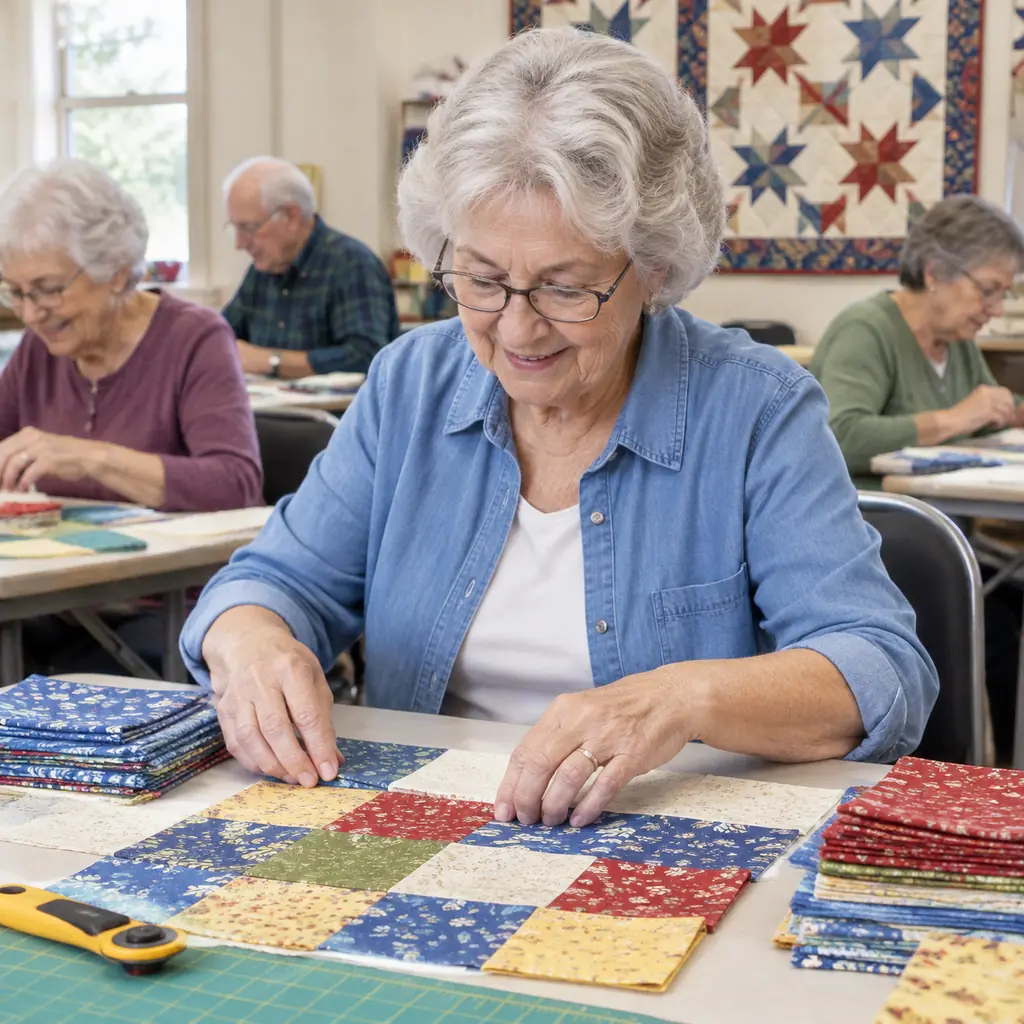
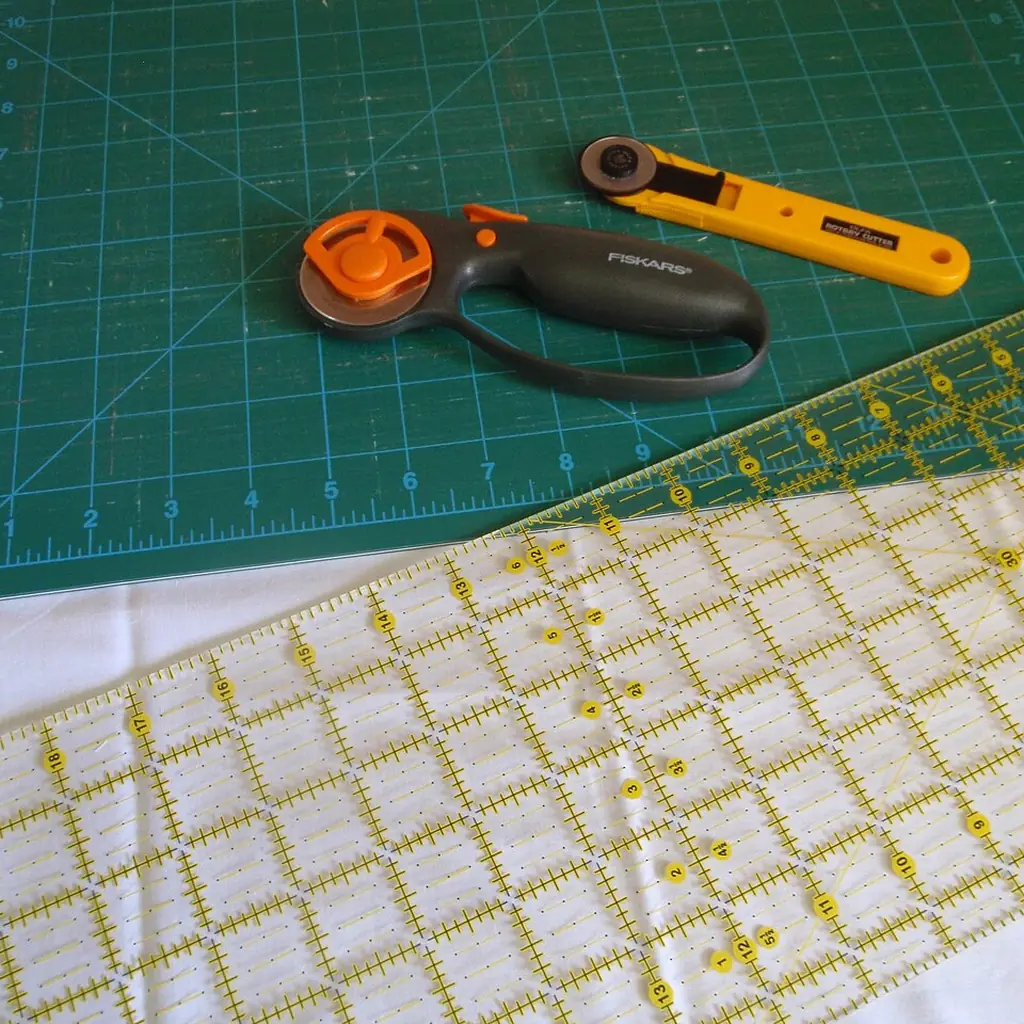
Make one block using scraps from a class or a friend. Ask to borrow a ruler and cutting mat and see how long it takes to measure, cut and join the pieces.
Check how the class handles larger projects. A bed quilt takes room to lay out, while one block can fit on a dining table. It can help to plan a space that works between family visits before you bring home supplies.
16. Gardening with a shared plot
Try a small part of a community garden or a few containers you already own. Borrow a trowel and spend a few sessions watering and weeding. That shows whether you enjoy the repeat visits as much as choosing what to plant.
Ask about tools, water and storage at the plot. A garden that sounds manageable may feel different once you have compared the errands you already make from home.
17. Stargazing at a club’s public night
Find a public observing night and look through a club member’s telescope. Ask how long it takes to set up, how the view differs from binoculars and what they look at when the sky is bright.
Stay long enough to try another object before you leave. You can learn whether you prefer occasional outings with the club or want a telescope set up at a home where the view is clear.
18. Learning an instrument with a short rental
Try a rental or a loan from a music club for the first few lessons. Choose one tune you would like to play and see whether you are comfortable holding the instrument and practicing at home.
Ask how much storage and maintenance the instrument needs. Also try the time of day you will practice. A short session may fit more easily once your retirement calendar has a rhythm.
19. Photography with the camera you already own
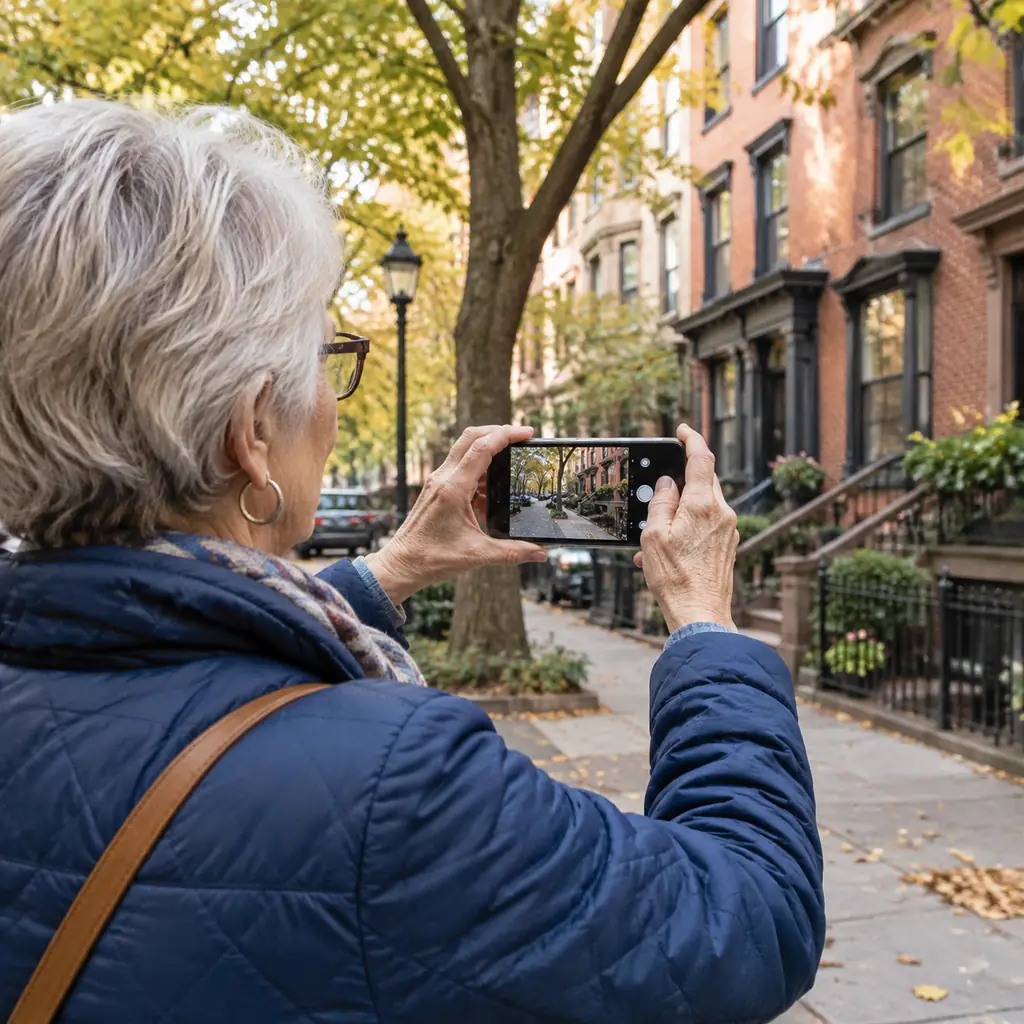
Join a photowalk with your phone or a friend’s basic camera. Practice taking the same subject from different places and see whether you enjoy sorting and editing the pictures later.
If you want a better camera after the walk, identify the photos that were hard to take with the phone. That is a clearer starting point than buying several lenses without knowing whether you prefer birds, landscapes or family photos.
20. Bread baking with ordinary kitchen tools
Try a loaf that uses a bowl, a scale and a pan you have. Take note of how the dough feels at each stage and when you would normally have time to check it.
A baking class can help you compare a heavy mixer with mixing by hand. First see how your work fits the counter and oven you already use, especially if you are thinking of remodeling the kitchen.
21. Fly tying at a club bench
Ask if a club has a beginner bench and spare tools. Tie one simple fly with someone who can show you how to hold the material and see the point you are working on.
Pay attention to lighting and how easily you can handle the small pieces. You may enjoy tying a few flies occasionally without needing a large collection of materials. A shared bench makes that easy to test.
22. Leathercraft with a small class project
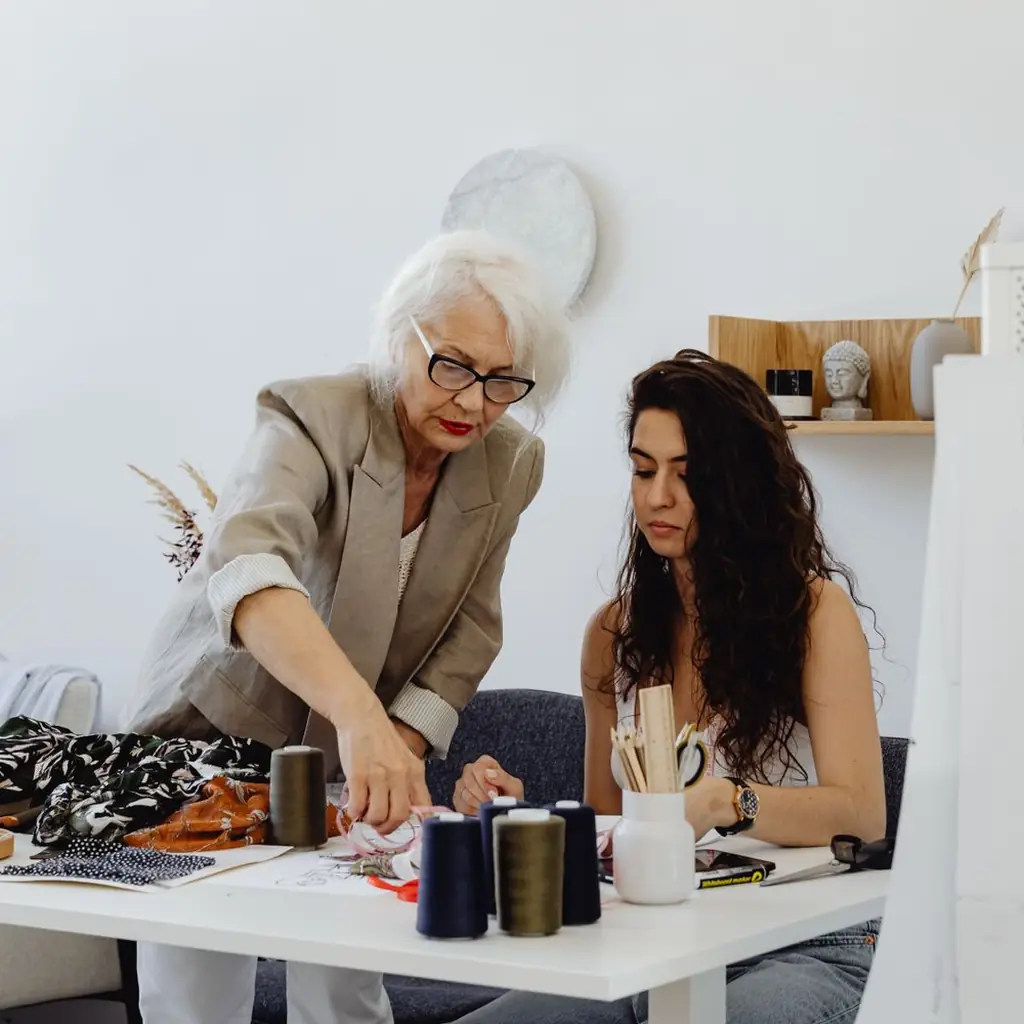
Try making a luggage tag or key holder using the studio’s tools and supplies. You can see whether you like measuring, making holes and working with the material before you price specialized tools.
Ask what size projects fit the tools used in the introduction. If a small item is enough, a periodic class may suit you. Bigger bags and cases ask for a different setup and more room at home.
23. Printmaking with a shared set of tools
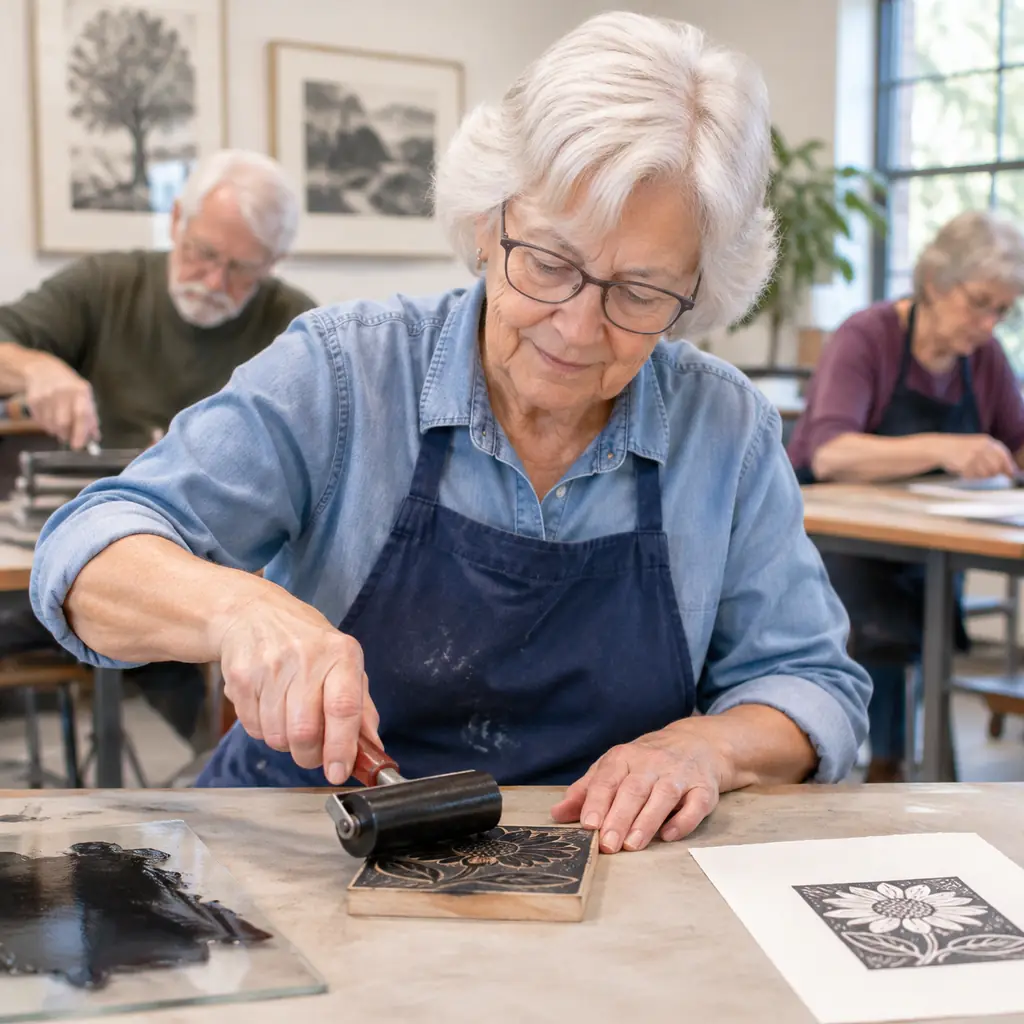
Pick a short class that supplies a block, ink and the tools you need. Fill one sheet with a few versions of the same print and see how much you enjoy carving, inking and cleaning up afterward.
Check how the studio deals with drying time. If the prints must wait overnight, the class may be a simpler place to do the work than a kitchen where you need the counter back for dinner.
24. Snowshoeing on a rental route
Rent snowshoes near a maintained route and ask which section is suitable for beginners that day. Try a short stretch and give yourself enough daylight to return without rushing. Snow and weather can change what the trip feels like.
Pay attention to the fit over your winter boots and how easy the straps are to handle with gloves. For a few outings a year, a reliable rental might make the hobby easier to keep.
25. Small-scale furniture restoration with one piece
Start with a clean, simple piece that needs an obvious repair, such as a loose knob on a small table. Borrow hand tools or use a community repair session. Ask about any existing finish before you scrape or sand it.
Finish and put the piece back into use. Give yourself time to see whether you enjoyed the work, found comfortable space to do it and want to make room for a larger project.
Image credits
- Fishing reel 2025 G1.jpg by George Chernilevsky, CC BY 4.0. Cropped and converted to WebP.
- Rotary Mat, Ruler and Cutters.JPG by CWalley, CC BY-SA 3.0. Cropped and converted to WebP.
- Two people working together at a sewing table by Kaboompics.com, Pexels License. Cropped and converted to WebP.