Family recipes crossed borders and changed after they reached American kitchens. These regional favorites include both foods carried by immigrants and dishes their communities developed here, with grandmothers among the people who kept them in regular use.
1. Goetta in Cincinnati and Northern Kentucky
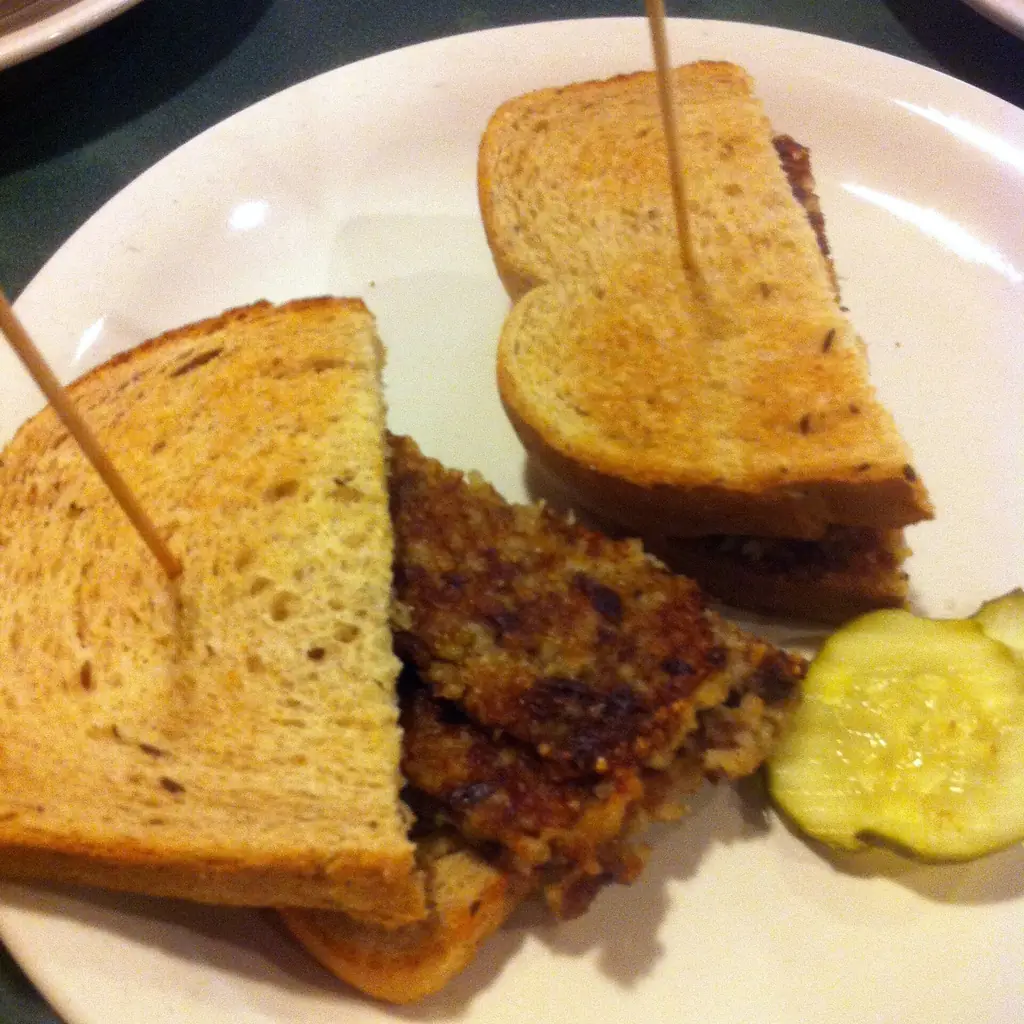
Goetta combines meat with steel-cut oats, then becomes especially appealing when a slice browns in a pan. The crisp outside contrasts with a softer center.
Its roots lie in the grain-and-meat traditions of German immigrants in the Cincinnati area. Calling it an ordinary breakfast food throughout Germany would miss its regional American identity.
The familiar ingredients also show how a practical household food could become something a whole city celebrates.
2. Pasties in Michigan’s Upper Peninsula
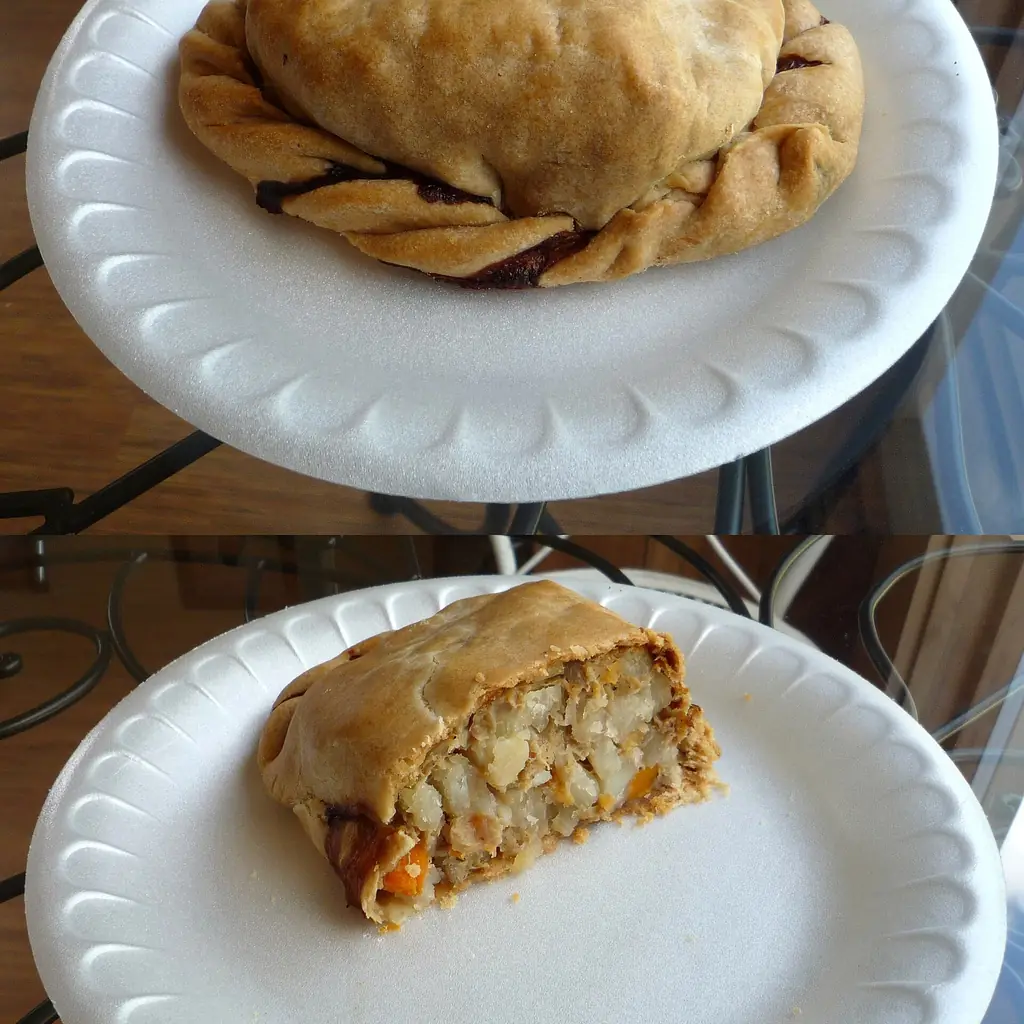
A pasty's pastry enclosed a filling that could be carried and eaten as a meal. Cornish miners brought the form to Michigan's Copper Country during nineteenth-century immigration.
Other families and communities made it part of their own local food culture. The dish did not remain the property of one ancestry.
The crimped parcel still makes its original practical appeal easy to understand, even when bought from a present-day bakery.
3. Booyah in northeastern Wisconsin
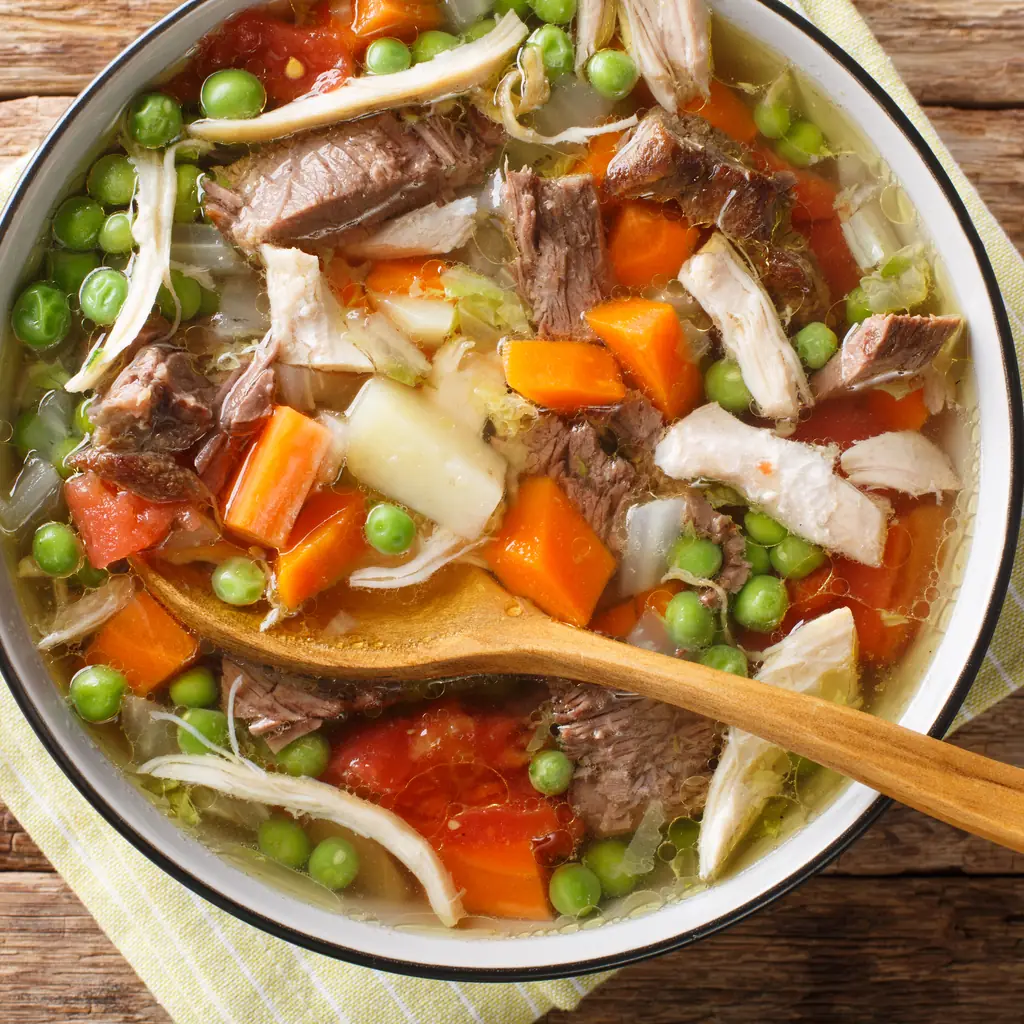
Booyah belongs to large kettles, community gatherings, and a thick mixture of meat and vegetables. Belgian-American communities helped make it a distinctive local tradition.
It should not be described as a recipe that arrived unchanged from Belgium. Researchers have cautioned that the American dish developed within that immigrant community.
The Belgian Heritage Center continues serving it, showing how a gathering can preserve a food as effectively as a family recipe card.
4. Kringle in Racine, Wisconsin
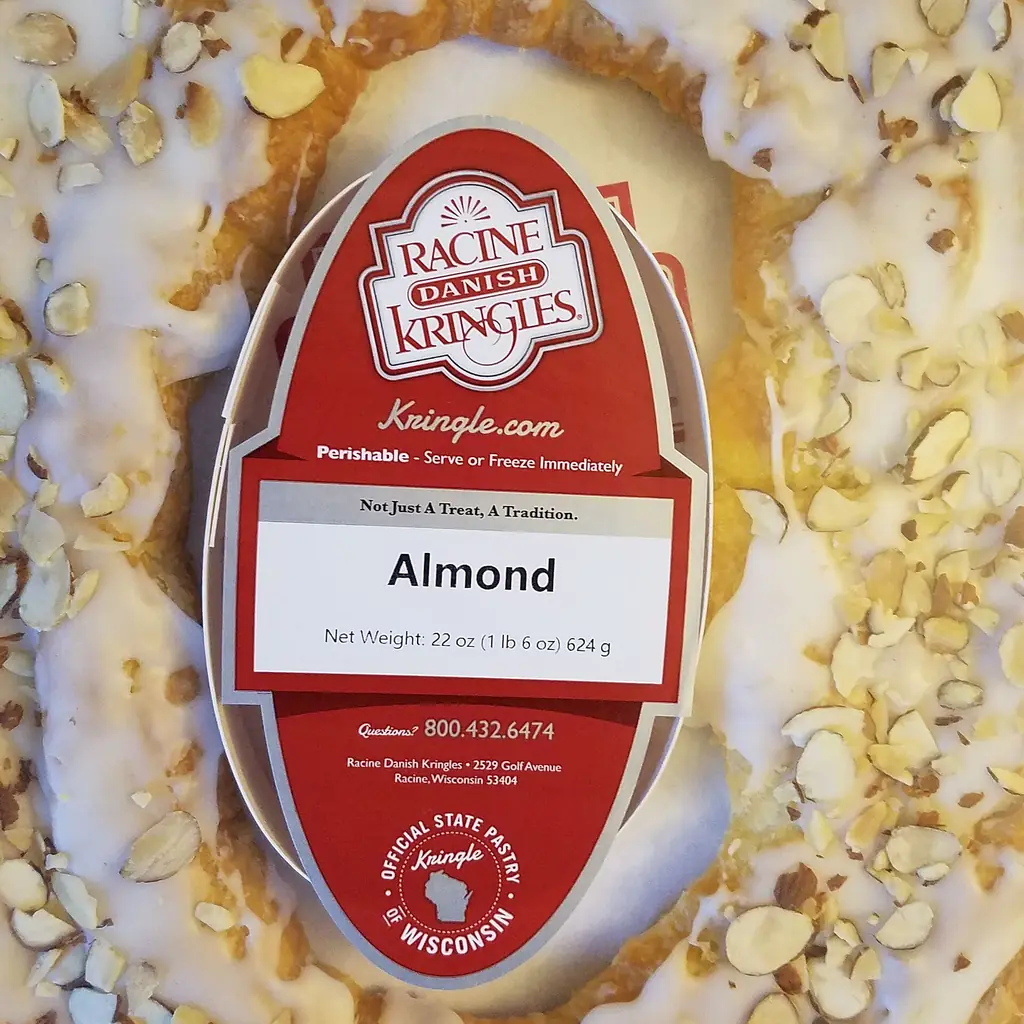
Racine's kringle carries a Danish baking tradition into a particularly recognizable oval pastry. The layers and filling give a slice more structure than a simple sweet roll.
Local bakeries offer different fruit and nut versions. Family favorites often depend on the filling as much as the bakery.
Its regional identity grew through both home tables and professional bakers, rather than one single grandmother inventing the American version.
5. Pączki around Detroit and Hamtramck
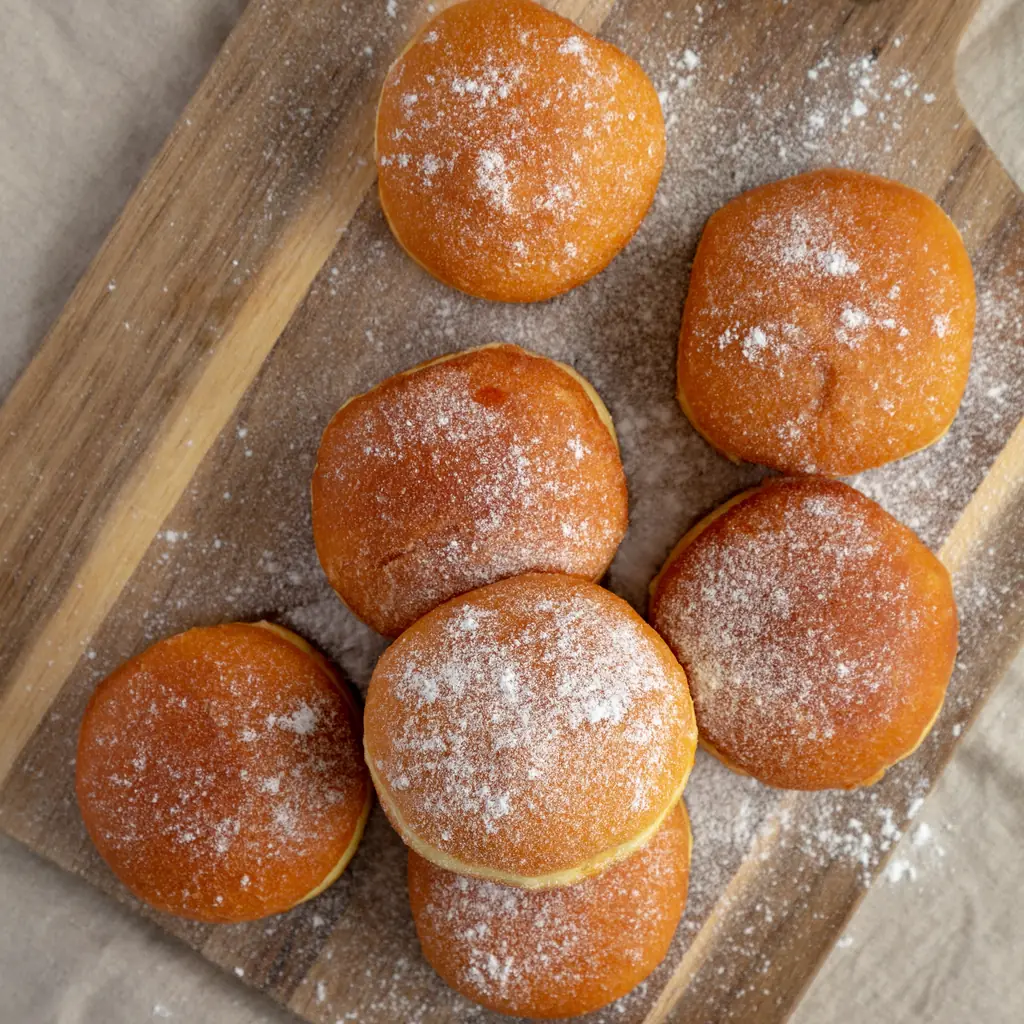
Pączki brought a rich filled doughnut into Michigan's Polish-American food calendar. The familiar Fat Tuesday rush is part of the local adaptation; Polish tradition also has a strong Fat Thursday association.
The filling might be fruit, custard, or another bakery specialty.
The regional celebration makes the pastry recognizable well beyond families with Polish roots, while keeping a visible connection to the community that helped establish it.
6. Sweet kolaches in Czech Texas
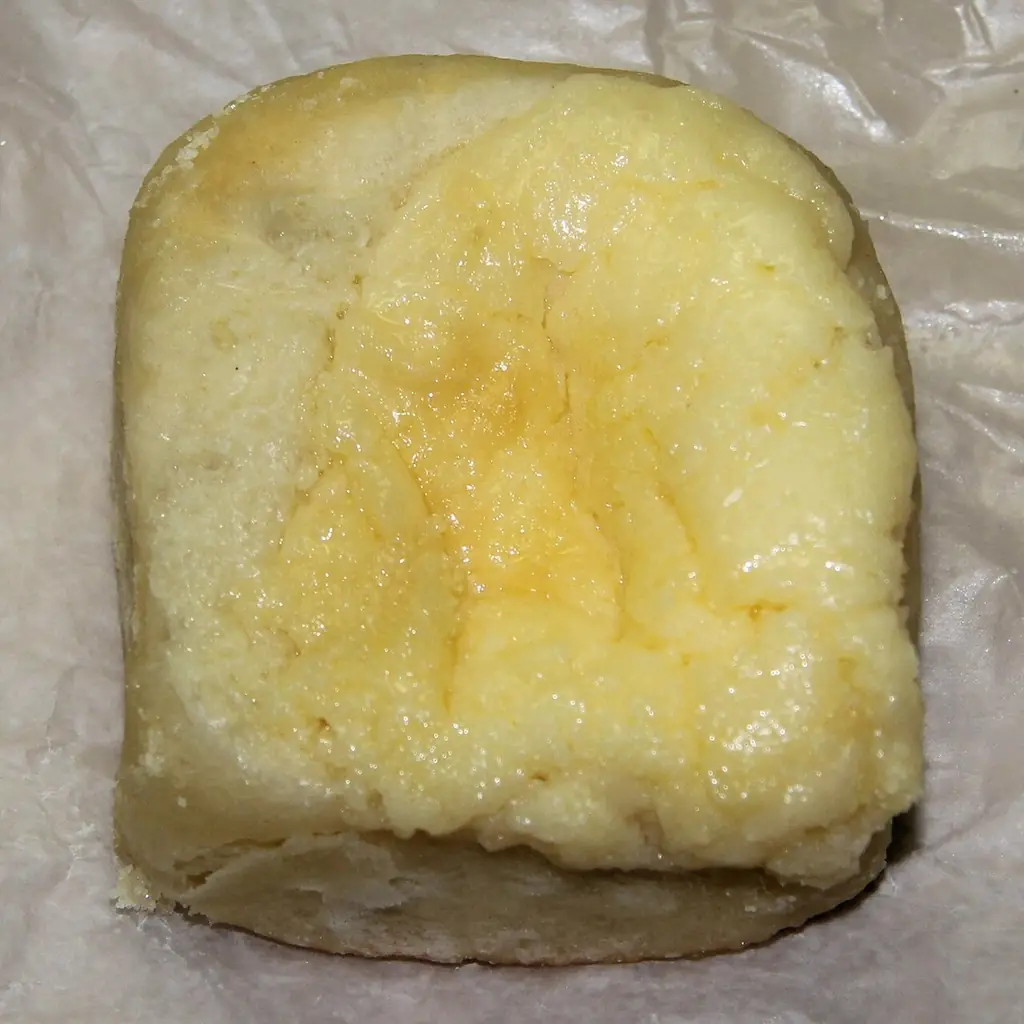
A soft round of dough with a sweet center connects Texas with Czech immigrant baking. Fruit, poppy-seed, and cheese fillings give the pastry several familiar forms.
The sweet kolache deserves distinguishing from the sausage-filled klobasnek, even where everyday shop language calls both a kolache.
The 1982 Smithsonian Folklife Festival program recorded Czech-American food traditions, documenting a living culture rather than a food that had vanished.
7. Bierocks in Kansas
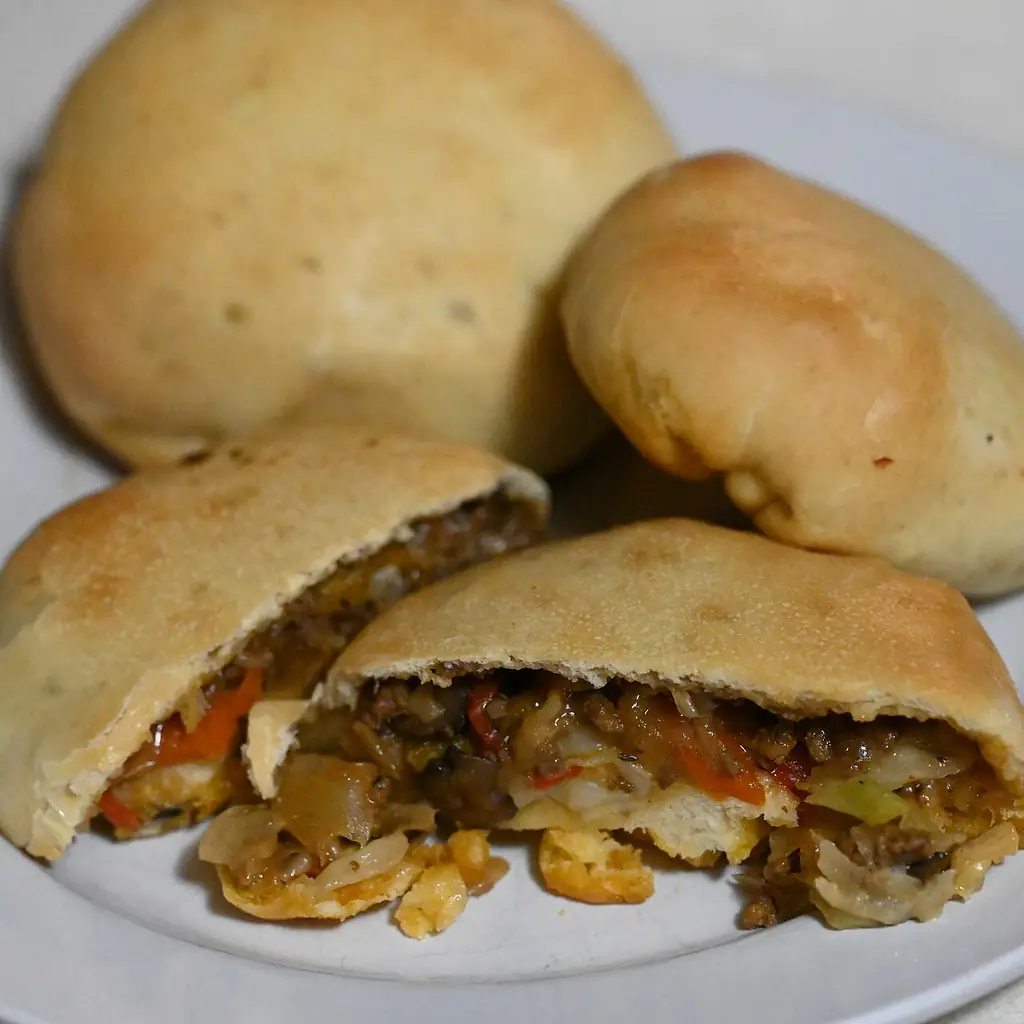
Bread wrapped around a savory filling made the bierock a substantial food to hold in the hand. Meat, cabbage, and onion are familiar parts of the form.
Kansas's German-from-Russia history helps explain the cultural route, which was more complicated than a direct journey from modern Germany.
Like the dishes in older family leftover cooking, the filling made familiar ingredients work together in a useful new shape.
8. Runzas in Nebraska
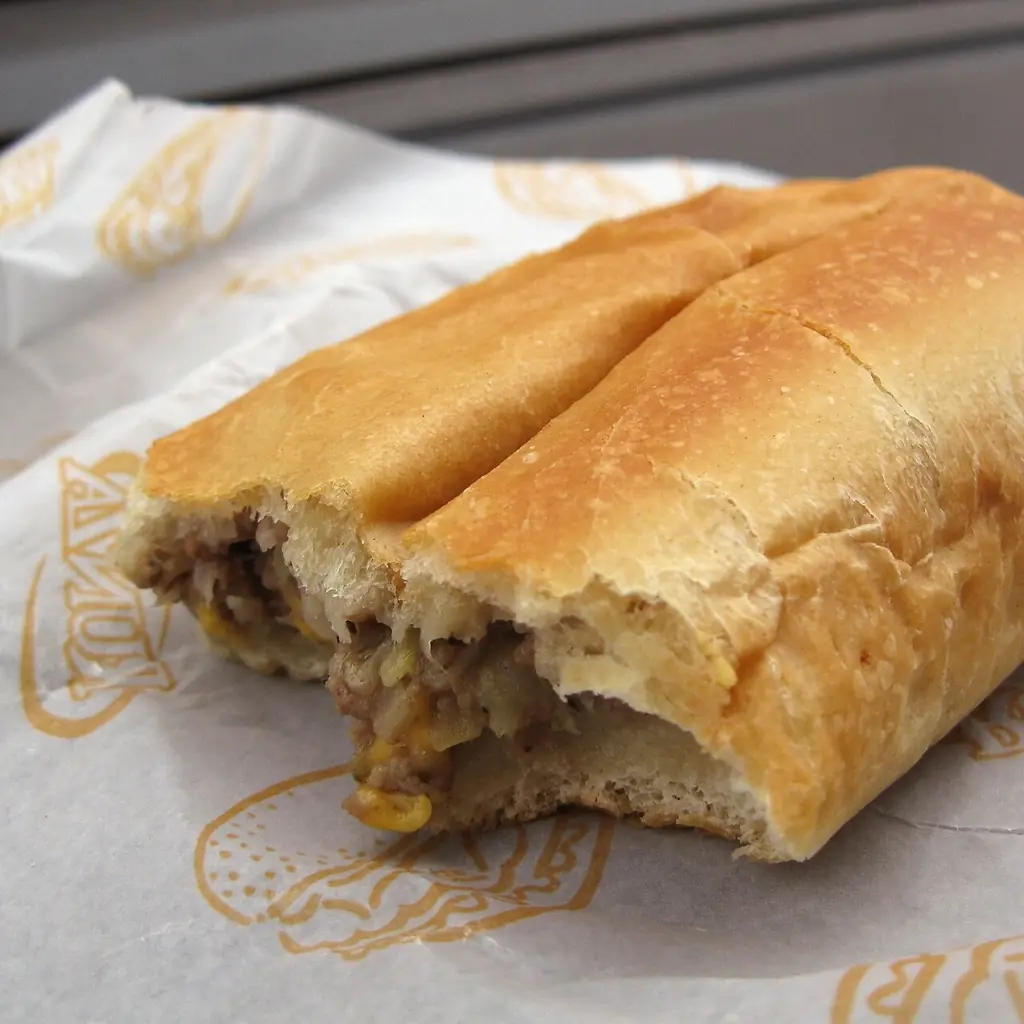
Nebraska's stuffed bread sandwich belongs to the related German-from-Russia food tradition. Meat and cabbage inside dough made it easy to carry the whole combination together.
The restaurant brand helped spread one recognizable version, but the larger food history reaches into family and community kitchens.
Its American story illustrates adaptation: a food can preserve an immigrant connection while acquiring a very specific identity in a new place.
9. Pierogi in Pittsburgh
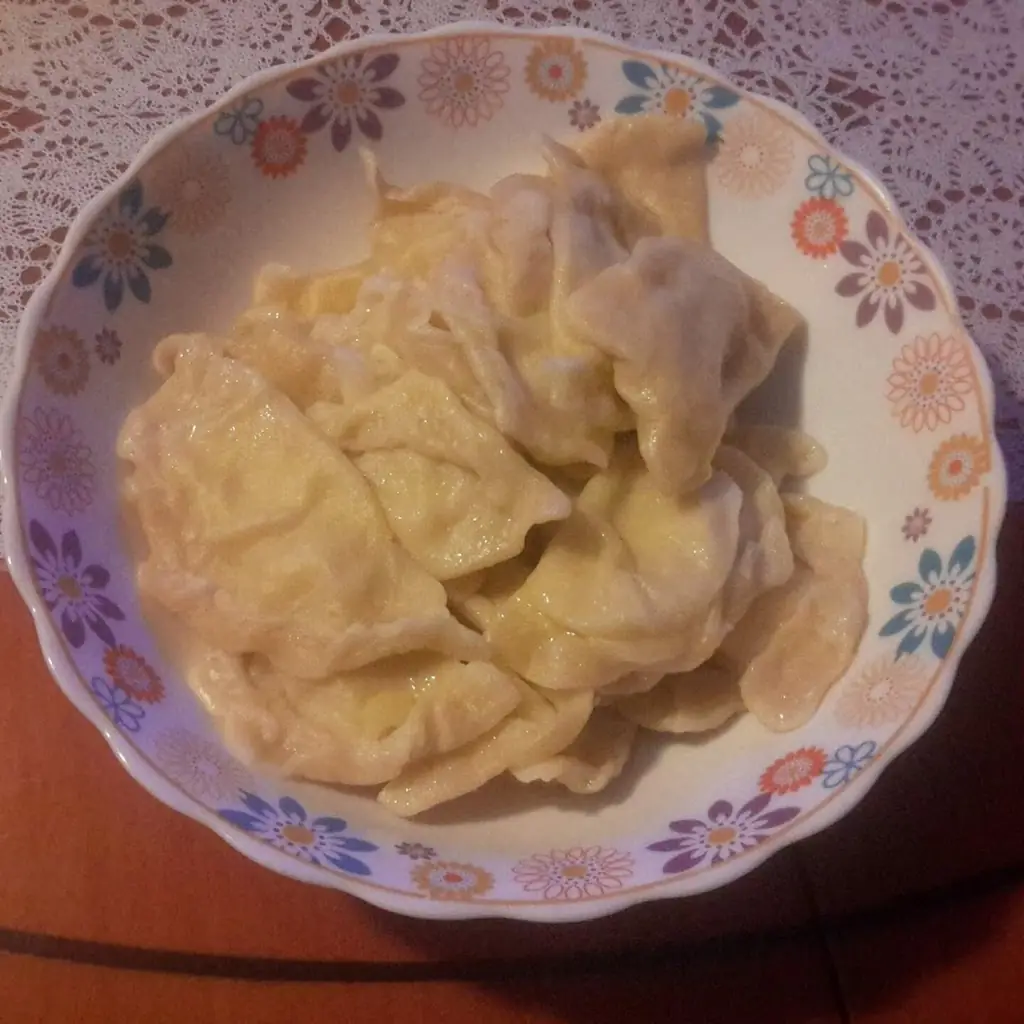
A filled dumpling gives a cook room for many preferences, including potato and cheese or other savory fillings. Pierogi became especially visible in Pittsburgh's Eastern European communities.
Folding and sealing a batch made the preparation a repeated task, often with several hands working together.
That practical work recalls the specialized utensils in a grandmother's kitchen drawer, where shape and repetition often explained a tool's purpose.
10. Haluski in western Pennsylvania
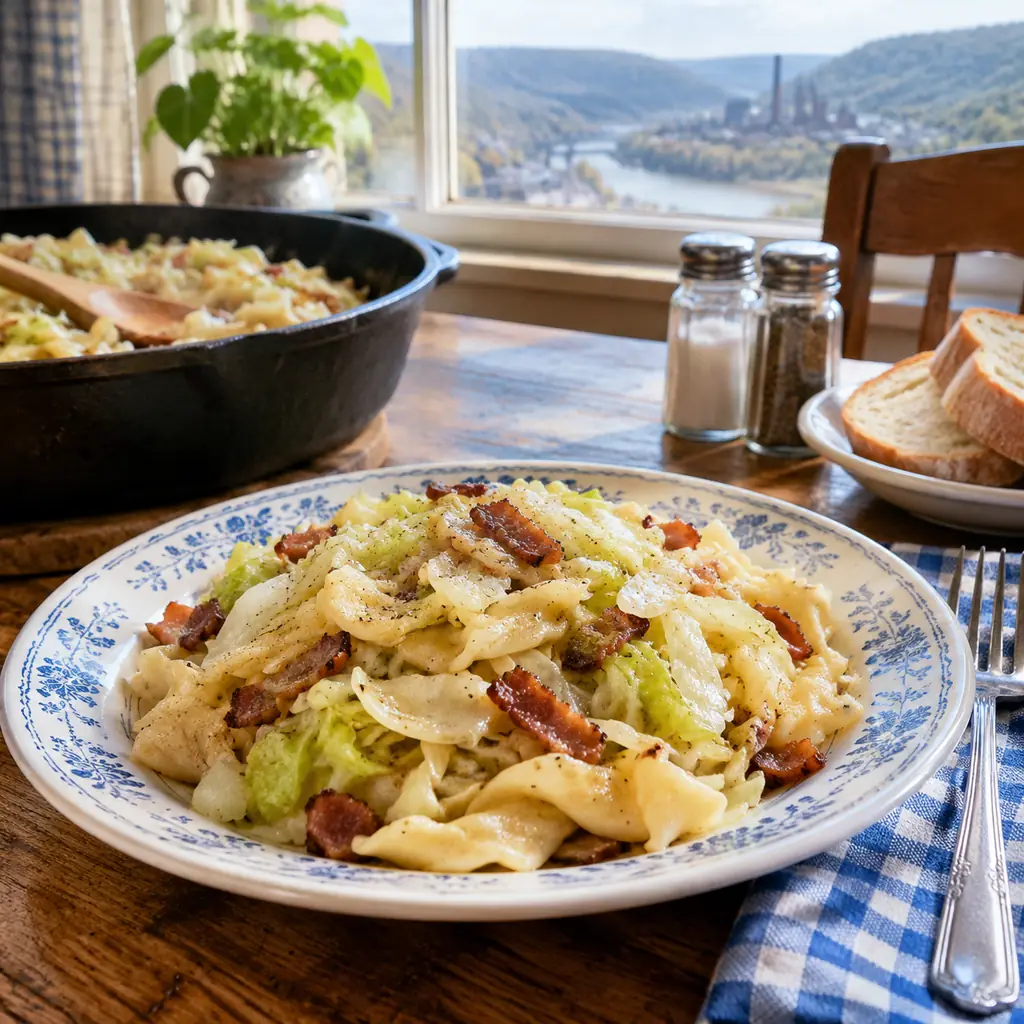
In the Pittsburgh region, haluski commonly brings noodles together with cabbage and onion. Its straightforward appearance does not make the food less connected to family preference.
The name and preparation vary across Central and Eastern European traditions, so one local plate should not stand for all of them.
A familiar bowl could be served at home or a community gathering, carrying its history through repeated meals rather than formal ceremony.
11. Scrapple in Pennsylvania Dutch country
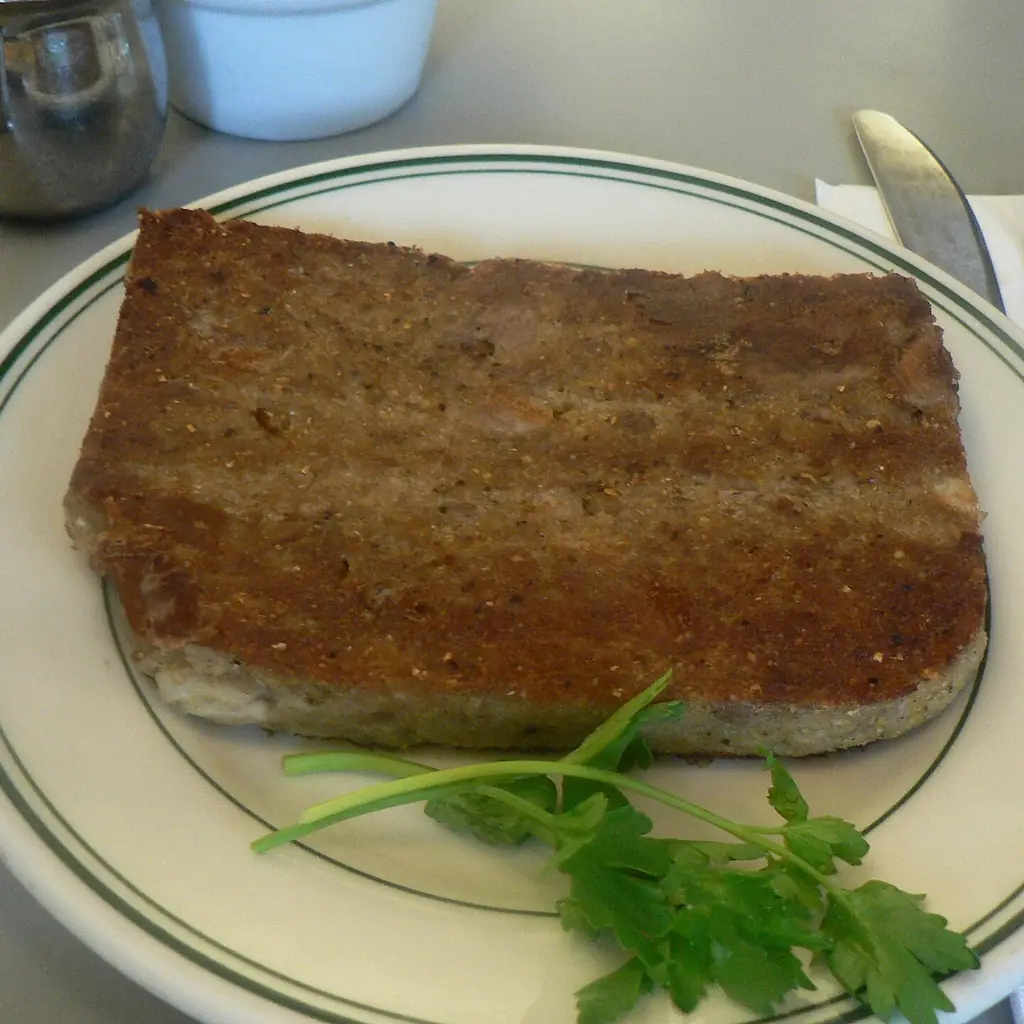
Scrapple turns a meat-and-grain mixture into a loaf that can be sliced and fried. A browned surface and a softer interior are central to its appeal.
The Pennsylvania Dutch connection is German-speaking, not a reference to the Netherlands. Local recipes and accompaniments still differ.
Its pantry grains and careful use of meat fit naturally beside the familiar ingredients in older American kitchen cupboards.
12. Pepperoni rolls in West Virginia
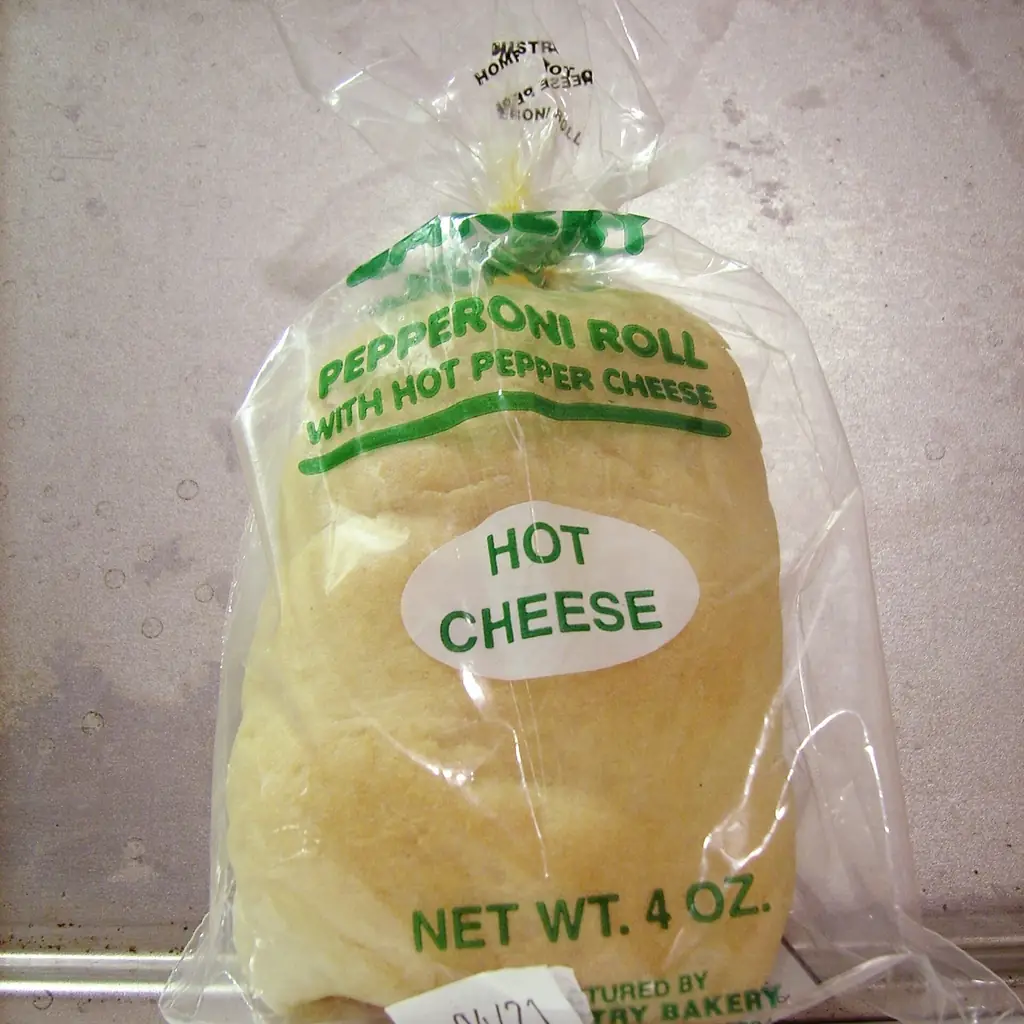
A pepperoni roll puts the cured meat inside soft bread, allowing some of its flavorful fat to move into the dough during baking.
This is an Italian-American West Virginia development, not a claim that the finished roll came from Italy. Joseph Argiro of Fairmont is credited with creating the bakery version in 1927.
Its connection with coal-mining communities helps explain why a portable bread-and-meat meal became such a strong regional marker.
13. Lefse in Minnesota
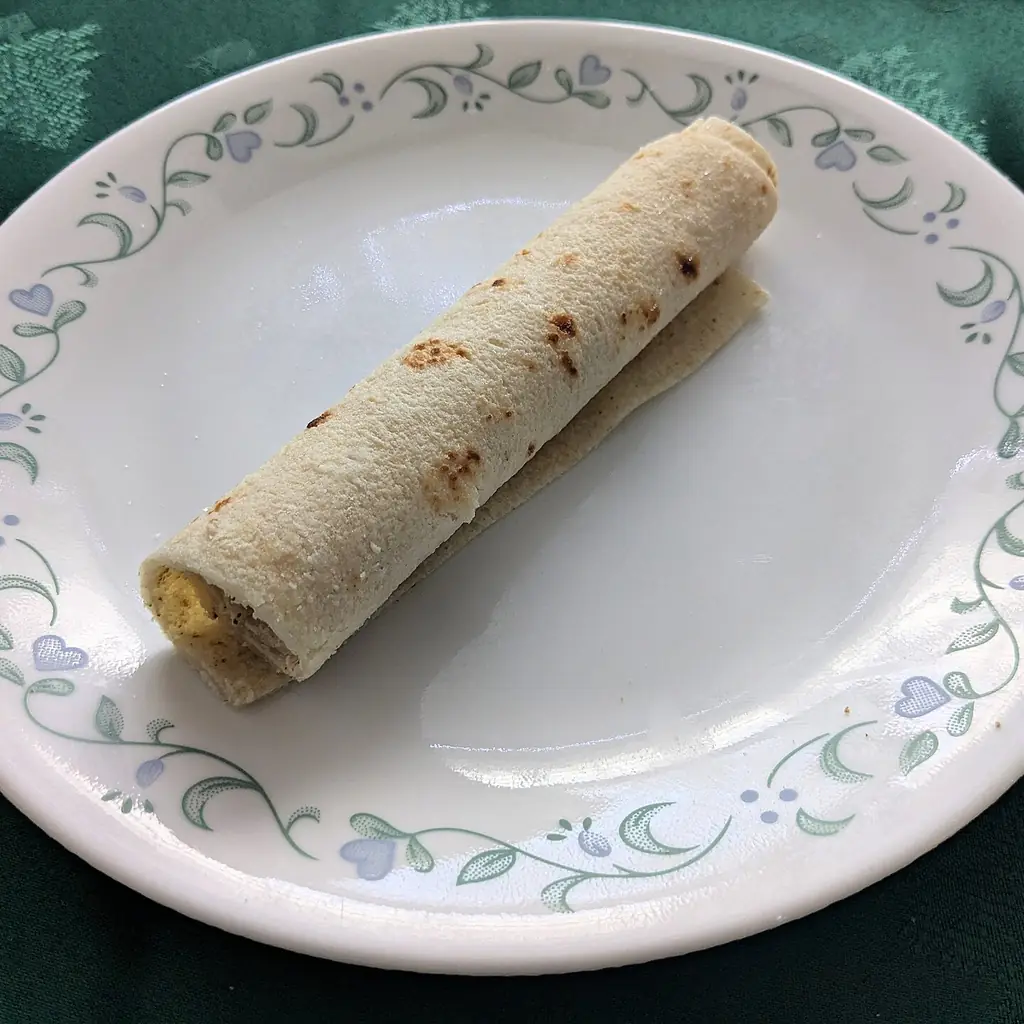
Thin, soft lefse can be rolled or folded around a filling, or served simply with familiar accompaniments. Minnesota's Nordic heritage helped give it a lasting place at local tables.
Families can disagree about thickness, preparation, and what belongs on top.
Those differences are part of how a tradition survives, much as the same named treat can take different forms among family Christmas cookies and candies.
14. Lutefisk at Upper Midwest gatherings
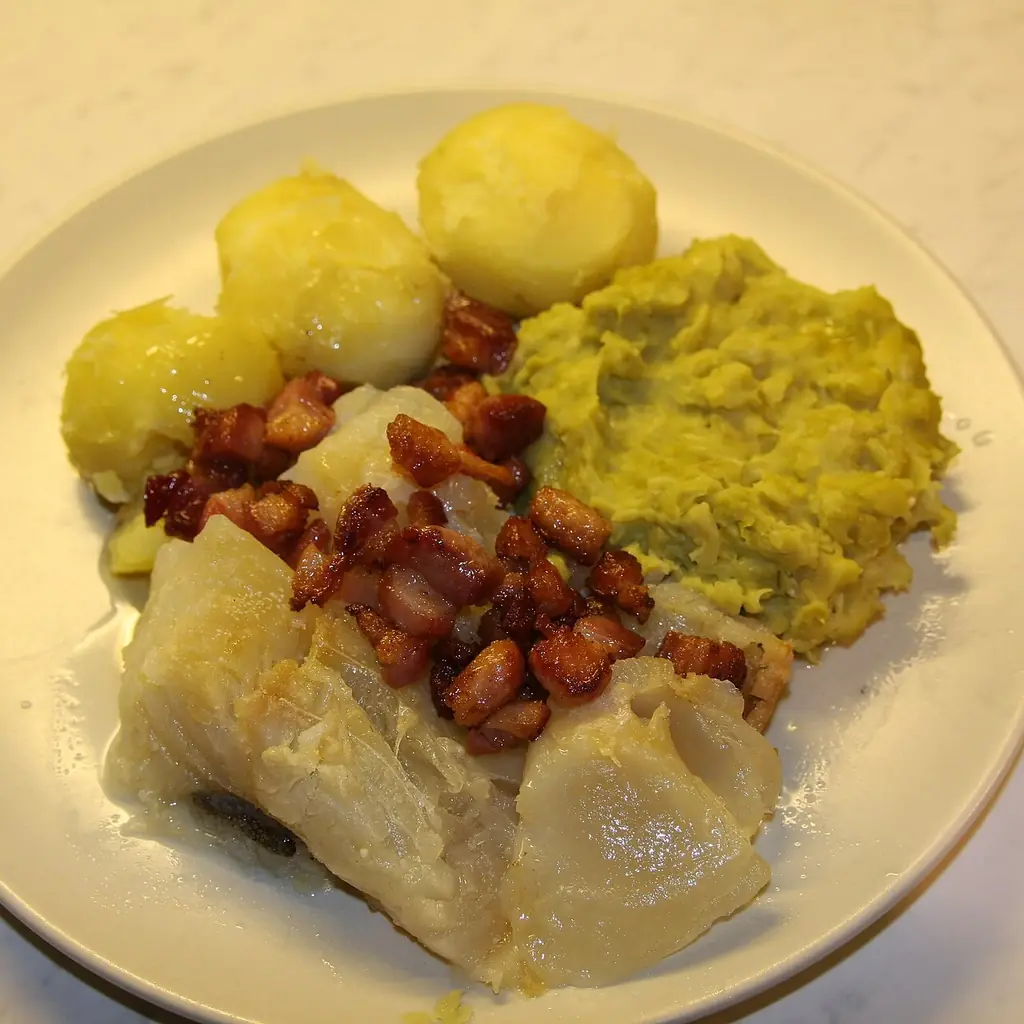
Lutefisk begins with dried fish that has undergone a particular preservation and preparation process. It became part of Nordic-American holiday and community dining traditions.
The texture can be a more important point of discussion than the name alone suggests.
Minnesota's church dinners keep the dish visible, including for people who prefer the accompaniments. Preserving a tradition does not require every member of the family to enjoy every part of the plate.
15. Swedish meatballs in Minnesota
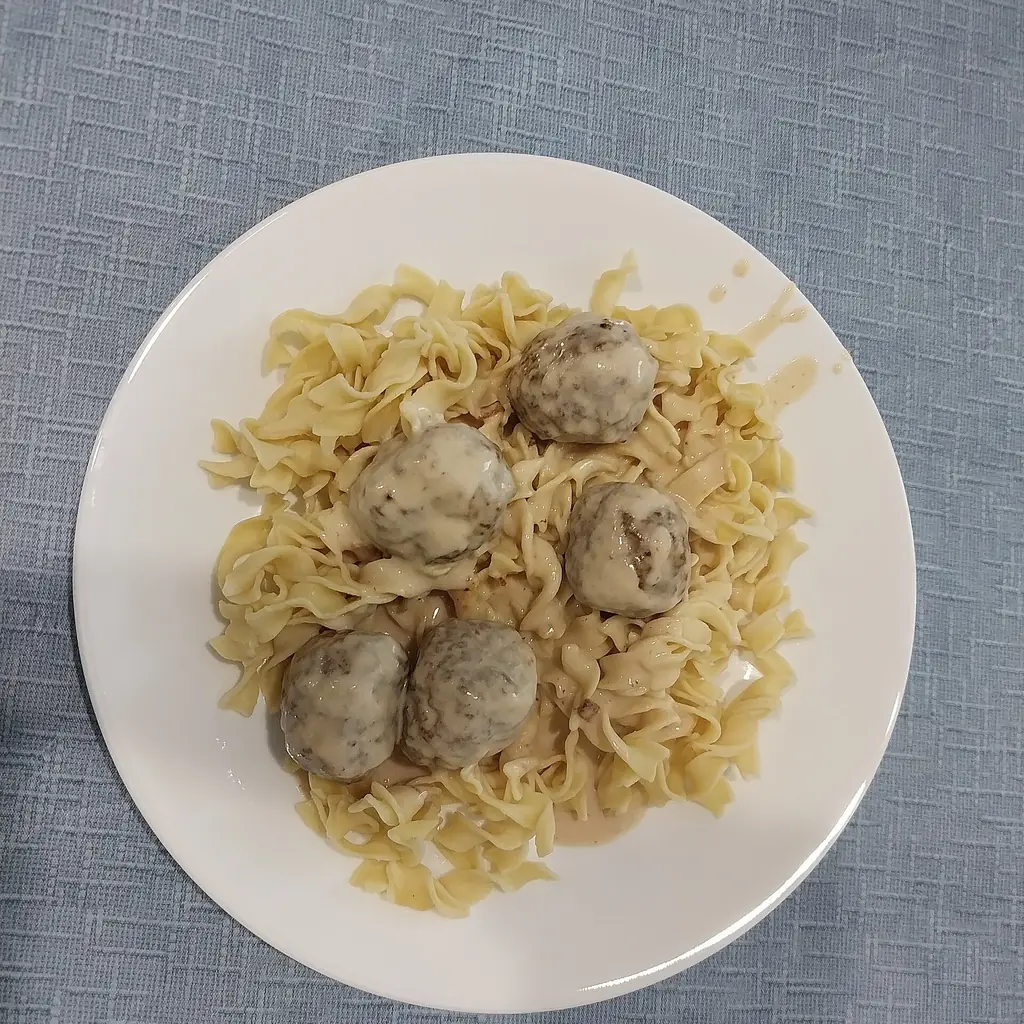
Small meatballs with suitable sauce and accompaniments supplied a recognizable Swedish-American meal. Their size required patient shaping before the cooking began.
Family recipes differed in seasoning and the meat mixture. A single restaurant version does not define all the home preparations.
The dish could move easily from a family supper to a buffet, including the kind of spread remembered from 1970s entertaining.
16. Potica on Minnesota’s Iron Range
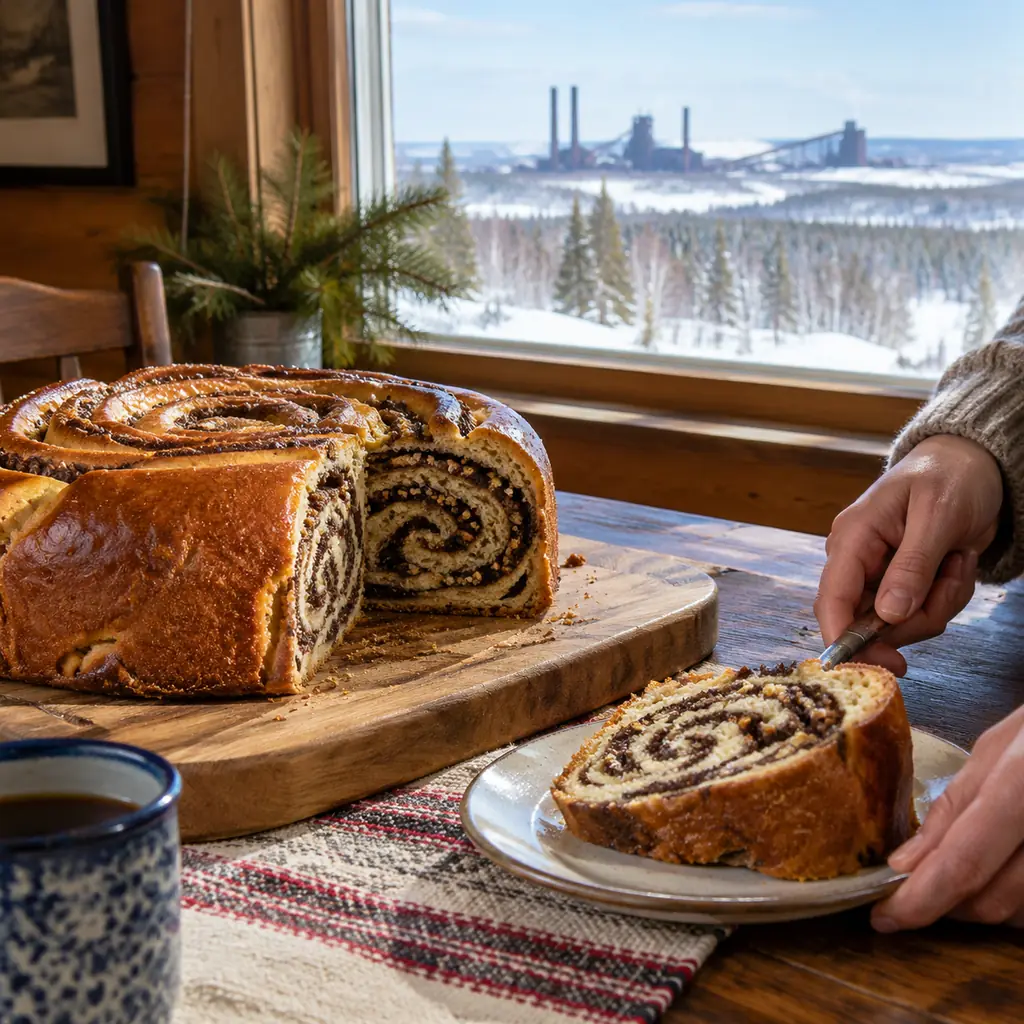
Potica reveals its filling in a spiral when the loaf is sliced. The rolled sweet bread became associated with Iron Range foodways through Eastern European immigrant communities.
A nut filling is familiar, although the exact composition and thickness vary. Rolling the dough carefully helps create that distinctive cut surface.
Local bakers continue making the bread, so the tradition is available beyond the households that first carried it into the region.
17. Kuchen in South Dakota
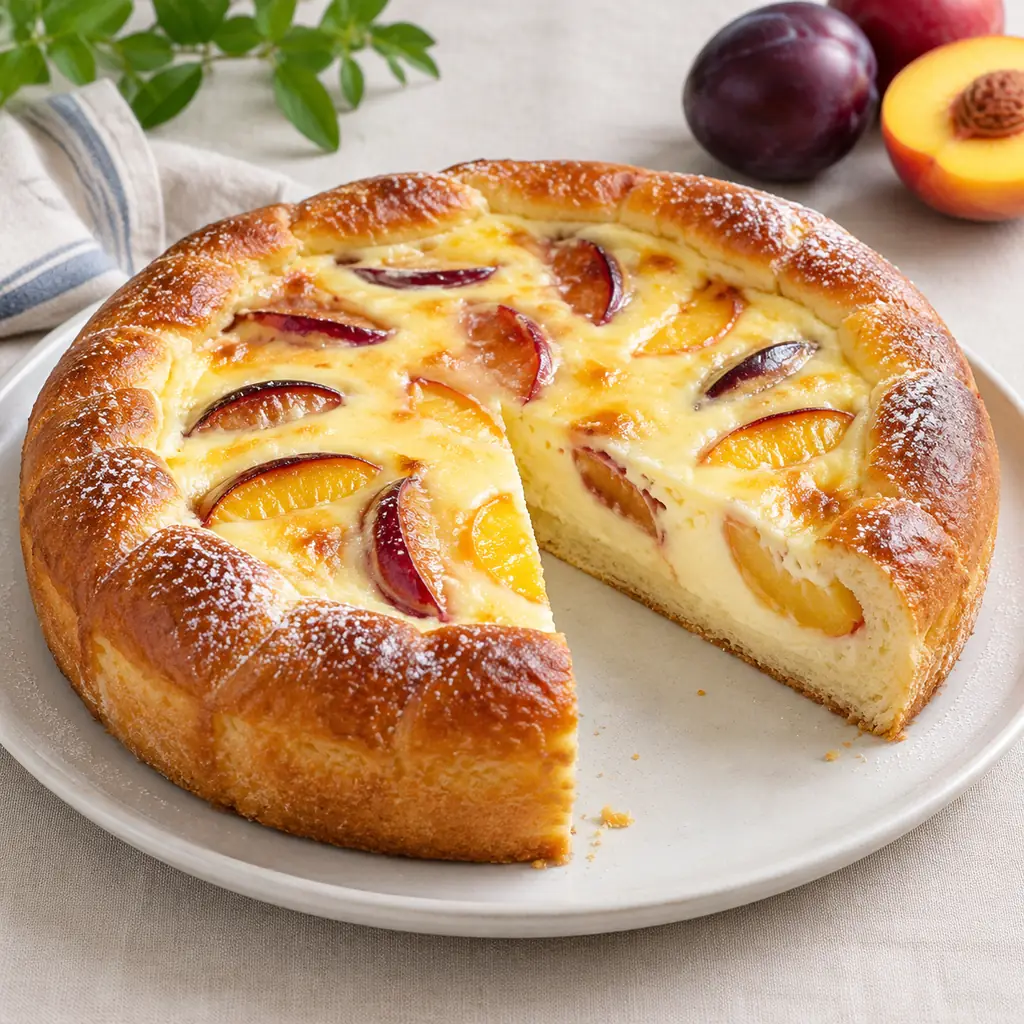
Kuchen means cake in German, but the word can identify a particularly familiar fruit-and-custard-topped form in South Dakota. The state's German-Russian communities helped establish that food tradition.
A local recipe is more specific than the broad word alone.
Baking and serving it connected heritage with the practical kitchen routines described in an older household's week, where a planned baking day could supply several occasions.
18. Malasadas in Hawaiʻi
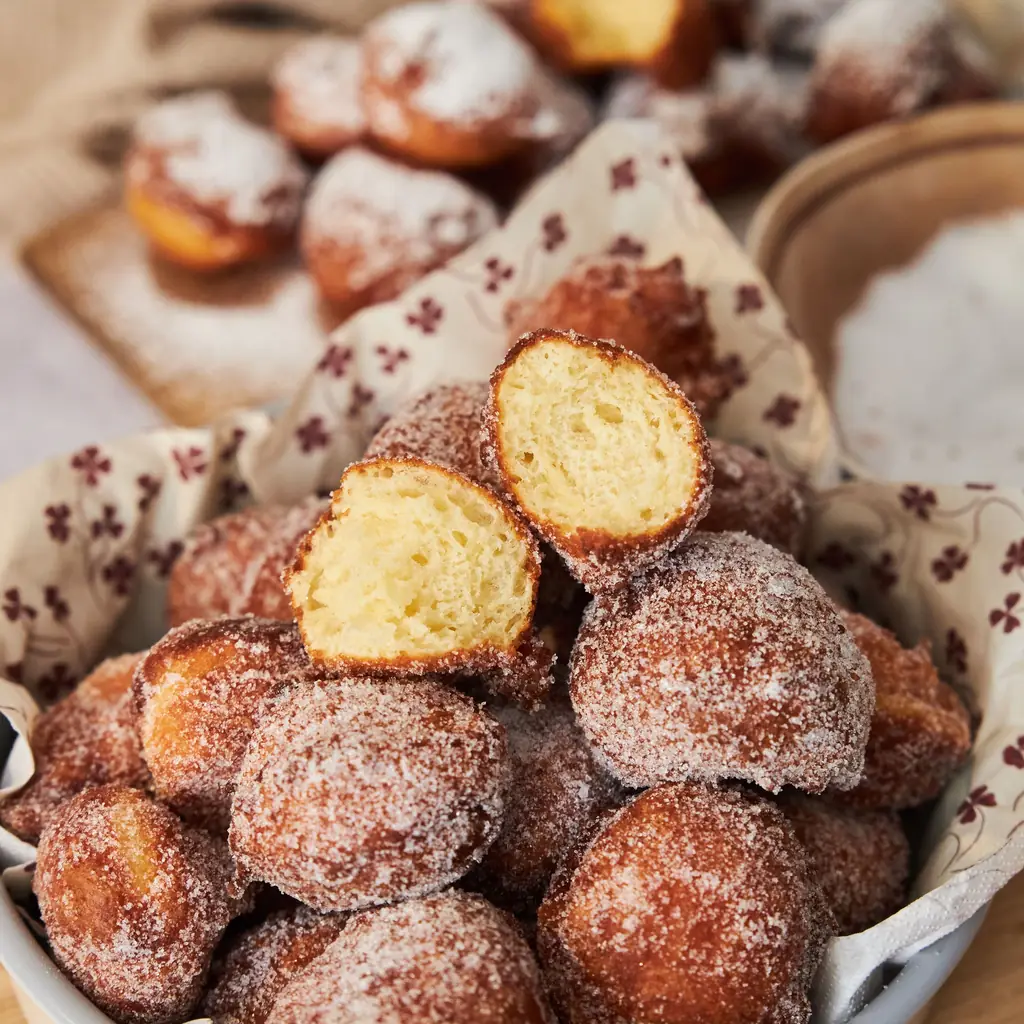
A sugar-coated malasada offers fried dough without the central hole of a familiar ring doughnut. Portuguese immigrant traditions helped establish it in Hawaiʻi, where it acquired a broader local following.
Present-day versions include different fillings and finishes. Those choices are part of the food's development, not proof that one household's memory is wrong.
PBS Hawaiʻi's bakery and community interviews document the connection between the Portuguese sweet and its Hawaiian life.
19. Pizzelle in Italian-American communities
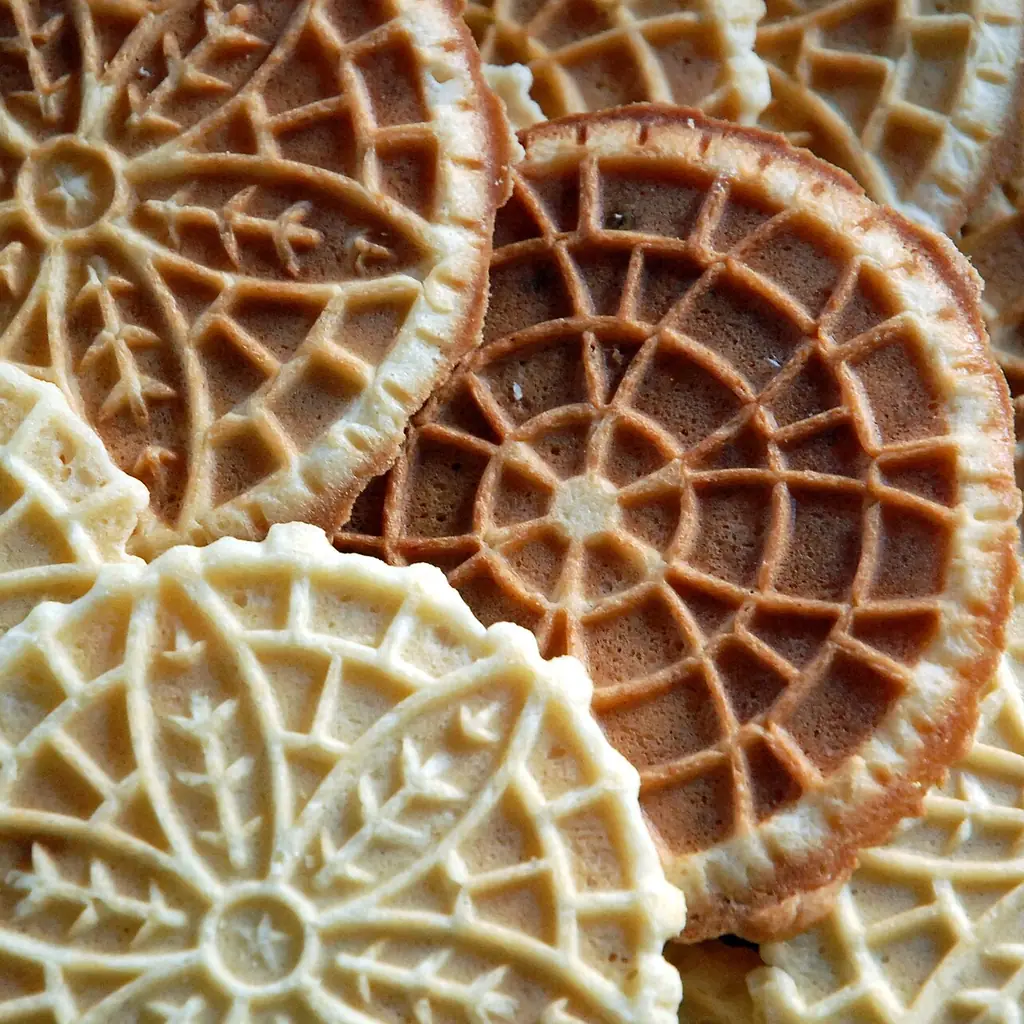
The patterned round emerged from an iron rather than a conventional cookie tray. Anise and vanilla versions gave families different ideas of what a holiday pizzella should taste like.
King Arthur's account places the cookies in an Italian-American holiday setting around Boston.
A family could bring them to someone else's house, joining the wider social world around visitors arriving at the front door.
20. Krumkake in Norwegian-American kitchens
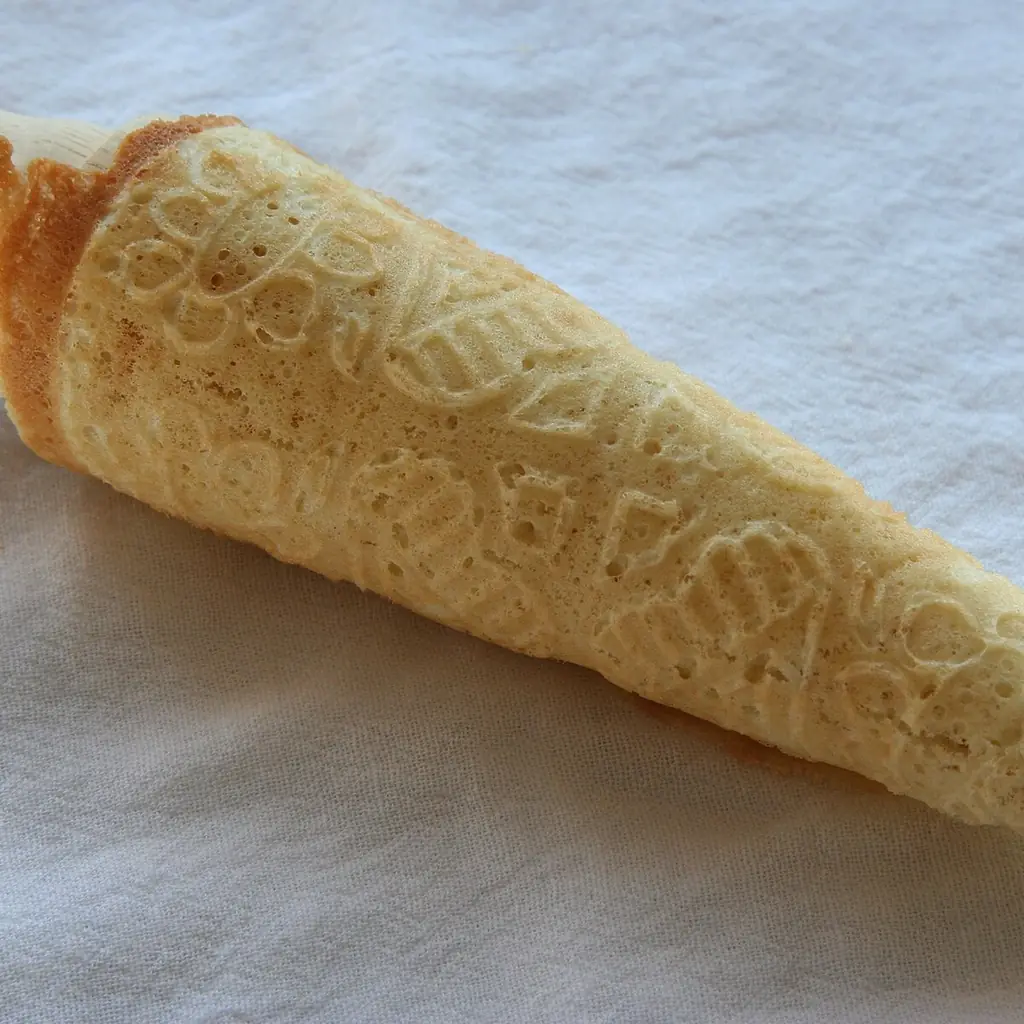
A thin cookie became a cone while it was still warm enough to bend. The patterned iron and rolling form helped produce the recognizable shape.
Norwegian-American holiday baking kept this kind of special equipment in use even when it stayed in a cupboard for much of the year.
The repeated shaping made the preparation itself memorable. A recipe could preserve not only a flavor but a particular way of spending time together.
Sources and further reading
- Visit Cincy: Gotta Get Some Goetta
- Visit Keweenaw: Pasty Trail
- Wisconsin Academy: Booyah
- Belgian Heritage Center: Booyah to Go
- Travel Wisconsin: Kringle
- Pure Michigan: History of Pączki
- Texas State Historical Association: Czechs
- Smithsonian Festival of American Folklife, 1982 program
- Kansas Historical Society: Germans from Russia in Kansas
- Kansas Tourism: CB Baked Goods
- Nebraska Tourism: Group Tour Planner, 2019
- Visit Pittsburgh: Foods Pittsburgh Is Known For
- Pennsylvania Historical and Museum Commission: Pon Hau and Scrapple
- West Virginia Humanities Council: Pepperoni Rolls
- Explore Minnesota: Most Iconic Dishes
- Explore Minnesota: Nordic Culture
- Minnesota Historical Society: Minnesota Unraveled transcript
- Pep’s Bake Shop, Virginia, Minnesota
- South Dakota: Eureka Kuchen Factory
- PBS Hawaiʻi: How the Portuguese Malasada Took Over Hawaiʻi
- King Arthur: Classic Pizzelle
- Nordic Ware: Krumkake and Pizzelle Iron Instructions
Image credits
- Goetta at Price Hill Chili - Cincinnati, Ohio.jpg by David Berkowitz from New York, NY, USA; CC BY 2.0. Cropped to a square, resized and converted to WebP. No subject details altered.
- 20201106 151249Almondkringle.jpg by Staticshakedown; CC BY-SA 4.0. Cropped to a square, resized and converted to WebP. No subject details altered.
- Bierrock.jpg by BreMHK; CC BY-SA 4.0. Cropped to a square, resized and converted to WebP. No subject details altered.
- Rolled lefse.jpg by Funknendai; CC0. Cropped to a square, resized and converted to WebP. No subject details altered.
- Pizzelle in a loose stack, April 2010.jpg by Steve Snodgrass; CC BY 2.0. Cropped to a square, resized and converted to WebP. No subject details altered.
- Traditional Yooper pasty, Munising, Michigan, June 2009.jpg by Bobak Ha'Eri; CC BY 3.0. Cropped or fitted to a square, resized and converted to WebP. No subject details altered.
- Texas kolache cream cheese little czech.jpg by Larry D. Moore; CC BY 4.0. Cropped or fitted to a square, resized and converted to WebP. No subject details altered.
- Runza 01.jpg by rayb777; CC BY 2.0. Cropped or fitted to a square, resized and converted to WebP. No subject details altered.
- Polish pierogi in a dish.jpg by Piotrus; CC BY-SA 4.0. Cropped or fitted to a square, resized and converted to WebP. No subject details altered.
- Plate of scrapple.jpg by Stu Spivack; CC BY-SA 2.0. Cropped or fitted to a square, resized and converted to WebP. No subject details altered.
- PepperoniRoll.jpg by Marcnelsonjr at English Wikipedia; Public domain. Cropped or fitted to a square, resized and converted to WebP. No subject details altered.
- Lutefisk Vines.JPG by Jarvin Jarle Vines; CC BY-SA 3.0. Cropped or fitted to a square, resized and converted to WebP. No subject details altered.
- Swedish meatballs with egg noodles.jpg by RandomKatze; CC0. Cropped or fitted to a square, resized and converted to WebP. No subject details altered.
- Krumkake.jpg by Jonathunder; CC BY-SA 3.0. Cropped or fitted to a square, resized and converted to WebP. No subject details altered.