A family garden could supply tonight's vegetable, ingredients for later meals, and a tart stalk worth waiting for each spring. The crops below earned their places in American kitchen gardens for different reasons, depending on the region and the household.
1. Potatoes put much of the harvest out of sight
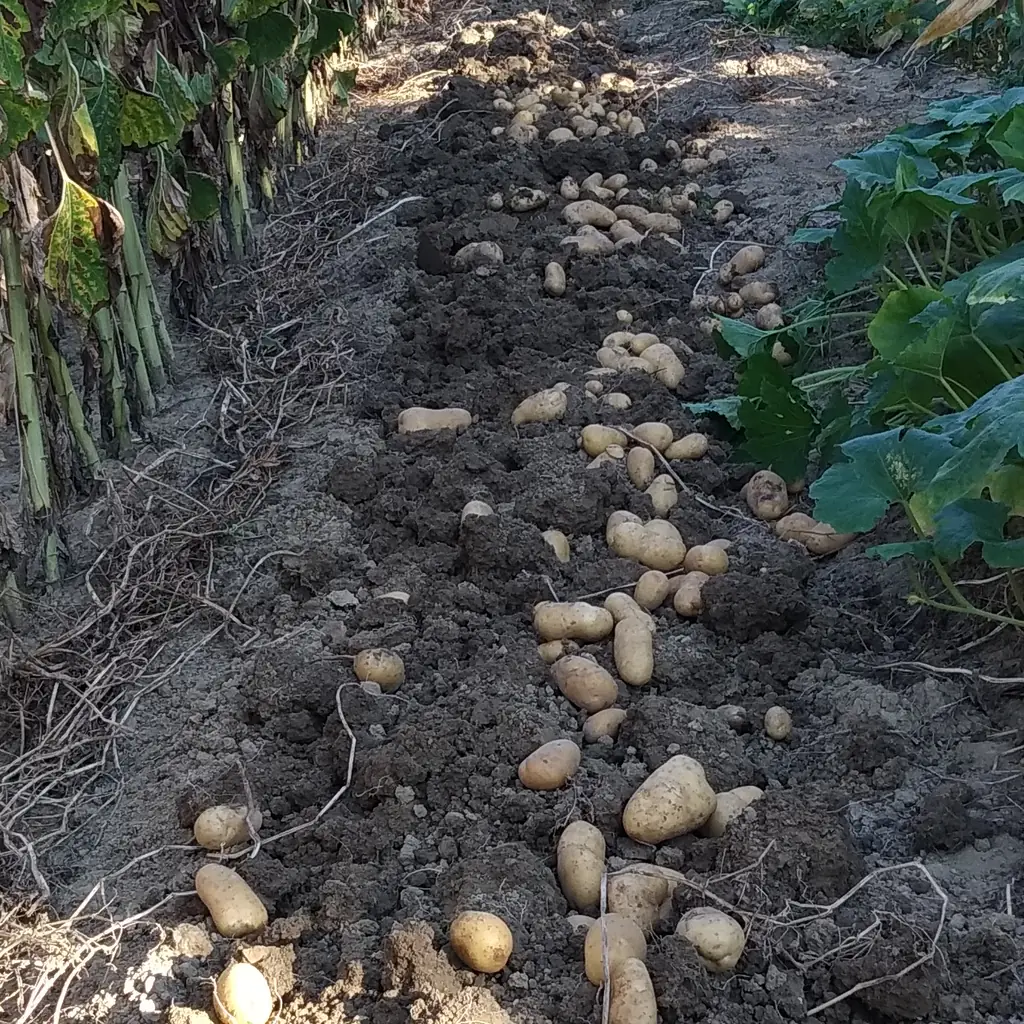
The food in a potato row develops below ground. The tubers are swollen underground stems, so the leafy growth above them shows only part of what the plant has been doing.
Digging turns that hidden crop into something visible: potatoes of different sizes, gathered from the same stretch of soil. Sorting them was another job between the garden and the kitchen.
Their value continued at the table. Boiled potatoes, mash, soup, and fried potato dishes could draw on the same crop, giving a household several ways to use a familiar staple as the meals changed.
2. A bean row could be intended for a later season
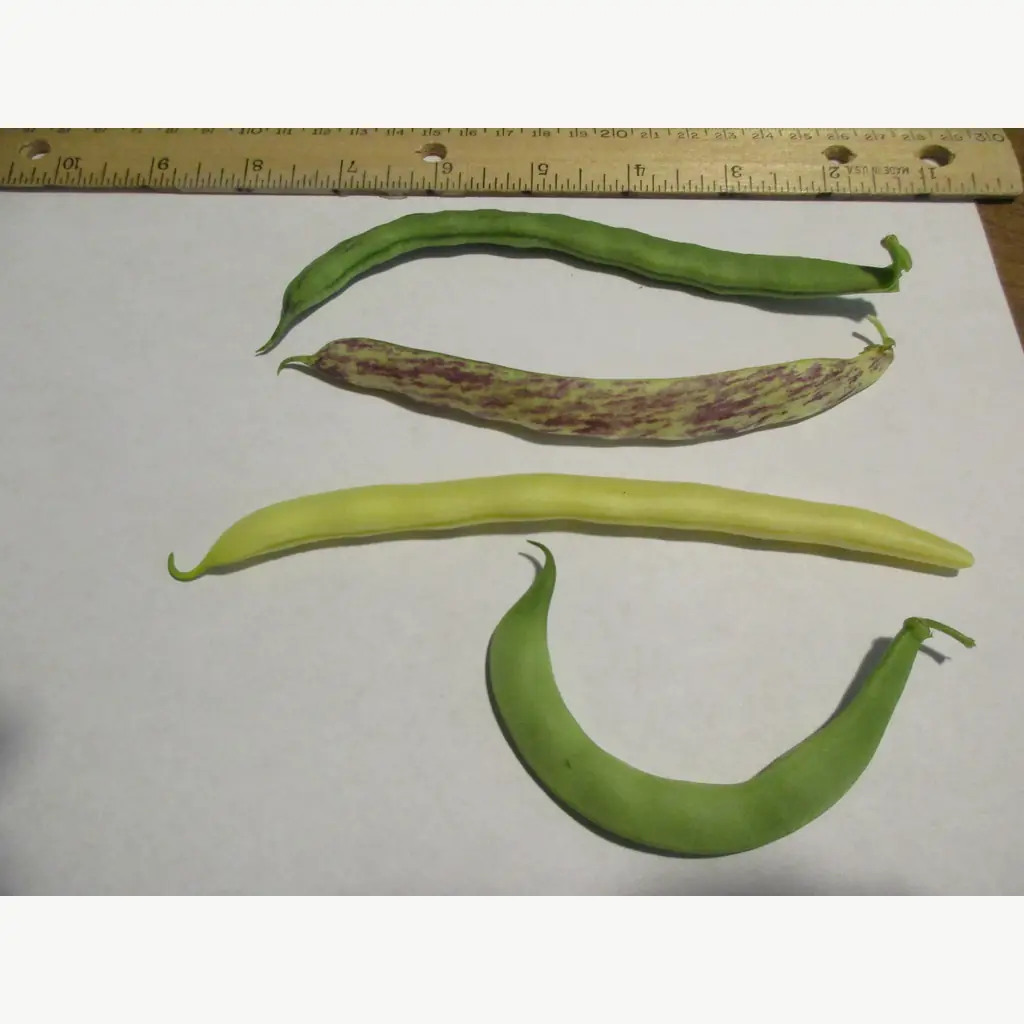
A bean row might be grown for tender pods, fresh shelled beans, or mature dry beans. The stage of harvest changed which part reached the plate and how the kitchen used it.
Snapping fresh pods and shelling mature beans therefore produced quite different bowls. One kept the tender pod as food; the other separated the seeds from their covering.
That distinction gave beans more than one role in a household's planning. A fresh vegetable belonged to meals during the growing season, while a dry-bean crop could become an ingredient for later pots of beans and soup.
3. Tomatoes made the garden's busiest weeks visible
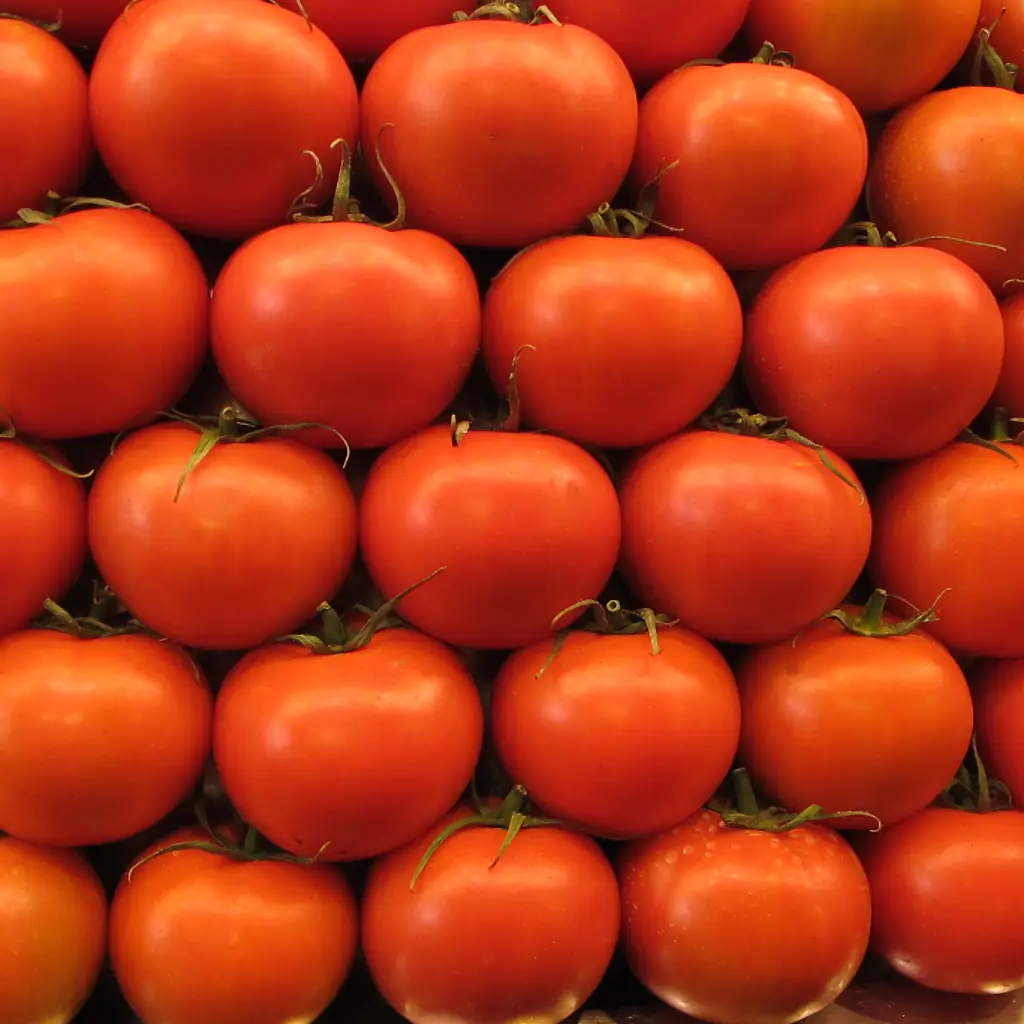
A ripe tomato could go straight toward a meal as slices or part of a cooked dish. When several plants produced at once, the crop brought a larger round of work into the kitchen.
Bowls and shallow trays made the harvest visible indoors. Some fruit was ready for immediate use while other tomatoes needed more time, so the collection did not all have the same destination that day.
The tomato patch connected an ordinary summer plate with this busier household rhythm. Its usefulness depended partly on what the cooks could make use of when the fruit arrived.
4. A cabbage head could serve several kitchen purposes
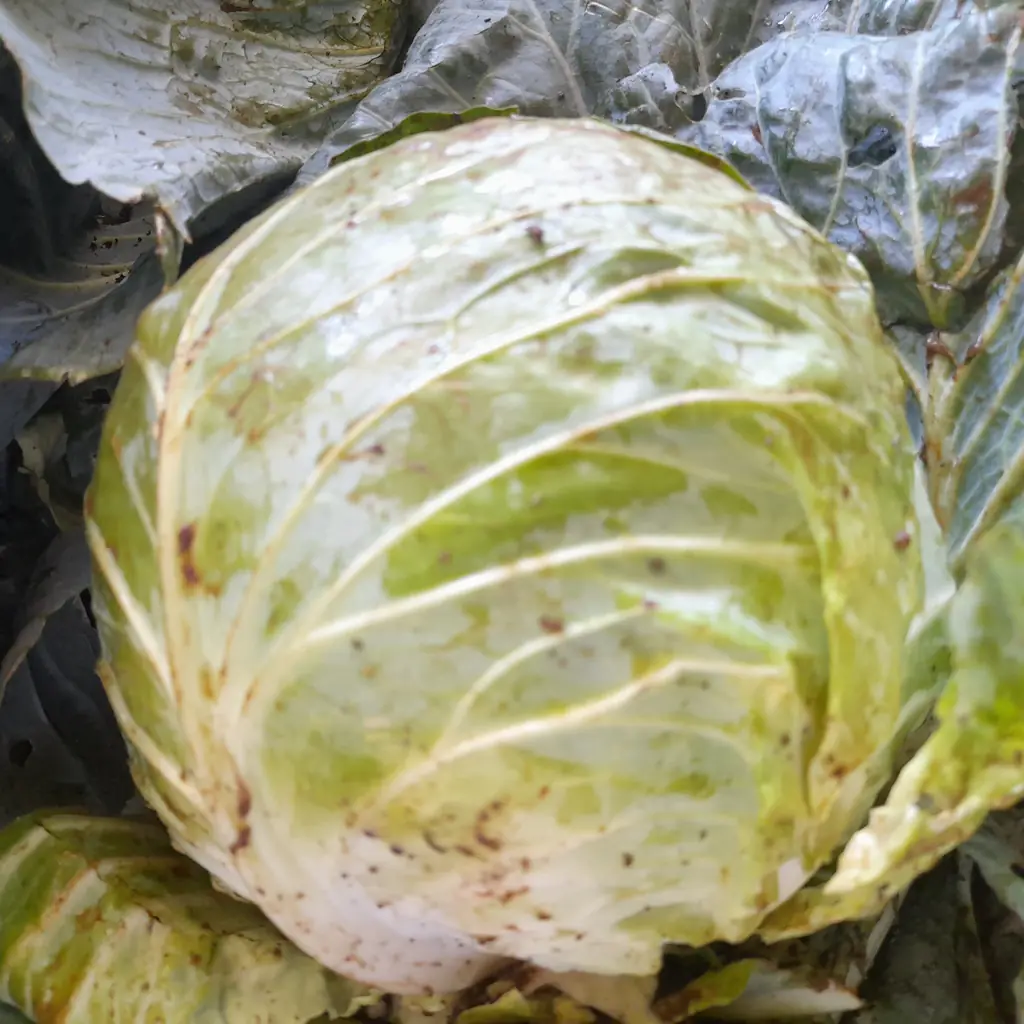
A cabbage head packs many leaves into a firm, rounded harvest. Cutting it open reveals the layers that can be shredded, sliced, or separated for different dishes.
That gave a single head several possible roles. Raw shreds could become slaw, while cooked cabbage could accompany potatoes or join a pot of soup; fermented cabbage belonged to another food tradition.
In the garden it favored cool-season conditions, so its place in the year's meals depended on the climate and planting season. The compact head on the kitchen board was the result of work through that earlier growing period.
5. Onions supplied flavor in small amounts
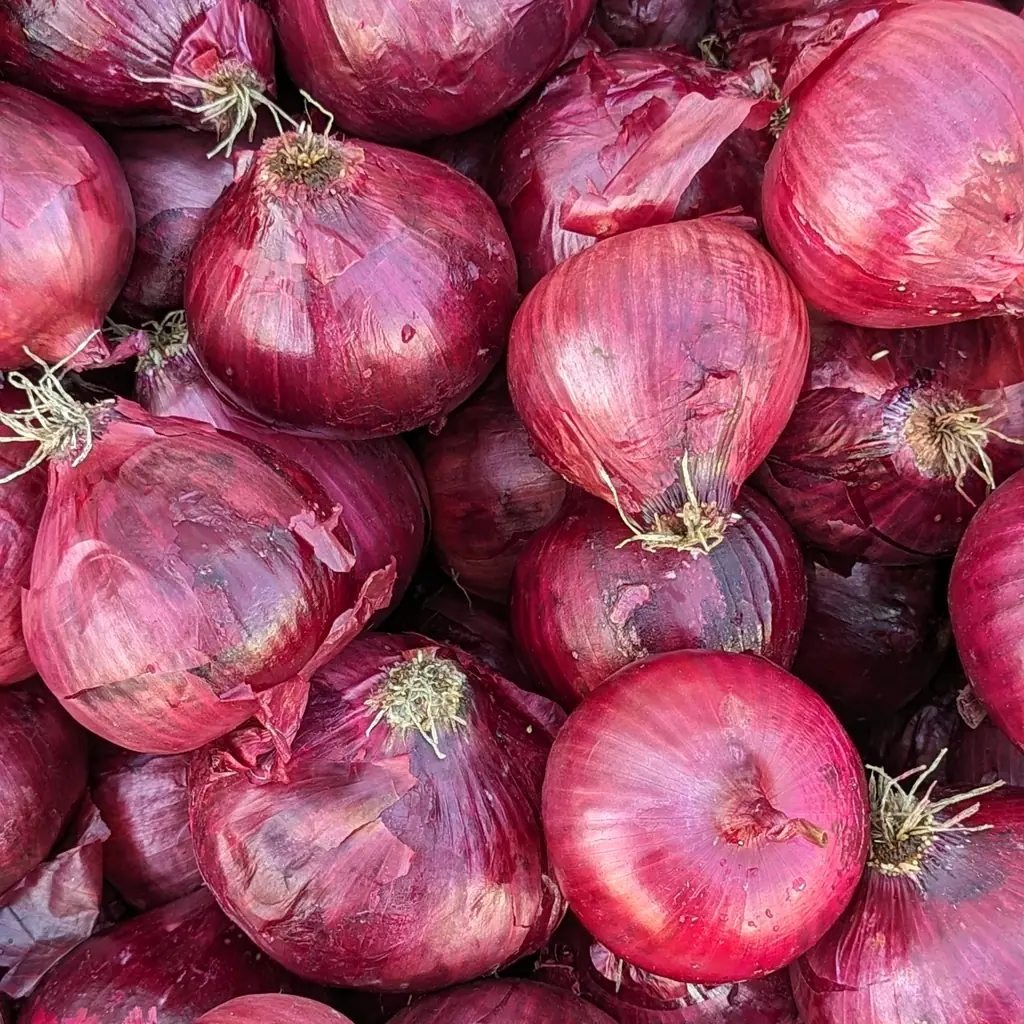
An onion could go into several kinds of dinner without becoming the main vegetable on the plate. Its flavor belonged in beans, soups, and meat dishes, giving a row of bulbs a use across many meals.
Onions intended for keeping went through another stage after harvest. Curing dried the outer layers and neck, helping produce the papery bulbs familiar in a basket or pantry.
Variety and storage conditions still affected how well they kept. Among the pantry ingredients families used repeatedly, onions occupied a supporting role that could be spread across the week's cooking.
6. Corn for the pot was different from corn for the mill
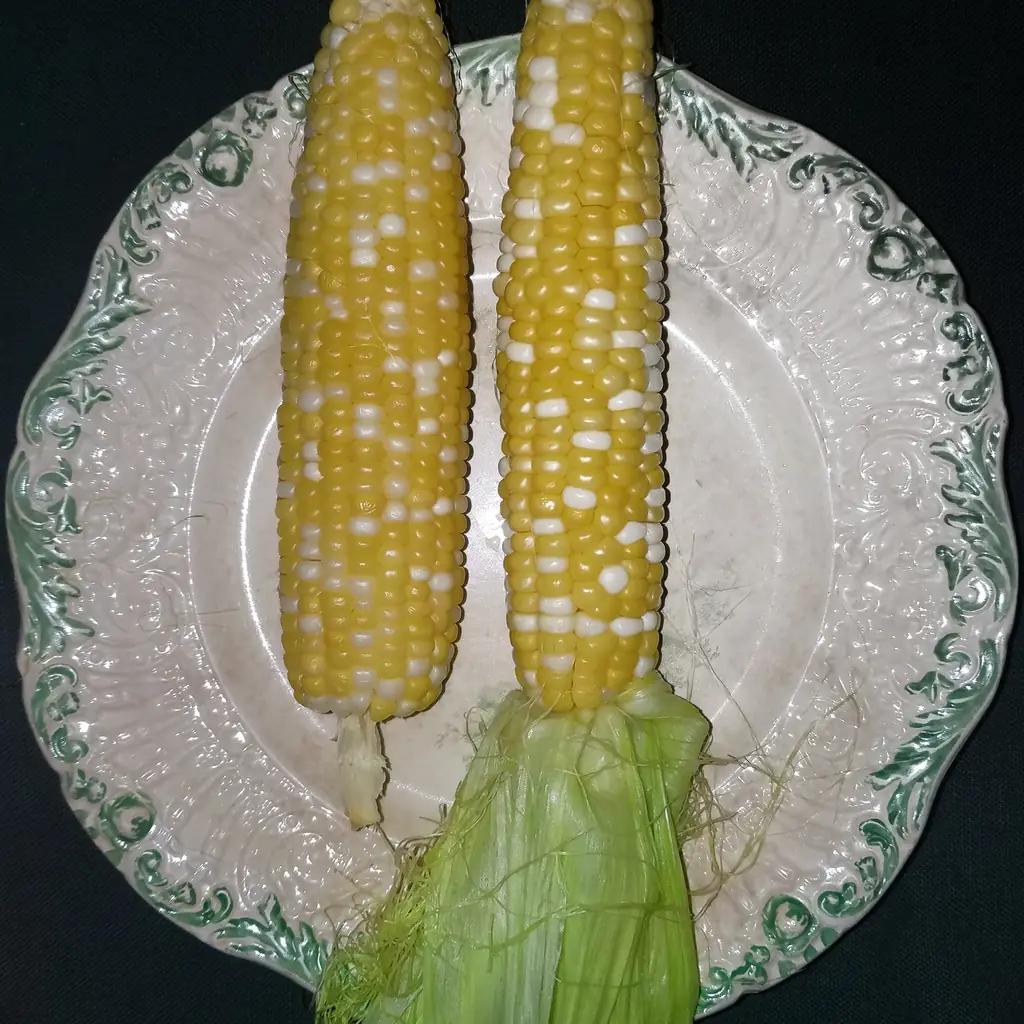
Sweet corn brought tender kernels to the summer table. Corn intended for mature grain stayed on the plant much longer and became a different kind of food ingredient.
The fresh ear and the dry ear look different because they belong to different preparations. Grain corn could be milled into meal, while sweet corn was gathered for eating at its tender stage.
A farm field and a few kitchen-garden rows also served different scales of demand. Together, they connect the summer cob with cornmeal and other inexpensive family meals, foods that began with corn but reached the table in distinct forms.
7. Winter squash gave its name to a different kind of use
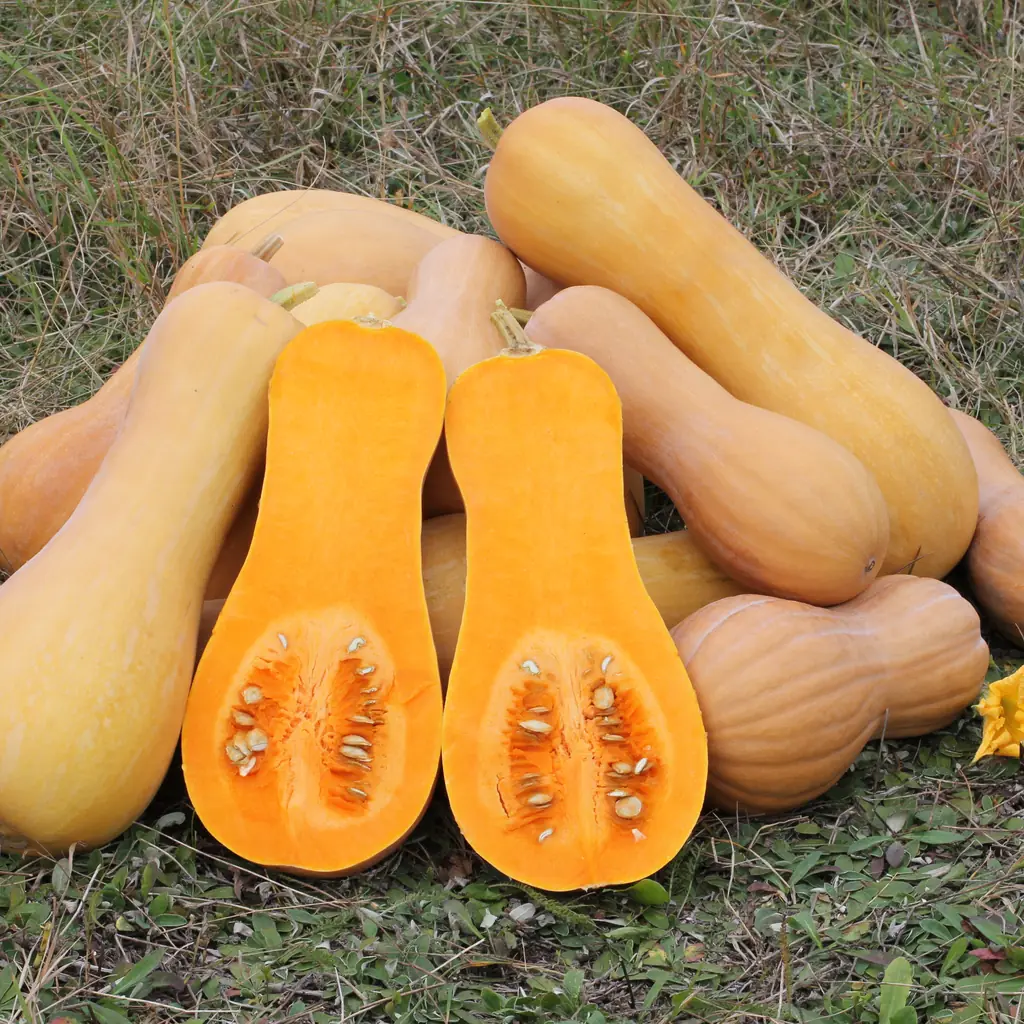
Winter squash develops a harder rind than the tender-skinned summer kinds. The fruit is grown to maturity, with its thick outer covering suited to keeping it for later use.
The word winter points toward those later meals. In a northern household, a mature squash could bring the growing season into the kitchen after the warm-weather plot had changed.
Its firm flesh could become a vegetable dish or an ingredient in family baking. The calendar differed in subtropical places such as Florida, but the distinction between tender summer squash and mature keeping squash remained in the food itself.
8. Peas gave the garden an earlier chapter
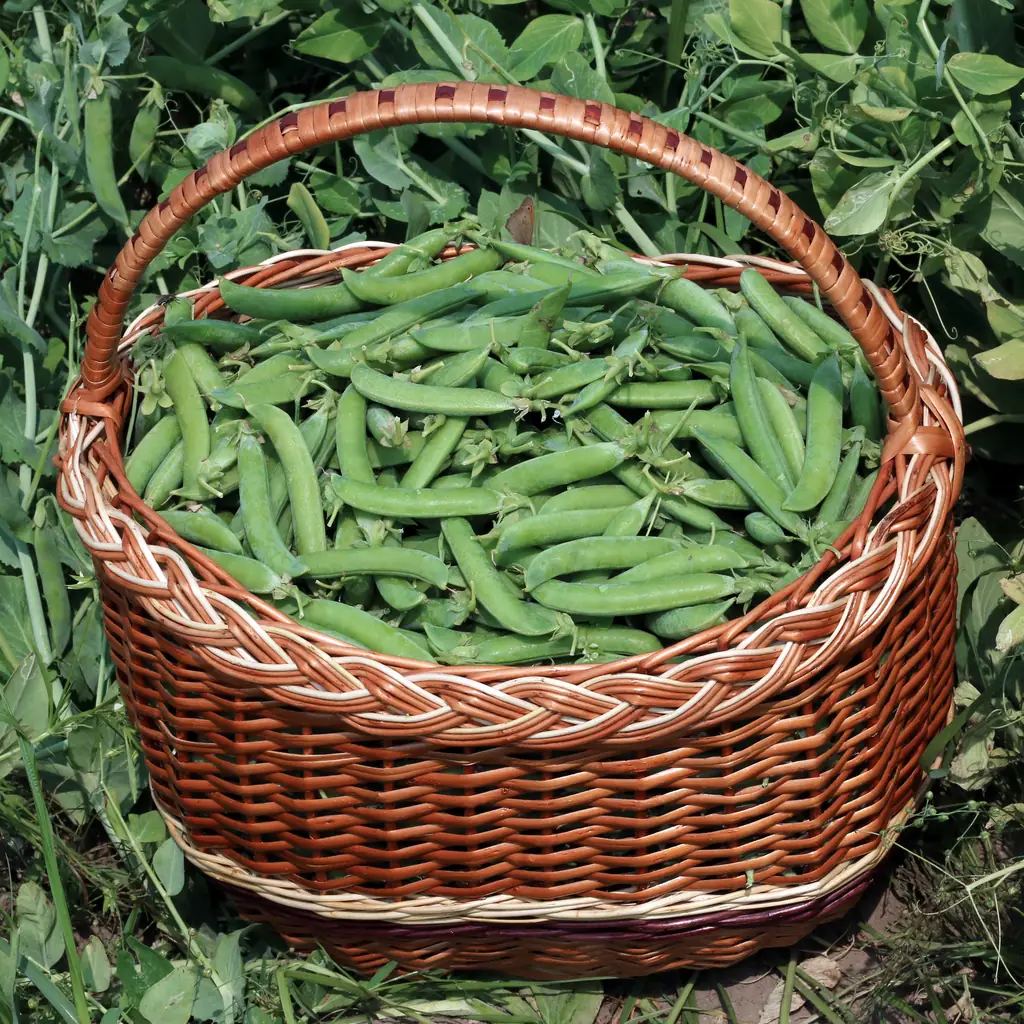
Peas gave a garden an earlier season of eating. They favor cool conditions, placing them in a different part of the year from heat-loving summer vegetables.
For shelling peas, the next stage happened by hand. A heap of pods became a smaller bowl of peas, with the discarded coverings showing how much of the harvest had been handled to reach that point.
It was a task that could draw several people around the same basin. Among the routines of an older household, the work linked a short season in the garden with the vegetable that finally reached the plate.
9. Chard put the harvest in the leaves
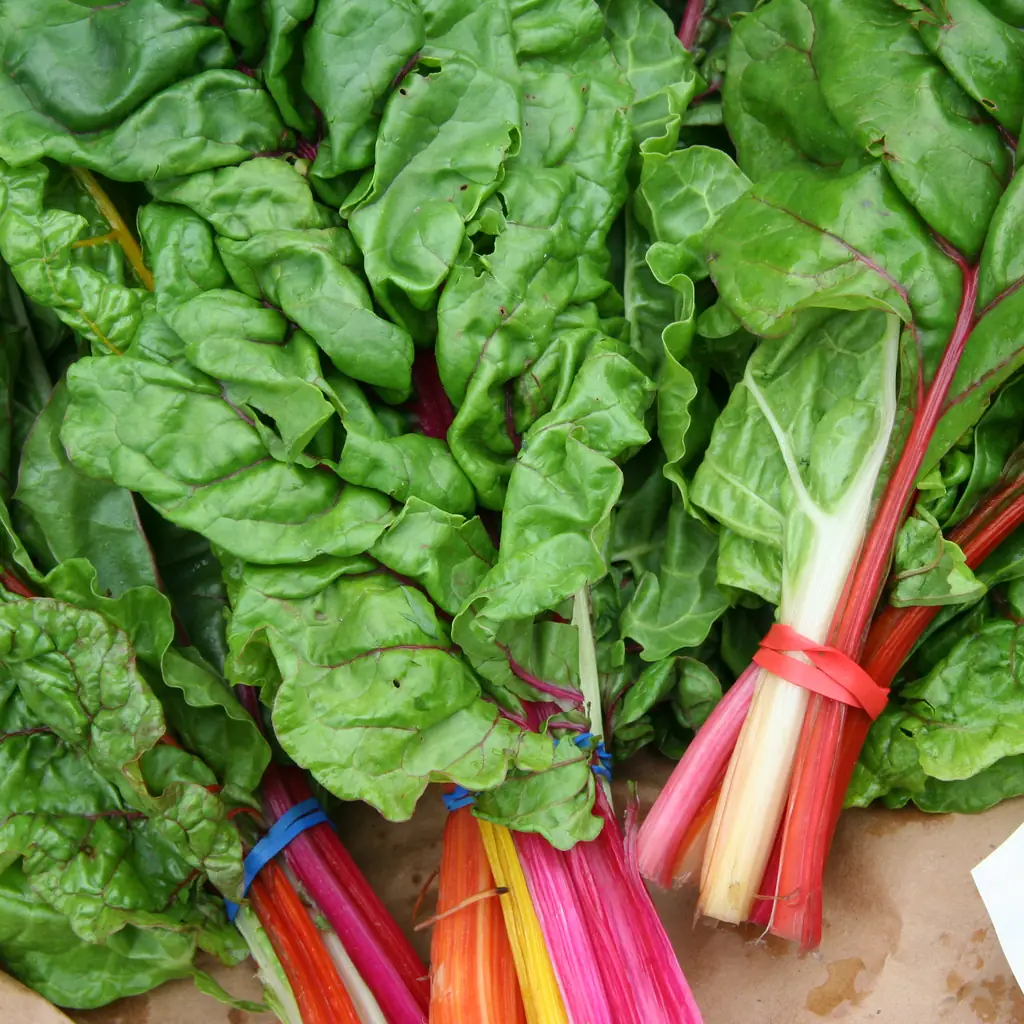
Swiss chard is the same species as beet, but the two crops concentrate the harvest differently. A beet supplies its enlarged root as well as greens; chard develops large leaves and prominent leaf stalks over a much smaller root system.
The leaves could supply more than one picking as the plant continued growing. That gave chard a different rhythm from pulling up a root crop or cutting a whole cabbage head.
In the kitchen, the particular green mattered. As in Irish dishes combining potatoes and greens, its texture helped shape the finished food.
10. Rhubarb returned before many summer crops
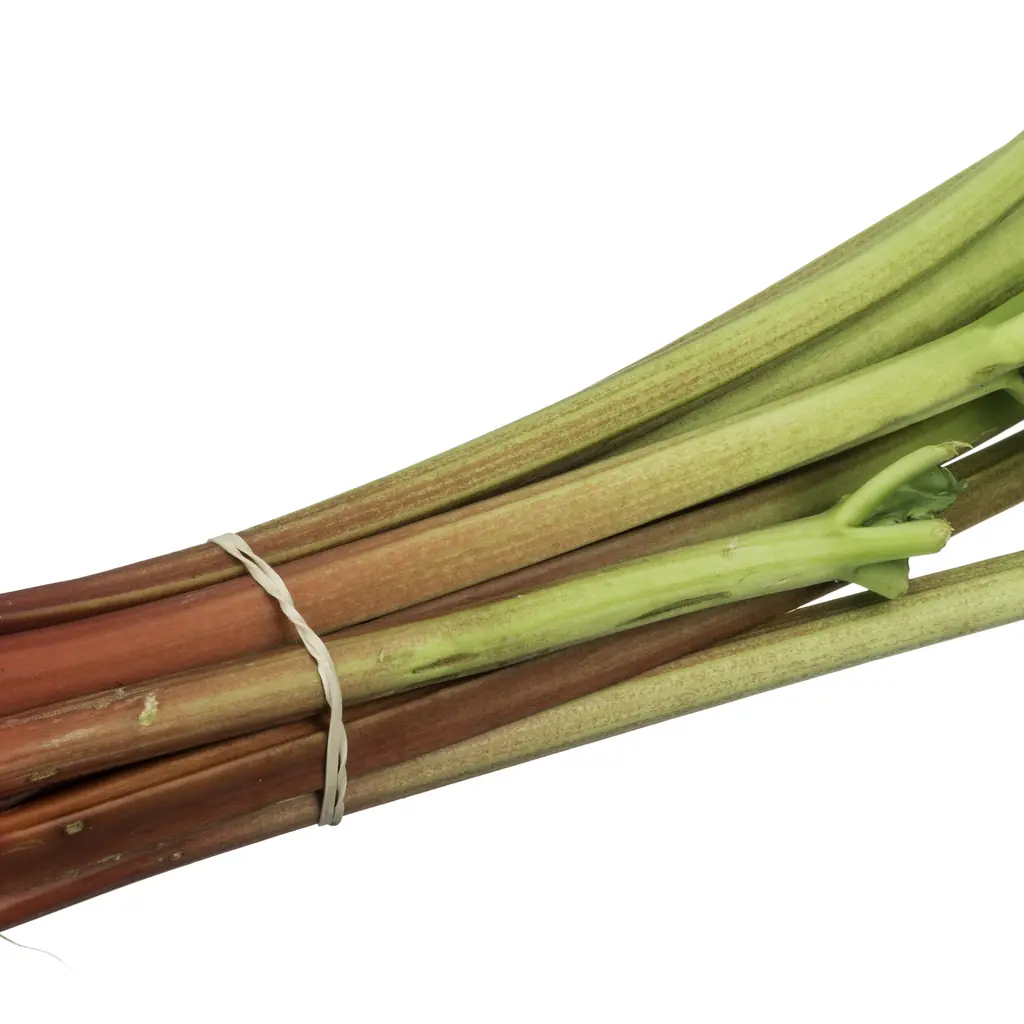
An established rhubarb patch could return to the same corner of a suitable northern garden each spring. Its tart stalks gave the kitchen something to use before many summer fruits were ready.
Although associated with sweet dishes, the harvested part is a leaf stalk. Rhubarb leaves are toxic and are not food; the broad foliage belongs to the plant rather than the pie filling.
Sauce, cake, and pie gave the stalks several destinations. Like household ways of making another meal from available food, those preparations made a particular ingredient useful in different forms as the season progressed.
11. Asparagus changed its appearance after the picking ended
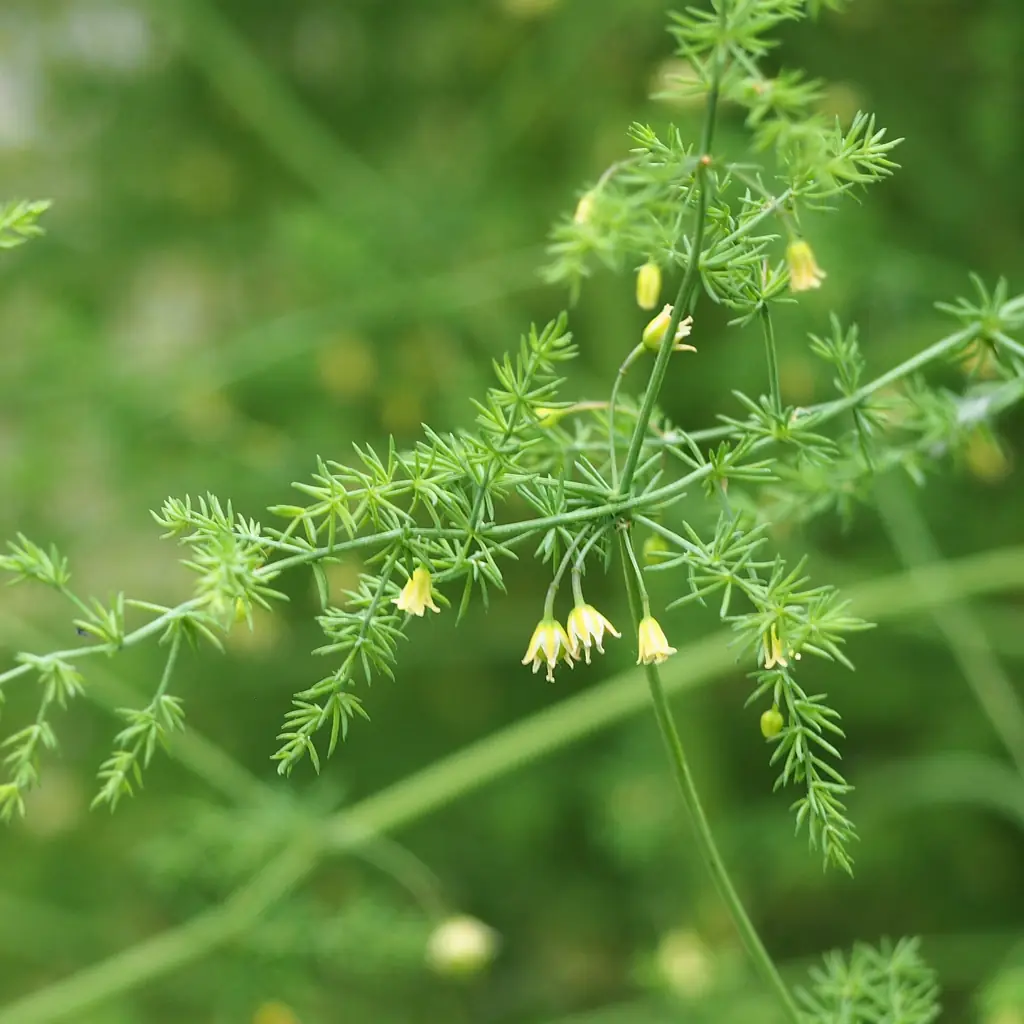
Asparagus has a second appearance after its familiar spear stage. Shoots left to grow open into tall, fern-like growth, which helps the plant build reserves for another season.
That makes an established asparagus bed a longer commitment than a row sown and cleared within a single year. The same patch can occupy its place while the annual crops around it change.
Its feathery summer growth can therefore look surprisingly unlike the vegetable on the dinner plate. The spring spears and later foliage are two stages of the same perennial, each part of the bed's yearly cycle.
12. Water could decide whether the garden happened
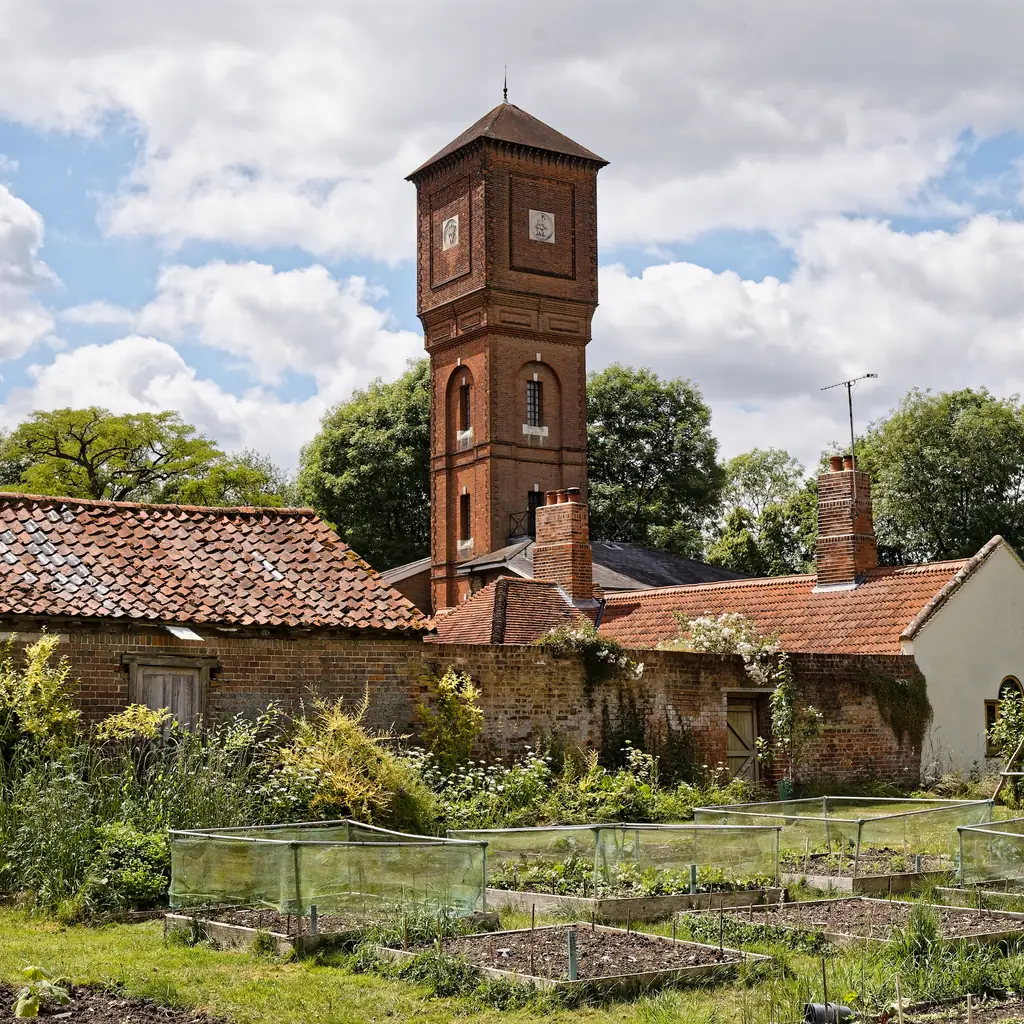
A South Dakota extension circular from 1938 described a good vegetable garden as a former luxury in part of the state. Small dams and impounded water had helped make gardening possible in more places.
Its discussion linked fresh summer vegetables with food kept for winter, placing the garden within the household's wider food supply. Access to water was part of that practical story, alongside land and labor.
The rows behind a house therefore represented more than a preference for homegrown food. They also depended on the resources that let those particular crops reach the kitchen.
Sources and further reading
- USDA National Agricultural Library: Practical Farming Materials for Subsistence Homesteads
- University of North Texas: The Farm Garden , Farmers' Bulletin 1673
- Iowa State University Extension: Growing Potatoes
- University of Minnesota Extension: Growing Beans
- University of Minnesota Extension: Growing Tomatoes
- Growing Cabbage
- Growing Onions
- University of Minnesota Extension: Growing Sweet Corn
- Growing Peas
- University of Florida Extension: Winter Squash
- University of Minnesota Extension: Growing Rhubarb
- Growing Asparagus
- University of Minnesota Extension: Growing Spinach and Swiss Chard
- South Dakota State College: Planting and Growing the Family Food Supply , 1938
- Image for section 1: CosyCobra — CC BY-SA 4.0 (adaptation under the same license)
- Image for section 3: Amtsga — CC0
- Image for section 5: Daderot — CC0
- Image for section 7: George Chernilevsky — Public domain
- Image for section 9: Jonathunder — CC BY-SA 3.0 (adaptation under the same license)
- Image for section 11: Agnieszka Kwiecień, Nova — CC BY-SA 4.0 (adaptation under the same license)
- Image for section 2: Christopher Franz — CC BY-SA 4.0 (adaptation under the same license)
- Image for section 4: TSELANELEDIMO — CC0
- Image for section 6: Daderot — CC0
- Image for section 8: George Chernilevsky — Public domain
- Image for section 10: Evan-Amos — Public domain
- Image for section 12: Acabashi — CC BY-SA 4.0 (adaptation under the same license)