A pan of fried cornmeal or a bowl of potato soup could make familiar ingredients feel like a proper meal. Older American cookbooks show how cooks changed texture, seasoning, and serving style to get more from the food they had.
1. Cornmeal mush acquired a crisp edge the second time around
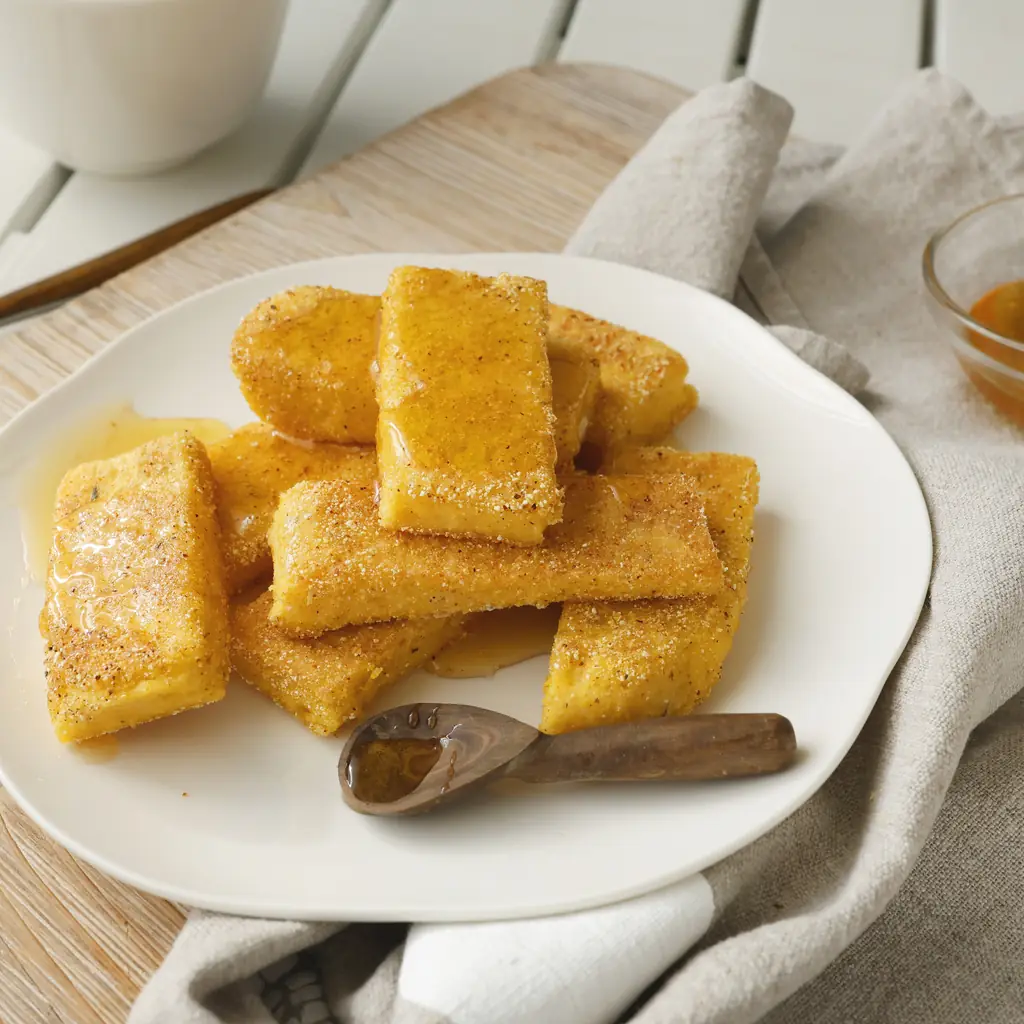
Soft cornmeal mush changed character after cooling. Firm slices could go into the pan and return with browned surfaces around a softer center.
Fannie Farmer's 1910 cookbook even suggests packing the mush into a small bread pan or a baking-powder box before slicing it. The container helped give an ordinary cereal a regular shape. What arrived at the table looked different from the food that had first come out of the pot.
2. Fish cakes spread a strong flavor through a larger serving

Salt cod and potato made a useful partnership because the fish did not have to occupy most of the plate. Its flavor could run through a much larger quantity of potato.
In the finished cake, flakes of fish run through the potato rather than sitting beside it as a separate portion. Breaking the browned surface reveals the softer mixture inside. A strongly flavored ingredient has become part of a dish that can be divided evenly at the table.
3. A pot of beans made the cooking liquid part of dinner
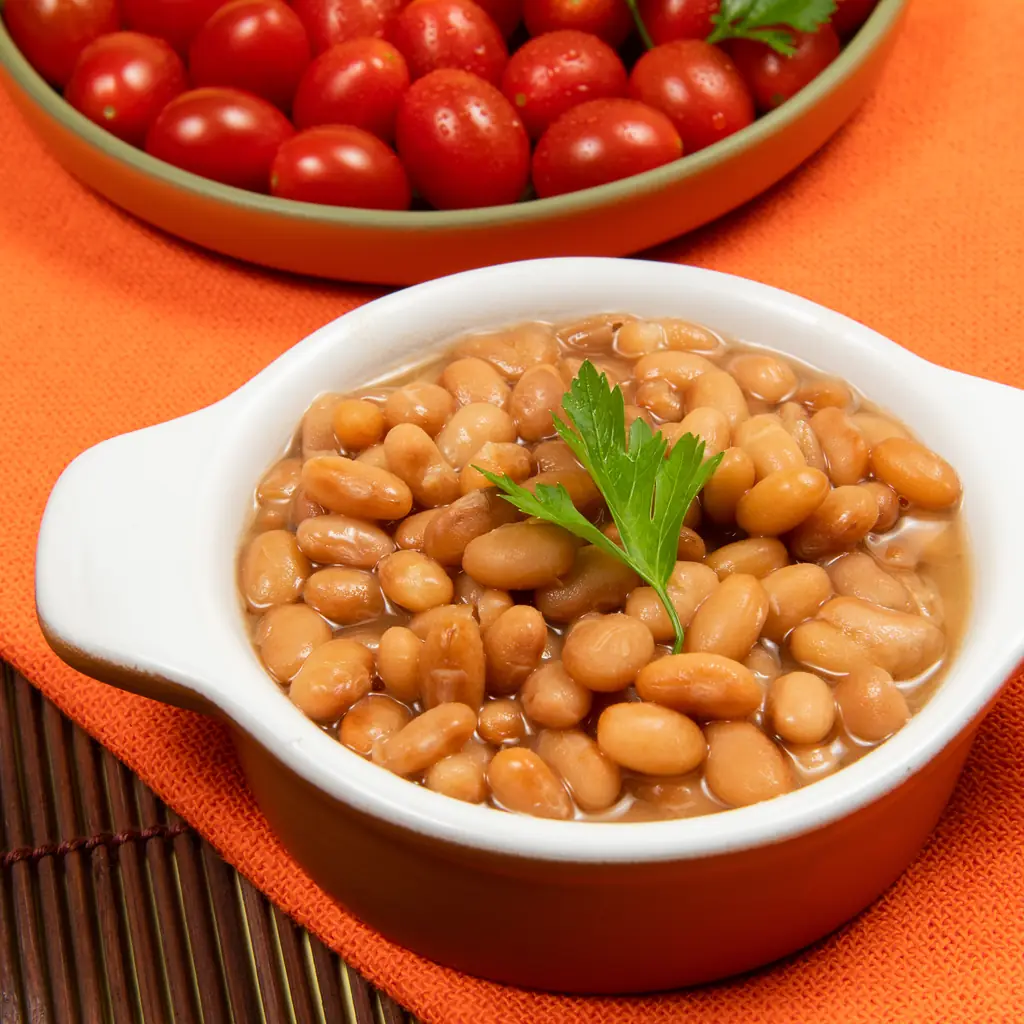
Beans absorbed seasoning while their cooking liquid became part of the finished dish. A small amount of pork or another strongly flavored ingredient could influence the whole pot.
Meat could act as seasoning instead of becoming a separate serving for each person. Recipes varied by region and household. A pot sweetened with molasses would taste different from one built around onions, herbs, or pepper, even when the same beans supplied most of the bulk.
4. Potato soup could be substantial without large pieces of meat
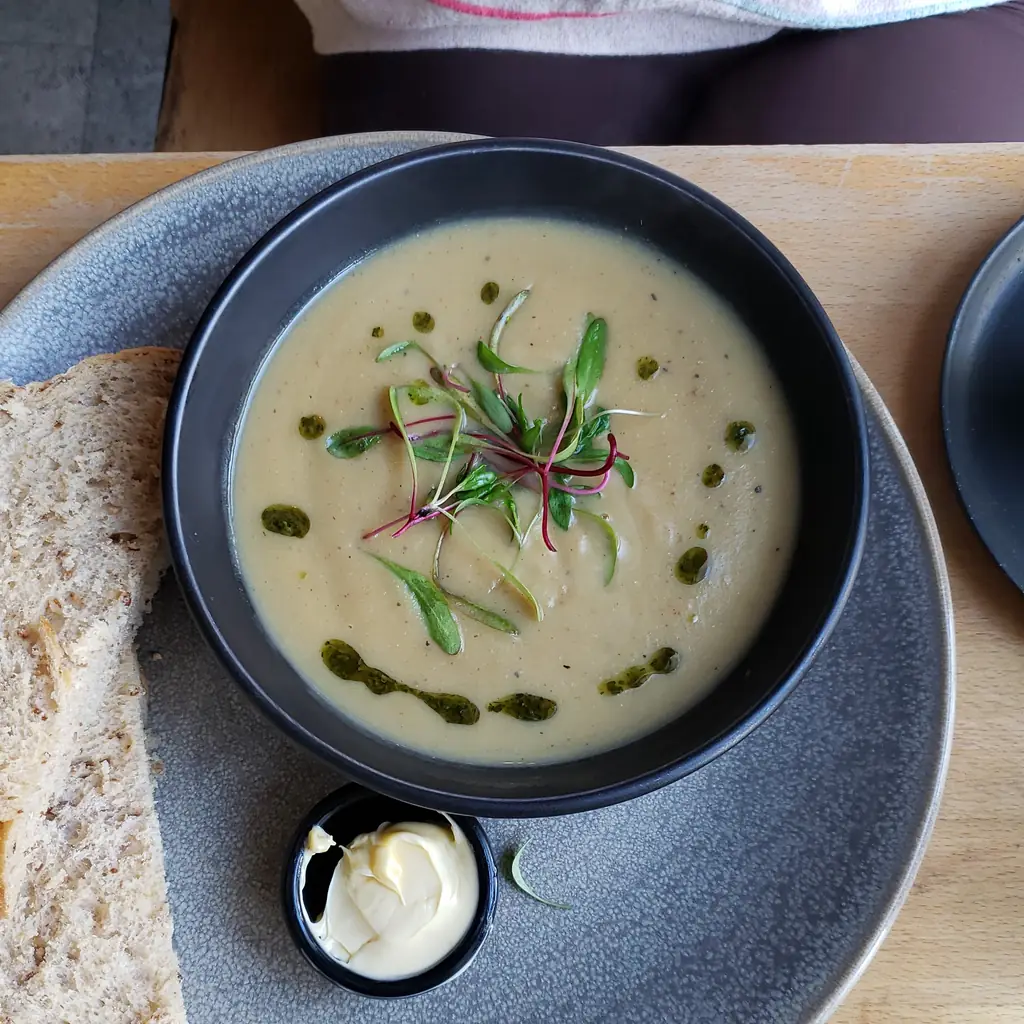
Potatoes could contribute both the pieces in a soup and some of its body. Milk, onion, butter, stock, or other additions changed the result according to the recipe and the cook's supplies.
Some potato could remain in soft pieces while some was worked into the liquid. That gave the cook a choice between a broth with visible chunks and a thicker, smoother soup. An onion's flavor or a little dairy could then run through the bowl, rather than being confined to a few bites.
5. Brown bread brought another grain and a different texture to the table
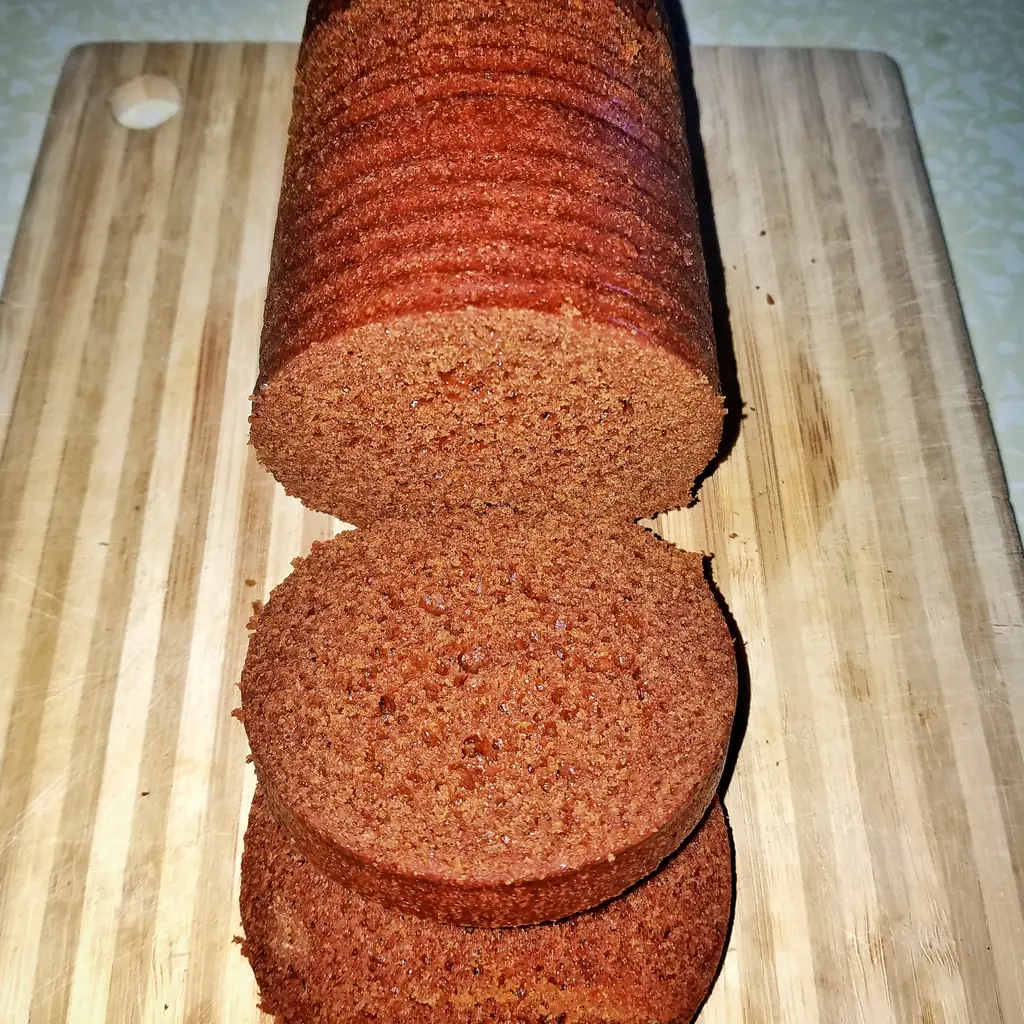
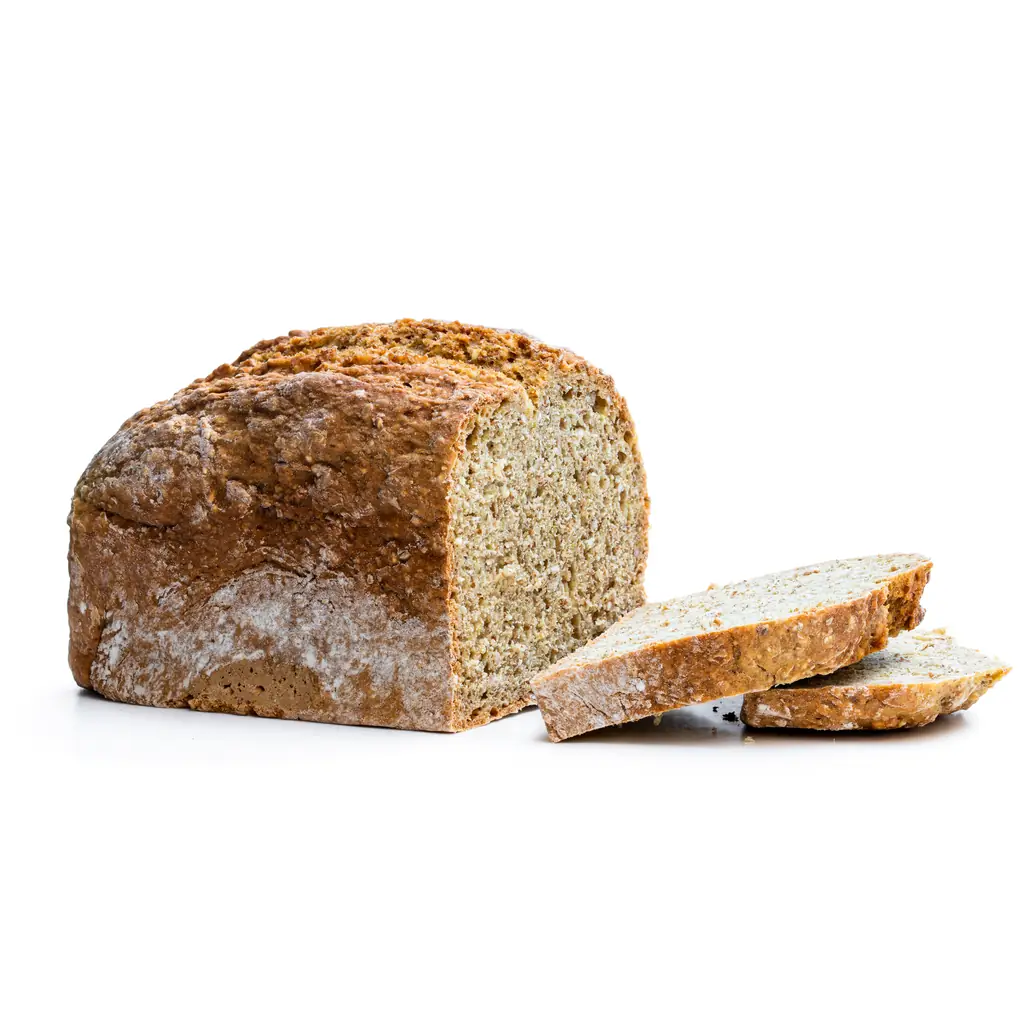
Farmer's Boston brown bread combines rye meal, cornmeal, and graham flour with molasses. Its steamed preparation produces a different loaf from the airy white bread many readers picture first.
A slice alongside beans adds another texture and a distinct sweetness. The loaf's close crumb makes sense beside a dish with plenty of liquid to take up. Rye, cornmeal, and graham flour brought their own character to the bread, so the combination on the plate was more particular than the words “beans and bread” might suggest.
6. Creamed eggs made the sauce part of the serving
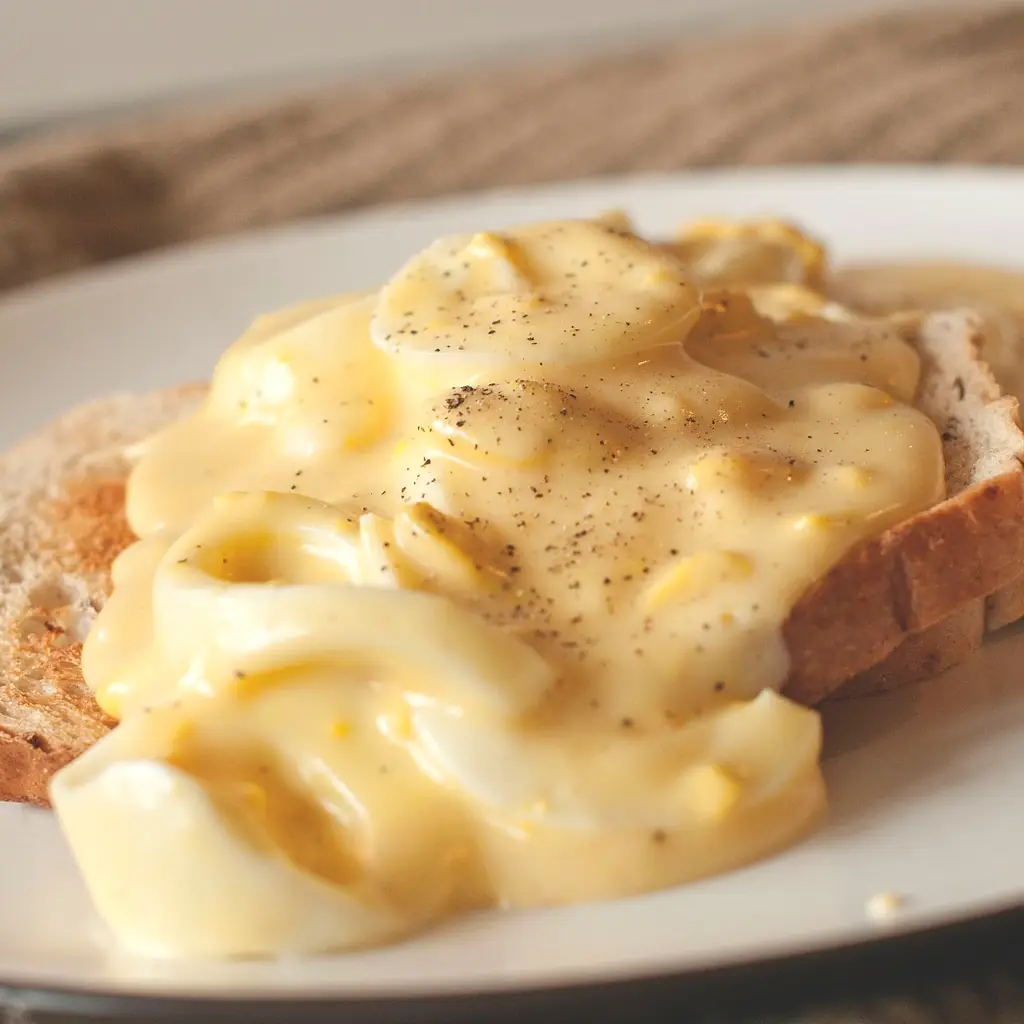
An egg did not always arrive as a separate object on a plate. Slicing it into a sauce allowed the cook to distribute it across toast or another accompaniment.
The sauce carried seasoning and softened the bread beneath it, while the toast's edges could stay firm. A recognizable ingredient now filled a different place in the meal. The same kind of change appears in the family meals made from leftovers, where a new preparation could give familiar food another use.
7. A meat pie gave the vegetables and gravy equal importance
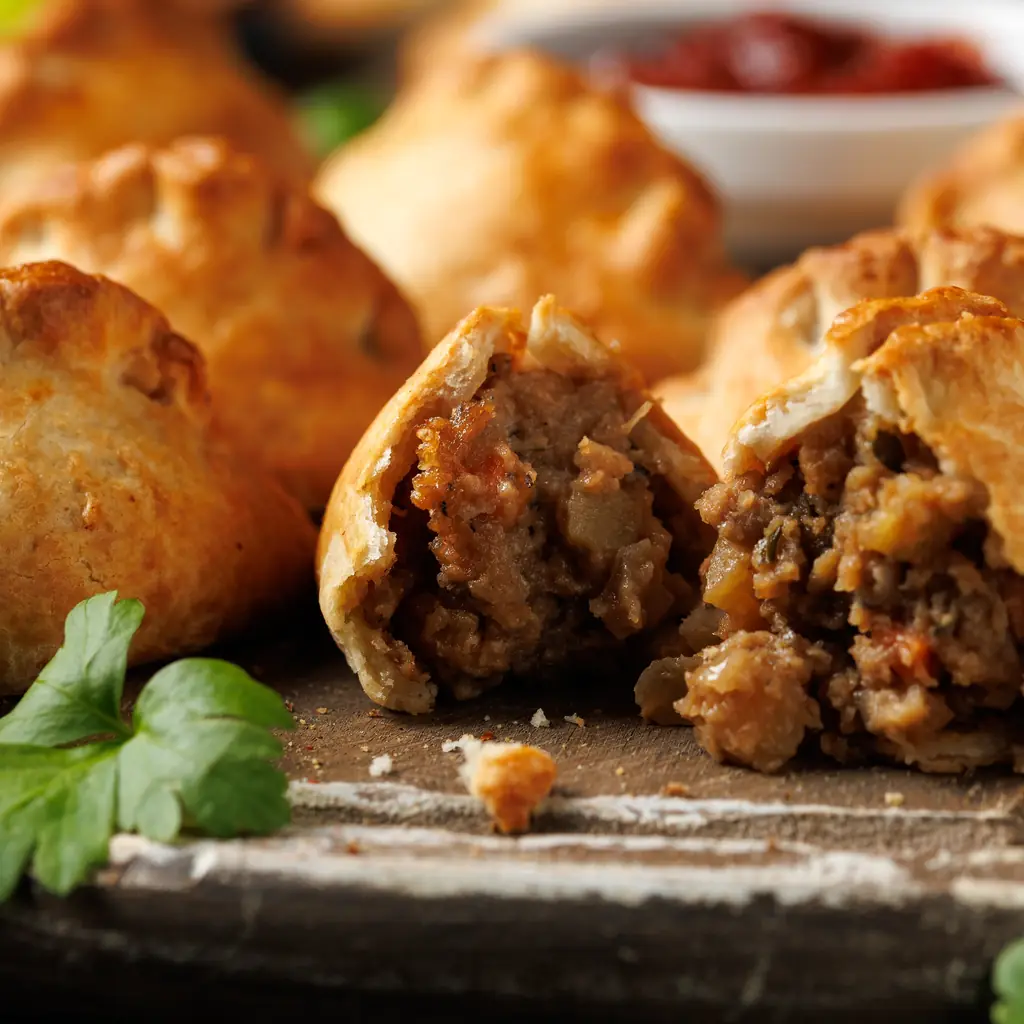
Cutting meat into smaller pieces changed how a cook could share it. In a pie, vegetables, gravy, and pastry helped make each serving substantial without requiring a separate cut of meat for every plate.
The crust also gave the meal a clear shape and a browned surface. Nineteenth- and early-twentieth-century household cookbooks include pies made from previously cooked meat. Saving some of a roast for that use could be part of the planning behind 1930s household routines, with the second meal taking a different form from the first.
8. Rice could become a shaped dish rather than a loose accompaniment

Cooked rice could be mixed, shaped, coated, and browned into croquettes. The grains were still visible inside, but the serving had acquired a crisp outside that loose rice did not have.
One period version had a surprise in the middle. Farmer shaped the croquettes like small nests and placed a cube of jelly in each one, suggesting them as an accompaniment to game. The rice had acquired a crisp coating and a sweet center, taking it well beyond the role of a plain side dish.
9. Macaroni could carry a small amount of cheese through the dish
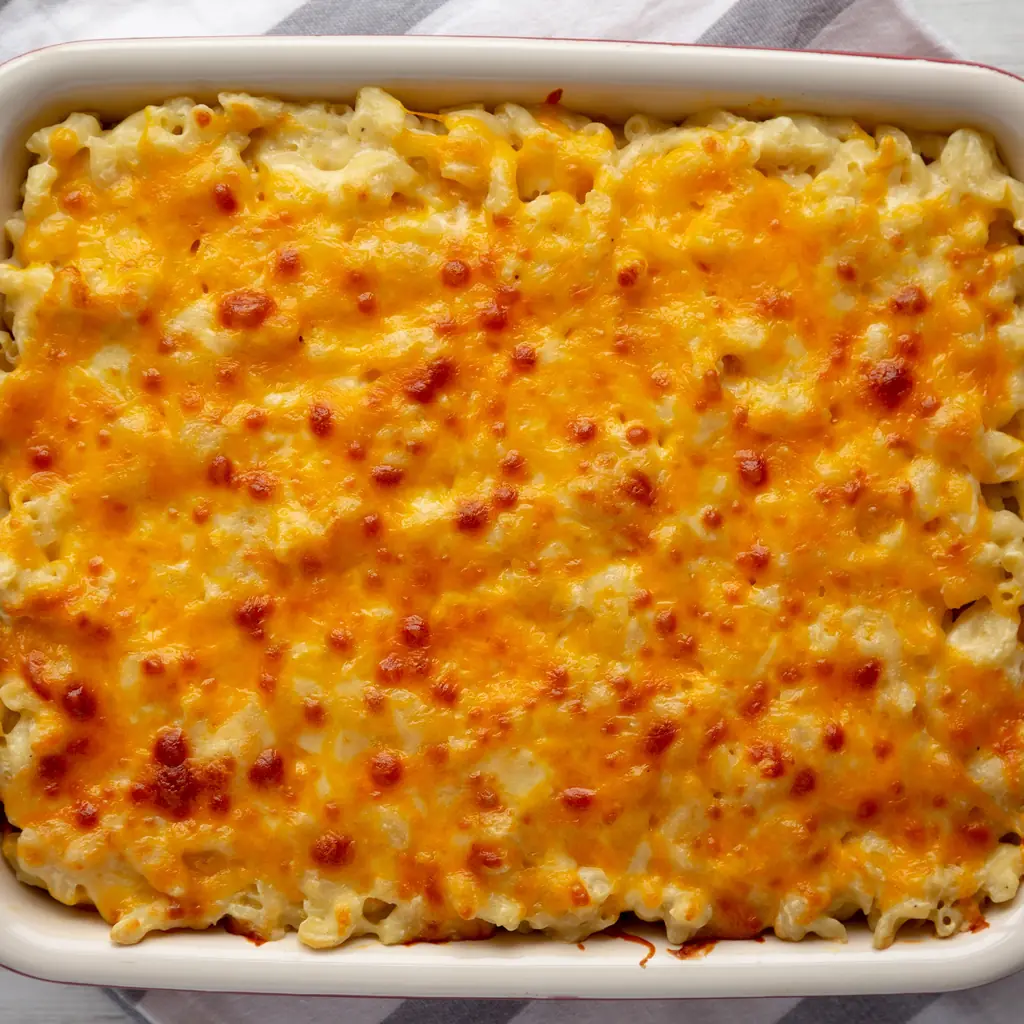
Macaroni supplied most of the volume while cheese flavored the sauce or layers around it. A browned topping added another contrast without requiring every mouthful to contain a large piece of cheese.
In Farmer's baked version, layers of macaroni and grated cheese were joined by white sauce and finished with buttered crumbs. The crisp top and soft pasta offered different parts of the same serving. Those details belong alongside the changing meals and routines of 1970s family life, when later versions found places in the kitchen.
10. A chowder made its broth worth finishing
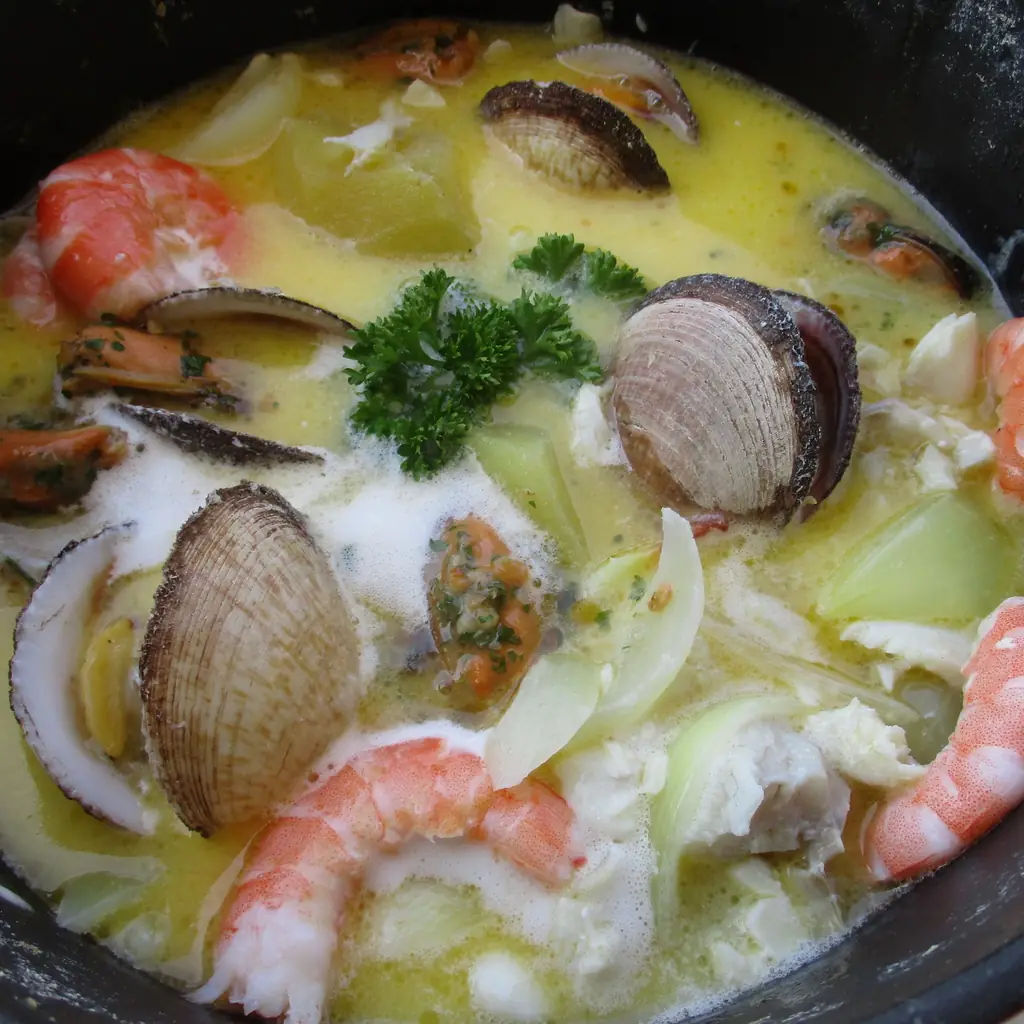
In a chowder, potatoes, onions, fish, and liquid become a shared dish. The broth connects the ingredients instead of leaving the less substantial parts of a meal on separate plates.
Milk could make one version creamy, while crackers or a little pork changed the body and flavor of another. Regional details matter here, just as they do in foods associated with Irish family kitchens. One familiar name can cover several meals that a family would recognize as quite different.
11. Lentils and lima beans filled Lenten croquettes

Farmer's Lenten croquettes combined lentils and dried lima beans with crumbs, egg, and seasoning. A crisp coating surrounded a soft filling, giving the pulses a different form from a spooned serving of beans.
Onion, celery, carrot, and parsley flavored the cooking, and the finished croquettes were served with tomato sauce. The small portions brought together several ingredients that might otherwise have occupied separate places in the meal. Meatless cooking already had room for this kind of shaping, coating, and careful serving.
12. Toast made soft food easier to serve as a meal
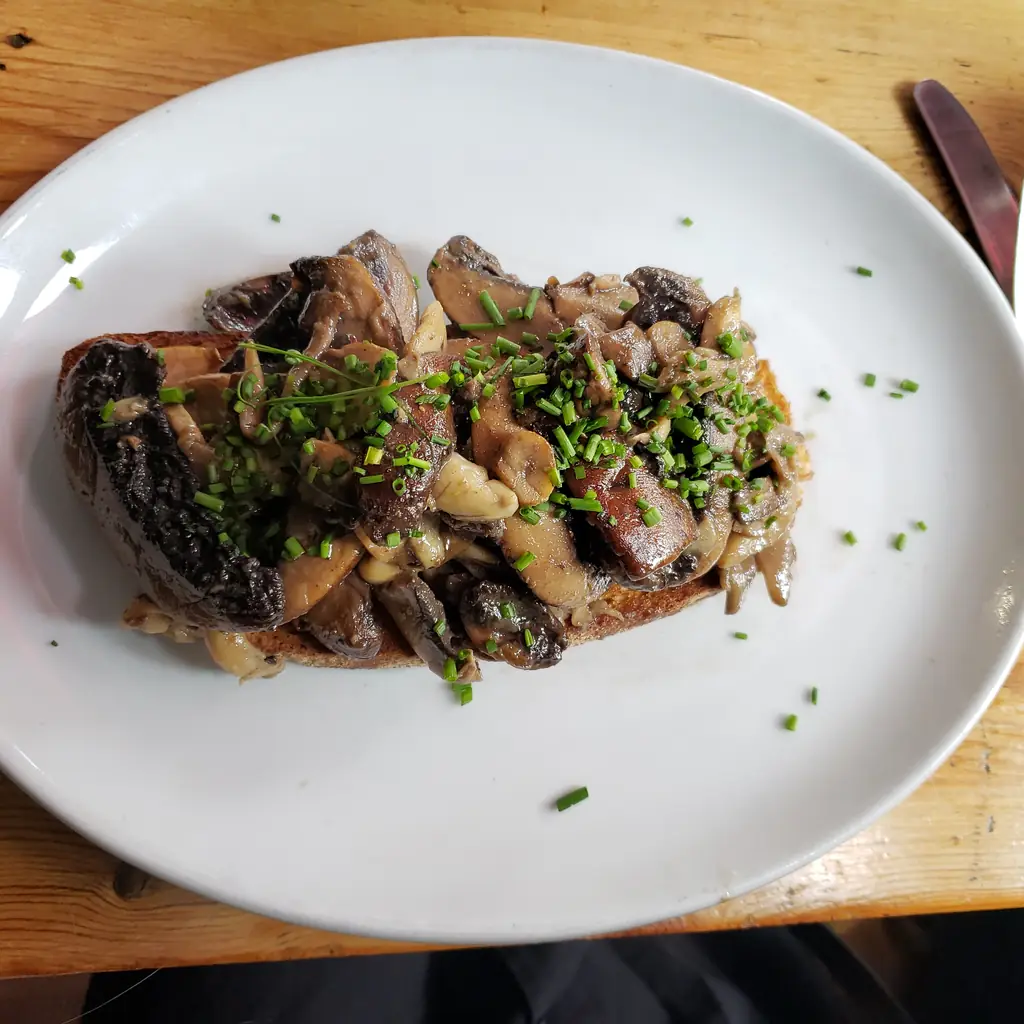
Toast could provide a base for eggs, fish, vegetables, or sauce. Its firm surface gave soft food somewhere to sit, and its edges supplied a texture the topping lacked.
That made the bread part of the composition rather than an afterthought. The tools in an older kitchen help explain how cooks managed browning and reheating. A toast-based supper could be modest, but the choice to toast the bread still changed the result.
13. Bread pudding turned the remaining loaf into a different course
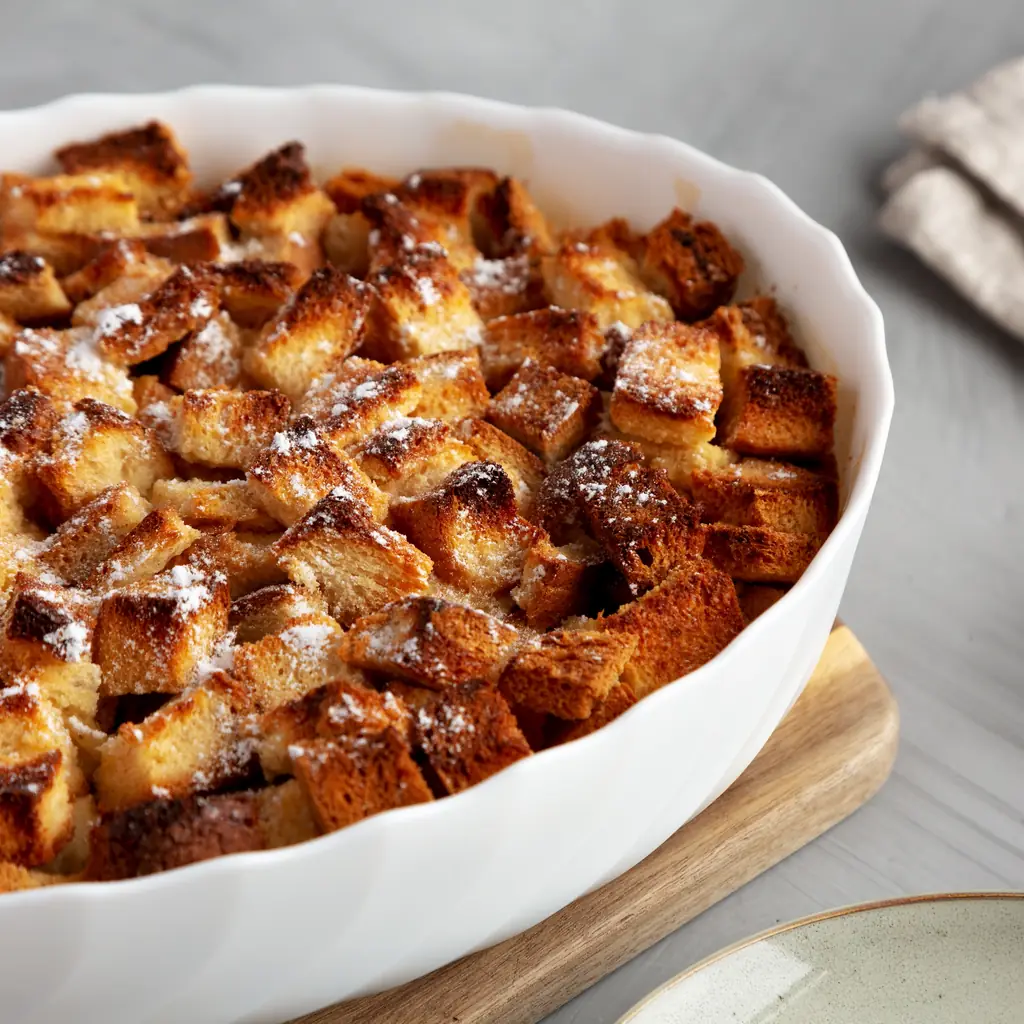
Bread that had lost its appeal for sandwiches could absorb milk and become the structure of a pudding. Eggs helped the mixture set, while spices, dried fruit, or another flavoring gave it a new direction.
The pieces soaked into the mixture while the exposed top could brown in the oven. A serving brought both textures to the spoon, giving the remaining loaf a new place at the table. Familiar ingredients also return in different forms among the cookies and treats remembered from Grandma's kitchen.
14. A baked apple kept the fruit itself at the center
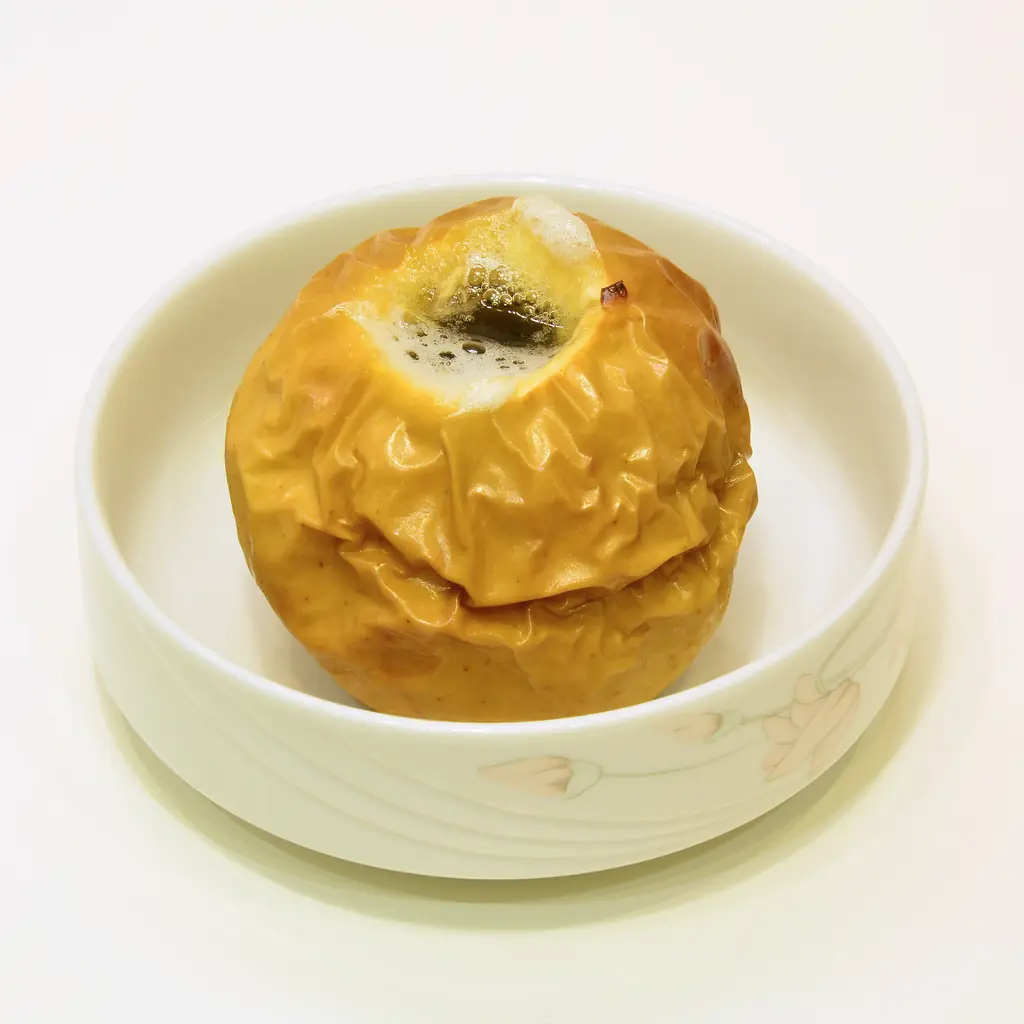
An apple could become a warm dessert without being surrounded by a full pie crust. Removing the core created room for a little sugar or another filling, while baking softened the flesh.
Older cookbooks offer numerous ways to serve apples, so this was one possibility rather than a universal family ritual. It is also a useful connection between the kitchen and the foods a household garden could supply. The fruit remained recognizable when it reached the table.
15. Cornmeal also belonged in a molasses-sweetened dessert
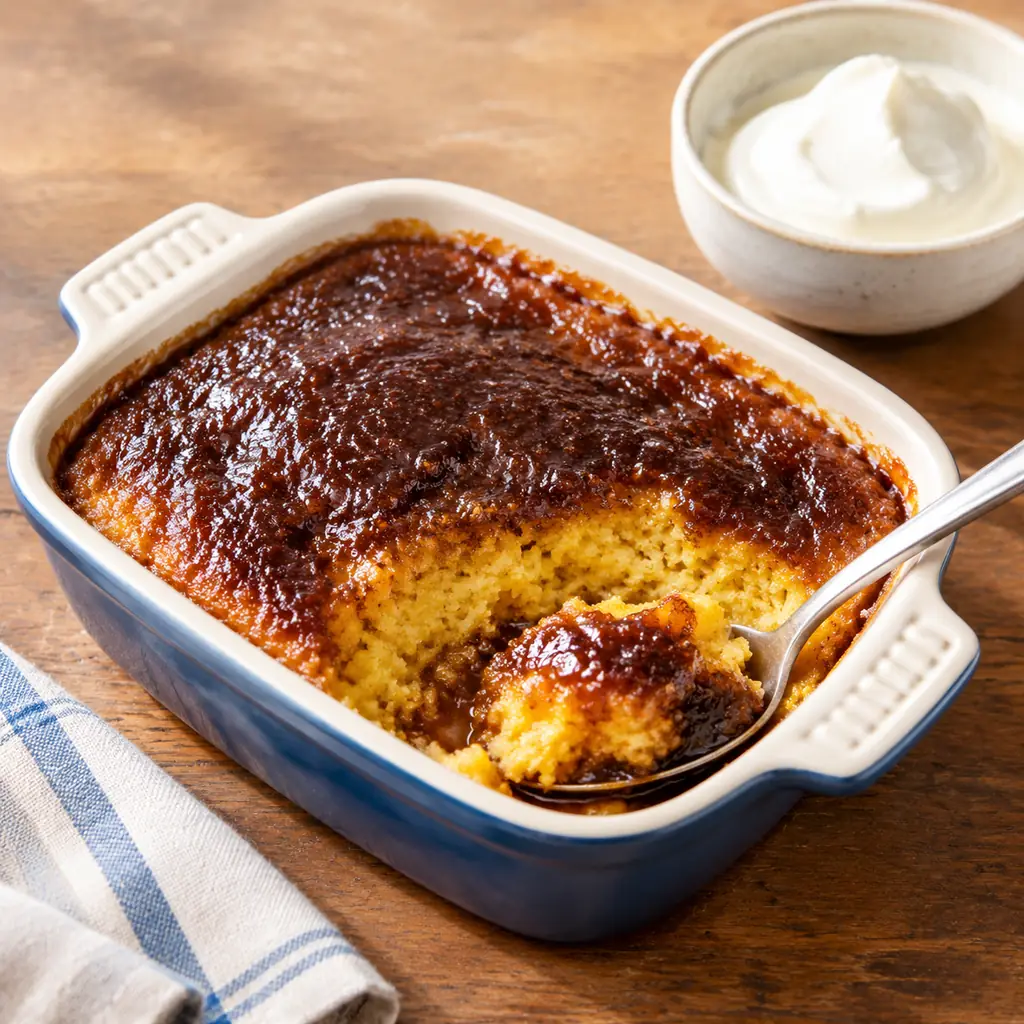
The cornmeal used for a plain mush could take a sweeter route through the meal. Farmer's cookbook combines it with milk and molasses in a baked pudding, with ginger offered as a flavoring that could be omitted.
The grain thickened the mixture while molasses gave it color and a flavor of its own. Served warm with cream in the period recipe, it occupied a different place from the fried slices at breakfast. One bag of cornmeal could lead to more than one familiar dish.
16. Cracker crumbs could finish the meal as a cold pudding
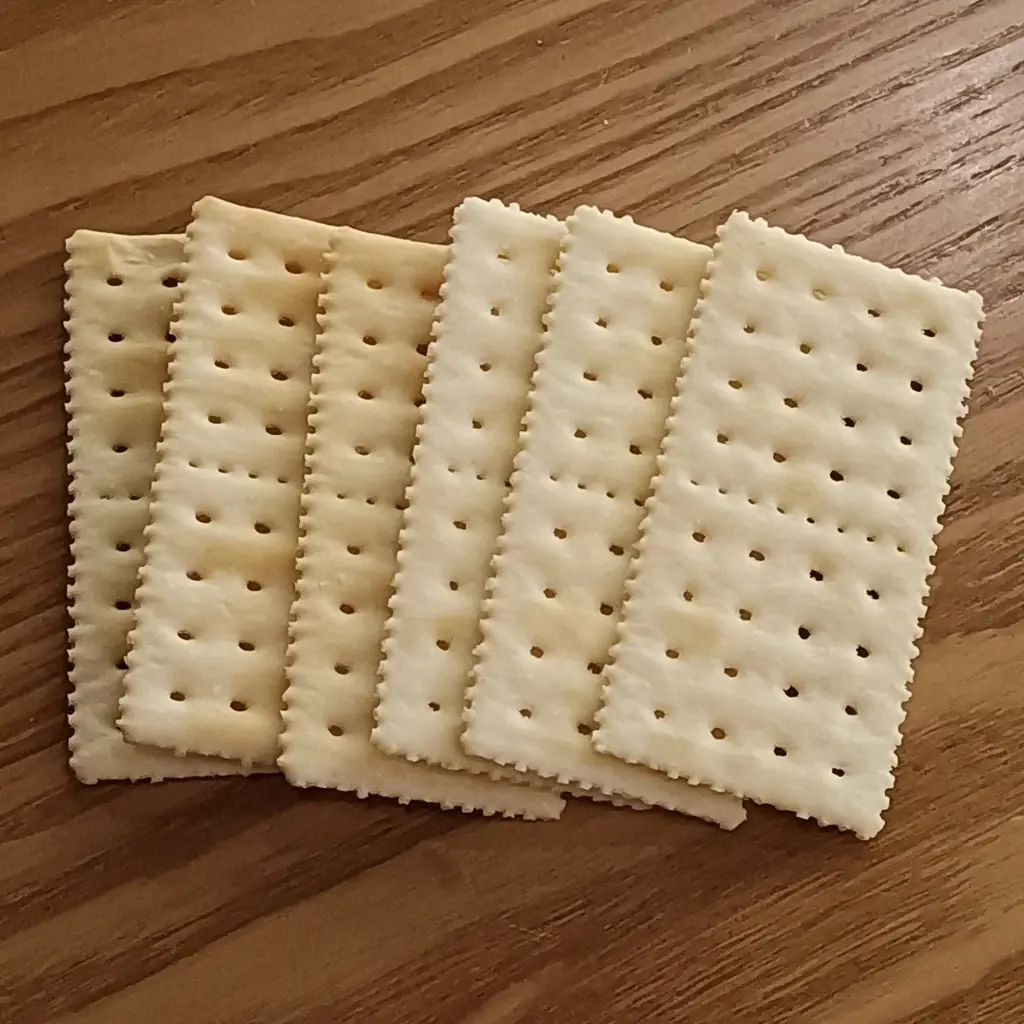
Crackers did not have to stay beside a soup bowl. In Farmer's Bangor pudding, their crumbs joined milk, molasses, egg, and raisins in a mixture that was steamed, cooled, and served cold.
The crumbs supplied the body of a dessert whose finished appearance gave little hint of the dry crackers that began it. A plain ingredient from the pantry shelf had found another use. That was one way a cook could bring something different to the table without starting with an entirely different set of supplies.
Sources and further reading
- Fannie Merritt Farmer, The Boston Cooking-School Cook Book, 1910 edition
- Lydia Maria Child, The American Frugal Housewife, 1832 edition
- National Archives, Aunt Sammy and Her Radio Recipes
- South Dakota State University, The Thrift Dish Cook Book, 1934
- Image for section 1: CartoonFotoVid
- Image for section 3: Celso Pupo
- Image for section 5: Daderot — CC0
- Image for section 7: DronG
- Image for section 9: Liudmyla Chuhunova
- Image for section 13: Liudmyla Chuhunova
- Image for section 2: Juan Emilio Prades Bel — CC BY-SA 4.0 (adaptation under the same license)
- Image for section 4: Andy Li — CC0
- Image for section 6: Tammy Sheridan — CC BY-SA 4.0 (adaptation under the same license)
- Image for section 8: Sintegrity — CC BY-SA 4.0 (adaptation under the same license)
- Image for section 10: Arnaud 25 — CC BY-SA 4.0 (adaptation under the same license)
- Image for section 12: Andy Li — CC0
- Image for section 14: Andrey Korzun — CC BY-SA 4.0 (adaptation under the same license)
- Image for section 16: François Nguyen — CC BY 2.0