The Christmas toys we remember often gave us something to figure out after the box was open. These familiar playthings rewarded practice, invention, or another turn with someone else.
1. Hot Wheels made the track part of the present
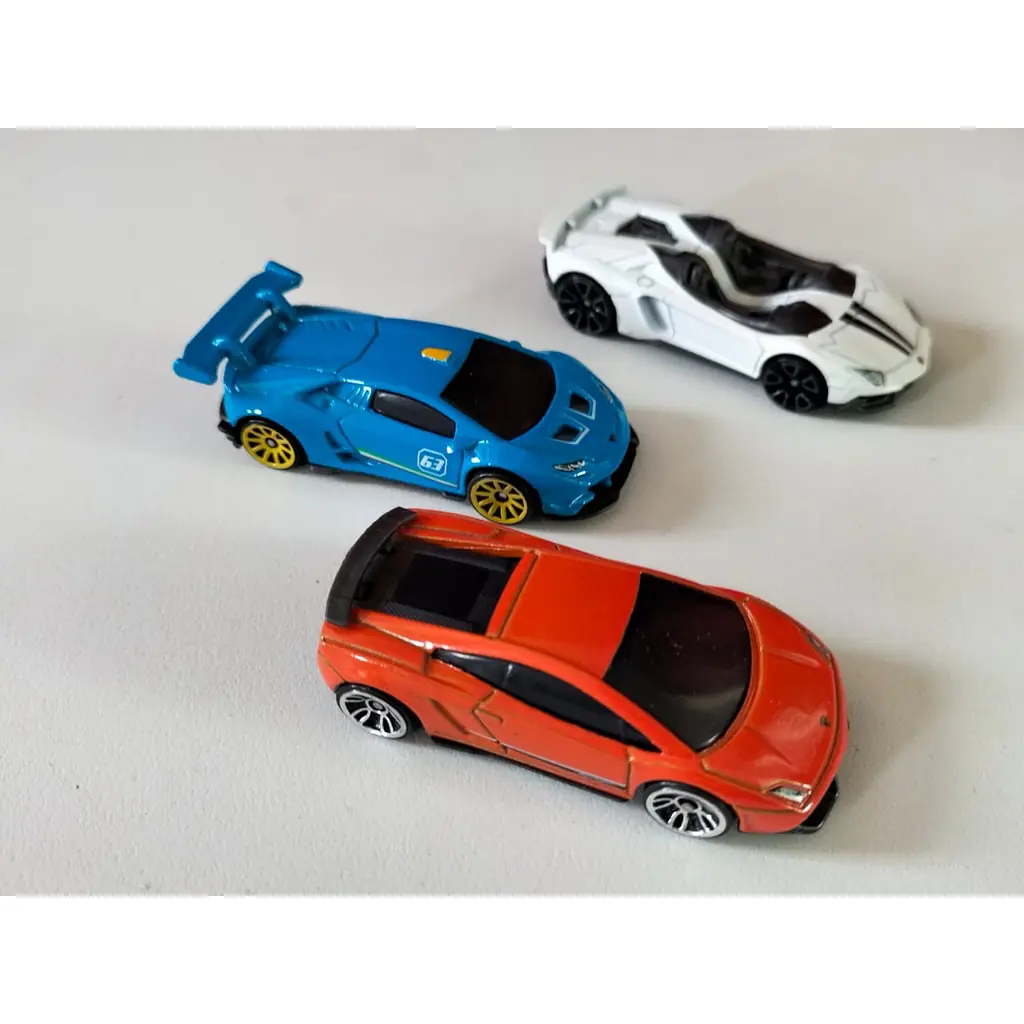
A car could clear the first slope and stop halfway around the bend. Raising one end of the orange track, straightening a joint, and trying again became part of the game.
Mattel's original 1968 Hot Wheels range favored customized American cars and bright finishes. The models looked ready for a race before they moved. A quieter-looking Matchbox car could join the same playroom traffic, bringing everyday vehicles into a collection of miniature hot rods.
2. The Easy-Bake Oven produced something you could share
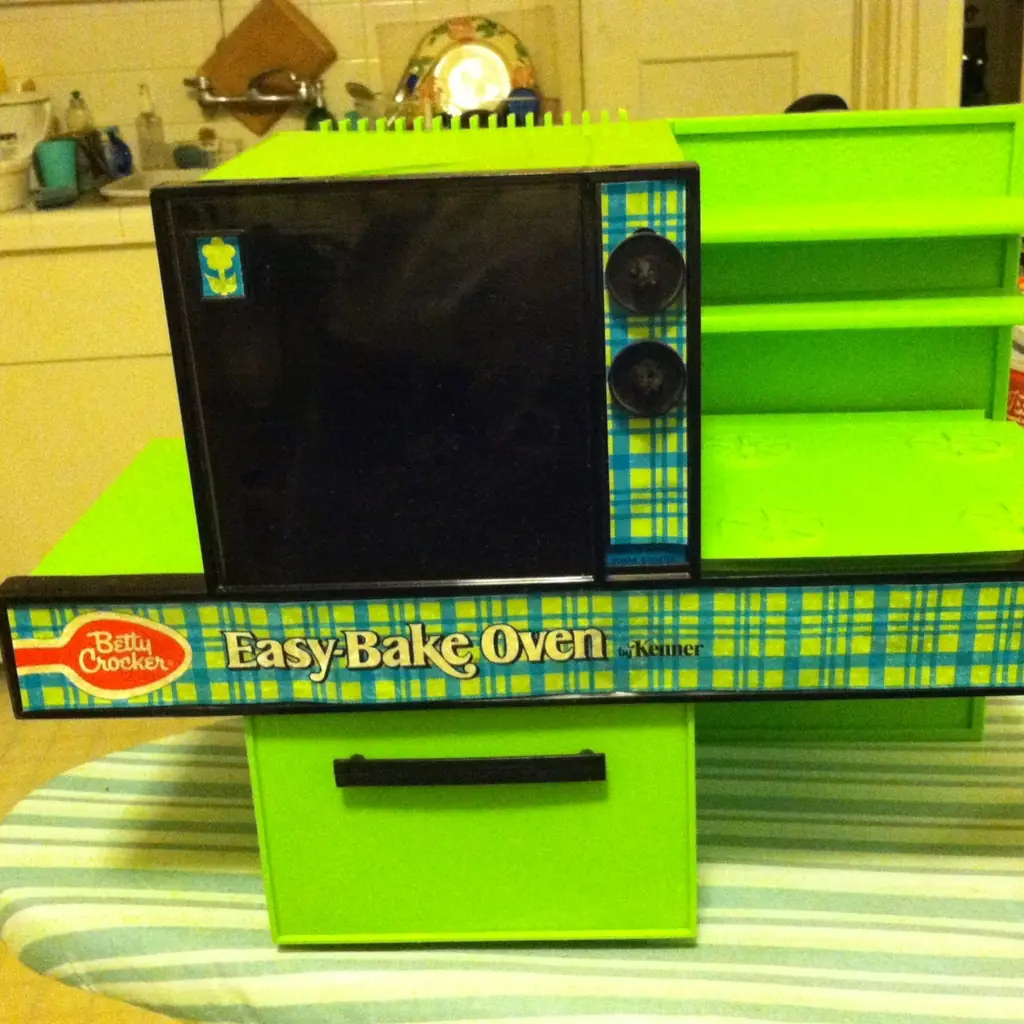
The small pan came out with a real cake in it. After the mixing and waiting, there was something to cut into portions and offer to another person, even if each portion was only a bite.
Kenner's original Easy-Bake Oven used two light bulbs for heat. The tiny pans made the process visible on a child's scale: batter went in, baking took time, and a finished cake eventually appeared. The activity continued when someone else wanted a turn at making one.
3. Etch A Sketch made erasing a difficult decision
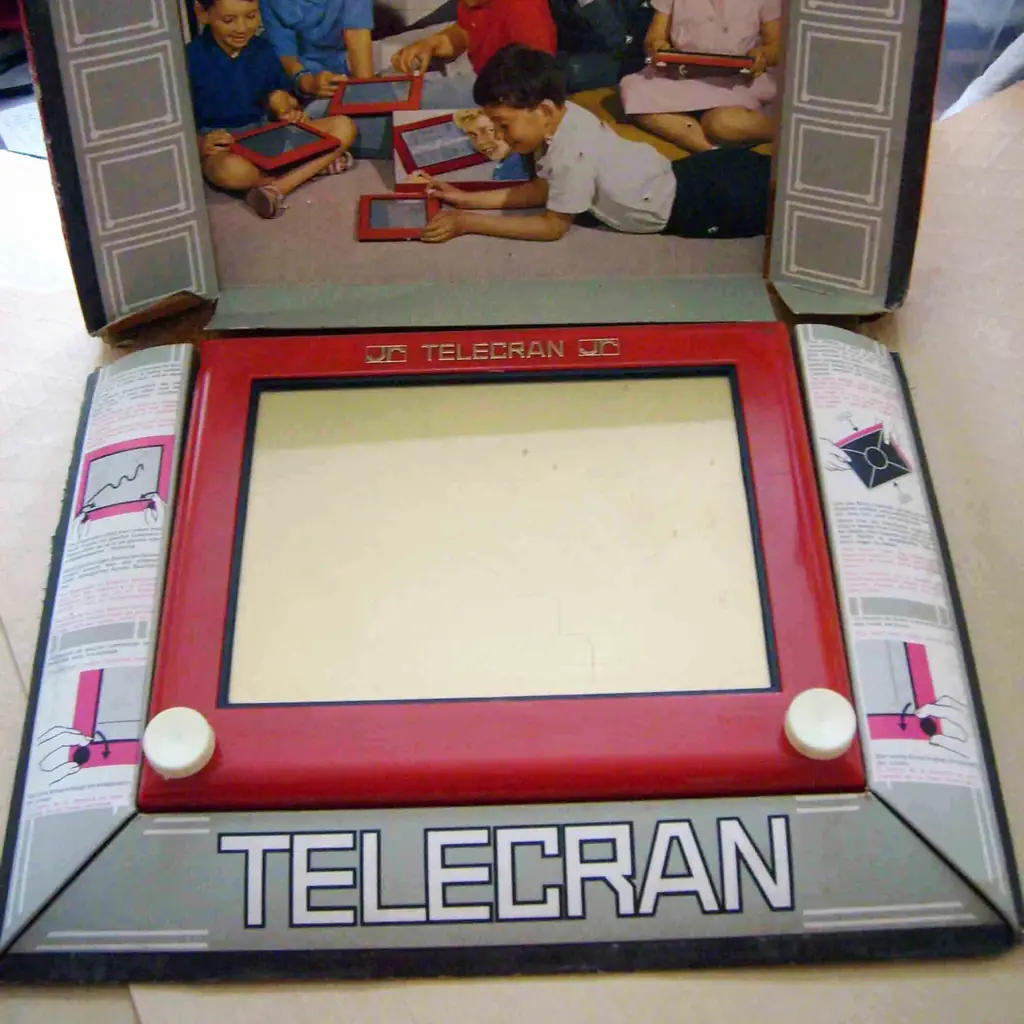
One knob moved the line across the screen; the other moved it up and down. A sloping roof or a smooth curve required both hands to cooperate, often after several square-looking attempts.
The picture stayed in place while its maker decided how to continue. Shaking the frame erased everything, including the parts that had worked. A stray line might become another window or an extra wing on a building because starting again carried its own small cost.
4. Lite-Brite changed when the room got darker
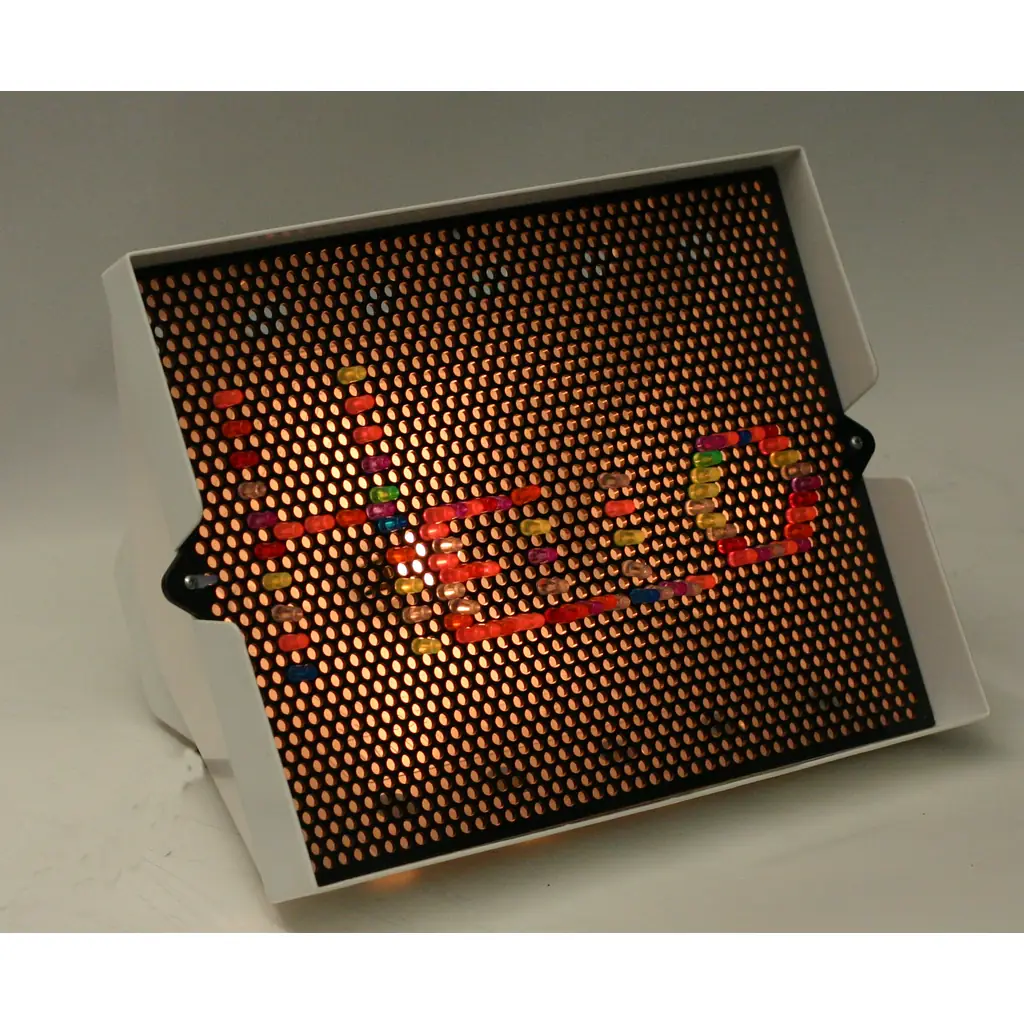
A peg pushed through the black paper left a small point of color. Enough pegs made a flower, a face, or an invented pattern, and switching on the light changed how the whole picture looked.
The early Lite-Brite placed a light bulb behind a perforated panel. Its translucent pegs did the coloring, so following a pattern did not depend on keeping a pencil inside the lines. Pulling the pegs out left the next picture waiting to be made.
5. View-Master made a cardboard reel worth keeping
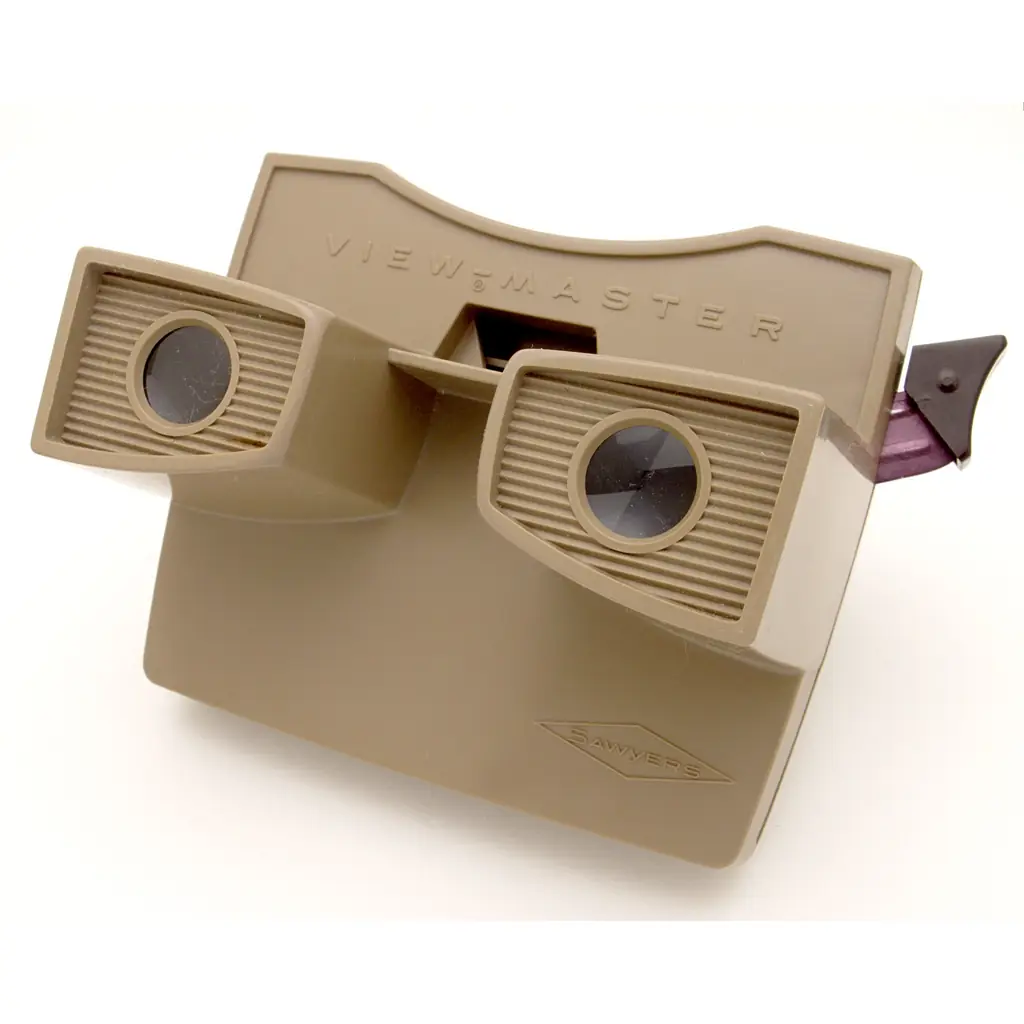
The next picture appeared with a movement of the lever. A cardboard reel held a short sequence, but the paired images gave each scene depth when seen through the viewer.
Early View-Master reels featured scenic attractions; later ranges brought entertainment characters into the same small format. A landscape and a familiar story could therefore share a place in the reel box. Swapping the disc changed the experience without requiring a new viewer, and a favorite scene could be brought back with another circuit.
6. Spirograph turned a moving wheel into a pattern
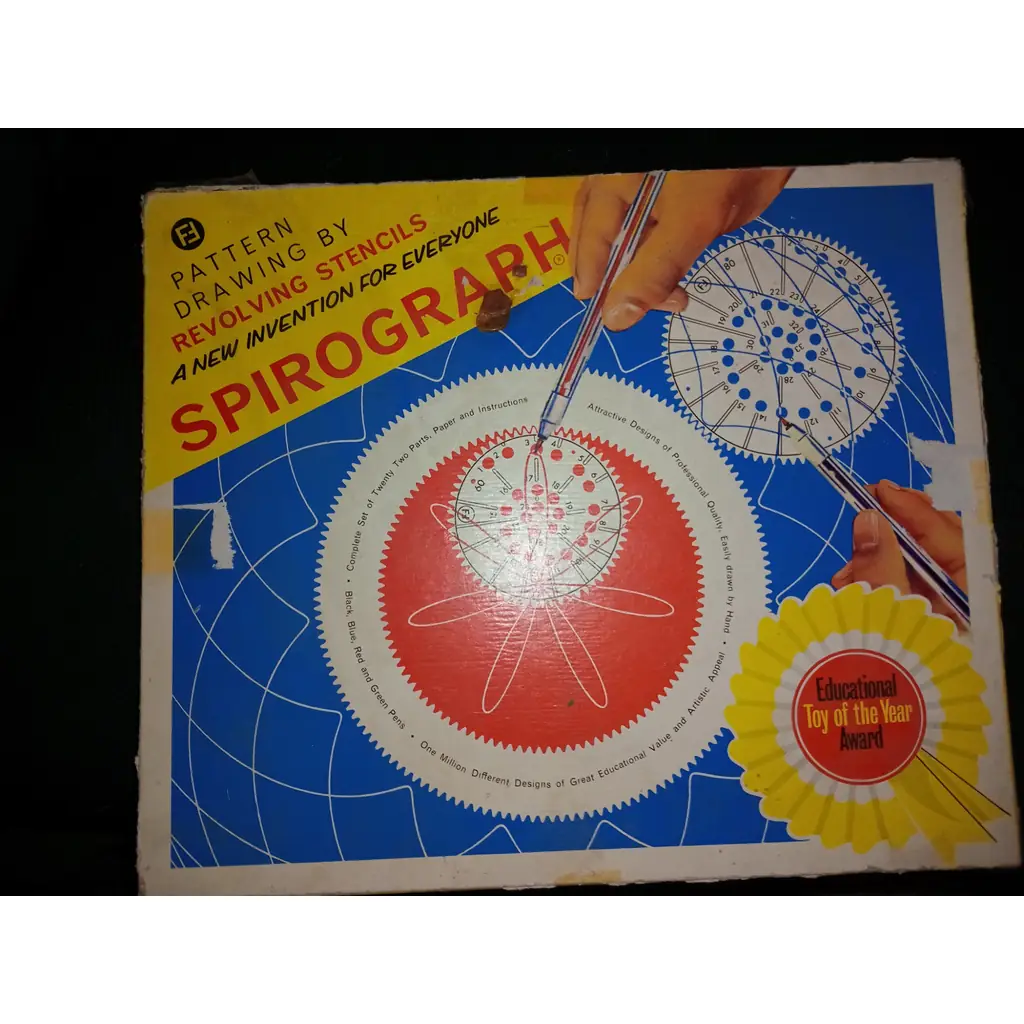
The pen followed the small wheel around the larger ring until separate loops began to look like a finished design. Keeping the teeth engaged mattered: a slip could interrupt a pattern that was nearly complete.
Kenner introduced Spirograph in the United States in 1966. A different hole in the wheel changed the line's path, making another drawing possible with the same pieces. Among the familiar objects of a 1960s home, it was one that left its afternoon's work on paper.
7. Play-Doh could join whatever game was already happening
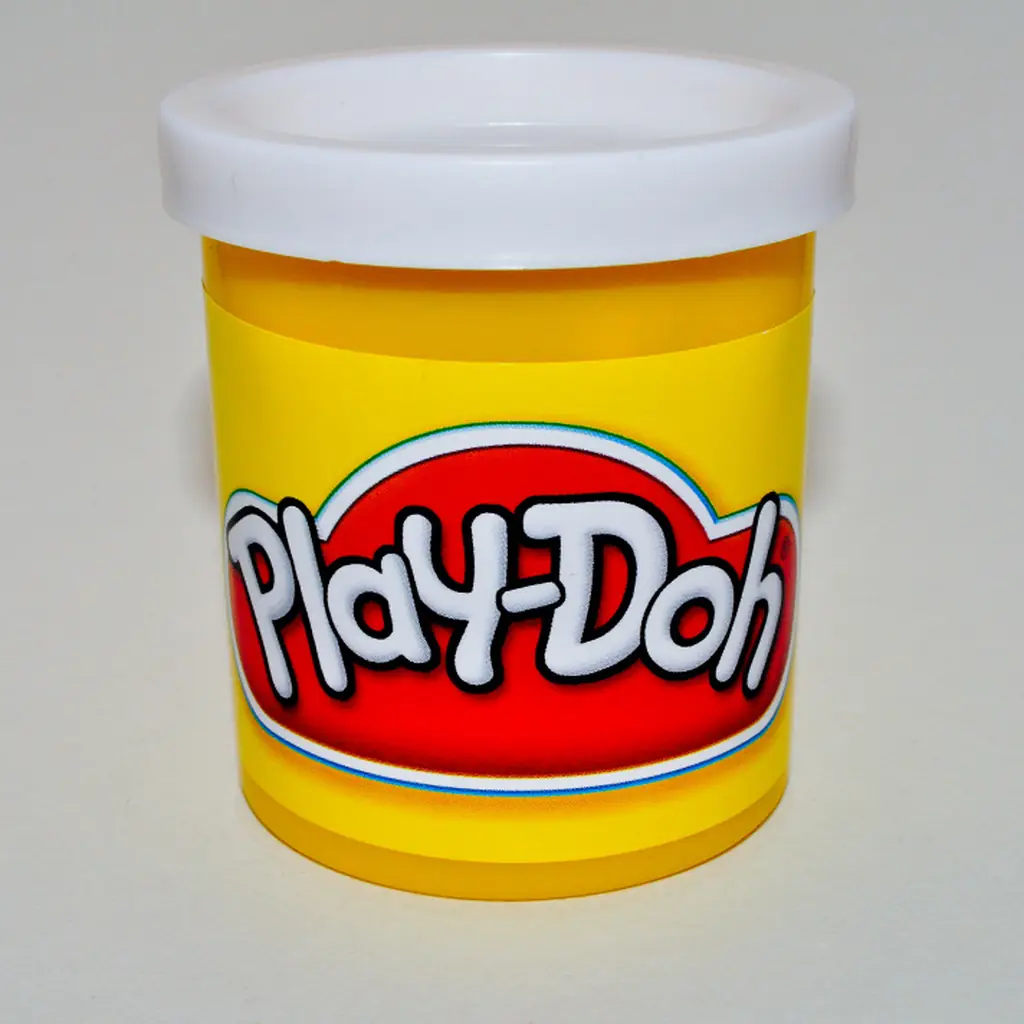
A lump could become a loaf, a plateful of pretend food, or a creature that needed somewhere to live. If the game changed, the material could be pressed flat and given another job.
Play-Doh became a children's modeling compound in the 1950s after beginning as wallpaper cleaner. Its softness made it easy to work with small hands. A miniature kitchen might borrow its dishes from the food in Grandma's pantry, while the next game needed a completely different set of shapes.
8. LEGO gave an abandoned project another use
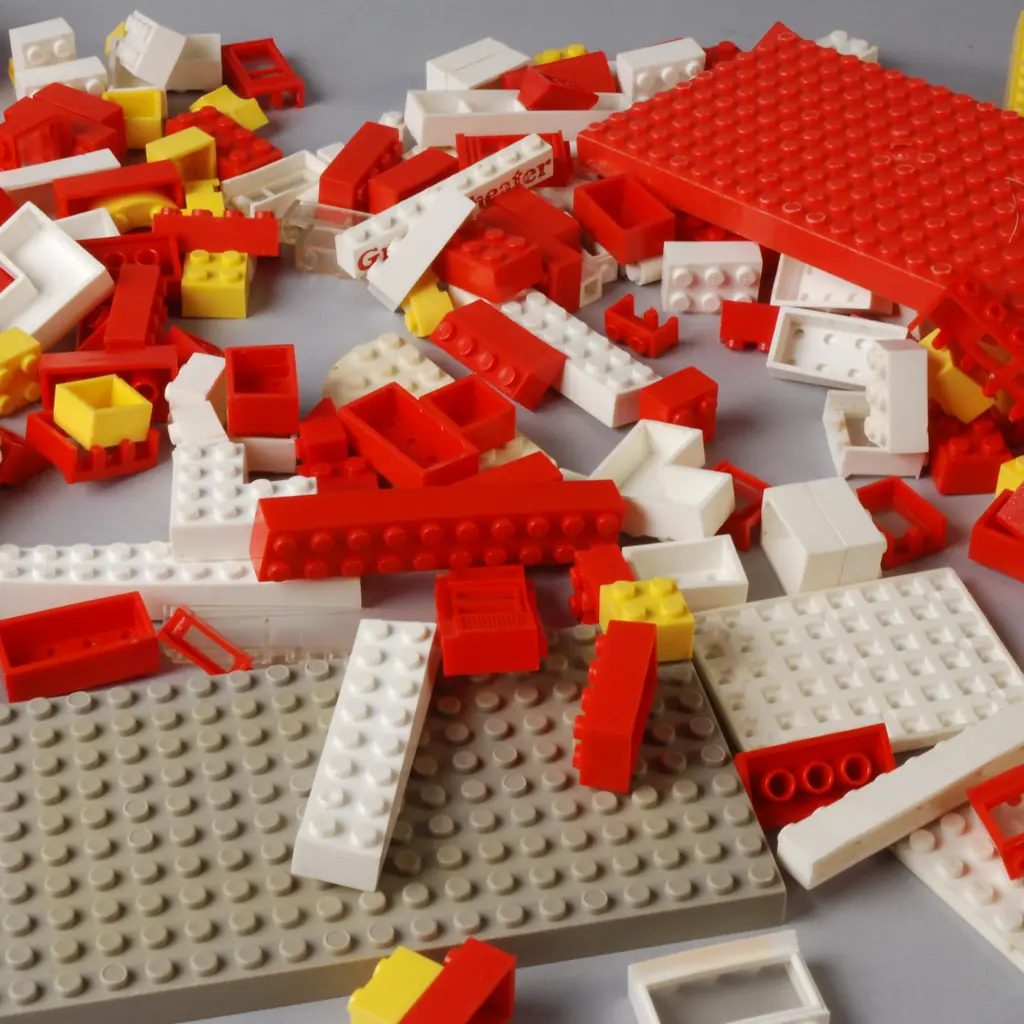
A wall could come down a brick at a time and supply the parts for a vehicle. A model that had stopped being interesting did not have to stay assembled, and the useful pieces could be found again.
LEGO patented its stud-and-tube connection in 1958. The grip helped a construction hold together while leaving it possible to dismantle. The larger a project grew, the more space it occupied, eventually meeting the household rules about floors and tables.
9. Lincoln Logs made the corners do the work
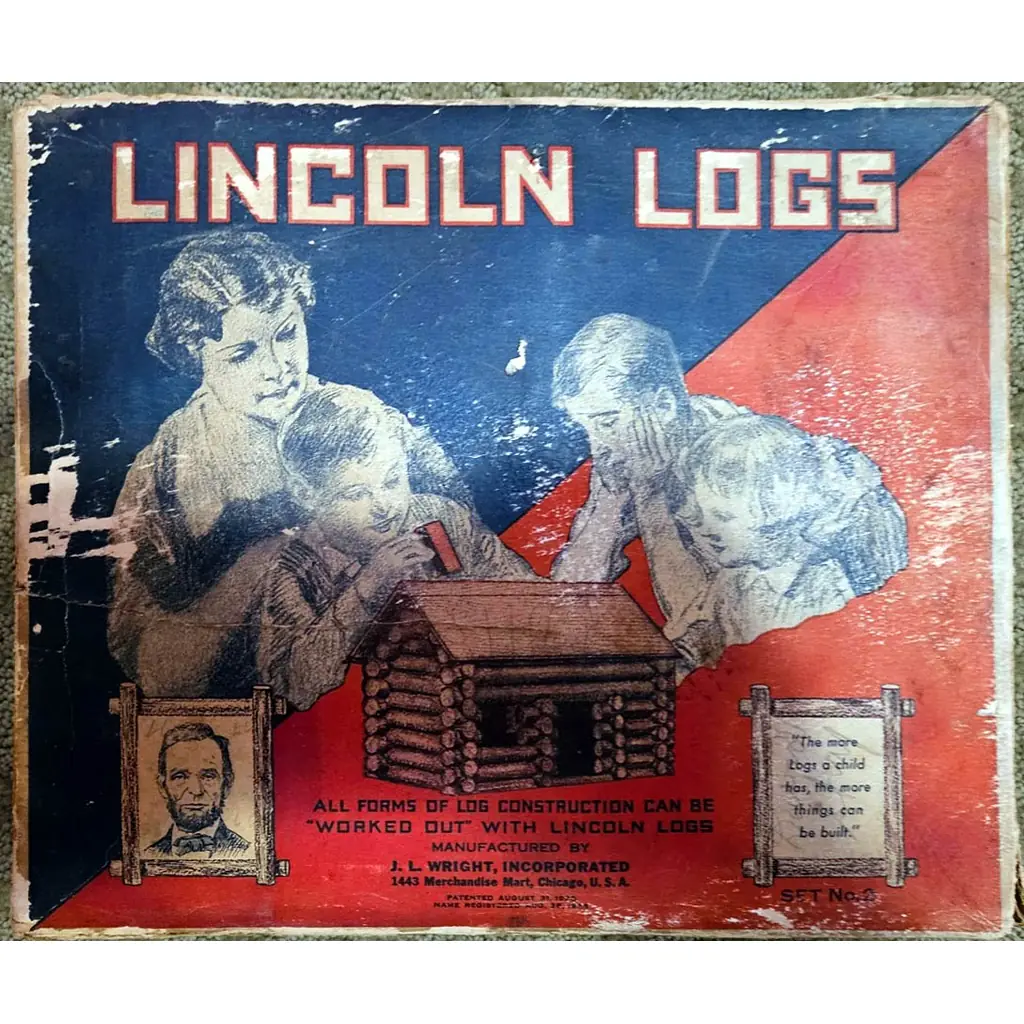
The notched ends settled across one another, and a cabin began to stand without glue. Longer pieces formed the walls while the smaller ones left openings that could become doors or windows.
Lincoln Logs were already an established construction toy before the 1960s. A newer set could therefore mix with pieces kept from an older child's collection. Like household routines passed down from earlier decades, the basic arrangement remained familiar even when the room around it had changed.
10. Tinkertoy let a child build the moving part
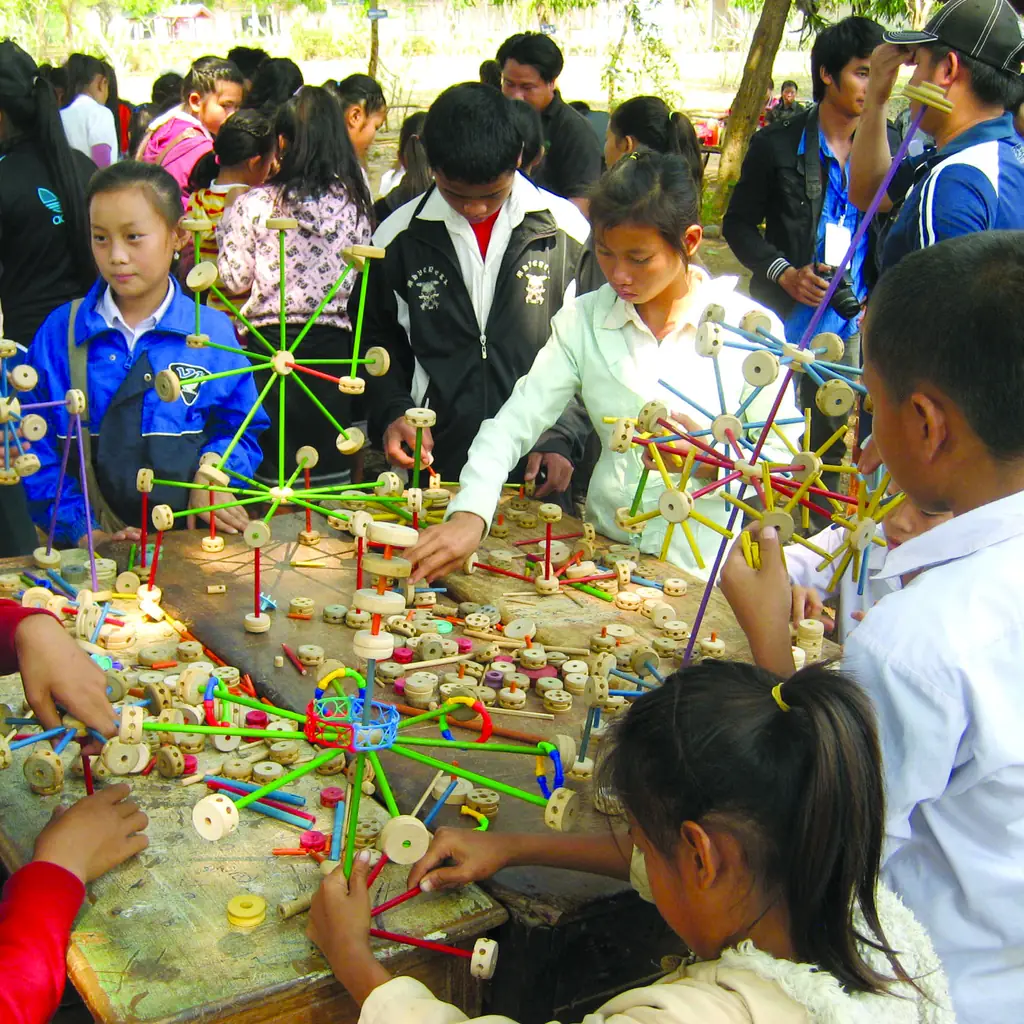
Rods fitted into the holes around a hub, spreading a construction outward in several directions. A wheel could turn, a frame could support another piece, and a leaning structure showed exactly where it needed attention.
Tinkertoy grew from the shapes children could make with sticks and spools. Its open framework kept the connections visible. Taking out a rod could change the whole model, while adding another might make it stand more steadily or give it a new moving part.
11. A Slinky depended on the staircase as well as the spring
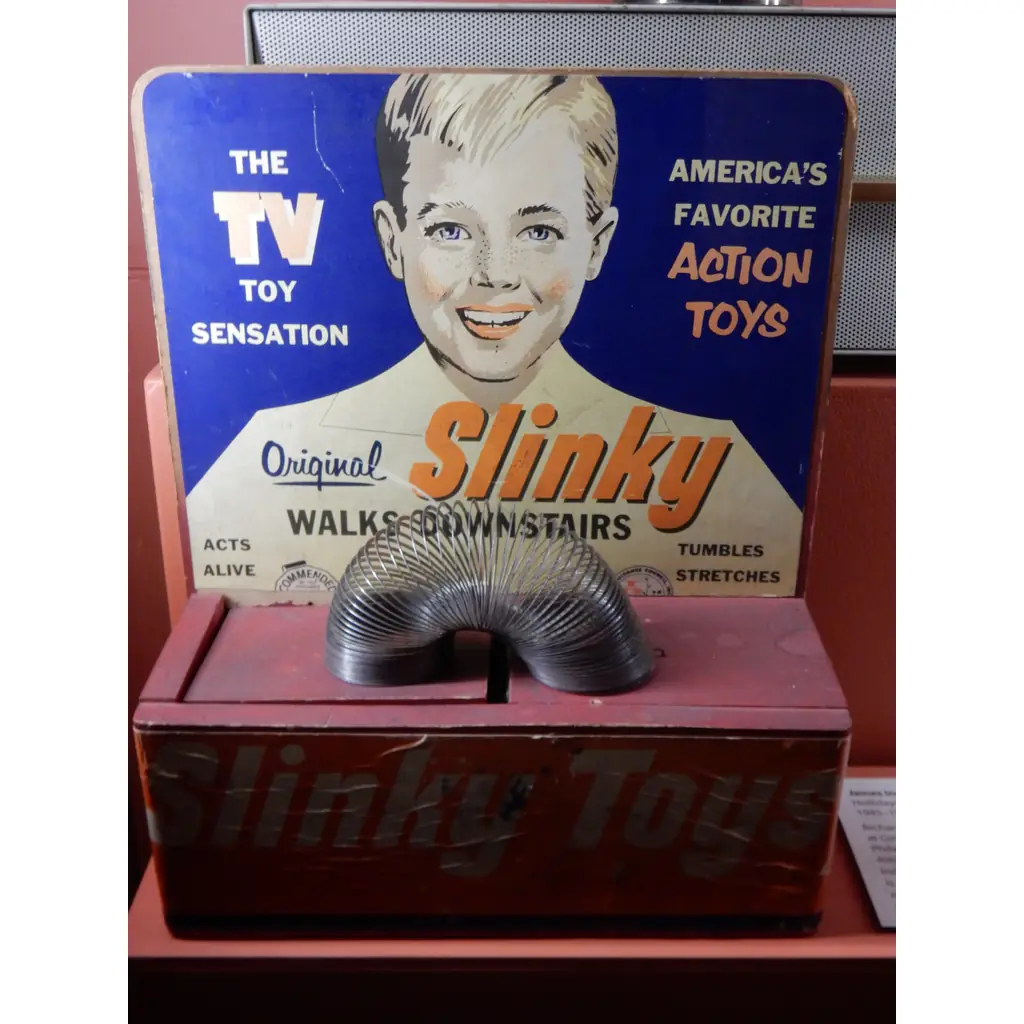
A Slinky stretched toward the next step, gathered itself, and tipped forward again if the spacing was right. On another staircase it might stop after one movement, leaving its owner to try a different starting position.
Many household steps were too tall or wide for the long descents seen in demonstrations. The spring also passed between hands, expanded into a hanging curve, and sometimes tangled. Those small experiments fit alongside the other things children figured out in the 1970s.
12. Twister needed the people around it
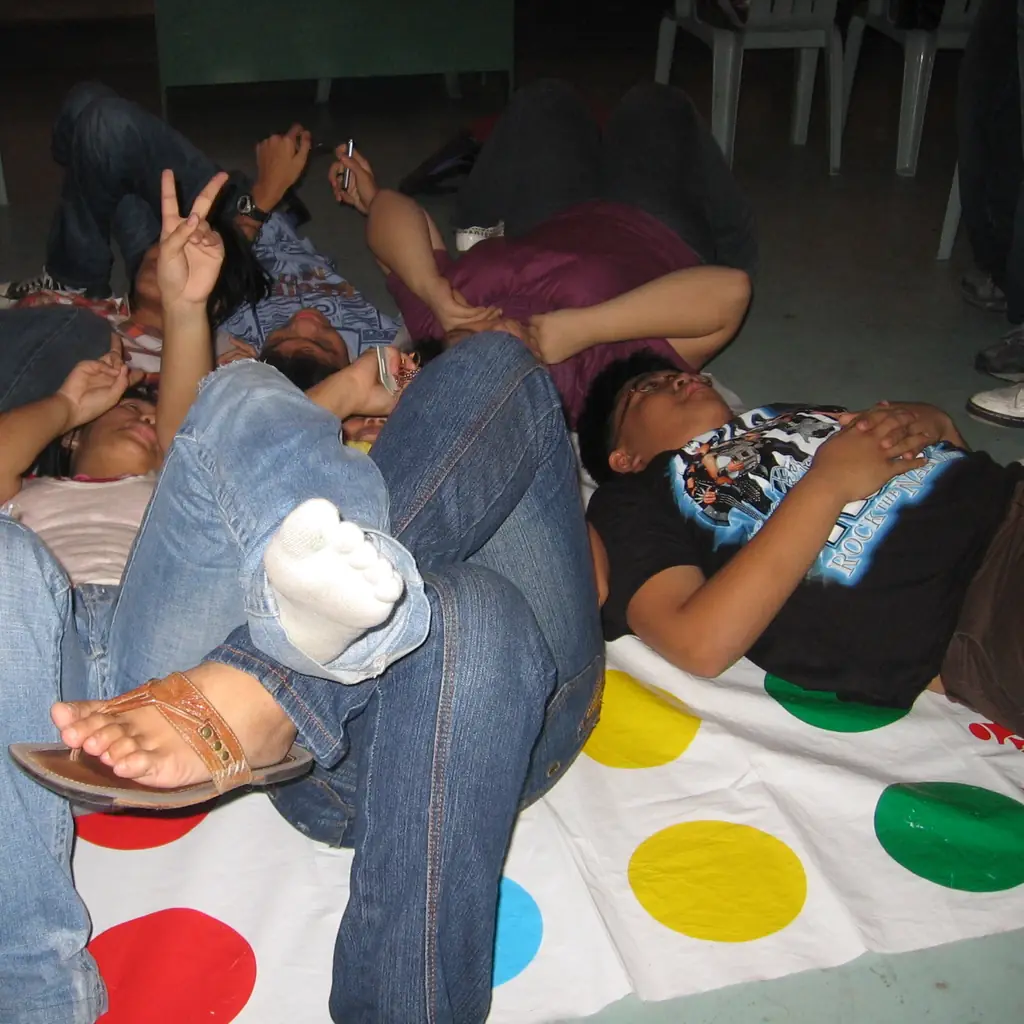
A player reached for the next colored circle while trying to keep the other three limbs where they belonged. The spinner supplied the instruction, but the positions of the other players made it easy or awkward to obey.
Twister reached the market in 1966. Its mat turned a patch of floor into the playing surface, and adults could join children without learning a complicated set of moves. The same room might later be cleared again for a 1970s dinner party.
13. Atari changed the present when a cartridge changed
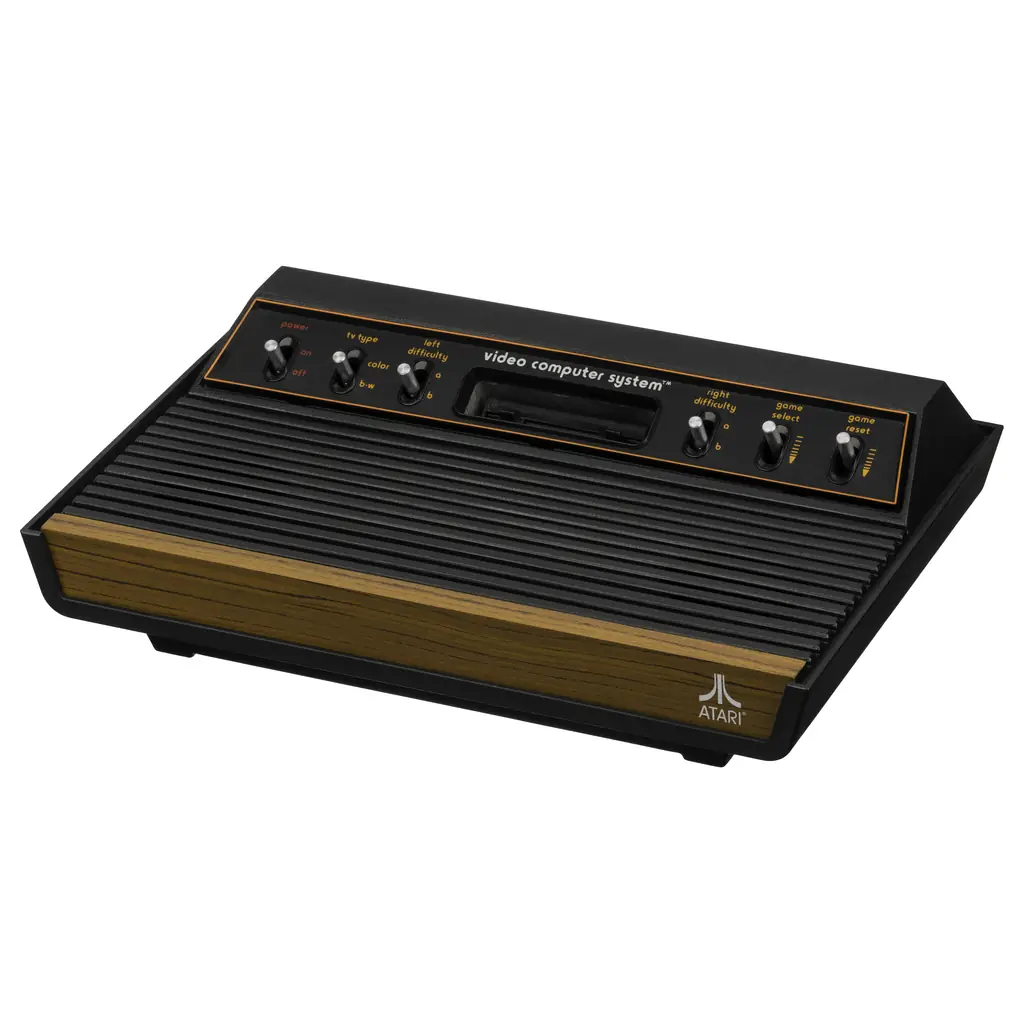
The controllers and television stayed in place while a different cartridge changed the game. A console could therefore remain part of the room as its small collection of games grew.
Atari's Video Computer System arrived in 1977. Its interchangeable cartridges gave a family another reason to return to the same machine, and two controllers made taking a turn part of the activity. The switches and controllers were physical pieces of the game, ready to be handled before anything moved across the screen.
14. A bicycle carried the present beyond Christmas morning
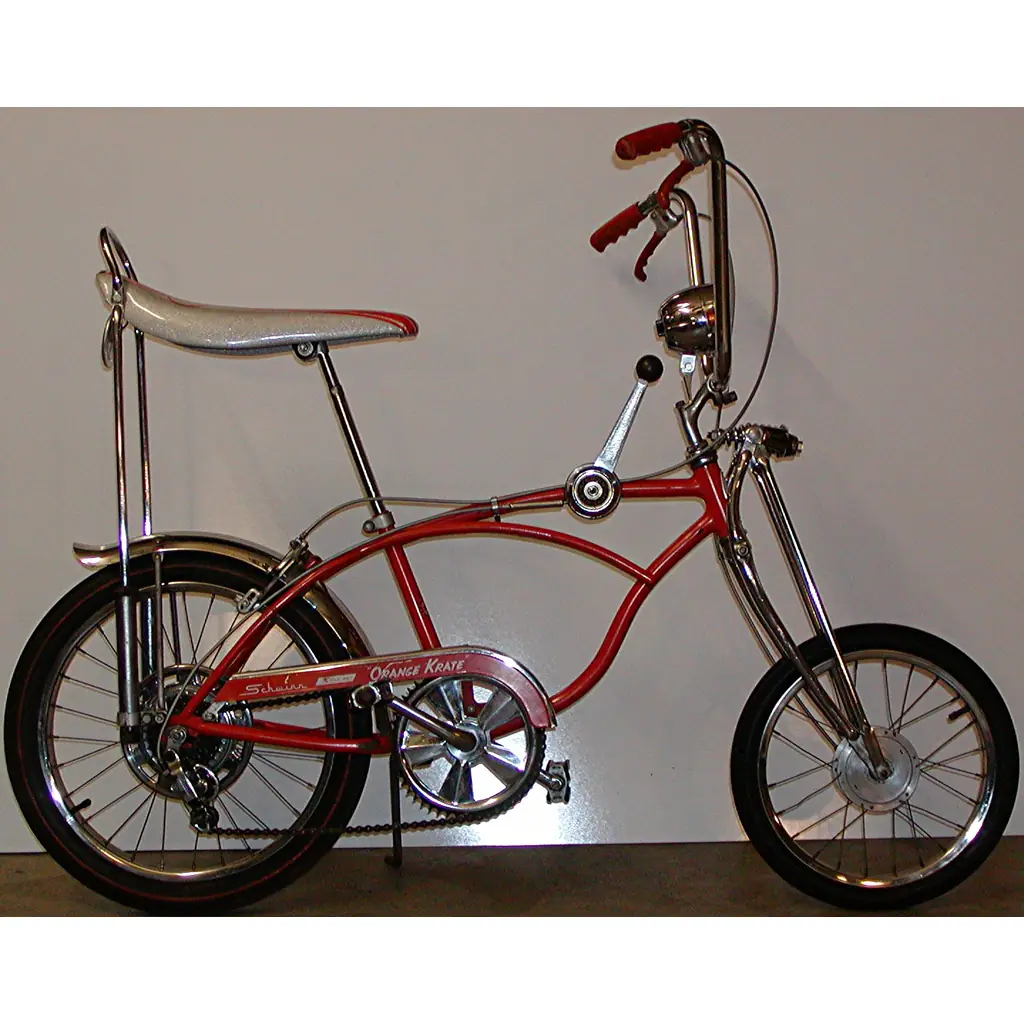
A new bicycle could be waiting indoors while the weather kept its first proper outing some distance away. The handlebars, tires, and pedals were still there to inspect long after the other parcels had been opened.
The banana seat and elongated support of Schwinn's Sting Ray made it a distinctive bicycle of the 1960s and 1970s. After the presents and Christmas treats, it offered something that would continue on ordinary afternoons: another route to learn and another place to reach.
The part that outlasted Christmas
The wrapping disappeared quickly, but a drawing kept on paper, a cabin rebuilt on the floor, or a favorite car could remain in use for years. Often the lasting memory is a particular action: turning a knob, fitting a wheel into place, or waiting while someone else took their turn.
Sources and further reading
- The Strong National Museum of Play
- The Strong National Museum of Play
- The Strong National Museum of Play
- The Strong National Museum of Play
- The Strong National Museum of Play
- The Strong National Museum of Play
- Smithsonian National Museum of American History
- The Strong National Museum of Play
- LEGO
- The Strong National Museum of Play
- The Strong National Museum of Play
- The Strong National Museum of Play
- The Strong National Museum of Play
- The Strong National Museum of Play
- The Strong National Museum of Play
- Image for section 2: Rdmsf — CC BY-SA 3.0
- Image for section 3: Guil2027 — CC BY-SA 3.0
- Image for section 5: Junkyardsparkle — CC0
- Image for section 6: Rathfelder — CC0
- Image for section 9: Unknown photographer
- Image for section 13: Evan-Amos
- Image for section 14: Nels P Olsen — CC BY-SA 2.0
- Image for section 1: Fernanda Berrocal — CC0
- Image for section 4: thomas ambridge — CC BY-SA 3.0 (adaptation under the same license)
- Image for section 7: Nolan Williamson — CC BY 2.0
- Image for section 8: Museum Rotterdam; LEGO (object maker) — CC BY-SA 3.0 (adaptation under the same license)
- Image for section 10: Blue Plover — CC BY-SA 3.0 (adaptation under the same license)
- Image for section 11: Shuvaev — CC BY 4.0
- Image for section 12: Mike384 — CC BY-SA 3.0 (adaptation under the same license)