A ringing telephone could bring someone out of the kitchen, while a television starting time could draw the household back together. The familiar objects of a 1960s home gave ordinary jobs their own sounds, movements, and small delays.
1. The household telephone was a place you went
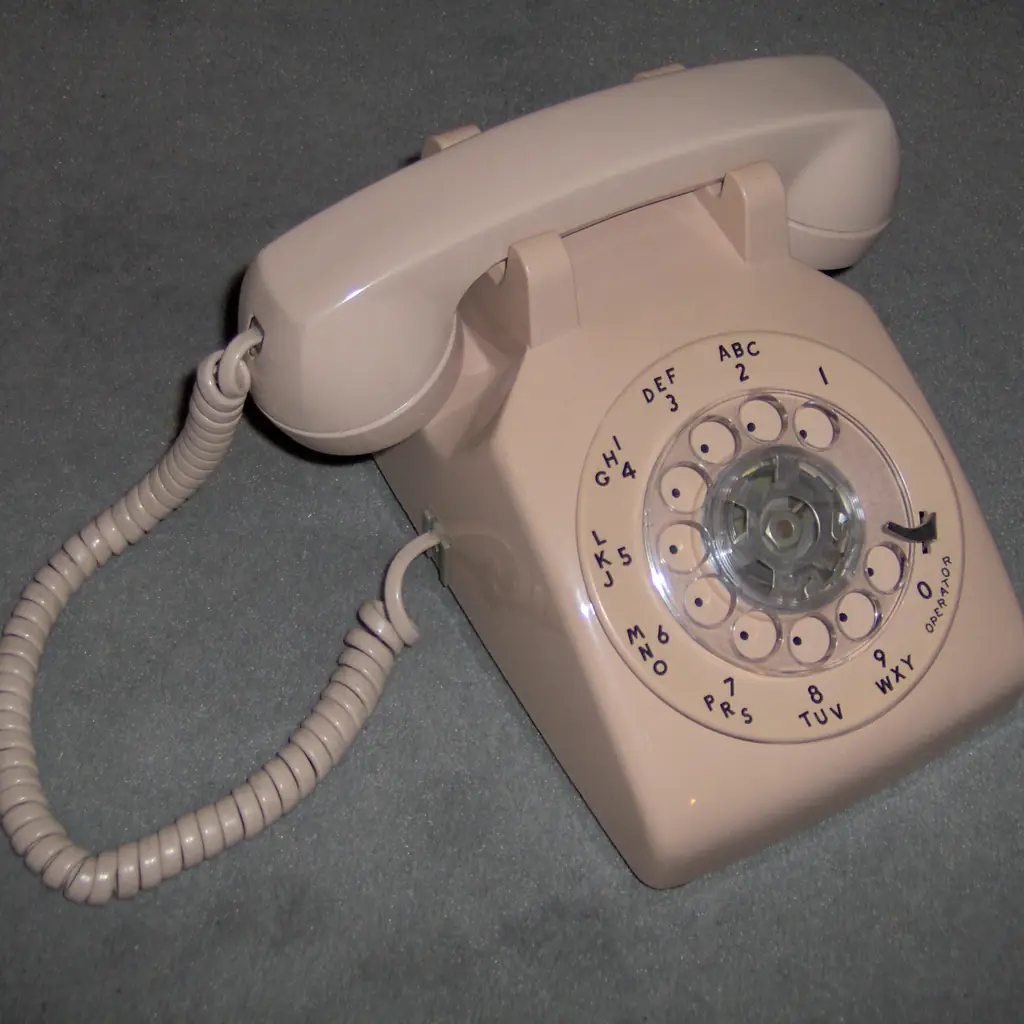
The cord stretched across the corner of a hall or kitchen while the caller looked for somewhere to stand. Privacy depended partly on who else was in the room and how far the handset could travel.
Telephone access was widespread but uneven: about one household in five had no telephone available in 1960. For those using a neighbor's phone, a call involved another doorway and another person's household. Even a short conversation could have several practical steps around it.
2. The television schedule made a decision for you
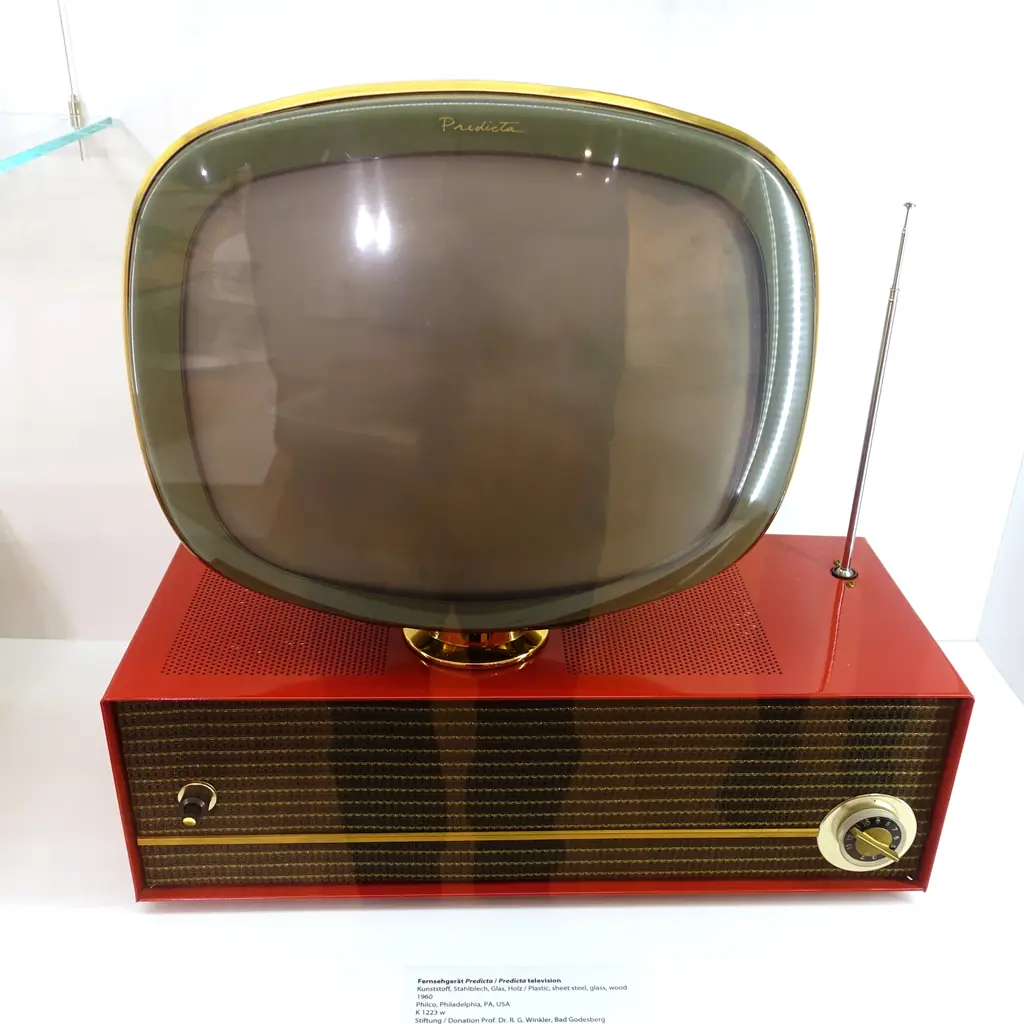
A program's starting time could decide when the dishes were finished or a chair was pulled into place. The printed listing told a household what would be on, but watching the beginning meant being there for it.
Television sets were established enough for the 1960 Census to count them alongside washing machines, radios, and other household equipment. A shared set put the evening's choices in one room, where changing the channel could also mean negotiating with the people already watching.
3. A transistor radio made listening portable
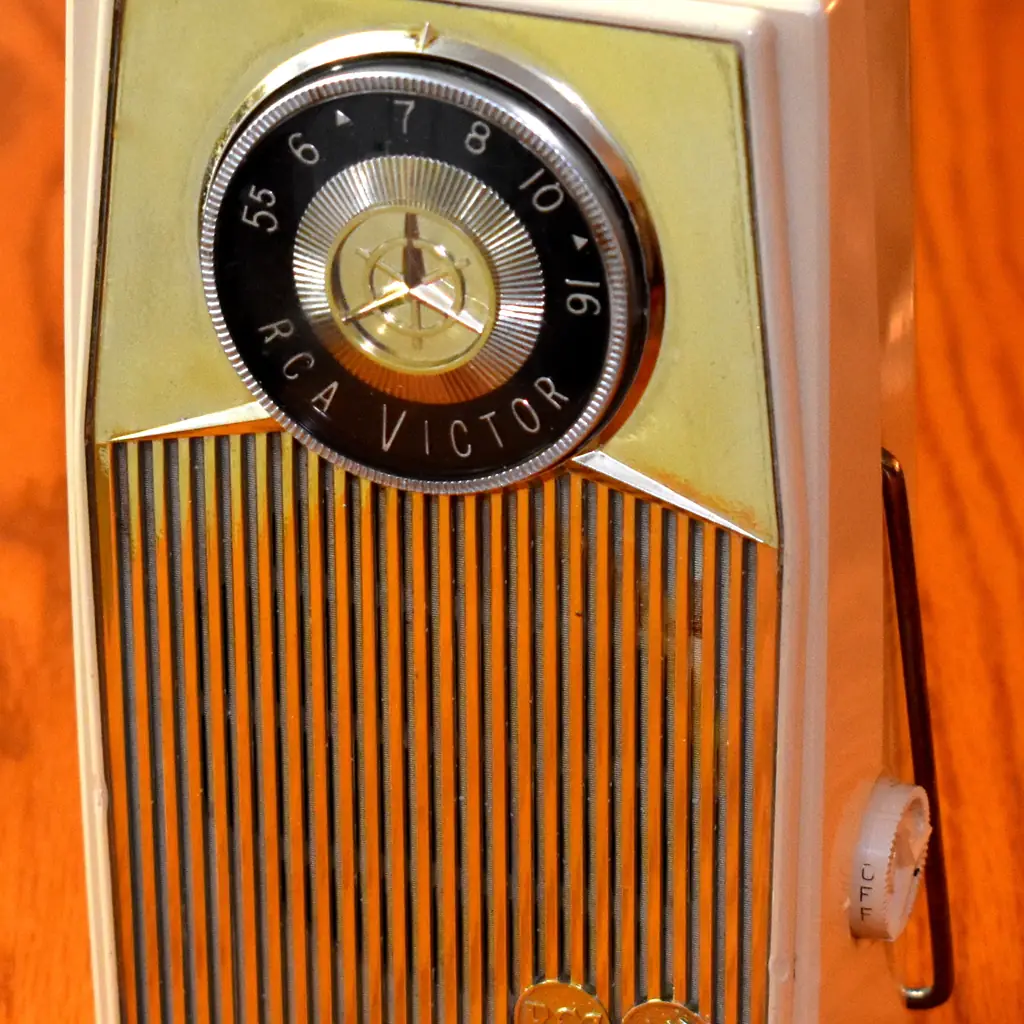
A small radio could sit near a pillow, travel outside, or move to the room where someone was working. Turning the tuning wheel brought voices and music in and out of range until a station came through clearly.
A Peerless model made around 1960 measured less than five inches tall. That small size let listening fit around the rest of a person's day. The family could still share a larger set while a portable radio supplied somebody else's choice of program nearby.
4. A film cartridge simplified one part of taking pictures
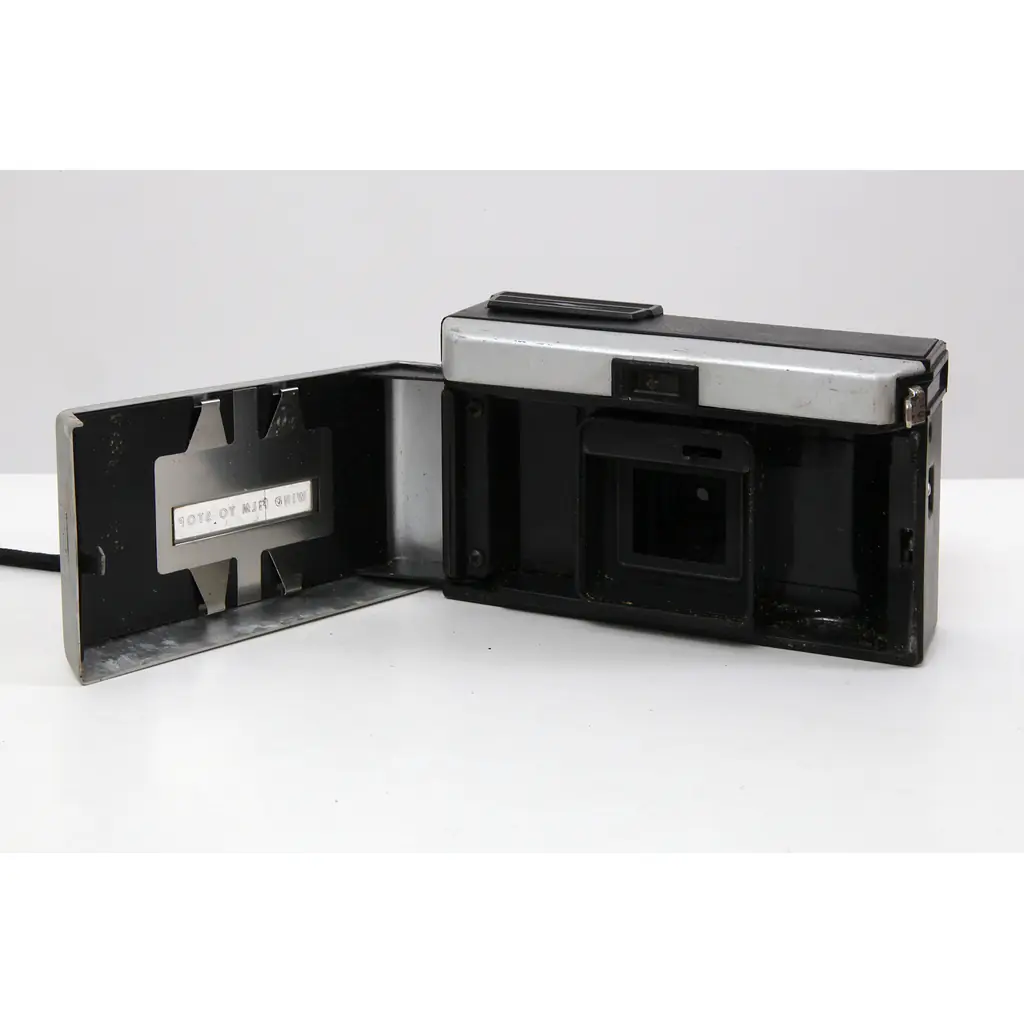
The cartridge fitted into the camera, the back closed, and the photographer still had a limited number of pictures to use. Taking a second version of a group photograph meant spending another exposure without first seeing the result.
Kodak introduced cartridge-loading Instamatic cameras in 1963. The simpler loading helped bring the camera into ordinary occasions, but the pictures still had to be processed. Blurred faces and unexpected backgrounds became part of the packet of prints that finally came home.
5. Freezer space changed what could wait until another day
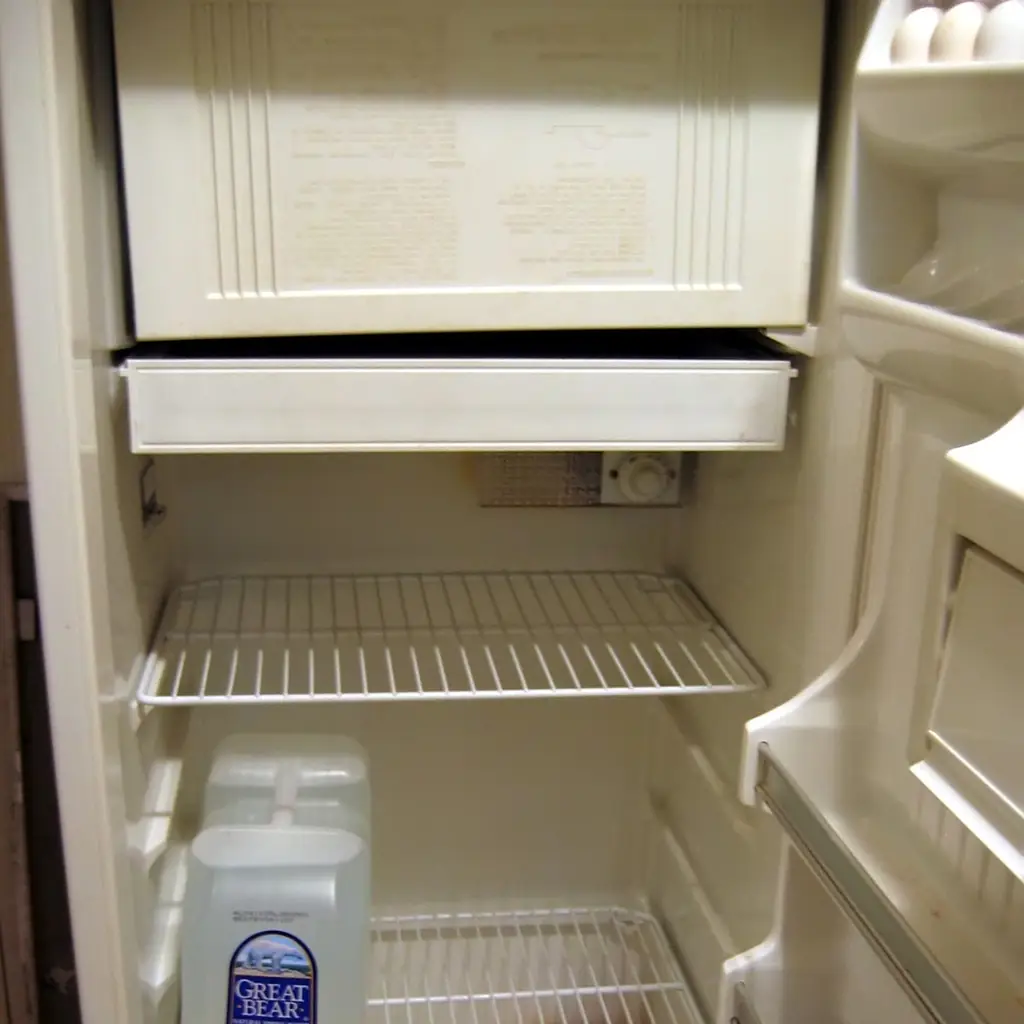
A freezer compartment gave food another place to go when it was not needed immediately. Space, packaging, and knowing what had been put away became part of the household's shopping and meal planning.
Home freezers were one of the separate categories in the 1960 Census equipment survey. They belonged to a growing range of domestic machinery, but families did not acquire each appliance at the same time. The work around the appliance mattered too: someone still chose, packed, arranged, and later found the food.
6. Laundry still had to pass through several pairs of hands
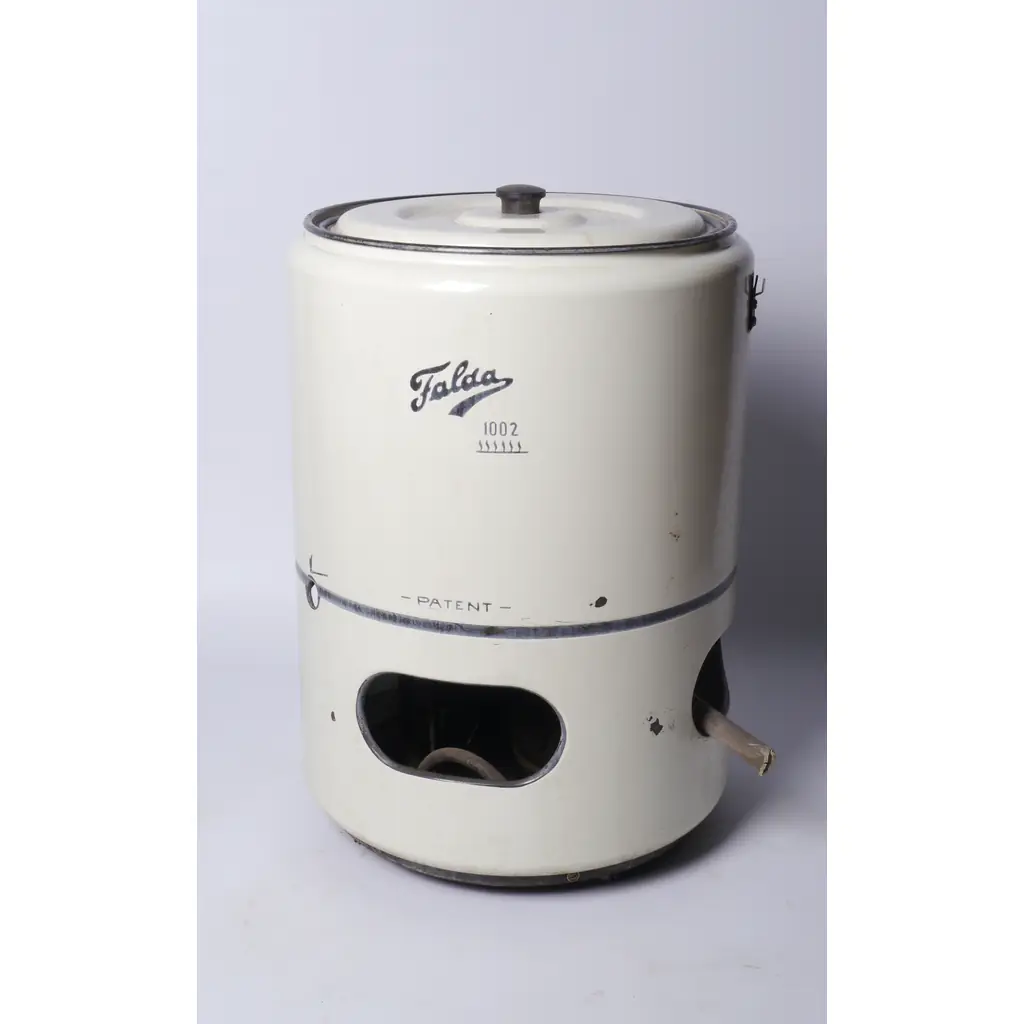
A load moved from the washing machine to a basket, then to the place where it would dry. Damp sheets could be awkward to lift and straighten, and the empty basket was needed again before the job was finished.
A dryer changed part of that sequence, but folding, sorting, and putting clothes away remained. The older routines for keeping a household running could therefore continue around newer machines, while weather and available space still influenced where the washing went.
7. Trading stamps made the grocery trip last a little longer
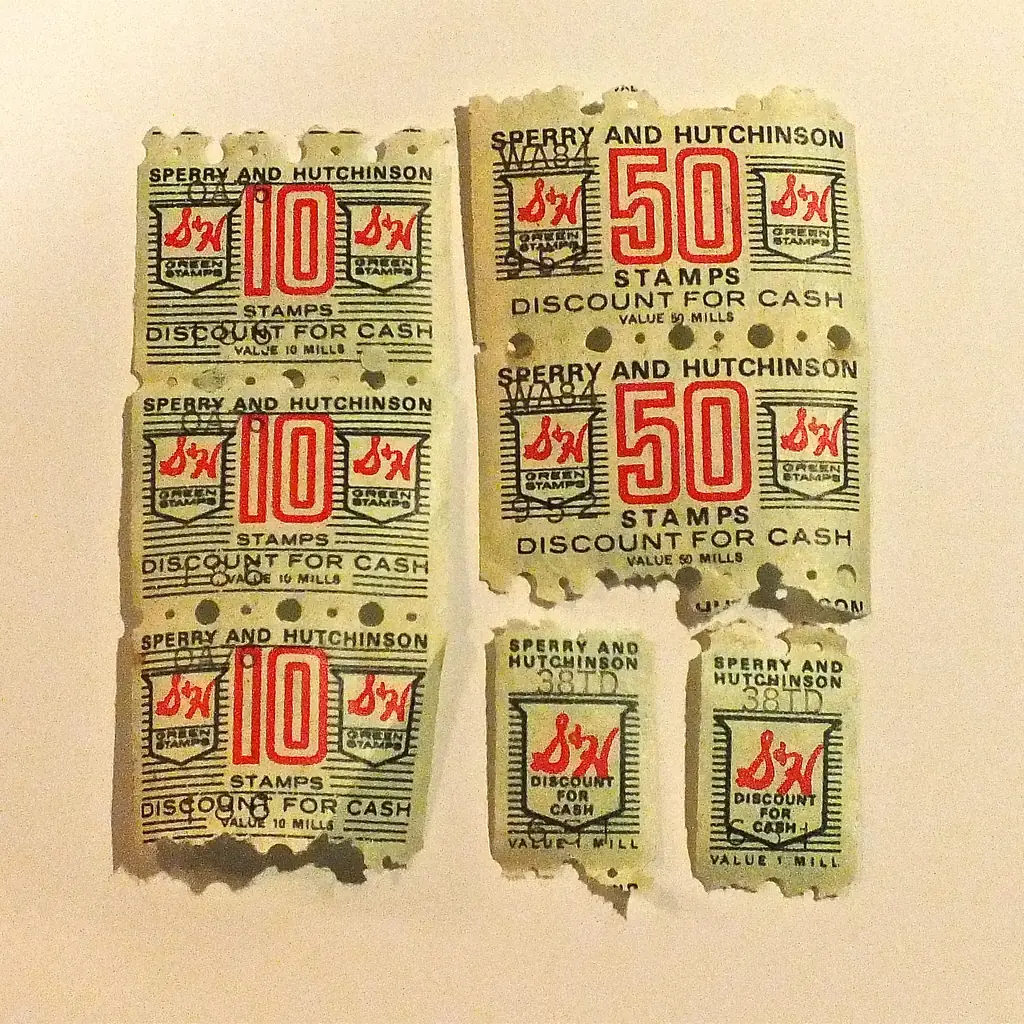
A shopping bag could arrive with a small extra task: keep the stamps together and add them to the booklet. The partly filled pages made progress visible between one shopping trip and the next.
An S&H Green Stamps booklet from 1963 survives among kitchenware company Nordic Ware's records. The reward belonged to the same domestic world as the groceries that helped earn it. The pantry staples bought repeatedly could contribute to a purchase that took much longer to choose.
8. A catalog let a purchase wait on the page
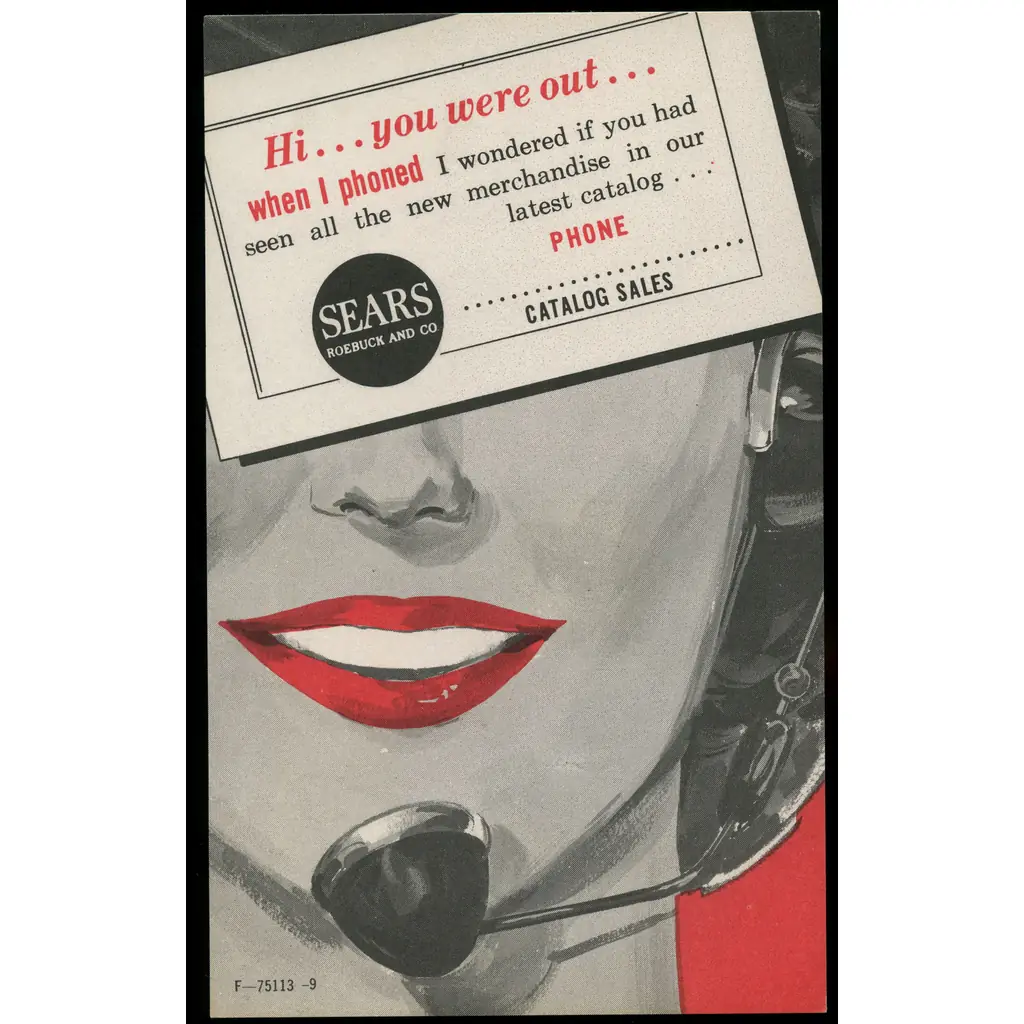
A page could stay folded over while the household considered a possible purchase. Returning to the same picture made it easy to compare features, check a preference, or see whether somebody had chosen something else.
Sears catalogs from fall and winter 1962 survive in Smithsonian holdings. Their seasonal mix put practical purchases close to things bought for enjoyment. A child could find Christmas toys while an adult was looking for a quite different item elsewhere in the same thick book.
9. The toaster put breakfast into small batches
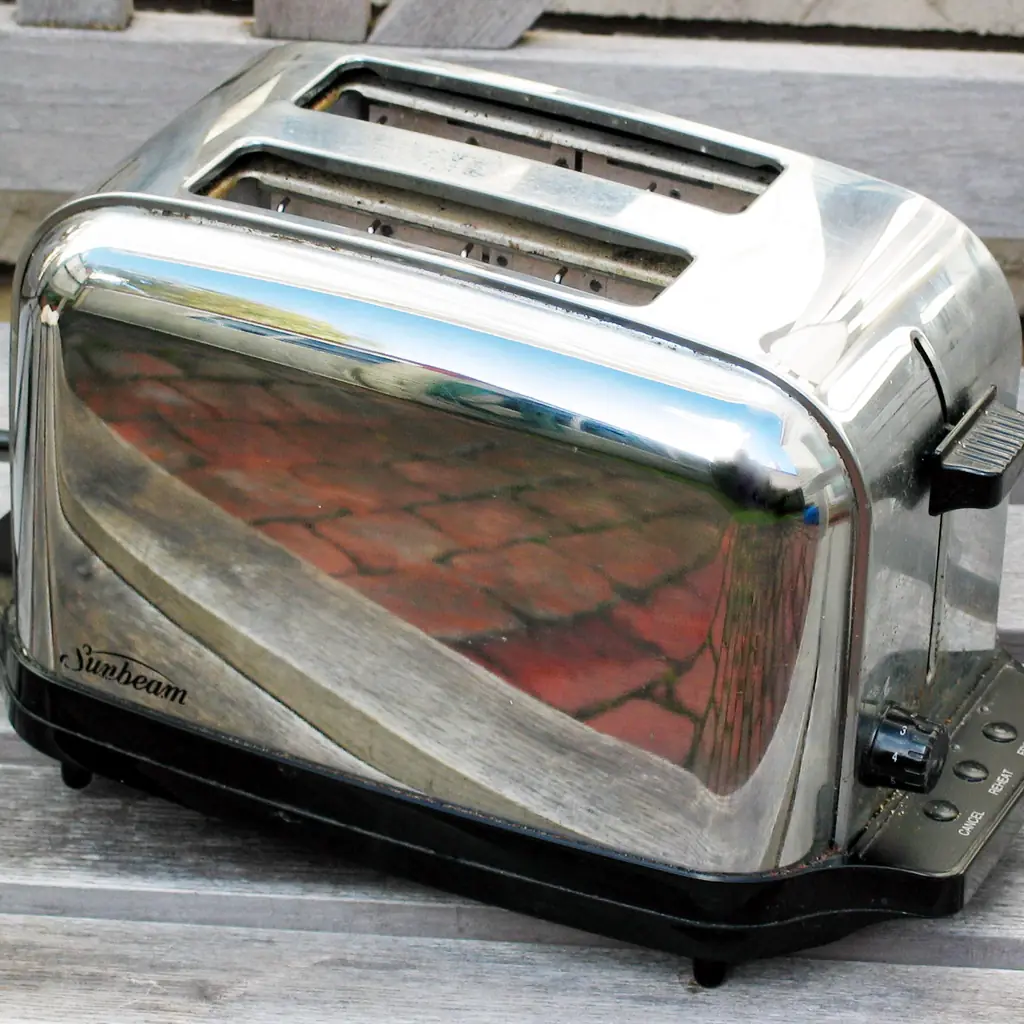
Two slots meant two slices at a time. Someone who preferred darker toast might wait for another cycle, while an early slice cooled on the plate beside the butter.
The 1960s Kenmore Elevator toaster used a heat-control lever and a spring-operated pop-up mechanism. Its shiny case made it conspicuous on the counter, but its familiar place in the morning came from the repeated small job. It worked alongside the other kitchen tools Grandma kept close, each with its own part in getting food onto the table.
10. The slide projector turned a wall into the evening's entertainment
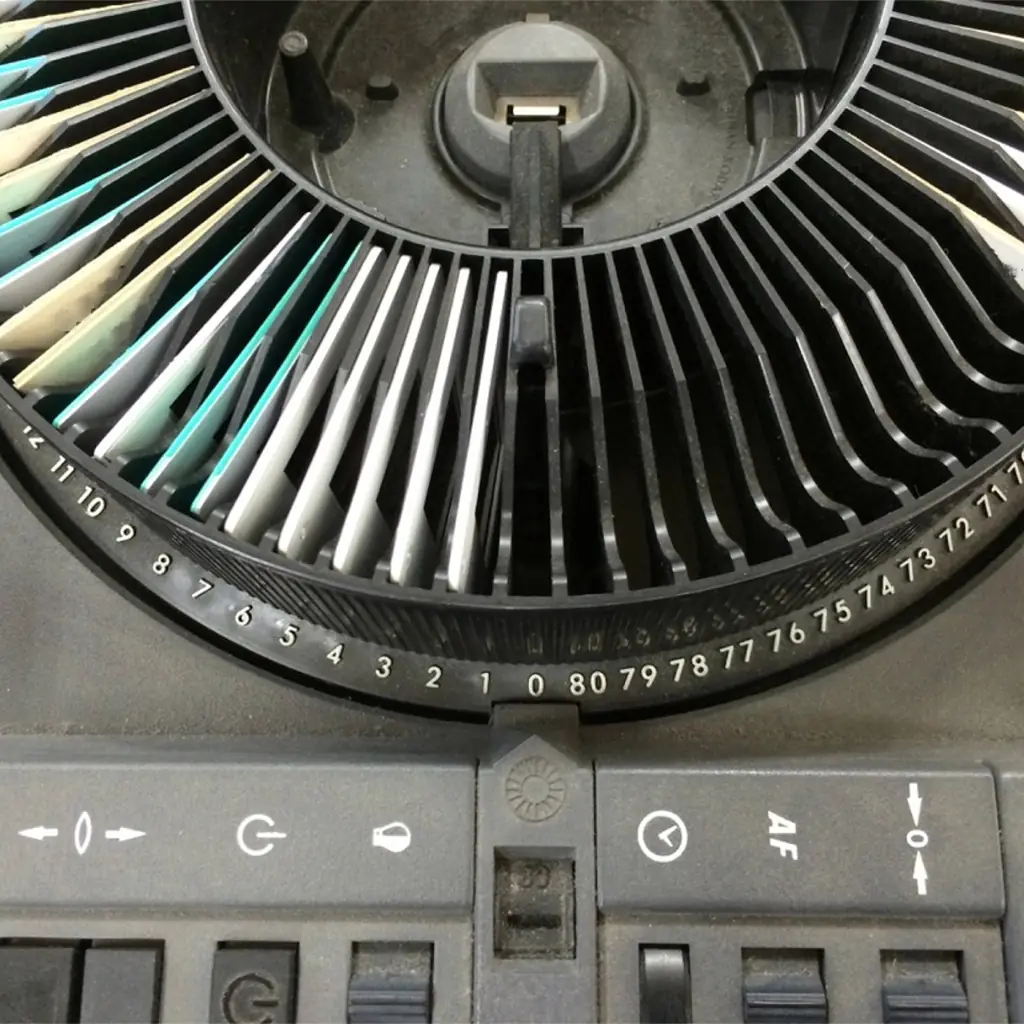
The room grew dim and a small picture expanded across a screen or pale wall. Moving to the next slide brought a new scene, while the person at the projector controlled how long everybody looked.
Kodak's Carousel, introduced in 1961, held 80 slides in its circular tray. A tray could return to the cupboard with its sequence intact, ready for another showing. The same holiday might therefore become a familiar evening's entertainment, continuing into childhoods of the 1970s.
11. A household list had to travel to the right person
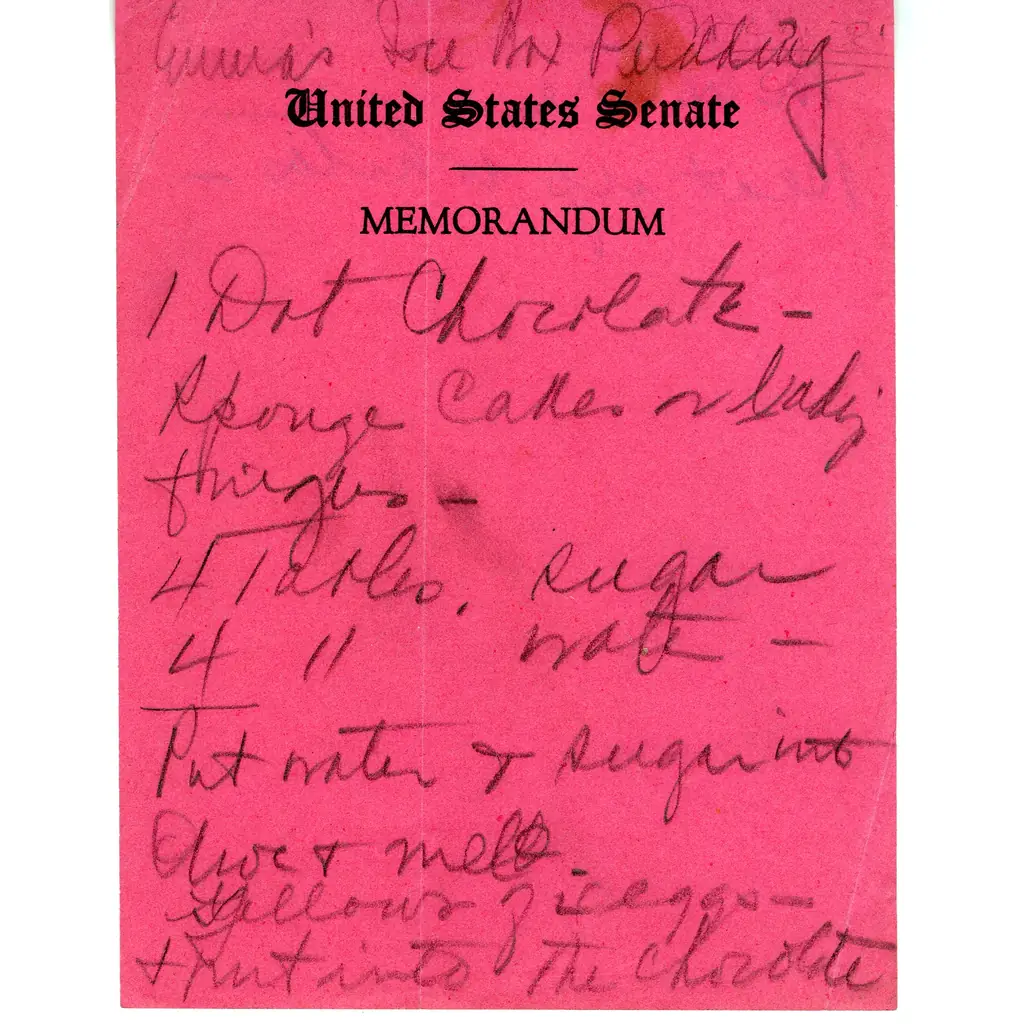
A list on a kitchen surface could keep the next shopping trip from depending on memory alone. An extra item squeezed into the margin changed what the person carrying it needed to bring home.
Addresses, telephone numbers, and recipes also lived on paper that could be moved, folded, and handed over. A recipe card could sit beside a bowl while its cook checked a quantity. Food adapted between immigrant households sometimes carried those small written changes along with the dish itself.
12. The typewriter made each letter a physical action
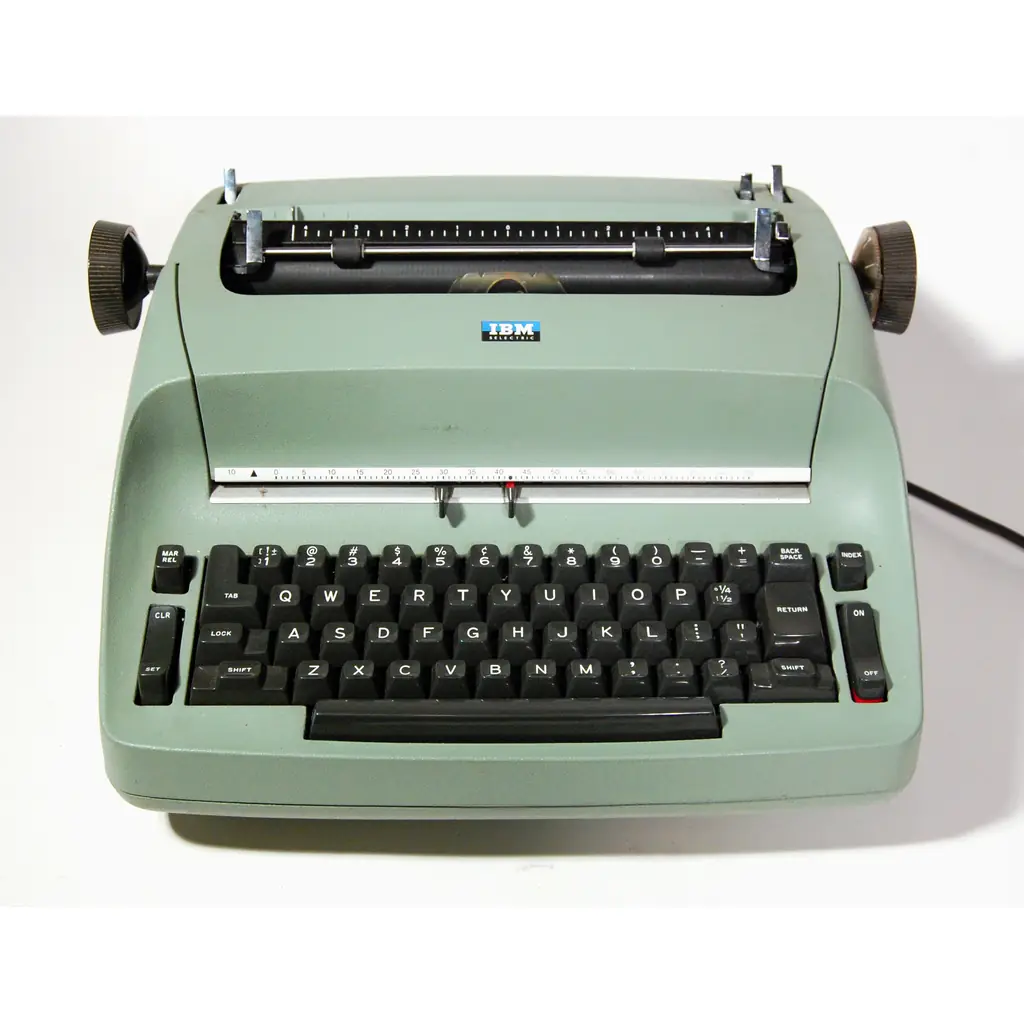
The keys moved under the typist's fingers while the words accumulated on a sheet of paper. A line needed room, the paper needed alignment, and a mistake could interrupt the rhythm of a letter or piece of household paperwork.
IBM introduced the Selectric in 1961, replacing separate type bars with a rotating spherical element. Changing that element could change the typeface. It was one example of familiar equipment taking on a new mechanism while the finished product remained something a person could fold into an envelope.
13. The evening news could turn the living room into a public meeting
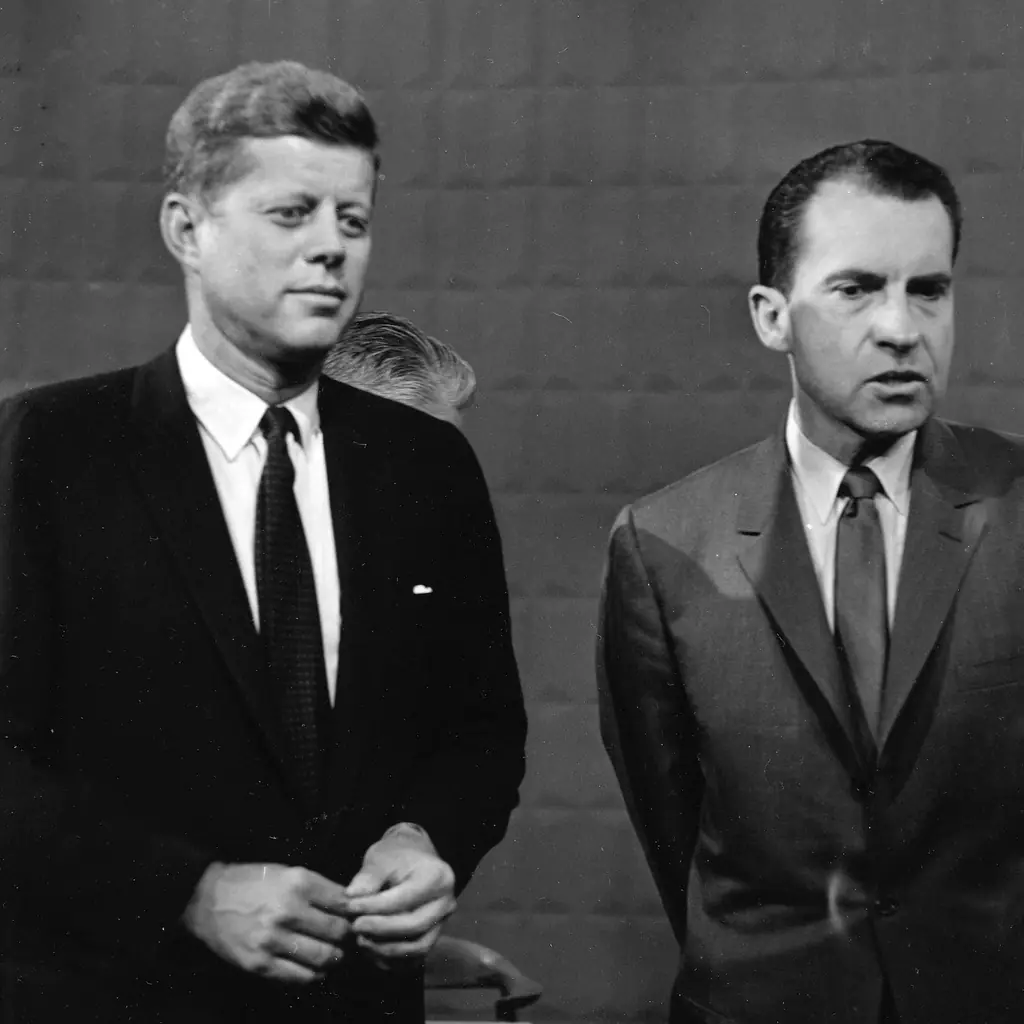
A political debate arrived through the same screen used for entertainment. People gathered around a familiar set to watch candidates speaking from somewhere else, with the television cabinet becoming the room's point of attention.
The first televised Kennedy-Nixon presidential debate took place on September 26, 1960. Newspaper schedules placed it among the rest of the evening's programs. A major national event now occupied an ordinary slot in domestic time, complete with the household's usual chairs, reception, and interruptions.
14. An ordinary television carried the Moon landing
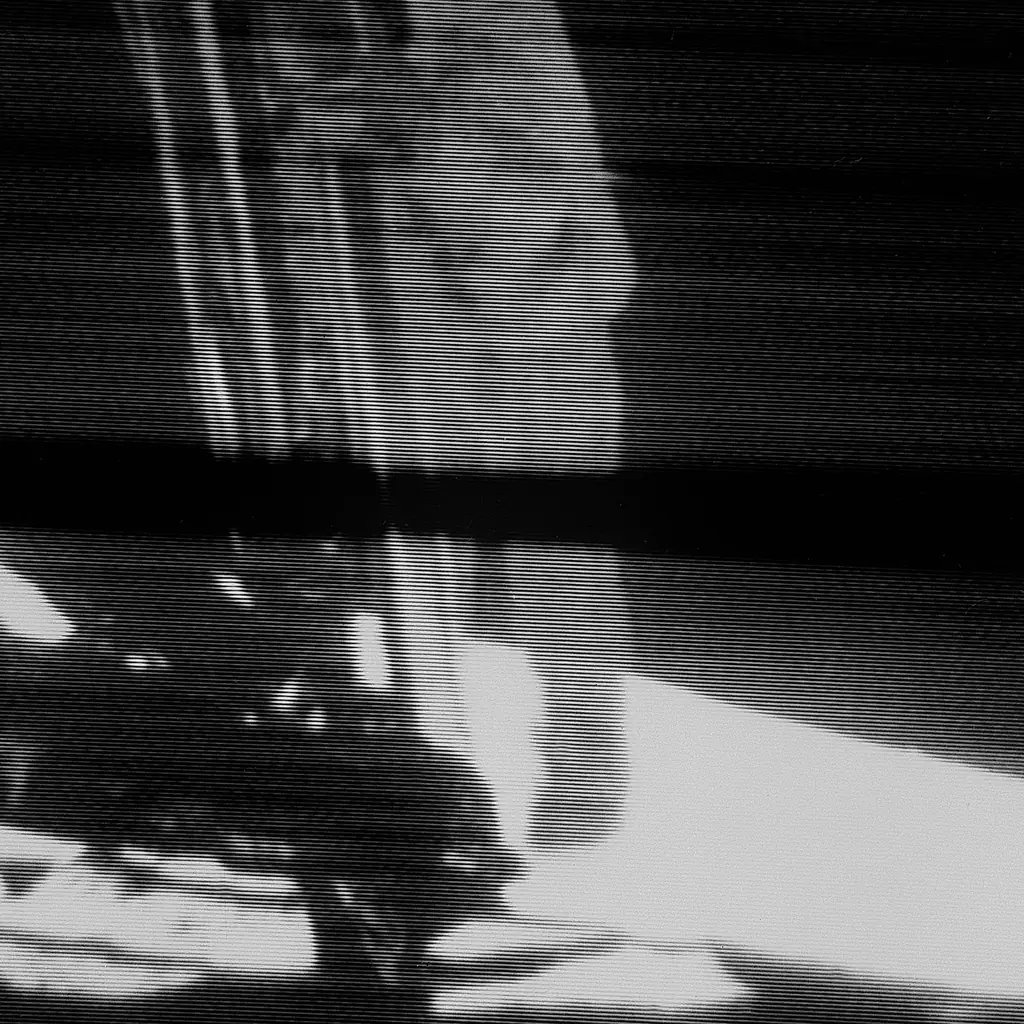
On July 20, 1969, Neil Armstrong's descent to the lunar surface appeared on television in black and white. The image could be indistinct, but the event was unfolding as viewers watched.
The camera showed an unfamiliar landscape through the kind of screen already used for news and evening programs. In a household following the landing, a chair pulled nearer or a conversation paused belonged to an extraordinary broadcast made visible through ordinary domestic equipment.
The jobs that made the rooms familiar
The objects changed at different speeds, and no two homes needed to contain the same collection. What made them familiar was the work around them: finding a number, waiting for toast, packing the washing, or settling in while the next picture appeared.
Sources and further reading
- U.S. Census Bureau
- U.S. Census Bureau
- Smithsonian National Museum of American History
- Kodak
- Smithsonian National Museum of American History
- Smithsonian National Museum of American History
- Smithsonian National Museum of American History
- IBM
- Library of Congress
- NASA
- Image for section 1: ProhibitOnions at English Wikipedia
- Image for section 2: Daderot — CC0
- Image for section 3: Joe Haupt — CC BY-SA 2.0
- Image for section 4: Maddl79 — CC BY-SA 4.0
- Image for section 7: Cayobo — CC BY 2.0
- Image for section 12: steve lodefink — CC BY 2.0
- Image for section 14: NASA
- Image for section 5: Aude — CC BY-SA 3.0 (adaptation under the same license)
- Image for section 6: Museum of Industry, Ghent; photographer unrecorded — CC0
- Image for section 8: Steve Shook; original postcard creator unrecorded — CC BY 2.0
- Image for section 9: Donovan Govan — CC BY-SA 3.0 (adaptation under the same license)
- Image for section 10: W.CC — CC BY-SA 3.0 (adaptation under the same license)
- Image for section 11: Hand unrecorded; Bess Wallace Truman papers, Harry S. Truman Presidential Library and Museum — Public domain (United States)
- Image for section 13: Associated Press — Public domain (United States)