The grandchildren have two hours, someone still needs to eat lunch, and a parent keeps an eye on the time. A few small choices can make the visit feel like a real afternoon together.
1. A Time That Everyone Actually Agreed To
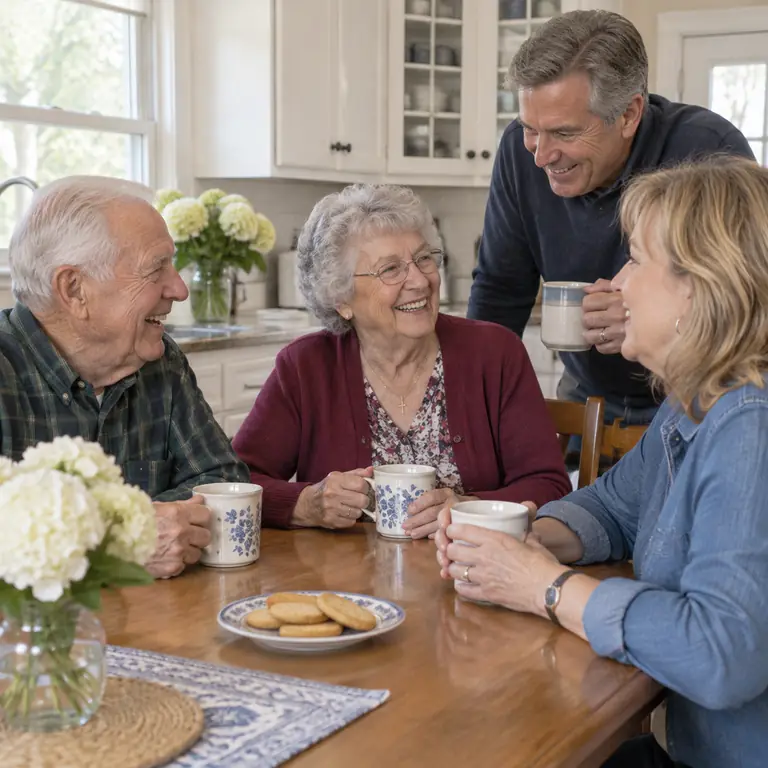
At ten minutes past the promised time, a grandparent may have already set out mugs and put the dog in the yard. The parents may still be trying to fit a nap or a grocery stop around the visit.
Agree on a time window that gives everybody room to arrive calmly. A message before plans change helps the host pace the afternoon.
2. The First Five Minutes Without a Task
A visit can begin with coats, water bottles and reminders about what needs to go back into the car. At the same time, someone may have been looking forward all week to seeing how much a child has grown.
Make room for a greeting before handing anybody a bag or a task. A cup of water and a seat can give a shy child a way into the room.
3. A Real Place for the Phones
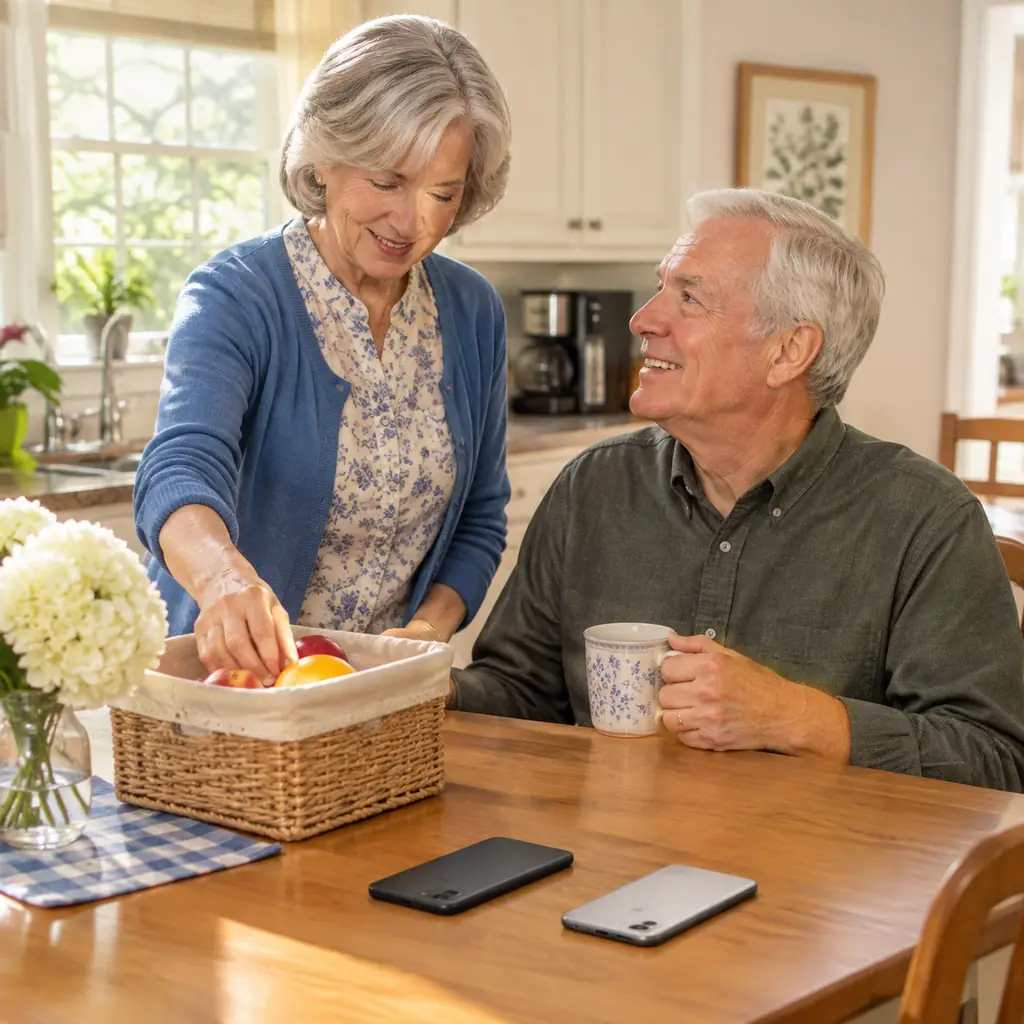
Adults can end up glancing at a message while a child is trying to explain something about school. A grandparent who has missed the earlier parts of the story may need a moment to catch up.
Put phones somewhere you can retrieve them easily and agree when people need to check them. A parent expecting a call can still sit with the group and tell everyone what they are waiting for.
4. Something to Do With Your Hands While You Talk
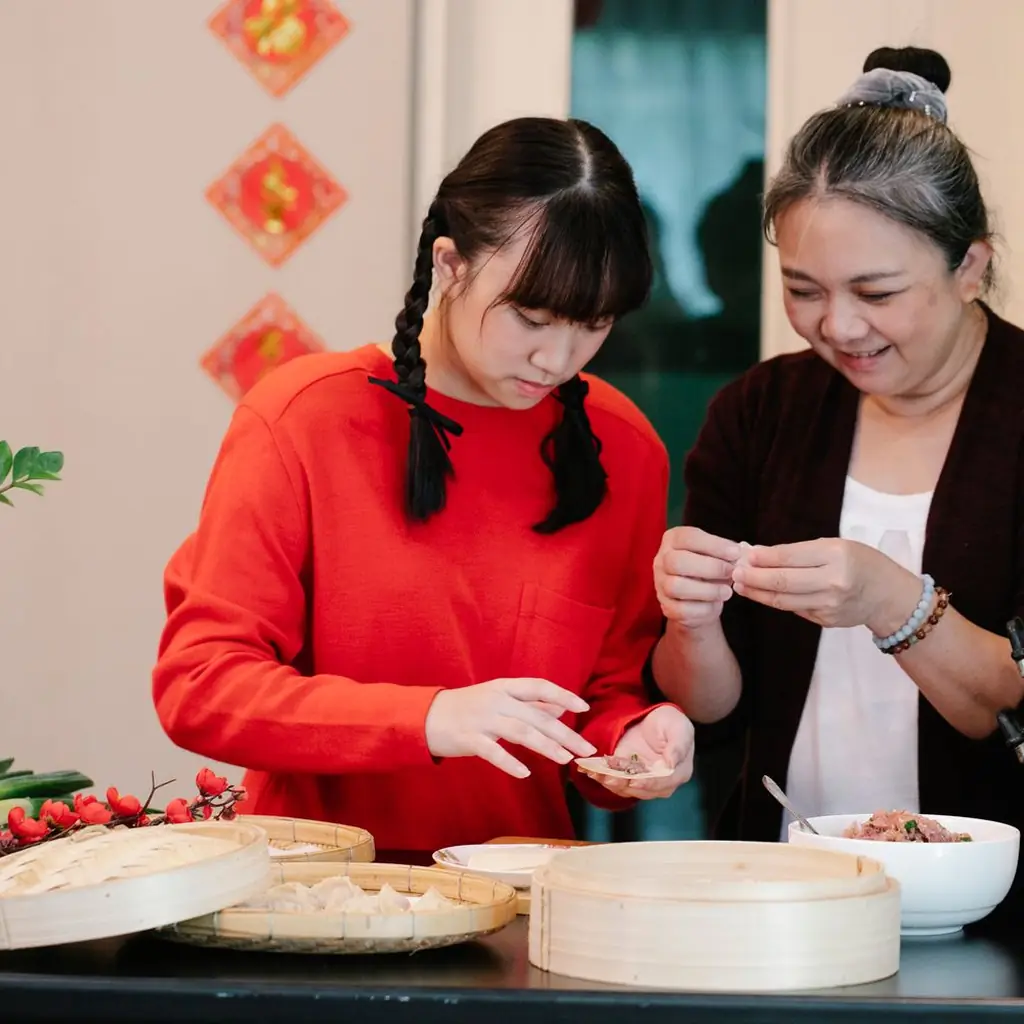
A child may answer a broad question with one word. Give the same child a bowl of peas to shell and a story about a friend can come out between handfuls.
Choose a task with an easy start and an easy stop. Sorting buttons, potting a small plant or shaping cookies can give both people a place to look while they get comfortable talking.
5. A Question About the Child’s Life This Week
A grandparent may know about a favorite team but have missed who joined the team or which part of the game the child now enjoys. A question that begins with something recent is easier to answer.
Ask about one drawing, one practice or one funny thing a friend said. The point is to find a bit of the child’s present life to share for a few minutes.
6. Time for the Grandparent to Finish the Story
A story about an old bicycle may appear to start with the wrong relative. That relative could turn out to be the person who taught the child’s parent to ride.
Let a short story reach its ending before filling in the gaps from memory. If the child is interested, ask one question about the detail they noticed and let the conversation take its own route.
7. A Snack That Can Be Served When People Arrive
A host who plans a meal might spend the first half hour putting the finishing touches on it. A snack you can put out quickly gives the children a reason to sit down and everyone else a moment to settle.
Ask the parent what food suits that day. Place it near where people will talk so the host can sit down and join them.
8. A Short Walk With Somebody Besides a Parent
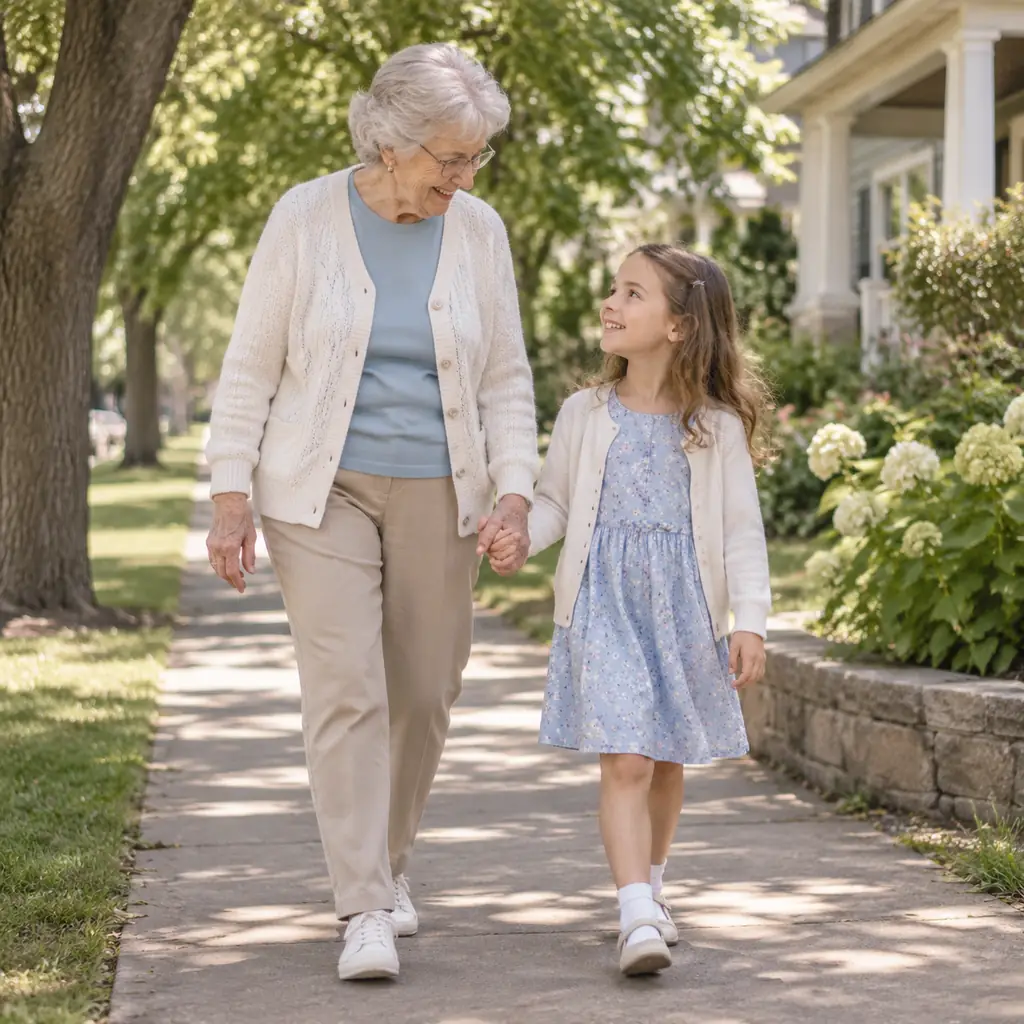
Even a trip to see a neighbor’s flowers can give a child and grandparent a few minutes of conversation. The route may feel familiar to one and full of things to point at for the other.
Choose a route that fits the available time and both people’s pace. Tell the parent where the pair plans to go, especially if the family needs to leave soon.
9. A Visit Sized to Today’s Energy
A grandparent can be glad to have company and still tire halfway through a busy afternoon. A child may lose interest in a second activity even when the first one was fun.
Plan around the time everyone is most likely to enjoy. Leave a quiet option ready. A visit can feel complete after a good story and a game, even if another part of the original plan waits.
10. Room for a Different Kind of Play
Toys that stayed from one generation to the next can be a pleasant surprise. A teenager or a child with a different temperament may enjoy a practical job or a drawing at the table more.
Ask what they are interested in right now. Keep one easy option ready and invite the child to bring something they want to show.
11. Seating Where Everybody Can Join In
In one living room the seats may all face the television. An older adult may hear conversations better when they can see the person speaking, while a child may want room for a small toy.
Pull a chair near the table or turn the easy chair toward the other seats. The ways a family house can be used now often become clearer during a visit like this.
12. A Little Space for the Child to Arrive at Their Own Pace

The child who talks the whole way over may become quiet at the door. If everyone asks a question at once, they can end up standing stiffly while the adults wait for a response.
Offer a simple thing to do nearby and return to the conversation after a few minutes. Warm company can come from being in the same room before anyone has to perform for it.
13. A Job Shared Across Generations
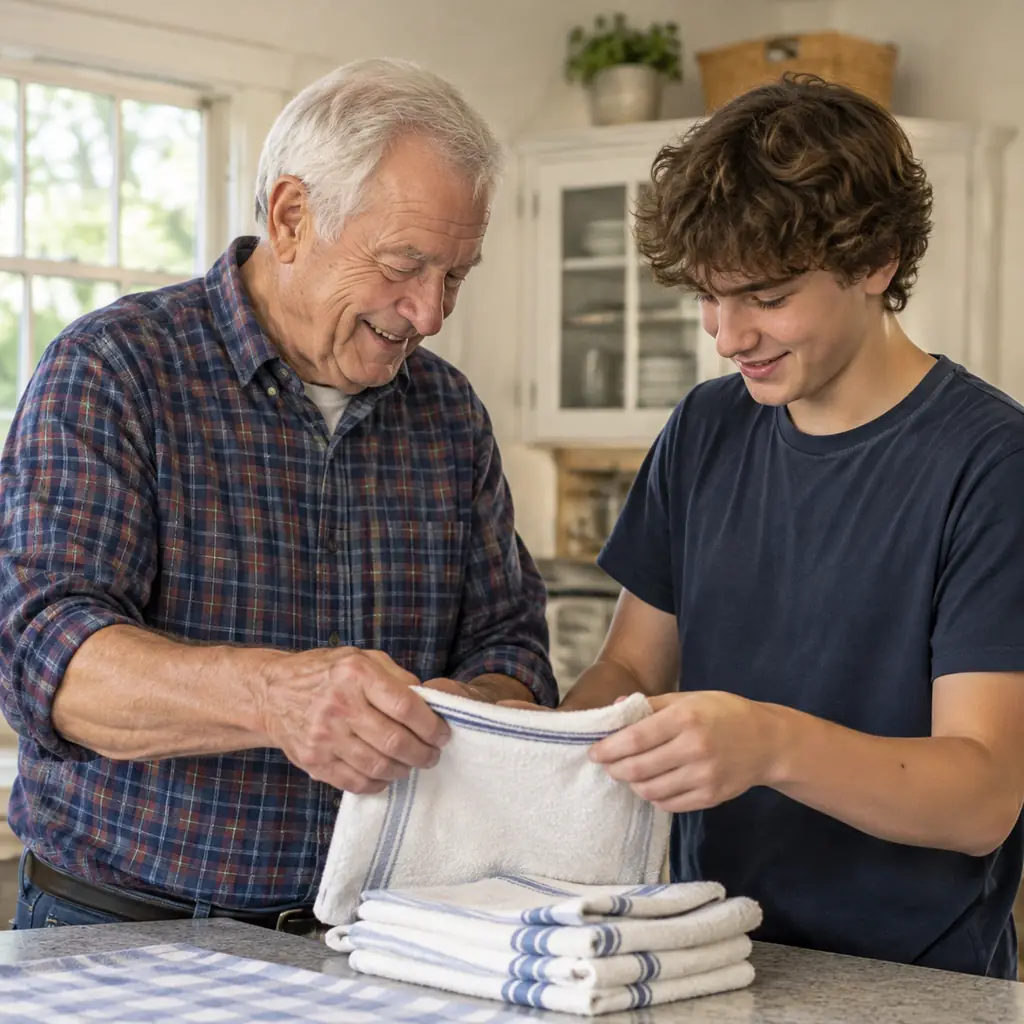
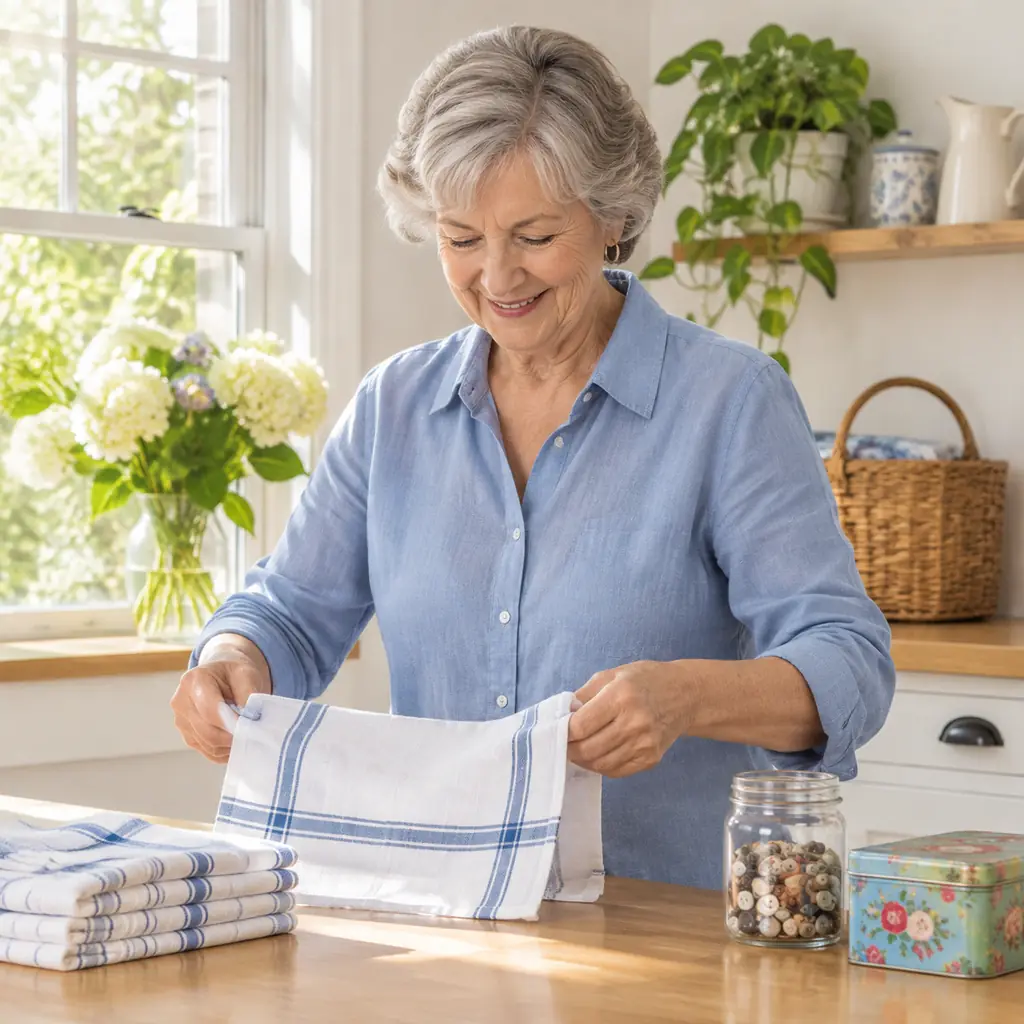
A grandparent can teach a household habit in the time it takes to fold a towel or tighten a loose screw. The child gets to see how a person does a real job and has a chance to add something to the process.
Pick a task they can complete together. The habits people inherited from their parents are often tied to an afternoon of this kind.
14. One Adult Conversation in a Different Room
When adults start discussing a trip or a repair, the group can spend most of the visit listening to the same logistics. A child can play quietly and still wish someone would play with them.
If the timing allows, give the child and grandparent a few minutes together while the other adults settle the plans. Everyone gets a chance to finish the conversation they came for.
15. Time to Talk to Each Grandchild Directly
In siblings the more talkative child often sets the subject. The quieter one can sit the whole visit without a grandparent finding out about the plant they grew or the part they played in a concert.
Ask each child one thing about a separate interest. A short exchange can show you are following their lives individually, even when everybody has to leave at the same time.
16. A Guest Who Can Find Where Things Go
Children can enjoy visits more easily when they know where to find a cup or put their jacket. Parents can relax when they know which rooms are suitable for play.
Show visitors the things they are likely to use and say where you want the mess to stay. These small objects also matter when you make a guest space work between visits.
17. A Favorite Thing Brought Back for the Visit
A deck of cards, a drawing pad or an old game can give a visit a sense of continuity. A person who rarely sees family may especially like picking up something they did together last time.
Keep the item easy to fetch and let the child decide whether today is a good day for it. The tradition works better as an option than as another thing everybody must finish.
18. A Photo Taken After Something Happens
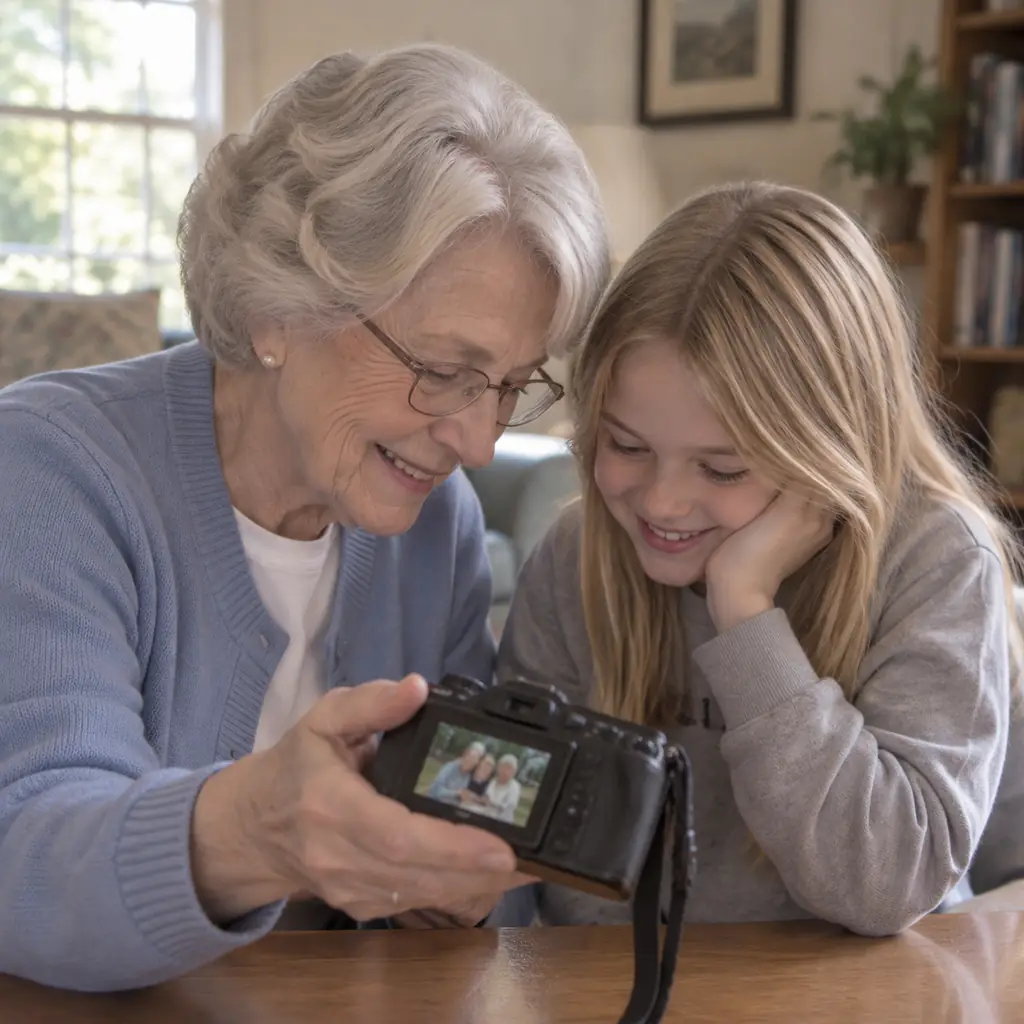
A group photograph can take longer to organize than the activity it was meant to remember. A picture of everybody leaning over the same puzzle or setting up the table can carry a more particular memory.
Ask what the family would like photographed. A quick picture after they have done something together can leave time to enjoy the moment and give the child a story to remember later.
19. A Point When Everybody Stops Discussing the Next Thing
People may start talking about the next errand before a visit has properly started. Children can hear that everything is about the schedule while the grandparents are still trying to get a conversation going.
Fix the departure time and give it a simple reminder near the end. For the middle of the visit, return to what the people in the room want to share.
20. The Same Address Is Easier for Some People to Reach
If one household is farther from a main road or has little parking, its visit may consume more time than the calendar suggests. Pickup and drop-off matter on a day when people can stay only briefly.
Consider which address gives the family the most shared time. A couple sharing one car may find it easier to meet if each adult knows the transport plan a day ahead.
21. A Warning Before the Final Few Minutes
A child who has settled into a game can feel rushed when the parent suddenly announces departure. A grandparent may still want to show one small thing or have a minute to say goodbye.
Say how much time is left before the last move. Finish a small part of the activity together. Packing the pieces away can be a shared job with a clear end.
22. A Plan for Activities That Run Long
A small craft can turn into an ambitious project as soon as the child understands how to do it. The visit ends while the best part is underway.
Decide how it can be saved in a dry place, taken home or continued next time. A visit can end with a small promise connected to something the child is already excited to finish.
23. A Gift That Can Open in the Time You Have
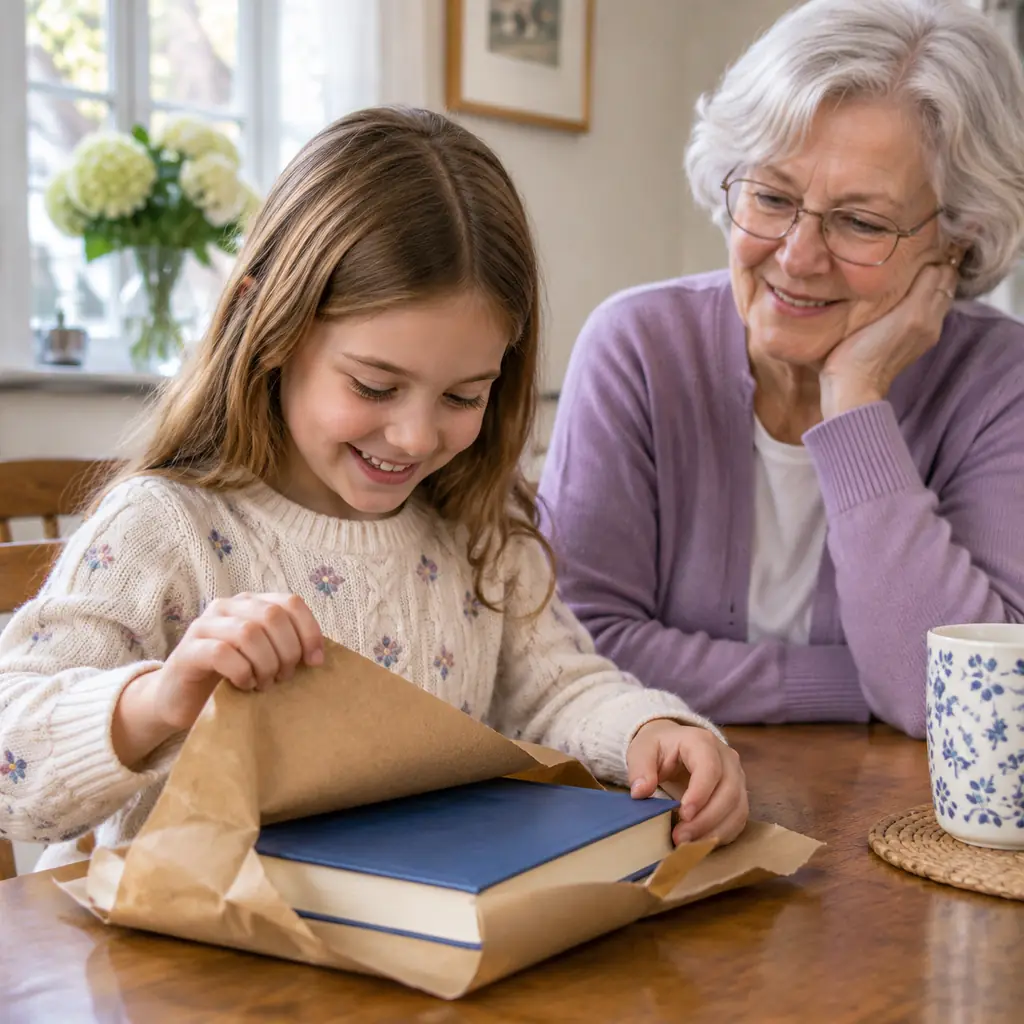
A complicated present might need batteries, assembly or a device the family did not bring. It can also make a regular visit feel like an event the grandparents have to prepare for every time.
If you plan to give something, think about how the child will use it that day. A book you can read together or a small activity can fit a short visit naturally.
24. Enough Notice About What the Child Can Eat
A grandparent may remember a favorite food from months ago. A new preference, allergy plan or change in timing can alter what the parent wants the child to eat that afternoon.
Ask before preparing a special dish and use what the parents describe. You can keep something simple ready so the visit can start even if prior plans have changed.
25. A Better Place to Put the Table
The host may have arranged seating around the room’s view, while a conversation at the table could make it easier to see and hear everyone. The right position can also leave the host close enough to join while getting someone a drink.
If two generations now run family meals on different days, the change in holiday hosting is another chance to work out which arrangements feel welcoming.
26. A Topic Everyone Can Join
Some family stories need so much context that children drift away after the second unfamiliar name. A question about who had a pet, who planted a tree or who wore a funny hat can welcome them back.
Use the object or photograph in front of you and start with what they can see. Let people add the longer parts if the group is still interested.
27. The Kids Can Make a Little Noise
A house that has been quiet all week can feel different the moment two children arrive. The adults can make the room comfortable by choosing one location where lively play works and another where a person can talk.
A family that recently moved to a smaller home may need to test which doors or rooms are useful when everyone is together.
28. A Clear Hand-off When the Adults Need to Leave
A short visit can change into child care if a quick adult errand gets added at the last minute. The grandparent may have plans right after the visit, or the child may want to know whether the parent is coming back soon.
Make the request directly and give a realistic return time. The family can arrange extra time together when everybody knows what they are agreeing to.
29. A Goodbye That Happens at the Door
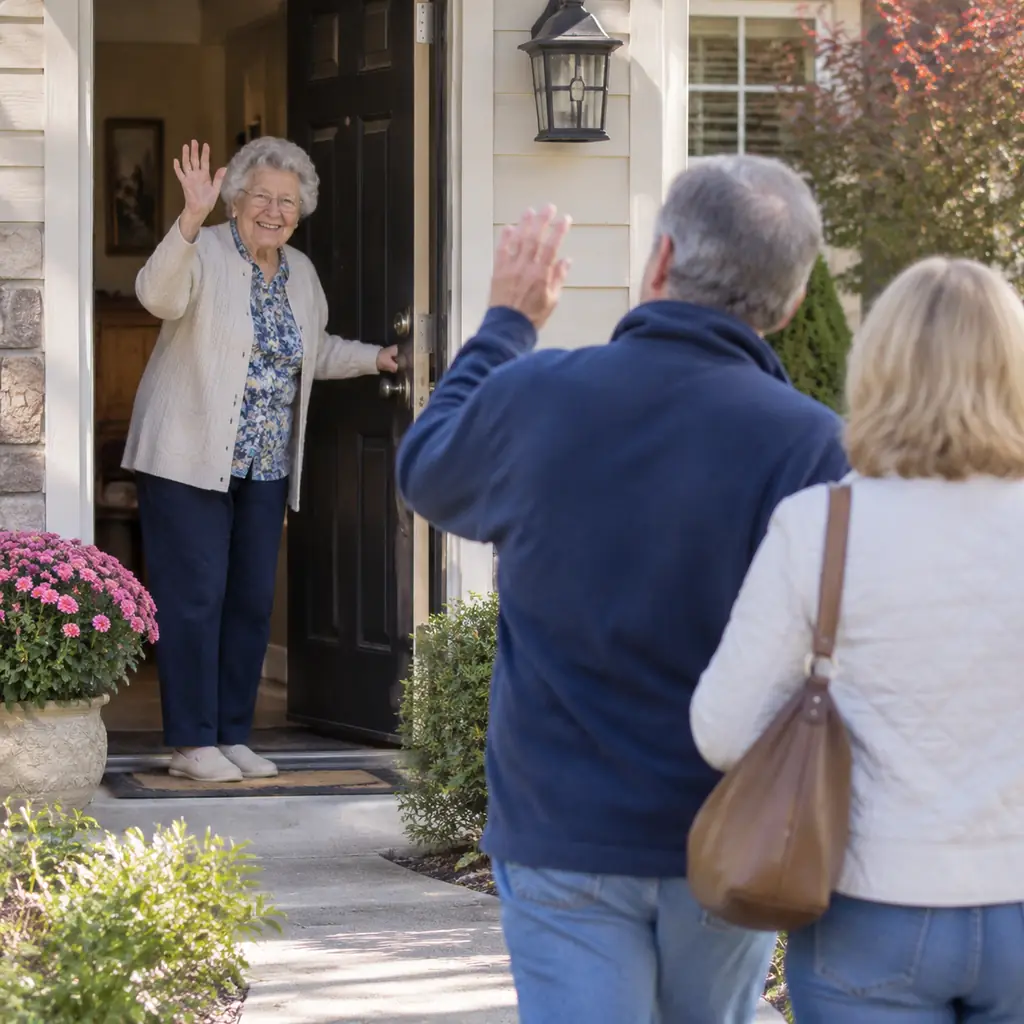
One person may be holding the keys, another person may be getting shoes on and the children may already be halfway outside. Take a brief pause so the child and grandparent get to say goodbye directly.
Think about which small thing you enjoyed while it is still fresh. Leaving with a specific memory can feel more satisfying than ending on a reminder about the time.
30. Something Familiar Can Last Until Next Time
A drawing on the refrigerator or a saved card game can keep an afternoon present for longer than the time the family spent together. Children notice when somebody has made room for a thing they did.
Ask whether they would like to take it home or leave it for next time. These are small ways to show the visit mattered without asking anybody to make it into a bigger occasion.
31. The Next Time Is Easier to Imagine
At the door someone may say they should do it again soon. A real window on a weekend or after a school event is easier to remember.
Offer a couple of times while the visit is fresh and leave room for the parents to check the household calendar. The next visit only needs enough time for the things everybody enjoyed doing together.
Image credits
- Knowing You Can Help With a Small Job by Kindel Media, Pexels License. Cropped and converted to WebP.
- Passing On a Recipe While You Cook by Angela Roma, Pexels License. Cropped and converted to WebP.
- Older friends walking together on a paved route by Wellness Gallery Catalyst Foundation, Pexels License. Cropped and converted to WebP.