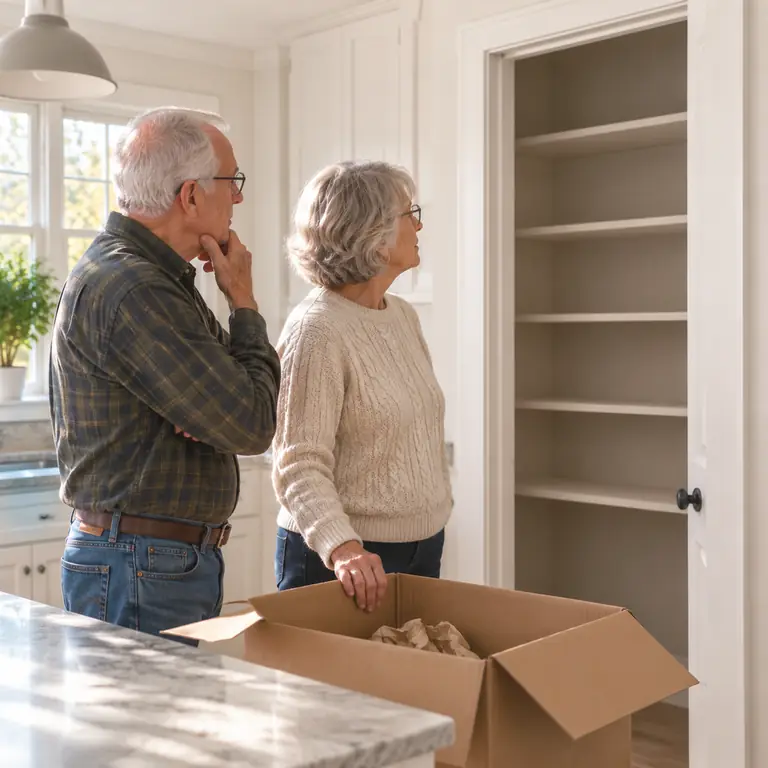
The new house can look spacious until you bring home groceries, start a load of towels, and look for a place to set down a wet umbrella. Here are the features worth checking on a second walk-through, while you can still picture how an ordinary day would go.
1. A Pantry You Could See Into

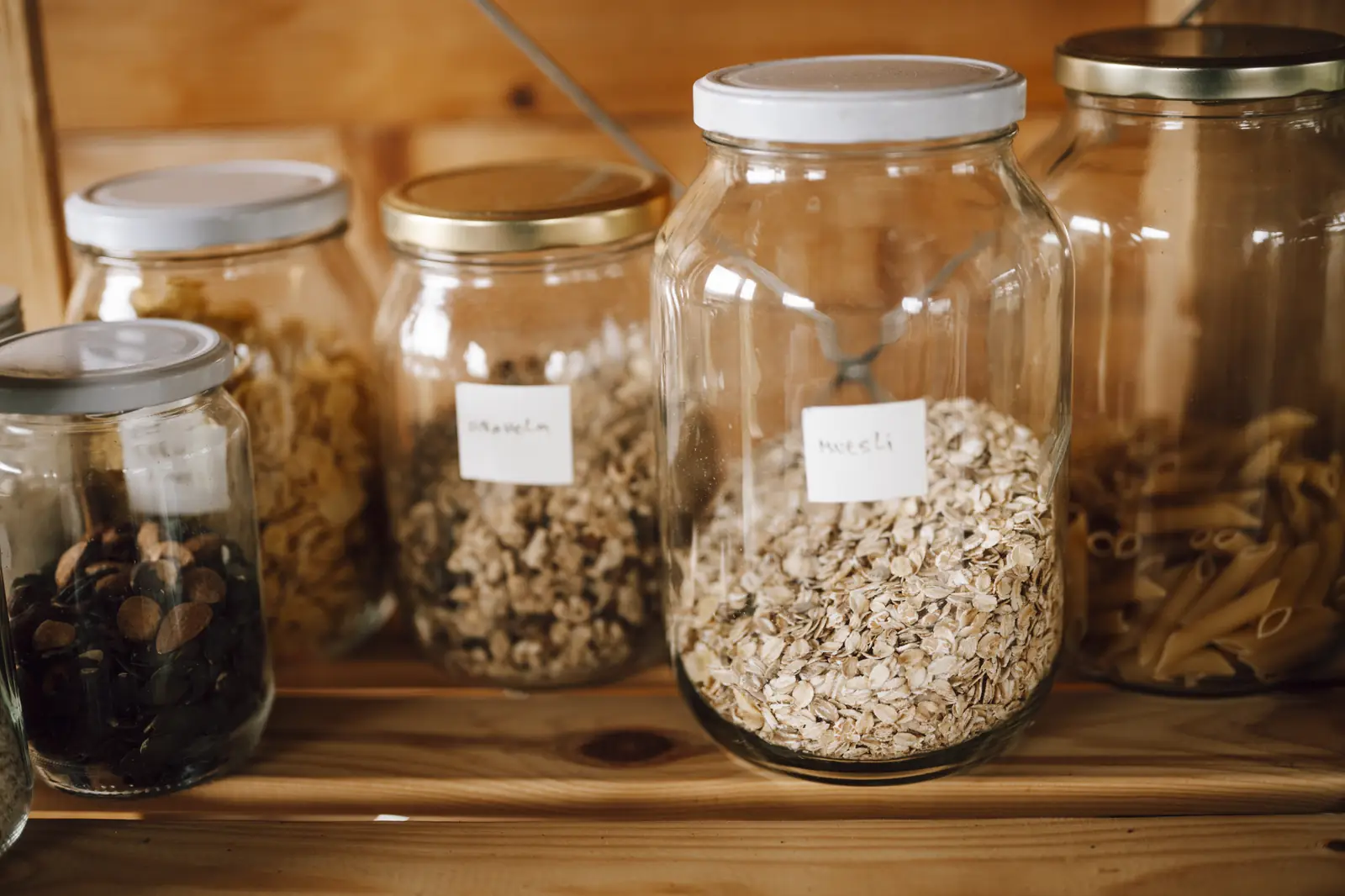
A pantry makes its case on the day a bag of flour tears or you need to see whether you have another can of beans. Shallow shelves reveal the back row without an excavation.
Open the cupboards in the smaller kitchen and assign a place to the bulky groceries you actually buy. Leave room for an open bag and a full one.
2. The Workbench That Could Stay Messy
A chair with a loose rung may need to sit in a clamp until morning. A separate workbench lets you finish supper while the glue sets and return to the job the next day.
Look at where you would do a dusty or sticky repair in the new place. Measure for a folding bench before deciding the hobby can come with you.
3. Laundry on the Same Floor
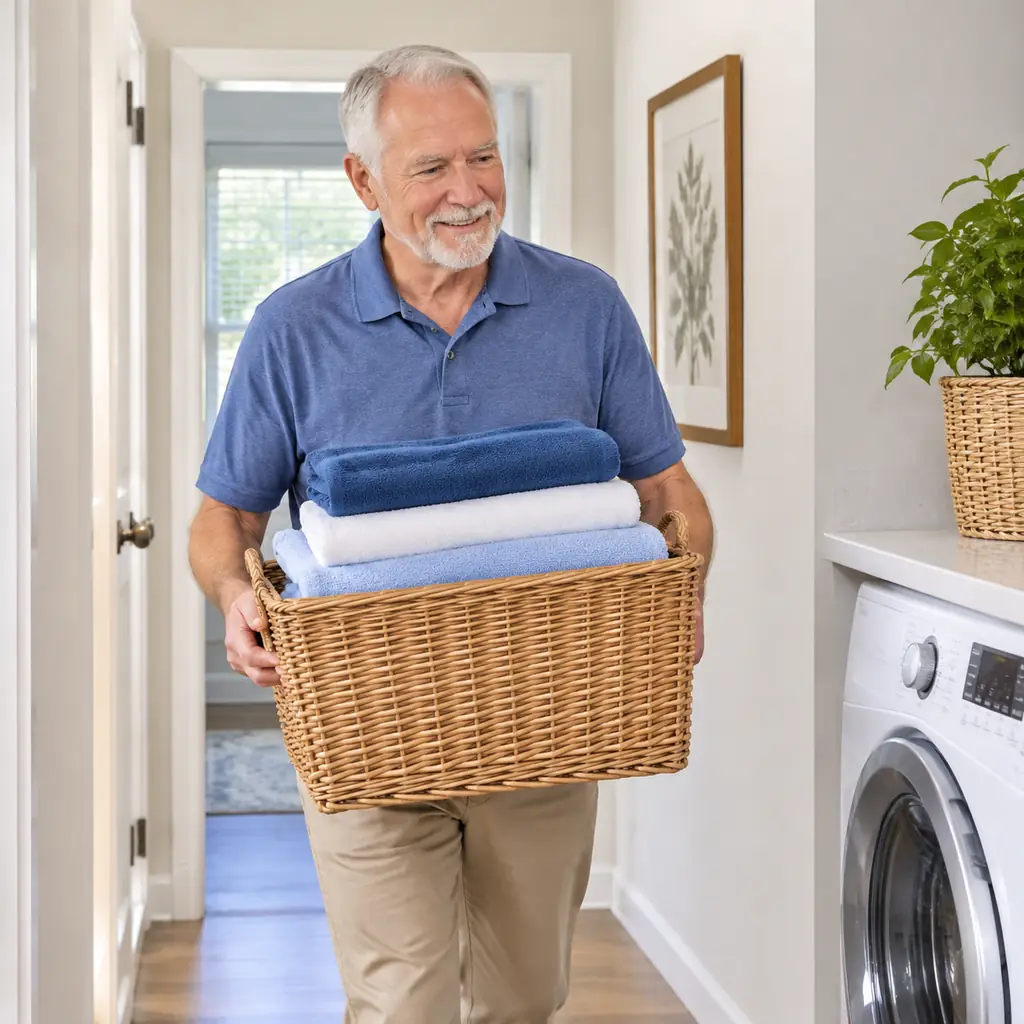
The shortest distance on a floor plan can feel much longer with a basket on your hip. Walk the full route from the bedroom hamper to the washer, then to wherever you would fold and put things away.
Count doors, tight turns and steps. A second-floor unit may have laundry right beside the bedrooms, while a single-level house could put it below the garage.
4. A Landing Place Inside the Door
The front hall has a job before anyone reaches the living room. It needs somewhere for wet shoes, a tote that still holds mail and the keys you will want in an hour.
Try opening the door with a bag in each hand. A slim bench, a low tray and a wall hook can turn a blank entrance into useful space.
5. A Door You Could Shut on a Project
A puzzle or sewing repair can take several evenings. In a room with a door, you can leave the pieces in order, turn off the light and come back without spending part of each session setting up.
A table in a living room can also work. Look for a way to roll a project out of the path when company arrives.
6. A Shelf for the Awkward Appliances
Some appliances earn their space because you use them a few times each month. A mixer, slow cooker or large roasting pan takes up more room than it appears to in a listing photograph.
Bring a tape measure and count the shelves suitable for lifting a heavy item with both hands. A high shelf can be useful for the baking tins instead.
7. A Linen Closet Near the Beds
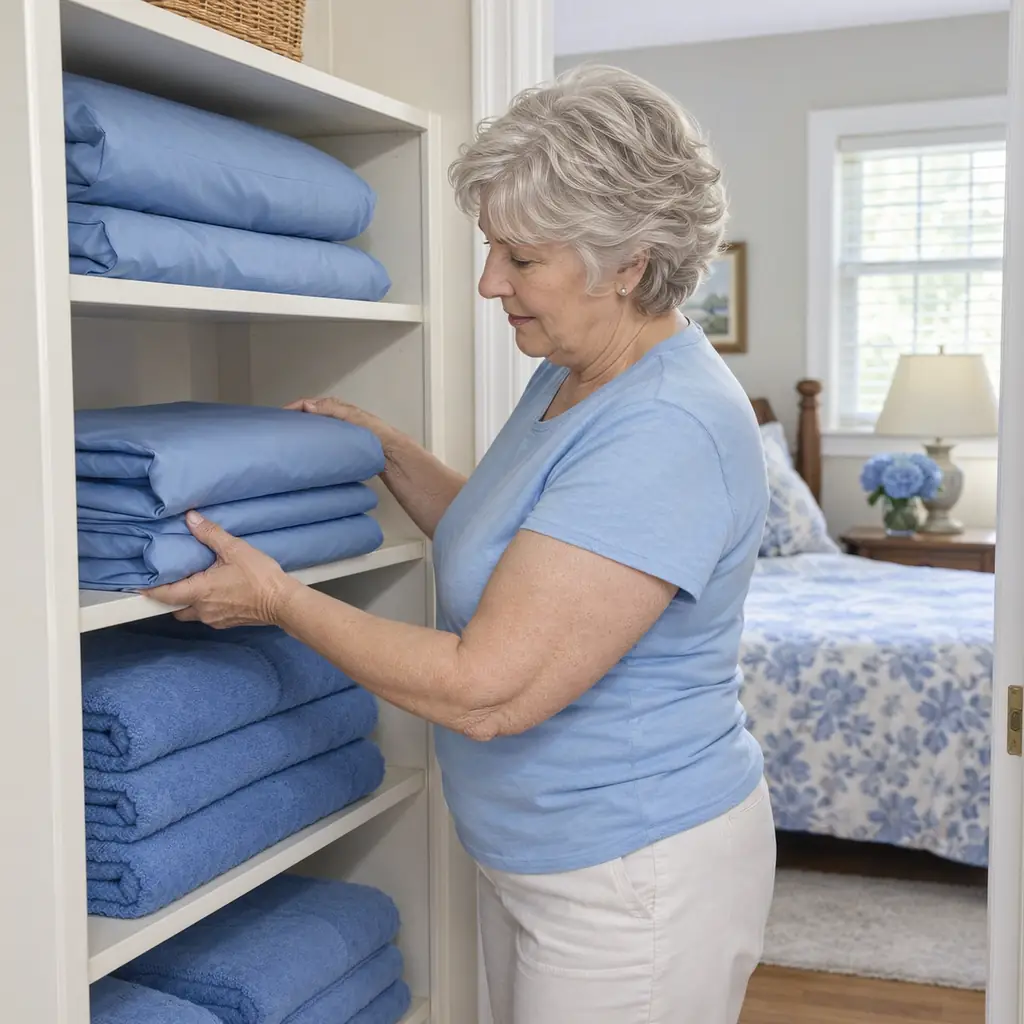
Sheets and pillowcases are easier to change when the clean set is beside the bedrooms. A nearby shelf also helps guests find the spare blanket late at night.
Check closet depth with a folded towel in mind. A shelf that sits behind a narrow door can make a large pile awkward to lift even when the total space looks generous.
8. An Outside Tap Near the Things You Water
A few pots can still mean several trips with a watering can. The distance from the tap matters most on a hot day when you plan to water before breakfast and again at dusk.
Follow the hose route from the proposed tap to the pots. Walkways, neighboring doors and steps can change how easy a small gardening job feels.
9. A Second Place to Sit Outside
A sunny seat can feel inviting in the morning and too exposed by late afternoon. A covered step, street-facing porch or place under a tree gives you options when the light shifts.
Visit at a different hour to see where the shadows land. Think about whether you enjoy seeing neighbors or prefer a spot where you can read in quiet.
10. The Spare Outlet Near the Chair
A favorite chair needs power nearby if you read after dark or like to charge a phone while you sit. Some living rooms have convenient outlets along one wall, with the best view on the opposite side.
Set the furniture plan before checkout day. If two people will spend more weekdays at home, the question of who uses which room comes up early.
11. A Wall Long Enough for Your Own Table
A floor plan may show a table with chairs on every side. Your table needs room to open its leaf, and the chairs need enough space for people to stand while someone else passes.
Measure with the chairs pulled out as you would after supper. The circulation path matters more than the number of seats the listing photograph seems to promise.
12. A Bathroom Door Off a Quiet Hall
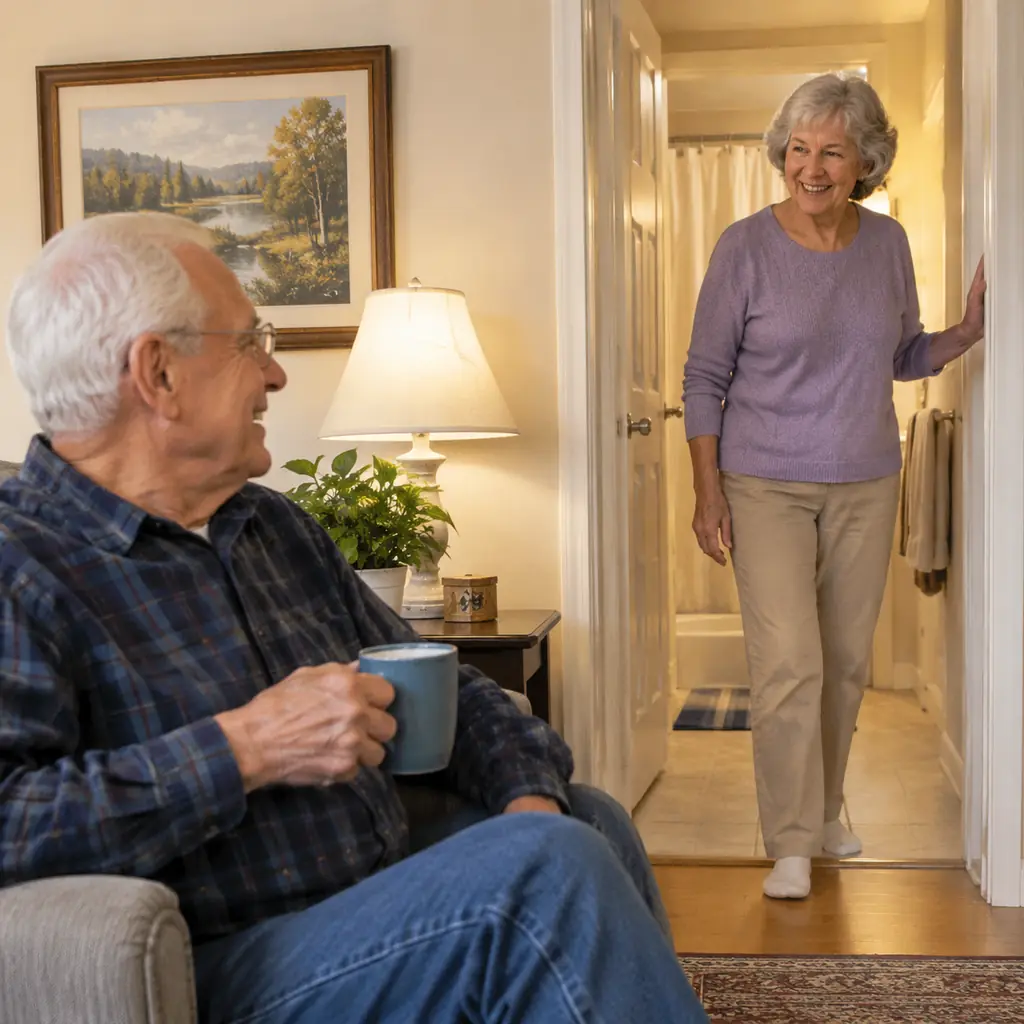
When people visit, the bathroom can feel more comfortable if the doorway is around a corner. A hall also gives a person coming out of the shower a place to pause clear of a busy room.
Picture your normal weekday and a busy afternoon visit. A night light along the route can help you find the door when the rest of the house is dark.
13. Somewhere to Leave the Vacuum Assembled
A broom may fit behind a door with room to spare. An upright vacuum needs enough floor area for its base and enough height for the handle.
Look at what happens when you scoop up crumbs after lunch. If reaching the vacuum means moving shoes and winter coats, a short cleanup begins with a second chore.
14. A Closet Wide Enough for Winter Coats
A hall closet does double duty on the day several relatives arrive with coats and you still need your own warm jacket. Depth matters because a wide coat may interfere with the door when it hangs near the front.
If the closet also holds boots, leave room to dry a pair flat. Set aside a few accessible hooks for people who stop by.
15. A Counter Beside the Oven
A roasting dish needs somewhere to land the moment it comes out of the oven. The counter that looks empty during a tour may hold a coffee maker, a fruit bowl and the ingredients for dinner once you move in.
Picture the complete cooking route. A separate look at kitchen remodel choices for ordinary tasks helps reveal which inconveniences deserve attention.
16. An Entry Wide Enough for Furniture
The door opening is only one part of getting a sofa inside. A narrow landing, fixed handrail or immediate turn can decide whether you can bring the furniture you already like.
Measure the whole route from the truck to its final position. Include doors that project into the hallway and the section of stairs where two people need room to change their grip.
17. A Dry Route From Car to House

The grocery routine often starts when rain is falling and the trunk needs to stay open. A covered walkway or attached garage can keep bags dry and give you time to take several trips at your own pace.
Check which door you are likely to use. A house could have two easy parking spaces, yet sharing one car changes when that route matters.
18. A Window With a View of the Street
A view of the street can supply a bit of movement on a slow afternoon. You may enjoy seeing the mail carrier, a neighbor’s dog or a changing patch of sunlight.
Sit where you would put a chair and see what is visible at that height. Landscaping, blinds and a high sill can give the room a different feel than standing at the window.
19. Cross-Ventilation in Rooms You Use
Two openings can make it easier to catch a breeze on a mild evening. You may have had that choice in the old house without thinking about it.
Check which windows actually open and where screens are fitted. Ask about rules for common hall doors in a shared building. A good view and usable airflow are two different features to look for.
20. An Area That Can Take a Little Dirt
A seed tray, muddy shoes and the dog’s towel have to go somewhere after a spell outside. A hard floor beside the door makes the cleanup easy and lets damp things dry away from the main room.
Look for a utility sink or a washable mat with enough room to spread things out. A tray can capture the worst of a small mess.
21. Walls Where You Could Hang the Big Pieces
A picture can carry the memory of a room and still be hard to place in the next house. Open floor plans often leave fewer large sections of uninterrupted wall.
Measure your favorite piece with the frame included. If you rent or live in a building with wall restrictions, ask how heavy art can be mounted before arranging the rest of the room around it.
22. A Pantry Corner for Guests to Help Themselves
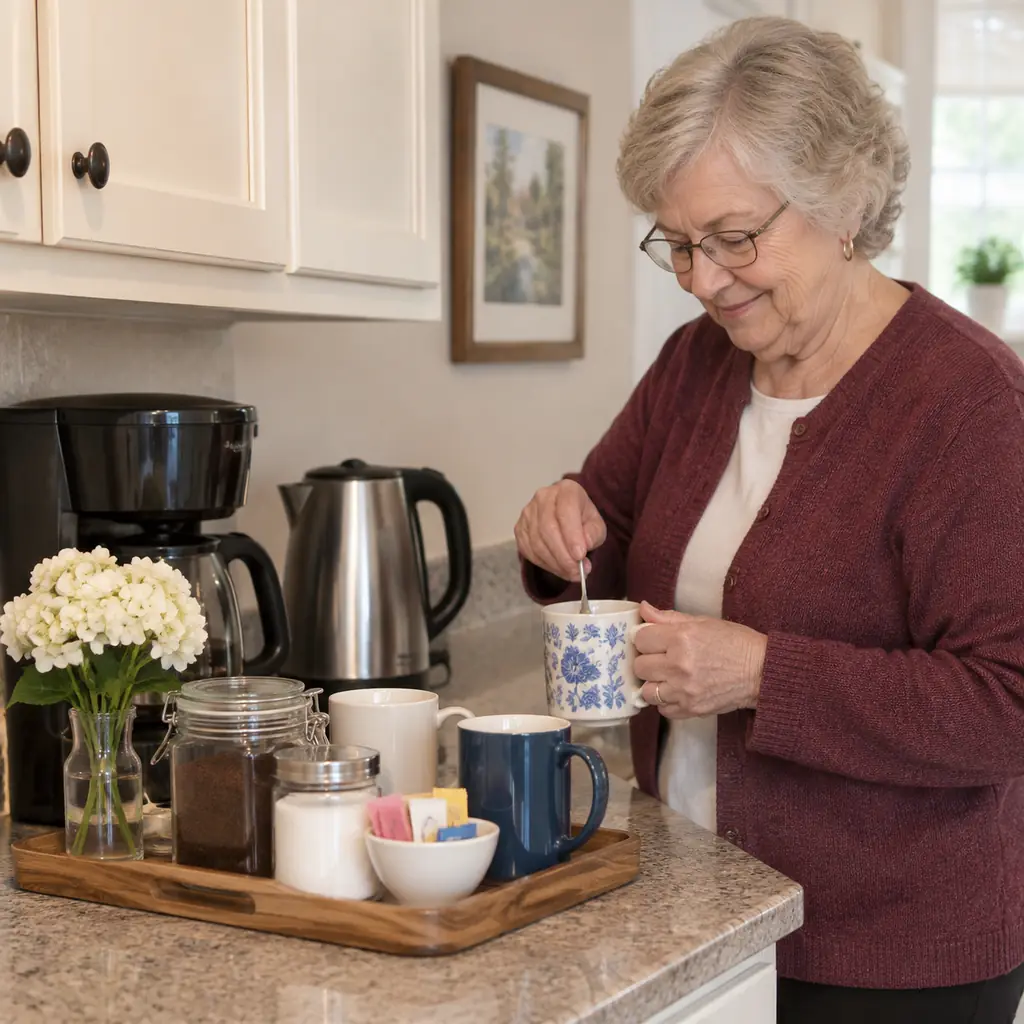
Visitors sometimes wake up before you do. A visible spot for mugs, coffee and a clean spoon can let everyone ease into the morning on their own schedule.
Plan where people can linger without blocking the sink. The same principle matters if you make the guest room useful between visits and need to keep its everyday contents out of the way.
23. A Nook Away From the Television
In a smaller layout, sound can arrive in the kitchen, hallway and bedroom at the same time. Someone with an early bedtime may value a room where a door closes firmly.
Try one conversation while someone leaves a radio playing softly nearby. The important thing is whether each person can hear what they choose, including on an evening when you are both at home.
24. A Place for Seasonal Things
Summer cushions and holiday decorations spend months waiting. A house can look spare and organized if the owners moved half their belongings out before the listing photos.
Decide what seasonal things you truly want and sketch where each one goes. A nearby shelf may be more useful than a large attic you want to climb into only on certain days.
25. Enough Street Parking on a Busy Evening
A driveway fits the daily car. Sunday supper, a neighbor’s gathering or a visiting tradesperson can change the parking calculation quickly.
Walk down the block when you would normally expect company. Notice how far someone might have to park from your door. Short family visits are easier to plan when people know where they can stop and how long the walk takes.
26. A Shelf You Can Reach With Both Feet Down
Useful storage is where you can reach the things you use. A shelf halfway above the refrigerator can hold large trays, with the everyday rack for dishes somewhere your arms can lift comfortably.
Try putting the pieces for a whole meal away in your head. For rarely used dishes, a single deep drawer may buy room on the shelves closest to you.
27. A Door That Opens Straight Onto an Outdoor Seat
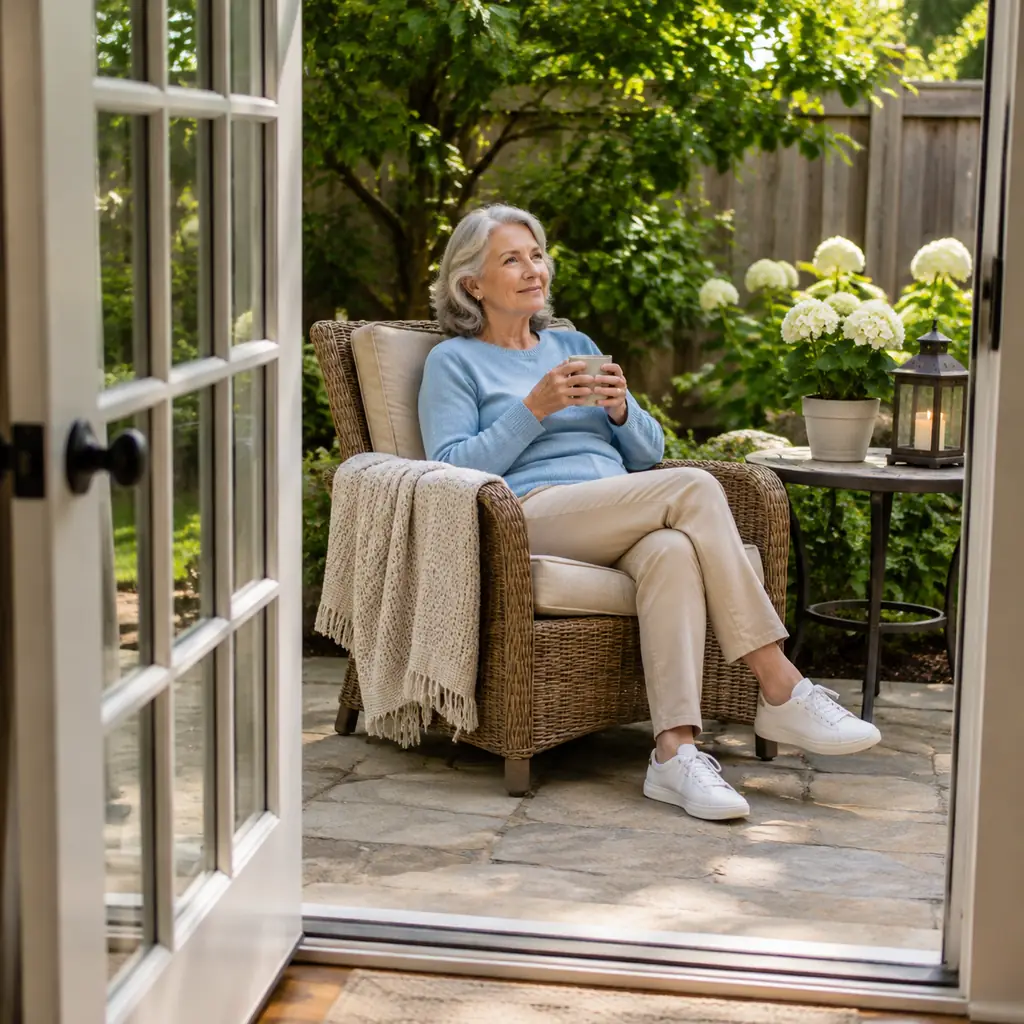
A balcony or patio gets used more easily when it sits off the room where you already spend time. You can carry a mug out, sit for ten minutes and come back without changing your plans.
Look at the threshold, handles and direction the door swings. A chair near the door can make a small outdoor space valuable even if there is a large yard elsewhere.
28. A Neighbor You Were Used to Seeing
A familiar face down the street can be part of the way a house works for you. Getting the bins out or walking to a mailbox gives you small chances to see someone outside the home.
Ask how often people are out and where they meet. Take the short walk you would do most days, then try the errands from your new address to see how the wider routine feels.
29. The Room You Could Change Later
The old house may have had a room that changed purpose as the family changed. It could take a temporary bed, a new hobby or several boxes at once while something else was being repaired.
Save a little flexibility in the new plan. A modest place can still adapt, and staying in the family home can also be a chance to rethink which rooms you use.
Image credits
- Panasonic WASHING MACHINE XQB70-H710U (2).jpg by Dinkun Chen, CC BY-SA 4.0. Cropped and converted to WebP.
- Your Small Box of Everyday Tools by Anastasia Shuraeva, Pexels License. Cropped and converted to WebP.
- Put bedding in a closet you can reach by Ksenia Chernaya, Pexels License. Cropped and converted to WebP.