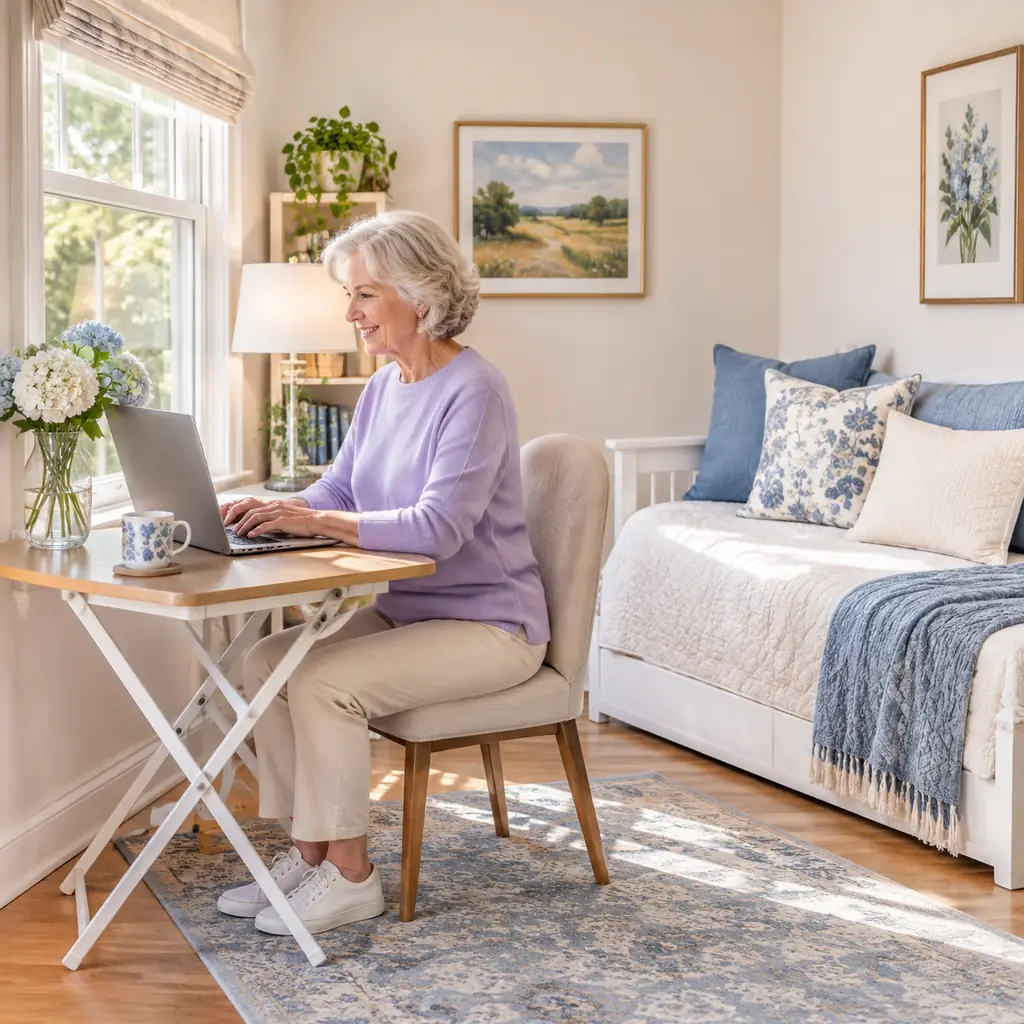
A house can stay arranged for school bags, team dinners and children who moved out years ago. Walk through it on an ordinary weekday and you can see which rooms are ready to work differently.
1. The formal living room can finally get a regular visitor
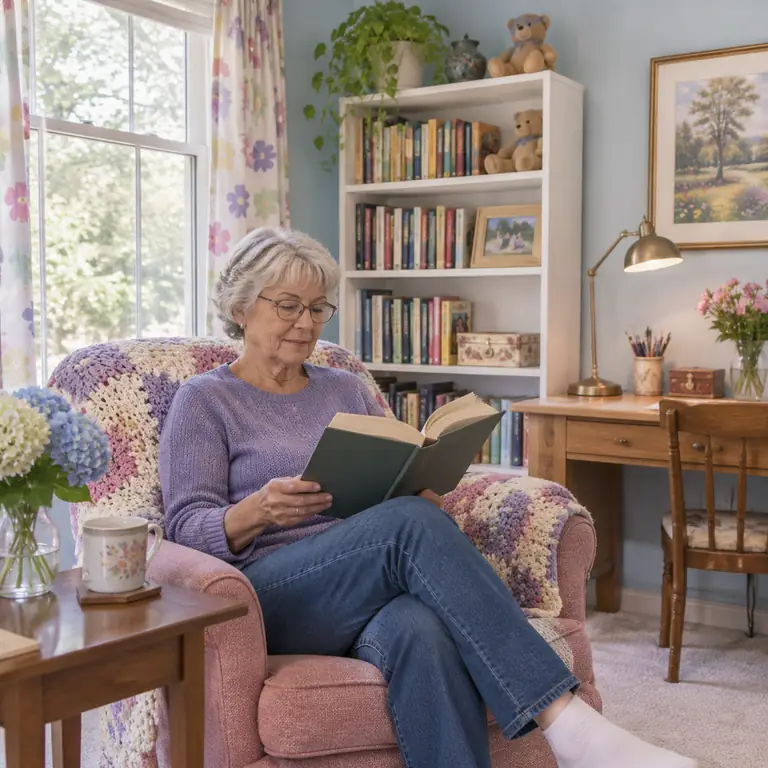
A front room that looks good from the hall may rarely get used. Put a favorite chair where it gets the best light and see whether you want to sit there with the morning paper.
Keep a place for guests if visits matter to you. An everyday reason to open the door can bring the whole room back into use.
2. The big dining table can serve the people who are home now
A table for eight can still be handy. Most meals may only need one end, leaving room for a puzzle or the evening’s paperwork at the other.
Decide which activities can share the table without forcing a meal to move. A tray or flat box makes it easy to clear a project when someone comes for dinner.
3. The breakfast corner may work better on a smaller scale

The breakfast table once had to fit everyone before they left the house. With a quieter morning, you may want a smaller table near the window in place of the big bench.
Try turning the table or moving an unused chair before buying anything. A better route to the refrigerator can matter more every day than an extra seat.
4. The kitchen prep area can follow the way you cook now
Watch where you put down a cutting board for the next few meals. Move the tools you use most toward that spot. A long stretch of empty counter elsewhere does little if you always cook by the sink.
Put the heavy pieces where you can reach them easily. Start with one drawer and a few ordinary meals before considering a remodel.
5. A deep pantry can be reorganized for smaller shops
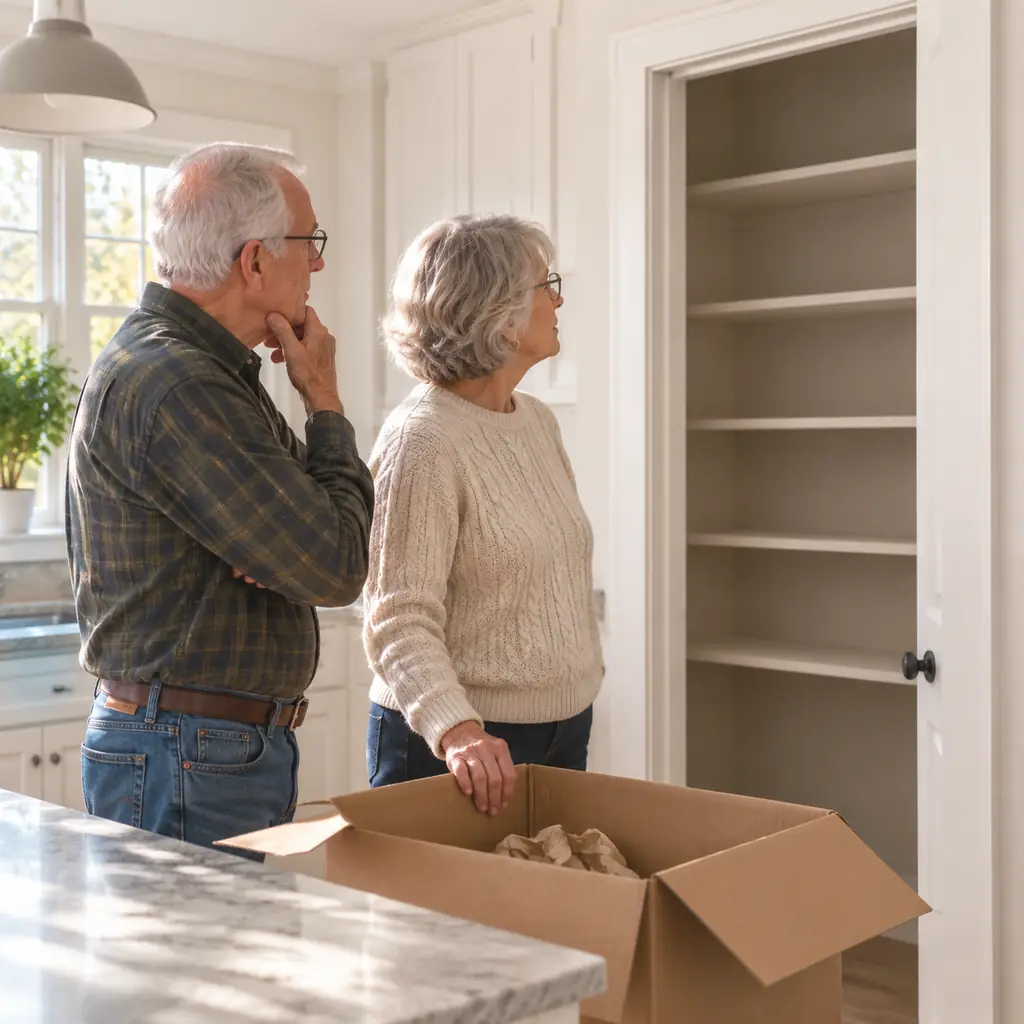
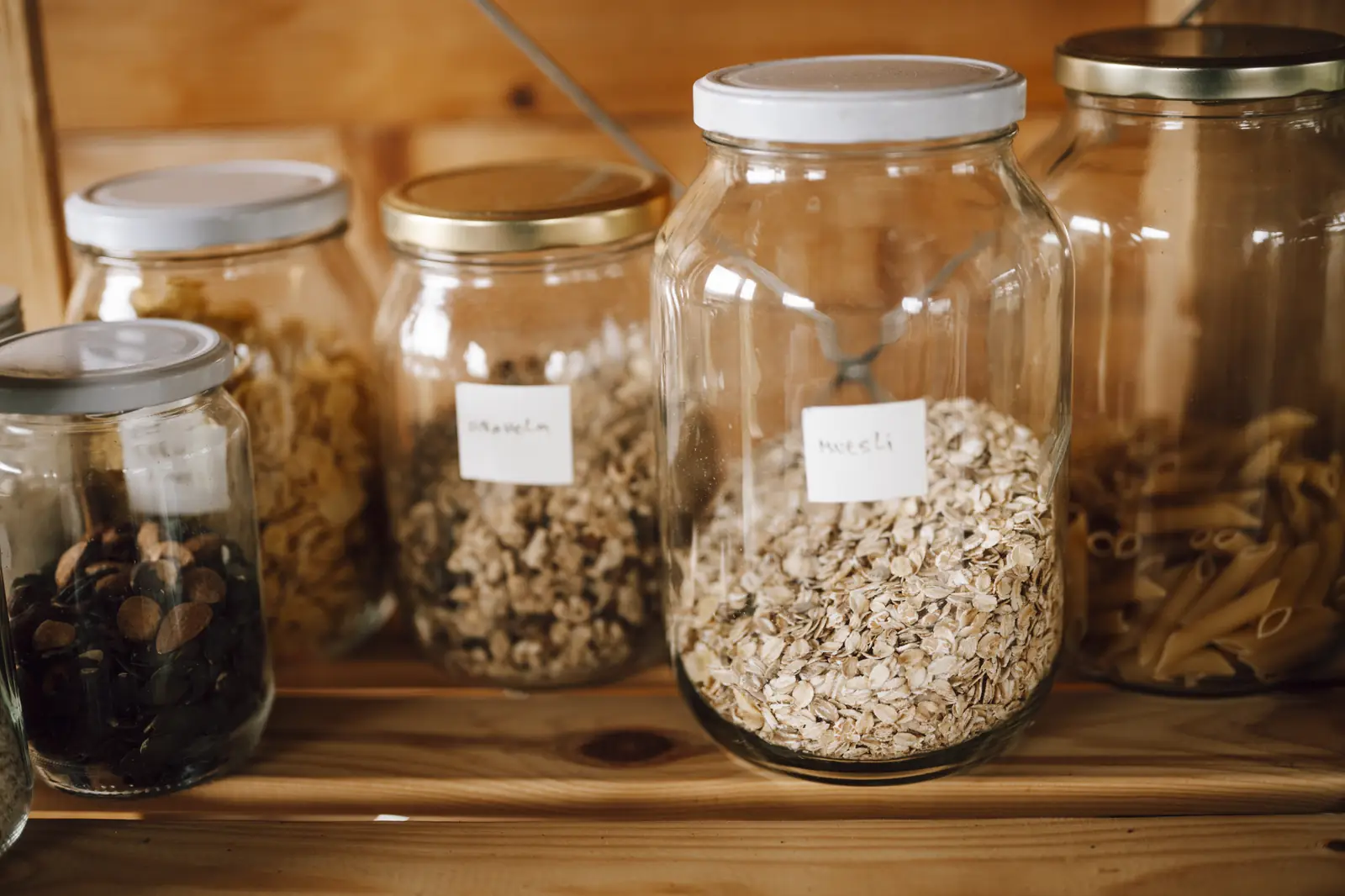
A household that fed several people may still shop in large amounts. Move the foods you use now into view and compare what gets eaten with what sits.
Use shallow storage for things that get lost at the back. Keep enough open shelf to see when something needs replacing. The pantry can feel easier to use without becoming any larger.
6. The mudroom can lose the traffic jam of school days
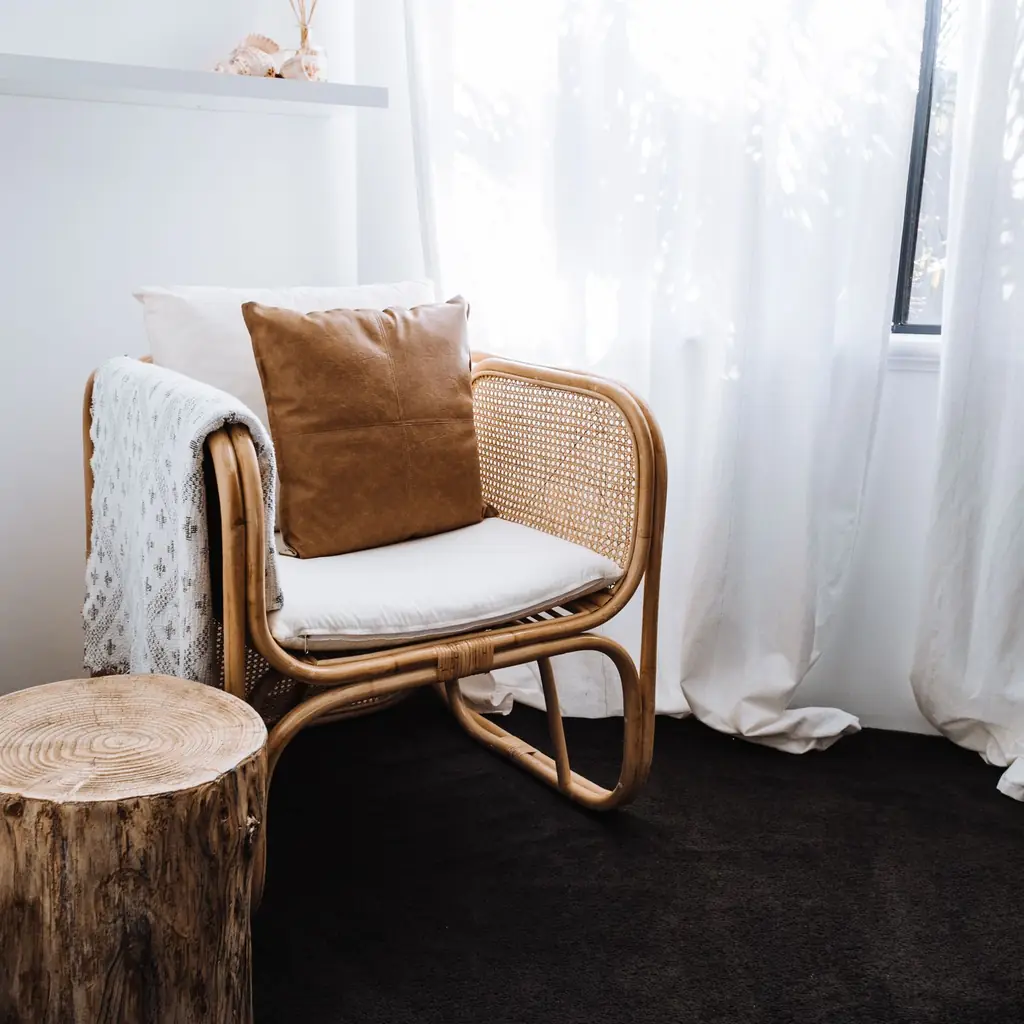
Take a look at the hooks and cubbies that once held school bags. One open place for a jacket, shoes and an everyday bag may now do more than a row of crowded bins.
Leave a stable seat for changing shoes. Make the route through the doorway clear even when the floor mat is wet and the room is in use.
7. An old homework corner can be ready for the paperwork you do now
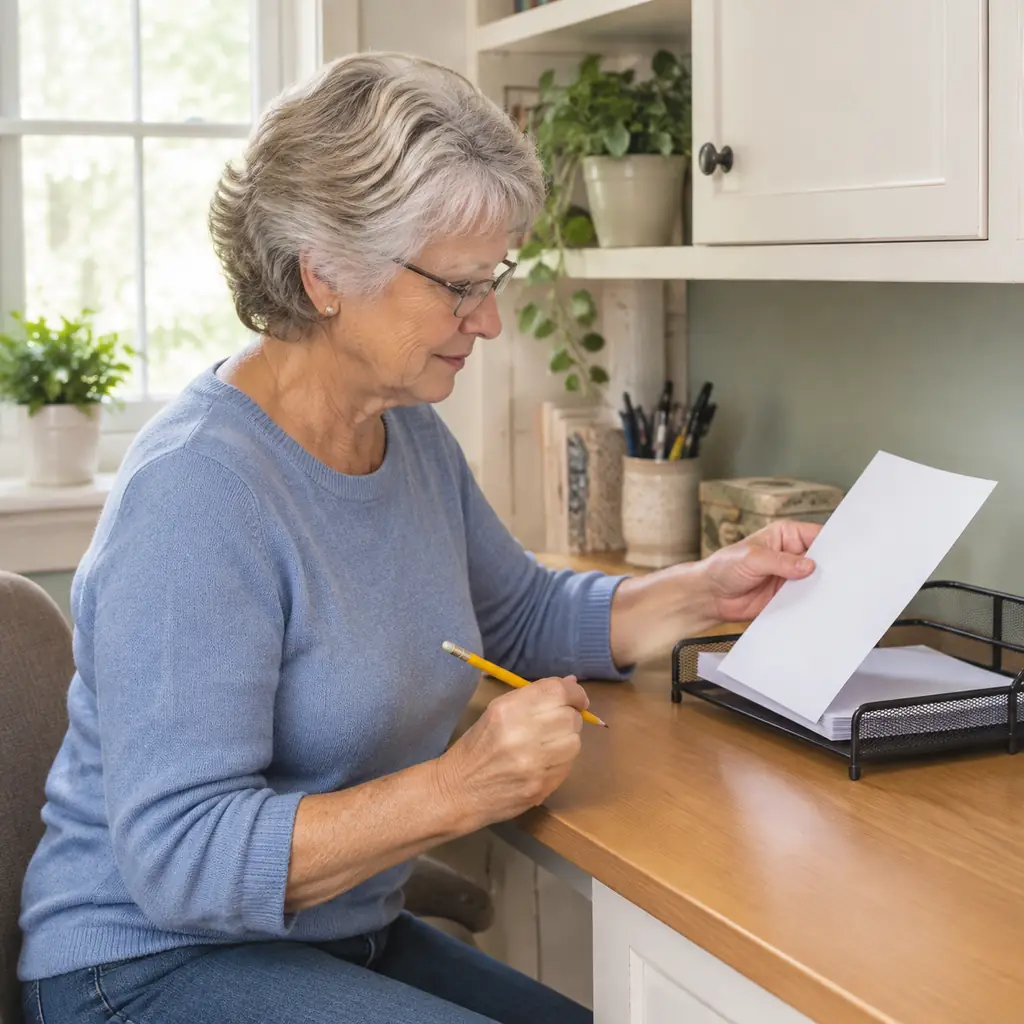
A little desk by the kitchen might still work for mail, appointments and everyday records. Give current papers one tray and file the things you rarely need somewhere separate.
Set up a lamp and a chair you can use without twisting. A corner you can finish with in ten minutes is more useful than an impressive desk you avoid sitting at.
8. The family room can feel comfortable with fewer seats
The best seat in the family room may sit next to three pieces of furniture nobody uses. Try taking one out or moving it to another room and see how the freed space changes your route.
Position the remaining seats for the things you do most days. A reading lamp or a place for a cup can make one chair useful for a long evening.
9. The main bedroom can be arranged for the beginning of the day
Walk through the steps you take each morning. If clean clothes are across the room and the first light is behind the bed, the layout may ask more of you than it needs to.
Keep the path clear and place a light where you can reach it. Try a small rearrangement before replacing furniture you otherwise like.
10. A closet can put the clothes you actually wear within reach
The work clothes may still occupy the easiest rail, long after you stopped wearing them most days. Give that spot to the things you reach for now.
Keep a useful selection for special occasions. Box up the pieces you are undecided about separately. You can see how much space you need before making a permanent decision.
11. An upstairs bathroom can show you what would help downstairs
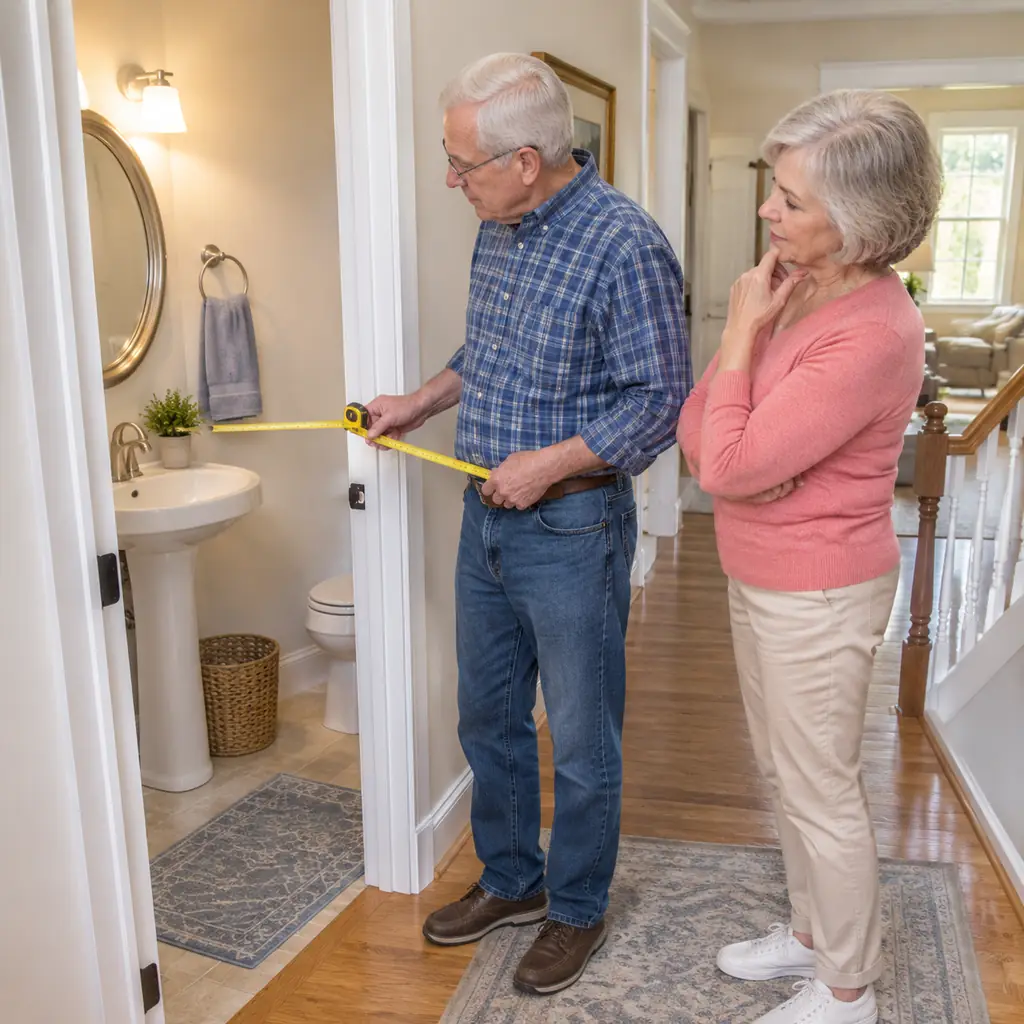
Think about which bathroom you use when you first get home or wake during the night. If the only useful one is upstairs, there may be a practical long-term reason to look at the layout.
As when considering a kitchen remodel after 60, run through the task before discussing finishes. Ask a professional what the existing space can reasonably accommodate.
12. A laundry room can be planned around smaller loads
A household of two may wash several small loads instead of filling a big basket each week. Move the everyday supplies to the place you reach from the washer. Find a clear surface for folding so the basket has somewhere to land.
Some housework habits learned from parents still help. Keep the reliable parts and make the weight and timing fit the people doing the work.
13. The back door can be a better place for the tools you use outdoors
If you stop in the yard most mornings, put the light tools you use often close to the back door. A place for gloves saves a trip to the garage before you get started.
Leave the heavier supplies where they are safe to carry and store. A small tray for wet tools helps keep soil off the floor in bad weather.
14. A quiet room can make it easier to share the rest of the house
A spare room with a comfortable chair gives someone a place to read, listen to the radio or take a call. It also frees the family room for whoever is doing something else.
This matters when both partners are home all day. Try the room for a week before buying furniture. Good light and a door that closes may be enough.
15. A child’s old bedroom can keep one part of its story
You may want to keep a framed photograph, a book or an old quilt in the room. The rest can be available for the things you do now. Ask before moving possessions that belong to someone else.
If the room still needs to work for family visits, keep a clear sleeping area. Move the everyday use to the surfaces around it.
16. An empty room can hold one hobby at a time
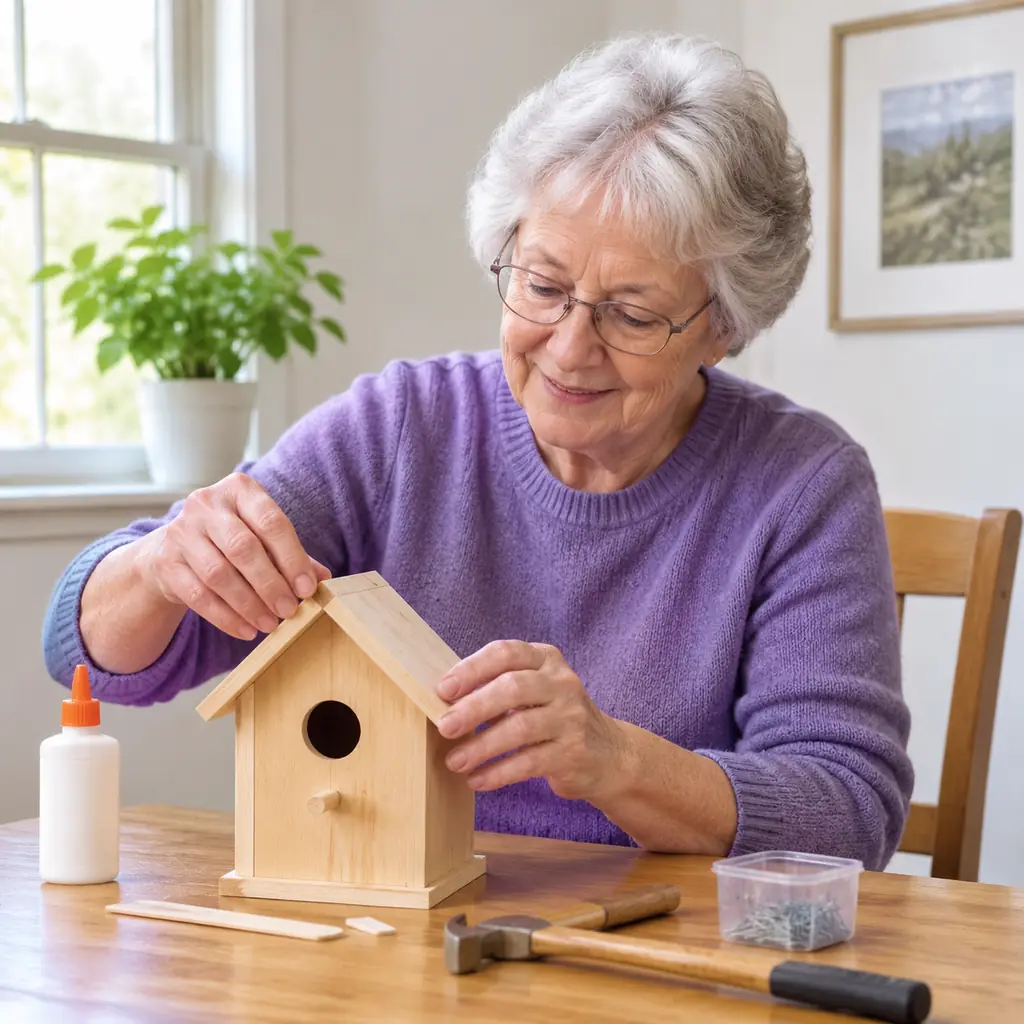
A room you call a hobby room can fill with several projects before you use any of them. Try setting up the one you want to do this week and leaving the rest in one closed place.
If you are trying a hobby before buying the gear, avoid fittings for equipment you may never keep. Look at how you actually use the room first.
17. A useful landing needs space to turn
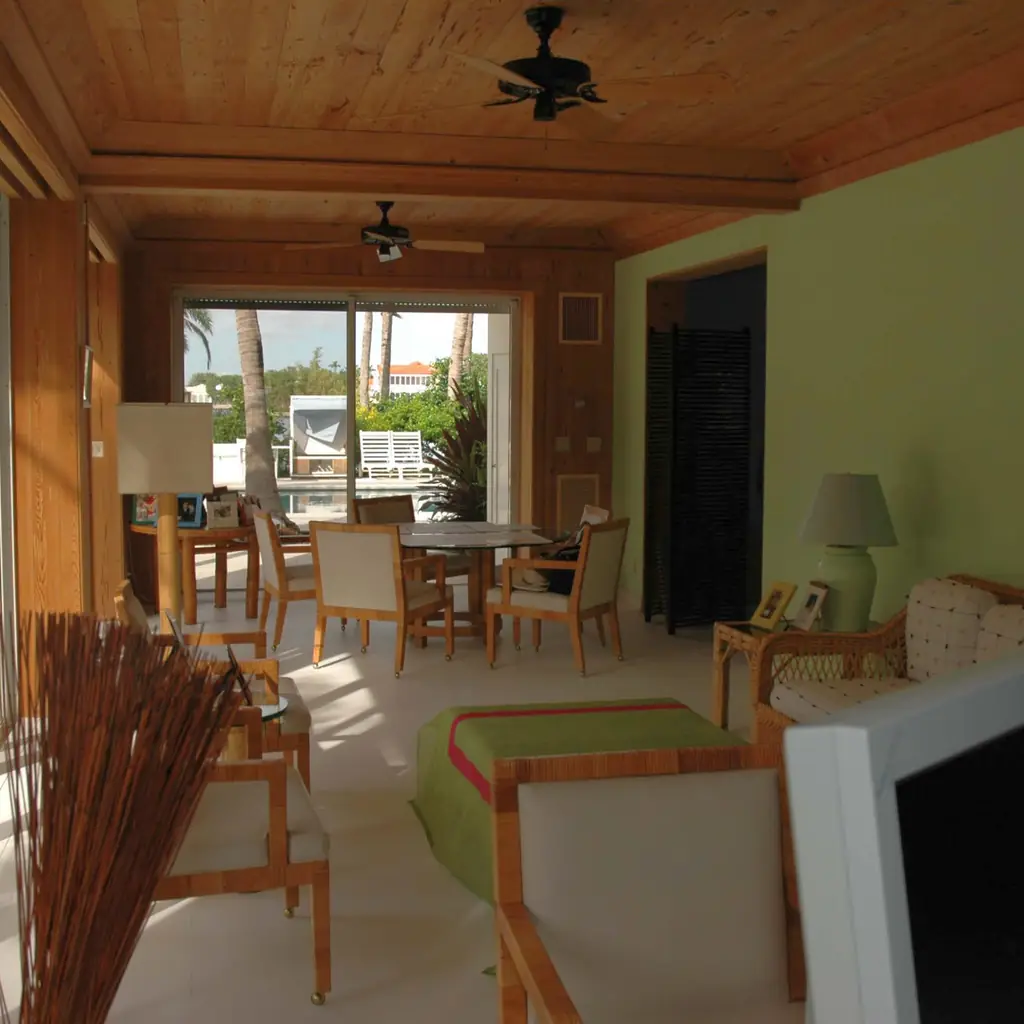
The landing may accumulate boxes when several rooms become storage. Clear the routes to the rooms you use, including any door you would need to open in a hurry.
Notice where extra light would help after dark. A landing feels easier to use when you can change direction naturally without working your way around something on the floor.
18. The top shelf can hold fewer things you need to lift
Seasonal decorations and family records may be packed above eye level. Bring down what you need every year. Pick a place you can reach without shifting furniture first.
If a box is heavy, divide it into a few small ones and give each a purpose. A shelf is only convenient when you can take the right thing down without effort.
19. An attic can become a place for the things you truly mean to keep
Start with what is safe to reach. Make a simple inventory and decide which belongings deserve space. Family members may want to collect certain things while you can still tell the story behind them.
Put commonly used items on a lower floor. Let the attic hold the pieces you intend to preserve and can store there without damage.
20. A basement can keep its practical purpose
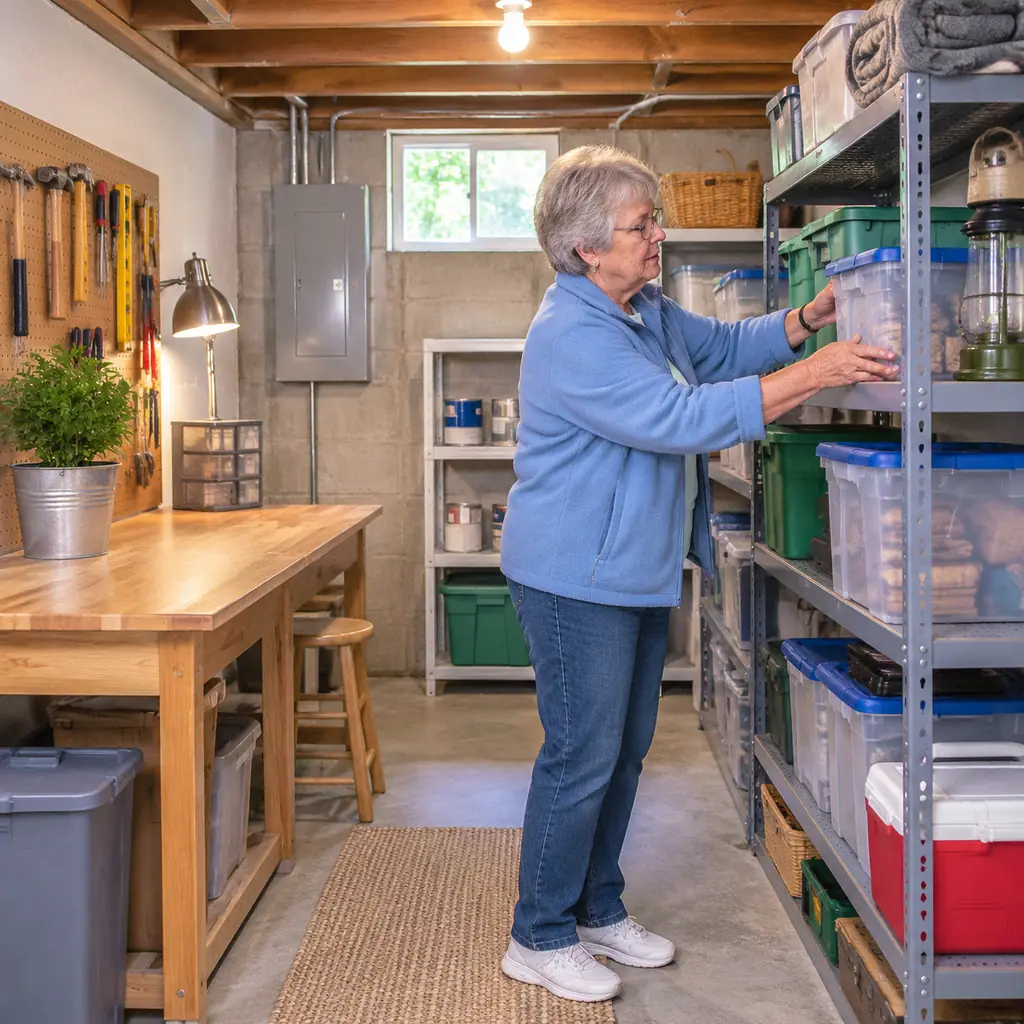
A basement does plenty for a house even when nobody spends an afternoon there. Keep a clear route to the systems someone may need to service. Move belongings away from places that have become damp.
If you want to spend regular time downstairs, notice the light and stairs first. A project area is only useful if you enjoy going there.
21. A garage can give back a workbench without losing parking
Measure the space you need to open a car door before adding another cabinet. A narrow bench can be enough for simple repairs when the parking space stays usable.
Households going from two cars to one may gain a larger area. Live with the new routine briefly before you fill it. Leave space for the gear you use over a whole year.
22. A utility closet can carry the work of more than one room
Give the closet a place for each thing you use regularly. Store lighter supplies where you can glance at them, and leave a clear path for a vacuum or broom to come out.
Return the items after the next ordinary clean. If you keep leaving something by a different room, that location may be a better home for it.
23. The front porch can become a morning room
See whether you naturally step out for the paper, a cup of coffee or a short conversation. A chair near the door may turn that brief stop into a regular part of the day.
Choose a spot with room to walk past and a view you enjoy. Keep the places you reach from the seat simple and easy to clear.
24. The entry can prepare the house for a short visit
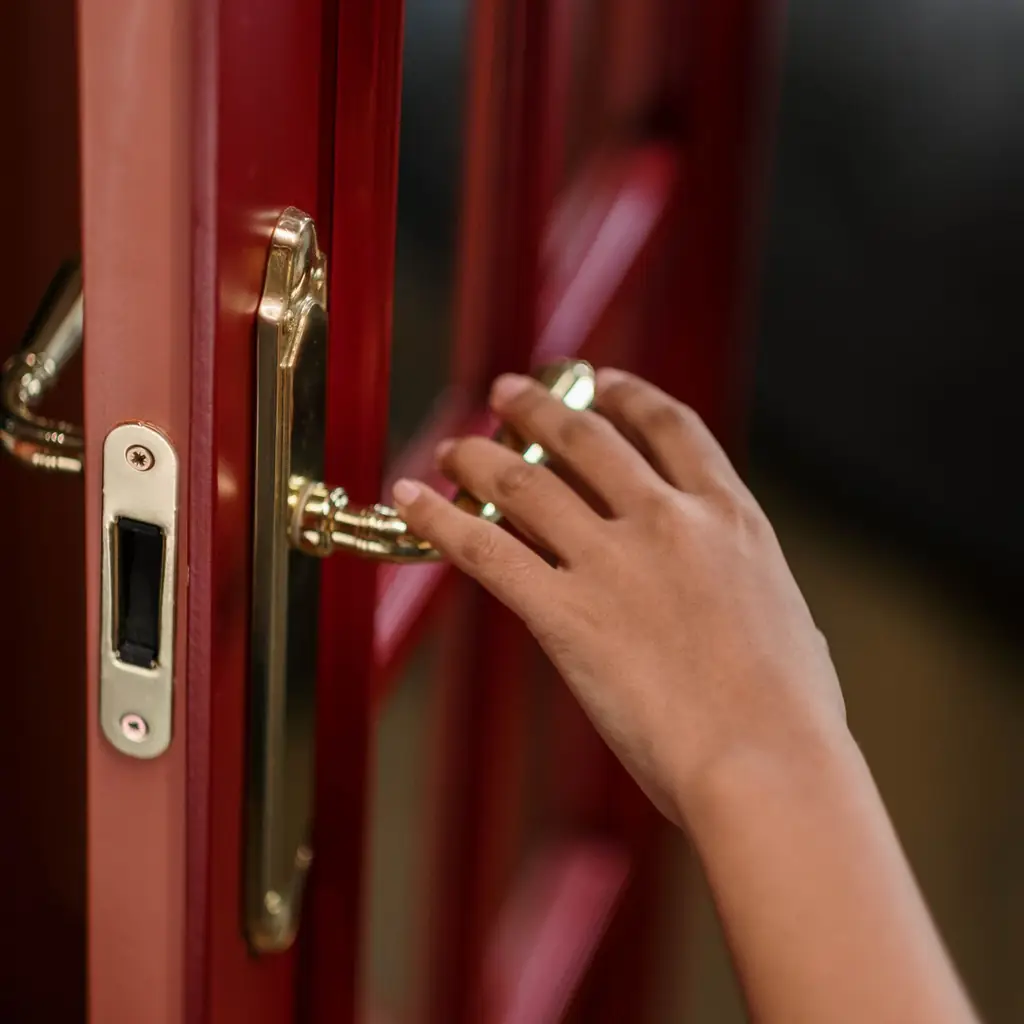
A good place to put a bag or rest for a moment can make arrival easier for a visitor. Give a coat a place to go quickly, so someone can come straight into the house.
Think about what happens on a short family visit. A simple entrance leaves more time for lunch or a walk together.
25. A seldom-used bathroom can hold the supplies guests actually ask for
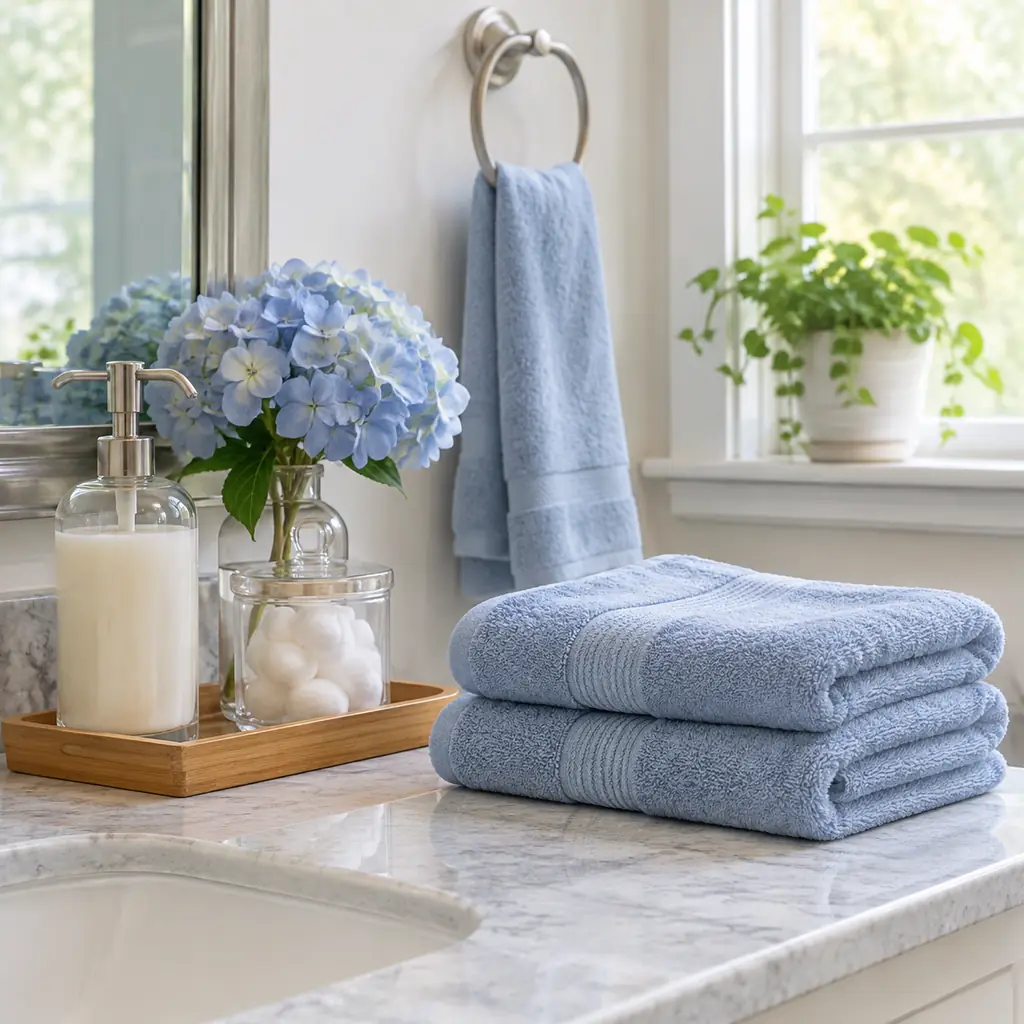
Leave soap, a clean hand towel and an obvious place for a personal bag. If a cupboard holds years of old extras, clear one shelf and reserve it for the things a visitor might need.
Use the bathroom yourself once. That makes it easier to spot a weak light or a hook that is hard to reach from the most useful place.
26. The rooms that mattered before can matter in a new arrangement
Choose which part of the house’s history you want to see every day. Move some meaningful pieces to a room you already enjoy. Let the furniture around them suit your present habits.
Think about the home features people miss after downsizing. You may have a good reason to keep a work surface, a useful shelf or the seat that catches the afternoon light.
27. A house can change one room at a time
Picture the first ten minutes after breakfast. Which room would make that part of the day better with one small change? Start there and see whether you use the space differently over the next week.
Give the changes time before you move on to the next room. The house already knows your old routines. A few small changes can make space for the ones you have now.
Image credits
- An armchair with clear floor space around it by Rachel Claire, Pexels License. Cropped and converted to WebP.
- GX-227 - Wooden ceiling and walls frame a sunlit living space with wicker furniture large windows and tropical outdoor views.jpg by Palm Beach Police Department, Public domain. Cropped and converted to WebP.
- A hand touching a lever-style door handle by cottonbro studio, Pexels License. Cropped and converted to WebP.