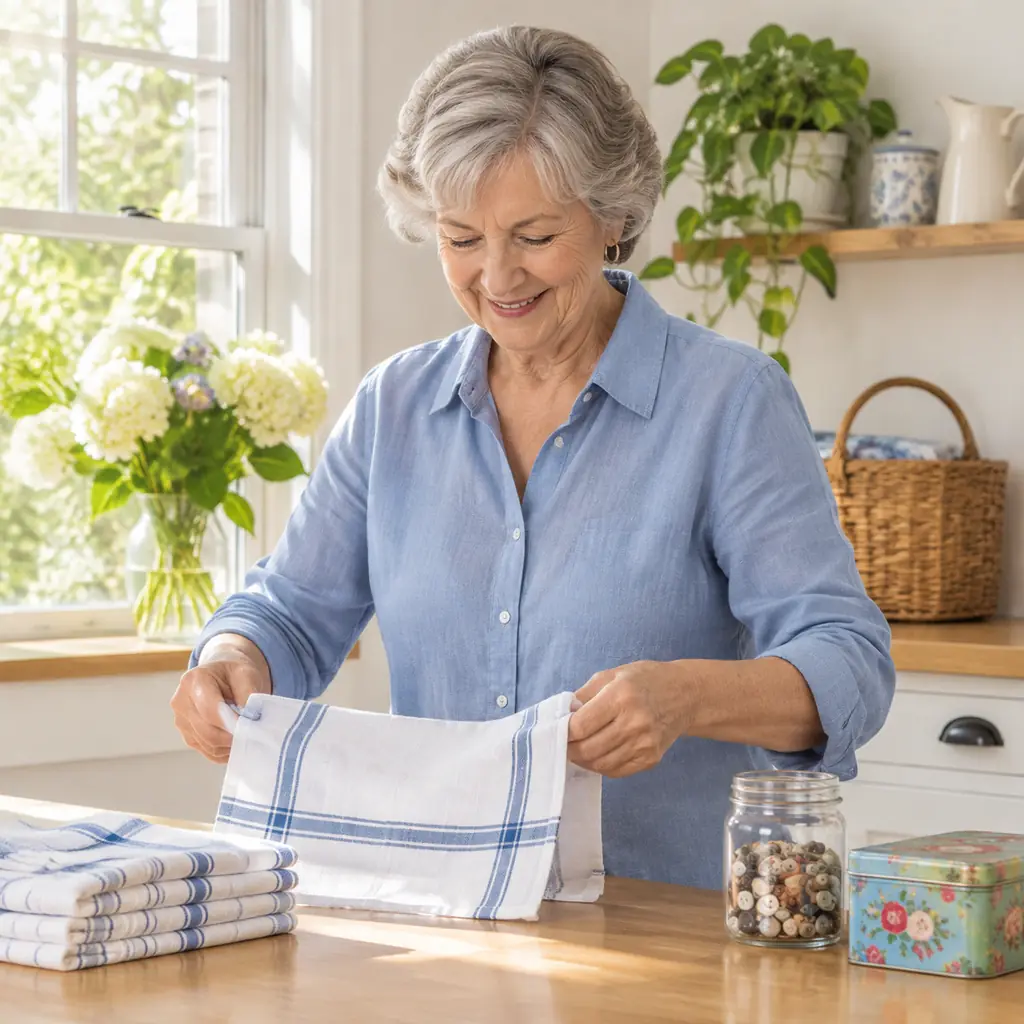
For years, you knew where the roasting pan lived and when someone needed to check the potatoes. At your child’s house, the day can still feel like your family’s holiday once you work out what to bring, what to pass on and where to sit down.
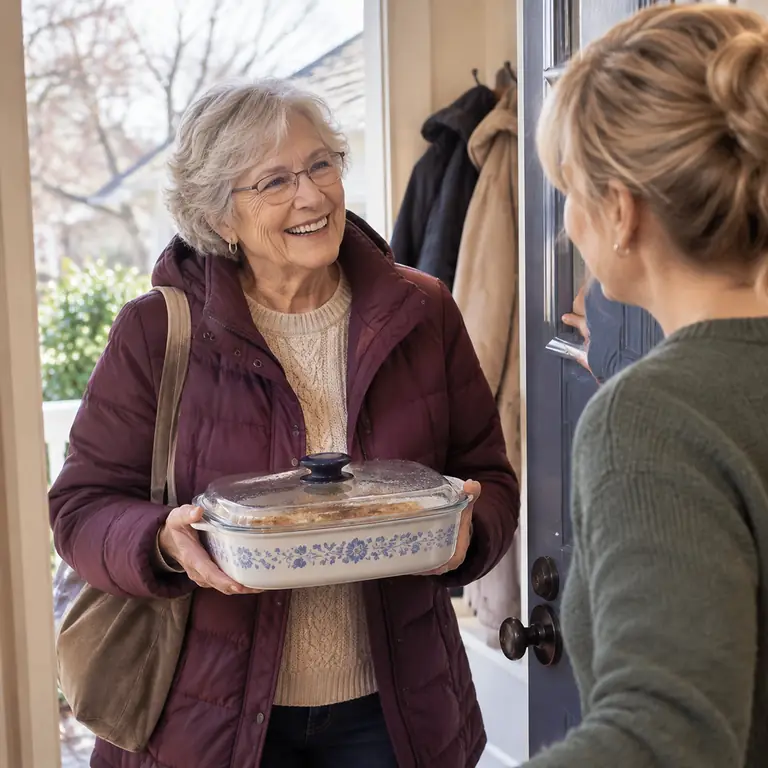
1. The invitation belongs to the person opening the door
You used to know who might stop by after dinner. Your grown child has to decide how many guests fit, when people can arrive and how late they can stay. Ask what they are thinking before you make an offer on their behalf.
If a relative usually gets an open invitation, tell your child why that mattered. Then let the new host arrange the invitation and answer any questions about timing.
2. The holiday may start with a different meal
Perhaps you always ate at three because that gave the turkey time to rest. At a smaller house with young children, lunch might fit better. A change in dinner time can also help anyone who prefers to drive home before dark.
Ask when the host plans to serve and when they need help. That gives you a concrete schedule for dishes, naps and the people who are traveling.
3. The family recipe has a new kitchen to work in
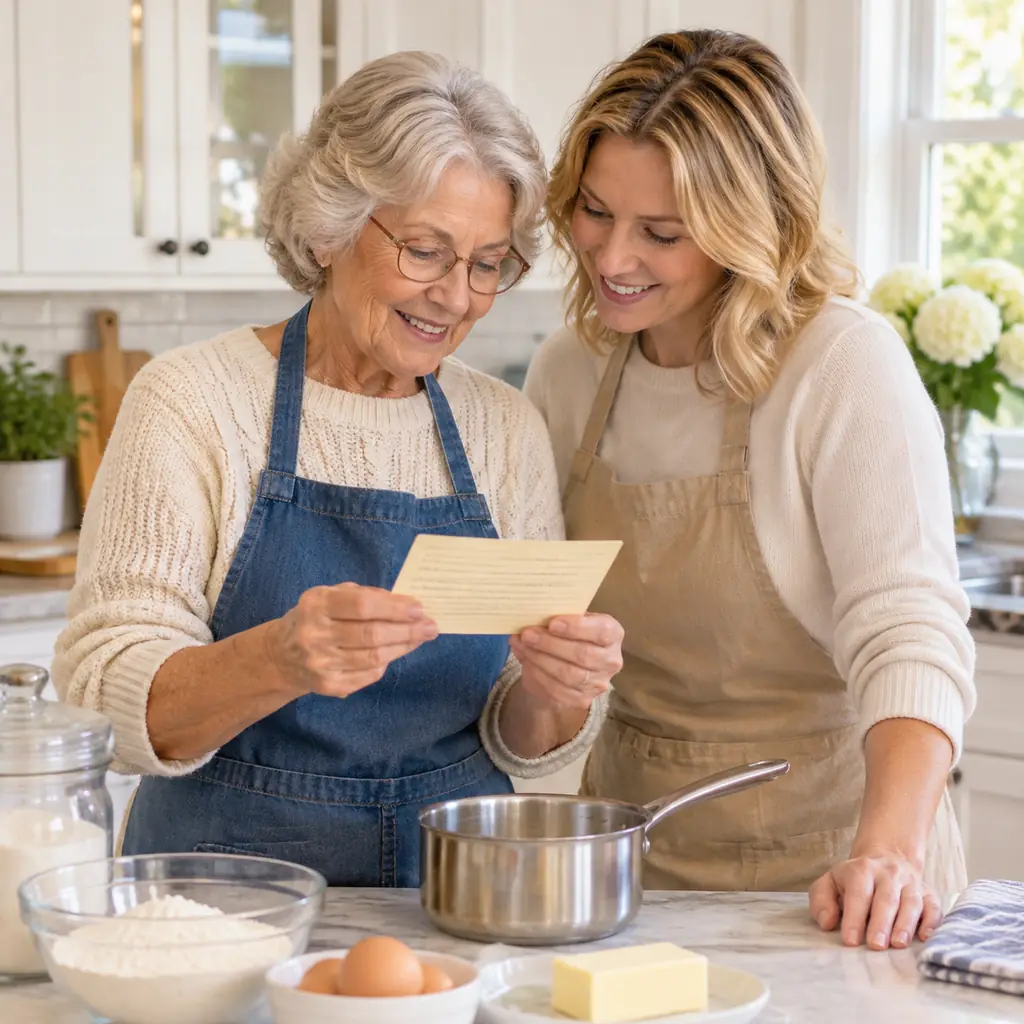
Share the recipe and the detail that never made it onto the card. That might be how the dough should feel between your fingers or when to take the gravy off the heat.
Talk through the tools your child has. A thinner pan might brown the underside faster. You can make a trial dish together a few weeks ahead so the host knows how it behaves in their kitchen.
4. The oven has less room than you remember
Four casseroles may have fitted into your double oven. Your child may be using one oven with a turkey taking up most of the space. Ask when a dish can go in and whether it can be served warm or finished on the stove.
Plan a cold dish or something ready before the drive if oven space is tight. The host gets one less pan to juggle just before everyone sits down.
5. The best dish to bring may be the one you can hand over
A dish that is ready to serve saves the host a decision. Tell them whether it should go into the fridge, come to room temperature or be opened right away.
Bring a spoon if the dish needs one. If your own casserole stays hot long enough to serve when people arrive, agree on the time beforehand. Your child can then set aside counter space with confidence.
6. People have to be asked about food again
You may know your siblings’ preferences by heart. The new host may also be cooking for partners, children and guests whose needs have changed. Ask the host how they are collecting those details so that the same person hears them all.
If someone needs a specific dish, ask the host before promising it. One simple update in the group chat can spare the kitchen several last-minute changes.
7. The first grocery shop takes a different route
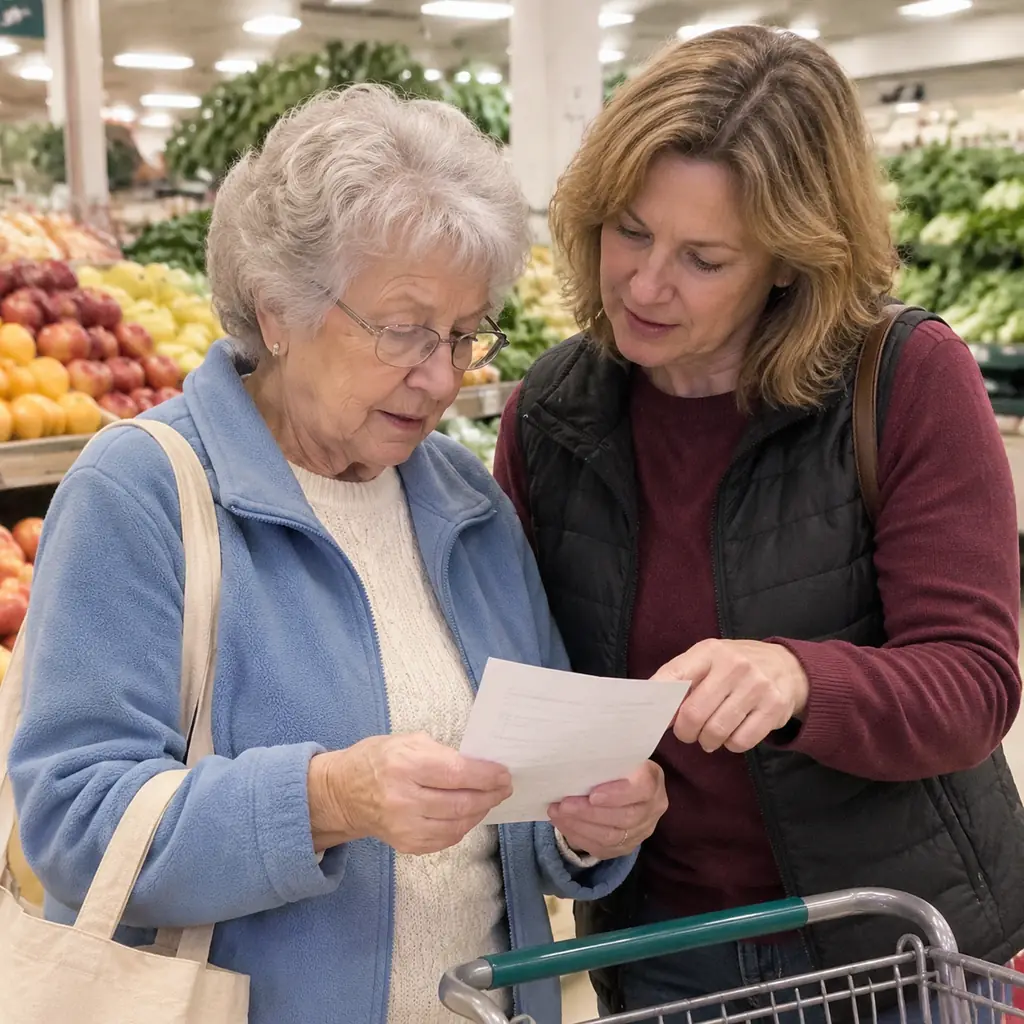
The larger grocery store you always used might lie in the opposite direction for your child. If you are helping with shopping, ask which ingredients they already have and which items usually sell out near their home.
You could collect some things on your way. Keep a separate list of items the host has already bought so no one ends up storing two sacks of potatoes after the holiday.
8. A familiar table may seat fewer people
A host may have the space for twelve plates and only eight chairs that people can comfortably use. Ask if they want help counting seats or bringing a folding chair.
Think about the relatives who need more space to stand or move through the room. Choose their places early, while the host can still arrange the chairs and keep the route from the table to the door clear.
9. The good dishes may stay in your cupboard
Ask whether your child wants you to bring the serving dish or a full place setting. A large china set can be hard to carry and may leave the host washing plates they have nowhere to put.
If there is one piece everyone associates with the meal, tell your child its story. Decide together whether it travels this year or waits for another occasion when it can serve a purpose.
10. The host has to choose where coats and dishes go
At your place, everyone might have put coats in the same spare room. At your child’s house, that room could be in use. Ask where to put your things and tell the next person only if the host wants help greeting guests.
A small entryway can also become a queue when people arrive together. Letting guests know what to expect gives the host a smoother start to the meal.
11. The children's table may be wherever they are most comfortable
Ask how the host plans to include children and whether the older cousins still want a separate table. Small changes to a familiar arrangement can leave people unsure where to settle.
Give the host room to adapt. If the grandchildren like helping set the table, offer to do that together. It gives everyone something concrete to do during a short family visit.
12. Someone may need a lift who used to walk over

A different address can mean that the sibling who lived near you now needs a ride. Ask who knows the area, who is happy to drive after dinner and whether anyone needs to leave before dark.
Sort out the return as well as the pickup. You can make the visit simpler by comparing it with the errands and evening drives you already know, especially if you are considering moving farther from town.
13. Parking and the last few steps matter
Check whether guests should park on the driveway or elsewhere. If you are carrying a heavy pan or someone needs a shorter walk, ask whether a quick drop-off is possible.
Share the simplest directions with the people who need them. This can be more useful than telling everyone that parking on the street will be fine before you know how much room there is.
14. The timing of the overnight visit can change
Some families used to stay over because the old host had a spare bed and a flexible morning. Your child may need the room for their own family routine or have space for fewer guests.
Ask early about the sleeping arrangements. A plan could include staying nearby or changing when you visit. That may also help the host keep the guest room useful between visits.
15. The host will have their own way to open the meal
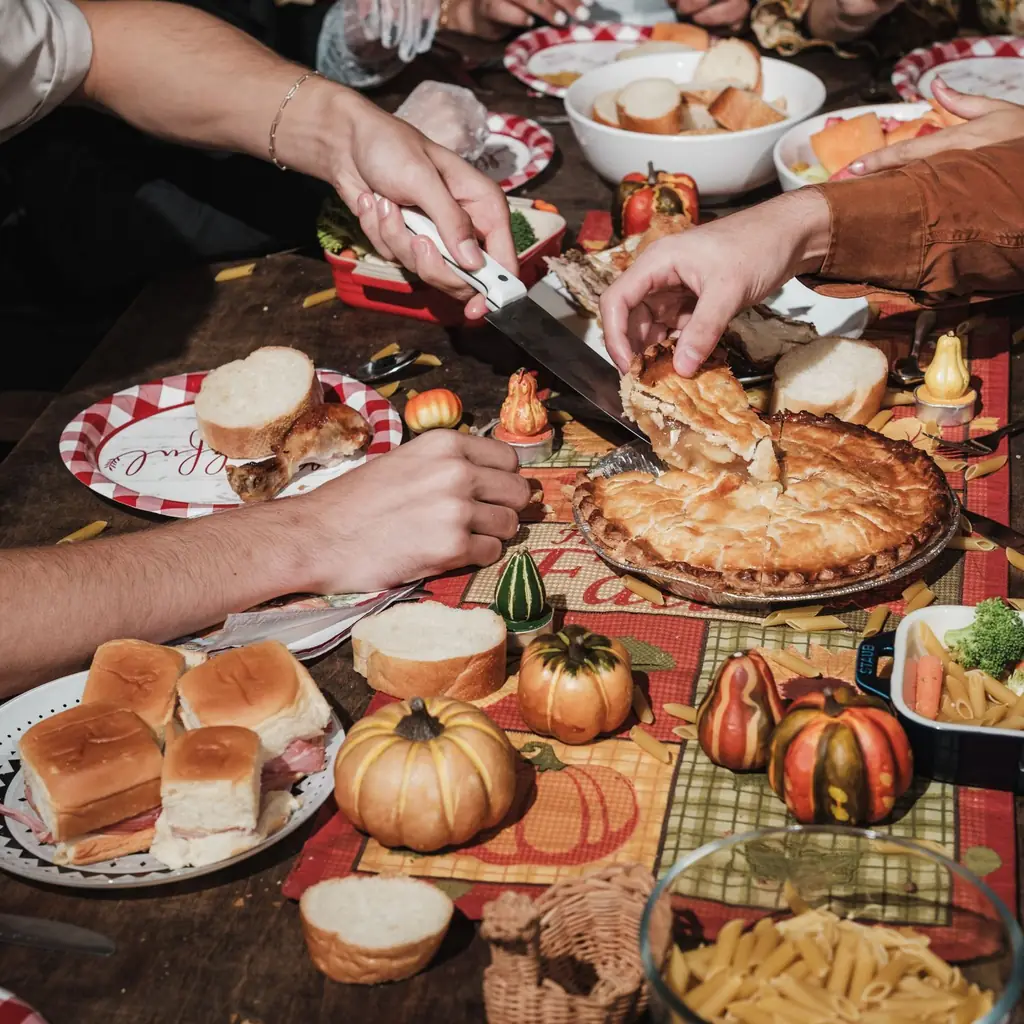
Maybe you always said a few words before serving dinner. Your child might want to keep that tradition, ask another relative to do it or give everyone a chance to share a memory.
Ask how they would like to start the meal. If there is a particular toast or story you hope to include, mention it ahead of time. The host can then make space for it without rushing people.
16. The most helpful kitchen job is usually small
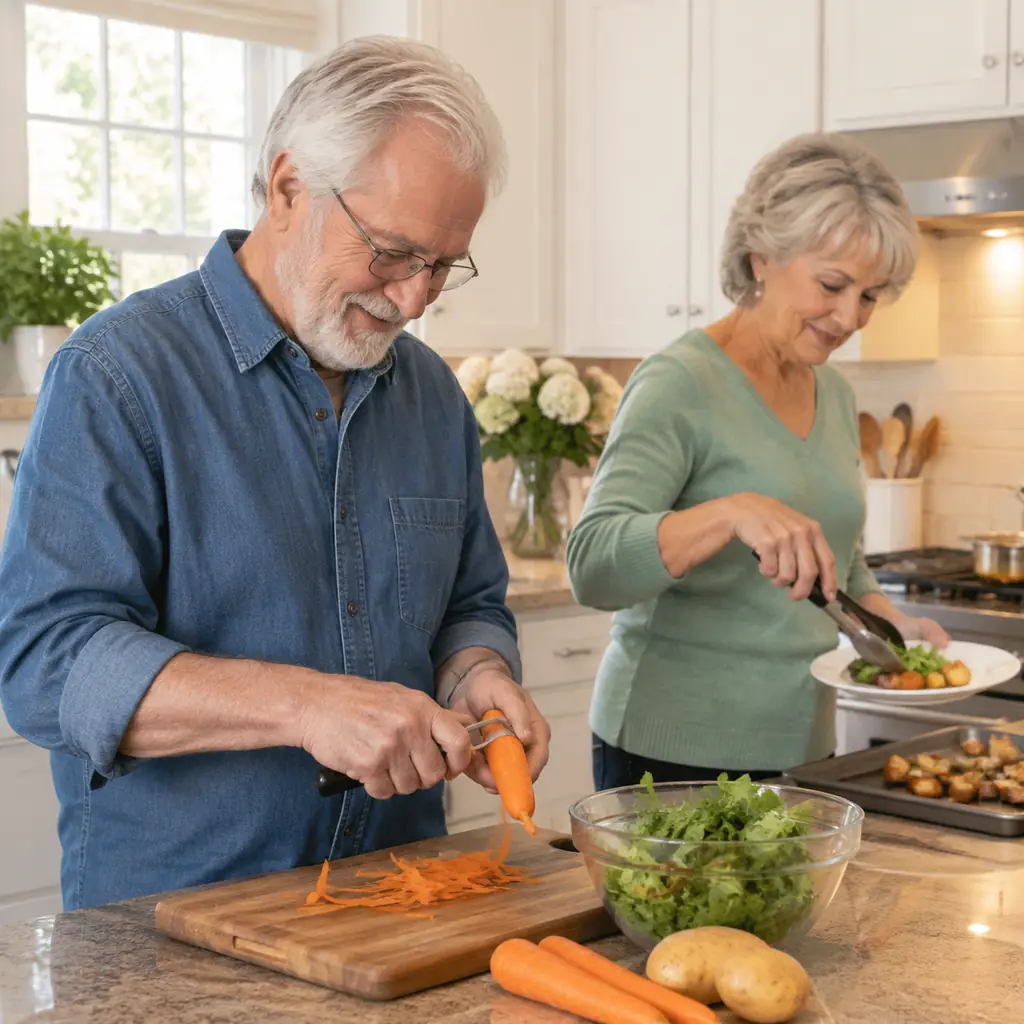
Ask for one specific task. You might cut bread, fill the water glasses or move the empty dishes to the sink. A well-defined job gives the host room to work through their own sequence.
Step back once the task is finished. The host may have planned around a smaller kitchen or different appliances, and a kitchen that looks easy to work in can feel different once you cook.
17. A dish can keep its place while the rest of the menu changes
Pick the dish that will mean the most to the family this year. It might be one side that people ask for even before they know what else will be served. Bring the recipe or make it together if your child wants the help.
This gives the host room to choose other dishes based on their time, budget and kitchen. The shared dish keeps a thread between the two tables.
18. Family stories come up in different places
A chipped dish at your own table may have prompted a story about the first year you hosted. With a different table, you might need a recipe card or a photograph to bring that memory up.
Tell a short version while someone is interested. If they ask who made the dish or why it mattered, let them lead. This is one way routines learned from parents still shape household life.
19. The family photo may need a new spot
You may have used the same window every year because the light was right and everyone knew where to stand. At the new house, choose one spot with the host and take the photo before someone leaves.
If the older children no longer want to gather in the same way, try one quick group picture or take a few smaller ones. Decide who will send them around so they reach the relatives who want a copy.
20. A breather can stay part of the day
Tell your child if you usually need time away from the noise. A quiet chair, a brief walk or ten minutes to sit with one other person can help during a long gathering.
Ask what room is available ahead of time. The host may have set aside a place for a child’s nap or a pet. Agreeing where to go makes it easier for everyone when the meal runs late.
21. Traditions can be shared on a smaller scale
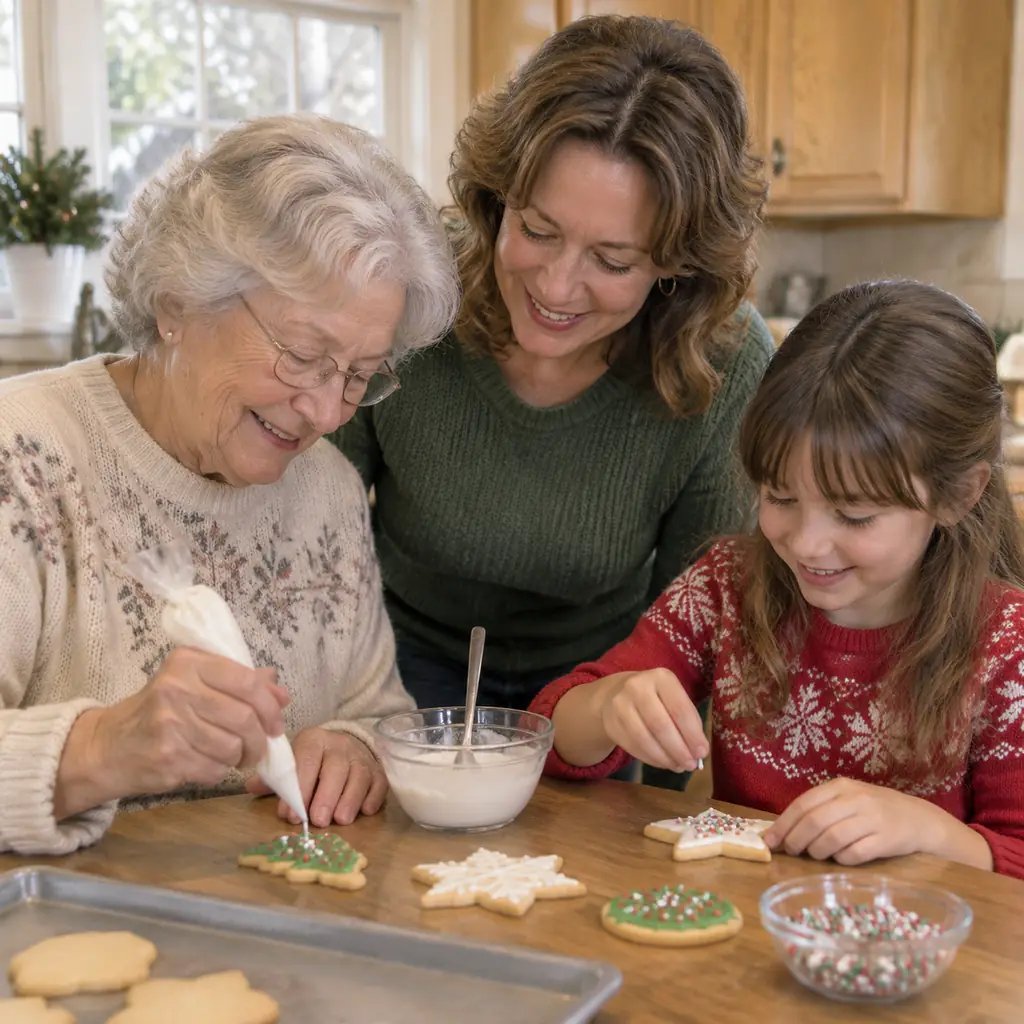
If you used to bake all morning with the grandchildren, see what part of that matters to them now. Making one tray together might fit even when the adults are busy and the kitchen is in use.
Ask the host about the best time. You could bring the dough, sit at one end of the table and take your supplies away afterward. The tradition remains a visit rather than another job for the host.
22. The late guests may bring their own schedule
One family may split the day between two households. Ask how the new host wants to handle arrivals after everyone else has eaten. They could set aside plates or decide to keep a simpler serving area open.
Tell the late guests what to expect so they can plan. That also lets the host clear what they need to and come back to the table with everyone else.
23. The job of clearing the table changes hands
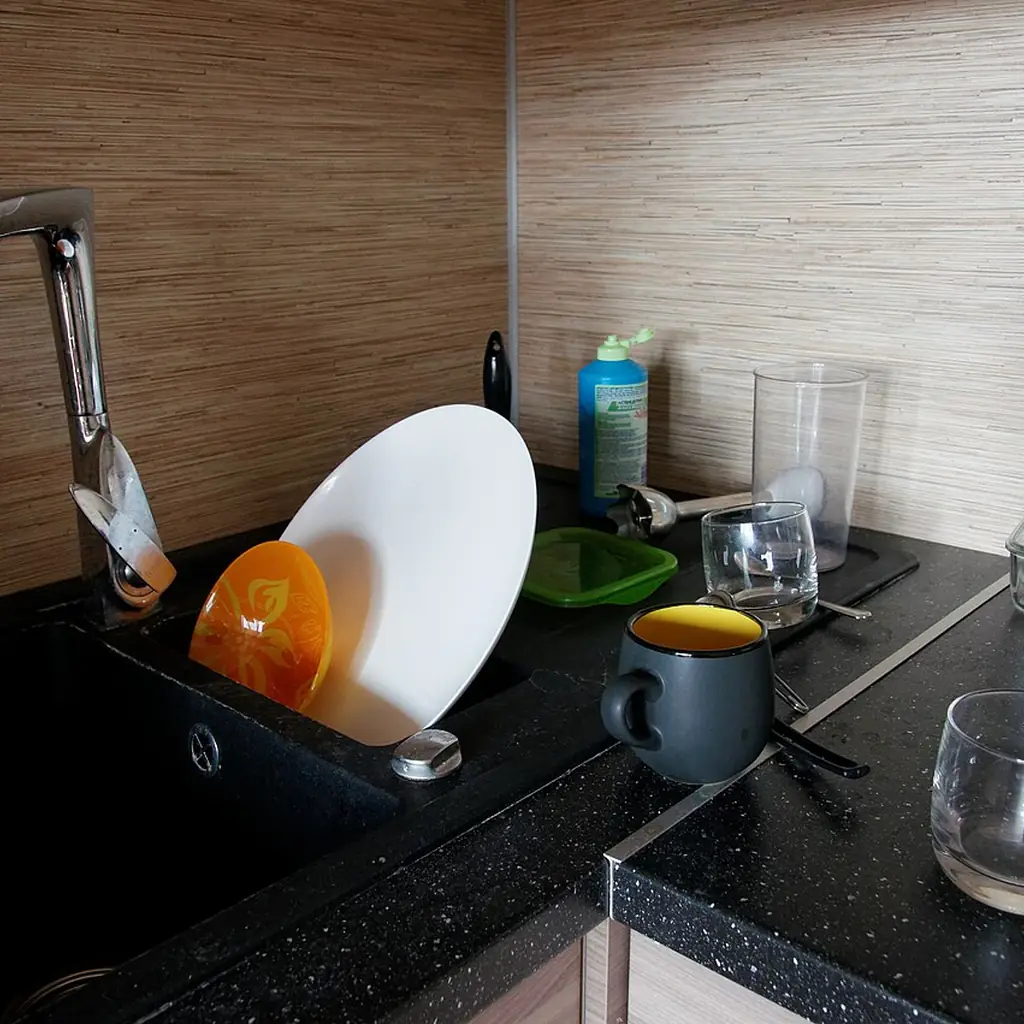
At your house you may have known which dishes went into the dishwasher without asking. In a different kitchen, ask where the host wants the plates and whether they want help cleaning up now.
If the kitchen is crowded, start with water glasses or stack a small pile on the sideboard. When two people are used to sharing household work, clear ownership of small jobs can be a relief.
24. The leftovers go somewhere different
Ask whether the host wants to keep the remaining food, send it home with people or do a bit of both. Their refrigerator space may be limited, especially if several relatives brought large dishes.
Bring an empty container if you expect to carry some home. That gives the host a way to send food away without lending out the box they need for tomorrow’s lunch.
25. A borrowed platter needs a way home
If you bring a serving bowl or baking pan, think about whether you need it before the next time you see your child. A small mark on the underside or a note on your own list can make it easier to remember which pieces went with you.
Ask whether you can take it after the meal. If the host needs it for leftovers, arrange a simple handoff later.
26. The host might need help the day after the holiday
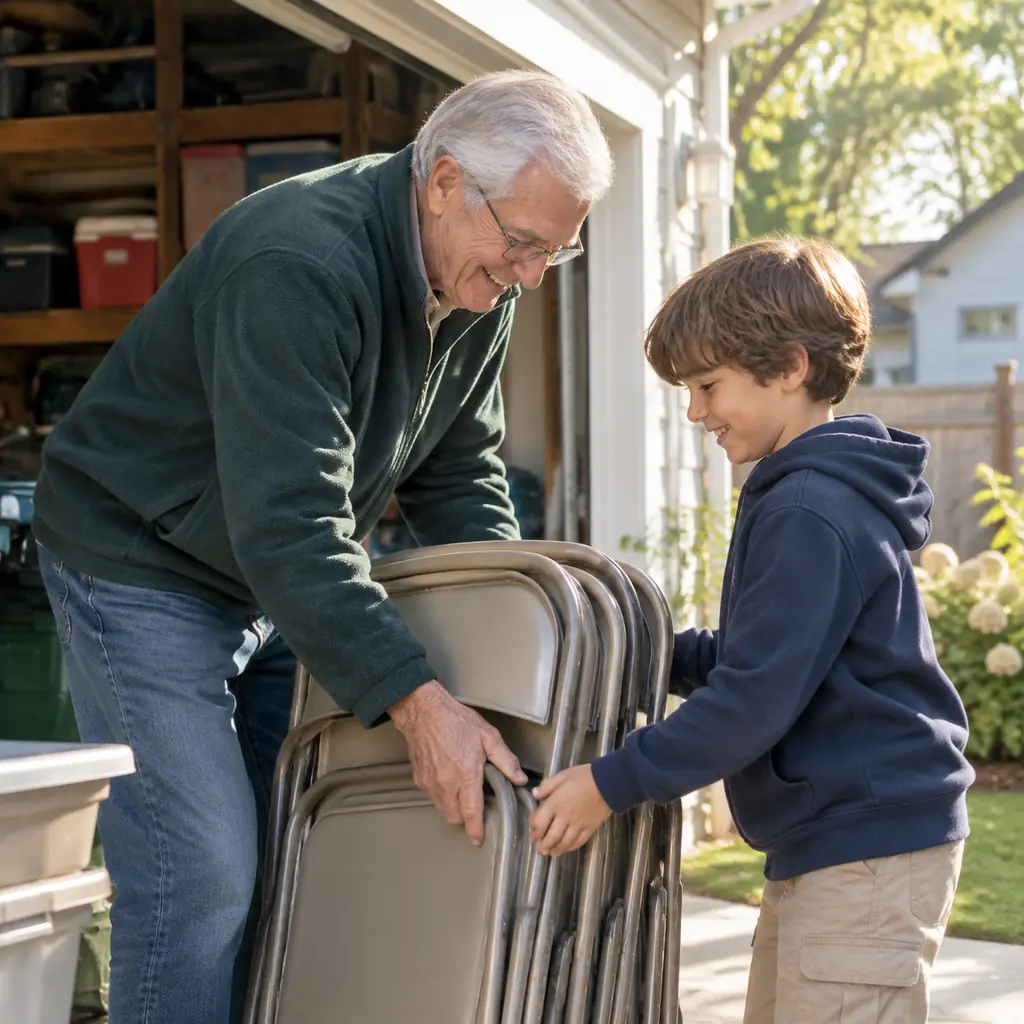
Offer one particular thing for the next morning, such as taking back borrowed chairs or picking up a relative for breakfast. Ask before assuming they want another visit. Your grown child may prefer a quiet morning with their household once the guests have gone.
If they do ask for help, make the time clear and finish the task you agreed to. They can decide which other jobs they want to do later.
27. Familiar decorations may have a new place
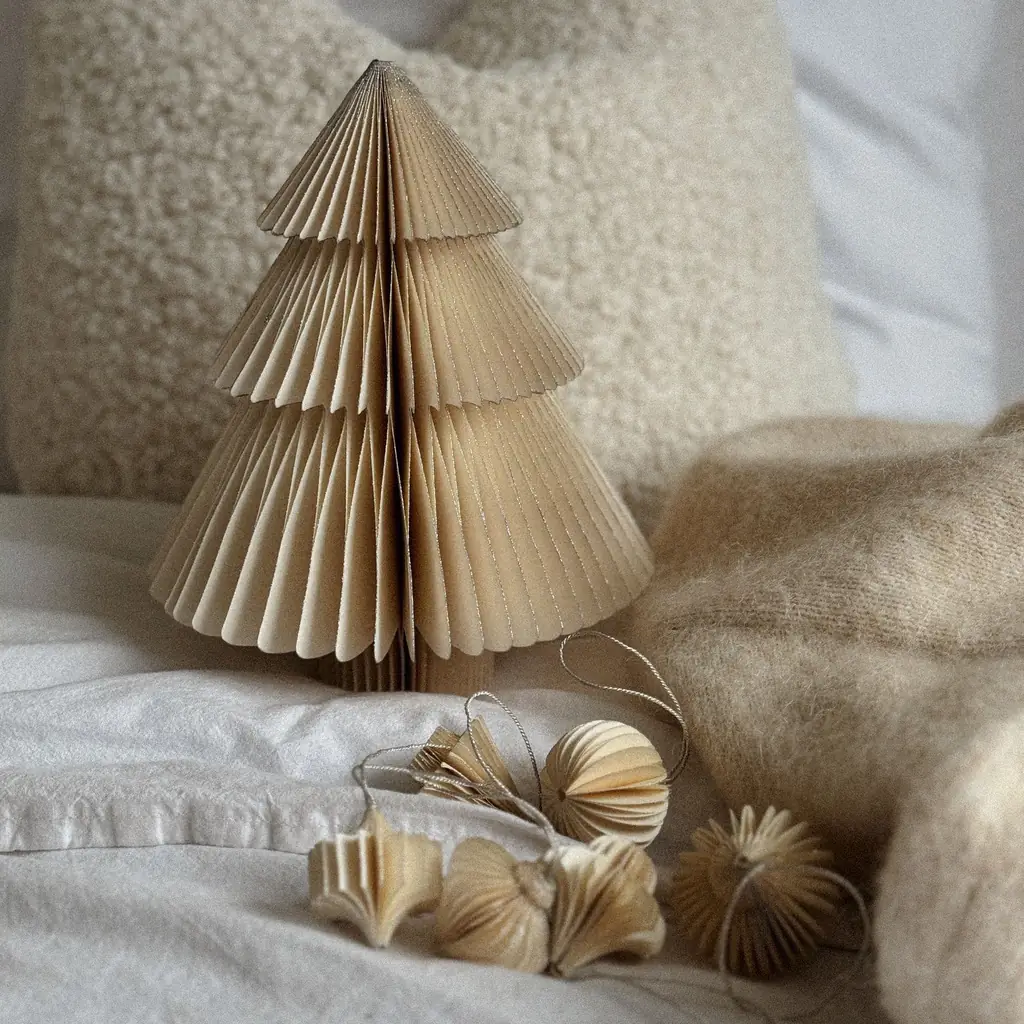
If you have a box of decorations your child remembers from growing up, choose one or two you think they might want. Ask before bringing a large collection, especially if they have limited room to store things.
A single item set on the table can carry the story. Any extra pieces can stay at home until someone has a particular use for them or asks to take them.
28. Next year's invitation can wait
Thank the host for something you genuinely enjoyed, such as how they got the cousins cooking together or made time to see an older relative. A specific memory shows you noticed what they added.
After everyone has had time to recover, talk about what you would like to keep. Your child may want to host again, alternate years or bring just one dish next time. Let this year give you something to talk about together.
Image credits
- The Holiday That Feels Like a Day at Home by Airam Dato-on, Pexels License. Cropped and converted to WebP.
- Kitchen, Tableware, Rostov-on-Don, Russia.jpg by Vyacheslav Argenberg, CC BY 4.0. Cropped and converted to WebP.
- The holiday ornament with an unlikely origin by Aljona Ovtšinnikova, Pexels License. Cropped and converted to WebP.