The guest bed may only get used a few weekends a year, yet it sets the layout every day. Start with what a visitor needs for a good night and let the rest of the room earn its keep between visits.
1. The right bed begins with the visitors you actually get
Think about who comes most often and what helps them sleep comfortably. A tall adult, a couple and a child can each ask something different of the room.
Write down the guest needs that matter before you buy furniture. You can decide what else the room does once you know which part of the sleeping setup has to stay.
2. A drawn layout is better than guessing at the store
Measure the wall, the swing of the door and the space beside the bed. Mark the main path from the doorway to each side guests use.
Draw a second version for everyday use. A desk looks promising until you see how far the chair pulls out. Put those working dimensions on the page, too.
3. A narrower nightstand can give a chair space to move
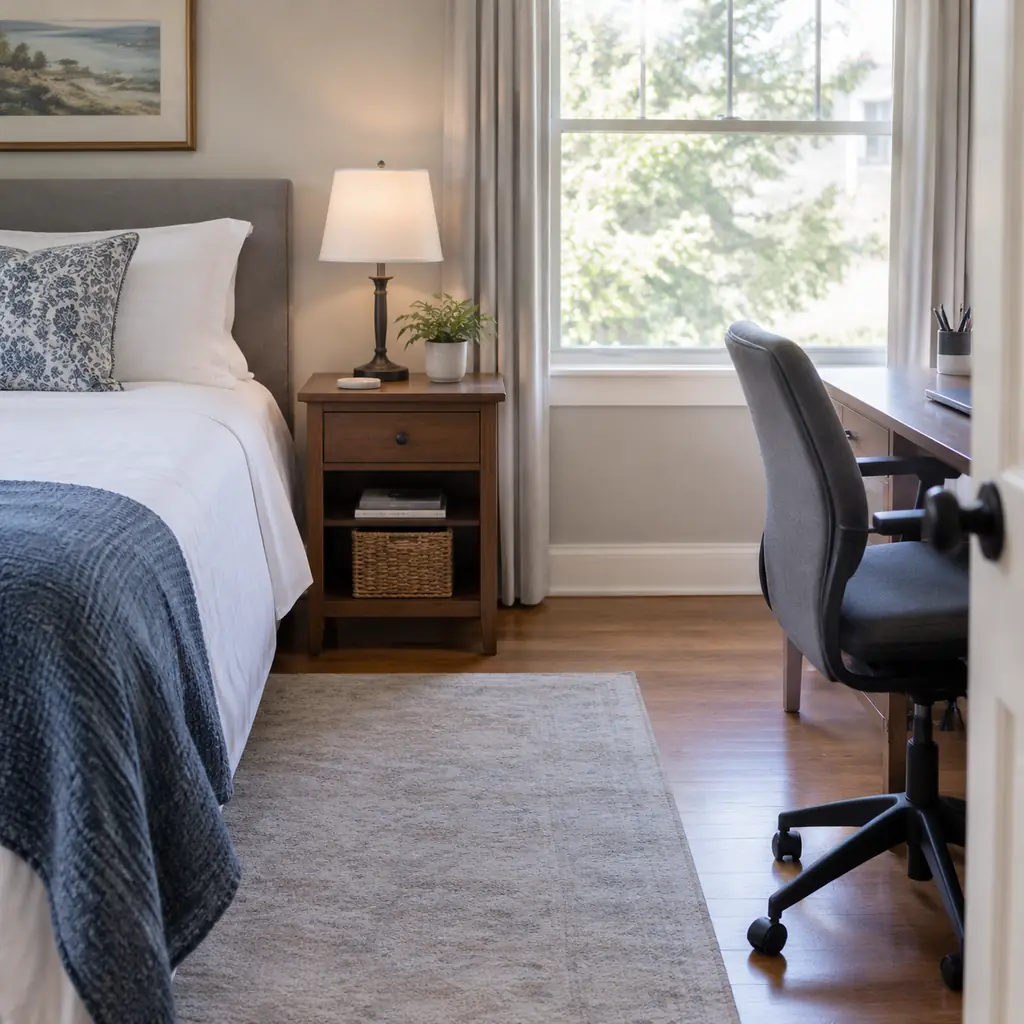
A wide nightstand may hold little more than a lamp and a glass. If your room falls short by a few inches, replacing the nightstand might be enough.
Look for a stable top with room for the things a visitor actually reaches for. Put the lamp near an outlet so a cable stays out of the path.
4. Keeping the bed can be the easiest choice
A comfortable bed you already own can remain the anchor. A neat cover and good light make it pleasant to look at during the day. The room can still fit a small work table along the opposite wall.
Use the layout for a week before replacing the bed. You may find the part you needed was one clear surface.
5. A daybed can make sense for one regular overnight guest
A single daybed is useful if most visitors come alone. It takes the place of a sofa when the room is open during the day.
Try sitting on it and check how easily you can reach the floor. Keep spare pillows elsewhere if they would have to come off every evening a guest stays.
6. A trundle asks for clear floor at night
A trundle can fit two single sleepers in a room that feels open most of the time. Check the full width when it is pulled out.
Plan where the everyday chair goes that night. The solution is only useful if both sleepers can get to the door without stepping over bags or moving heavy furniture.
7. A sleeper sofa needs to work in both positions
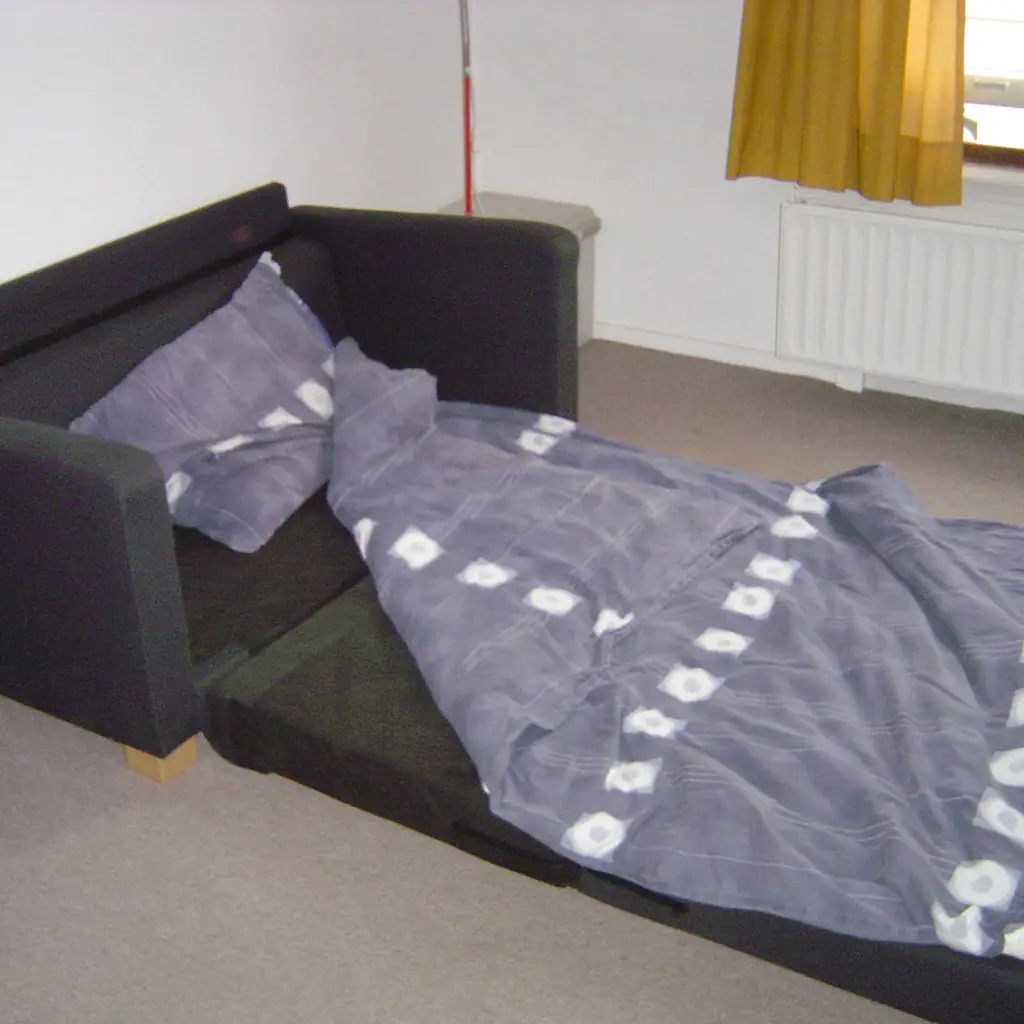
Open the sofa and walk around it before you decide it fits. Look for enough room at the foot, which may be where your only clear path disappears.
Sit on it during the day and lie down on it as a guest would. If either setup feels awkward, the furniture may be solving the wrong problem.
8. A fold-away bed still needs a place for loose bedding
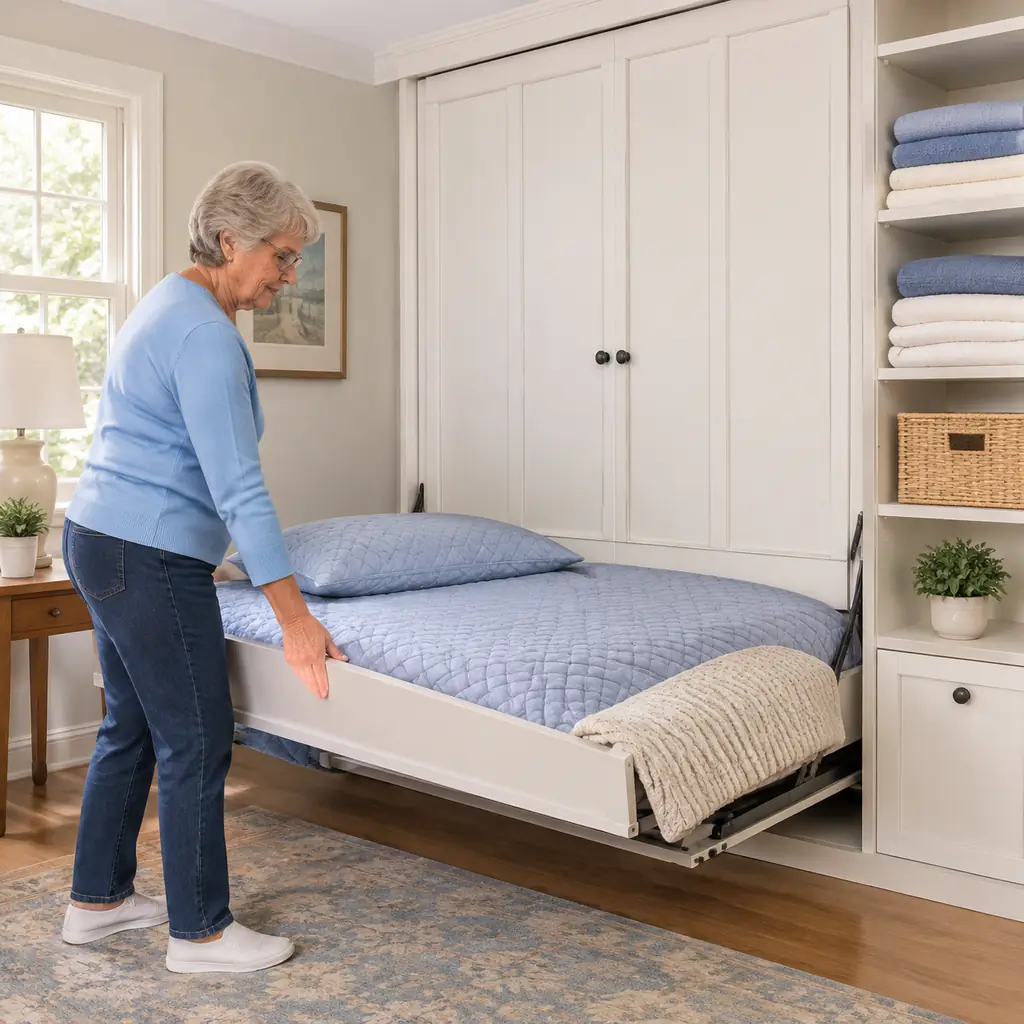
A fold-away bed can recover a useful patch of floor. Check where pillows, spare blankets and a nightstand will go when it is upright.
Follow the manufacturer’s installation guidance and get qualified help if the wall or hardware needs it. Allow room below the bed before opening it and practice the change yourself before a visitor arrives.
9. A bed without a footboard can open the tightest passage
Make the bed the way a guest would sleep in it, then look at the route past the foot. A tall frame can make that section feel crowded, especially when a suitcase is open.
A simpler bed end may help you reach a window or small desk. Keep sheets and blankets tucked where they will not trail onto the floor.
10. A suitcase rack can make more room than a chest
A visitor staying two nights may prefer an open suitcase to an empty dresser. A folding rack gives the case a safe place during a visit and can go back into the closet afterward.
Open the rack where the guest will use it. Check that drawers and doors still work with a full suitcase in place.
11. A row of hooks can do the work of a tall coat stand
A few sturdy hooks give a robe or light jacket somewhere obvious to go. Guests can see them without having to ask where clothing belongs.
Keep the row clear of the door so sleeves do not get caught. Pick the right mounting for the wall and expected weight. A bag packed with books may need the luggage rack instead.
12. A small open shelf can substitute for an empty closet
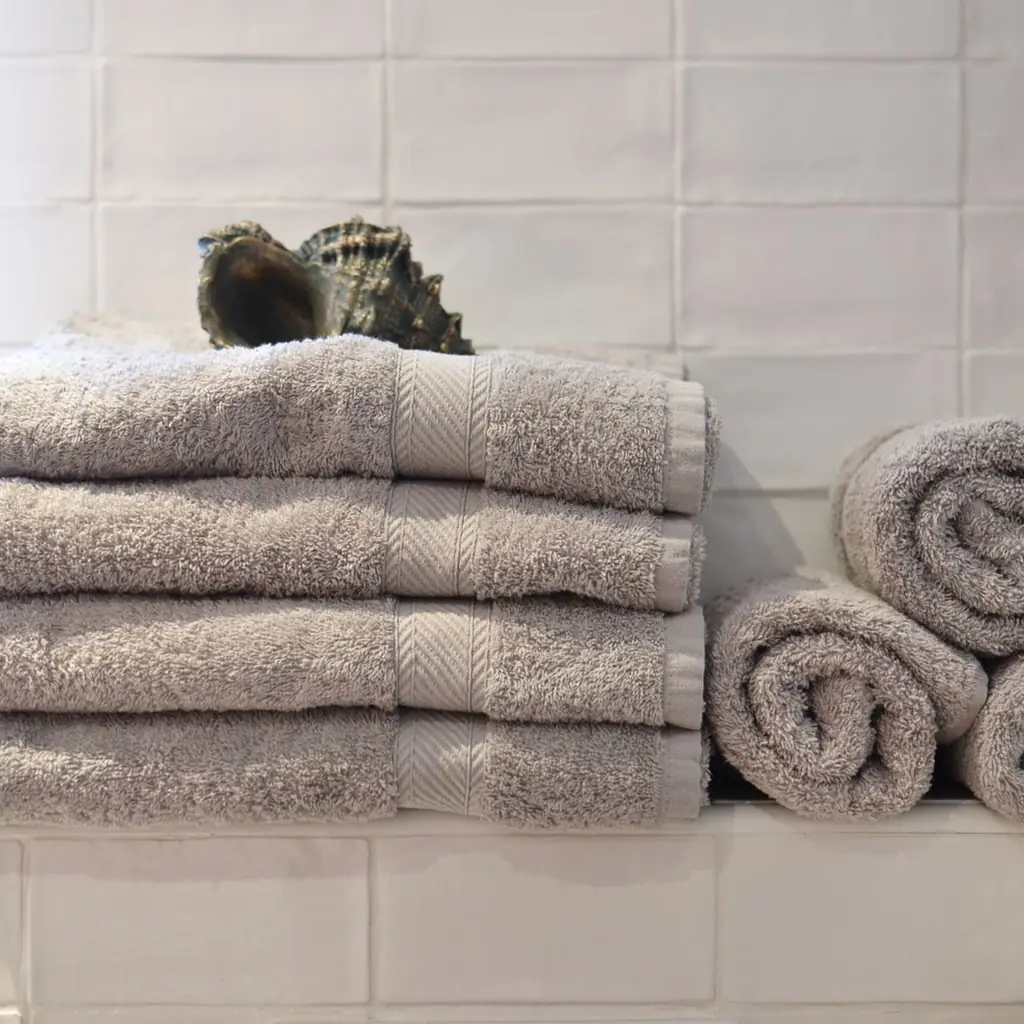
Reserve one shelf at a height guests can see and reach. If it is genuinely empty when they arrive, they can unpack glasses, chargers and small toiletries somewhere safe.
Think about the personal items you remove from the shelf between visits. The arrangement is more likely to last if they already have another home in the room.
13. Guest linens belong near the bed that uses them
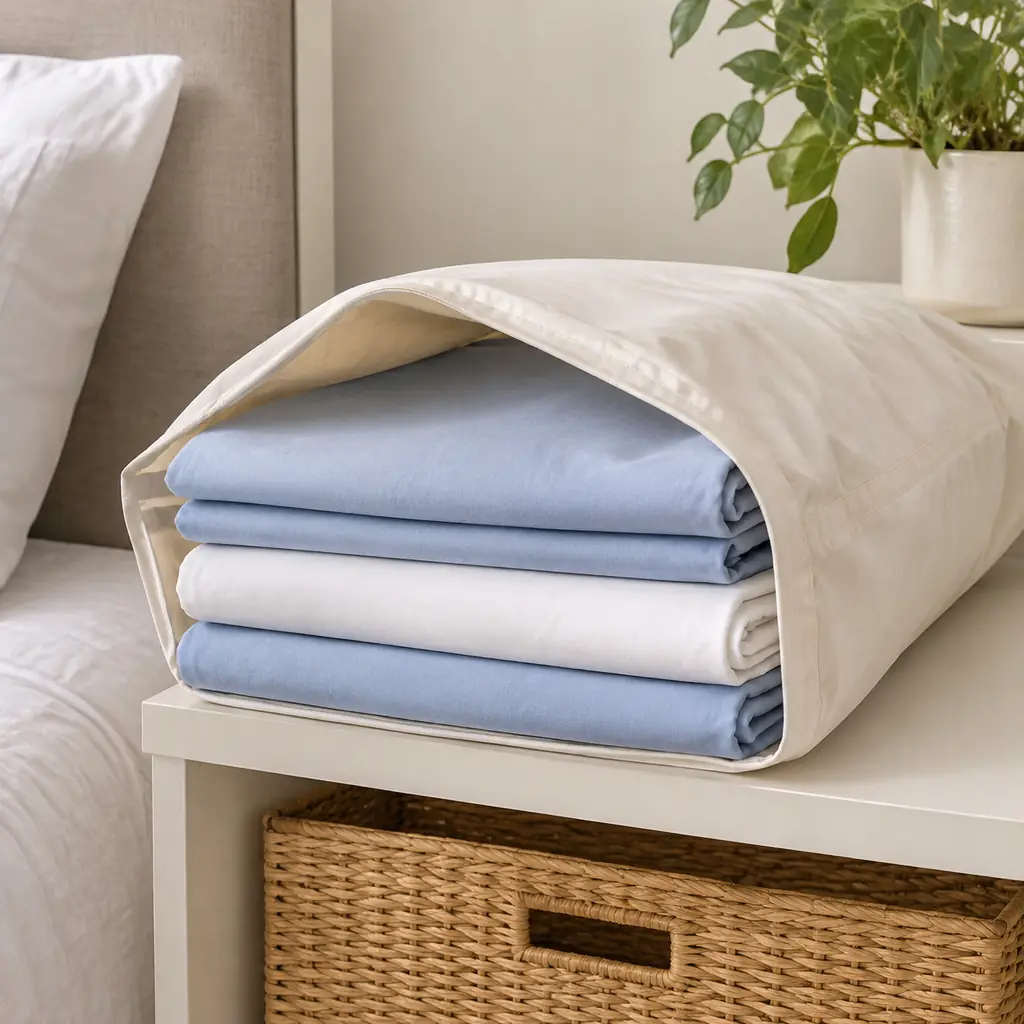
Keep one clean set beside the spare pillow and blanket. Storing the whole set in one pillowcase can make the room easy for a helper or visitor to reset.
A few housework habits people learned from their parents still solve these small problems. This one helps the linen cupboard stay usable when the guest room also holds hobby supplies.
14. A rolling project cart makes the reset easier
Put the tools for one project in a cart you can roll out of the way. A half-finished job can stay together, and you can get back to it after the visit.
Before you buy the cart, decide where it parks. If it blocks a hallway when the family arrives, a low cabinet inside the room may work better.
15. A firm writing surface can earn its place most days
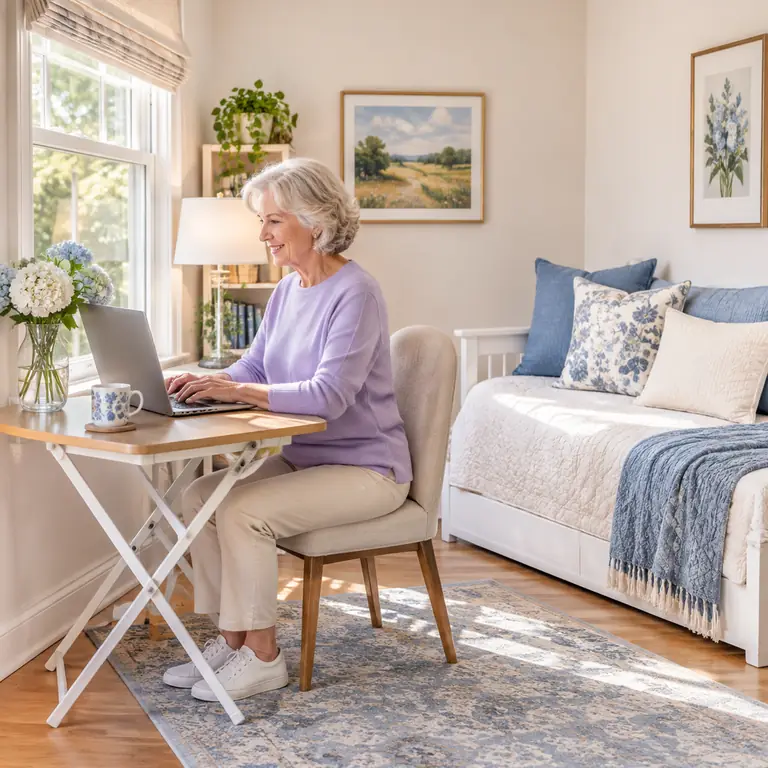
A shallow desk fits a laptop and a notebook without taking over the wall. Look at the depth you actually need and leave room to pull the chair back.
If you keep the family home and rethink its rooms, decide which room gets the work that needs quiet. A guest room can be a useful choice when it is free.
16. A drop-leaf table can suit projects that grow and shrink
A table that stays narrow most days can open for a large piece of fabric or a puzzle. Check where the open leaf sits and whether its supports get in the way of your knees.
Choose a clear place for the project when the table closes. A flat box can hold a puzzle in progress out of harm’s way.
17. A favorite chair can give the room a new reason to open

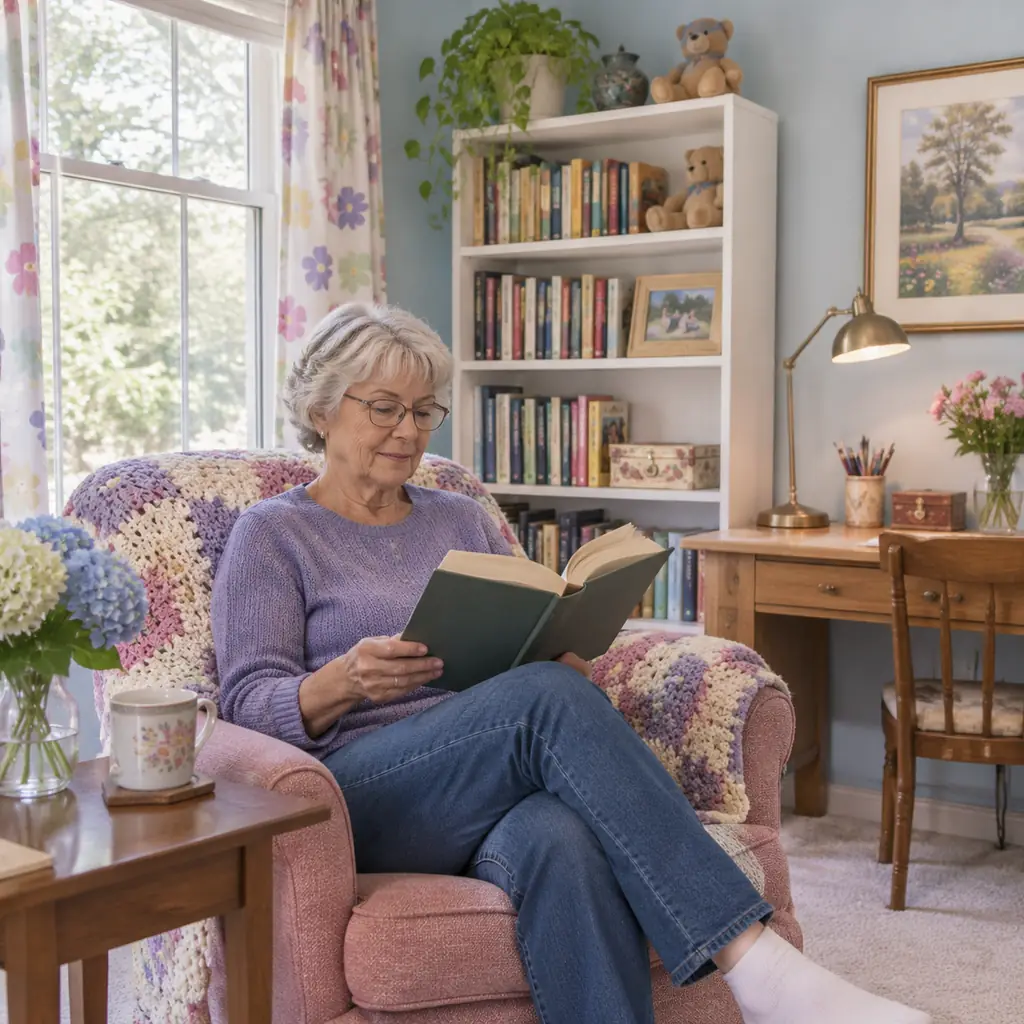
A spare room can become a regular reading spot if it has a chair you want to sit in. Try moving one in before spending money. Add a lamp you can turn on without reaching behind the chair.
This can be especially useful when both of you are home all day. Separate quiet spots make it easier to share the rest of the house.
18. A good desk light and a good reading light do different work
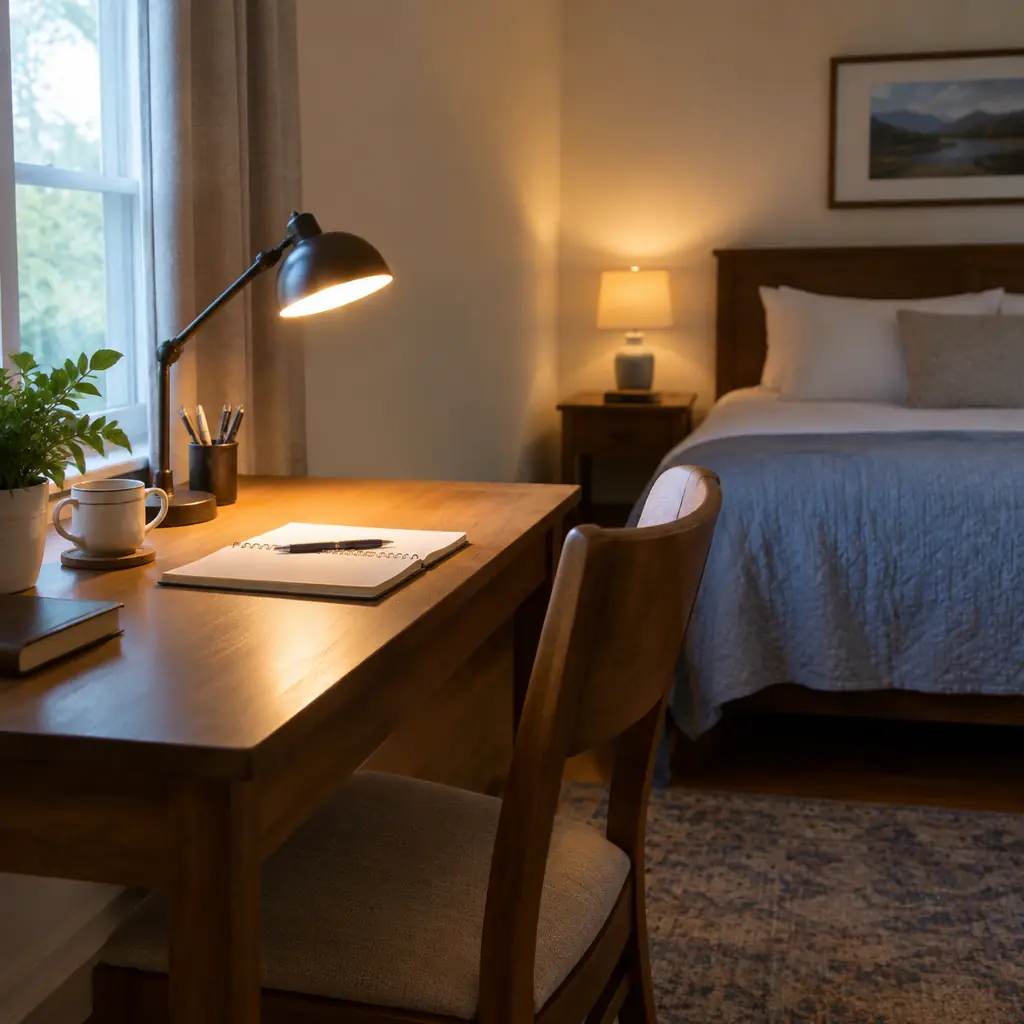
Place the desk lamp where it lights the page. Then sit on the bed and see whether the bedside switch is easy to find. One strong ceiling light may leave both jobs unfinished.
Keep the controls obvious and the cables away from the walkway. A visitor should be able to turn off the light after settling in.
19. A backdrop can hide projects without making them hard to use
A simple curtain or cabinet front can take a busy shelf out of view. You can leave the working arrangement intact and give the guest room a calmer look.
Check that the curtain slides freely and stops short of the main path. Choose a setup you can open in a moment when it is time to get back to work.
20. One surface is worth keeping clear for guests
A clear tray near the bed gives a visitor a place for glasses and a phone. People can settle in without wondering which papers or projects they can move.
If you are expecting family, consider what grandparents notice during a short visit. Leaving one clear place for someone to put things down makes the welcome easier from the first minute.
21. A closed cabinet lets a hobby stay set up inside
A cabinet can hold materials in the order you need them. You can close both doors on everyday clutter and reopen them without putting a project back together.
Think about the hobby before choosing the cabinet. If you are trying a retirement hobby before buying the gear, use existing shelves until you know how much storage it needs.
22. A simple mirror can save a trip down the hall
A mirror gives guests somewhere to check clothing while the bathroom is busy. Find a spot they can use without standing in the doorway.
Look at the reflection from the bed before you secure the mirror. A useful position catches enough light without exposing much of the room to someone walking down the hall.
23. A small fan can give guests control over their comfort
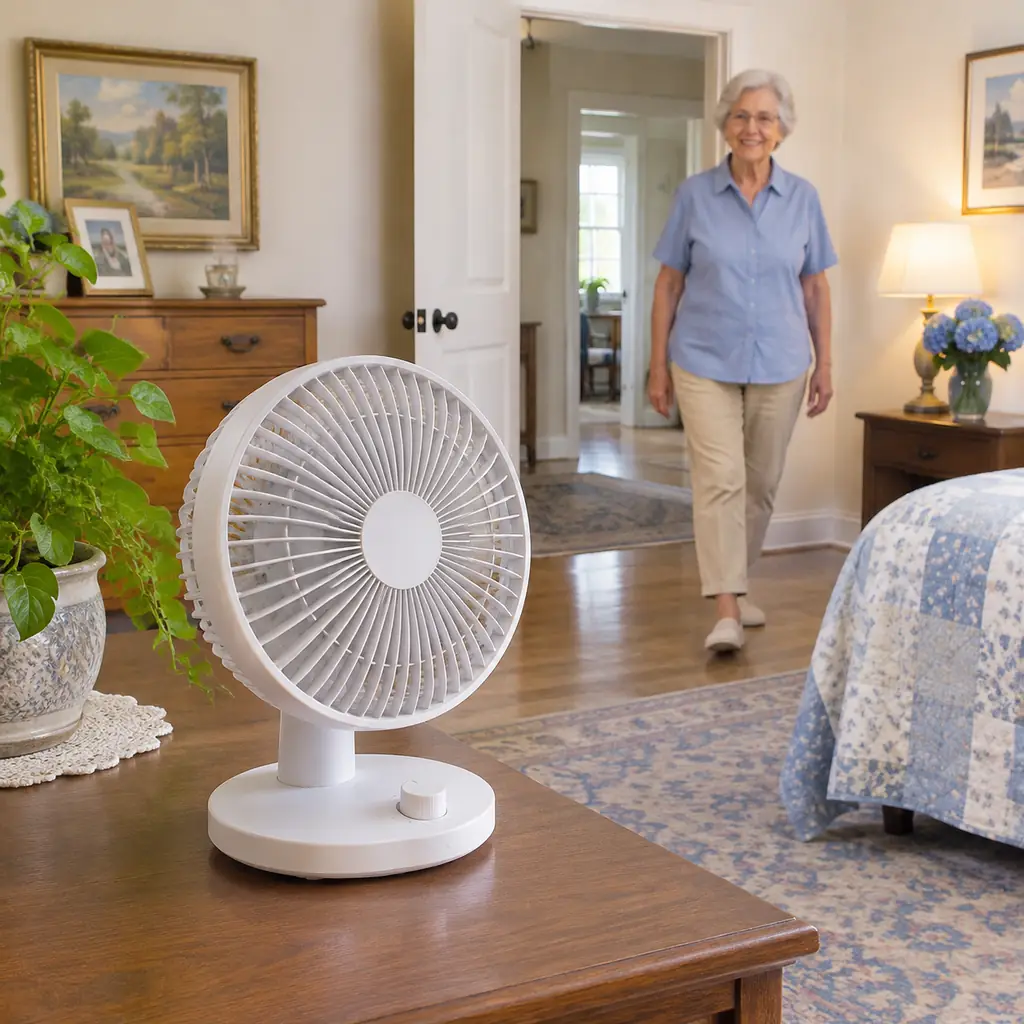
A person who sleeps warm may be grateful for a way to move the air. Keep the control easy to reach and leave instructions if the room runs differently from the rest of the house.
Put the fan somewhere stable with the cable out of foot traffic. Bring it out when a guest needs it and store it near the spare blanket afterward.
24. A route to the bathroom should stay clear in both layouts
Walk from the bed to the bathroom in dim light. A low basket that looks harmless during the day can become the thing a guest has to step around in the dark.
A small night light may help visitors find the route. Move temporary furniture, power cords and loose rugs out of the way before the first night.
25. Closet storage works better when the guest side is obvious
Give guests a group of empty hangers together. Put your clothes or hobby supplies on the other side. That small visual cue keeps them from having to ask which shelf they can use.
If family members are taking turns hosting the holidays, the same reset can make a busy visit easier for everyone.
26. A privacy check shows what the room still needs
Sit on the bed in the evening and look toward the window. A covering that feels private during the day may reveal the room from outside when the light goes on.
Test both the covering and the door latch. Make the room simple for a visitor to close up and open again without having to move any furniture.
27. The easiest furniture to move is the piece you can leave in place
Give everyday objects a place that works while guests are sleeping in the room. A chair by the window can become a place to put on shoes. A low work table might stay open for a bag.
Try the nighttime arrangement in advance. If the reset depends on carrying several pieces up a stairway, look for a simpler layout.
28. A photo can become the quickest way to reset the room
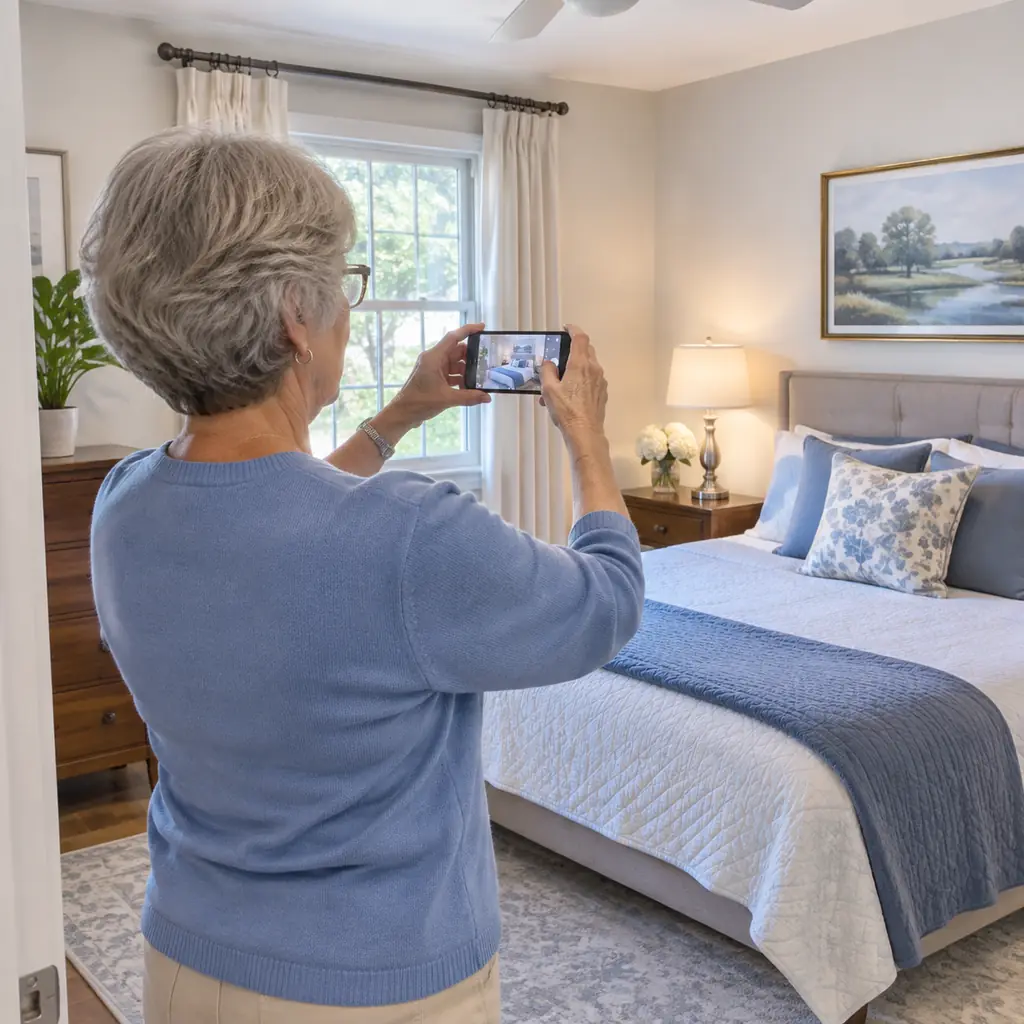
When the guest version is ready, take a picture from the doorway. Someone helping can see where the luggage rack goes and which surface ought to be clear.
Take a second picture for the regular setup. That makes it easier to return the room to use the day after a visit without leaving your project packed away for another week.
29. A guest room in a smaller house may need one clear purpose at a time
If you have room for a bed and a single work surface, pick the use you will return to most often. A quiet place to read or finish paperwork can do enough.
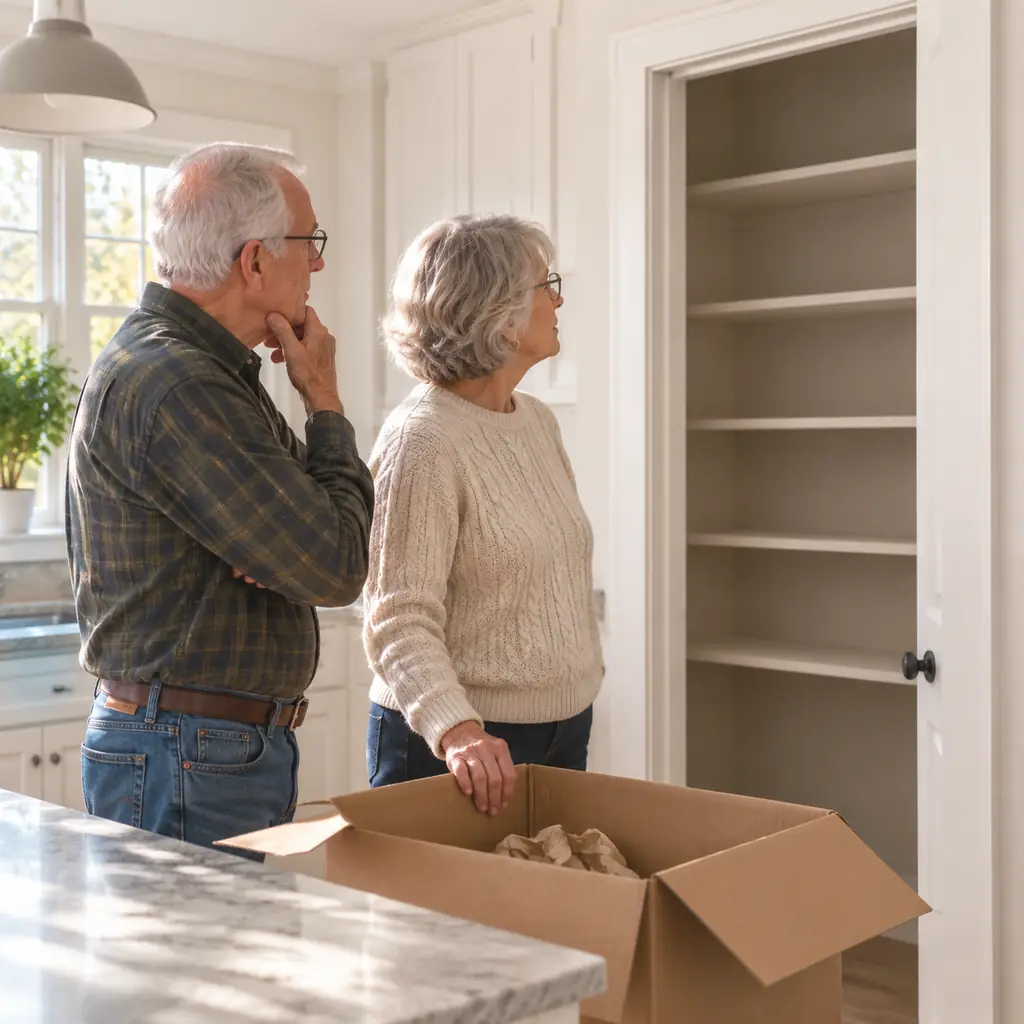
The choice is easier after you consider which rooms and features are easy to miss after downsizing. Give the spare room a job suited to the space you have.
30. Let the next visit tell you what to change
Ask the next visitor whether the bed, light and luggage spot worked. You may learn that the room needs a second hook or a better place for a glass of water. Such small changes often do more than another piece of furniture.
After the visit, put the room back to work. A spare room that earns a place in your week feels useful between the best weekends.
Image credits
- Prep towels and clothes in the order people need them by Skylar Kang, Pexels License. Cropped and converted to WebP.
- Slaapbank2.JPG by Maniago, Public domain. Cropped and converted to WebP.
- The Chair That Fits You by Tuğba Kobal Yılmaz, Pexels License. Cropped and converted to WebP.