Leave the second car in the driveway for a week and keep both calendars as they are. The important part of the experiment starts when two people need the keys at the same time.
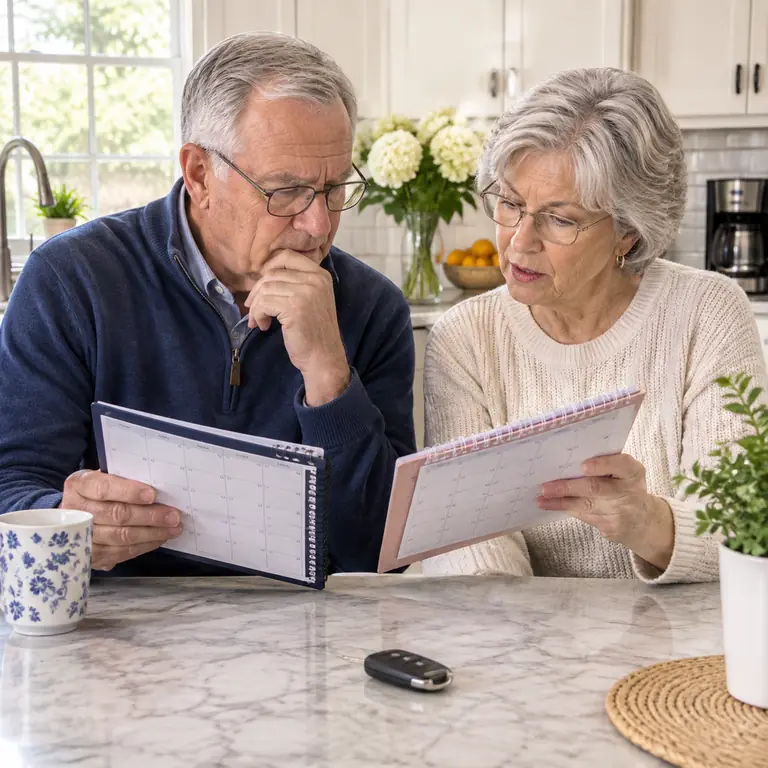
1. Two Appointments at Once
One appointment may take half an hour while the other needs a drive in the opposite direction. If neither timing can move, there are two different trips to solve even when both start at the same front door.
Mark each start and return time. List which rides can be booked easily and note the days when one person has to wait so the other can get where they need to go.
2. The Grocery Stop on the Way Home
A stop that used to happen on the way home might become a separate trip after a car is sold. A person who takes the vehicle for a morning activity can still want to come straight home afterward.
Write down the small stops you normally combine with an outing. A two-day list tells you which things are easy to consolidate and which ones keep surprising you.
3. The Freedom to Stay an Extra Hour

A lunch can turn into an afternoon when the conversation is good. A second person waiting for the car may have planned to leave ten minutes after lunch was expected to end.
Agree on a return time or book different transportation when the finish is uncertain. Talk about which events you like keeping open-ended so the person at home can plan around them.
4. One Driver Can Be Stuck With All the Drop-Offs
Dropping someone off looks convenient on the map. If they also need picking up, the driver can end up making the same journey twice and fitting their own activities around both trips.
Plan a week with pickups marked separately. If one person would always do the extra driving, test how it feels on a day when the drop-off is far from their next destination.
5. The Short Drive You Make for Yourself
A quick drive to a library or coffee shop can feel like an hour entirely your own. With one car, it may need a conversation about who plans to go out and when they need to be back.
Notice these little outings during the trial. Ask which are easy to do by foot or by another ride and which would become harder to fit into a week.
6. A Late Evening Exit Whenever You Want
One person might be ready to leave a gathering while the other plans to stay for the rest of the evening. Sharing a vehicle can turn the decision of when to go home into a household choice.
Ask which late outings each person enjoys. For important ones, check which other trips home are actually available at the hour the event ends.
7. The Vehicle That Fits a Familiar Driver
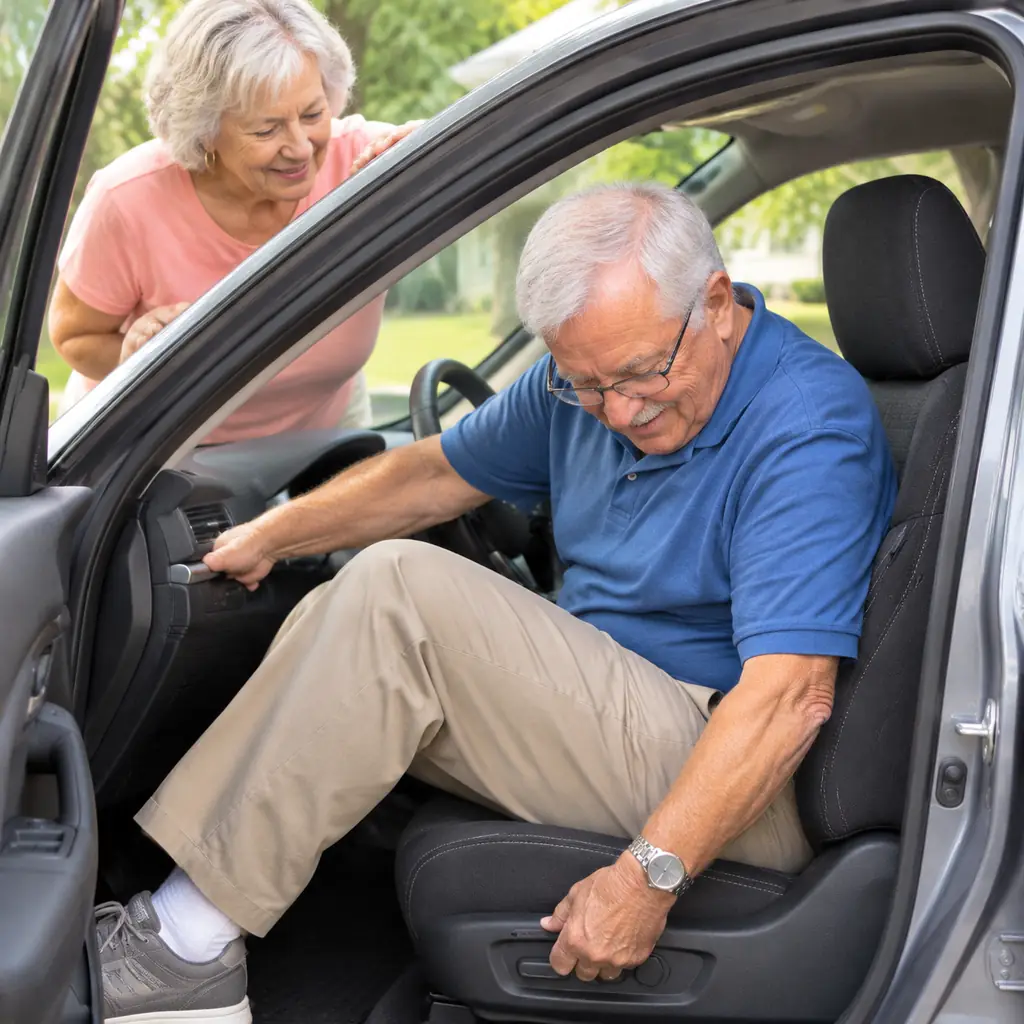
A driver who has used the same car for years may know exactly where the controls are and how far to open the door. The other vehicle could have broader door openings or a steering wheel that adjusts in a different way.
Use each candidate car on routes both people know. Try getting in from an ordinary curb and loading the groceries before deciding which vehicle the household should keep.
8. A Place for Each Driver’s Things
A car can hold personal things that belong to the driver who typically takes it. Sunglasses, a reusable bag and a jacket may move between vehicles once the household has a single trunk.
Give each person a small place for what they usually need. Agree when the other person needs the whole trunk and how to clear it without losing track of anybody’s belongings.
9. The First Push of the Keys Sets the Morning
One person may leave early with the keys before the second person realizes they needed the car first. A good guess on Monday can become an inconvenience when Tuesday has a different schedule.
Put the planned departure where you can both see it. Living at home on the same weekday schedule often requires spelling out which ordinary routines have become shared.
10. An Easy Way to Divide a Busy Week
A familiar weekly meeting may fit around someone’s appointment most of the time. The occasional changed start time can force both people to redo a route they believed was settled.
Give high-priority trips the first space on the calendar. Keep ordinary errands flexible where you can and decide who can suggest a change without waiting for the next day to work it out.
11. The Convenience of Choosing the Smaller Car
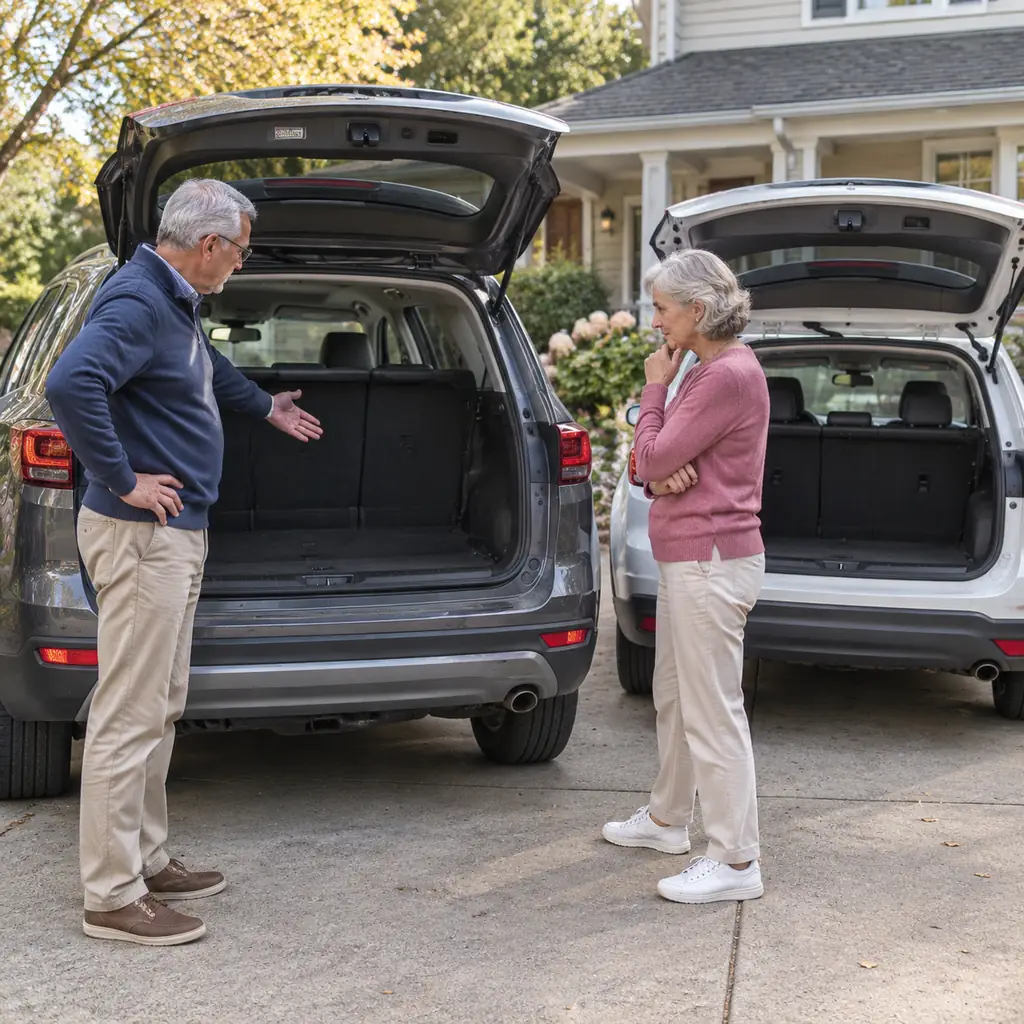
A smaller vehicle can make a crowded parking lot easier to use. A larger one may take a box or a bag of soil without much arranging.
When you decide what to keep, list the trips each vehicle makes easy. An occasional bulky load may go by delivery, while a problem you face every day can deserve more weight in the decision.
12. A Backup on a Service Day
With two cars, one vehicle can take you home while the other is serviced. With one, the day starts with a question about how you will leave the shop and what else you need to do.
Ask what the garage offers and work out the return journey. A simple service visit is a useful time to test whether a familiar route still works without a vehicle.
13. Transport When the Car Needs an Unexpected Repair
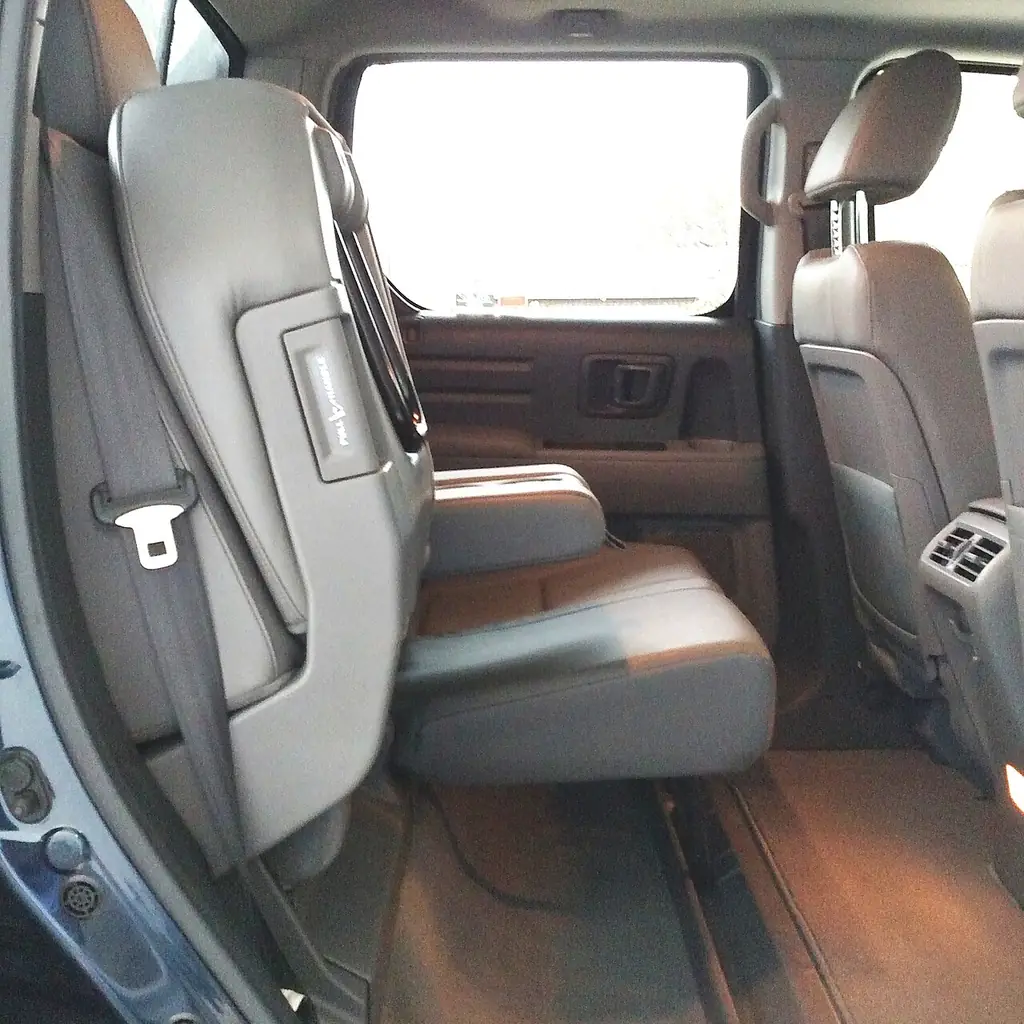
An unexpected repair can leave the household without its usual way of getting around. The inconvenience comes from changing plans that morning and arranging for the next day while you wait for news.
Make a short list of people or services you are comfortable contacting when plans change. Checking ordinary errands from your address shows which routes can be done another way.
14. A Vehicle That Can Stay Packed Overnight
Someone may fill the trunk for a morning trip while the other person still needs to carry groceries that evening. Even a car that is technically free becomes less useful when its cargo space is already spoken for.
Decide how early things can be loaded and when they need to come out. A spot near the door can hold most of a load until the car is ready to leave.
15. The Habit of Going Someplace Just Because You Can

The value of a second car sometimes shows up in trips a person would never put on a weekly chart. They might go to a park because the weather is good, or stop by a shop on a quiet morning.
Track a few trips like this in the trial. Planning a calendar when friends are still working should still leave some space for unscheduled time.
16. Storage and Parking at the House Change
One fewer car can leave you a clearer garage or a space where visitors can park. The household may then need to protect the new room from becoming a place to leave everything waiting to be sorted.
Decide what the space gives you and whether you would miss it again if another car arrived. The same question comes up when checking features before downsizing.
17. The Price of a Ride You Did Not Used to Book
A paid ride may make sense for a few journeys that are hard to combine. Collect quotes at the time you would need to go and ask what can happen if the trip is canceled or has to be changed.
Keep the quotes alongside the costs you actually pay for each vehicle. Some households find the extra rides worth booking. The figure depends on where and when you travel.
18. The Route That Looks Walkable Until You Try It
A shop that appears close on a map might require you to cross a busy road or carry heavy bags uphill. It may also turn out to be a pleasant walk once you find a better crossing.
Walk the route with the kind of things you would carry. Try it in daylight and check where you can pause if you need to rest.
19. The First Trip Out During Bad Weather
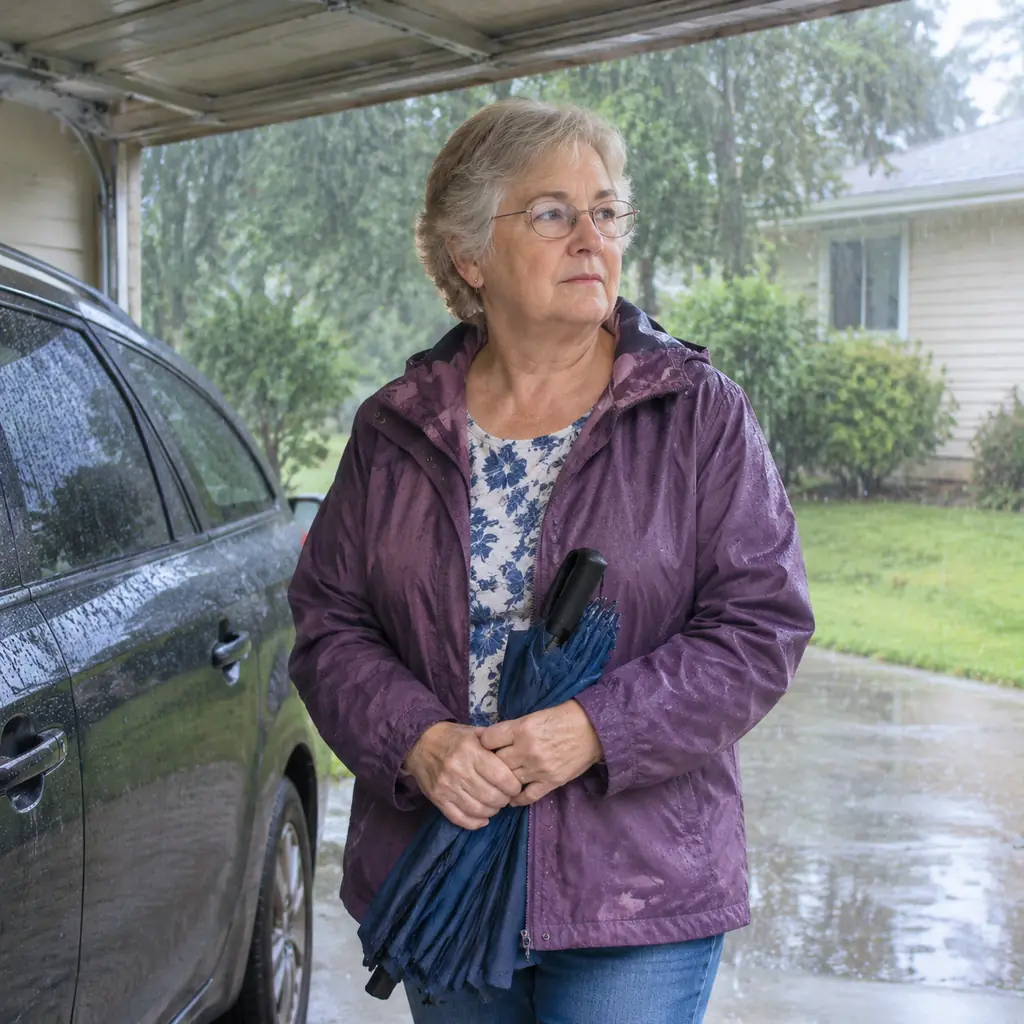
A trip that is easy by foot in good weather feels different in hard rain or near dusk. If the person with the car will be away for hours, the other person needs a plan that fits the day.
Pick one errand to try in less favorable conditions. See whether a ride, a delivery or shifting the time leaves you comfortable with one vehicle.
20. A Car That Has Room for Visitors
A car can fit two people comfortably all week and feel tight the weekend someone comes to stay. People need room for bags and an easy route to the seats.
Think about whose visits you can plan for in advance. A short family visit may require no driving at all. Longer stays can call for different transport on just a few days of the year.
21. Two Comfortable Routes to the Same Destination
One person may happily drive on a major road while the other chooses quieter streets. Sharing a vehicle means both people need some familiarity with the routes they will take in it.
Drive the regular route together once when time is easy. Look at parking, turns and the part of the trip that each person would like to handle differently.
22. The Tax on an Uncertain Finish Time
A meeting, a class or a visit with a friend can end when the person running it has finished speaking. If both people plan to use the car in quick succession, a ten-minute delay can leave someone else starting late.
Allow breathing room for the events you cannot control. Agree in advance when it makes sense to let the second person take the vehicle and use a different ride to get home.
23. A Midweek Trip Leaves Someone at Home
One person can take the car for two nights and leave the other without a ride for a regular appointment. A short overnight trip can therefore change the transport plan at home.
Plan the longer absence the same way you would plan any other trip. If you are comparing the costs of a midweek getaway, include the cost of an alternative ride at home.
24. One More Person Knows How the Vehicle Works
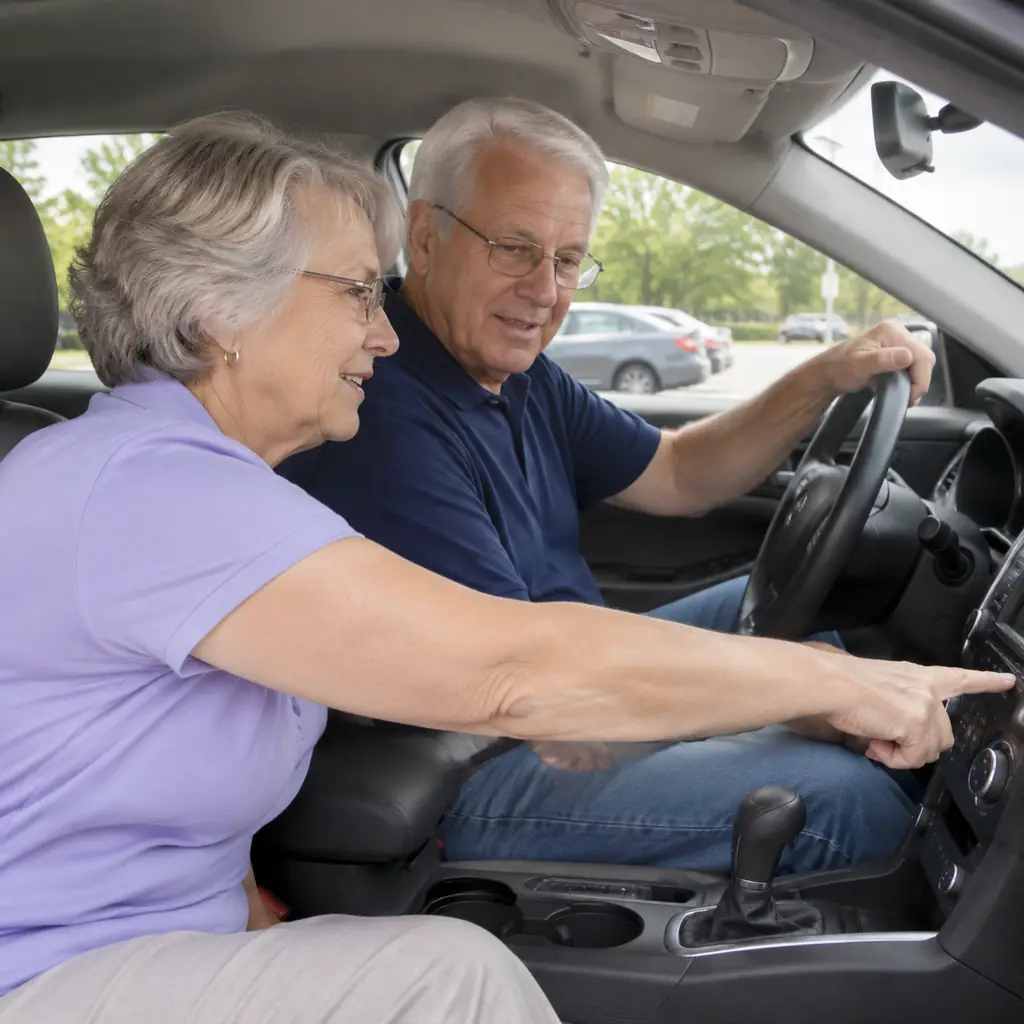
One person may know exactly where to find the spare key or how to adjust all the seats. Once you share the car every day, both will have to understand which controls matter to them.
Take a few minutes while the vehicle is parked to compare settings and check the manual for simple problems you might encounter. Keep contact information in a place either driver can reach easily.
25. One Person May Stop Making Small Plans
When each trip needs to be negotiated, a person may decide to stay home just because it seems easier. The calendar can look trouble-free even while someone gives up the small plans they used to enjoy.
Ask what each person chose to skip that week. If an activity mattered, count that choice alongside the other changes you are trying to evaluate.
26. The Option to Change Your Mind Without Buying Immediately
A few days may tell you the plan works for a quiet week. Keep testing when both people are busy, when the weather changes and when a familiar trip moves to a different day.
Write down what each person would gladly give up and what each wants to keep. Those notes can make the decision clearer before either set of keys leaves the house.
Image credits
- Car turning into Victoria Embankment - geograph.org.uk - 2933490.jpg by PAUL FARMER, CC BY-SA 2.0. Cropped and converted to WebP.
- Honda Ridgeline Rear Seat.jpg by McChizzle, Public domain. Cropped and converted to WebP.
- Filling station refueling a car.jpg by MichalPL, CC BY-SA 4.0. Cropped and converted to WebP.