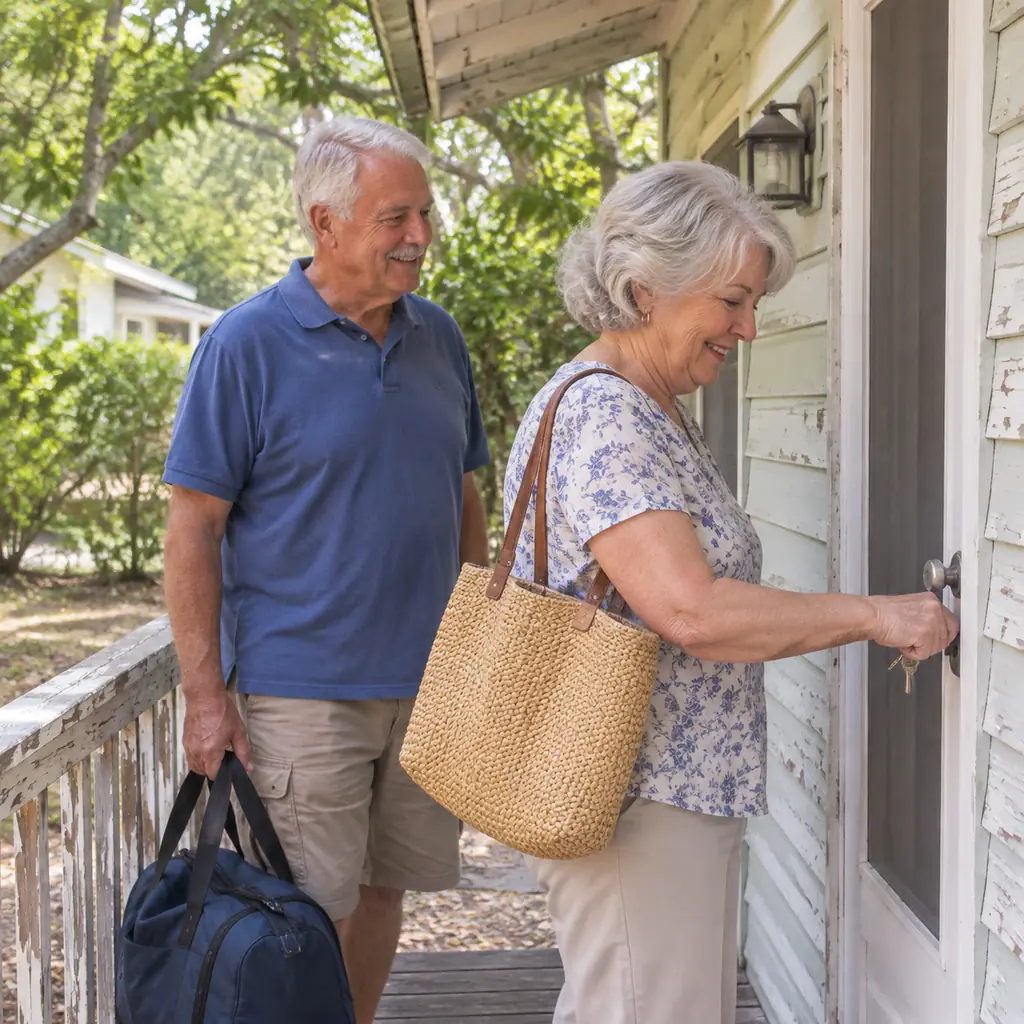
The house may feel close to town when you drive out for a Saturday showing. Try buying dinner, picking up a prescription and getting home after dark before you decide how far out you want to live.

1. Run a weekday you already know
Start from the proposed house and follow a weekday you actually live. For instance, leave in time for a morning haircut, collect a prescription at noon and make it into town again for an evening meal. Pick a day when those places keep their usual hours.
Write down when you would leave home for each stop. Include gaps when returning to the house would take longer than waiting in town.
2. Buy a full week's groceries
Drive to the store you would choose for a normal weekly shop. Buy the items you usually buy and load them in the car you expect to drive. Time the footwork from the cart return to the driver's seat.
A convenient drive may still end in a crowded loading area or a difficult turn out of the lot. See what the trip feels like when you have several bags and want to get home.
3. Try the quick trip for a forgotten ingredient
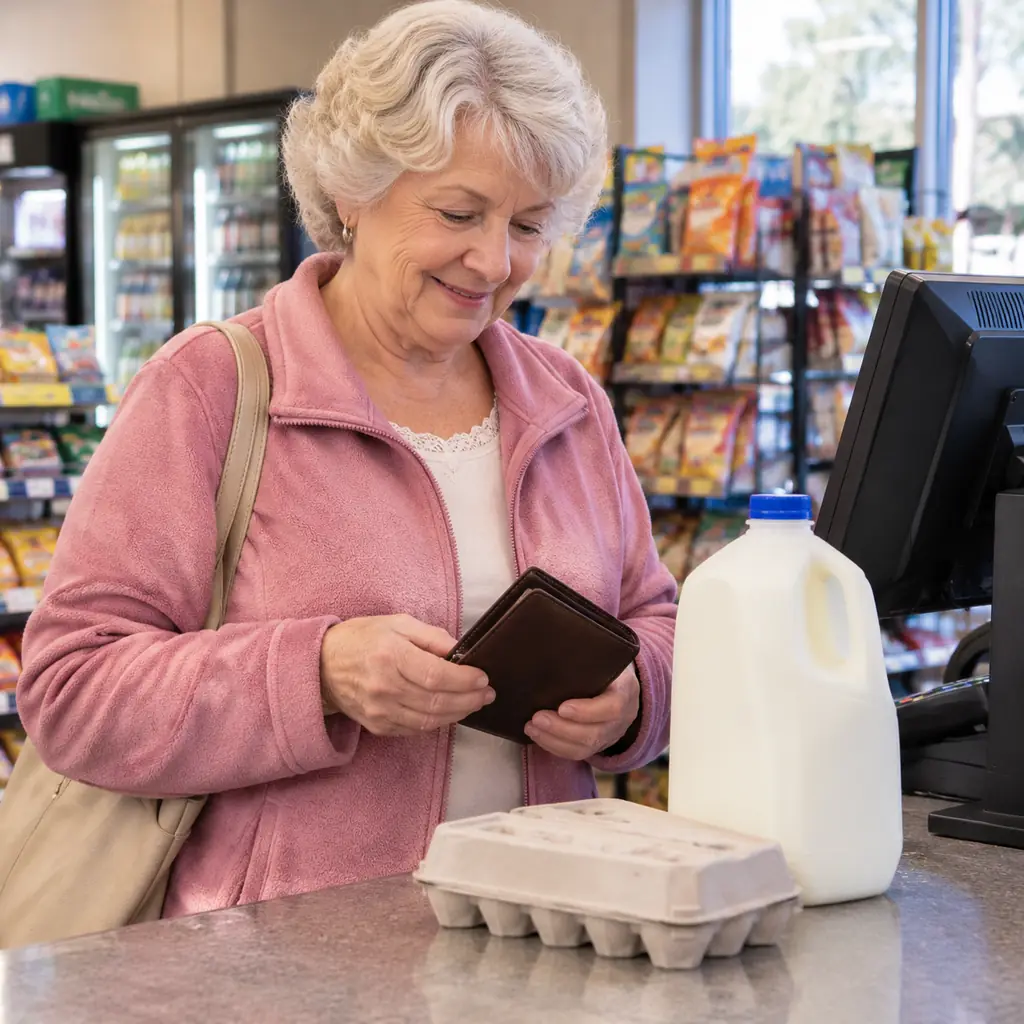
Check what happens when dinner is underway and you realize you need milk, eggs or something else you use often. Leave from the house and try the closest place you would actually shop.
Look at the range of products as well as the time. A corner store may cover the problem easily. If it stops carrying the basics after a certain hour, try the same errand at the time you usually cook.
4. Bring cold food home on a warm day
Try your full grocery route on a warm afternoon. Bring a cooler if you use one now, then see where it fits beside the usual bags. Notice whether you would have to unload ice cream and other frozen food before carrying on to any other stop.
This can change the order of errands. A drive that seems convenient on its own may need its own trip if the food must go straight home.
5. Find the pharmacy you can reach during its normal hours
Drive to the pharmacy you expect to use and check the counter hours on the door. Ask about the typical pickup process and whether the counter closes earlier than the rest of the store.
Try visiting near the time you normally run errands. An empty parking space on a Sunday says little about a Wednesday lunchtime line. Make sure the trip still fits if you have to wait for the counter.
6. Try a second pharmacy route
Pick a second pharmacy and drive there once from the house. The route can matter if your usual branch closes early on a holiday or if you need a different store on a particular day.
Check where you would park and where the pickup counter is. Keep the address with your move notes. You can judge the actual second trip more easily while you still have both locations in mind.
7. Make the drive home in the dark
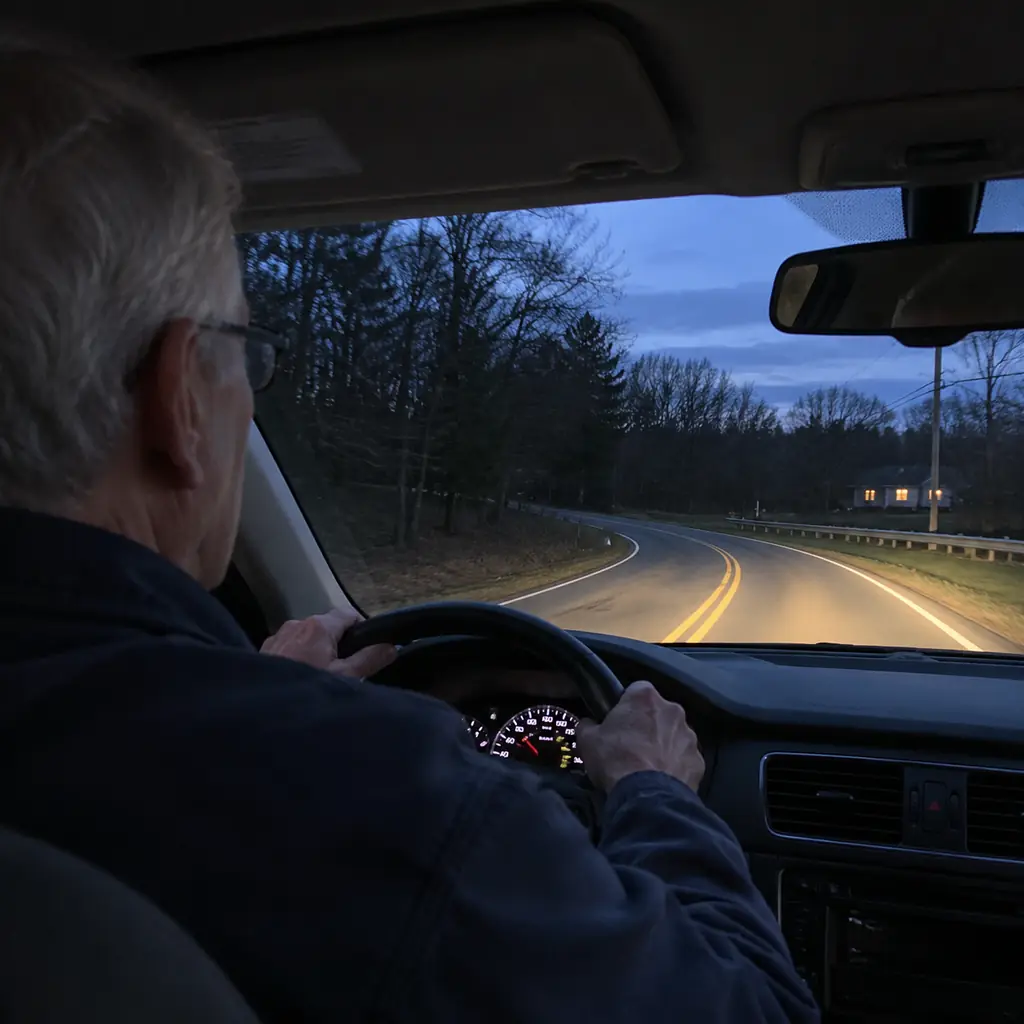
After a meal in town, take the normal route back to the house. Go at an hour when you might drive home from seeing friends. Notice where the lane markings fade, where headlights meet a curve and where you have to judge a turn without a streetlight.
Do the drive in dry conditions the first time. You can then ask what changes on the same route in heavy rain or fog.
8. Try leaving at the busiest part of the day
A quieter road may fill with traffic when school lets out or people leave work. Run an errand that passes through town during one of those periods. Note whether a school crossing, a bridge or one left turn accounts for most of the delay.
Check if your normal routine can move around the bottleneck. A late-afternoon appointment can be harder to shift than a weekly shop that you control.
9. Let the slower driver set the pace
If two people will live in the house, each person should drive the main routes. Take the pace that feels comfortable without asking the other person to hurry. Use the driveway, road and town parking spaces you would regularly need.
Compare where each driver found the trip tiring. One person may be happy turning across traffic. The other may prefer a longer route with a light at the intersection.
10. Check what the road feels like in the rain
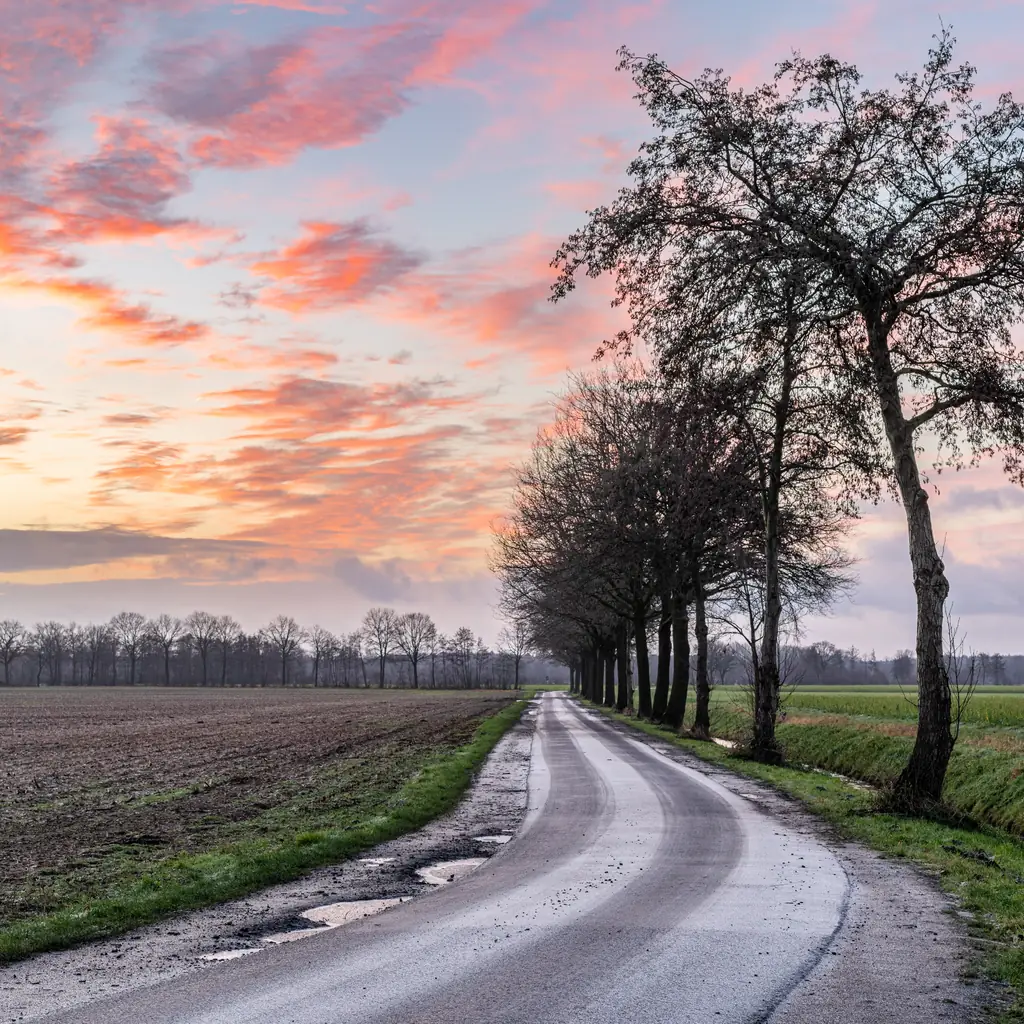
If you can, visit after steady rain and drive the route when it is safe. See how quickly the driveway drains and whether the last stretch of road stays muddy. Look at where the town road narrows and where water gathers along the shoulder.
Ask who maintains the approach to the house. A dry showing can hide the part of the trip that slows you down every time it rains.
11. Find the way around a closed road
Choose an alternate route that avoids the most obvious bridge, railroad crossing or poor stretch of road. Drive it once if the roads are open and you have time. A shortcut on a map may turn out to be gravel or have a steep grade you would rather avoid.
Write down the alternate route and the extra minutes. Add that time when comparing what changes after a downsizing move.
12. Drive the route to your regular appointments

Use an appointment you know well as your starting point. If you see a dentist, physical therapist or eye doctor regularly, drive there at the hour you would usually book. Time the walk from parking and look for a place where someone could drop you off.
Check the route home too. A right turn out of the lot can be easier than crossing the same busy road in the other direction.
13. Arrange one trip without your own car
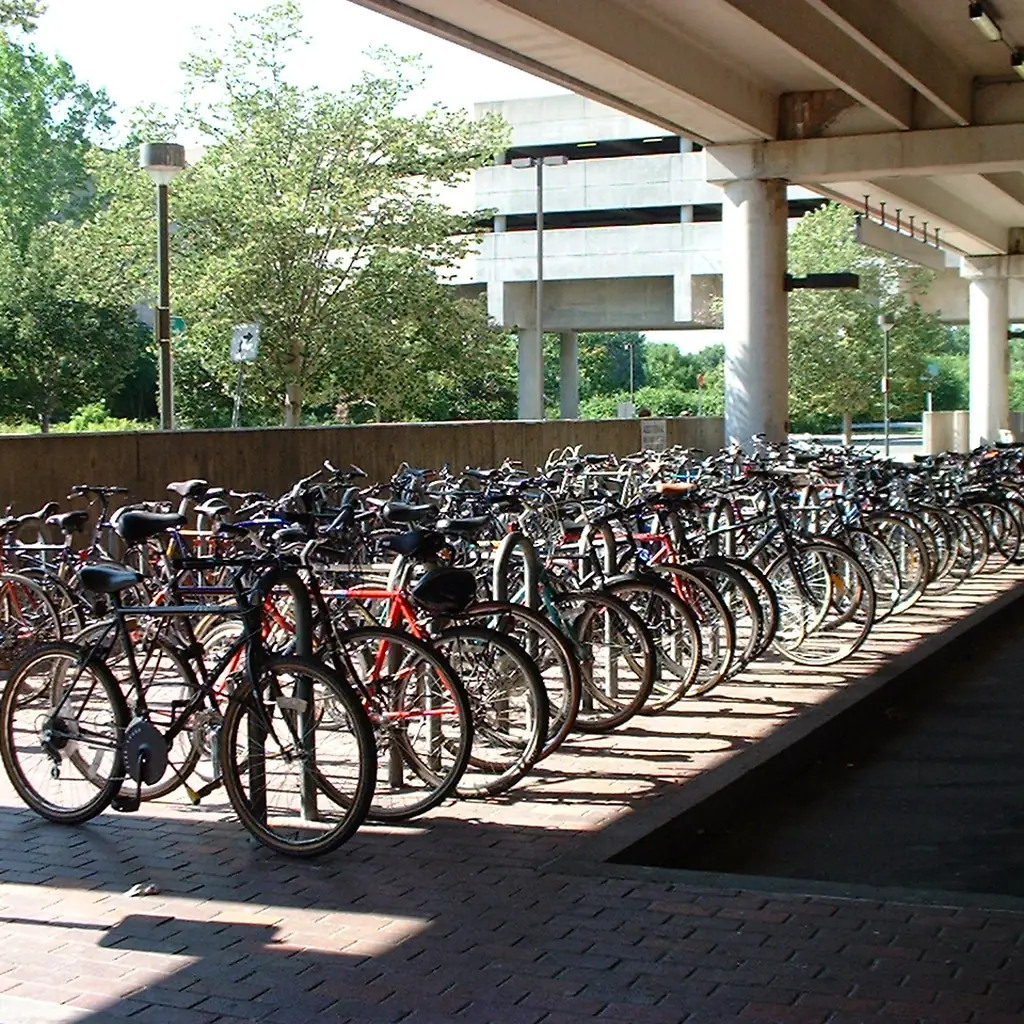
Ask a local taxi company or ride service if it actually serves the exact address. Check availability both in the morning and for a ride home later. If a community shuttle is available, confirm the pickup point and whether you have to reserve a seat.
A household with one reliable driver can still benefit from a second option. This also helps if you are considering going from two cars to one in retirement.
14. Bring the dog on its usual errand
Drive to the veterinarian, groomer or other pet service you use. Test how easily you can carry a crate or walk a dog from the parking area. A longer journey can be fine for a relaxed dog and much harder for one that dislikes the car.
Ask about collection times if you normally drop the pet off. You may need to stay in town through an appointment that used to fit between chores at home.
15. Pick up an item you would normally order
Try collecting a typical item from a store, from printer paper to a replacement filter. If your usual solution is home delivery, enter the exact new address and check what delivery options the retailer shows.
Ask where parcels normally go at the property. A long driveway, a shared mailbox or a spot exposed to rain can change whether you order an item or pick it up when you are already in town.
16. Return a parcel

A delivery can arrive at the front door, while the return may still require you to travel. Check the drop-off point used by the places you shop. Bring a parcel when you try the trip so you can see whether you need an indoor counter or can use a locker.
Check hours and attendance. If the shop is only open while you are usually at home, see whether it works with another errand.
17. Make the trip with something hard to lift
Think of a purchase that takes a bit more effort, such as a bag of soil, a bulky case of drinks or a replacement appliance. Try visiting the shop you would use and ask where customers load larger items.
See how the shop fits with the space you have at home. If the family house needs a different layout in retirement, even finding room for the things you buy in bulk can change which trips you make.
18. Find a workable route for the car itself
Drive to the mechanic or dealer you would use. Ask how early people can leave a car and find out where you could wait. If the garage is too far from home to walk, arrange the second leg of the trip in your head.
Then check the collection process. A routine oil change may take most of the morning if you need a ride back and forth, even if the drive to the garage looks short.
19. Try the route a visiting relative would use
Imagine a relative arrives late on a Friday and needs help finding the driveway. Drive the route from their most likely arrival point and look for landmarks that make directions easy, especially after sunset.
Check whether visitors can get food or fuel on the way. When family visits tend to be short, cutting an extra errand from their arrival can give you more time to sit down together.
20. See whether lunch can still be a spontaneous invitation

Pick a lunch place you would actually suggest to someone who lives in town. See how long it takes to get there when you leave on short notice. Include time to get a jacket, close up the house and find parking.
You may be comfortable making that trip for a planned lunch. Decide whether you would still say yes to a quick invitation, or suggest a date to meet closer to you.
21. Try getting to a group you would attend every week
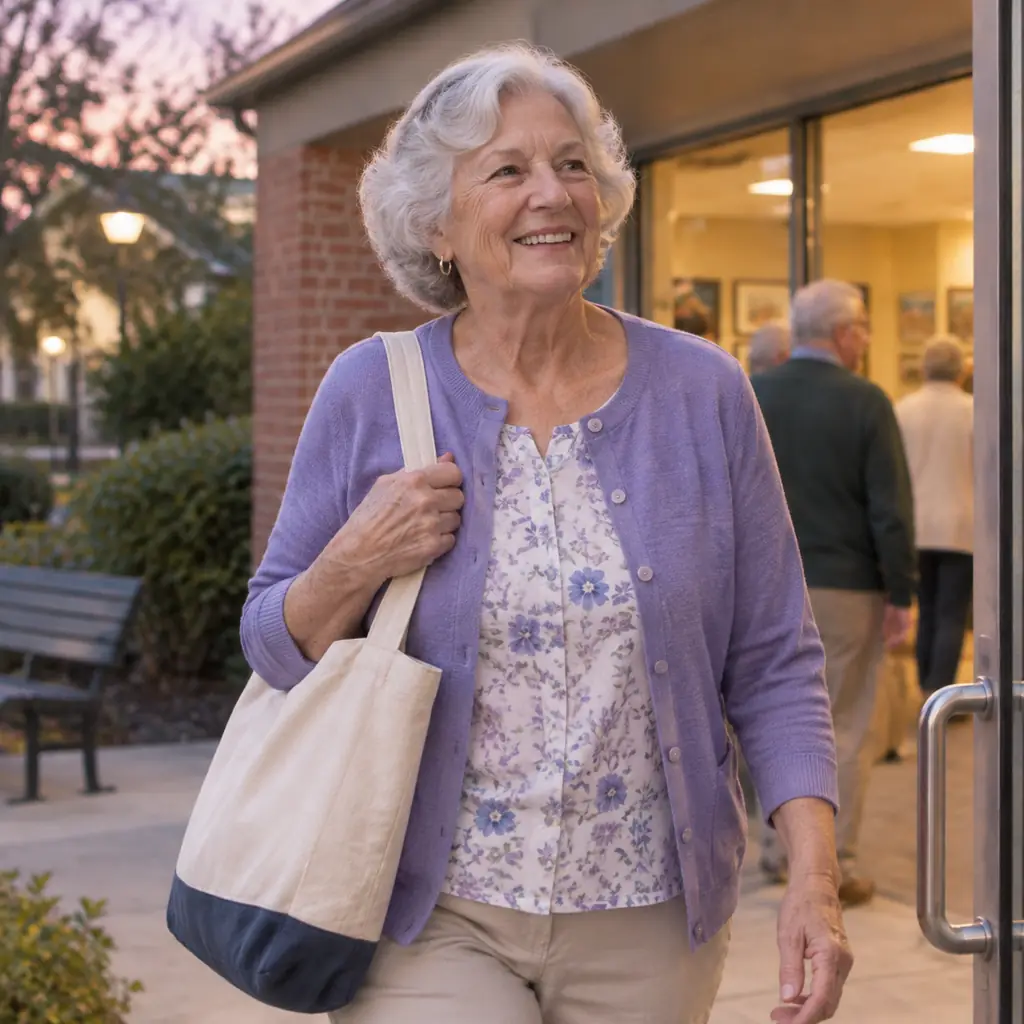
Choose one group, lesson or walk you would attend week after week. Drive to the venue at its actual starting time and consider how you would get home. A location that looks close during the day may feel different after a winter meeting ends.
A regular plan can matter if you are the first of your friends to retire. Check how much effort the trip takes before it becomes the default in your calendar.
22. Try a walk that starts at the house
Put on your normal shoes and walk from the front door as you would on a weekday. See where the shoulder ends, where the grade changes and whether there is a place to turn back without crossing traffic.
If the only pleasant options require driving, add the trip to your plan. You may still walk regularly, but it helps to know whether you can fit a quick outing between errands.
23. See how clothes care fits into the day
Drop off the sort of garment you would normally take for hemming, a new zipper or cleaning. Ask whether pickup is usually possible on the same route as your other weekday stops.
If you need to drive back on a different day, write down where that second trip fits. It is easy to count a dry cleaner’s address once and forget that most alterations require two trips, including one when the item is ready.
24. Check a hobby outing from start to finish
Pick an outing that requires a bit of equipment. You might load a bicycle or carry a folding chair to a class. Try transporting your usual setup from the house and unloading it at the destination.
Think about the return when everything is dirty or wet. If you are still weighing hobbies you can try before buying the gear, try this with a borrowed kit and see which part of the trip takes work.
25. Try taking out a week of recycling
Check if recycling comes to the property or whether you would drive to a collection point. If you need to go yourself, find its opening hours and what it accepts. Flatten some cardboard and see whether it fits in the vehicle you will use.
Decide where you would store the next load. A routine drop-off is easier when you already pass the site and have room to keep the boxes between trips.
26. Try an errand during a holiday week

Ask how busy stores and roads get when visitors arrive or services close early. If you can, run a small errand on a Friday afternoon or around a holiday. Look for the store you would choose if your first stop were unexpectedly closed.
A crowded week might be manageable if you shop earlier in the day. Check what that does to the time you have available for the people who come to visit.
27. Stay in town between two appointments
Schedule a typical two-stop day with a gap in the middle. Find somewhere you would happily wait, such as a library, a cafe or a park with a bench. Pay attention to parking and whether you would have to move the car twice.
The test is about the wait as much as the drive. If you can fill a gap pleasantly, combining errands may feel easier than making several separate trips.
28. Compare the week with the one you live now
Lay out the grocery, pharmacy and evening trips on a sheet of paper. Include any errands that take two drives and add the waits. Then write what you would gain from the location, such as more room for visitors, a quieter road or space you would use every day.
Discuss which trips you can change and which you intend to keep. The pattern you tested gives both people a clearer basis for deciding if the move fits.
Image credits
- The things full-time neighbors rely on by RDNE Stock project, Pexels License. Cropped and converted to WebP.
- Dülmen, Merfeld, Feldweg am Mühlenbach -- 2021 -- 4278-80.jpg by Dietmar Rabich, CC BY-SA 4.0. Cropped and converted to WebP.
- Bicycle parking at Alewife station, August 2001.jpg by Arnold Reinhold, CC BY-SA 3.0. Cropped and converted to WebP.