The first Monday with both of you home can turn a quiet cup of coffee into a conversation, a private room into shared space, and a simple lunch into a standing appointment. The changes are easiest to spot when you follow the day in order.
1. The First Half Hour Belongs to Two People Now
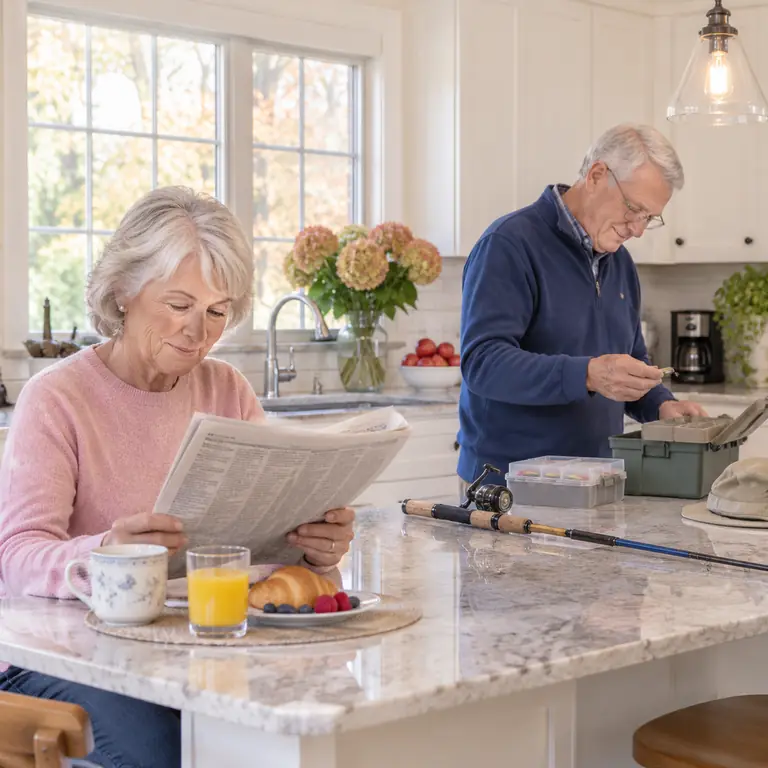
One person may like to talk as soon as the kettle boils. The other may be used to taking the first half hour with the newspaper and a silent kitchen.
Say what makes the morning feel good to each of you. It can help to agree when to begin discussing errands and when to bring a cup of coffee in without starting a conversation.
2. Getting Dressed Stops Happening at the Same Time
Work used to settle what time the house got moving. One person might be ready to go to the hardware store at nine while the other still wants to read in a robe.
Separate being ready for a shared outing from being ready for the day. Put the time for a joint errand on the calendar and let the rest of the morning happen at two different speeds.
3. Breakfast Can Become a Daily Negotiation
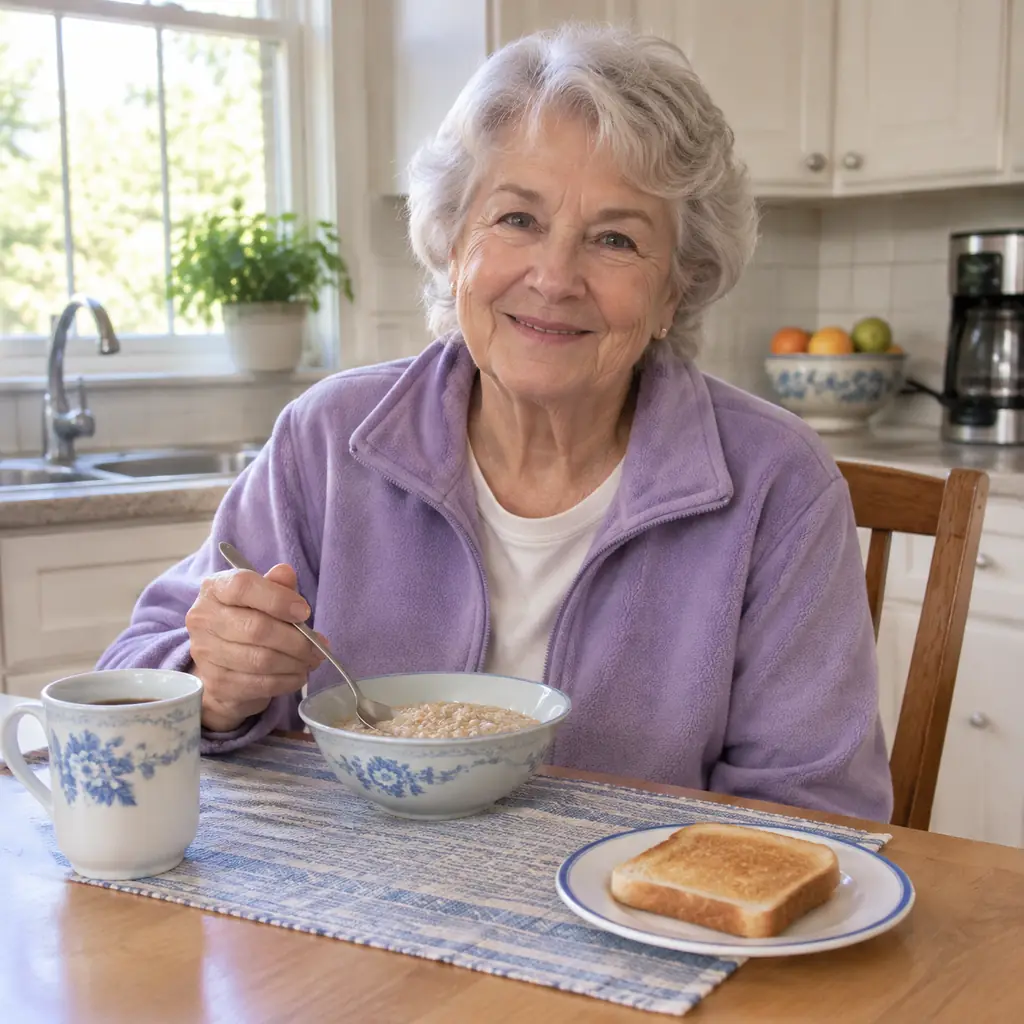
A person who ate at work may want to make eggs and sit down together. The person who has been home may prefer toast over the sink and an earlier walk.
Choose one meal you enjoy making together. If you both want your own breakfast, keep the foods you each eat easy to reach and leave the kitchen ready for the next person.
4. The Person Who Stays Home Stops Being the Default
Someone arranged every repair visit because they were usually home to answer the door. With both of you there, the plumber and the next grocery delivery can go on the calendar with an agreed name beside them.
Having more time inside the house changes who can take a task. It may also be a welcome chance to hand over a job one person carried for years.
5. The Radio Becomes Shared Background

A radio in the kitchen may have filled an empty house. The same station can make it hard for another person to finish a phone call in the next room.
Walk around while it plays at the usual volume. Move the speaker closer to the person listening or agree on a quiet room for calls. A small change in placement can give both people the sound they prefer.
6. The Kitchen Counter Has a Morning Rush
A coffee routine, a chopping board and a drying rack can all claim the same patch of counter. Conflict starts when you ask someone to shift their things every time you want to set down a plate.
Give the kettle and cups a home away from the main prep space. A clear stretch for making lunch saves both people from needing to move each other’s stuff.
7. A Closed Door Has to Mean Something
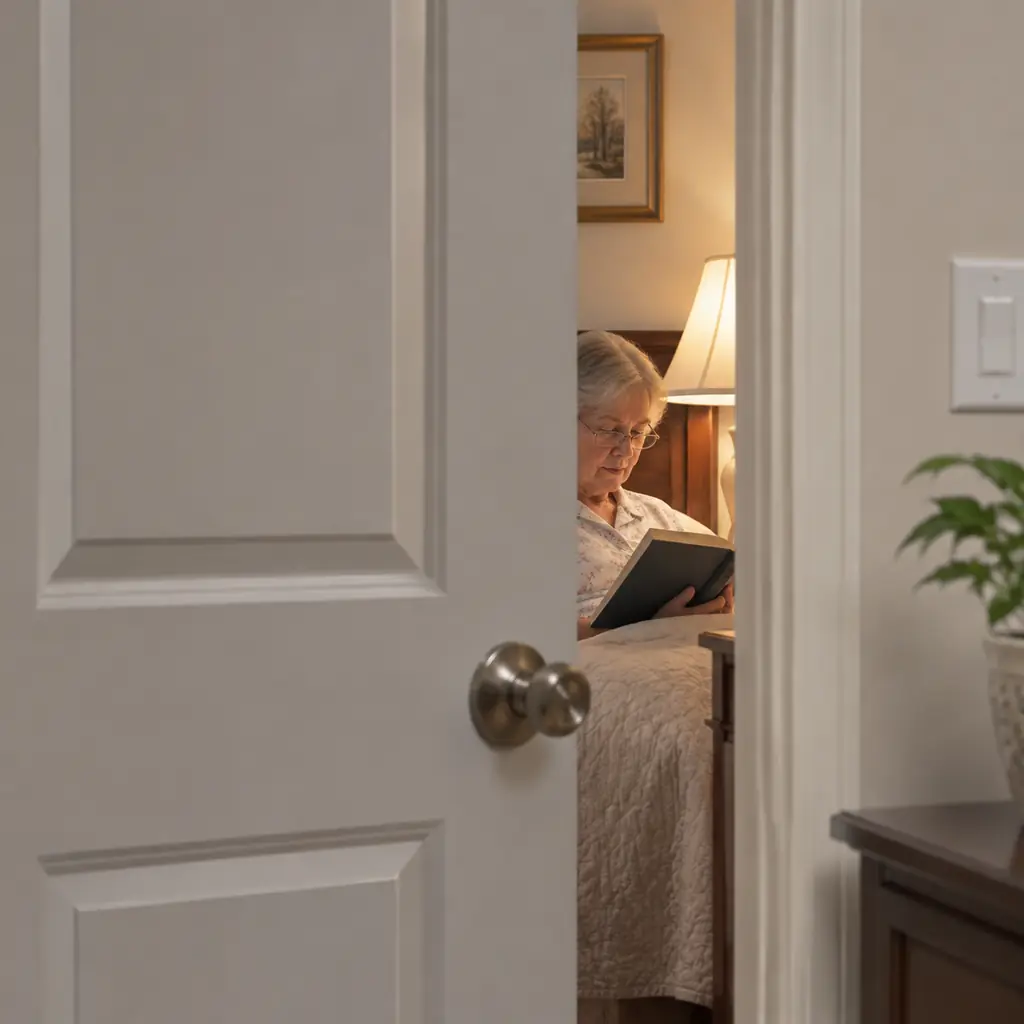
One person may close a door to concentrate while the other uses closed doors to keep heat in. Neither can guess which meaning applies on a given afternoon.
Agree on a signal for the times you need a few uninterrupted minutes. A knock is enough in many homes. This helps a person finish a call or read without turning ordinary company into an interruption.
8. The Best Window Seat May Have Two Claimants
The place with the best light can be the best spot for knitting, reading and checking a tablet. Both people start to notice where the afternoon sun falls.
Try turning another chair toward the window. Move a lamp or a small table, then see how it feels for a week. Try the daily routine before spending money on new furniture.
9. More Time Together Makes Separate Plans Matter
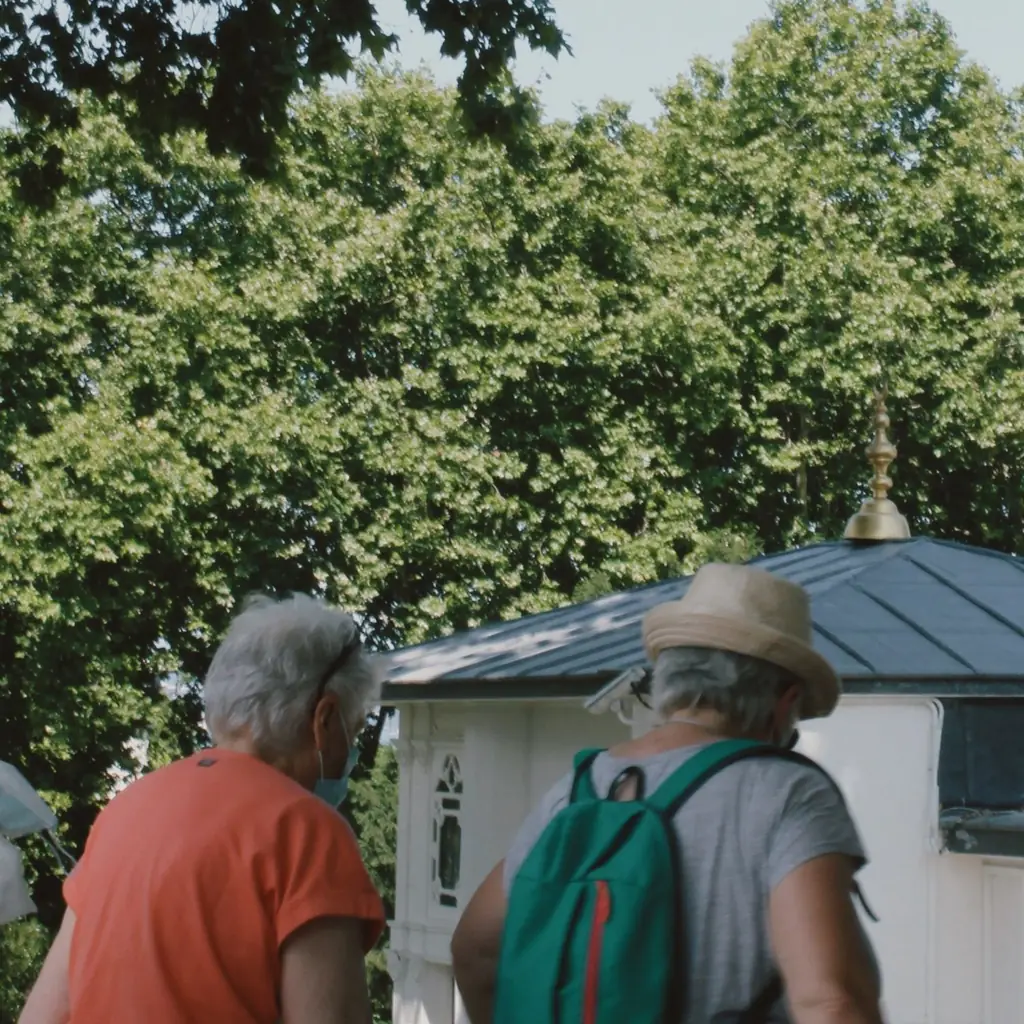
It may feel polite to ask whether your partner wants to join every walk. The constant offer can also make two independent people feel that plans need joint approval.
Settle on a few activities you like doing side by side and mention the others as plans you already mean to keep. A person who is the first friend to retire may find this especially helpful when rebuilding a social calendar.
10. A Short Errand Takes a Different Shape

A trip to pick up socks might become a morning out together. It might also be better as one person’s chance to drive alone and stop wherever they want.
Say whether the plan is a quick chore or an outing. If you share a vehicle, trying a week with one car shows when two separate errands are hard to combine.
11. Lunch Becomes a Real Meal Again
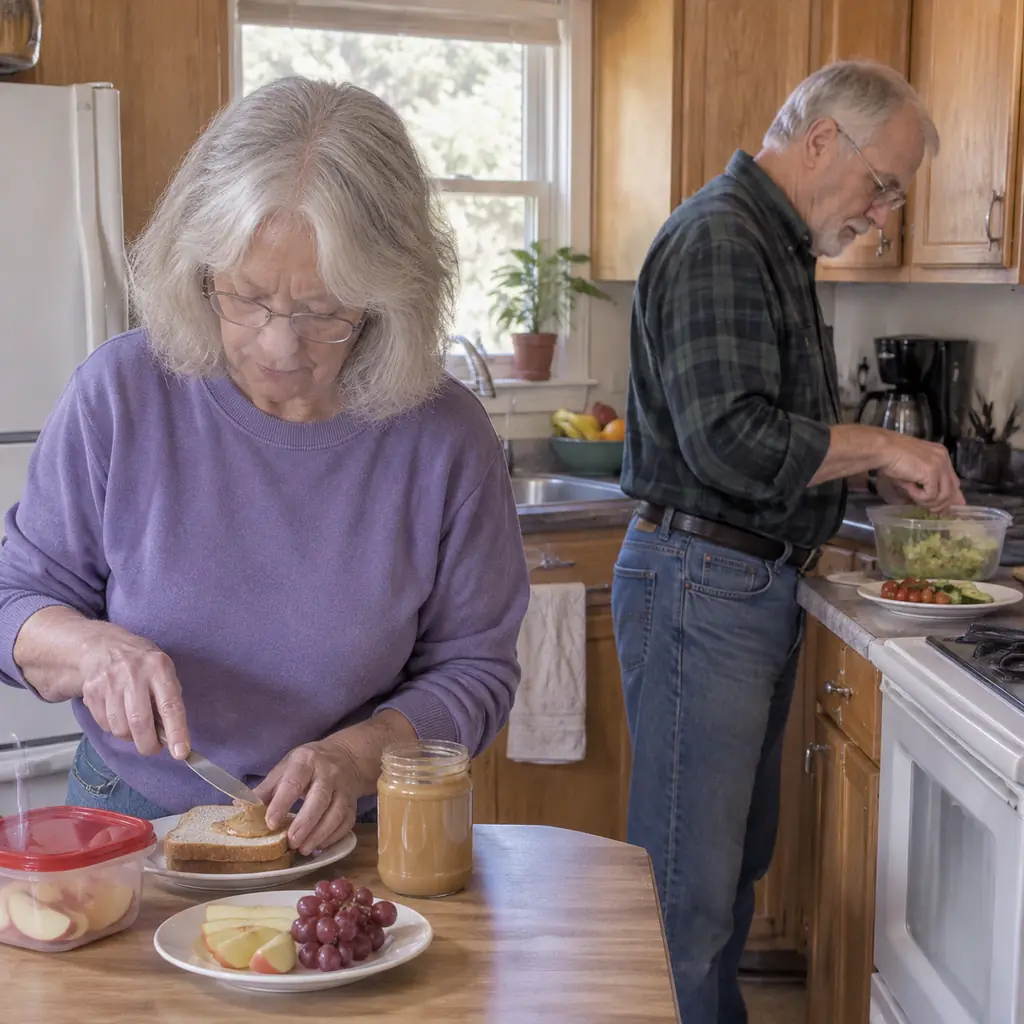
An old office habit can turn into a daily invitation to sit at the table at noon. That works when both people are hungry and someone wants to prepare a meal.
Agree on which lunches you will make together. On other days keep the parts of a simple lunch in easy reach. The kitchen can handle two schedules with a few ordinary foods ready to use.
12. The Dishwasher Fills Before Dinner
Two people using the kitchen through the afternoon make more dishes than one. A cup left near the sink can feel like a small thing until it is the fourth one you have put away.
Settle when each person can empty the dishwasher and whether anyone wants to run a half-full load. A routine that both people understand keeps dirty plates clear of the lunch counter.
13. It Becomes Possible to Leave a Project Out
Retirement may let you work on a project in short bursts all day. The table that suits a puzzle at eleven still has to hold plates at six.
Use a board or a rolling cart if the project needs to move. A person considering a hobby before buying equipment can use the same trial to see how much space the activity needs.
14. Practice Can Be Heard Across the House
A guitar sounds louder to someone on the other end of a phone call than it does to the person playing it. Sewing machines, workouts and kitchen mixers can cause the same overlap.
Agree when the louder activity can take place, then close a door if it helps. Someone who likes quieter afternoons might enjoy using that time for a walk or a short errand.
15. Phone Calls Either Cross Paths or Bring People In

Two people may use the same room for calls because it has the best signal and the most comfortable chair. A speakerphone can fill it faster than either person expects.
Test another spot for longer calls. If part of the conversation includes someone else in the house, arrange a good time for both of you to join.
16. A Nap Changes the House for a While
Retirement makes a quiet rest easier to fit into the middle of the day. The same time may be when the other person wants to vacuum or run a repair that makes noise.
Ask whether a closed door is enough to make the room quiet. It may be easier to move the noisy chore earlier than to send the person who wants to rest to another room.
17. Company Can Change the Afternoon Without a Plan
When one person was home alone, visitors tended to be the people they had invited. Now a doorstep visit can involve both of you without either of you having planned it.
Decide which visits are welcome without notice and which need a message first. The same courtesy shapes shorter family visits, especially when everyone has plans before and after they meet.
18. An Hour Alone Can Become Harder to Find
Being glad your partner is home can coexist with missing an hour when nobody else was in the house. Even cooking alone or listening to the whole album used to happen by itself.
Say which kind of time you miss. A regular solo activity, a trip outside or a room with a door can give you space without needing to explain it each time.
19. A Spare Room Can Become a Shared Workplace
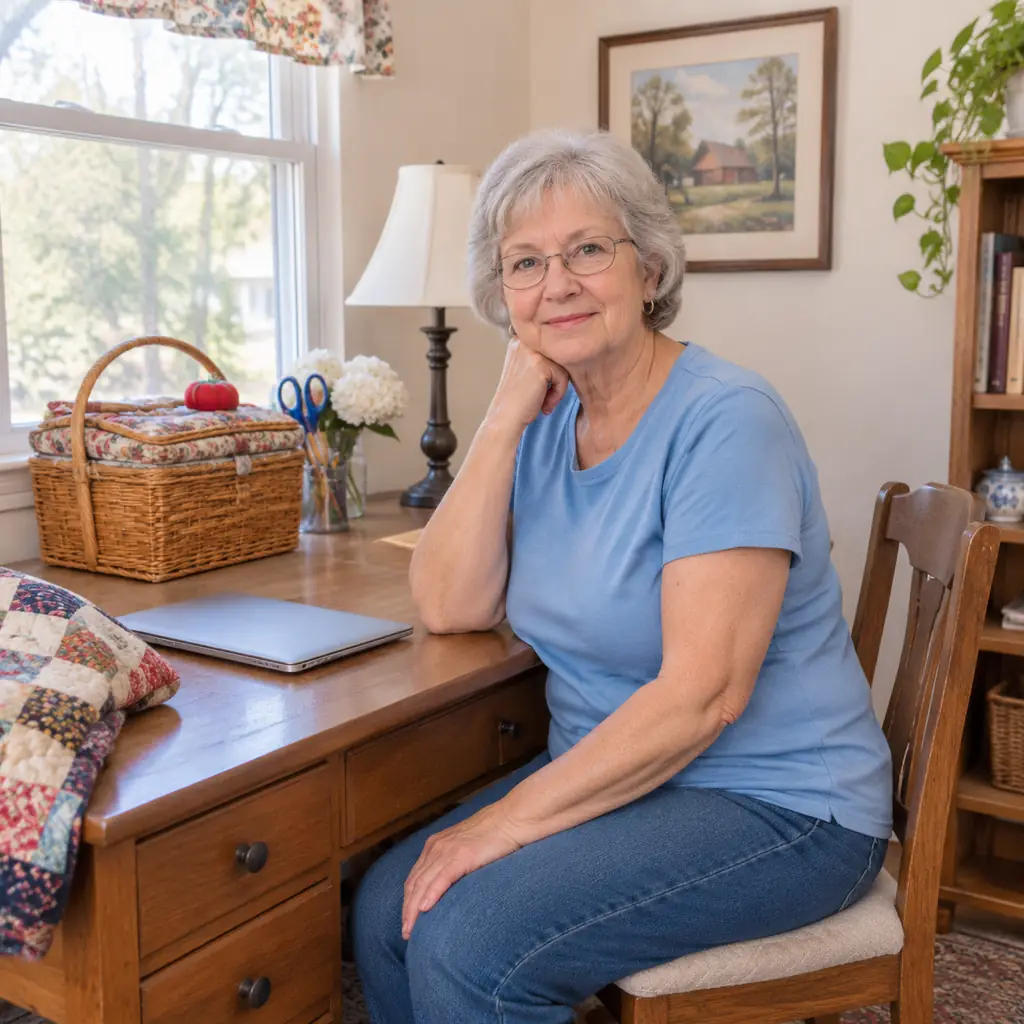
A former bedroom might turn into a quiet room for one person’s sewing and the other person’s paperwork. The challenge comes when each wants to leave something unfinished on the work surface.
Decide where materials can sit between sessions and what needs to be clear when you are done. Setting up a guest room between visits can give both interests a place to live.
20. Supper Can Move Earlier
Someone who has eaten at seven for years may find they get hungry earlier when they start the day sooner. Another person might enjoy saving supper until after their usual walk.
Try a couple of different meal times in the same week. Plan what has to be ready by each time and decide whether you enjoy eating on the same schedule every evening.
21. The Cooking Role Can Change Without a Big Talk
The person who used to start dinner may enjoy handing it over. The person who wants to cook might worry about getting in the way or using an unfamiliar pan.
Give the new cook one ordinary recipe and a little space. Give them time to find the tools and answer a question when it comes up. With time both people can take parts of a meal they enjoy preparing.
22. Evening Television No Longer Marks the Same Break
A show that once marked the end of a long workday can feel like another hour in the room you have already shared all afternoon. One person may prefer a walk or a chapter of a book.
Pick the shows you genuinely want to watch together. Save the others as individual choices. A modest shift in seating or sound level makes it easier to do both things in the same living room.
23. The Trip Out Feels Different When There Is No Commute
A short drive home once provided a change of scene and a chance to wind down. A person who no longer commutes may welcome an evening walk for the same reason.
Agree on something flexible enough to do most days. A loop after supper, a call to a friend or a half hour outside can create a natural change of pace.
24. The Larger House May Earn Its Keep Again

A room that rarely mattered when one person worked away from home can become useful when it gives both people space. An extra bedroom can take a chair and a lamp without losing the ability to hold a guest bed.
Spend time in the rooms you have before deciding you need a new address. Rethinking the family home starts with the routines you actually have now.
25. Some Saturdays Start Feeling Ordinary
Weekends can lose their old boundary when neither person has to set an alarm on Monday. Some of the places you used to visit on Saturday may be easier to go to on a Tuesday.
Select a few things that still make the weekend feel like yours. A standing meal or morning walk can keep a familiar shape to the week while leaving plenty of flexibility.
26. The Best Plans Are the Ones You Can Change Tomorrow
The first arrangement rarely tells you what every week will be like. Try making lunch separately for a few days or switching the quiet room on afternoons when both people have something to finish.
Ask what made the day easier and what is worth changing. New routines get more comfortable when both people can suggest an adjustment while the matter is still small.
Image credits
- An older couple relaxing on a sofa with headphones by Yan Krukau, Pexels License. Cropped and converted to WebP.
- Two friends taking a walk together by Gülsüm Şener, Pexels License. Cropped and converted to WebP.
- Turn supper into a rice bowl by Gu Ko, Pexels License. Cropped and converted to WebP.