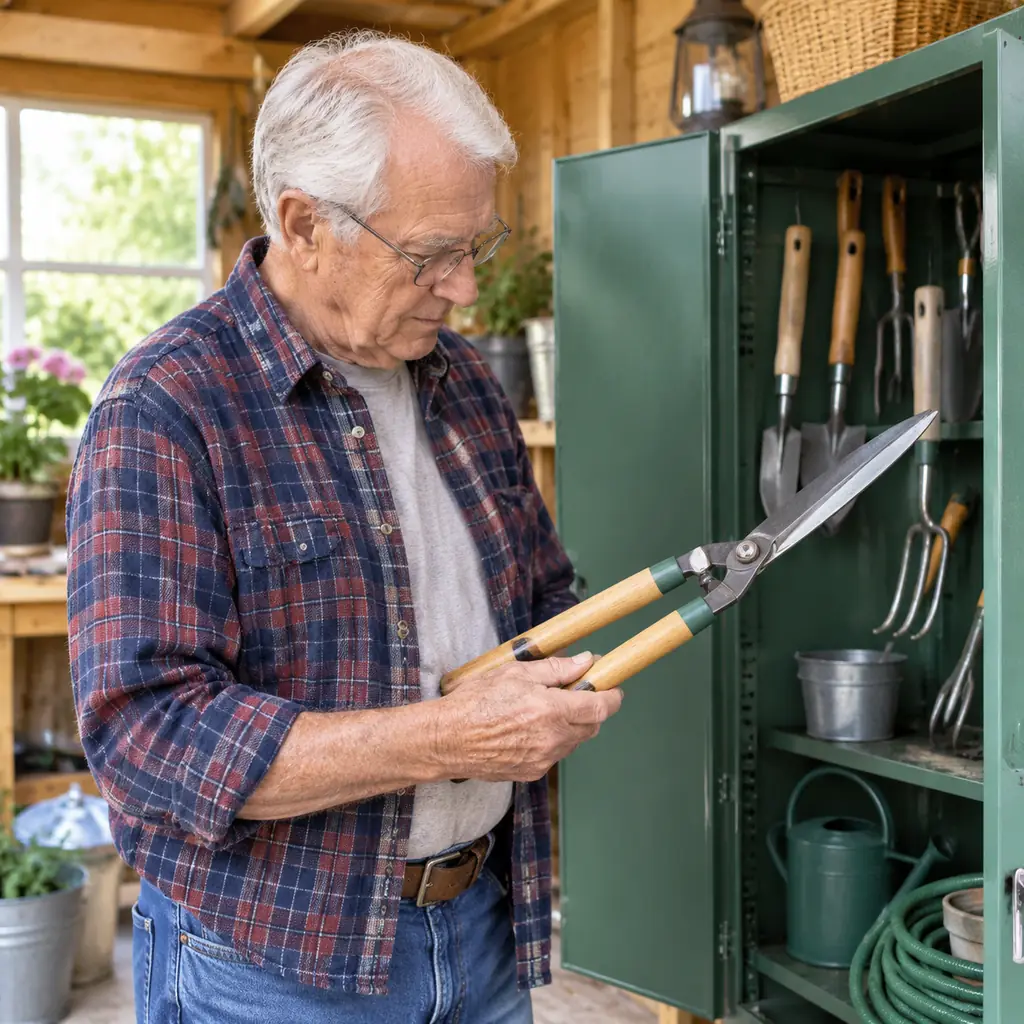
Your first Monday off can feel like a holiday until you reach for your phone and remember everyone else is working. A few dates on the calendar can give your new week a shape while leaving room for things you have waited years to do.

1. Keep a plan for your first weekday morning

Pick one uncomplicated thing to do on the first Monday, such as walking to the bakery or taking breakfast to a park. Put it at a time when you used to be on your way to work. You give that familiar hour a different purpose.
Choose somewhere you can go by yourself. If the weather changes, have a simple indoor version so that the plan can still offer a good start.
2. Put one weekday activity on the calendar before you retire
Choose one daytime activity you can show up to without knowing anybody, such as a library talk or a community garden’s open morning. Find the meeting place and ask if you can drop in. Then write the real start time on the calendar.
Avoid filling every weekday with things you imagine you might like. One first visit can tell you what you would enjoy doing a second time.
3. Preserve the dinner date your friends already keep

If your group has dinner on a Friday or plays cards once a month, leave that appointment where it is. You may be tempted to move it to an easier hour for yourself, but your friends already know how to make the old time work.
Put the familiar occasion on your new calendar. It can be reassuring to see a regular date alongside the new things you want to try.
4. Choose a time to call that fits both people
A five-minute call can feel like a visit when you make it at a good time. Ask a working friend whether their commute, a lunch break or an evening walk is easiest. Check if they like a call or would rather plan it in a message.
Write the agreement down if it helps. Knowing when you will next talk can make it easier to leave the middle of their workday alone.
5. Invite one friend to lunch with an end time
Suggest lunch somewhere close to your friend’s work. Offer a start and end time so they can see how it would fit around the rest of their day. You could also offer to pick up sandwiches and meet outside if parking is tight.
If a weekday meal proves difficult, keep the place in mind for another friend. The goal is an enjoyable lunch you can both make comfortably.
6. Give your favorite weekday morning a recurring outing
Choose a repeating hour for something you look forward to, such as a walk, a neighborhood cafe or browsing a garden center. Keep the start time and allow the route or place to change when you feel like it.
It can help to choose a quiet morning that used to be busy. You can enjoy a trail or cafe at a different pace from the one you knew on weekends.
7. Set a trial date for a class

A class can connect you with people who already share one interest. Ask whether you can attend the first session before paying for the full term. Check how many meetings people are expected to attend and whether equipment is available.
Put one trial on the calendar and leave time to travel. Wait until after the class to decide whether you want the time set aside each week.
8. Set a window for errands that used to fill Saturday
Try doing the weekly shop, a pharmacy pickup and a household errand during a Tuesday or Wednesday morning. See how much of the weekend that frees. You may prefer the quieter store or find that you miss seeing people you knew at the old time.
Keep the order loose for the first week. Put the errands in a recurring window only after you have found a route you enjoy.
9. Ask a former colleague to take a walk
A work friendship may have rested on brief conversations during the day. Invite one person on a walk at a time they can choose. Twenty minutes around the block can be easier to fit in than a whole afternoon.
Give them a way to say when they are busy. When the relationship moves outside work, it may take a couple of tries to find what feels natural to both people.
10. Try a recurring thing with room for conversation
Choose an activity where people have a moment to talk, such as sorting plants at a garden or helping prepare supplies for a class. Being in the same place at the same time makes introductions easier.
Check whether the activity actually fits the time you enjoy. A volunteer role with a regular shift can suit some people. Others prefer an open session they can attend when the week allows.
11. Add a short visit you can make without turning it into a trip
Ask whether someone would like you to stop by on the way to another place. Suggest a time and a specific length. A snack, a shared errand or a quick walk can fit a visit into a working household’s day.
Think about what makes a short family visit feel worthwhile. Put the stop on the calendar once you have agreed on the time so nobody has to guess when to expect you.
12. Make a date to try a hobby with borrowed equipment

Find the first class or outing and check what you can borrow. Ask whether regulars meet at a time you are likely to keep. The actual session will tell you as much about the group as the activity itself.
Your weekday schedule can make trying a hobby before buying the equipment much easier. Mark a single visit and decide afterward whether the time and effort suit you.
13. Put a weekday plan next to a former commute

If the early part of the day feels unusually quiet, try a short morning outing before work traffic clears. Visit the park, take a bus to the library or stop at a cafe you always passed on the way to work.
Stay twenty minutes and see how it feels. You can use the same hour the following week if it still gives you a place you are glad to go.
14. Share your new availability at home
If another person is at home when you retire, talk through when you both want the kitchen, a quiet room or the car. Put any fixed dates on the same calendar. A weekday at home can feel crowded when both people expect a different rhythm.
The early routines often change when both partners are home in retirement. Pick one shared hour each week to look ahead and make room for separate plans.
15. Test a place you can get to when travel is inconvenient
Pick a regular activity close enough to reach when it is wet, cold or dark. If you need to drive, try the route at the actual hour. Find out whether you would still go on a day when the trip takes a little longer.
The everyday trips you actually make from home matter more than a route that looks easy on a map. Choose a fallback place you can also enjoy.
16. Agree on one regular weekend that can stay open
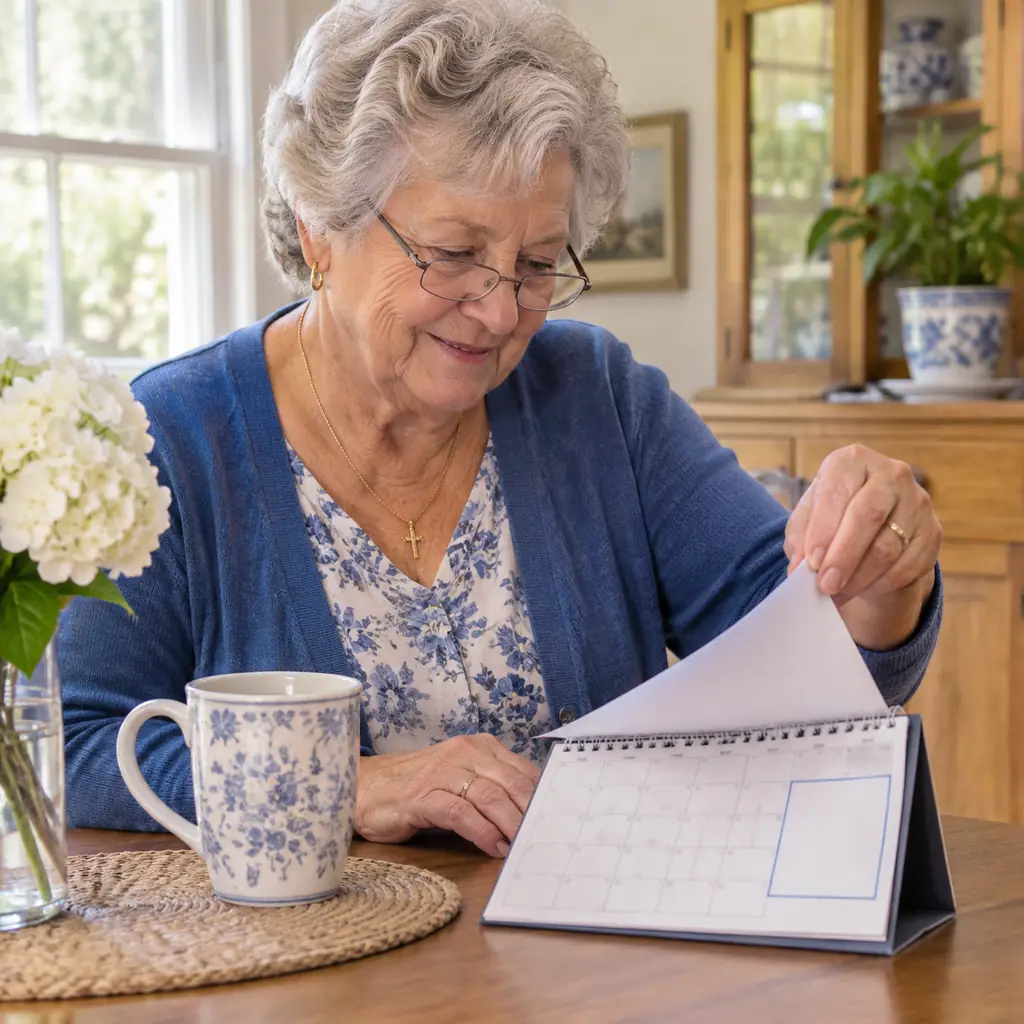
A single free weekend can give you room for an invitation that arrives on Wednesday. Leave one open in the first month and see how it feels. If a friend wants to visit, you can agree to a time without rearranging a stack of weekday plans.
Consider which weekday chores can move away from Saturdays. That can make a casual get-together possible even when your friends have only a couple of hours.
17. Allow a part of the week for household appointments
When you have more time during business hours, it can become easy to let appointments land anywhere. Keep one block for service calls, appointments and errands that are hard to control. Offer that block before giving away a morning you had kept for yourself.
You may discover that the jobs fit better together. If the week is quiet, use the remaining time for a walk or to catch up with someone.
18. Take a midweek trip on a day you can move
Try a day trip you have previously taken on a weekend. A different day may give you more space at a small museum, restaurant or trail. Confirm opening hours so you can tell whether Tuesday is quieter or whether everything you wanted to see is closed.
If the visit becomes an overnight stay, look at how weekday travel can change the costs before planning a pattern around a particular day.
19. Reserve a morning for a project you can finish
Choose a job with a clear stopping point, such as repairing a drawer or sorting one box of photographs. Give it a morning and decide where the tools or papers go at the end.
Finishing one small job can feel better than putting a whole-house project on every free day. You can decide later whether you want a regular project morning or would rather use that time for other things.
20. Ask someone who is also available on weekdays
You may know fewer people who are free during the day than you did while you were working. Try inviting one neighbor or acquaintance for a walk. Offer an activity, place and a time that is easy to change.
Look for something you already enjoy rather than taking on a new commitment to make the invitation possible. If you meet a second time, ask whether that hour usually works for them.
21. Leave time around a new part-time job
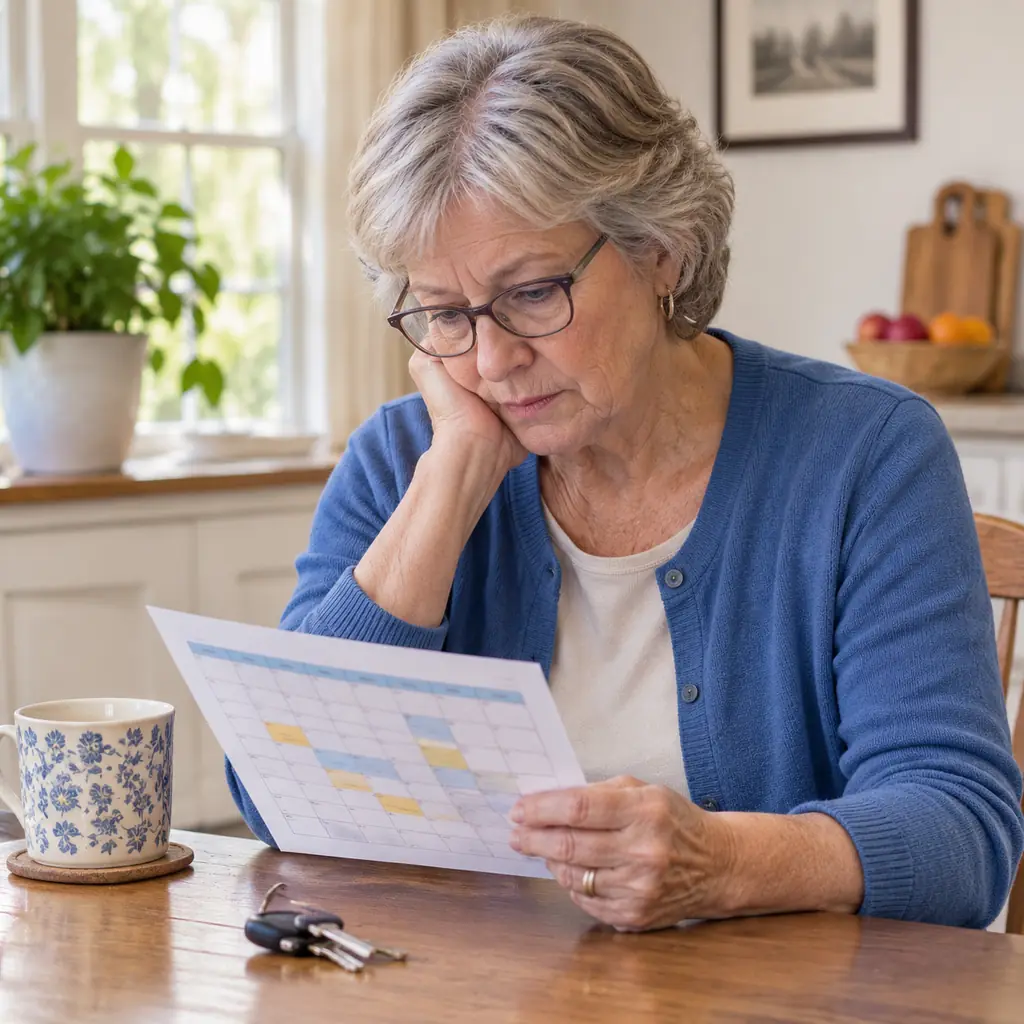
If you take a regular shift, give it space on either side for the trip and anything you need to do afterward. Ask which shifts you can schedule well in advance. A job with one reliable weekday can be easier to plan around than several flexible shifts.
Use the hours you want to keep free when comparing part-time jobs. Mark the first few weeks on your calendar before committing to other regular dates.
22. Make a plan for a friend’s day off

When someone mentions a day off, offer one thing you can enjoy together, such as a market or an early lunch where they already need to go. Ask what time they want to keep for their own errands.
Make the invitation specific so you can both see if the day allows it. Then mark the date once they know how they want to spend their time off.
23. Put one open afternoon after a busy day
You may enjoy the first week more if a busy day is followed by a calmer one. When you put a class or long visit on the calendar, leave the following afternoon open and see whether the pause feels useful.
You could use it for another invitation or go home early. Keeping some open time helps you learn what pace you like while the rest of your week is changing.
24. Pick one task you still want to do with someone
The people you saw every day at work probably shared things they were trying to do. Find another reason to work beside someone, such as packing supplies, repairing something or helping organize a club meeting.
Try one session with a clear ending. If the work and conversation feel like a good fit, you can return. If the task requires more hours than you expected, ask what smaller jobs are available.
25. Keep a weekday activity around for bad-weather weeks
If most of your new plans depend on being outdoors, look for one indoor substitute. It might be an open hour at the library, a game group or a neighbor who enjoys coffee on a rainy day.
Ask which dates the group actually meets and whether you have to book. Put one session on the calendar so that a string of rainy days still leaves you a plan you can look forward to.
26. Schedule a short week to yourself during the first month

Leave a stretch of weekdays mostly open. You could still keep your usual morning walk, but see which plans you miss when the rest of the week is empty. A quieter schedule can show whether you enjoy reading at home, exploring by yourself or looking for more company.
Change what you plan for the next week based on what you notice. Retirement gives you time to learn which invitations you actually want to make.
27. Ask one friend what time you should keep next month
At the end of the first month, ask a friend which of your plans they would happily do again. A regular dinner may have worked well. A weekday lunch may fit only when you know their busiest dates.
Suggest one date for the following month while you are both there. The date gives each person something to keep open and makes it easier to let the other days take their own shape.
28. Build the second month around what you actually attended
Look at the things you actually made time for during the first four weeks. Keep dates you enjoyed and change the ones you often skipped. If you liked the company but struggled with the hour, ask about another time before dropping the idea.
Once you have a weekday plan you look forward to and a good way to see your working friends, the rest of the calendar can stay open to ordinary surprises.
Image credits
- One Recurring Plan for an Ordinary Weekday by cottonbro studio, Pexels License. Cropped and converted to WebP.
- Two older players sharing a game of chess by Alena Darmel, Pexels License. Cropped and converted to WebP.
- Volunteers portioning food for donation by Julia M Cameron, Pexels License. Cropped and converted to WebP.