A cassette button clicking into place or a car window winding upward can bring an ordinary afternoon back surprisingly clearly. The small jobs and familiar objects of the 1970s gave childhood a rhythm that varied from one household to another.
1. A bicycle made the neighborhood a route
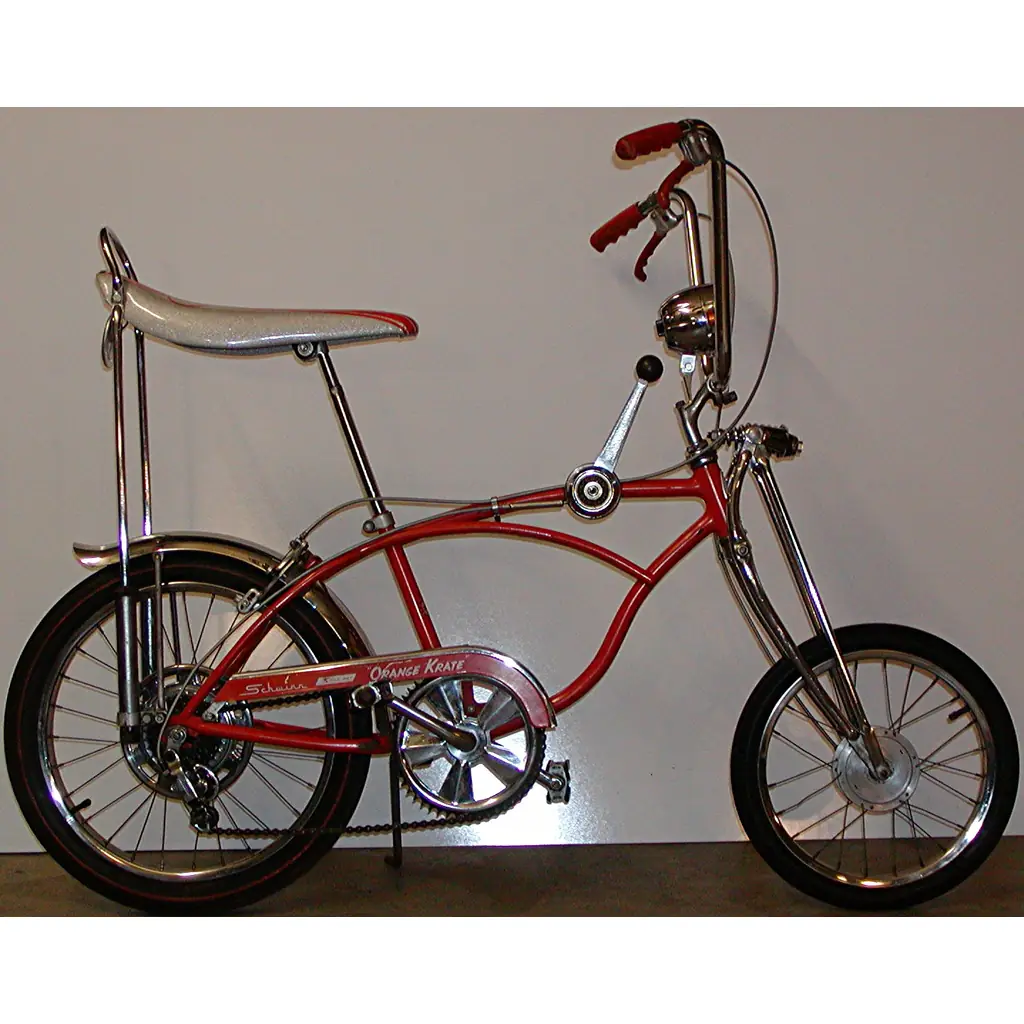
The same ride could pass a friend's door, a familiar corner, and the stretch that always seemed longer on the way home. A bicycle made those places part of a child's practical knowledge of the neighborhood.
Schwinn's Sting Ray, with its banana seat and elongated support, was a distinctive design of the 1960s and 1970s. The bicycle might be new, shared, or handed down, but learning how it handled gave its rider something to practice on ordinary afternoons.
2. Calling home meant finding the household telephone
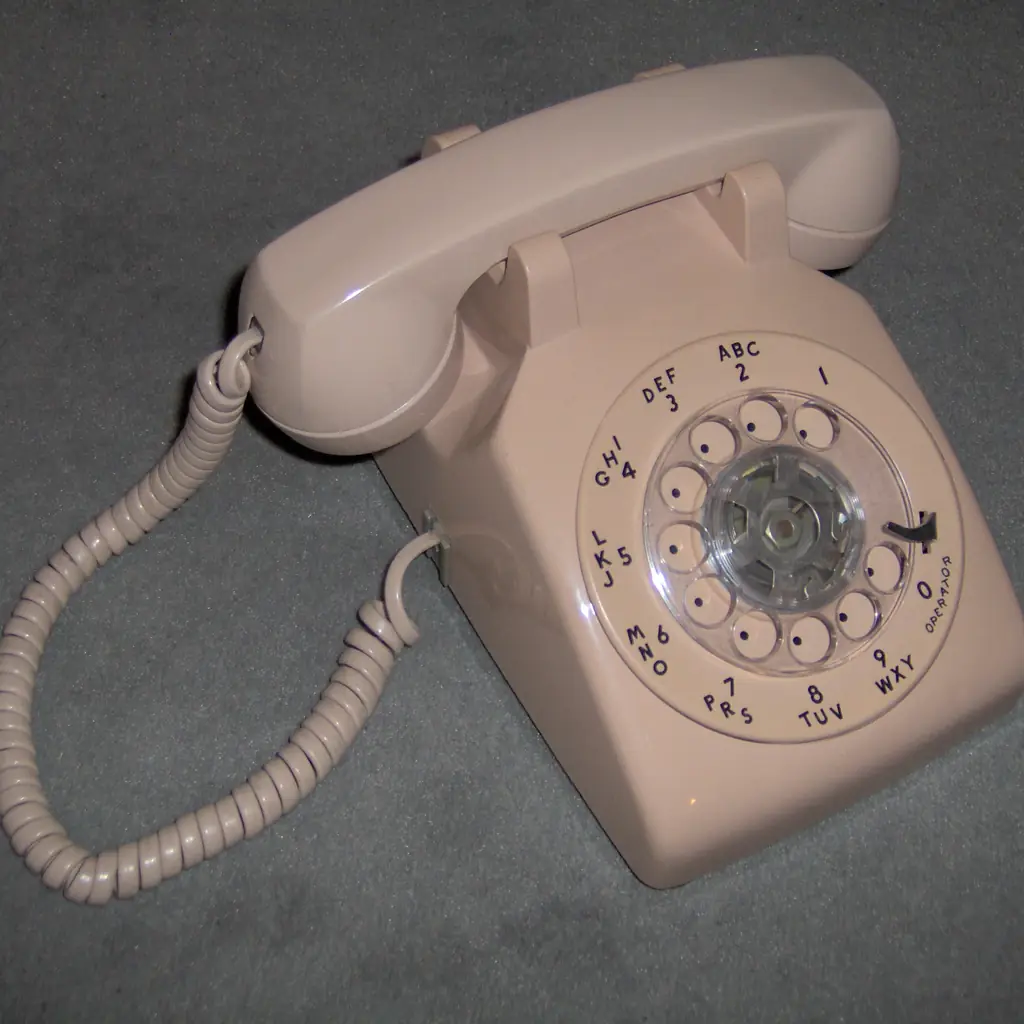
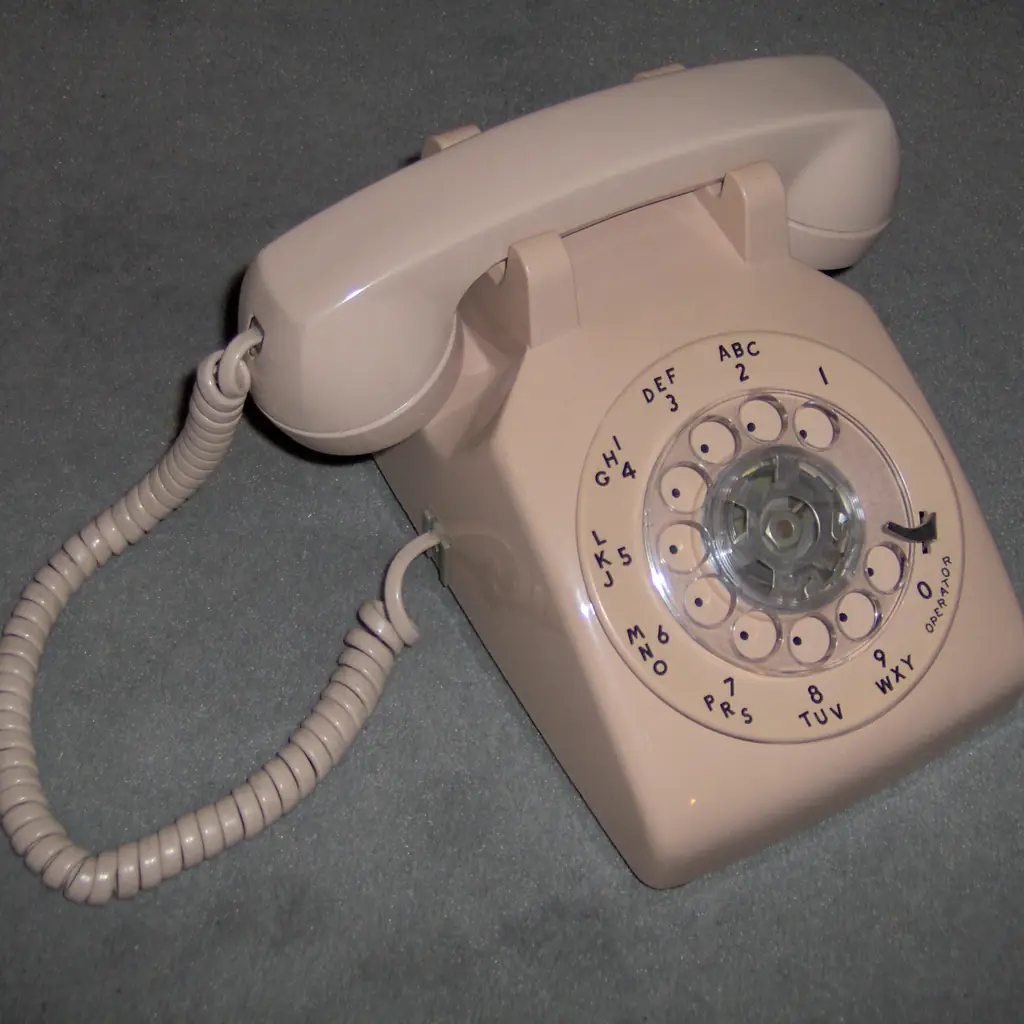
A call home could begin at a friend's kitchen phone, with the number repeated carefully before the dial moved. If the line was busy or nobody answered, the plan still needed another step.
Telephone service reached 87 percent of U.S. households in 1970. A line belonged to the household, however, and its location shaped the conversation. A short call could take place within earshot of a parent cooking, a sibling waiting for a turn, or the other activity filling the room.
3. A television starting time could settle the afternoon
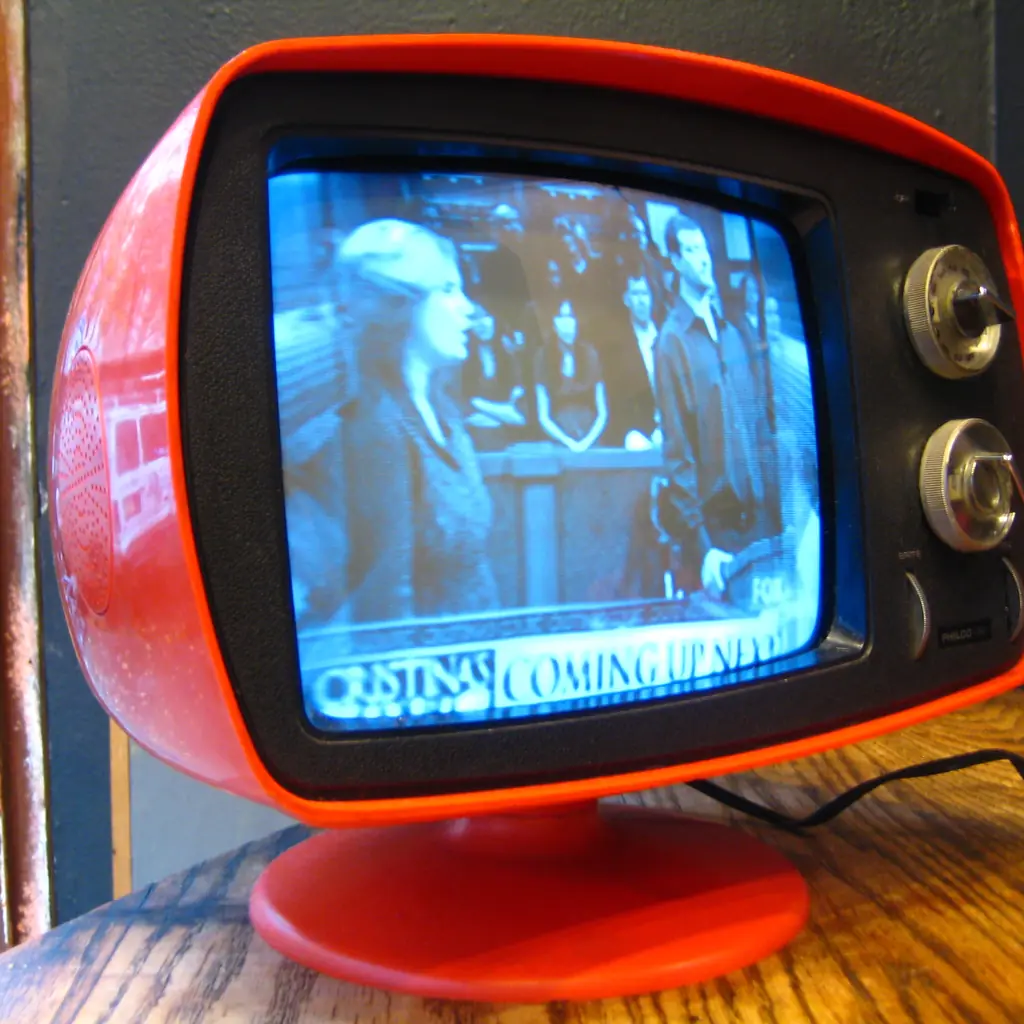
The clock could decide when a game was packed away. Catching a program from the beginning meant reaching the television before it started and finding out whether somebody else wanted the same channel.
U.S. television households averaged 1.4 sets in 1970. A shared screen gave the room a common focus, from the seat with the best view to the person nearest the controls. The program belonged to the broadcaster's schedule; fitting it into the rest of the day was the household's job.
4. The cassette buttons made recording feel like an event
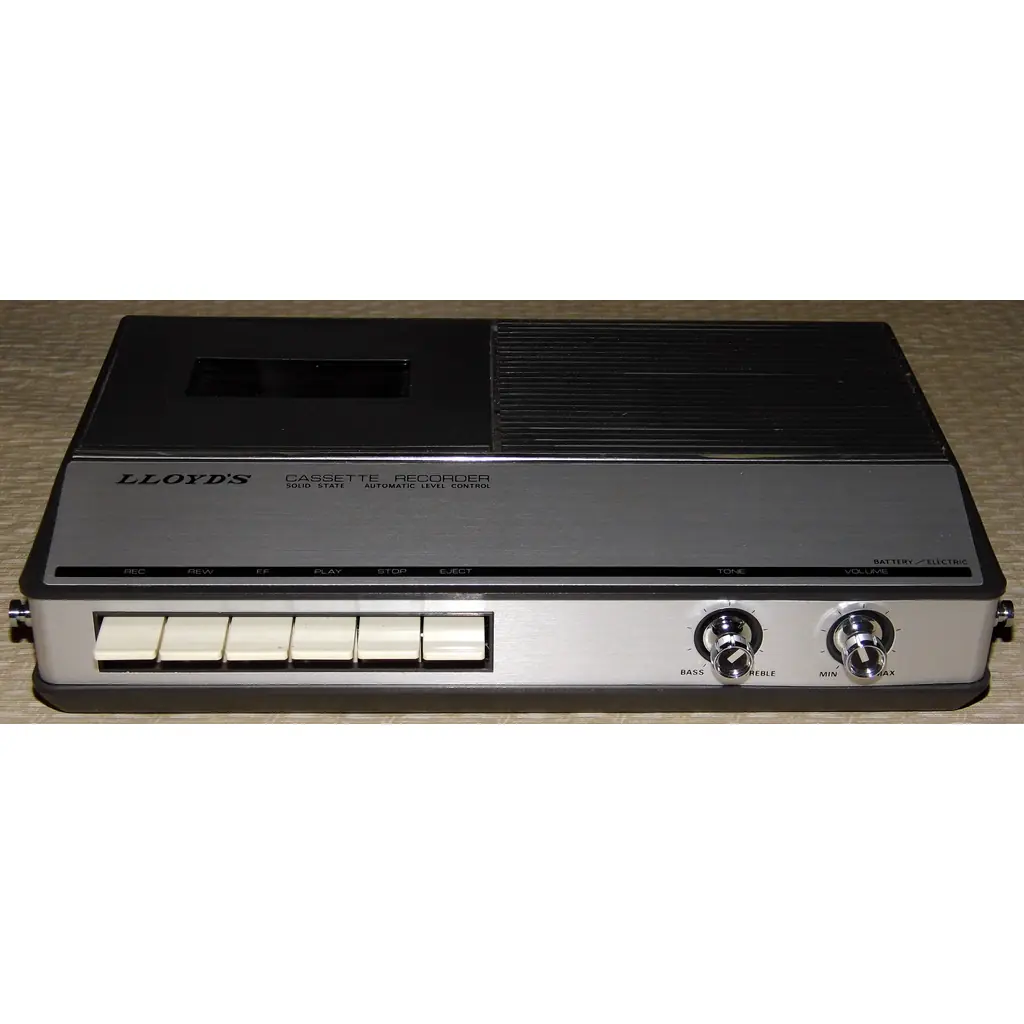
The cassette clicked into place, a button went down, and the reels began to move. A recording might contain a song, an imitation of an announcer, or several people laughing before anyone managed to begin.
A portable RCA recorder made around 1972 shows how straightforward the controls could be. Playing the tape back made a familiar voice sound different, while rewinding returned it to an earlier moment. The same cassette could hold another attempt whenever its owner chose to record again.
5. A pocket camera left the result until later
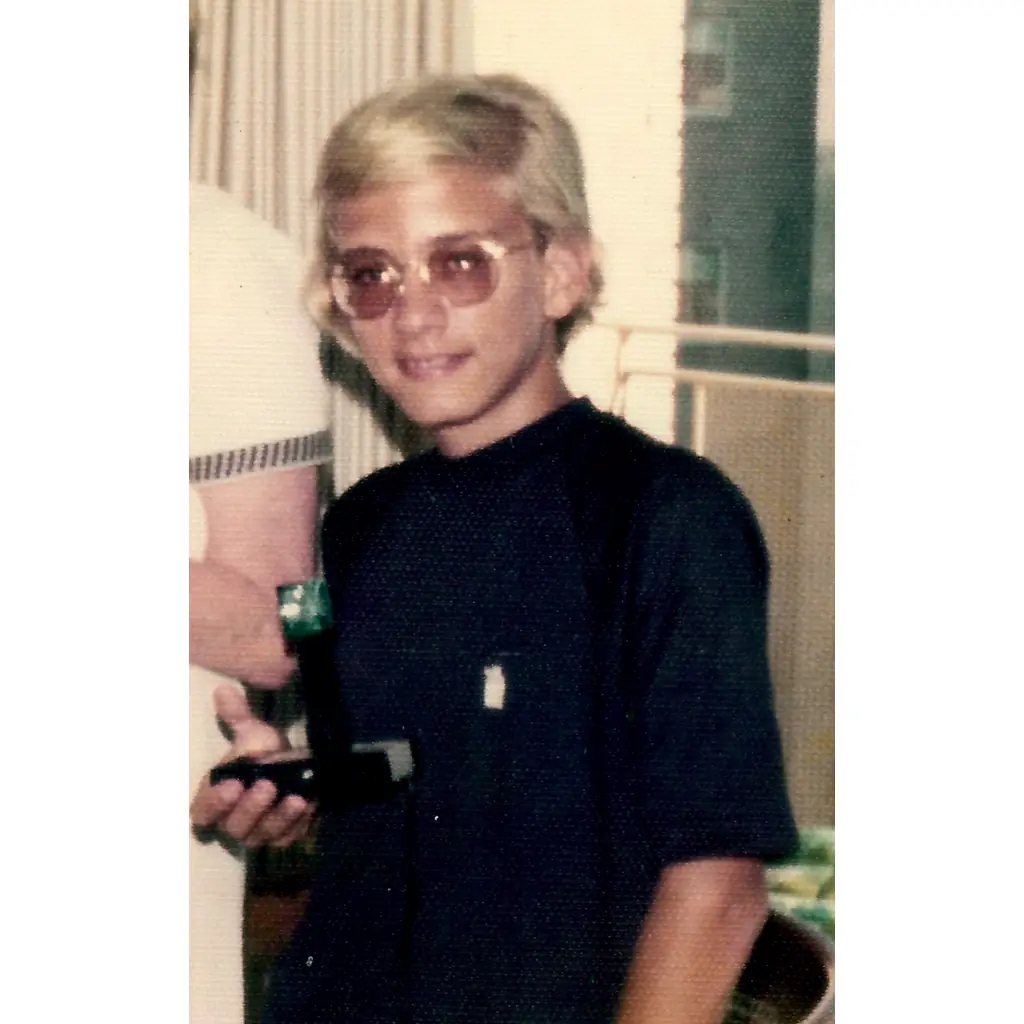
The shutter clicked, the film moved on, and the picture remained unseen. A camera could be passed to somebody else without anyone knowing whether the previous face had been caught with its eyes open.
Kodak introduced Pocket Instamatic cameras using a 110 film cartridge in 1972. Their small size made them easier to carry, but getting the pictures still involved processing the film. The packet of prints returned with successful portraits, stray fingers, and backgrounds that nobody had meant to include.
6. A lunchbox carried a picture as well as a meal
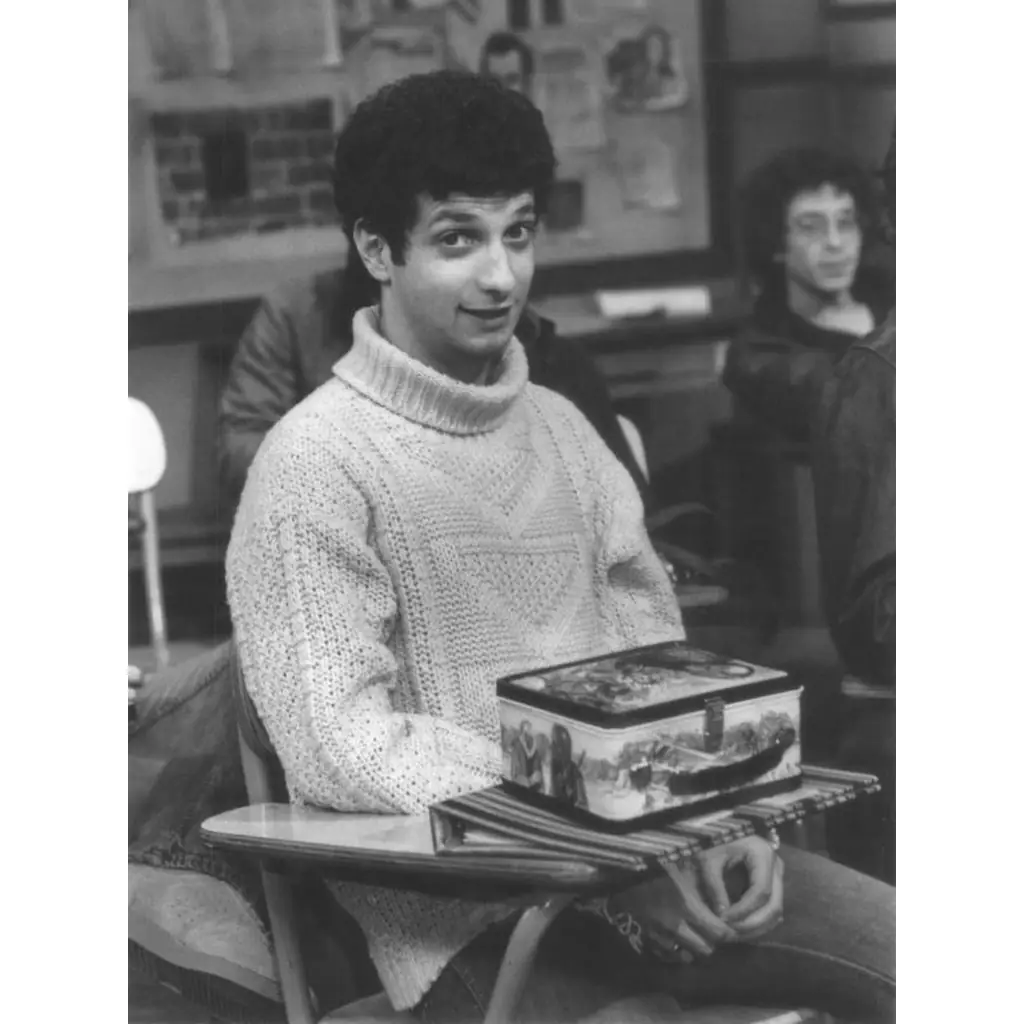
The lid and handle made the box recognizable before it was opened. A favorite character could go to school each day alongside the food, while another child might carry a much plainer container.
One lunchbox from around 1976 promoted the metric system, putting an educational message among the more familiar designs. The outside of the box became something to look at while eating. Like other everyday household objects, it could mix practical use with the interests of the people who chose it.
7. A brick-built town could stay unfinished for days
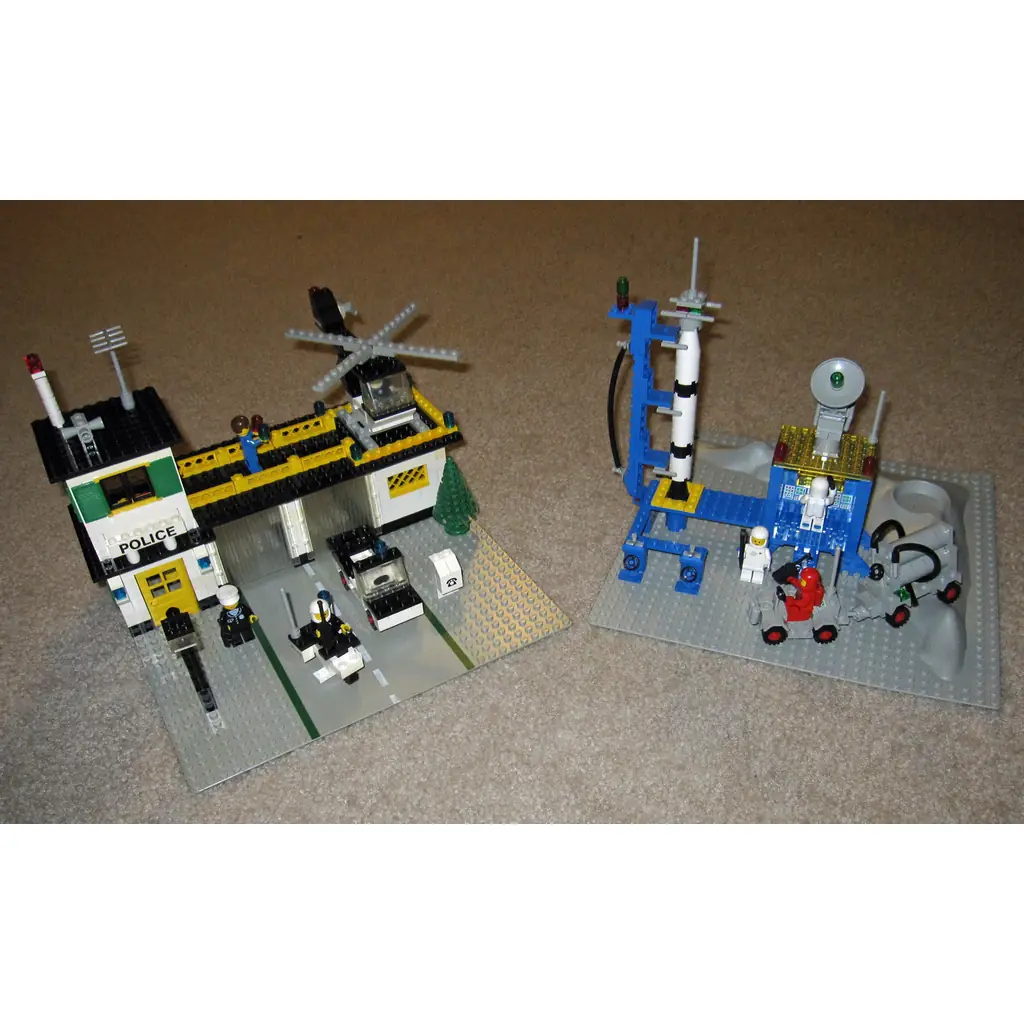
A small vehicle needed a garage, and the garage soon needed a road. A construction could spread across a table as the next idea arrived, leaving a partly built town waiting between one afternoon and another.
LEGO's familiar minifigure appeared in 1978, adding a new kind of person to those buildings and vehicles. The growing project still occupied actual household space, eventually meeting the rules about what could stay on the floor and what had to be put away.
8. A different cartridge could change the afternoon
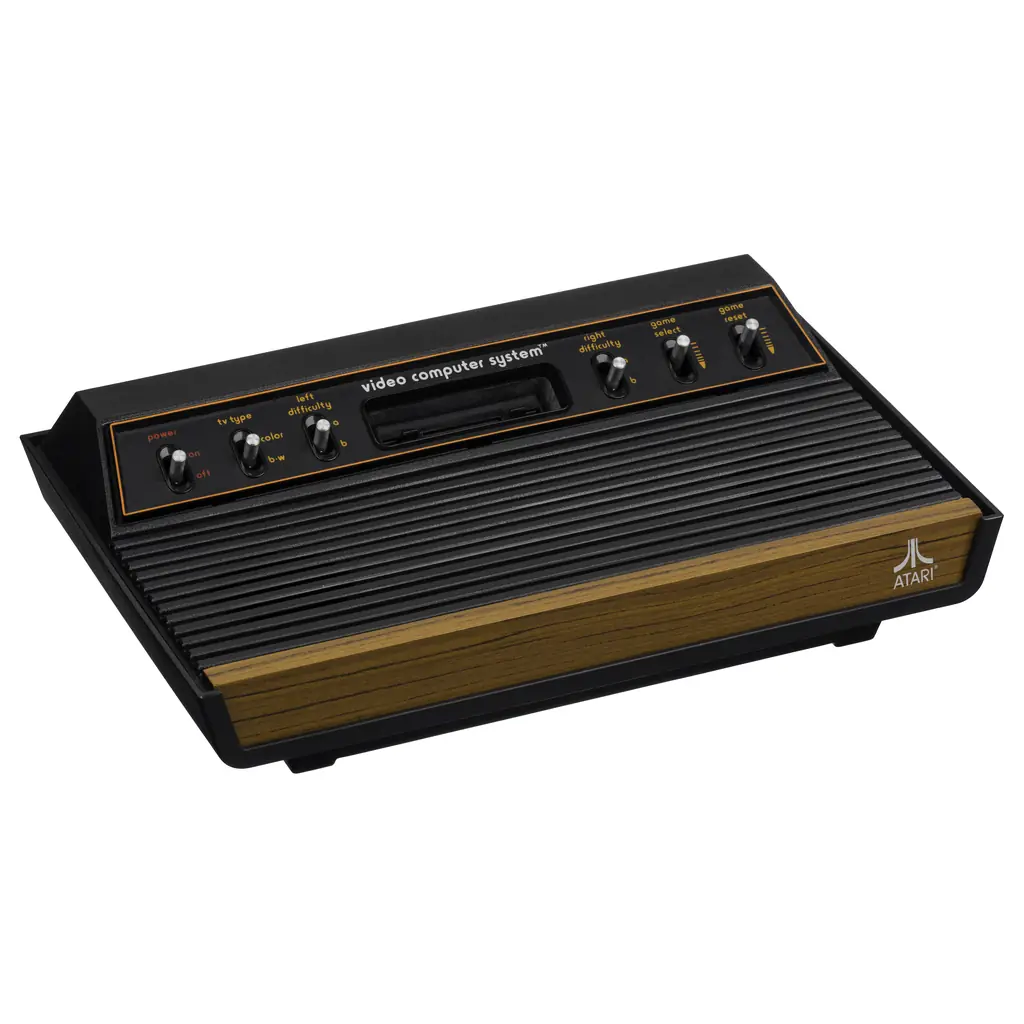
The television stayed in the same place, but replacing the cartridge brought a different game onto it. The controllers could be handed over while the players decided whether to try again or change what they were playing.
Atari's Video Computer System arrived in 1977. Its interchangeable cartridges gave the console room to become a collection, with each additional game changing the choices available around the set. It joined Christmas toys that kept drawing people back after their first outing.
9. An after-school snack could be assembled at the counter
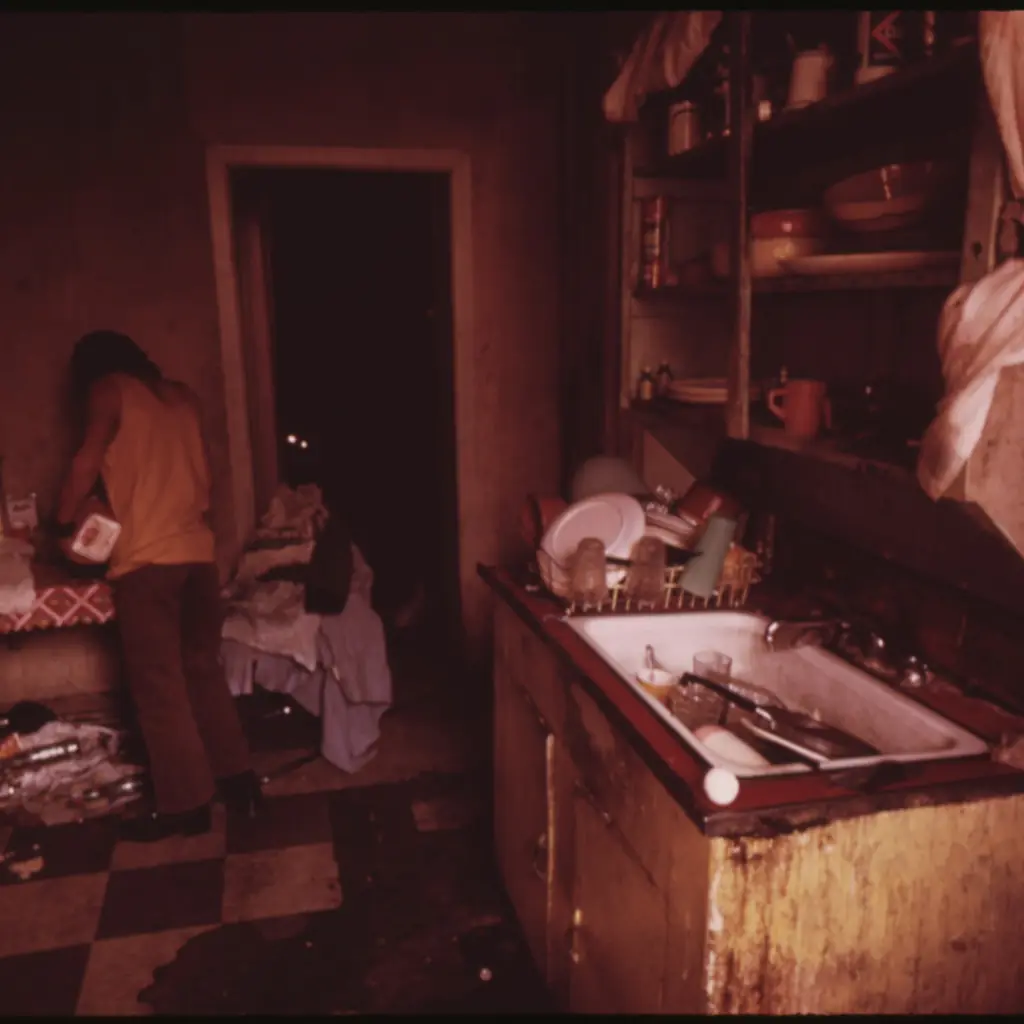
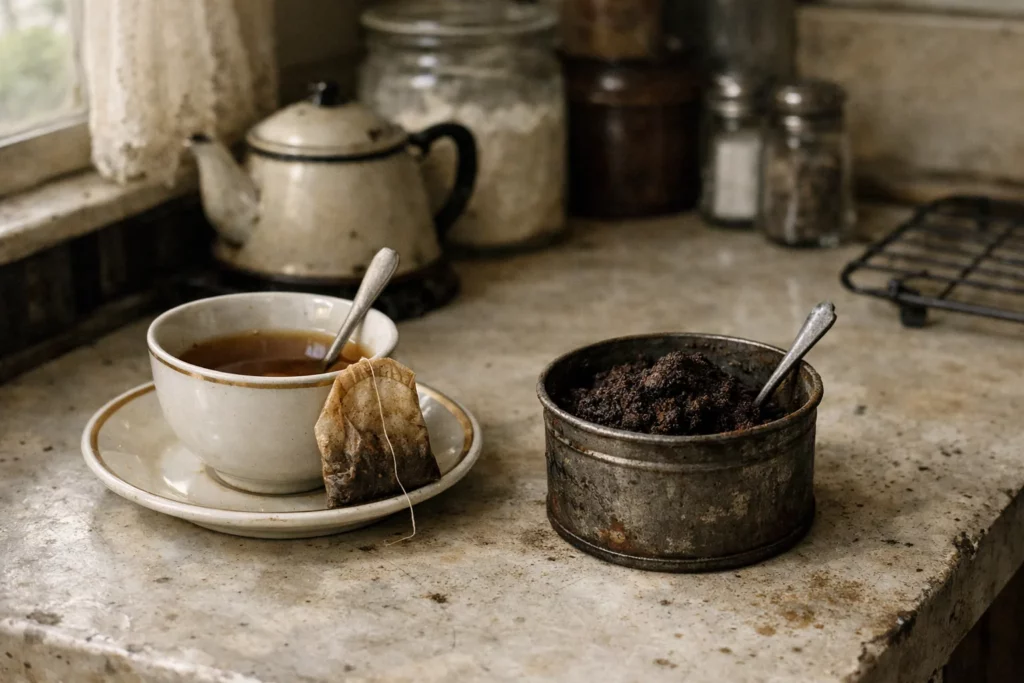
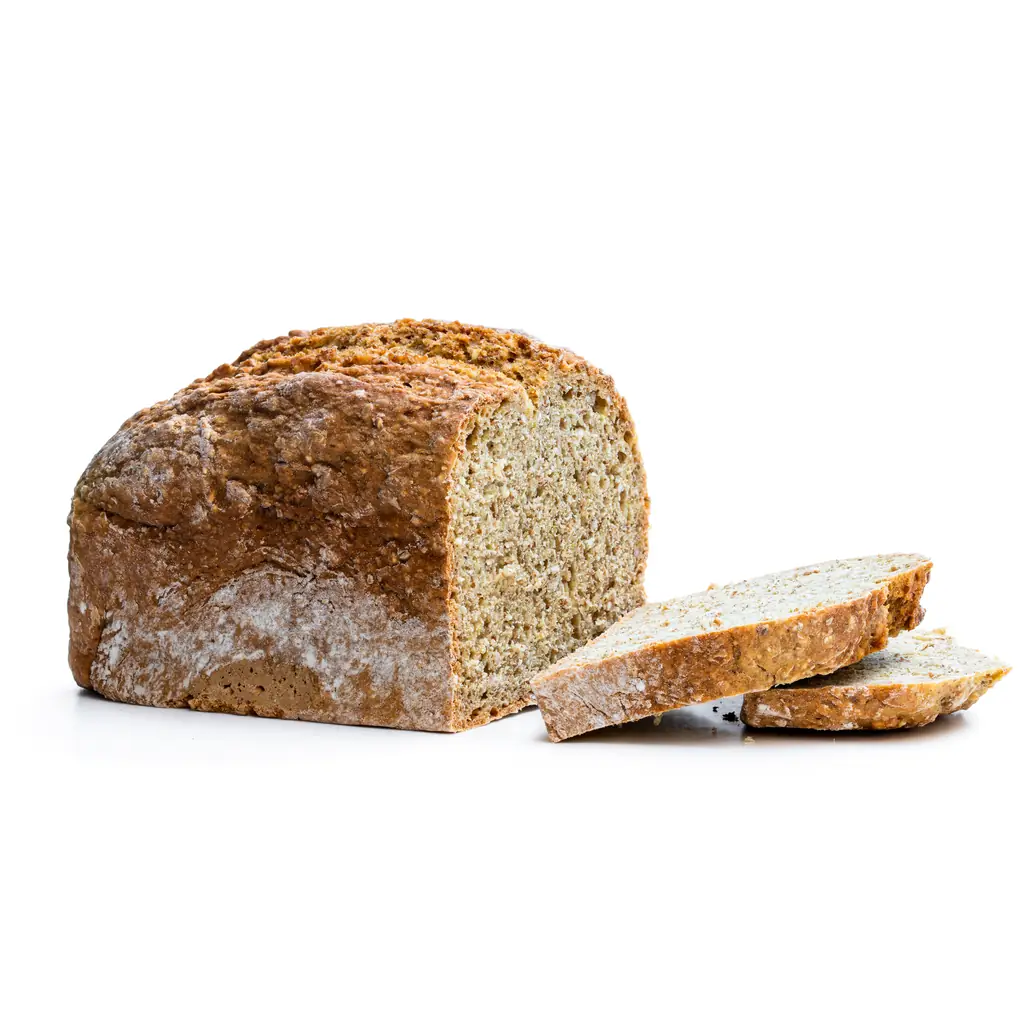
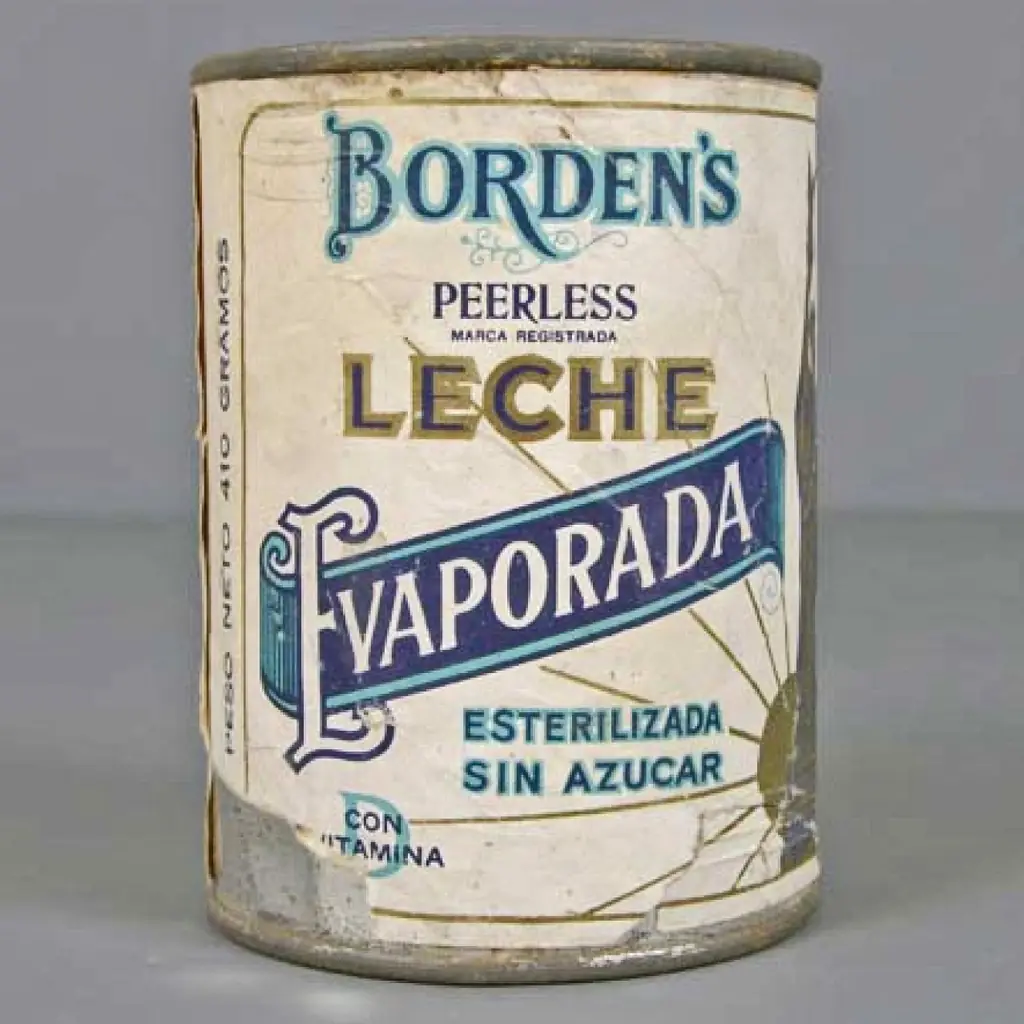
A slice of bread, something from the cupboard, and a plate could turn the kitchen counter into a small project. What was available depended on the household, but the familiar jar or tin often did as much to shape the snack as a recipe.
Yesterday's food could have another use too. The last pieces of a meal might become the filling for a sandwich, continuing the habit of turning leftovers into another family meal. The practical task was choosing what would fit together and finding somewhere to eat it.
10. The yard could sit close to the adults’ working world
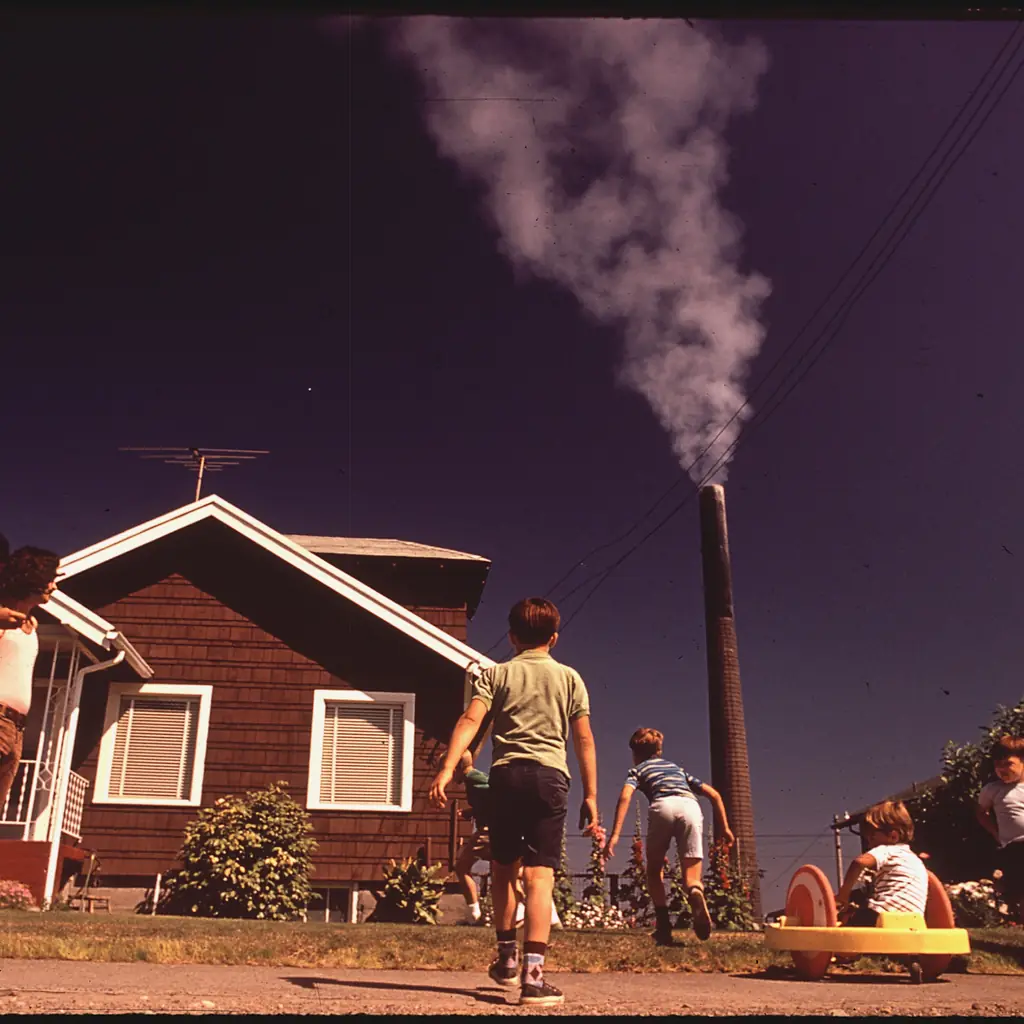
In Ruston, Washington, in August 1972, children played in the yard of a house with a smelter stack behind it. Their climbing structure, the home, and the industrial works occupied the same small landscape.
That setting had its own ordinary geography. The place for play lay close to buildings, fences, utility lines, and the work going on nearby. A child's neighborhood could include those features as naturally as another child's included a wider lawn or an open field.
11. The kitchen table changed jobs before dinner
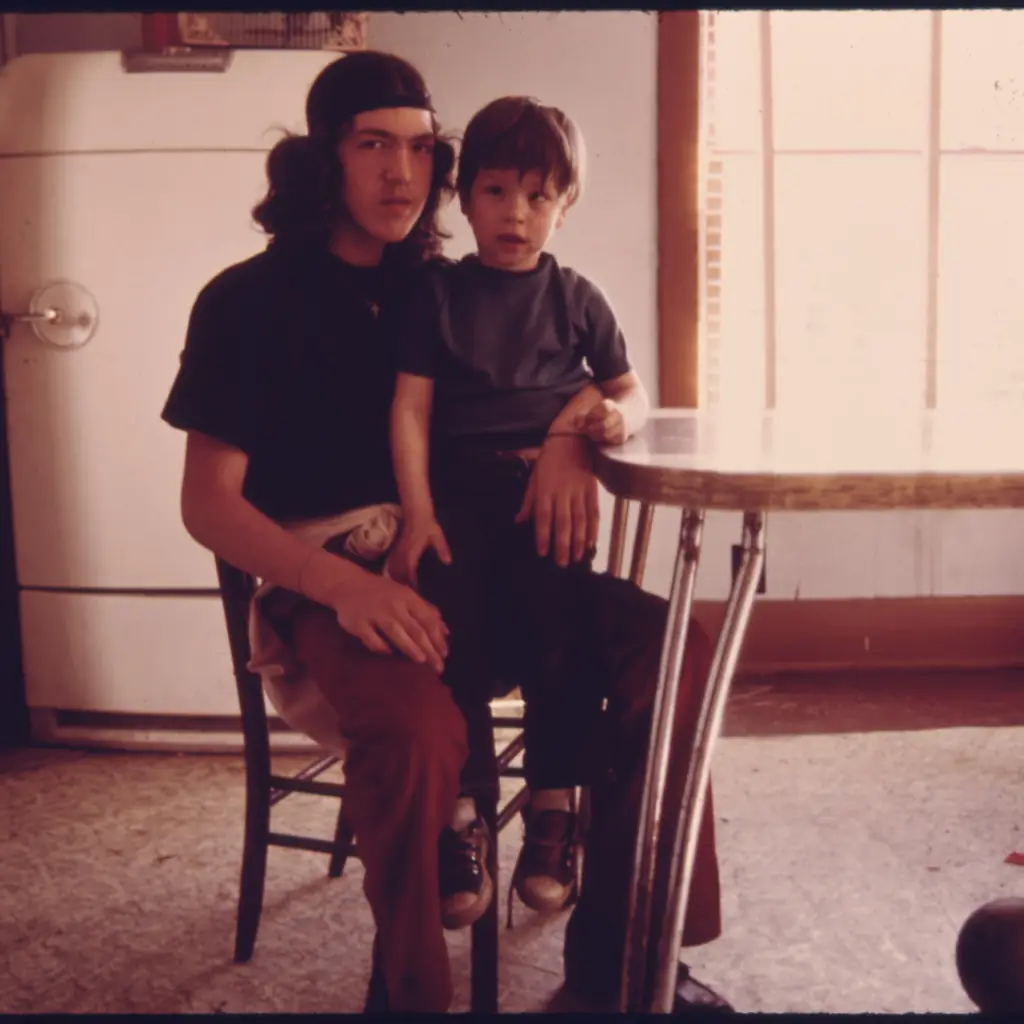
School papers could cover the same surface that would soon hold plates. Clearing the table meant gathering a pencil, moving a book, and deciding where to put something that was not quite finished.
Once the meal was ready, chairs and dishes changed how the space was used. A visitor or special occasion could change it again, bringing out the serving pieces remembered from 1970s dinner parties. One ordinary piece of furniture could organize several different parts of the evening.
12. Washing up had a sequence you could learn
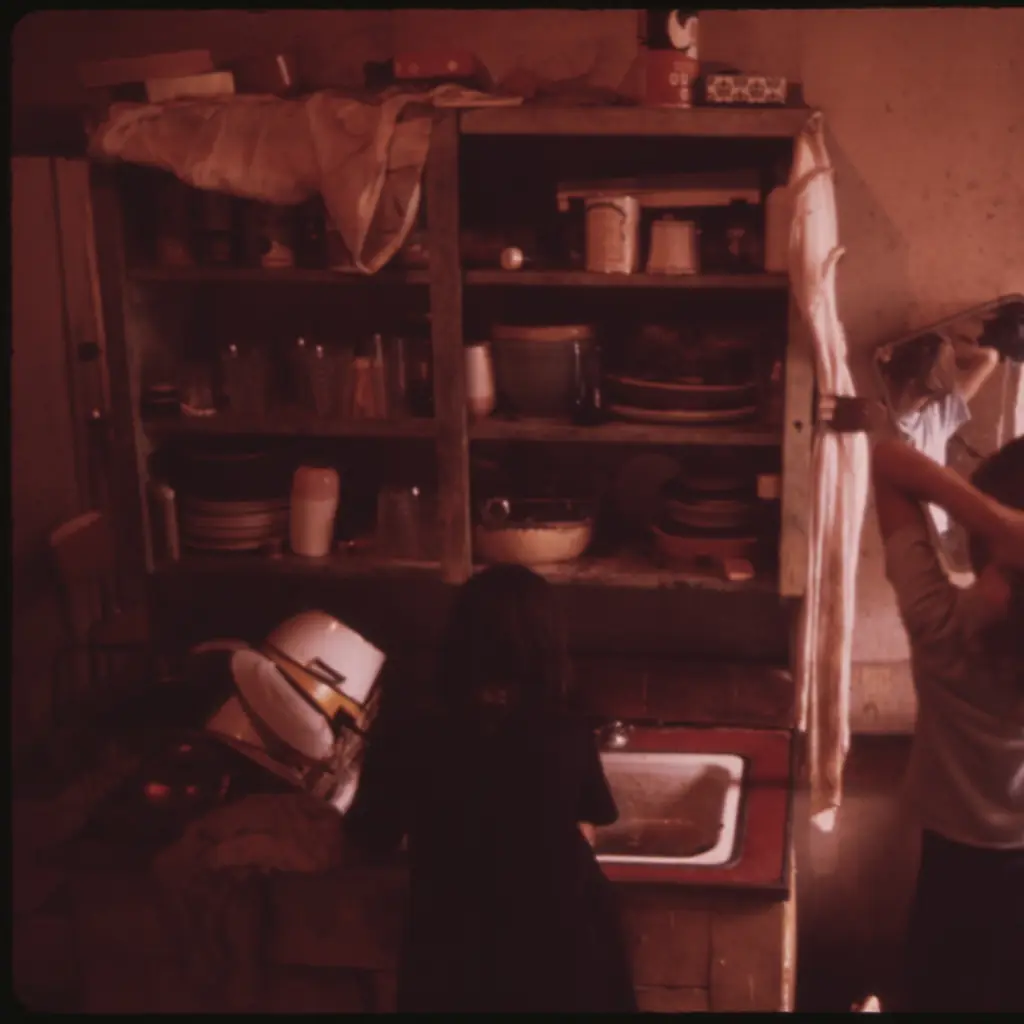
A plate arrived at the sink, moved through the water, and found a place in the rack or the drying towel. Whoever helped had a small order of jobs to follow, along with the problem of finding room for the next item.
The task might involve passing dishes to another person or working through the meal's remains alone. Those repeated motions connected children with household routines older than the decade itself, even as kitchens and appliances changed around them.
13. The window crank gave a passenger something to do
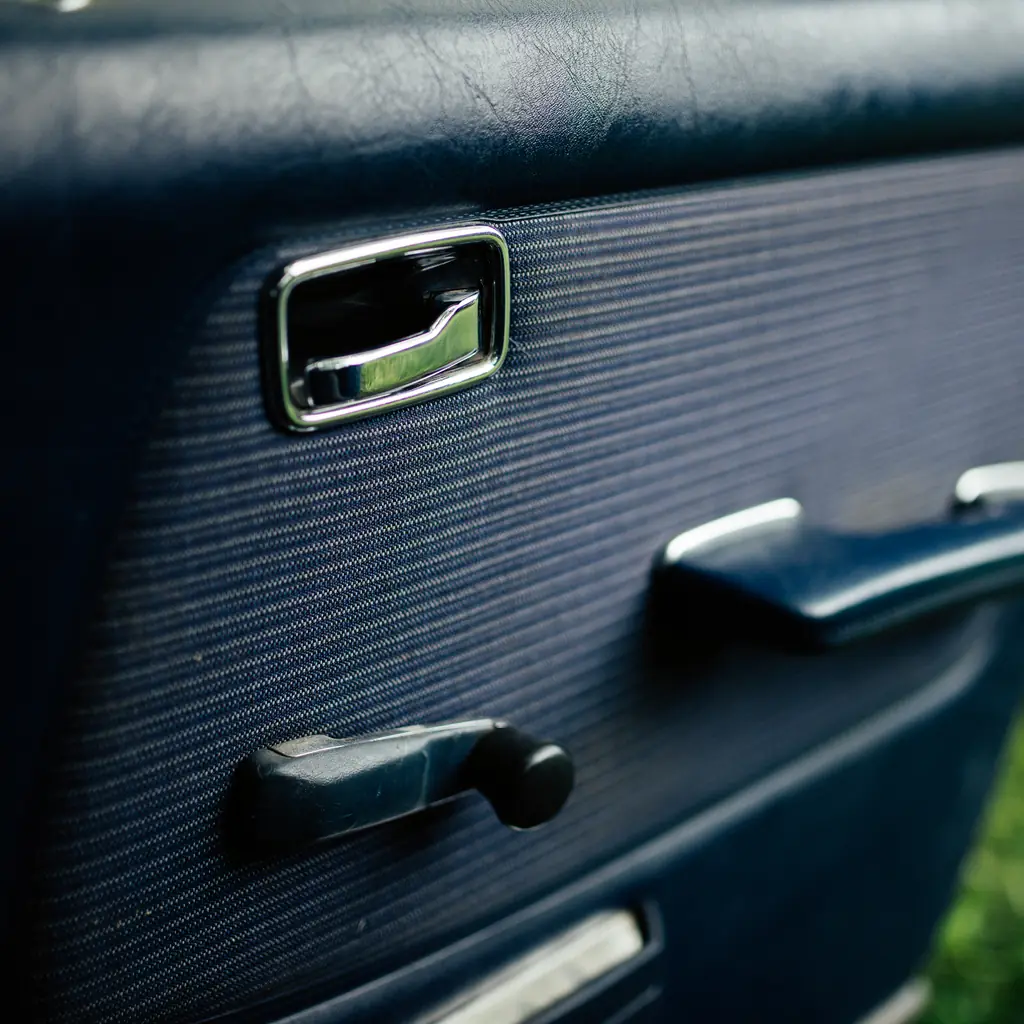
In a car with manual windows, opening the glass required several turns of the handle. A shower of rain could bring a burst of activity as the passengers worked their windows upward again.
The crank, door pull, seat, and radio controls gave a car interior its own arrangement of things to reach. Belts and buckles were part of that space too; new passenger-car installation requirements had taken effect in 1968. The familiar memory can be a physical movement, such as reaching across a seat for the handle.
14. A card game could fit around the people at the table
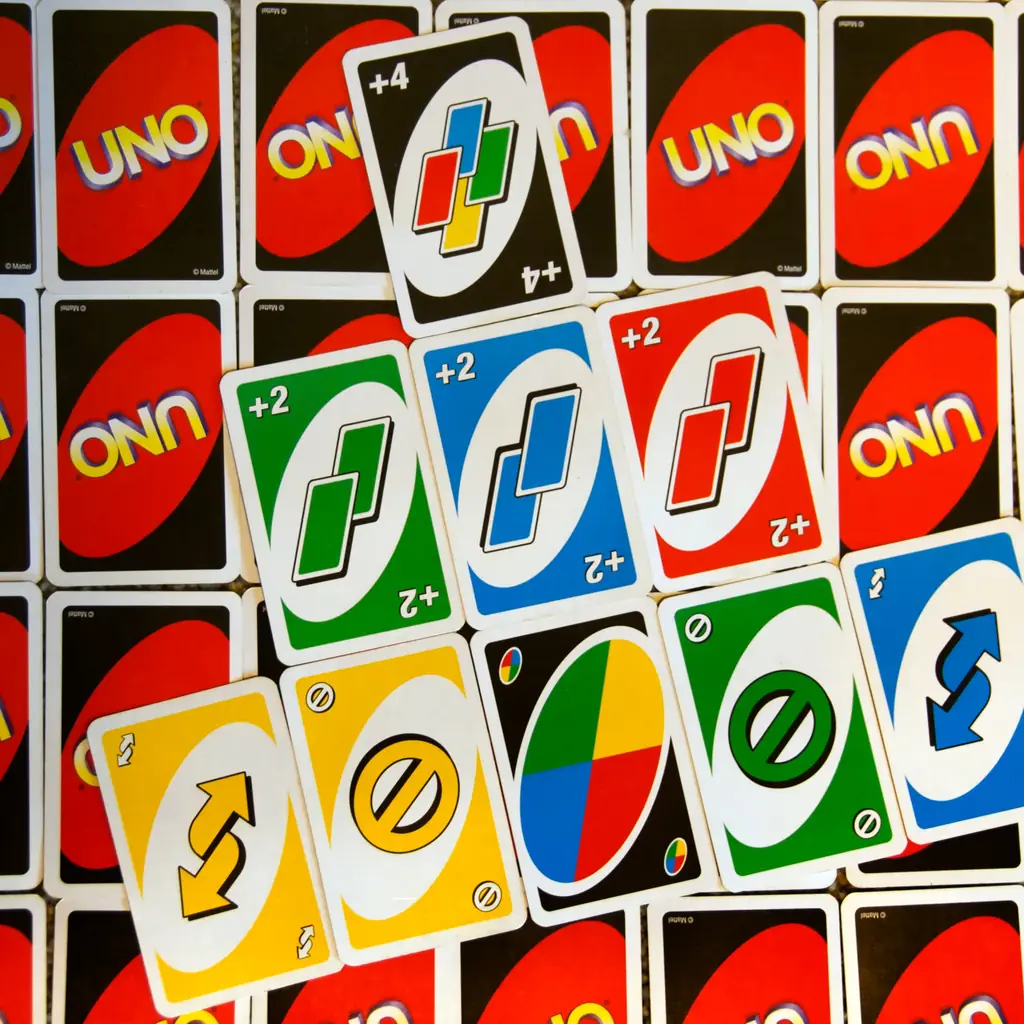
A small hand of colored cards gave each player something to watch while waiting for a turn. A change of direction could bring that turn back quickly, and having one card left made the next move feel important.
Uno developed from the Robbins family's adaptation of crazy eights. Instructions built into the new deck helped make the game easier to follow. Its compactness let the same game travel between households and holiday settings, while the people around the table supplied a different evening each time.
The ordinary afternoon was full of small events
Much of childhood happened between the occasions that made it into an album. The snack assembled at a counter, the program caught from the beginning, and the last round of a card game could make a familiar day feel complete.
Sources and further reading
- The Strong National Museum of Play
- U.S. Census Bureau
- Smithsonian National Museum of American History
- Kodak
- Smithsonian National Museum of American History
- LEGO
- The Strong National Museum of Play
- National Archives catalog, NAID 545246
- NHTSA
- The Strong National Museum of Play
- Image for section 1: Nels P Olsen — CC BY-SA 2.0
- Image for section 2: ProhibitOnions at English Wikipedia
- Image for section 4: Joe Haupt — CC BY-SA 2.0
- Image for section 5: Family photos of Infrogmation — CC BY-SA 4.0
- Image for section 8: Evan-Amos
- Image for section 10: Gene Daniels
- Image for section 12: Kenneth Paik
- Image for section 3: Housing Works Thrift Shops — CC BY-SA 2.0 (adaptation under the same license)
- Image for section 6: ABC Television Network — Public domain (United States)
- Image for section 7: InSapphoWeTrust — CC BY-SA 2.0 (adaptation under the same license)
- Image for section 9: Kenneth Paik — Public domain
- Image for section 11: Kenneth Paik — Public domain
- Image for section 13: Shixart1985 — CC BY 2.0
- Image for section 14: Bob Owen — CC BY 2.0