A family home in the 1890s could hold hairwork, calling cards and a toilet disguised as furniture.
These surviving objects and household records show how differently Americans managed visitors, privacy, work and daily care.
A Wreath Could Contain the Family’s Hair
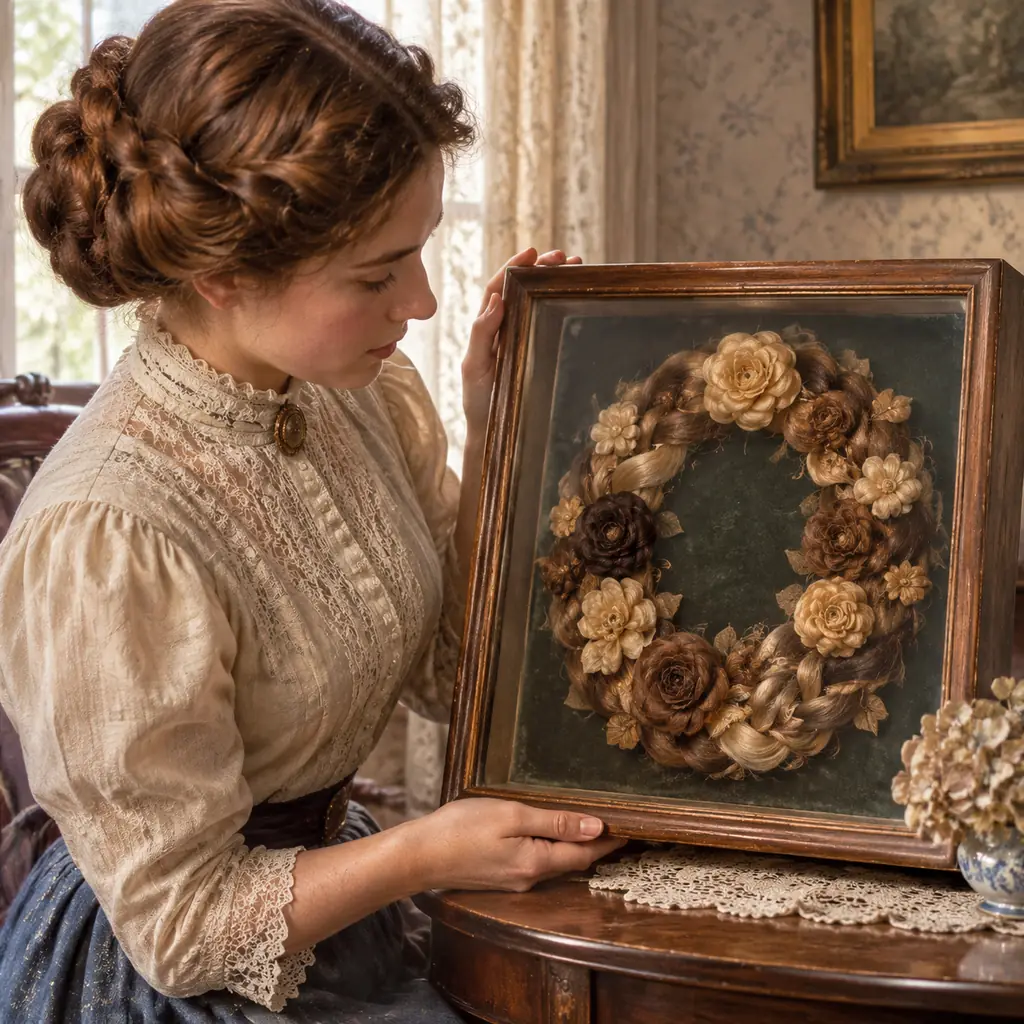
A framed wreath on a parlor wall might be made from human hair rather than dried flowers. The Smithsonian holds an American example dated about 1890, with strands worked into a decorative arrangement.
Hairwork turned a small part of a person into something a family could keep and display. The wreath belonged to a wider nineteenth-century taste for sentimental handiwork. Its careful loops and flowers make more sense as a personal keepsake than as an attempt to decorate with something strange.
A Visitor Could Leave Without Seeing Anyone
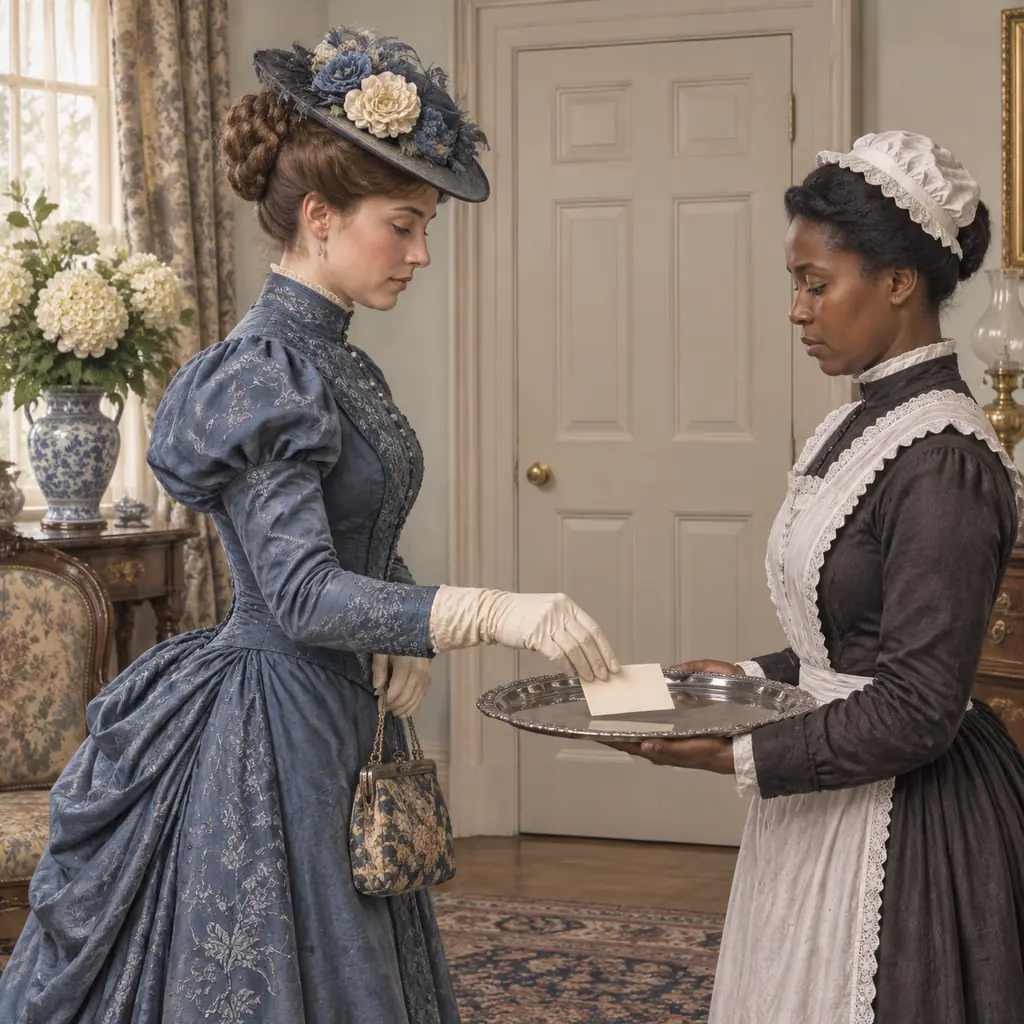
A formal visit did not always end with a conversation. A caller could hand over an engraved card, which a servant delivered to the host or placed on a tray when the host was out.
The little rectangle recorded an attempt to visit without requiring the whole household to stop. A silver card case dated about 1890 survives at the McClung Museum. Such equipment belonged to a particular social world, where even a brief call involved preparation and rules.
Mourning Could Change a Family’s Wardrobe
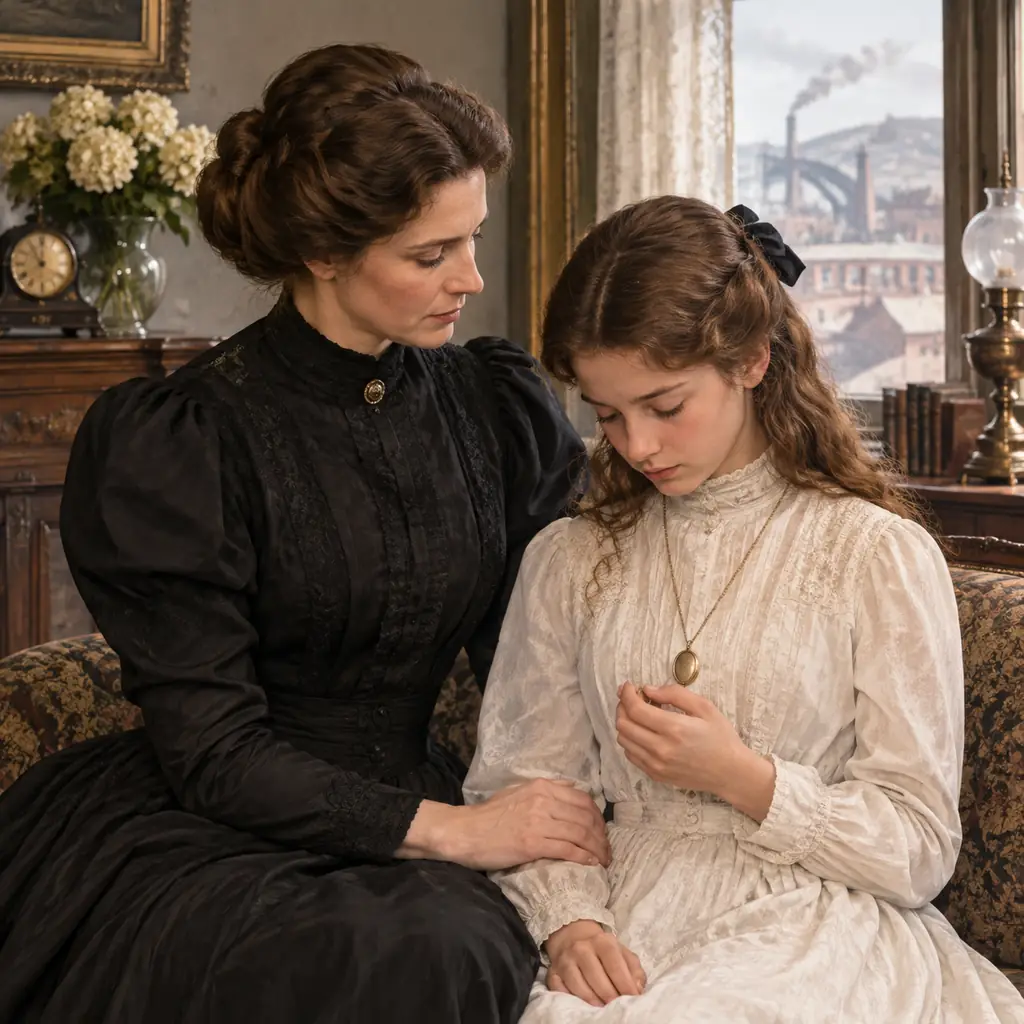
In a photograph from around 1890, Adelaide Frick wears a dull black dress with crape trim. Her daughter Helen stands beside her in white, wearing a locket containing a picture of her dead sister.
The Fricks had the money to buy mourning clothes, while other families altered or dyed garments they already owned. Rules about fabric, color and ornament made grief visible to callers and neighbors. Those expectations fell more heavily on women than on men, and families followed them within their means.
Sources: Frick Pittsburgh: Memory and Mourning, dated family photographs
A Clean Collar Could Be Separate From the Shirt
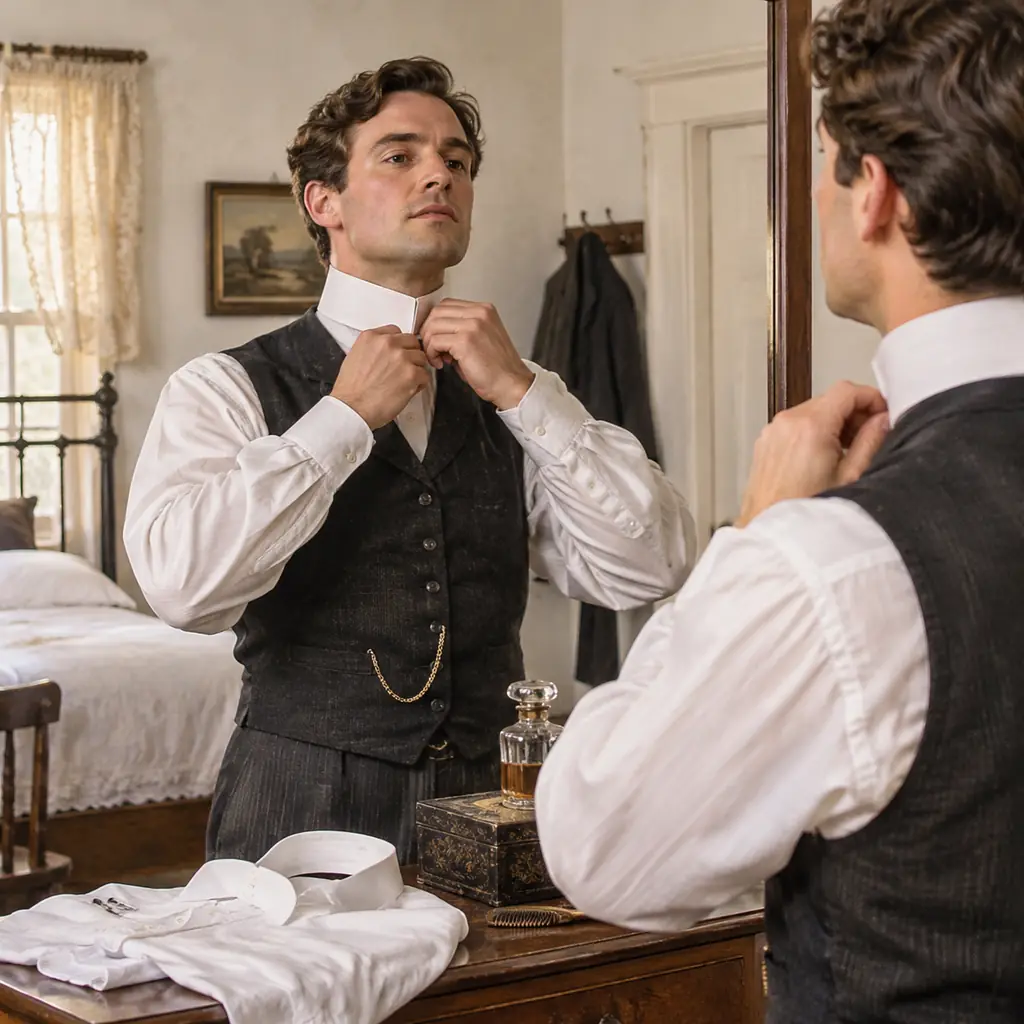
A man could change the part of his clothing that people noticed first without sending the whole shirt through the wash. Detachable collars and cuffs made that possible, with different shapes offered in an 1890s advertisement preserved by the Smithsonian.
A fresh collar helped a clerk or storekeeper look presentable in public. The arrangement also reflected the work behind clean clothing. Washing, starching and pressing an entire shirt took more effort than replacing a small, separate piece at the neck.
A Bedroom Could Hide a Chamber Pot
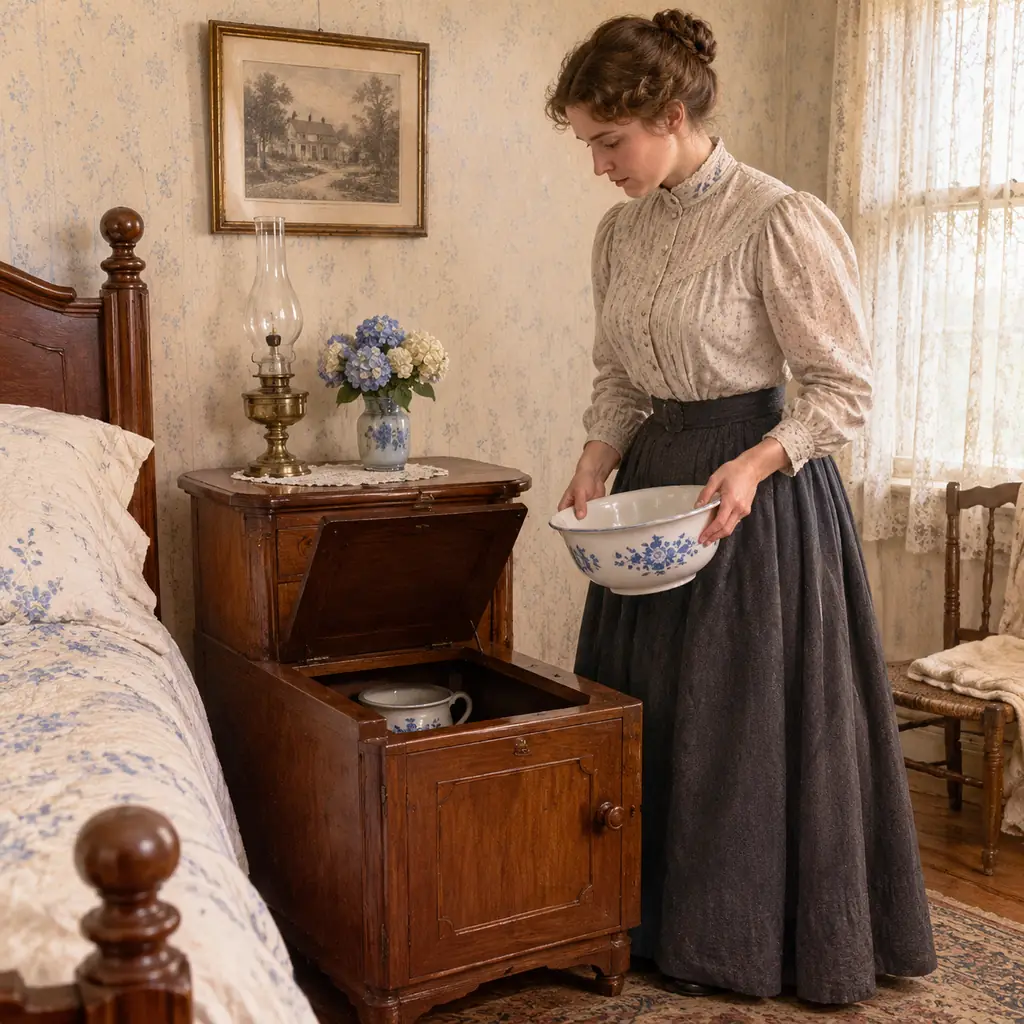
A covered pot under the bed offered an alternative to going outdoors during the night. Some pots sat inside a small wooden commode, where a lid or cushion kept their purpose out of sight.
Fairfax County archaeologists recovered one made between 1893 and 1926. The broad date is a reminder that these arrangements lasted beyond the decade. Emptying and cleaning the vessel still became someone’s morning task; concealing it in furniture did not remove the household work.
Water Might Have to Come Upstairs by Hand
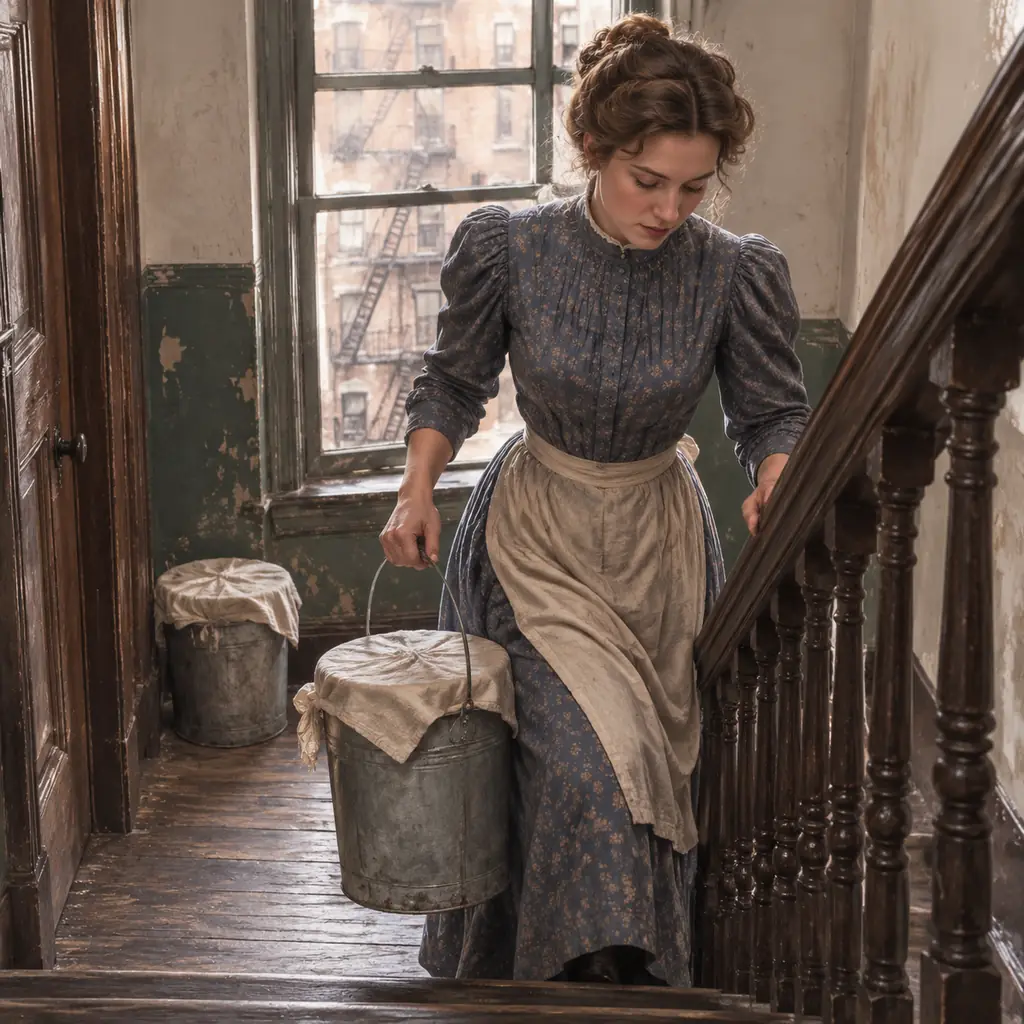
A family could live in a large city without having water at its kitchen sink. In New York tenements, women carried heavy containers up flights of stairs for cooking, cleaning and washing.
The Tenement Museum distinguishes these homes from wealthy households that had installed indoor plumbing much earlier. The difference lay inside neighboring buildings, not simply between city and country. A bucket at the foot of the stairs could therefore represent several more trips before the family had enough water for the day.
Sources: Tenement Museum: Daily Life in 19th-Century New York
A Summer Bath Could Mean Going to the River
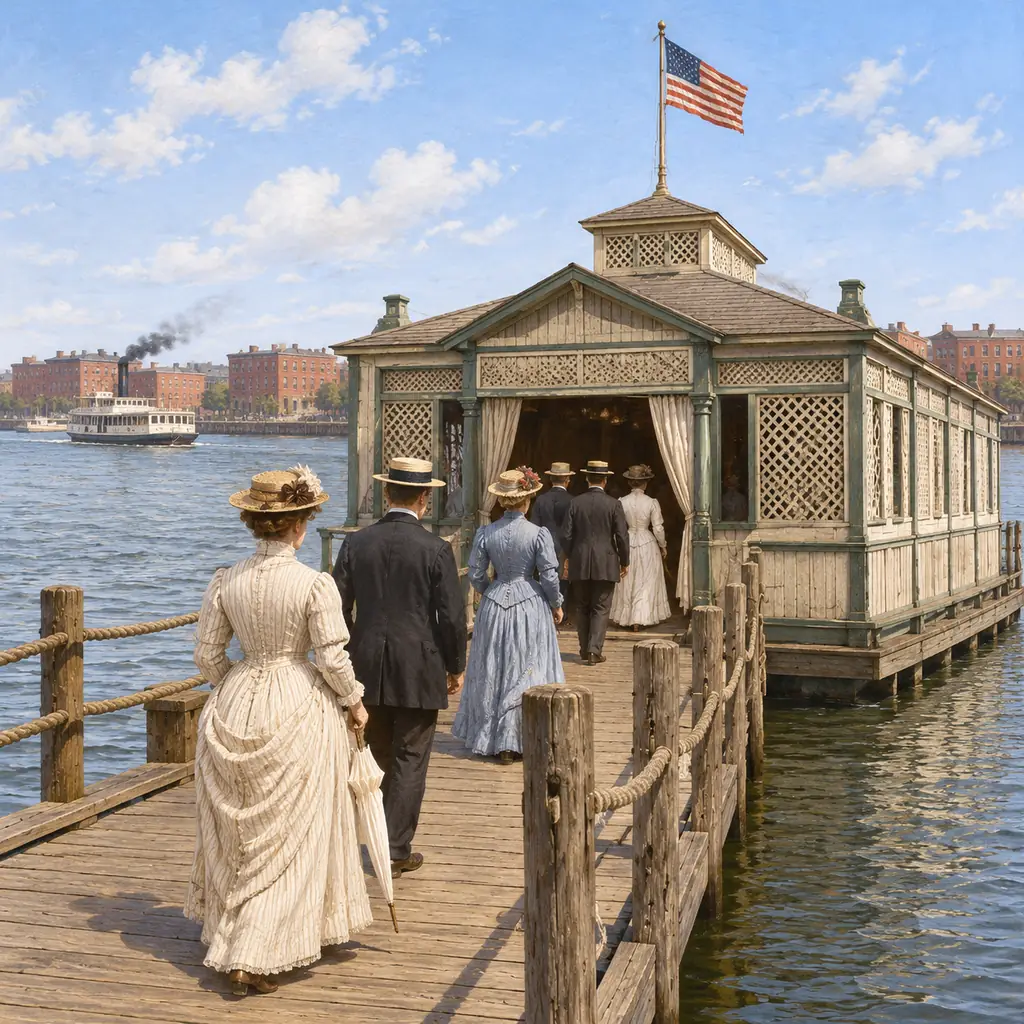
New Yorkers without a bath at home could use floating bathing facilities in the Hudson or East River. The Tenement Museum records fifteen of these pools by 1890, open during the warmer months.
The facilities enclosed a bathing area in the river rather than supplying a private bathroom. Washing and recreation could become a trip out of the building, with other people using the same public space. This was one urban response to crowded housing, not a description of how every American family bathed. Crowded rooms took on other jobs in household life in the 1910s.
Even Electric Lights Could Feel Unfamiliar
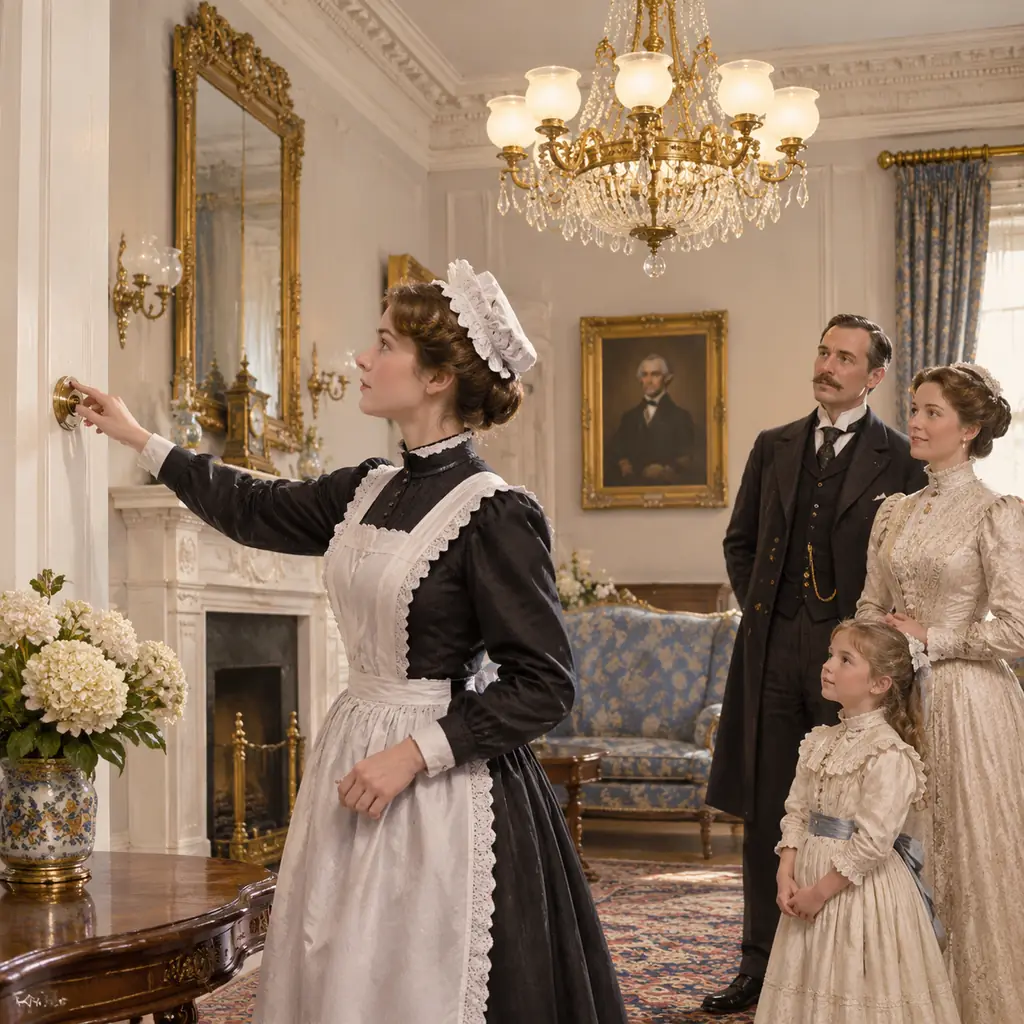
Electric lighting reached the White House in 1891, but gaslight remained as a backup. Benjamin and Caroline Harrison feared being shocked by the new switches and left their operation to the domestic staff.
Their household was unusually privileged, yet the hesitation captures how unfamiliar a modern convenience could seem. Wires ran through the plaster, and round switches appeared in the rooms. Installing the equipment did not mean everyone immediately trusted it or felt comfortable changing a long-established evening routine.
Sources: White House Historical Association: electric lighting, 1891
A Kitchen Could Become Part of the House Only Later
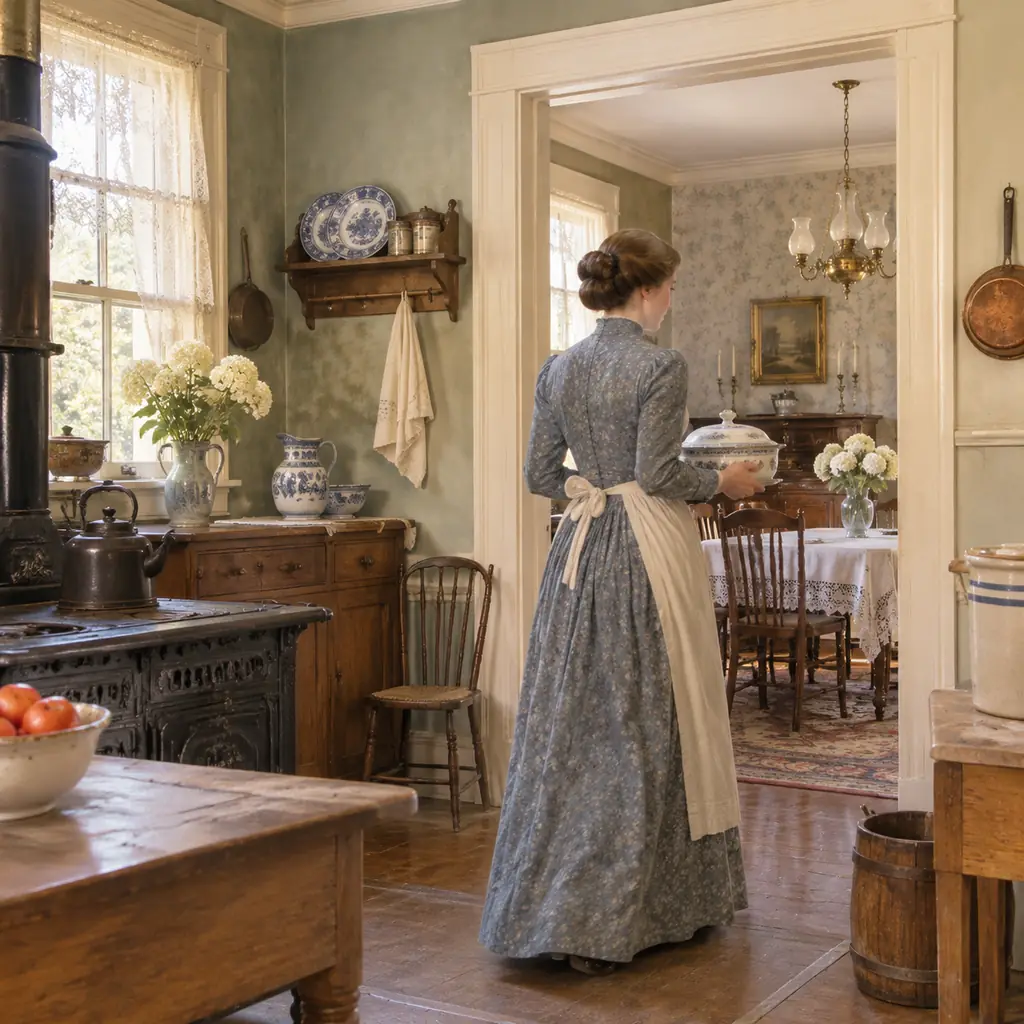
The Richmond house later owned by Maggie L. Walker had once kept its kitchen separate from the main building. During the 1890s, the Jones family added a kitchen onto the rear of the house.
The change connected cooking more directly with the dining room. A meal no longer had to move between separate structures in quite the same way. The surviving house records a particular family’s alteration, showing how an older layout could continue shaping daily work until its owners could change it. Earlier homes also divided work and privacy differently, as these accounts of colonial life show.
Sources: NPS: Walker Historic Home, including the Jones family’s 1890s alterations
A Doctor’s Patients Could Use the Family Address
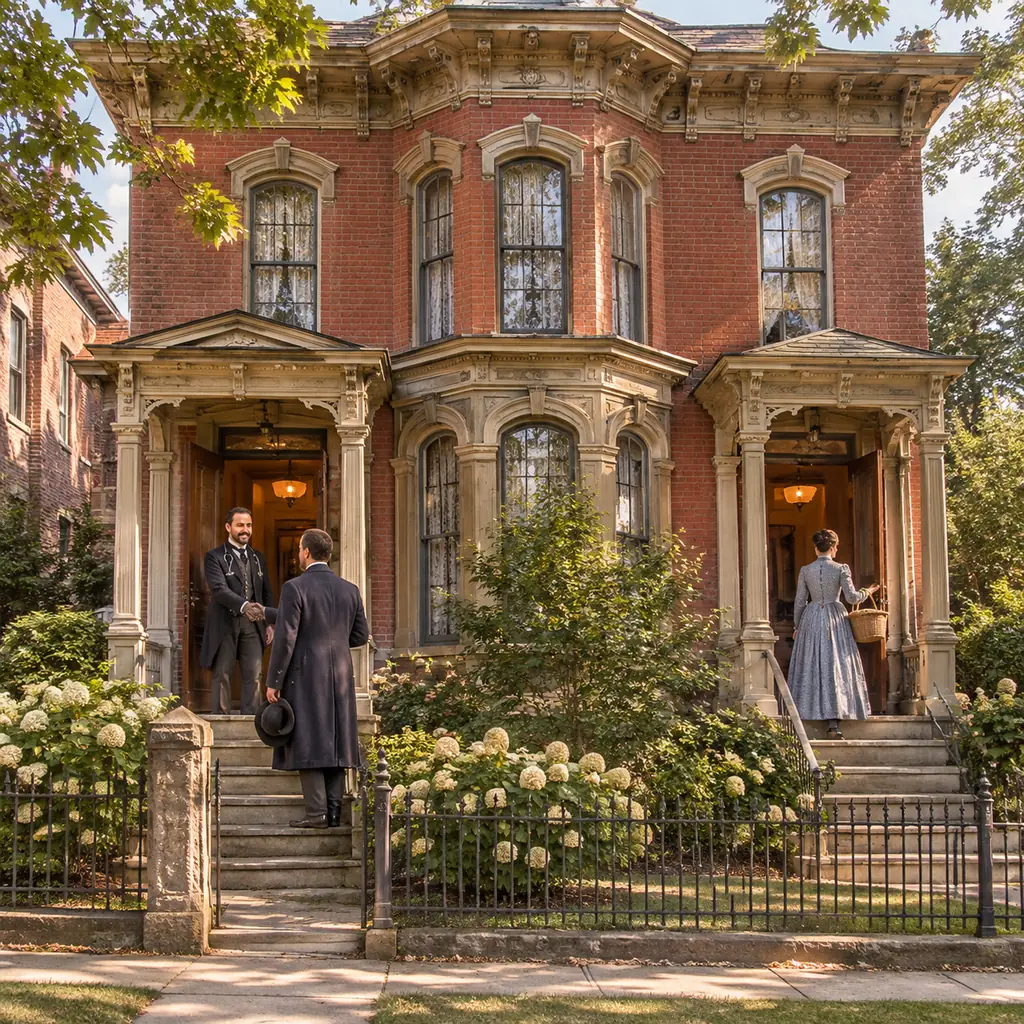
Dr. Robert E. Jones added waiting and examination rooms to the west side of that Richmond home. The change left the house with two front doors, separating the medical entrance from the household entrance.
A visitor approaching the building therefore had to choose the correct door. Professional work and domestic life occupied the same property without being exactly the same space. The arrangement also makes the building’s unusual appearance understandable: the extra entrance answered a daily need rather than serving as decoration.
Sources: NPS: Walker Historic Home, including the Jones family’s 1890s alterations
A Viewer Could Bring Distant Scenes Into the Parlor
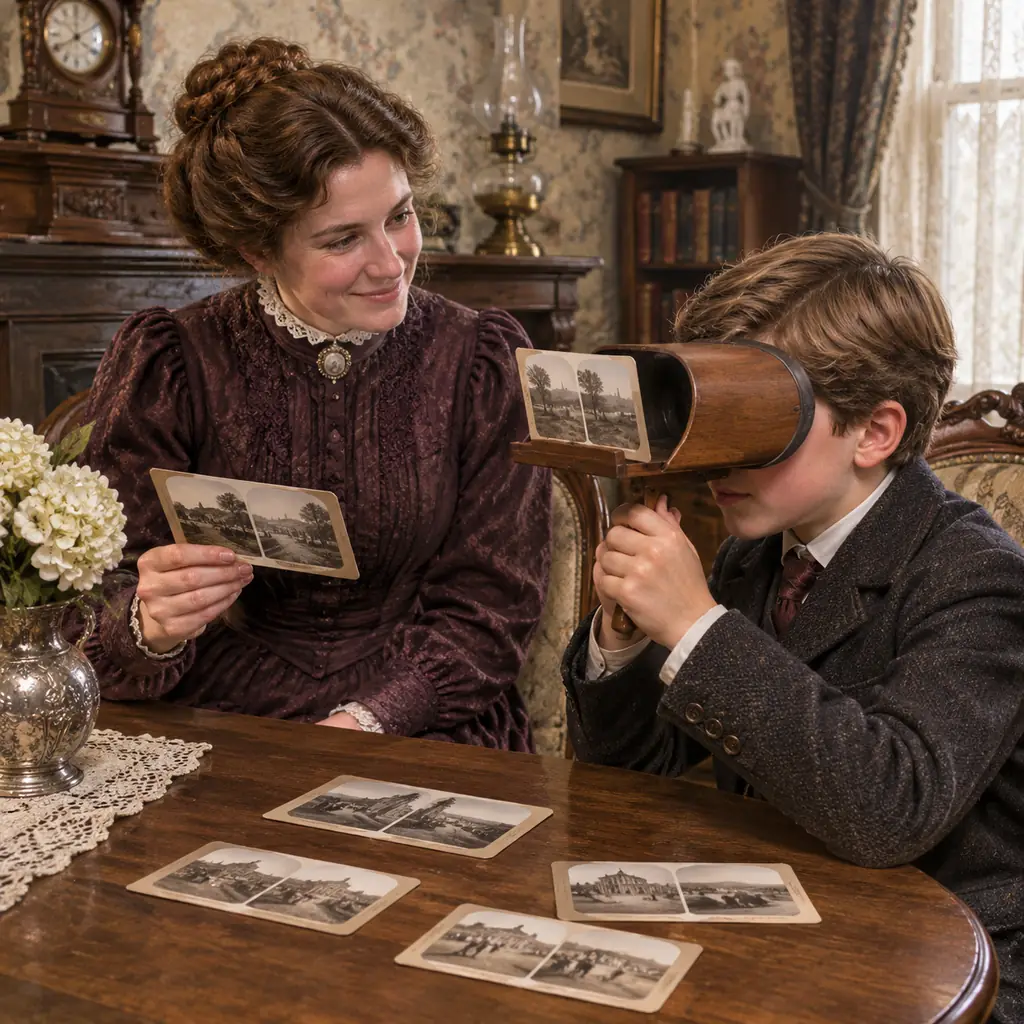
A stereoscope let someone hold a picture close and look through two lenses. The paired views produced an impression of depth, making a distant building or landscape feel less like a flat print.
The Smithsonian holds a wooden viewer dated to the 1890s, with a sliding holder for adjusting the picture. Families who collected stereographs could pass the viewer around rather than all watch one screen. The entertainment needed a box of images, a little handling and someone willing to take a turn. The rules around women’s personal choices extended beyond the parlor; explore the decisions American women fought to make.
Sources: Smithsonian NMAAHC: wooden stereoscope, 1890s · Smithsonian Archives: Lantern Slides and Stereographs
Taking Pictures Could Mean Mailing Away the Camera
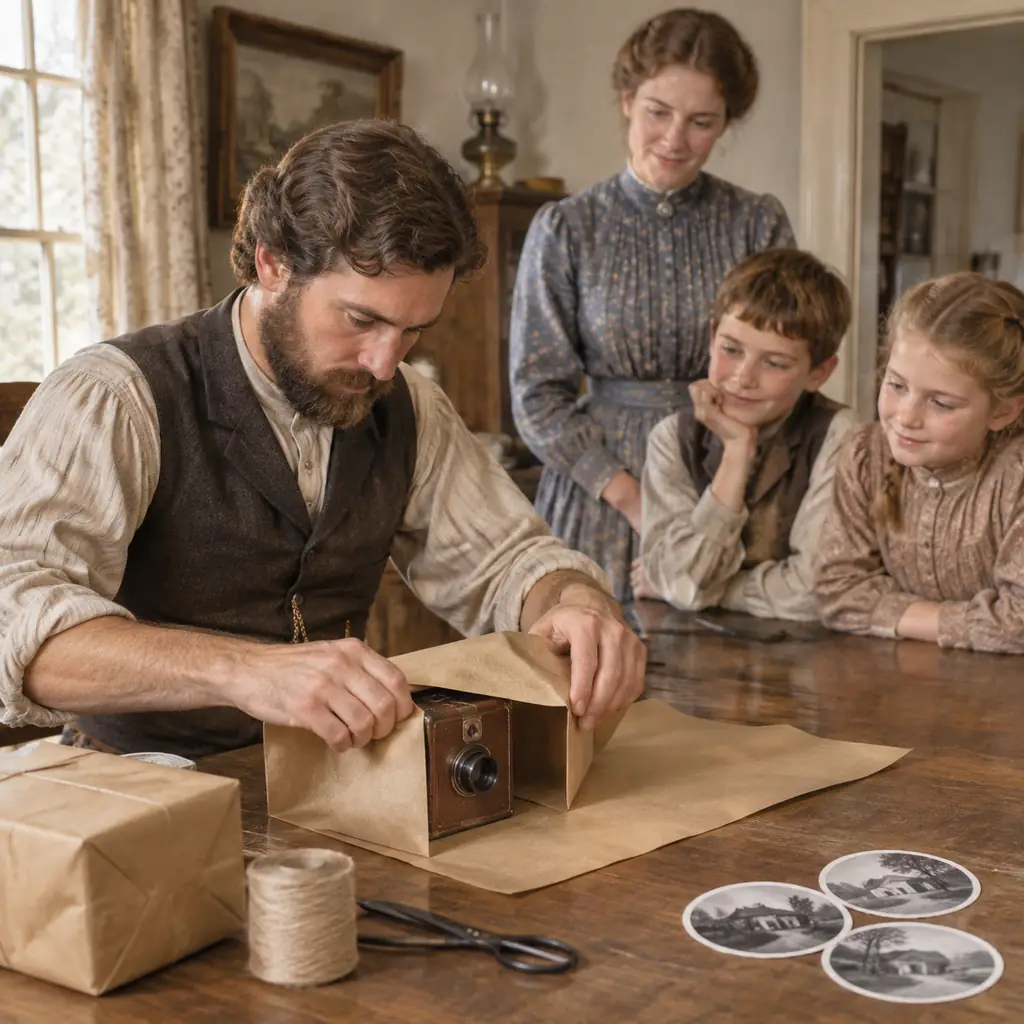
The original Kodak, introduced in 1888, arrived loaded for one hundred exposures. After using the roll, an owner could send the entire camera back to the factory for processing and reloading.
That service helped carry informal photography into the following decade. A family could record an outing without running its own darkroom, but the pictures did not appear immediately. The camera itself went away, then returned with a fresh roll while the photographs were processed. Taking the picture was only the first part of the exchange. The work behind clean clothes appears again in family life in the 1950s.
Sources: Smithsonian: Original Kodak camera and factory processing
The Best Room Displayed the Family’s Taste
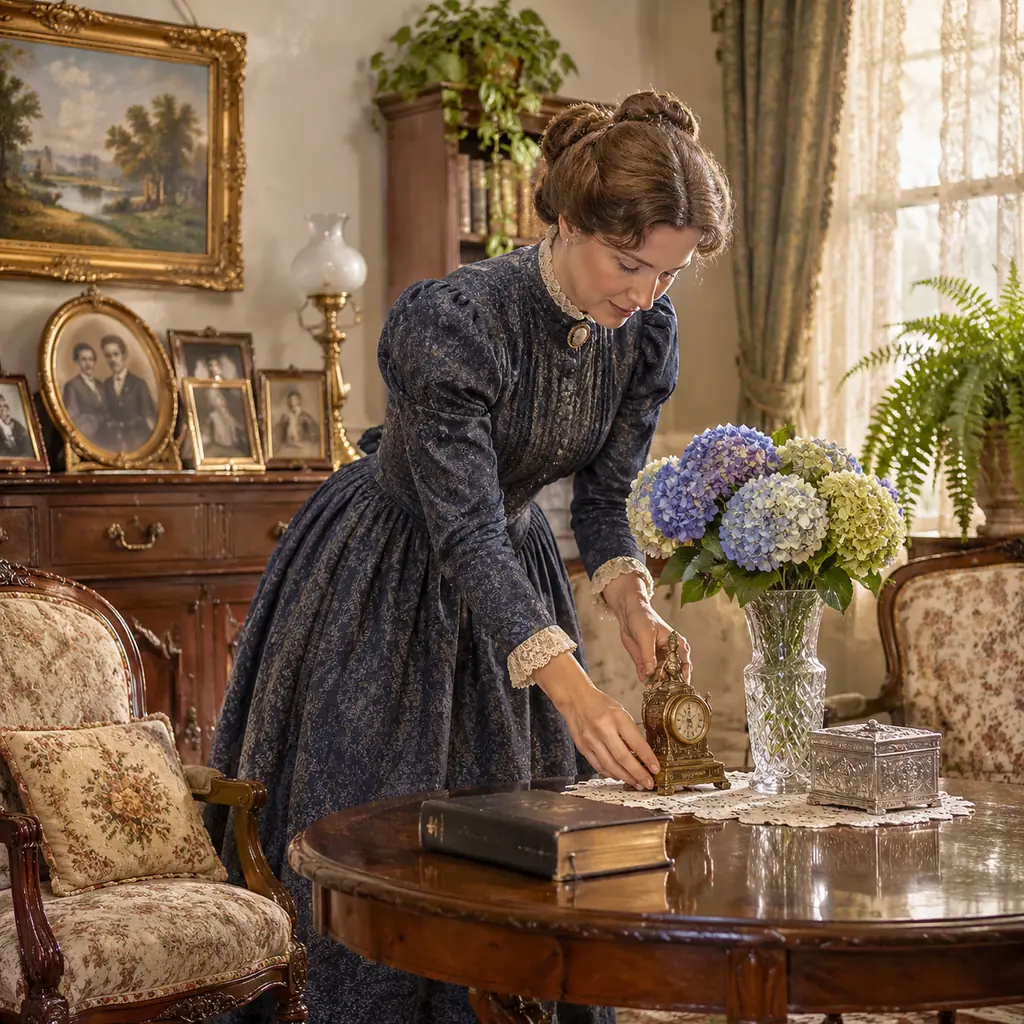
In a household with a separate parlor, the nicest room could be arranged for special visitors. Photographs, a family Bible, ornaments and carefully chosen furniture showed what the family wanted people to notice.
The Potsdam Public Museum describes a room where appearance could matter more than comfort. That does not mean families never used their parlors. It means the room had a public role inside a private house, with possessions doing some of the work of introducing the people who lived there.
Sources: Potsdam Public Museum: parlor displays and crazy quilts
Music at Home Could Depend on Someone Playing
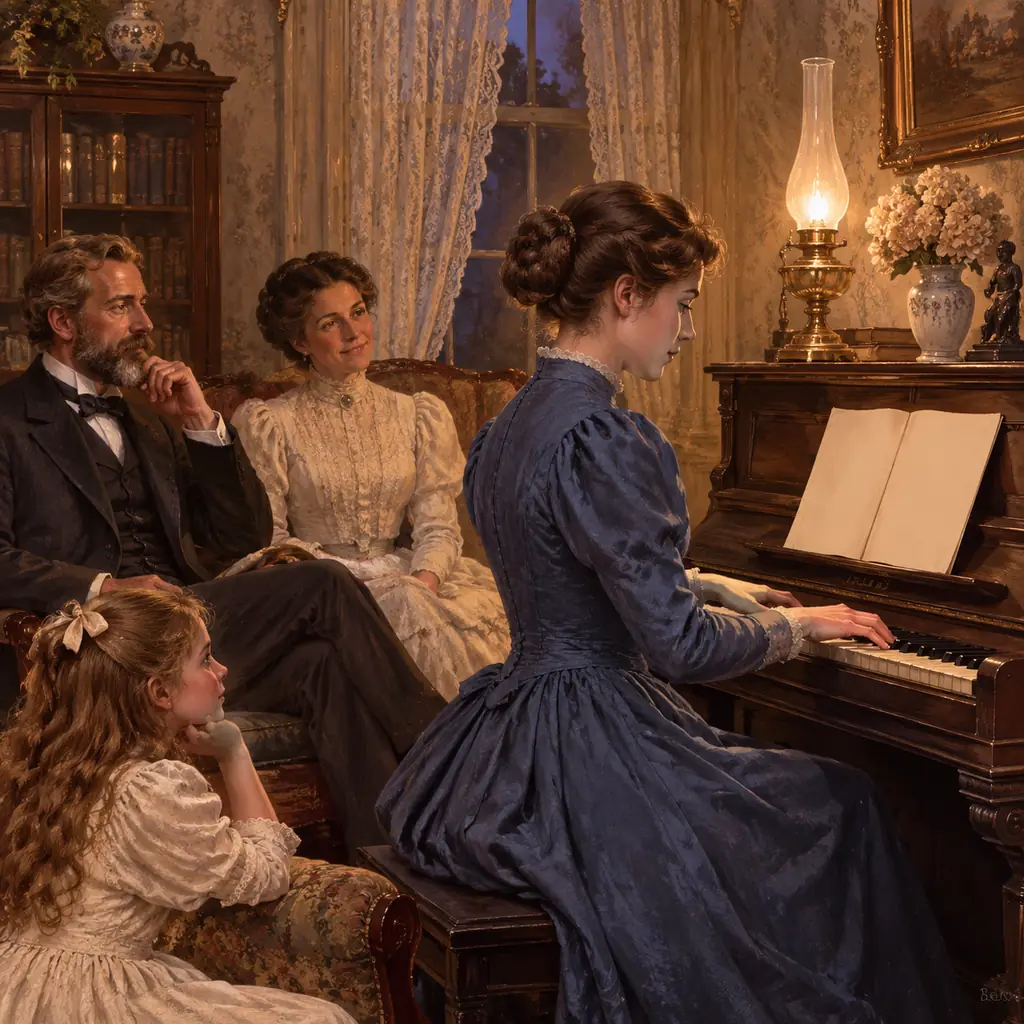
An upright piano brought music into a room, but it also required space, money and a player. A circa-1890 Ivers & Pond catalog offered upright and grand models in different finishes.
The catalog’s concern with size makes the household decision visible. A family had to fit the instrument among chairs, tables and other possessions, then someone had to learn and practice. When music began, it could draw the people in the room together around a performance made there and then. Water and shelter took different forms in these accounts of raising a family on the frontier.
Sources: Smithsonian Libraries: circa 1890 Ivers & Pond catalog
A Quilt Could Be a Showpiece of Irregular Scraps
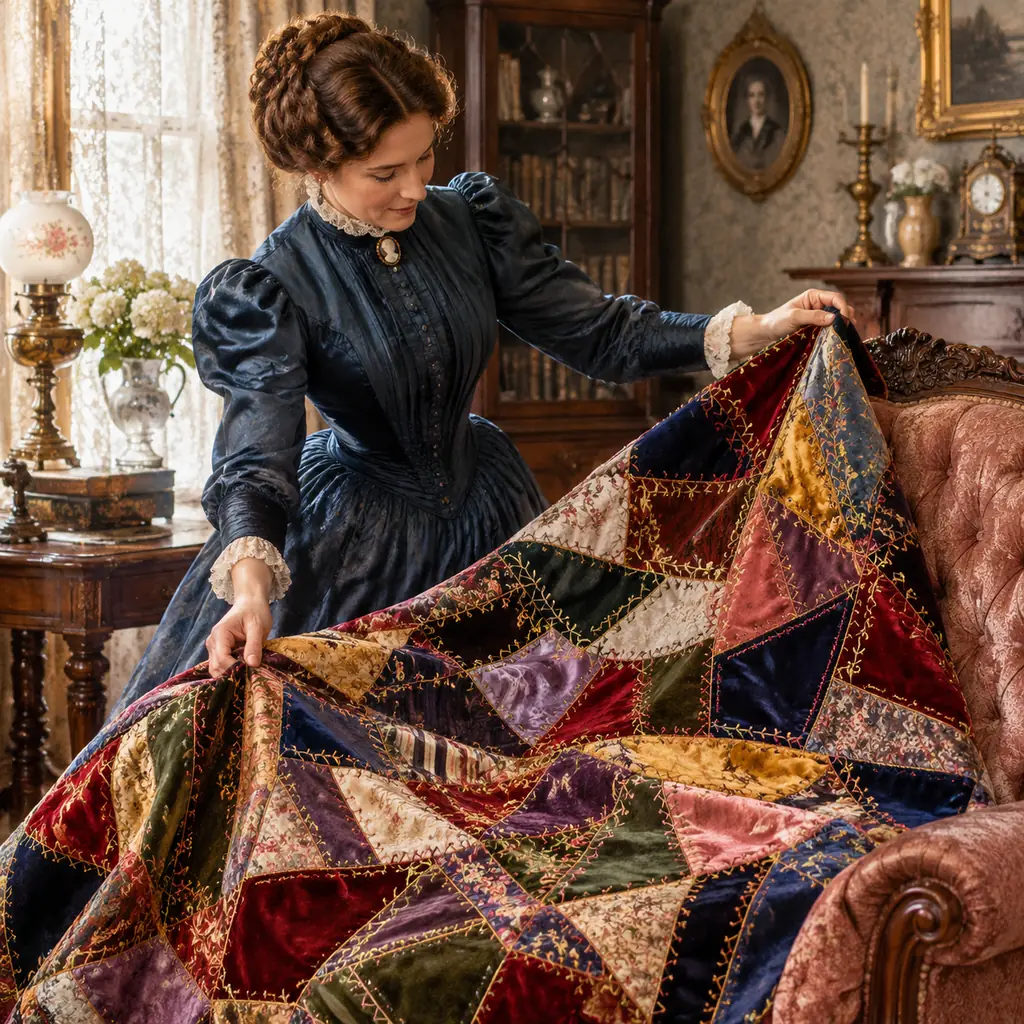
A crazy quilt used uneven fabric pieces rather than a neat repeating pattern. Decorative stitching could turn the joins into part of the design, making the surface worth examining closely.
The Potsdam museum traces the American fashion from the early 1880s into the next century. A quilt displayed in an 1890s room could therefore carry recent fashion as well as household handiwork. Its unusual arrangement was deliberate. The maker did not have to hide every seam or force every piece into the same shape.
Sources: Potsdam Public Museum: parlor displays and crazy quilts
A Rural Mail Delivery Could Change the Day’s Trip
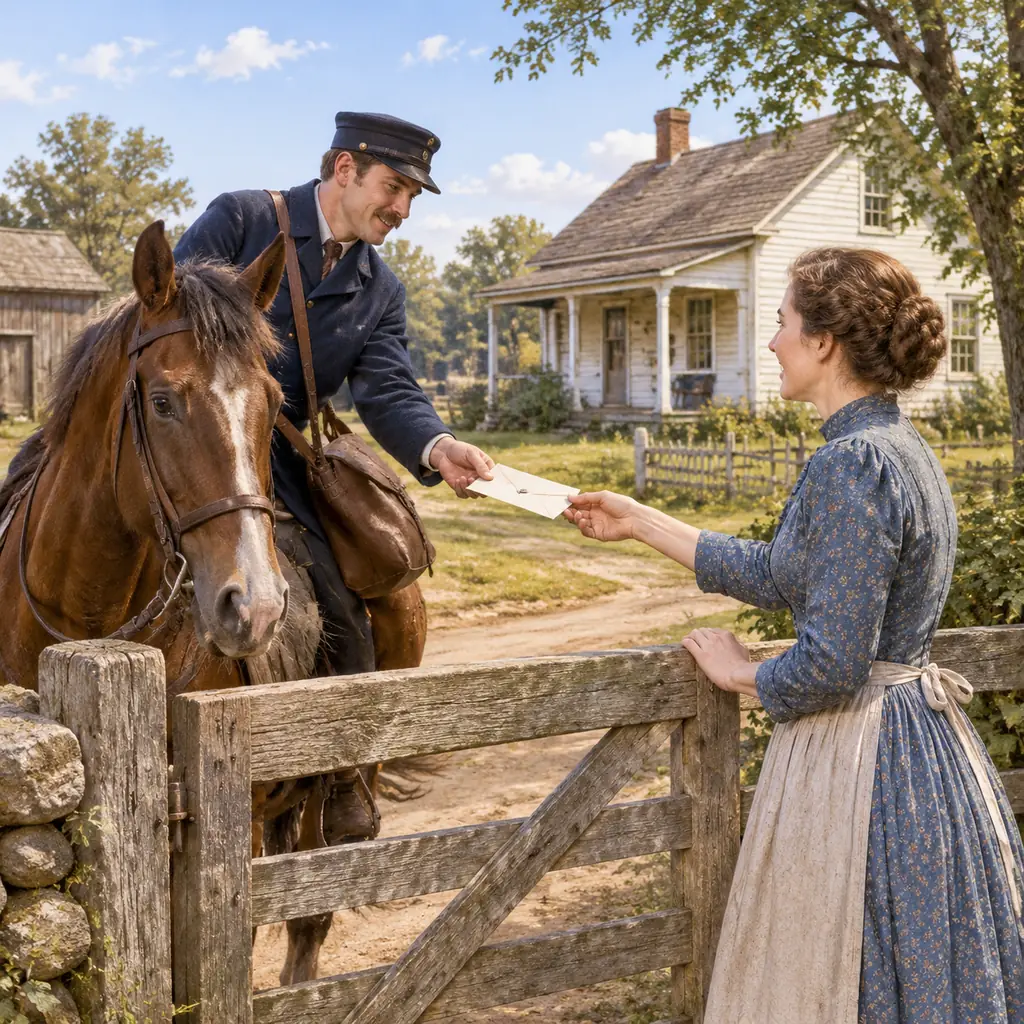
Before rural free delivery began in 1896, collecting letters often meant a trip into town. The new service started carrying mail toward farm homes, though its reach expanded over time.
The National Postal Museum connects that change with the growth of catalogs, orders and payments sent by post. For a household on a route, the arrival of a carrier could replace one errand and bring news or shopping information to the gate. It was a change in the family’s contact with the wider world, not just a different mailbox. A later domestic world appears in the family life behind the Roaring Twenties.